
Designing a 70s Inspired Living - Room: A Guide to Retro Comfort
Remember the feeling of sinking into a plush velvet sofa, surrounded by warm wood tones and a hint of playful pattern? Crafting a 70s inspired living room means embracing that unique blend of cozy comfort and bold expression, but sometimes it's hard to imagine how those iconic elements will truly fit your modern space. How do you weave in the era's distinctive charm without making it feel like a costume?
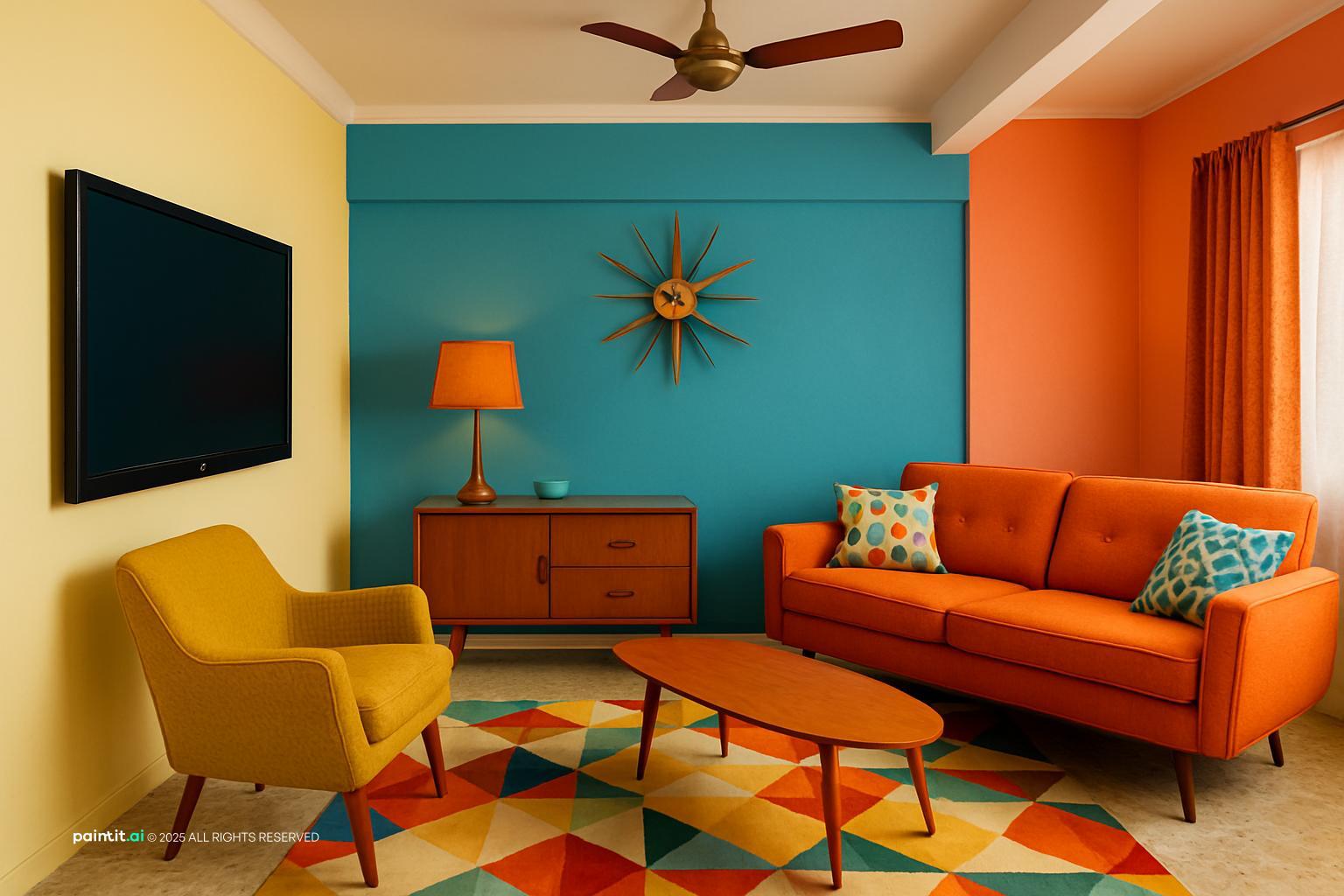
Essential Tips for 70s inspired living room: Curating Retro Comfort for Modern Spaces
Stunning Examples of 12 Distinct Ways to Embrace the 70s Inspired Living Room
-
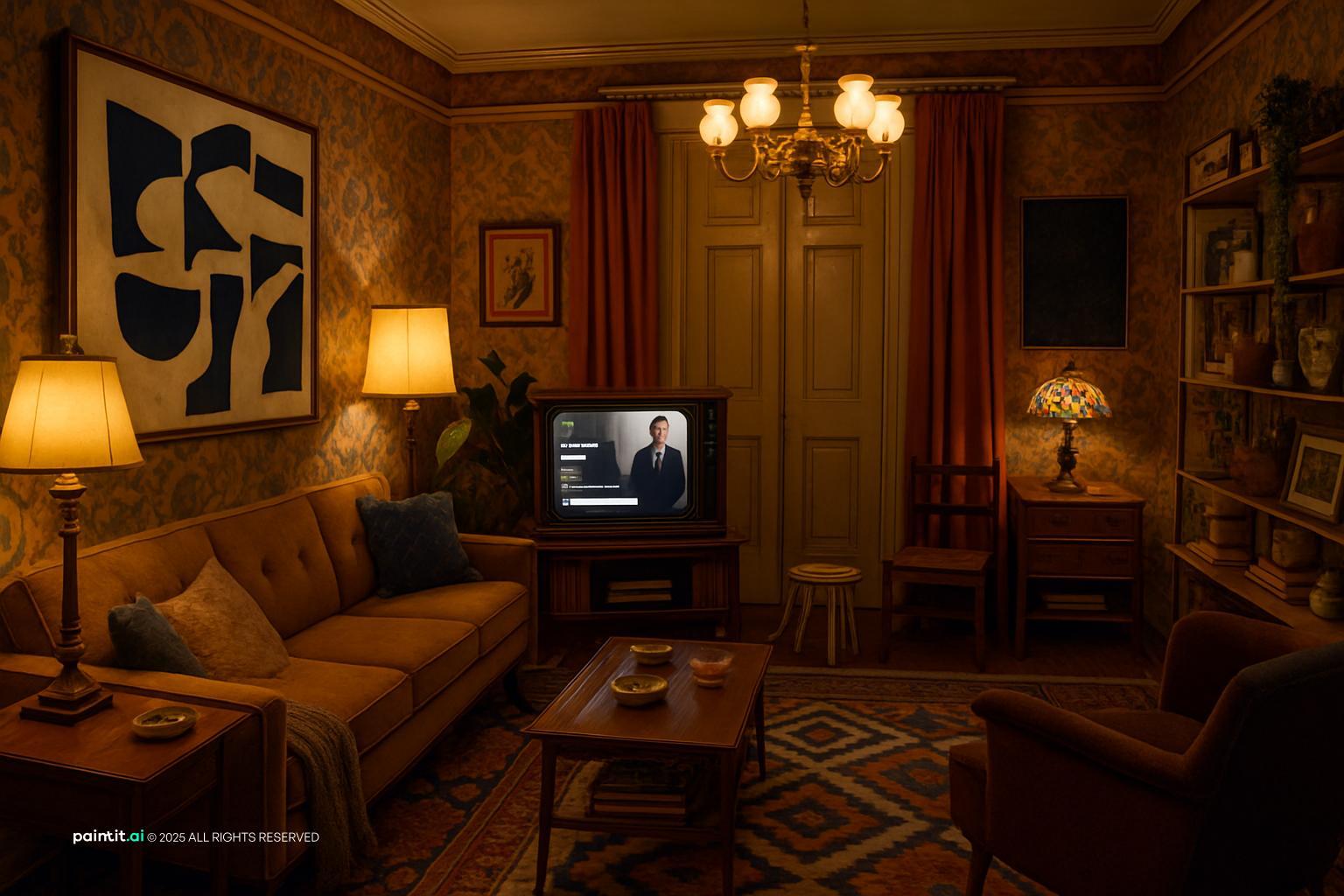
Curating a truly authentic retro lounge requires more than just throwing a few vintage pieces together. These ideas were carefully selected to balance the era's distinctive aesthetics with modern functionality, ensuring your space feels both nostalgic and utterly livable. We've seen these concepts transform ordinary rooms into extraordinary havens of period-specific comfort.
-
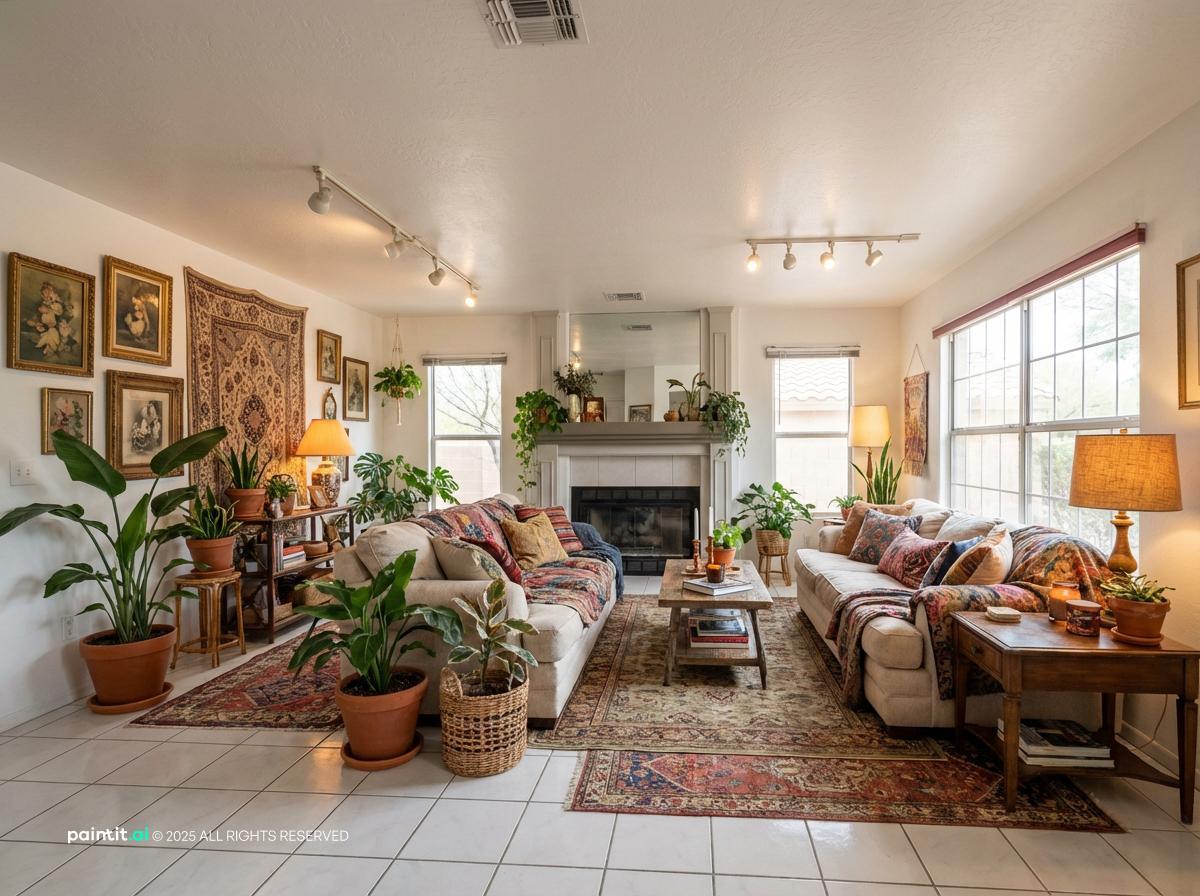
This architectural marvel defined social gatherings in the 70s. It creates an intimate, cocoon-like atmosphere, drawing people together for conversation and relaxation. I’ve seen this work best in larger open-plan spaces where it can become a true focal point without overwhelming the room.
-
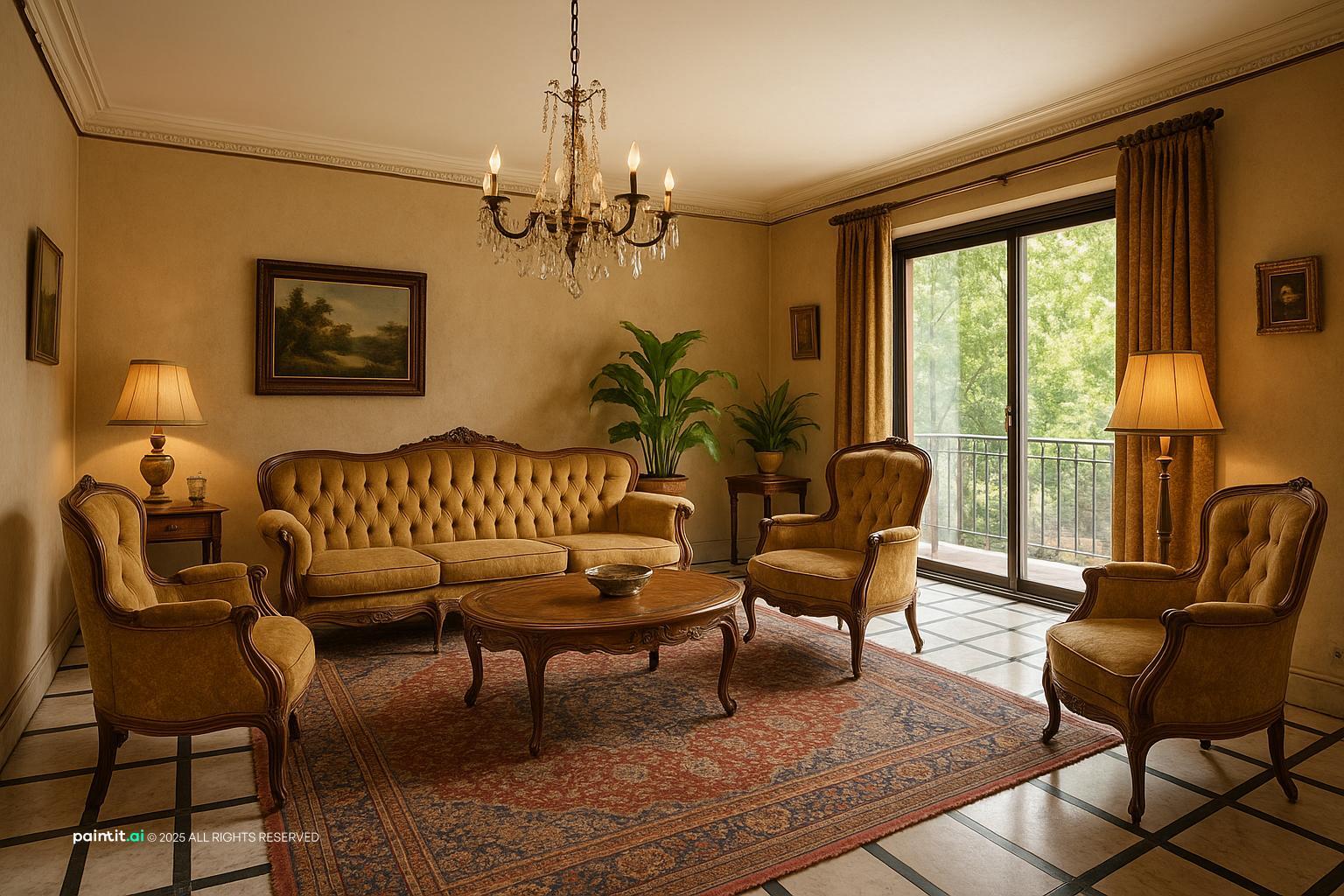
If a full structural change isn't feasible, mimic the effect with a large, low-slung modular sofa arranged in a U-shape around a central coffee table. Choose deep, inviting cushions in rich, textured fabrics.
-
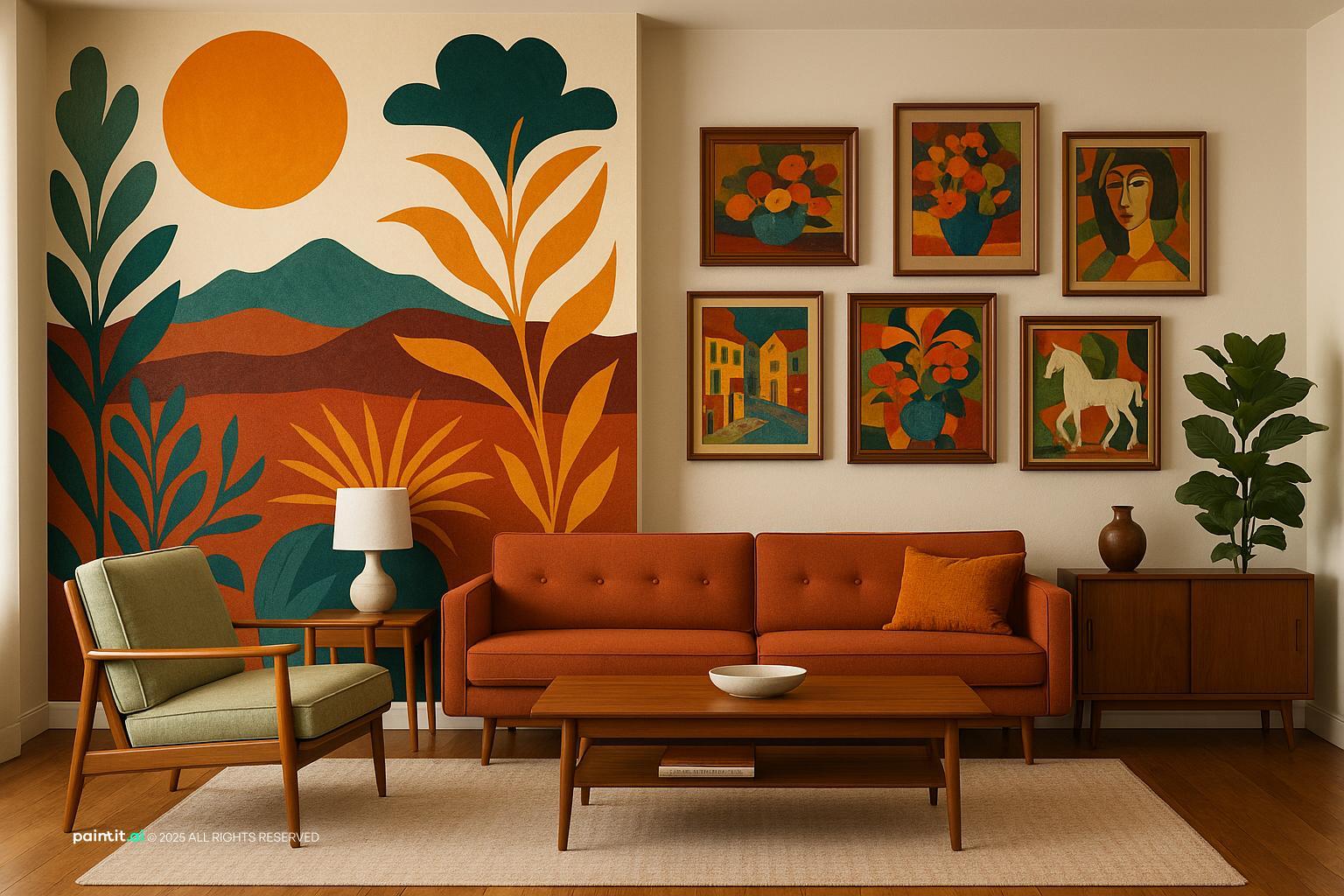
Pro Tip: To achieve this effect, try using different floor levels or clever furniture arrangements to define the "pit" without excavation.
-
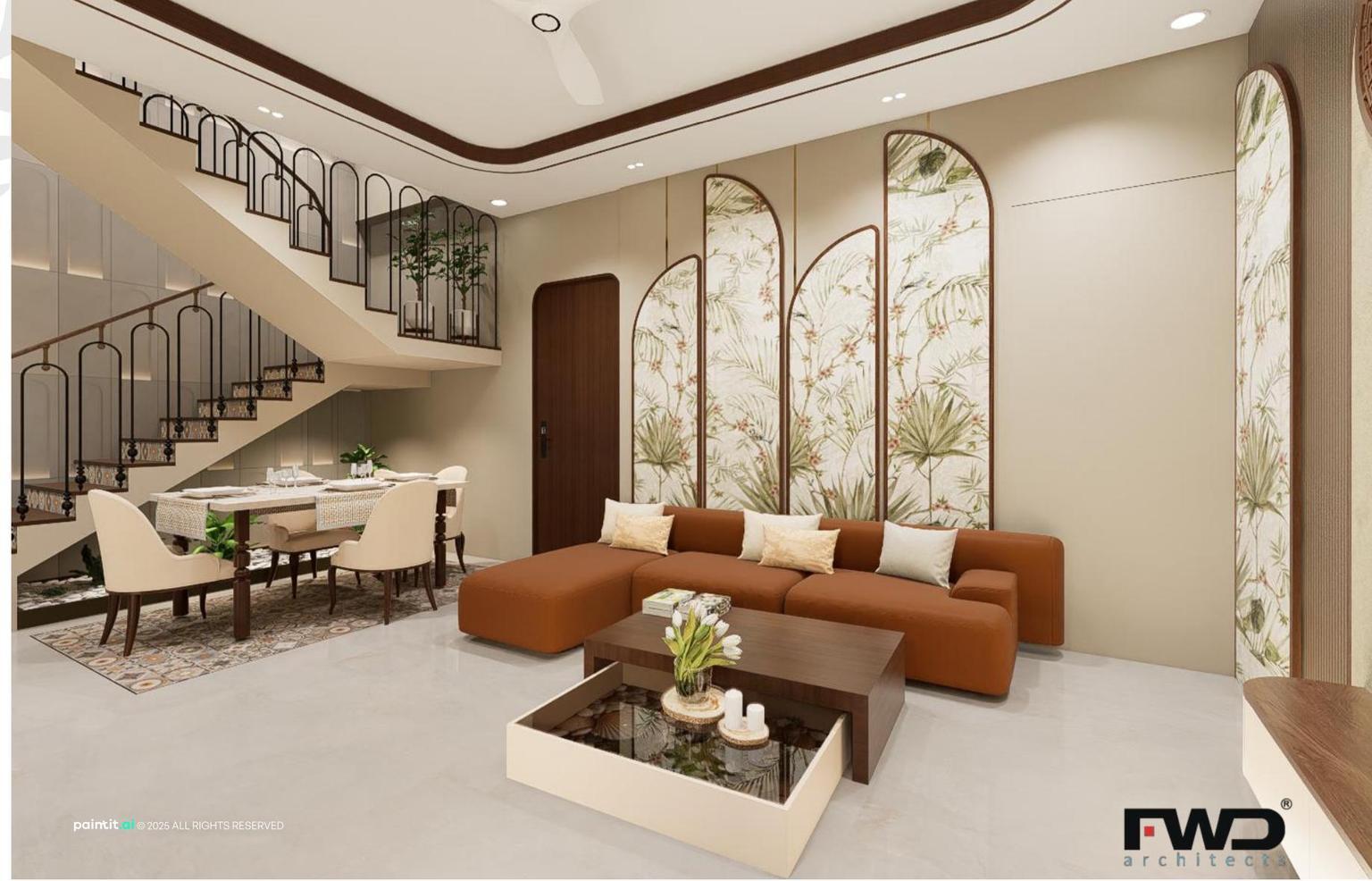
Nothing screams 70s luxury quite like a generous velvet sofa or armchair. The material's inherent sheen and softness instantly elevate a space, adding a tactile richness that's hard to beat. It sounds simple, but the right velvet piece can anchor your entire design.
-
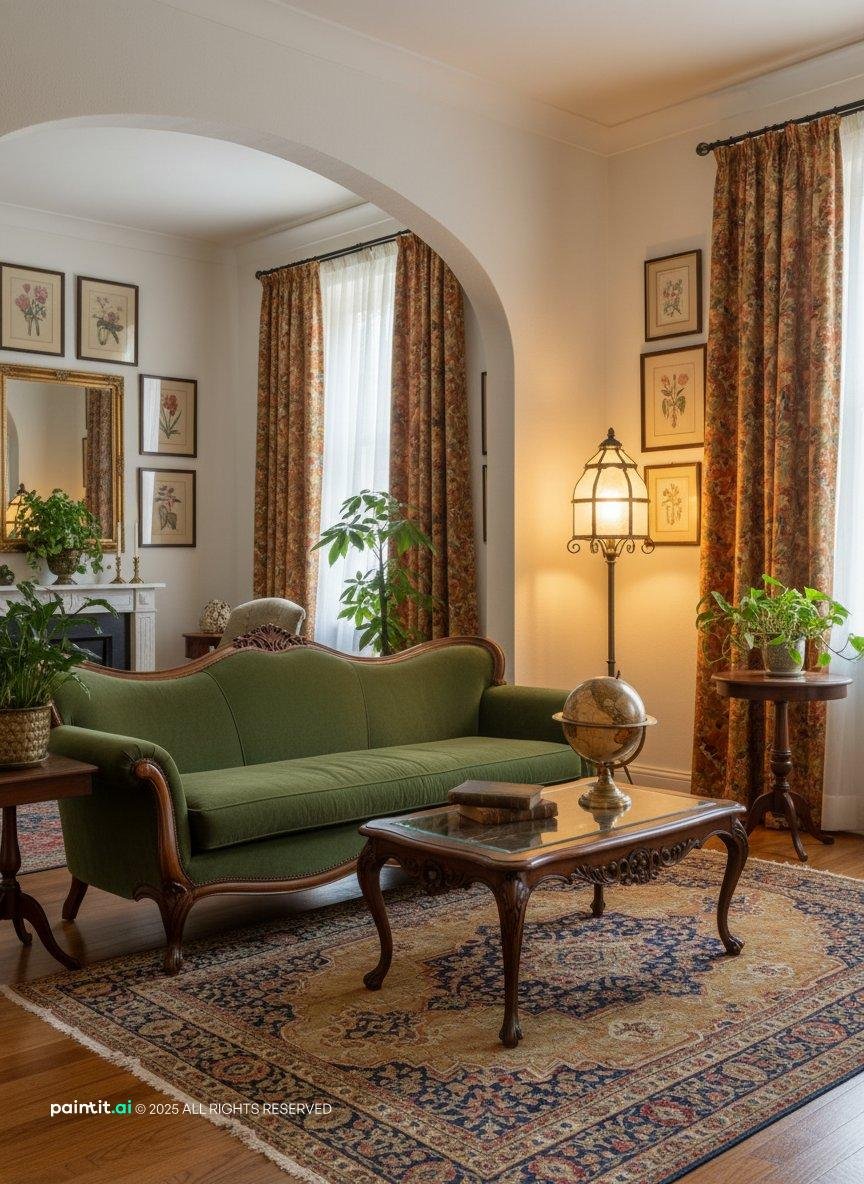
Opt for jewel tones like emerald green, sapphire blue, or deep burgundy. A sectional sofa or a pair of accent chairs in this fabric will make a powerful statement. Pair it with warm wood or brass accents to complete the look.
-
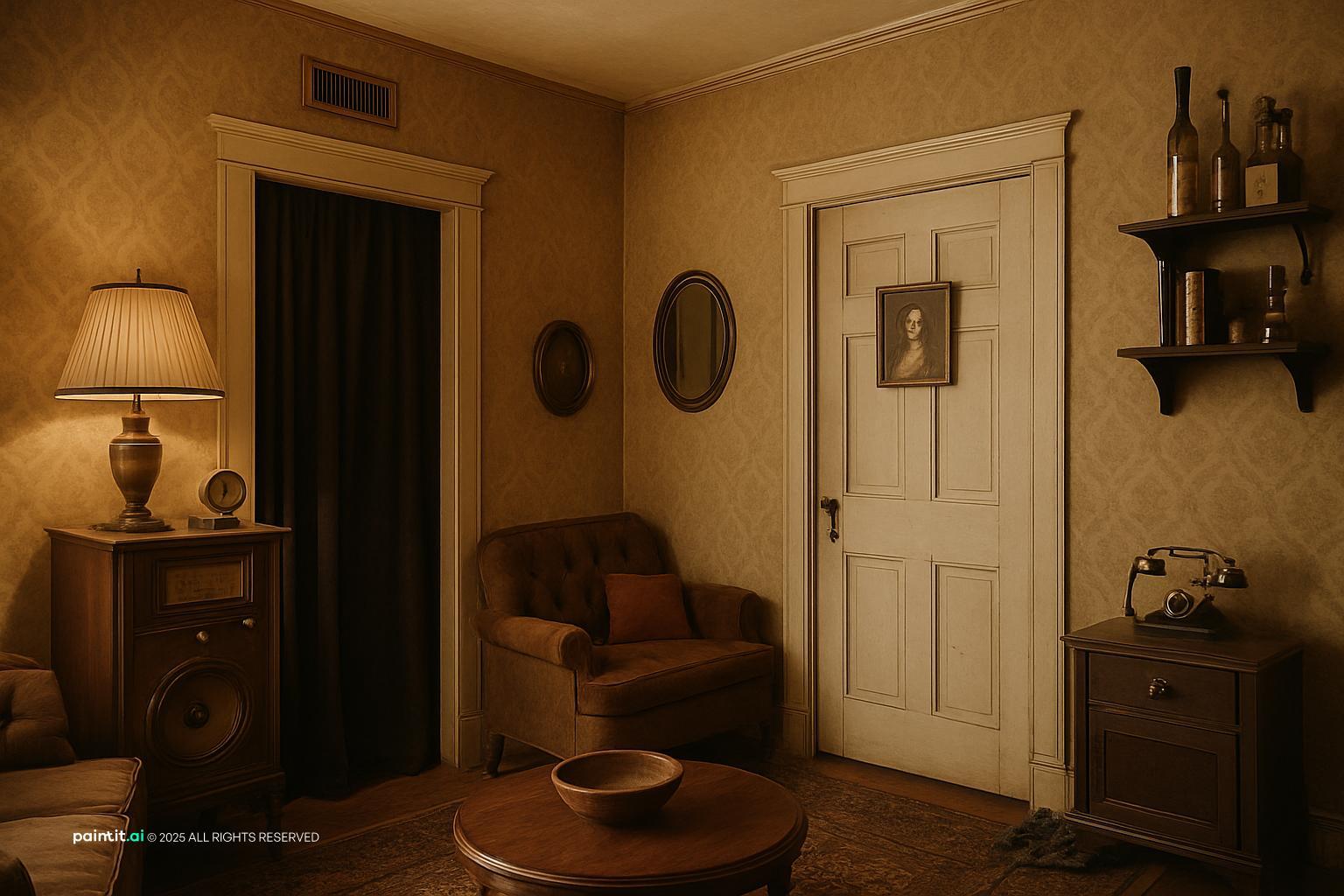
Pro Tip: To achieve this effect, try mixing velvet with other textures like corduroy or boucle for added depth.
-
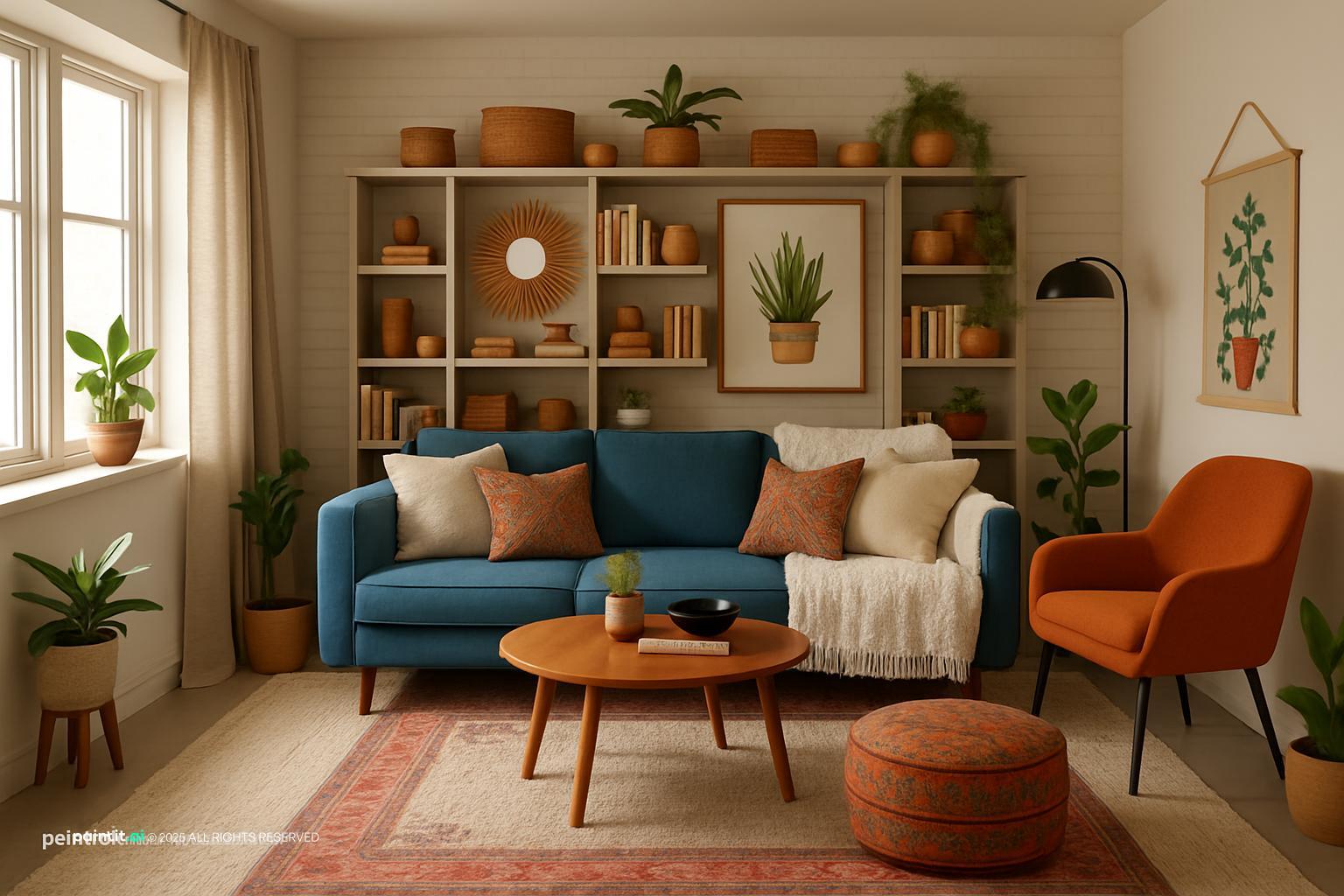
A true hallmark of the era, the shag rug brings unparalleled comfort and a playful texture to any floor. It grounds the room, absorbing sound and inviting bare feet. Most people forget that a good rug can completely change the feel of a room.
-
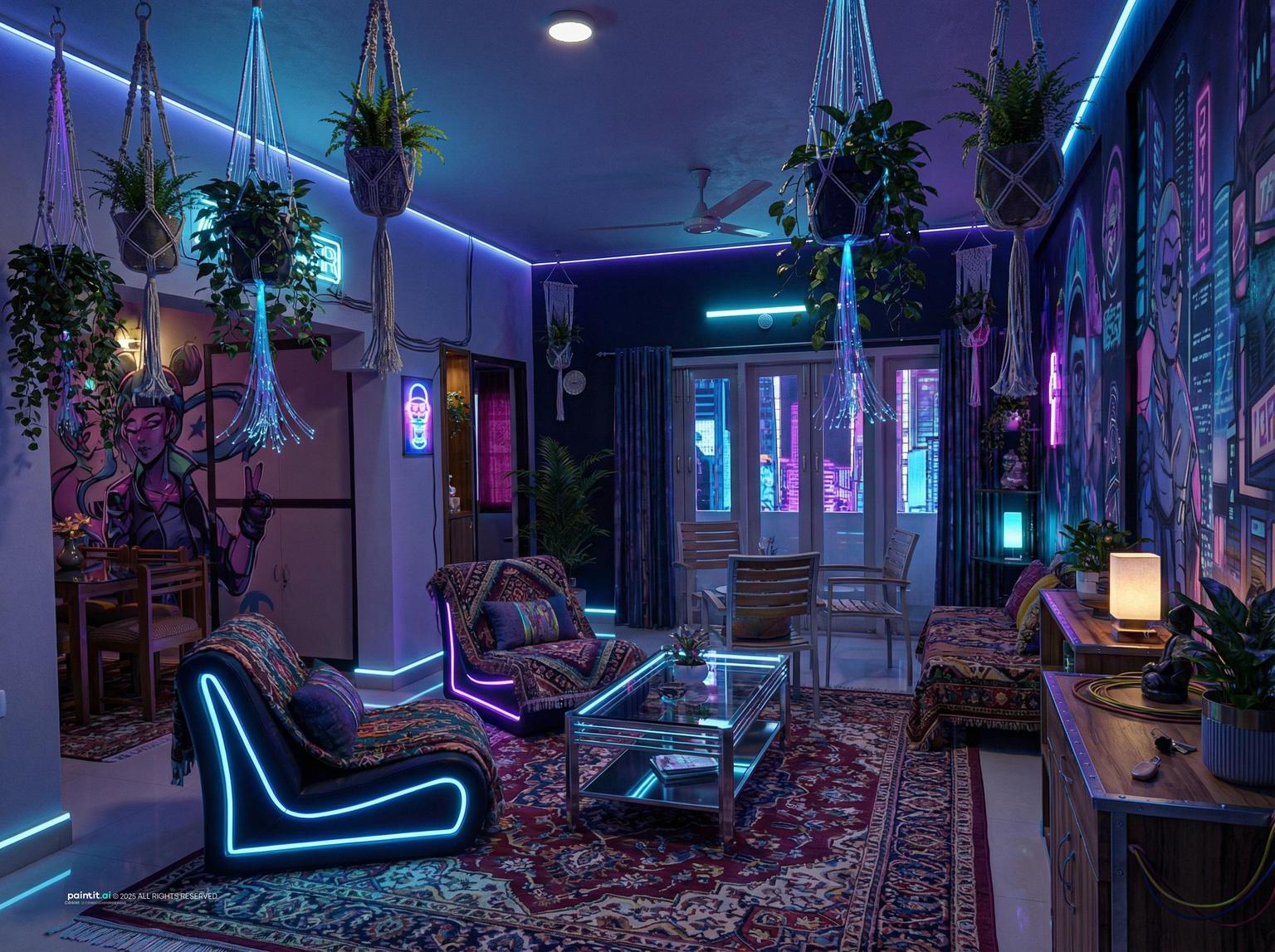
Go for a large, high-pile rug in an earthy tone like avocado green, rust, or a creamy off-white. Place it under your main seating area to define the zone and add a layer of warmth. Don't be afraid of a little texture.
-
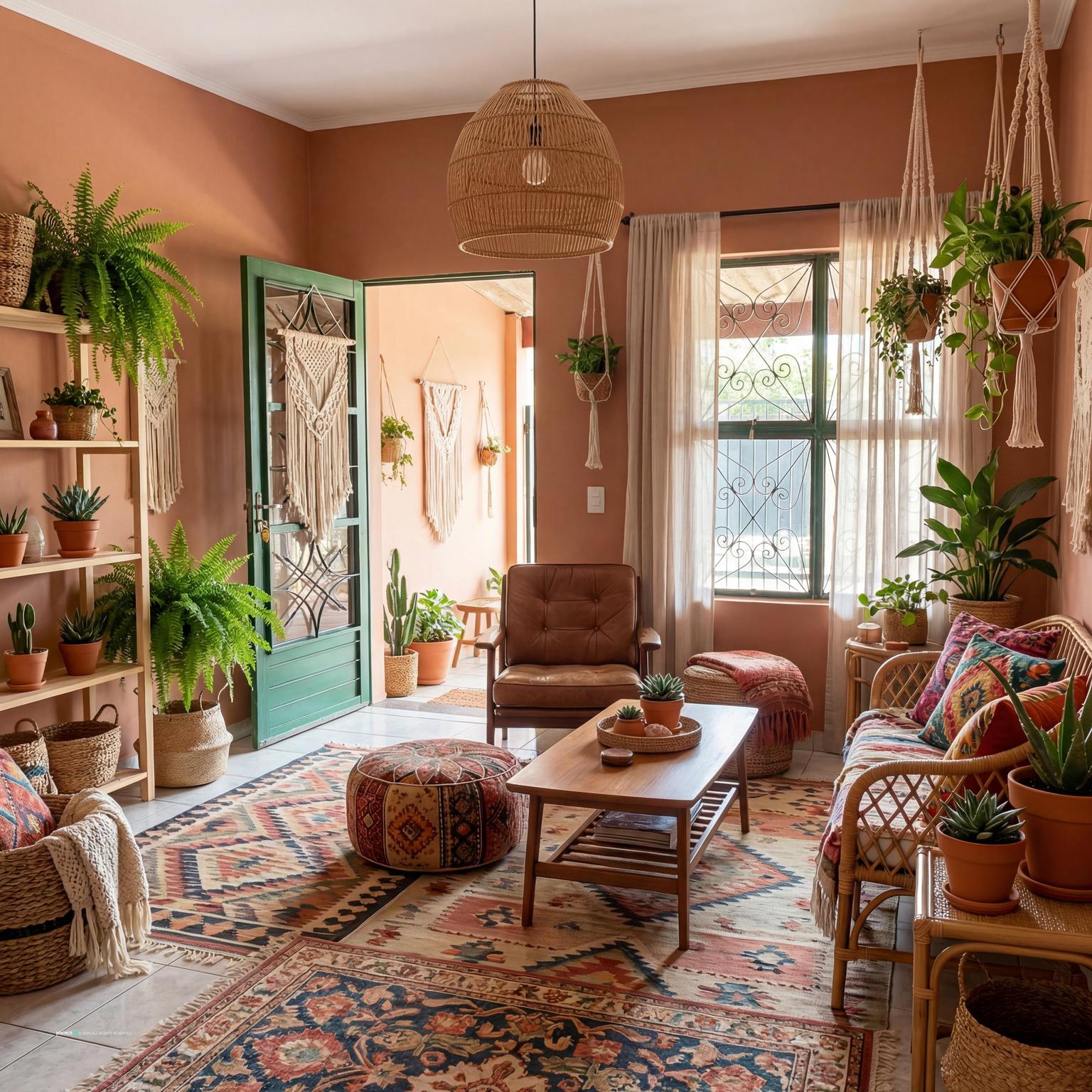
Pro Tip: To achieve this effect, try selecting a rug with a subtle pattern or varying pile height for extra visual interest.
-
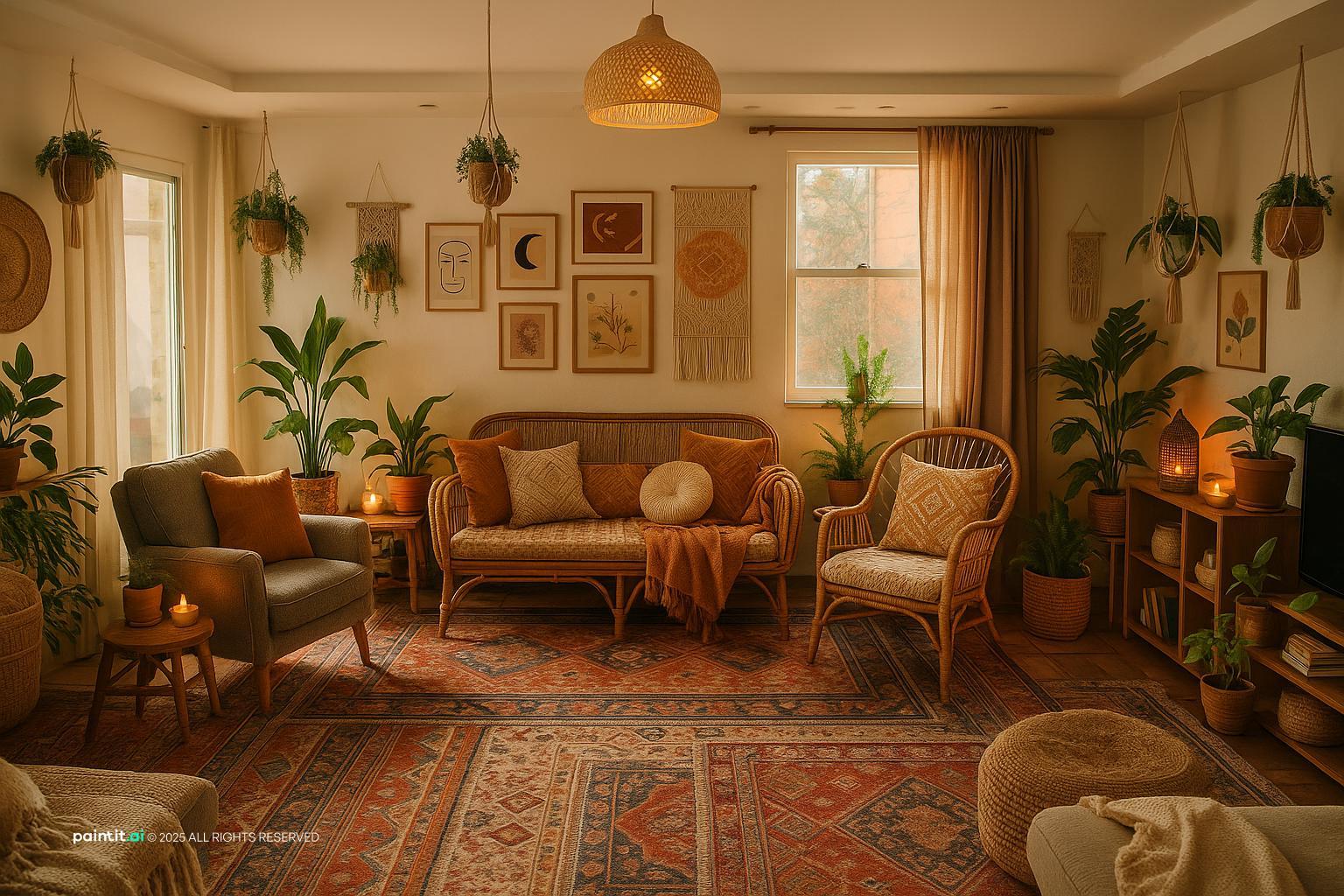
The natural warmth of walnut, teak, or even a good quality faux wood paneling is fundamental to a 70s aesthetic. It creates a cozy, enveloping feeling, harkening back to an era of natural materials. The truth is, wood never goes out of style, but its application changes.
-
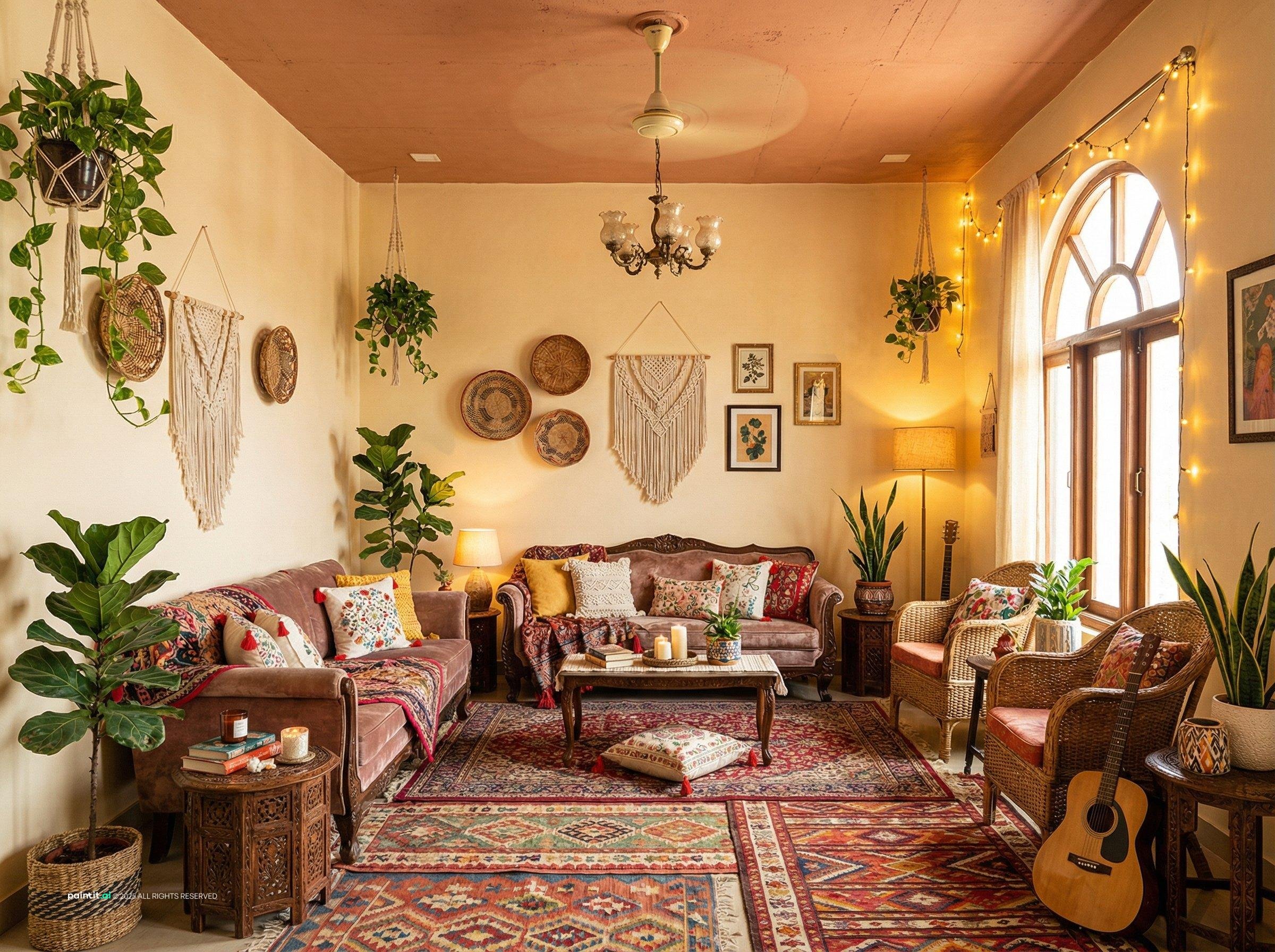
Consider a feature wall with horizontal wood panels, or invest in solid wood furniture pieces like a credenza, coffee table, or shelving unit. Look for designs with clean lines and rounded edges. Teak is particularly authentic.
-
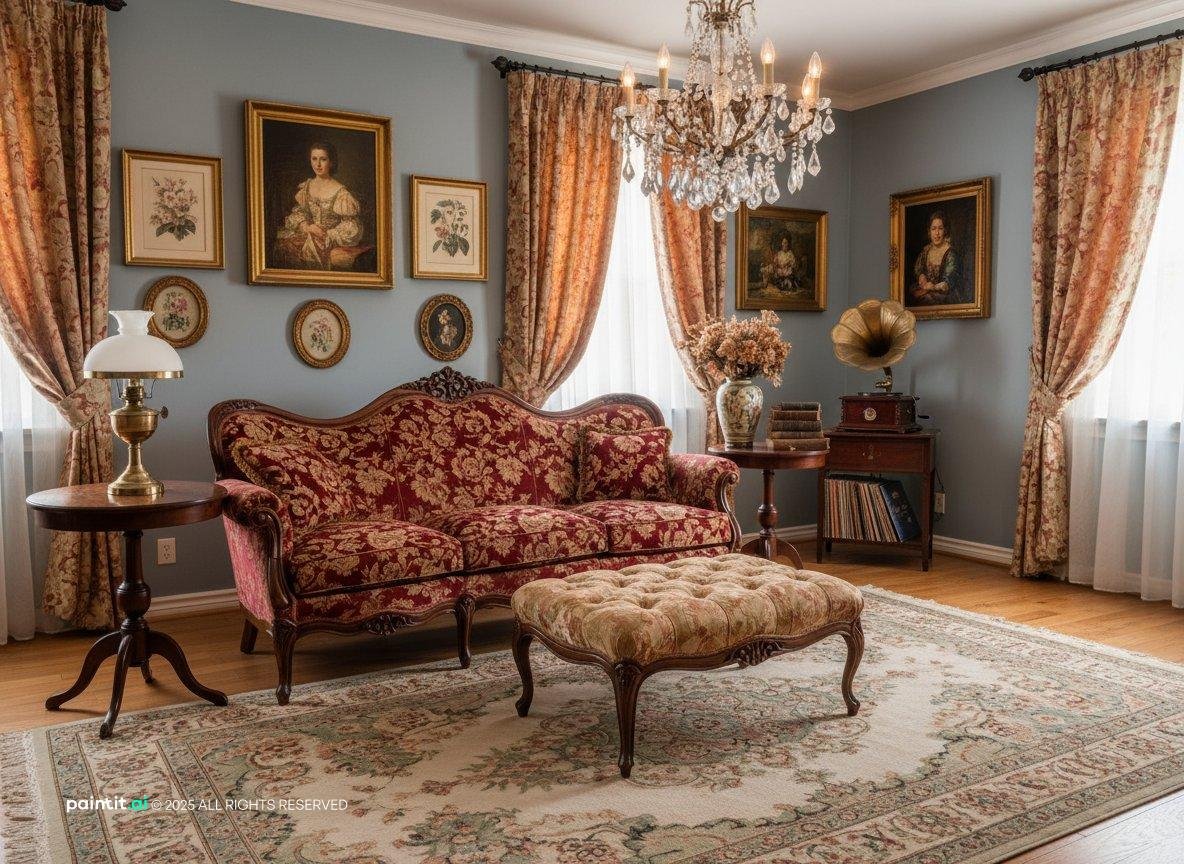
Pro Tip: To achieve this effect, try balancing wood with lighter textiles and plenty of natural light to prevent the space from feeling too dark.
-
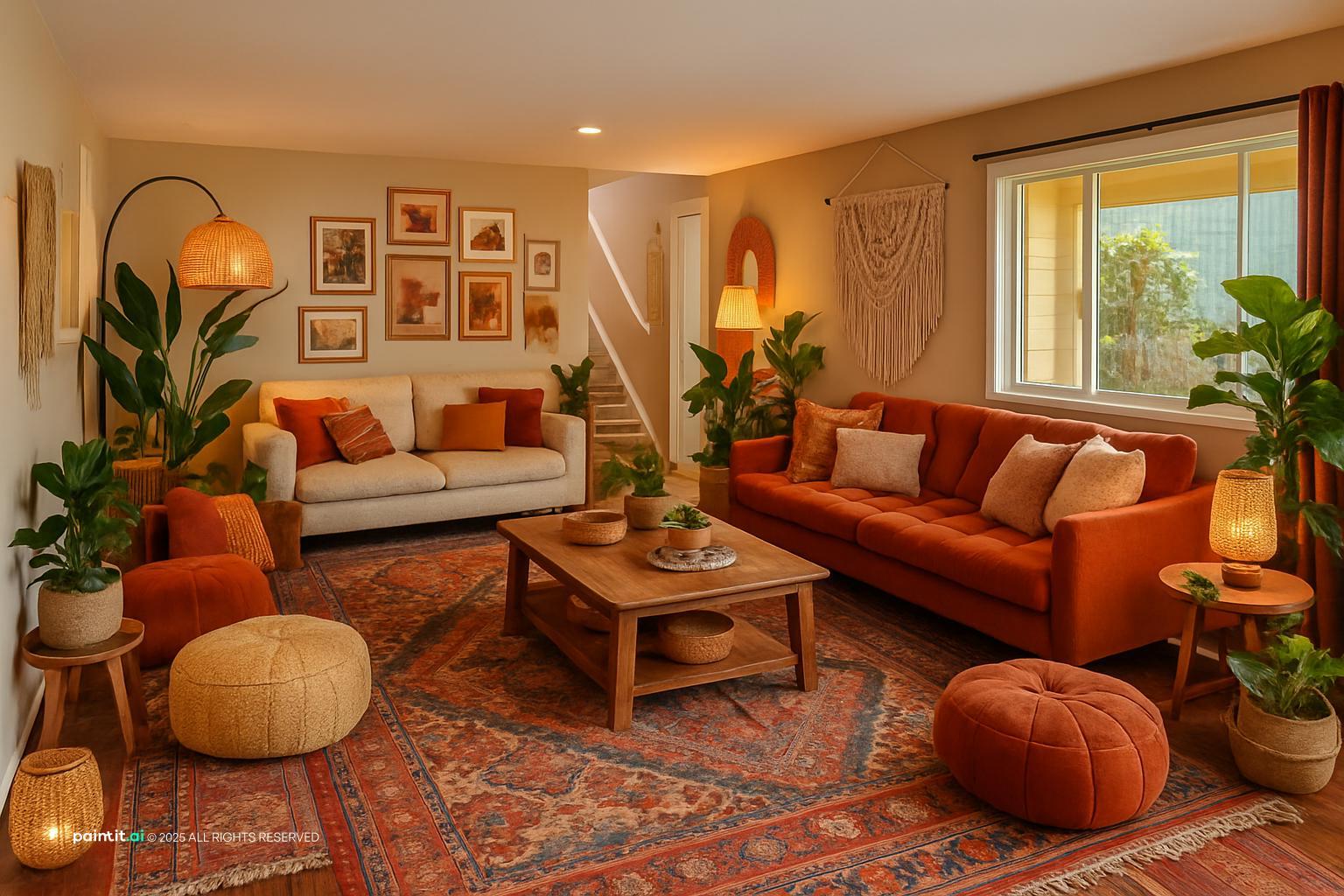
The 70s embraced a distinctive palette of natural, grounded hues mixed with vibrant pops. Think avocado, mustard, burnt orange, and deep browns. These colors create a harmonious yet expressive backdrop. It might seem odd at first, but these combinations truly work.
-
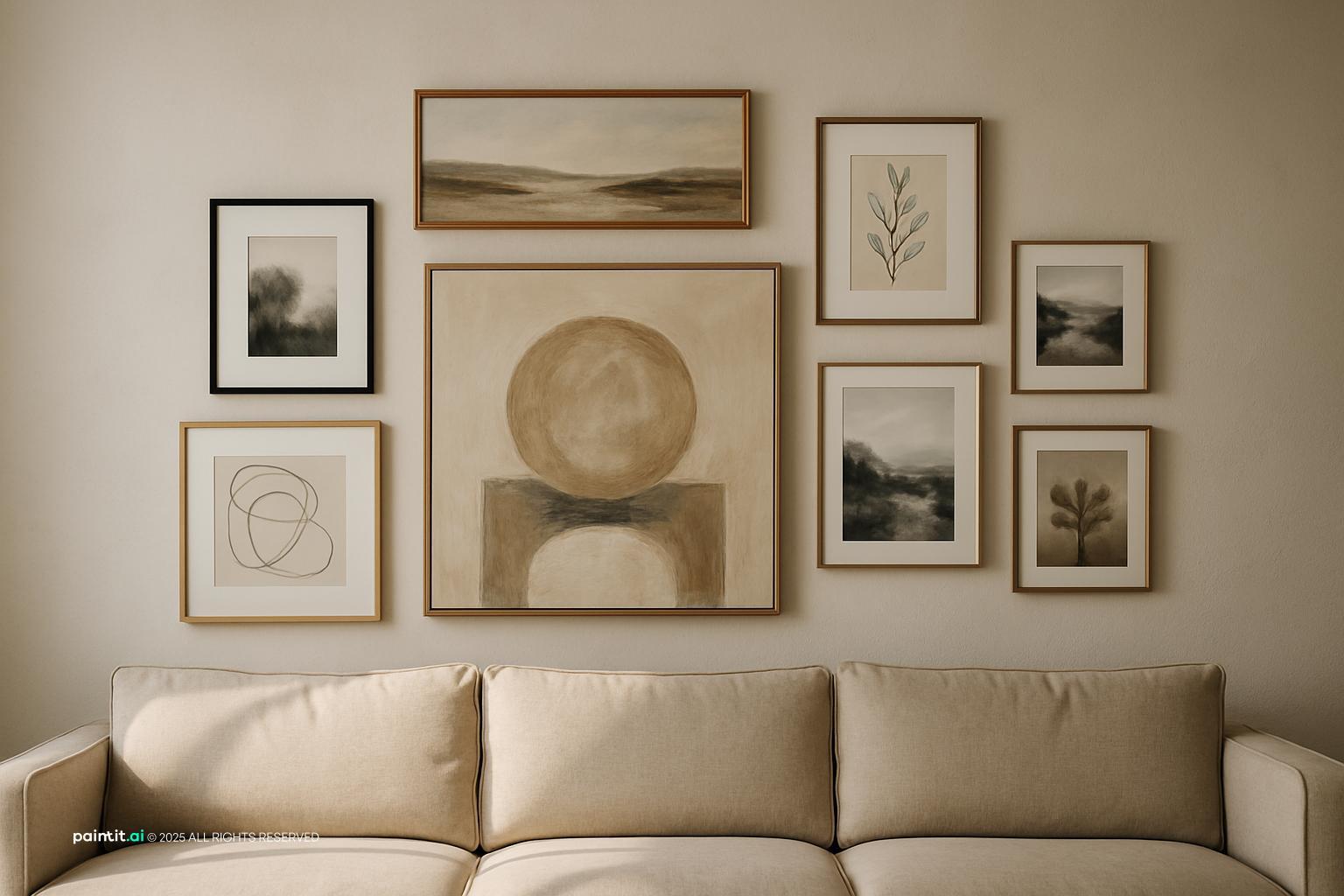
Incorporate these colors through paint, upholstery, or accent pieces. A feature wall in a dusty terracotta or a sofa in a rich mustard yellow can instantly set the mood. Don't shy away from combining two or three of these strong colors.
-
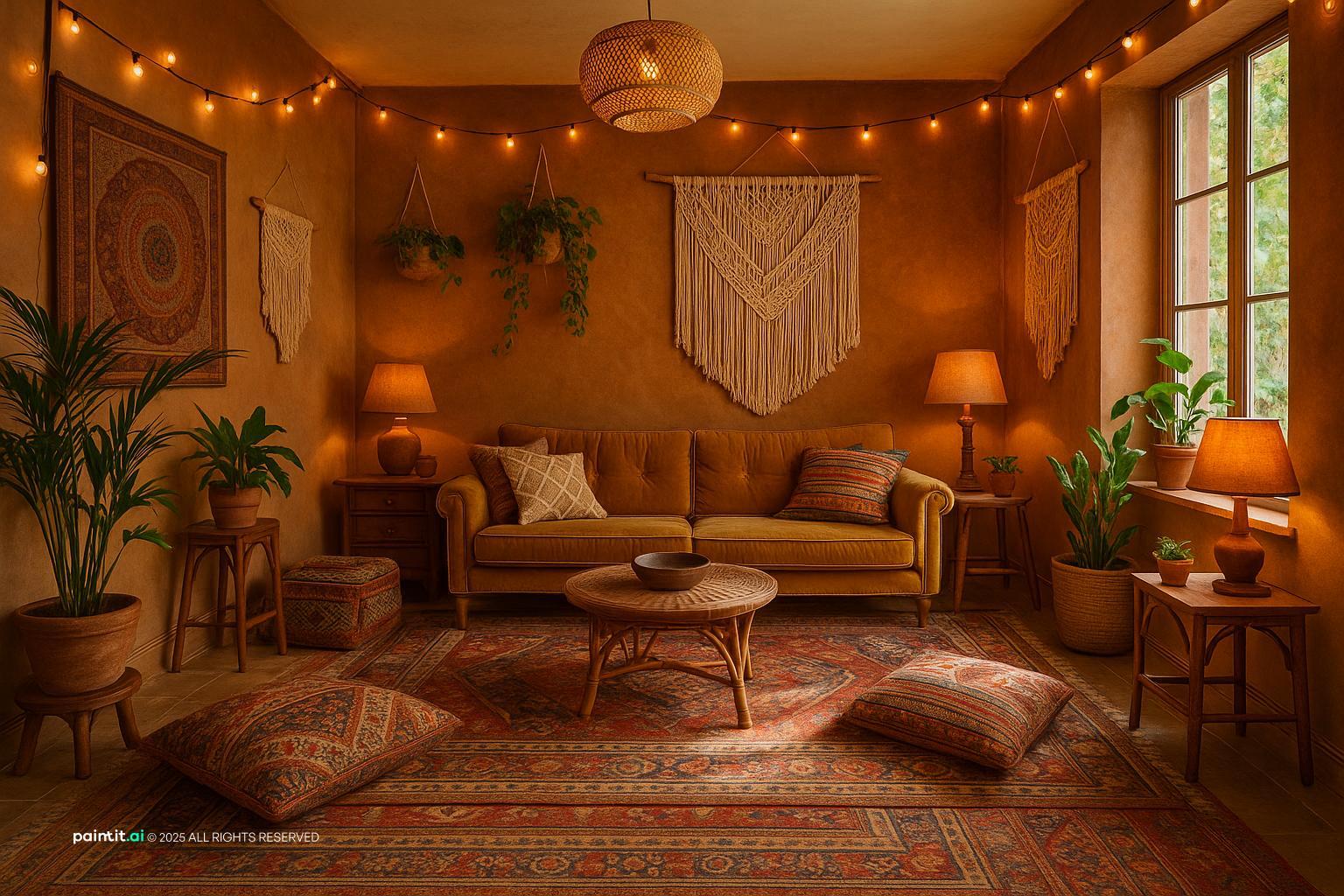
Pro Tip: To achieve this effect, try using a neutral base (like cream or beige) and layering the bolder 70s colors through textiles and decor.
-
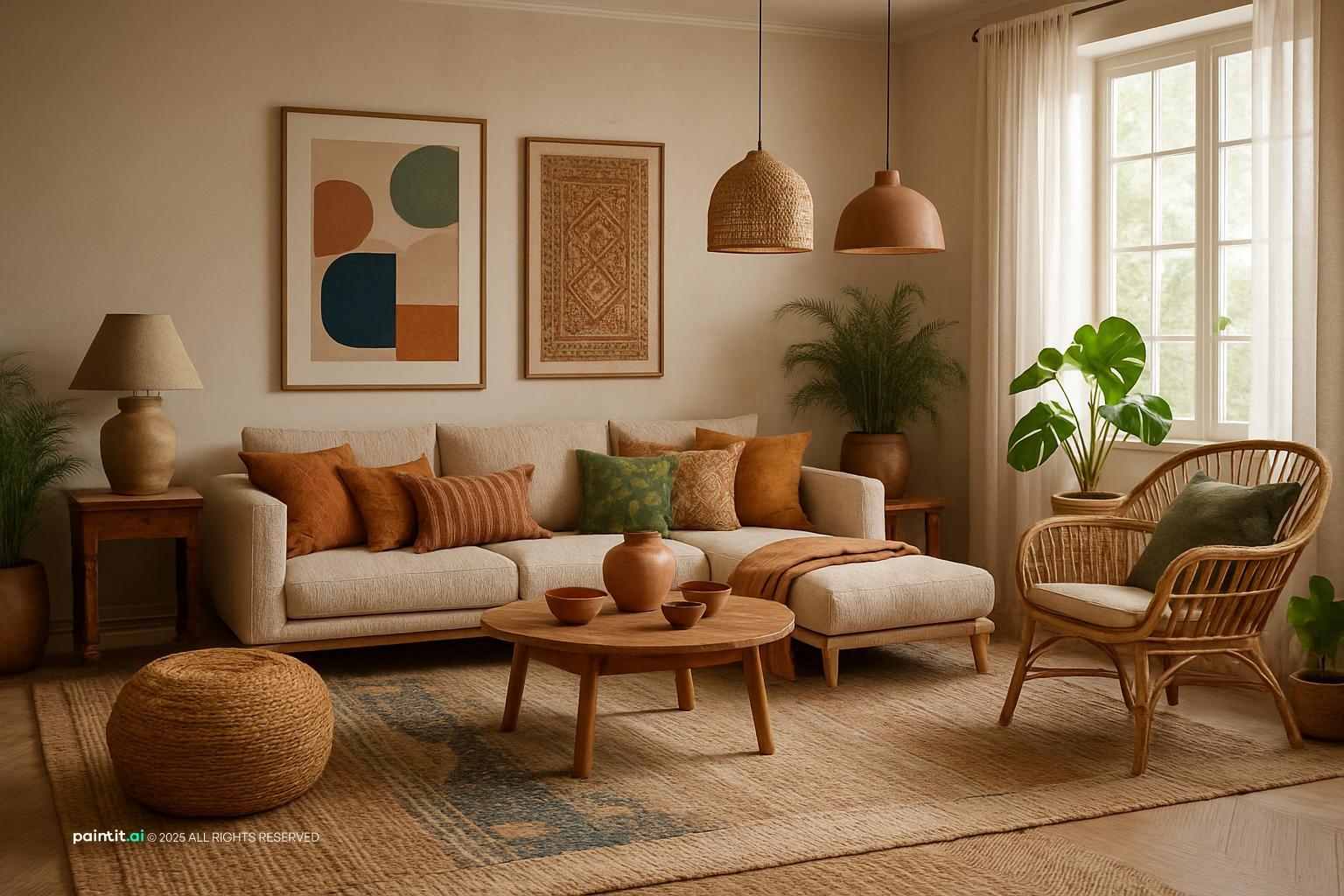
From Op Art to more organic, flowing designs, patterns were a key element of 70s decor. They add a dynamic energy and visual interest, reflecting the era's adventurous spirit. Here is what matters: don't overdo it, but don't ignore it either.
-
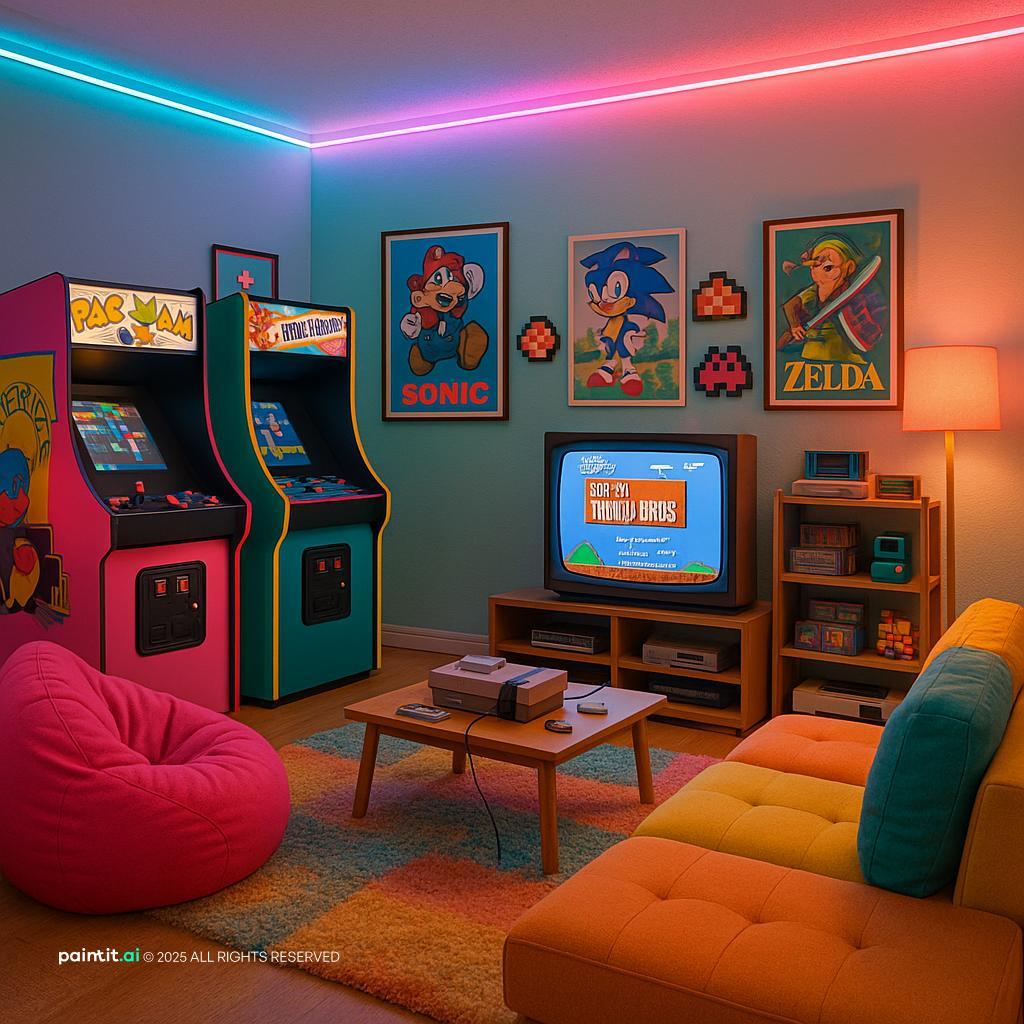
Introduce patterns through wallpaper on an accent wall, throw pillows, or curtains. Look for bold, repeating motifs in contrasting colors. A single patterned armchair can also make a significant impact.
-
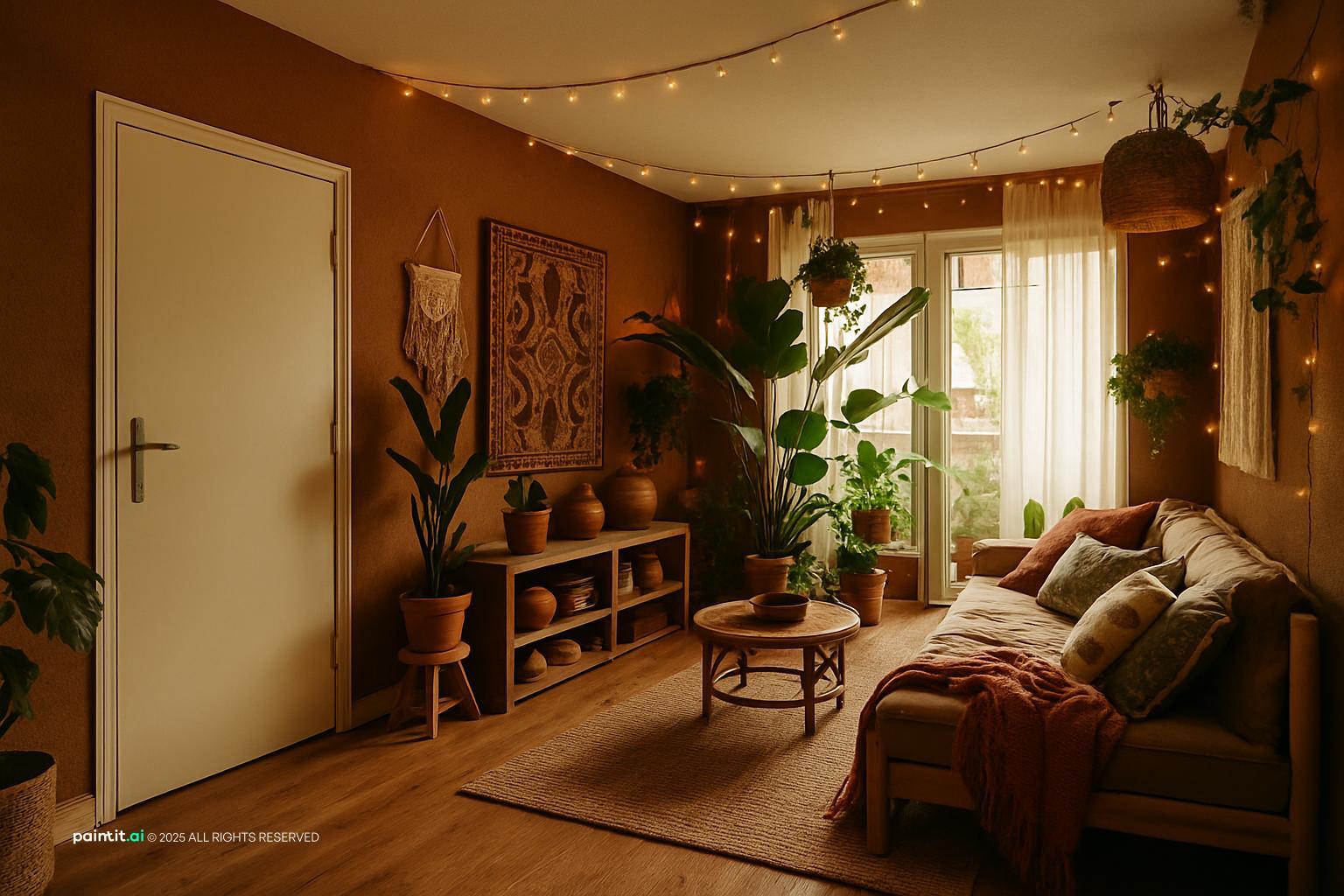
Pro Tip: To achieve this effect, try pairing a strong geometric pattern with solid-colored furniture to prevent visual clutter.
-
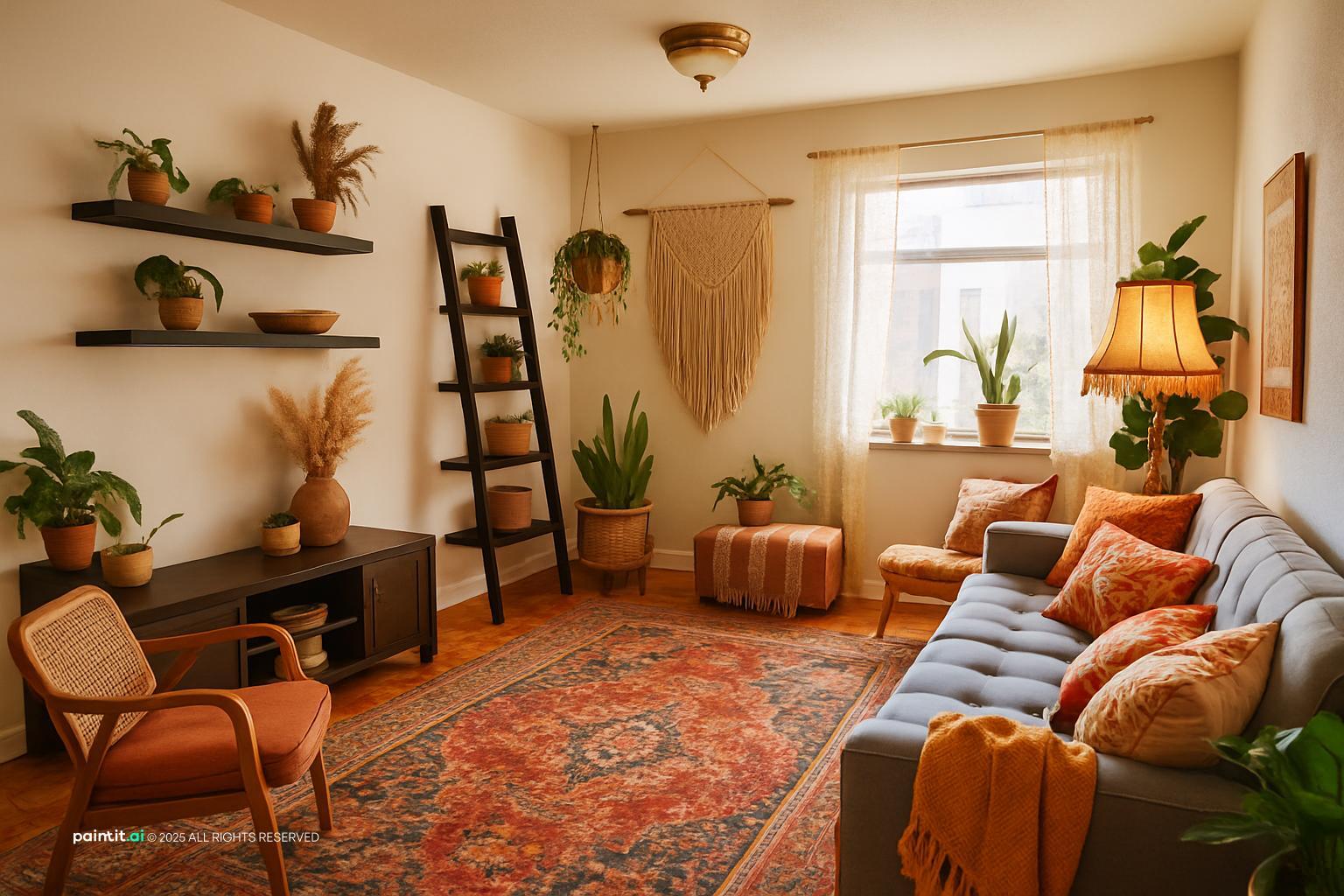
These natural, lightweight materials bring an organic, bohemian touch to a retro lounge. They add texture and a relaxed, informal vibe, perfect for creating a laid-back atmosphere. I’ve seen this work best in spaces that lean into a more casual, free-spirited feel.
-
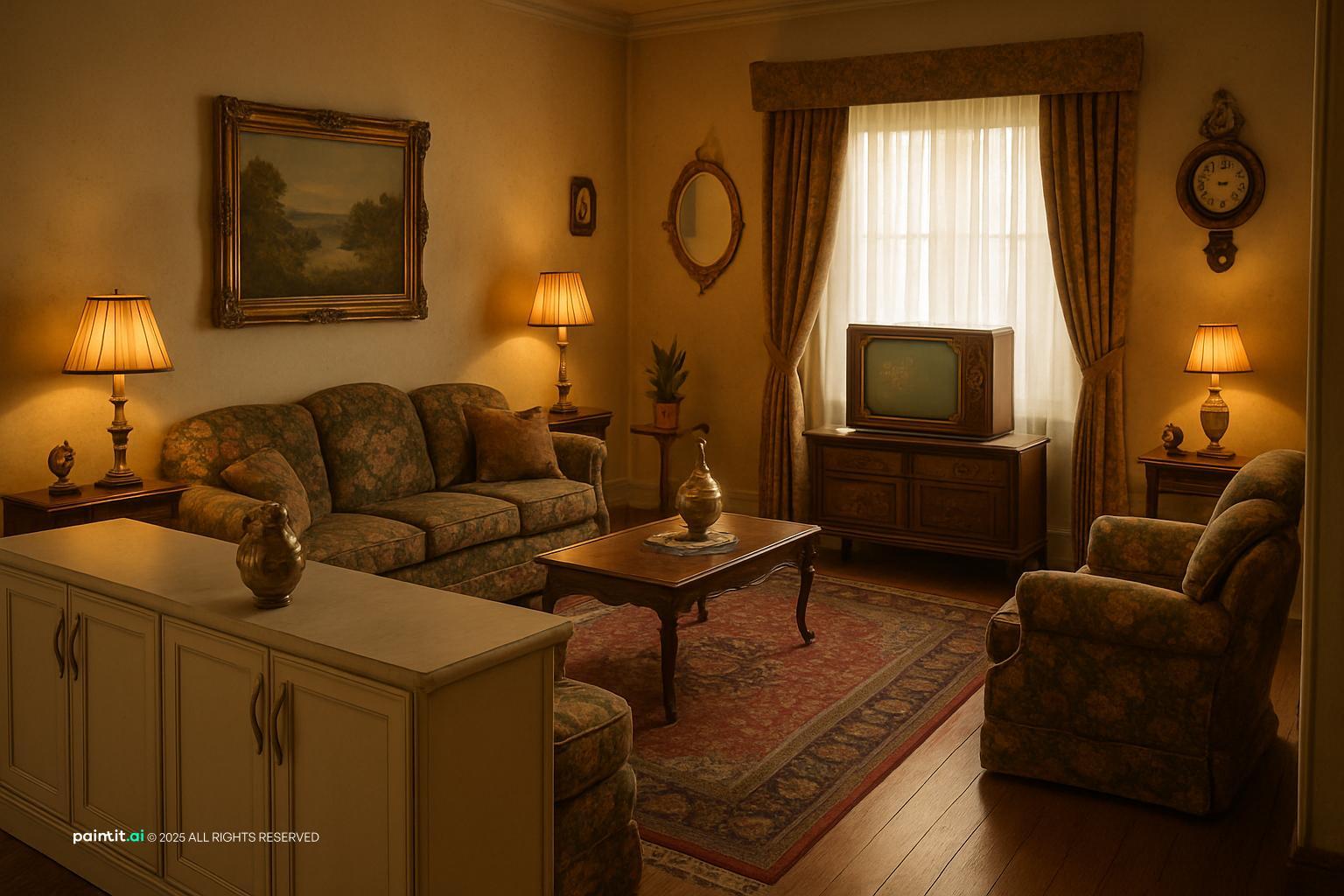
Incorporate rattan through a hanging chair, a room divider, or side tables. Wicker baskets can serve as stylish storage. These pieces pair beautifully with lush indoor plants and soft textiles.
-
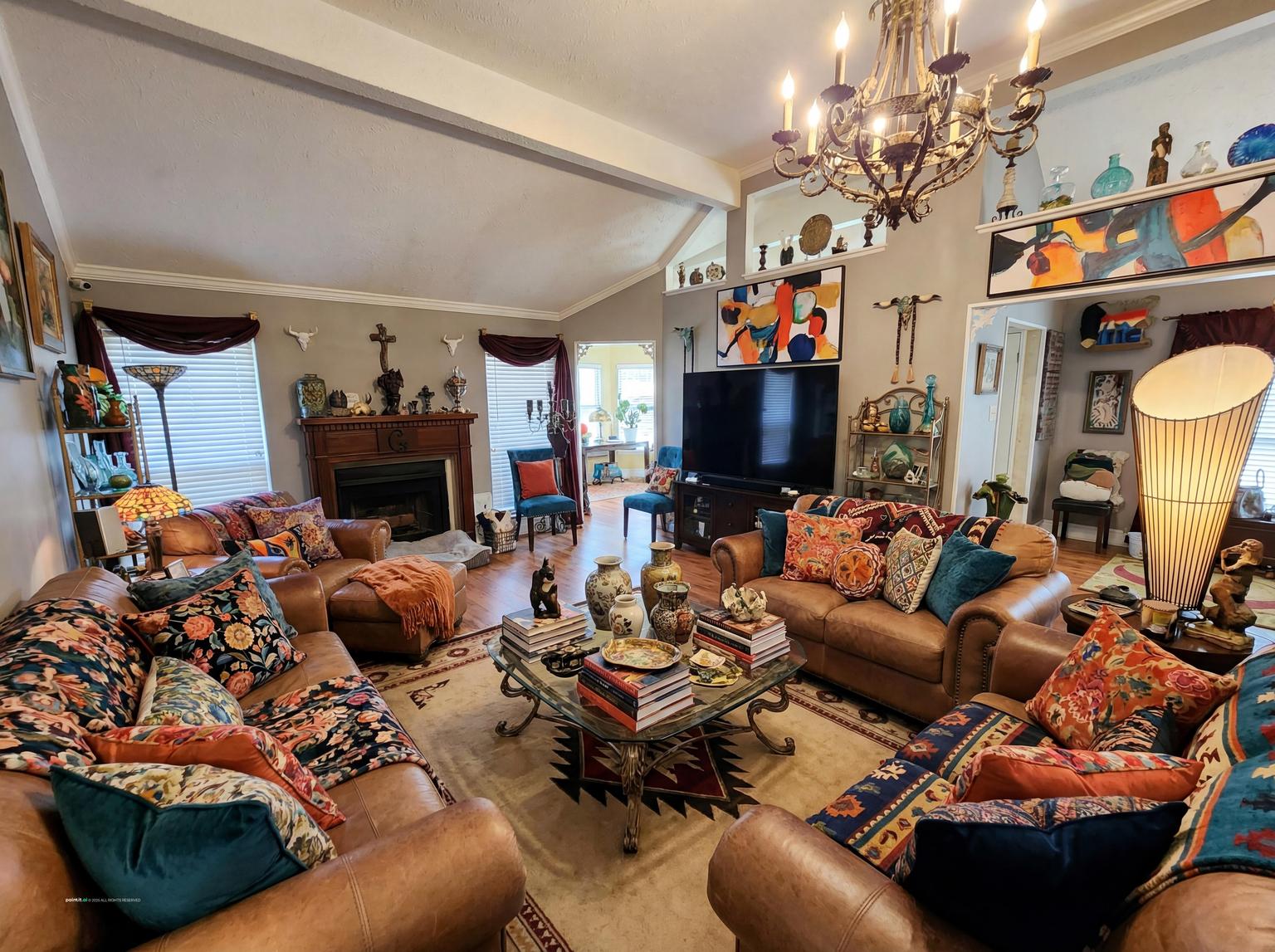
Pro Tip: To achieve this effect, try mixing rattan with heavier, upholstered pieces to create a balanced contrast in textures.
-
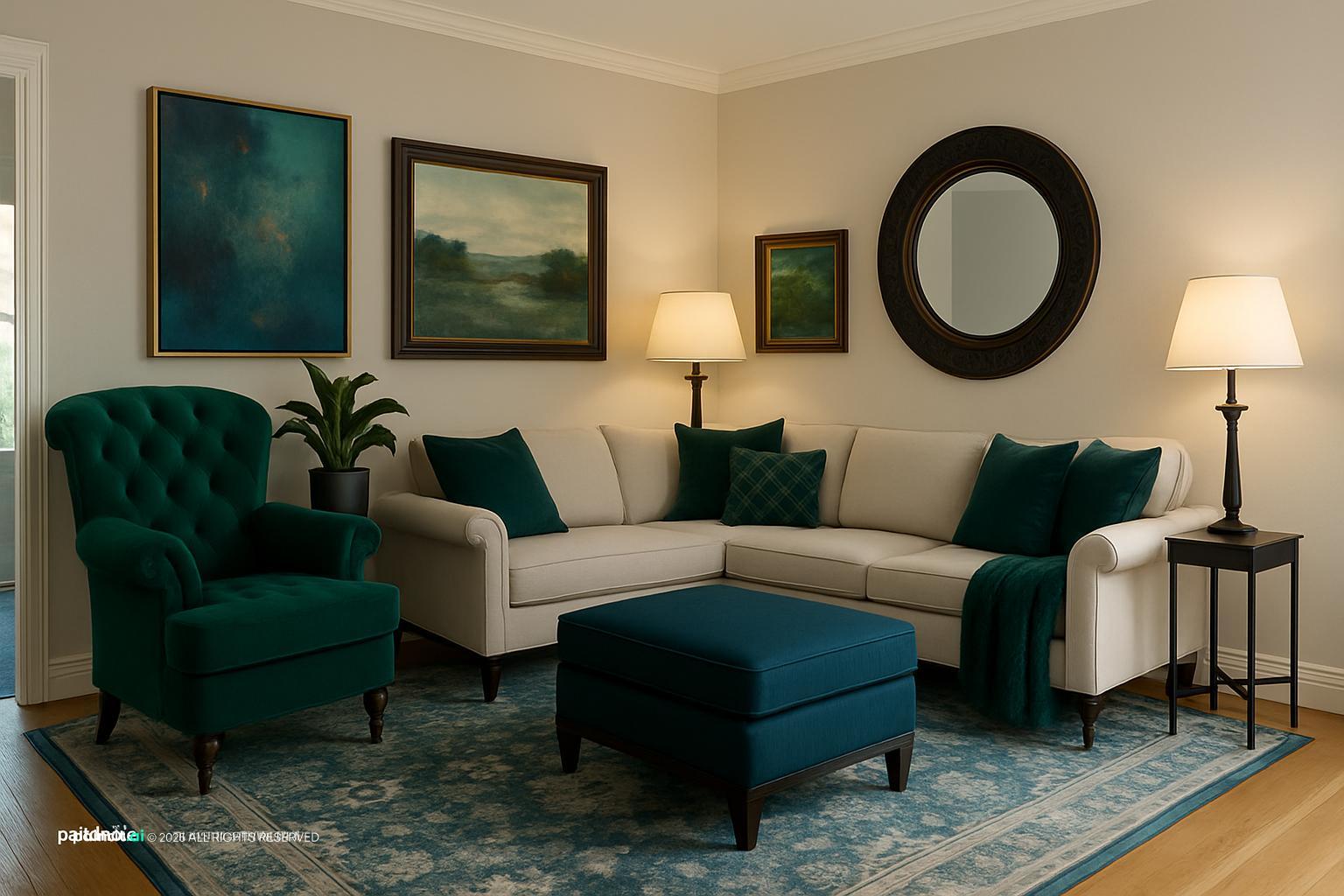
The 70s loved flexibility and social interaction, leading to the popularity of modular sofas. These adaptable pieces can be rearranged to suit different needs, promoting a relaxed and inviting atmosphere. It’s about creating a space that works for you, not the other way around.
-
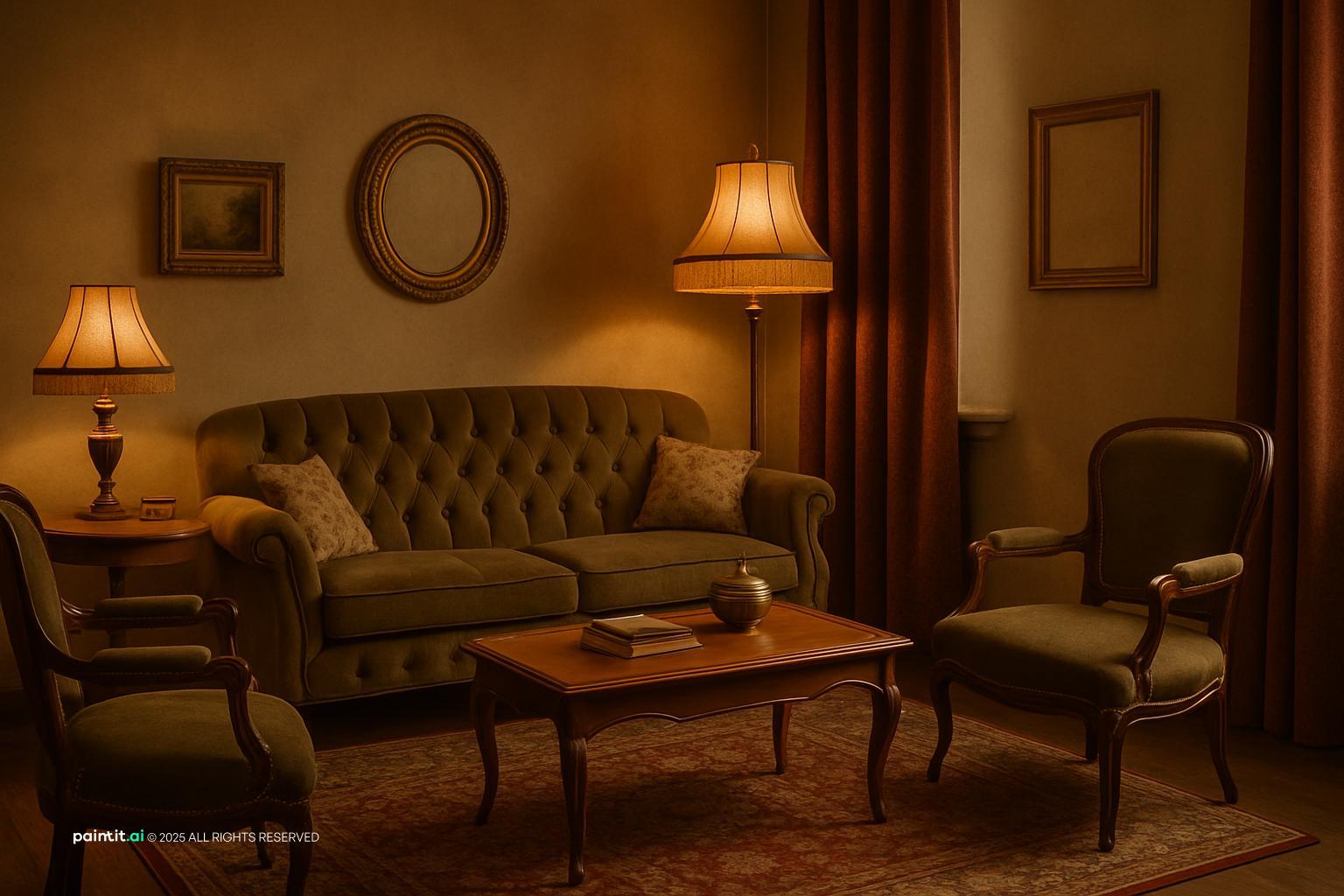
Choose a low-profile modular sofa in a textured fabric like corduroy or a durable weave. Arrange the sections to create a cozy corner, an extended lounge, or even separate seating zones. This allows for ultimate customization.
-
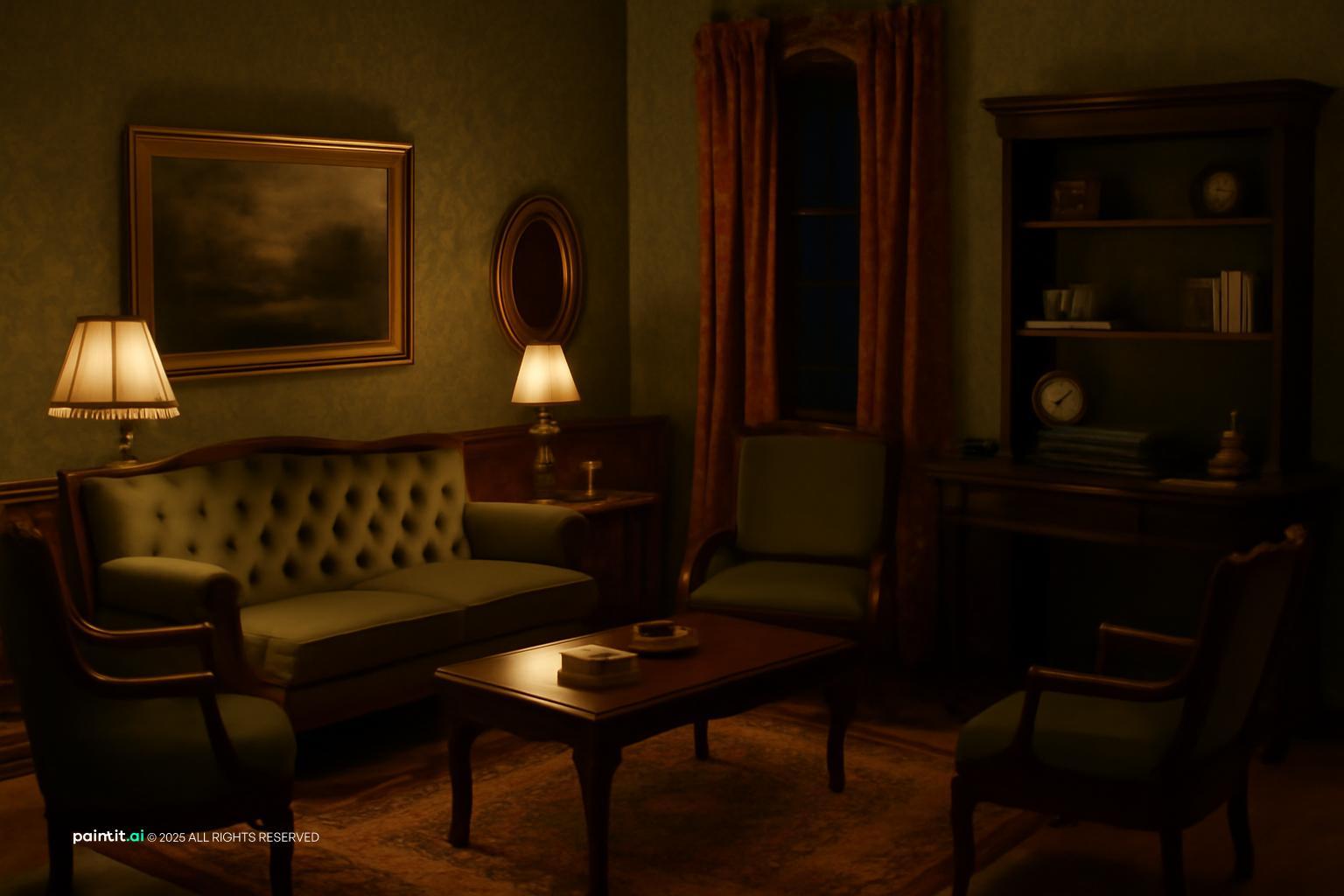
Pro Tip: To achieve this effect, try selecting modules with deep seats and soft backrests for maximum comfort and a truly inviting feel.
-
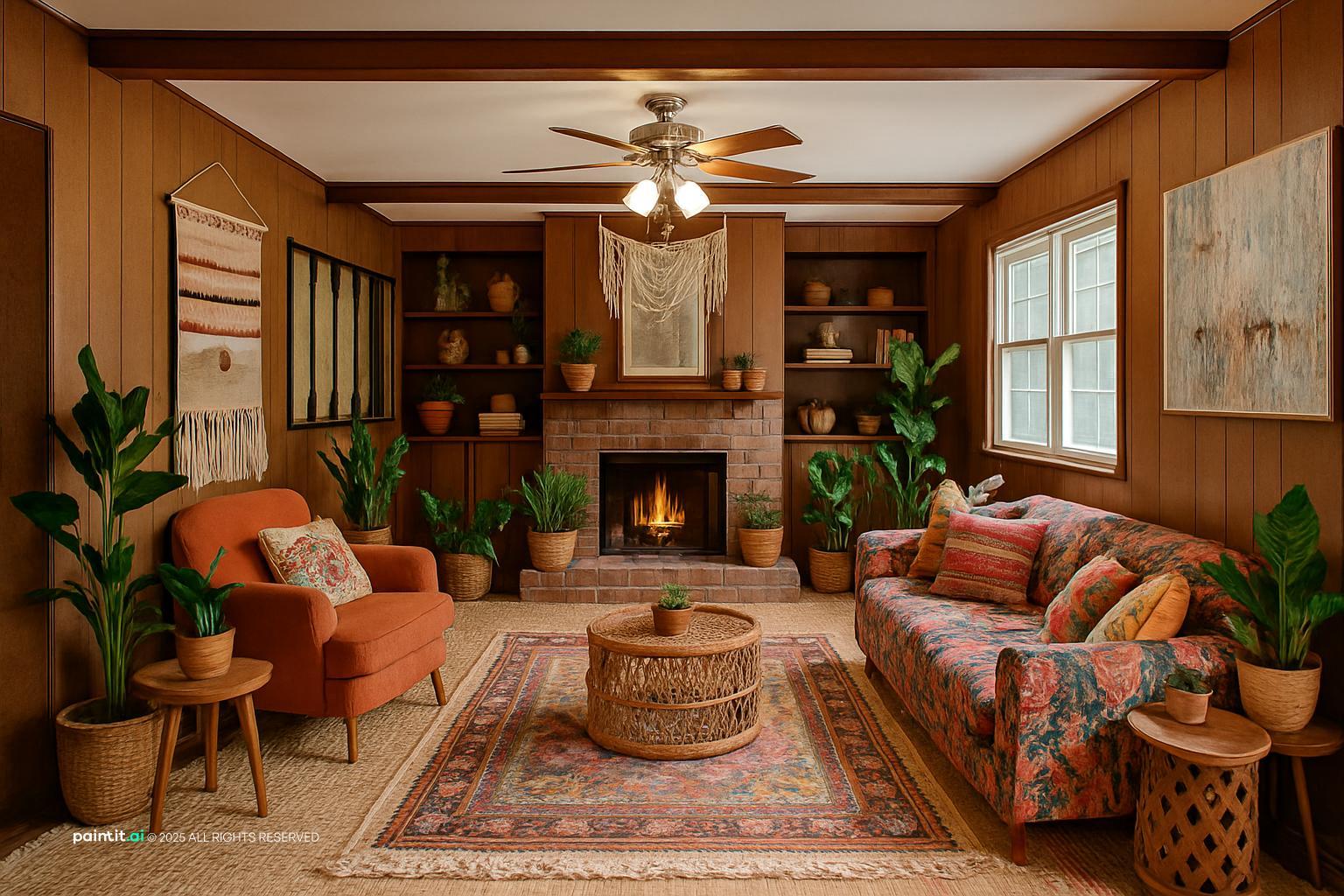
Lighting in the 70s was often about creating mood and a sense of wonder. Lava lamps are iconic, but other retro fixtures also play a vital role. They add a playful, almost psychedelic glow. Most people forget how much lighting impacts mood.
-
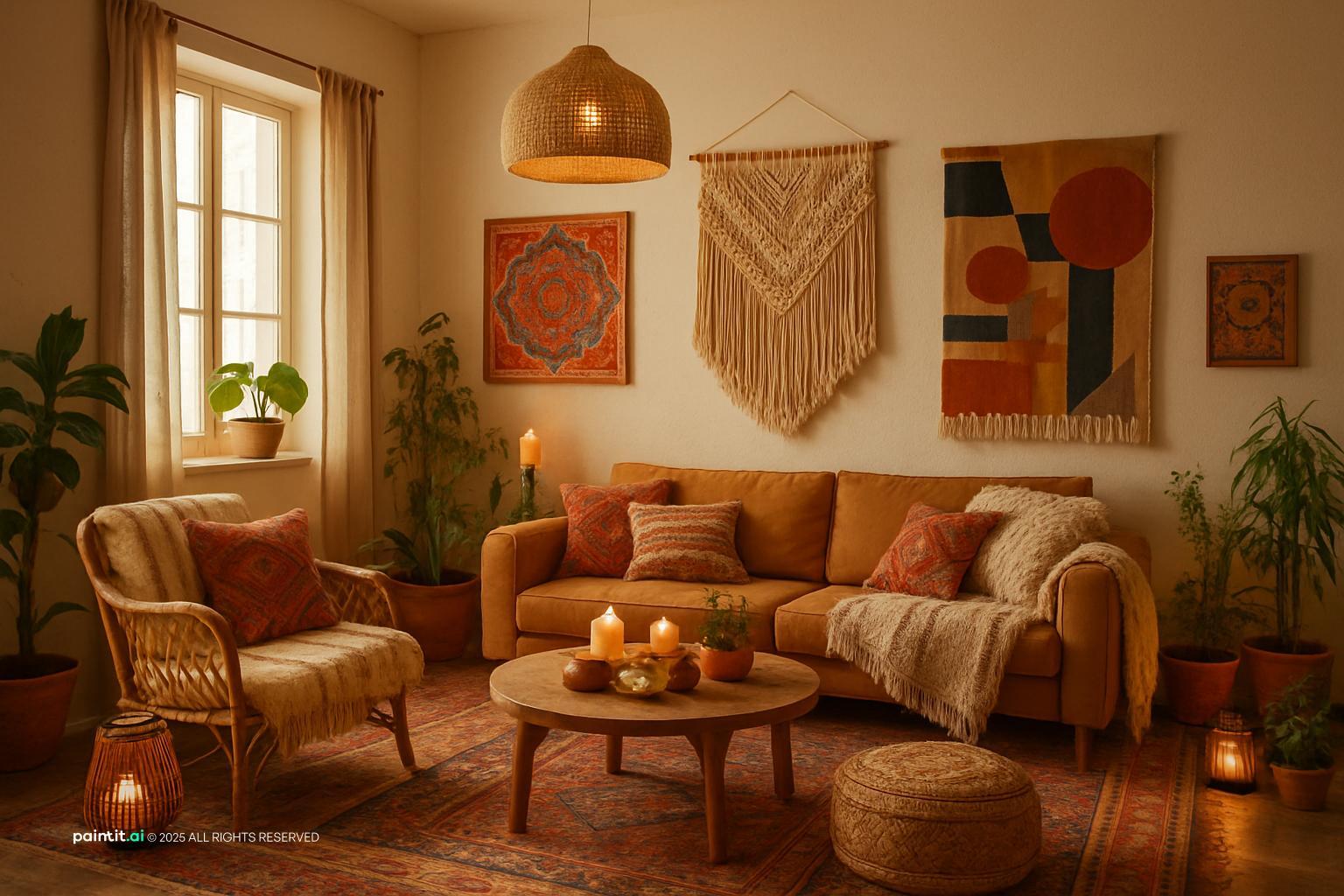
Place a lava lamp on a side table or shelf for a nostalgic touch. Supplement with arc floor lamps with large, spherical shades, or mushroom-shaped table lamps. Warm, dimmable lighting is key to achieving the right ambiance.
-
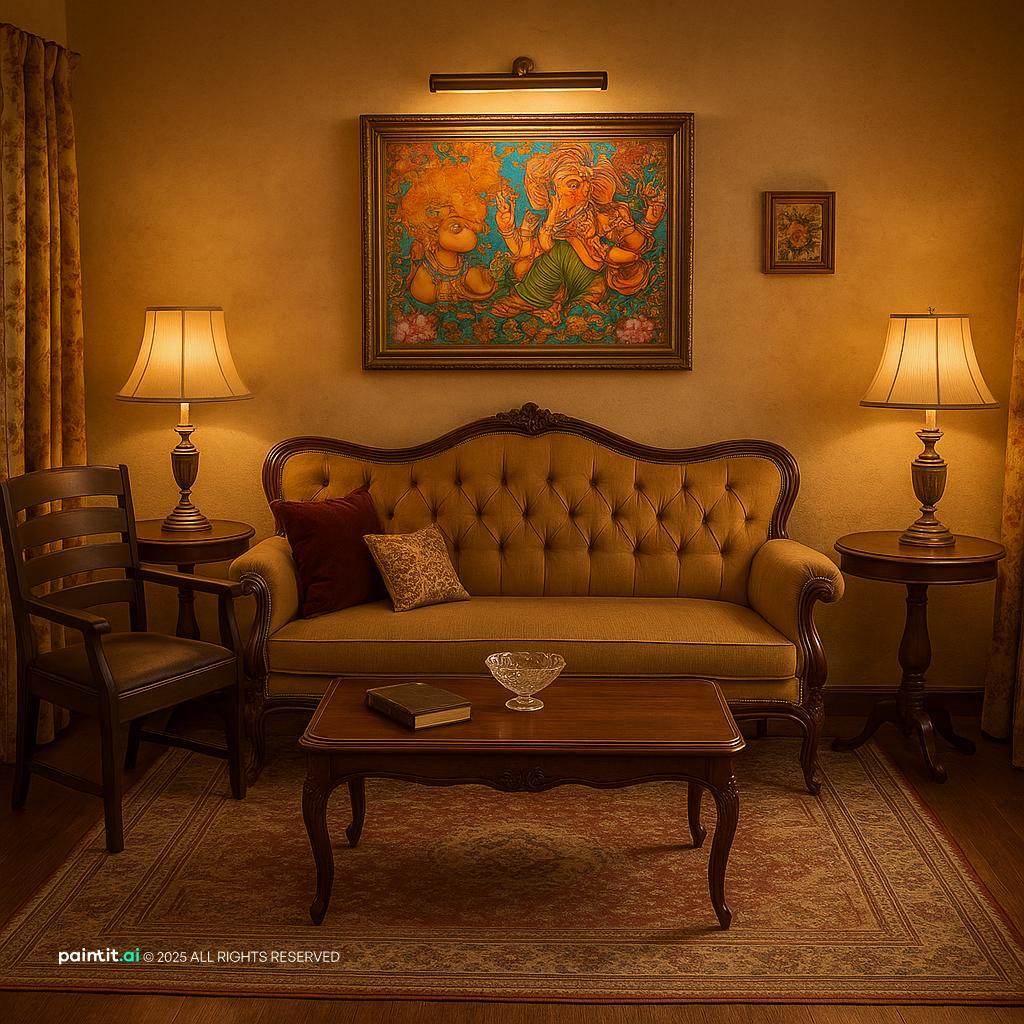
Pro Tip: To achieve this effect, try layering different types of lighting – ambient, task, and accent – to create a dynamic and inviting glow.
-
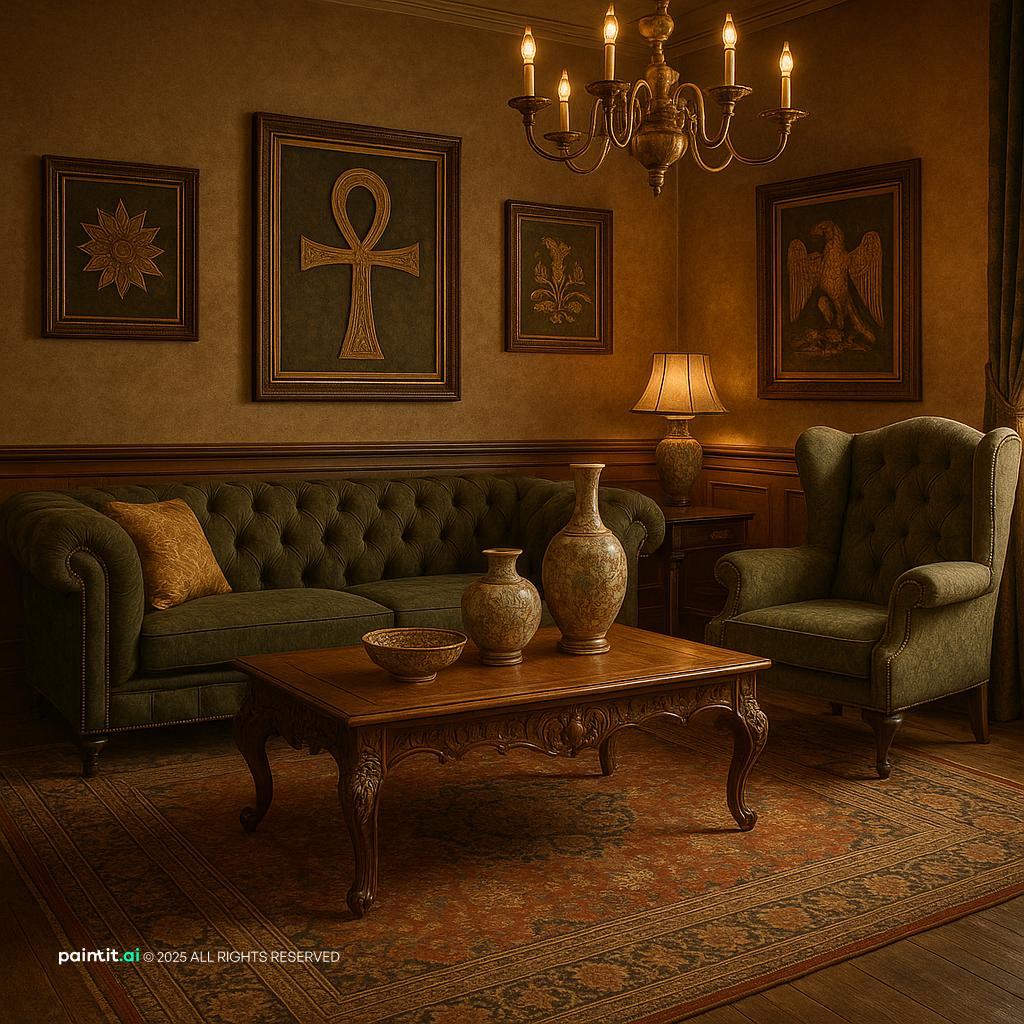
Bringing the outdoors in was a huge trend in the 70s, fostering a connection with nature. Large, leafy plants add life, color, and a sense of calm to any retro lounge. They are living decor, after all.
-
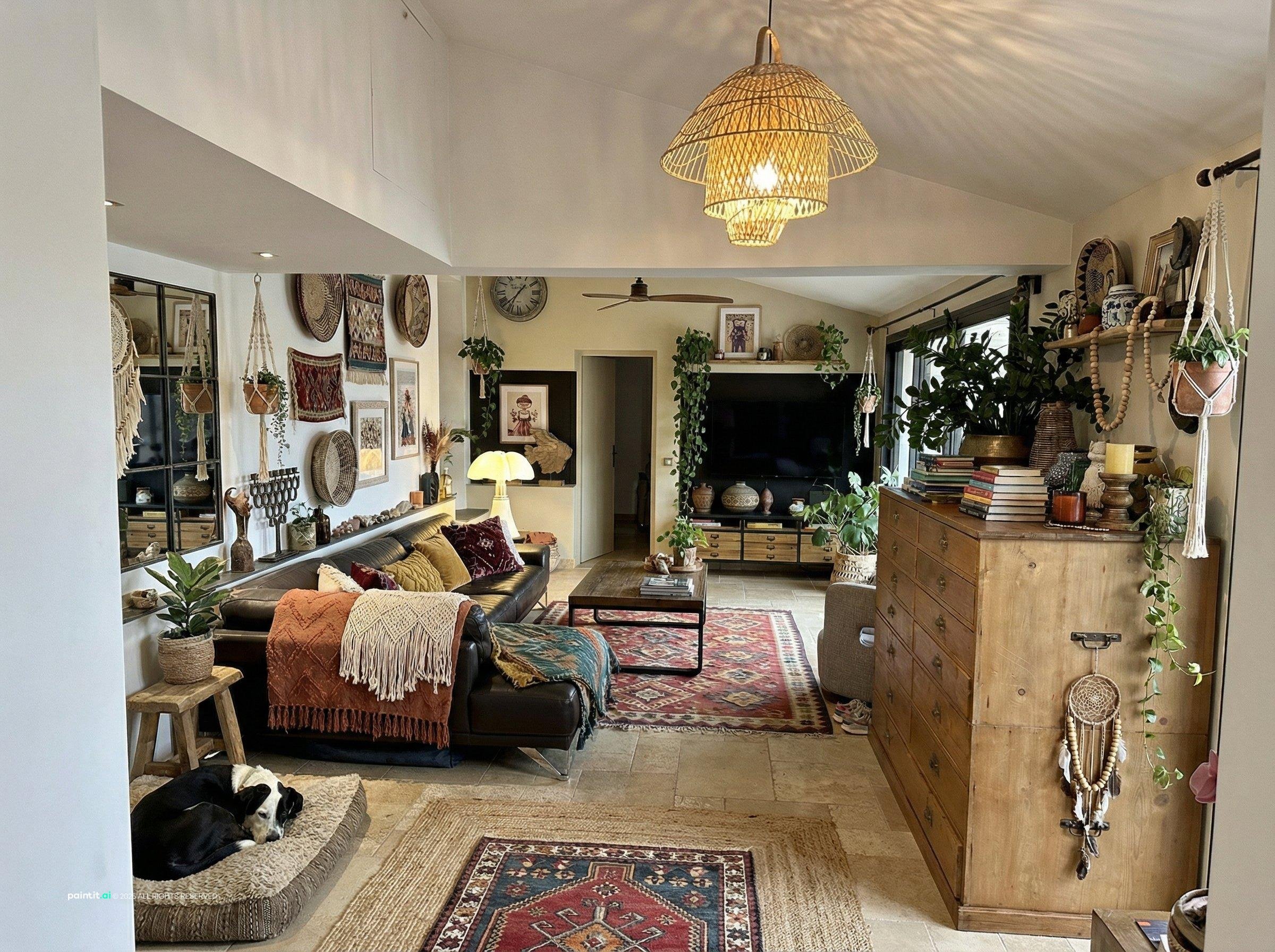
Fill your space with spider plants, ferns, monsteras, and peace lilies. Place them in macrame hangers, on plant stands, or directly on the floor in ceramic pots. Grouping different sizes and types creates a lush, jungle-like effect.
-
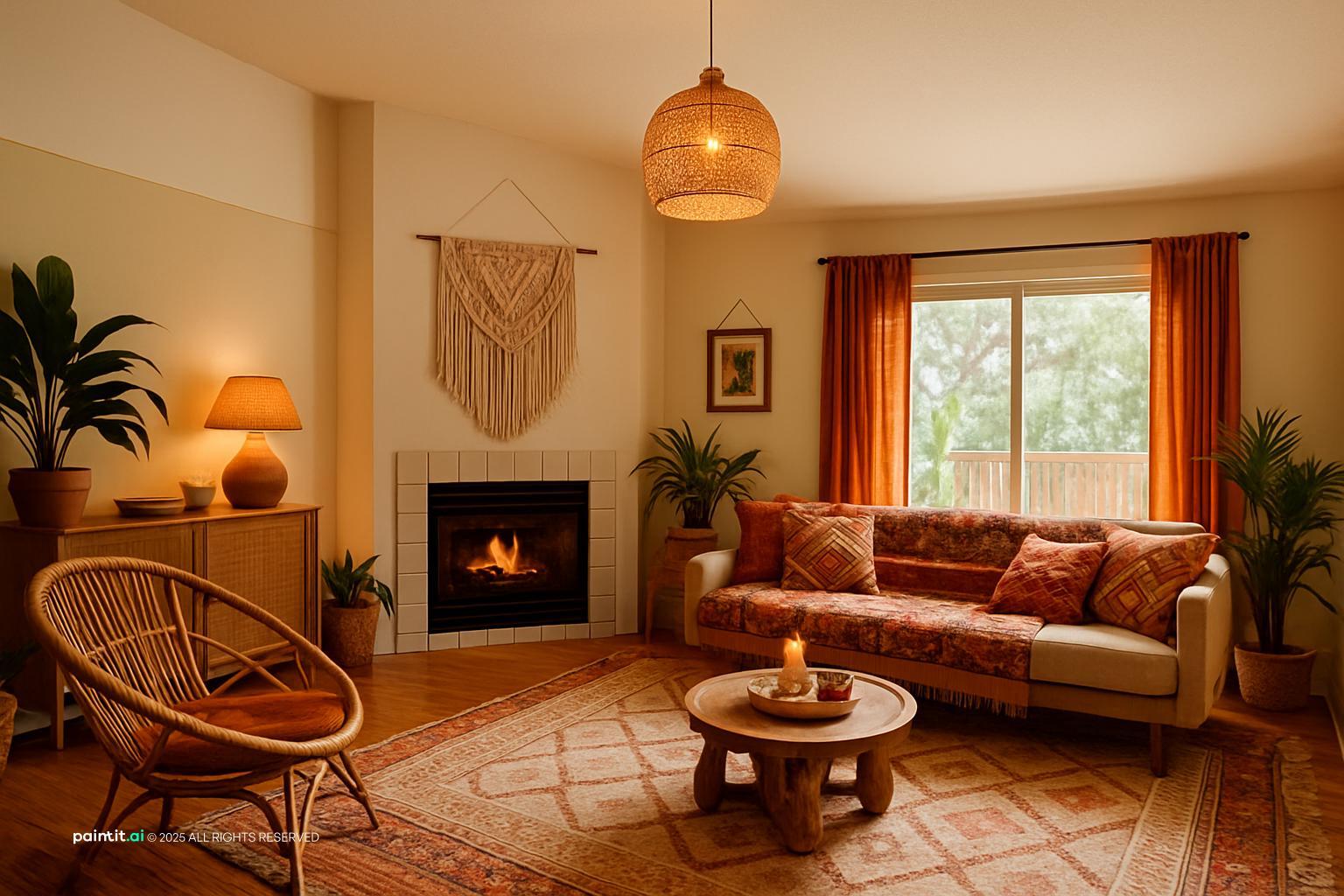
Pro Tip: To achieve this effect, try using plant stands made of rattan or dark wood to enhance the 70s aesthetic.
-
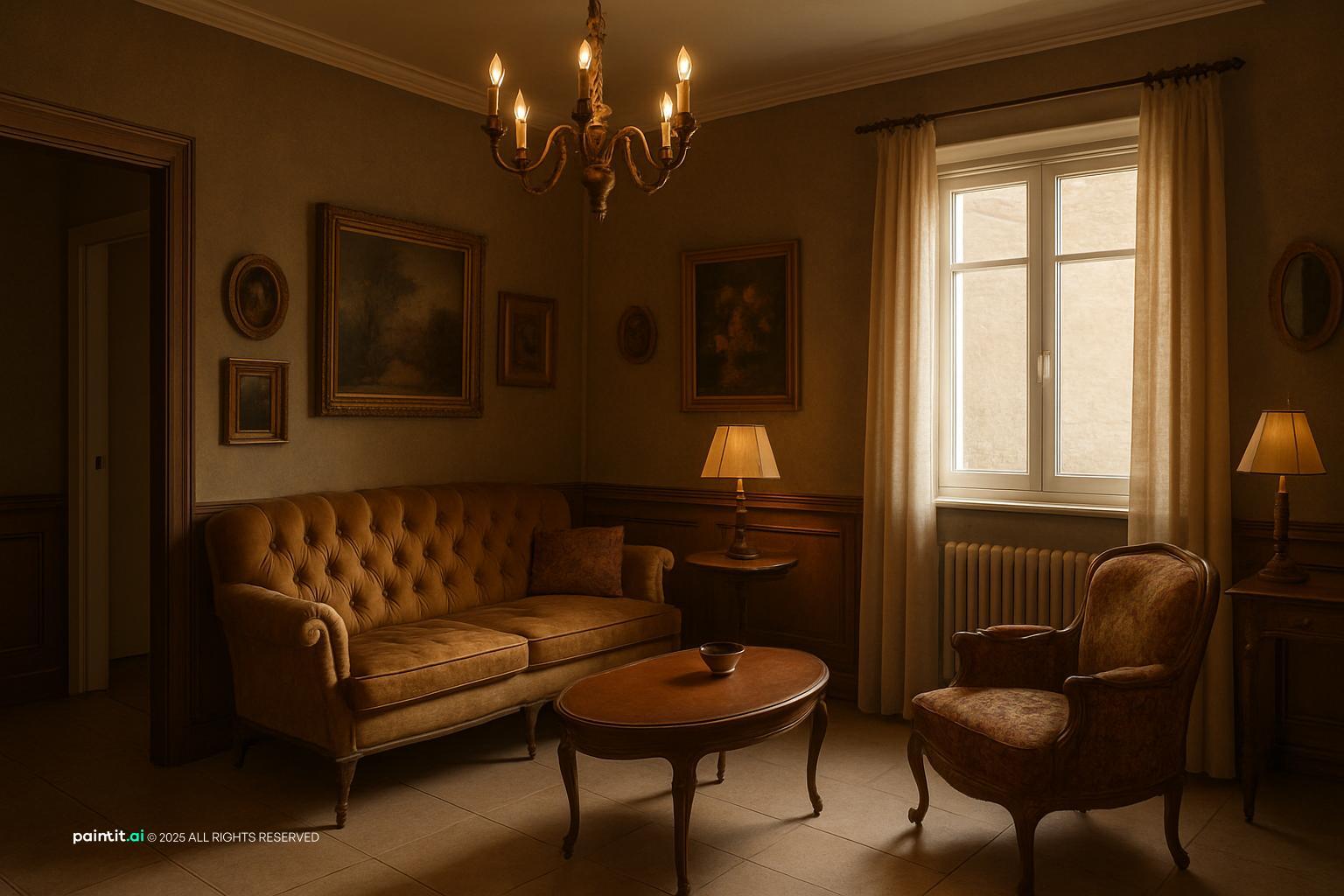
Handcrafted macrame pieces were ubiquitous in 70s homes, adding texture, warmth, and a bohemian flair. They speak to a more artisanal, personalized approach to decor. I’ve seen this work best when it’s not overdone, but used as a thoughtful accent.
-
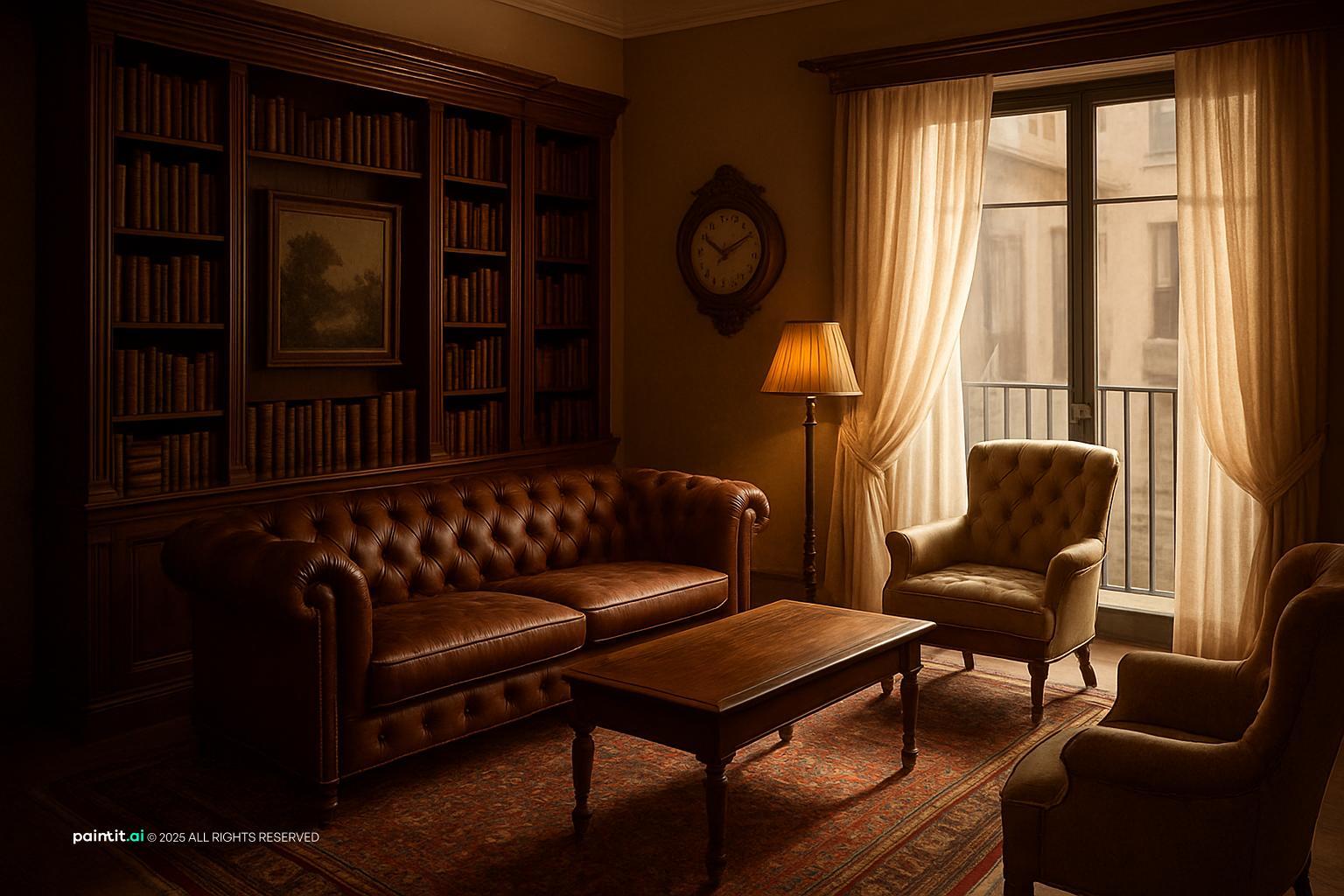
Hang a large macrame wall hanging above a sofa or bed. Smaller pieces can adorn windows or act as plant hangers. Look for natural fibers and intricate knotting patterns. These pieces add a soft, organic contrast to harder surfaces.
-
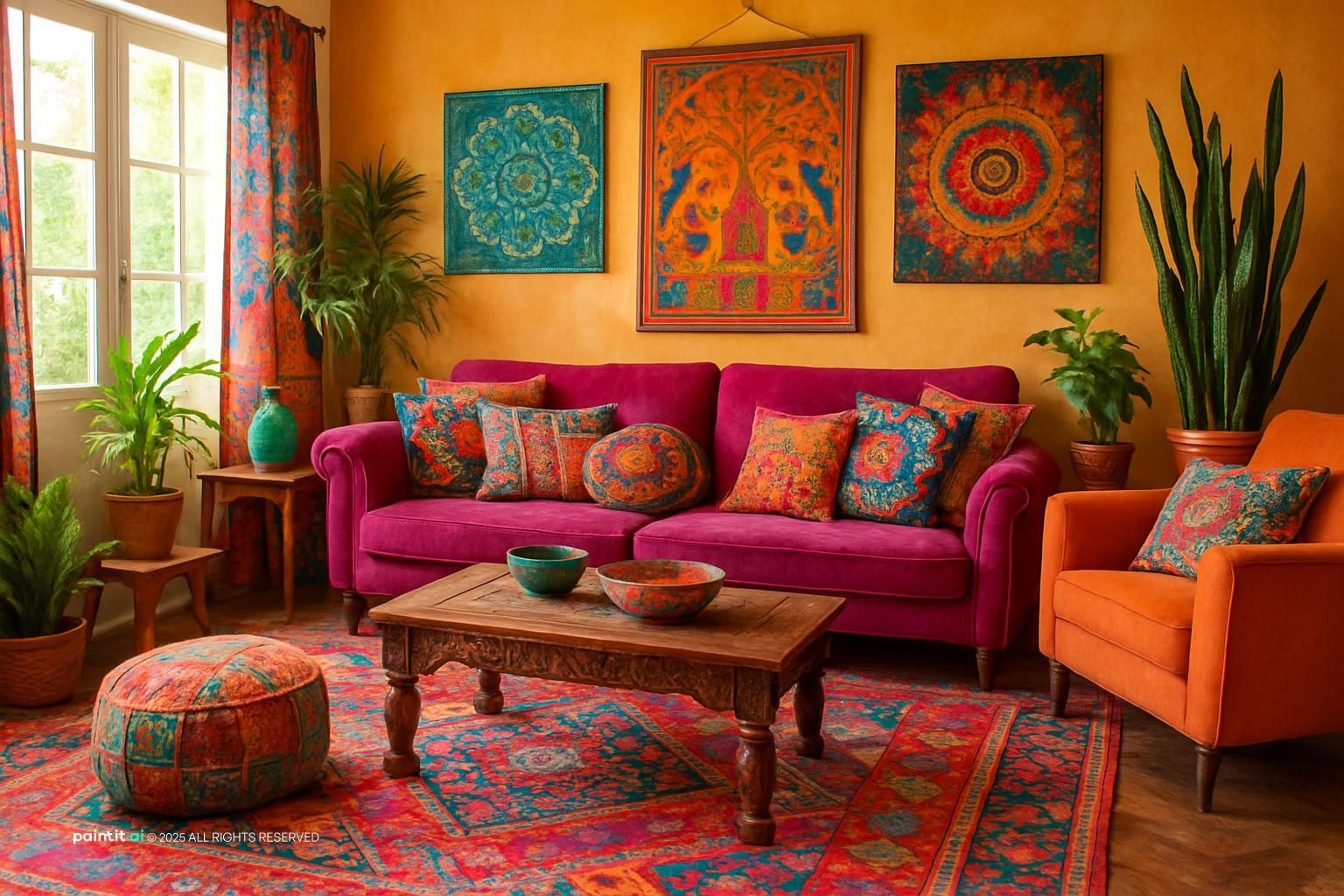
Pro Tip: To achieve this effect, try combining macrame with other natural textures like linen or wool for a rich, layered look.
-
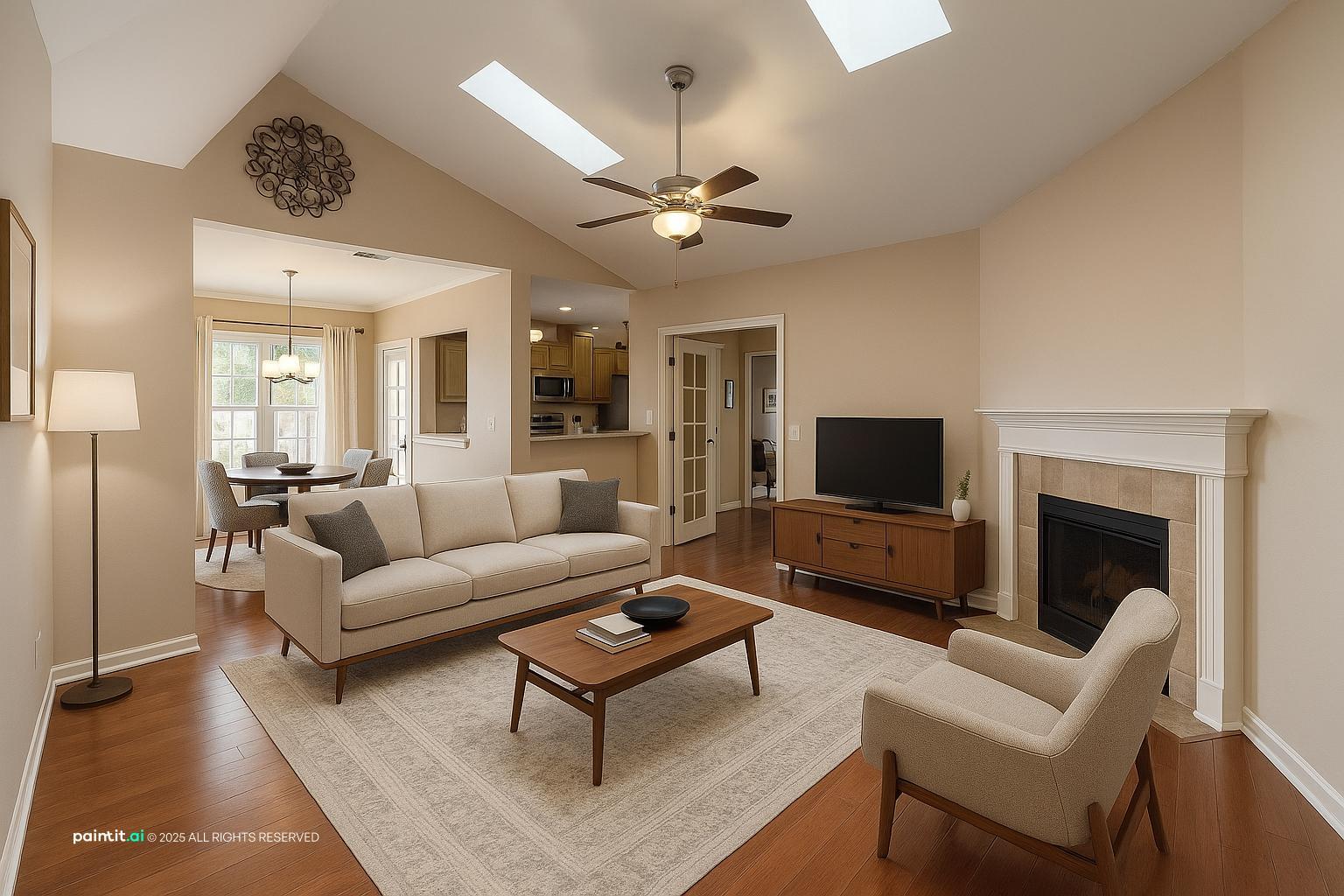
Music was central to 70s culture, and a dedicated space for records and a turntable is a wonderful nod to the era. It creates a personal, nostalgic corner that invites relaxation and enjoyment. It’s about creating an experience, not just a display.
-
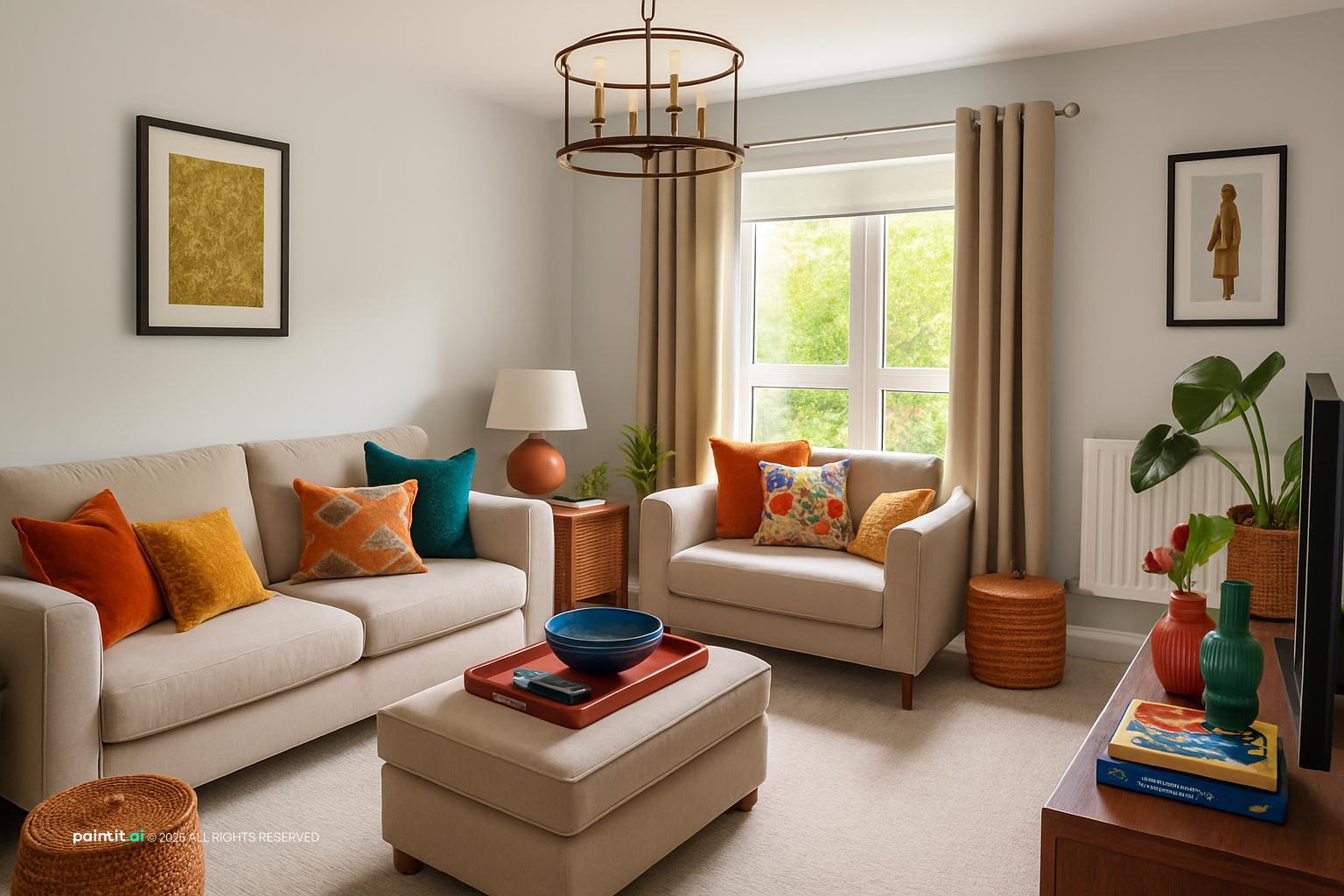
Set up a vintage-style record player on a low credenza or a dedicated audio cabinet. Display your vinyl collection on open shelving or in stylish crates. Add a comfortable armchair and a small side table for a drink. This creates a perfect listening sanctuary.
-
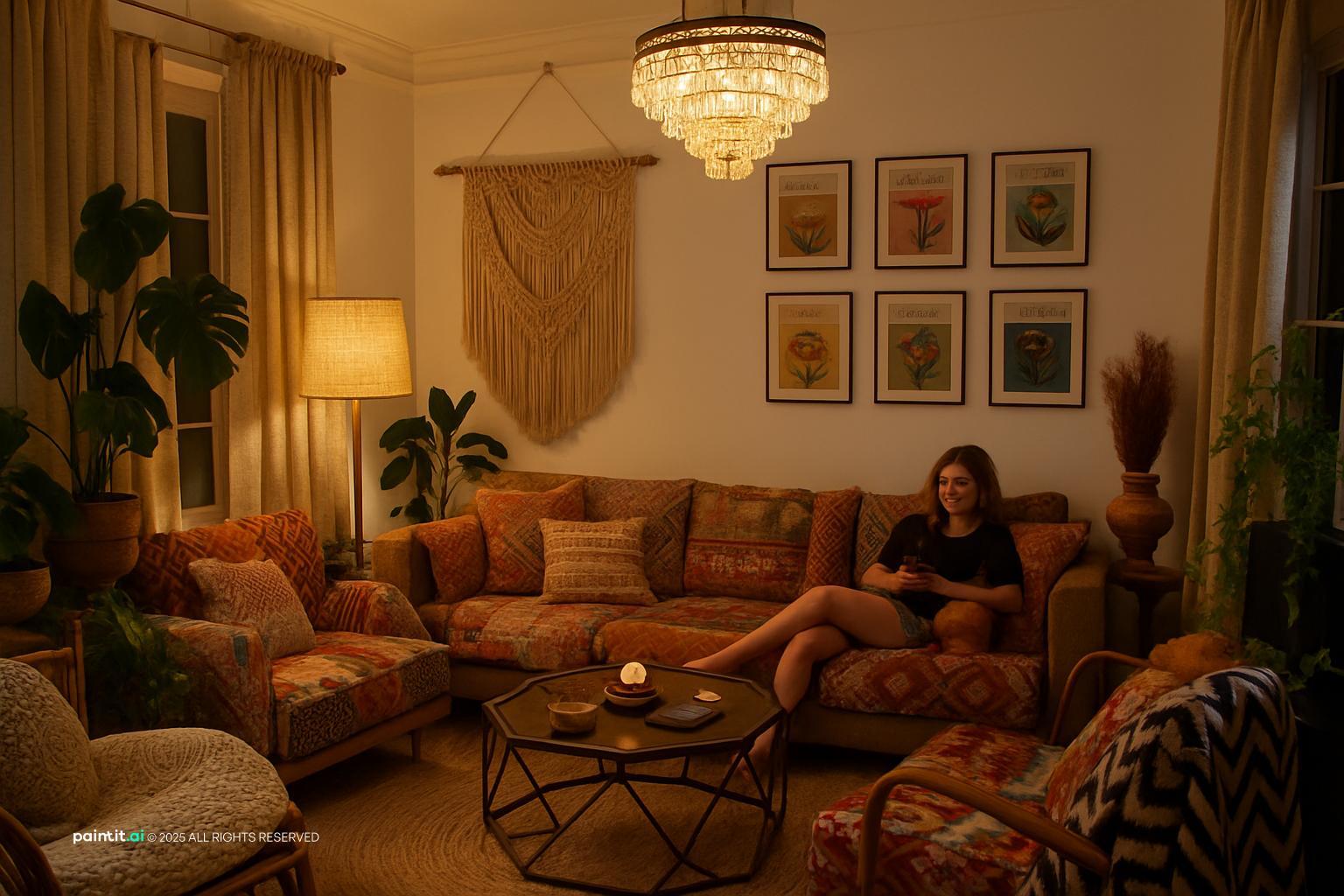
Pro Tip: To achieve this effect, try incorporating a few vintage album covers as wall art to further enhance the nostalgic vibe.
Unpacking the Vibe: Decoding the 70s Living Room Aesthetic to Life with Paintit.ai
-
A 70s palette isn't just avocado. It begins with a grounding base of rich earthy browns, think deep chocolate or warm caramel, often balanced with creamy off-whites. Then, layer in those iconic, saturated secondary tones: mustard yellow, burnt orange, and that unmistakable avocado green. Most people forget that a strategic accent, perhaps a deep teal or a dusty rose, can truly elevate the scheme. Balancing these warm, organic hues defines the era's inviting embrace.
-
Here is what matters: texture is paramount. Imagine sinking into a low-slung sofa upholstered in plush velvet or tactile corduroy; these materials instantly convey luxurious comfort. Dark woods, specifically walnut or teak, are non-negotiable for coffee tables, sideboards, and even wall paneling, lending a sophisticated, grounded feel. Then, introduce organic, handcrafted elements: rattan for an accent chair or macrame wall hangings. These lighter textures provide crucial visual counterpoint, adding a touch of bohemian freedom.
-
I’ve seen this work best with a truly comfortable, low-slung modular sofa. This piece isn't just for sitting; it’s designed for lounging, defining the relaxed spirit. Next, a substantial round coffee table, perhaps in dark wood or smoked glass, anchors the seating arrangement, softening lines. Choosing the right proportions is crucial; it must feel sturdy without overwhelming the space. Finally, a statement armchair, maybe a velvet wingback or a unique rattan globe chair, adds distinct personality. This sculptural element completes the inviting tableau.
-
Achieving the perfect 70s glow means layering light. Start with warm, ambient lighting from floor lamps featuring large fabric shades or recessed fixtures on dimmers, creating a soft, diffused atmosphere. For task lighting, an iconic arc lamp over a reading nook or a table lamp with an opaque shade provides focused illumination. Most people forget that accent lighting truly sets the mood. Think lava lamps for a playful effect, or mushroom lamps on side tables, casting a gentle, intimate glow. It's about creating pockets of warmth and visual interest.
-
Styling accessories is where personality truly shines. Think large, leafy houseplants like monsteras or snake plants, often in ceramic pots, bringing life and an organic touch. For art, abstract geometric prints or macrame wall hangings are perfect. Now, about the 3-5-7 rule: this is how you create visual harmony without clutter. Group items in odd numbers. For example, arrange three ceramic vases of varying heights on a sideboard. On a wall, consider five framed pieces of art, mixing sizes and styles. Or, scatter seven plants throughout the room, varying their height and pot material, to create depth and a lush, natural feel. This approach ensures a curated, balanced look.
Paintit.ai: Your Vision Board for a Perfect 70s Living Room Design Ideas
The truth is, recreating that distinct 70s vibe isn't just about throwing in a shag rug. It's about mastering the interplay of earthy tones, bold patterns, and those iconic, often challenging, color combinations like avocado green with mustard yellow. Most people forget that even a subtle shift in hue can drastically alter the mood. You need to see it. Instantly visualize how a dusty terracotta accent wall or a deep olive velvet sofa will truly look in your space, not just in a magazine. Paintit.ai allows you to experiment with countless variations—from groovy geometric wallpapers to rich walnut paneling—all before buying a single item. No more costly guesswork. See your dream 70s living room come alive, exactly as you imagine it, in seconds.
FAQ
-
Overdoing it is easy. Focus on texture, not just color. Avoid overwhelming the space with too many patterns. A few key pieces make a stronger statement. Most people forget that lighting is crucial; don't neglect it.
-
Earth tones are your friend. Think avocado green, mustard yellow, burnt orange, and deep browns. Introduce pops of unexpected color like teal or dusty rose. It’s about warmth and depth. I’ve seen this work best with a muted base.
-
Low-slung sofas, bean bags, and rattan chairs are iconic. Consider a shag rug; it’s a must. Look for pieces with rounded edges and plush upholstery. Velvet adds instant luxury. A statement armchair is always a good idea.
-
Layered lighting is key. Think mushroom lamps, arc floor lamps, and pendant lights with smoked glass or macrame shades. Dimmer switches create instant mood. It might seem odd at first, but multiple light sources make a room feel lived-in.
-
Potted plants, especially spider plants or monsteras, were everywhere. Macrame plant hangers add texture and a handcrafted feel. Wood paneling or furniture with visible grain brings in organic warmth. It’s about bringing the outside in, simply.