
Designing Your Dream - 1970s Living Room
Perhaps you're drawn to the warm, earthy tones and relaxed comfort of a 1970s living room, but find yourself wondering how to bring that distinct character into your modern home without it feeling like a costume. It's a delicate balance to capture the era's unique charm - the shag rugs, the conversation pits, the bold patterns - while still creating a space that feels fresh and inviting today. How do you blend nostalgia with contemporary living to make a truly authentic statement?
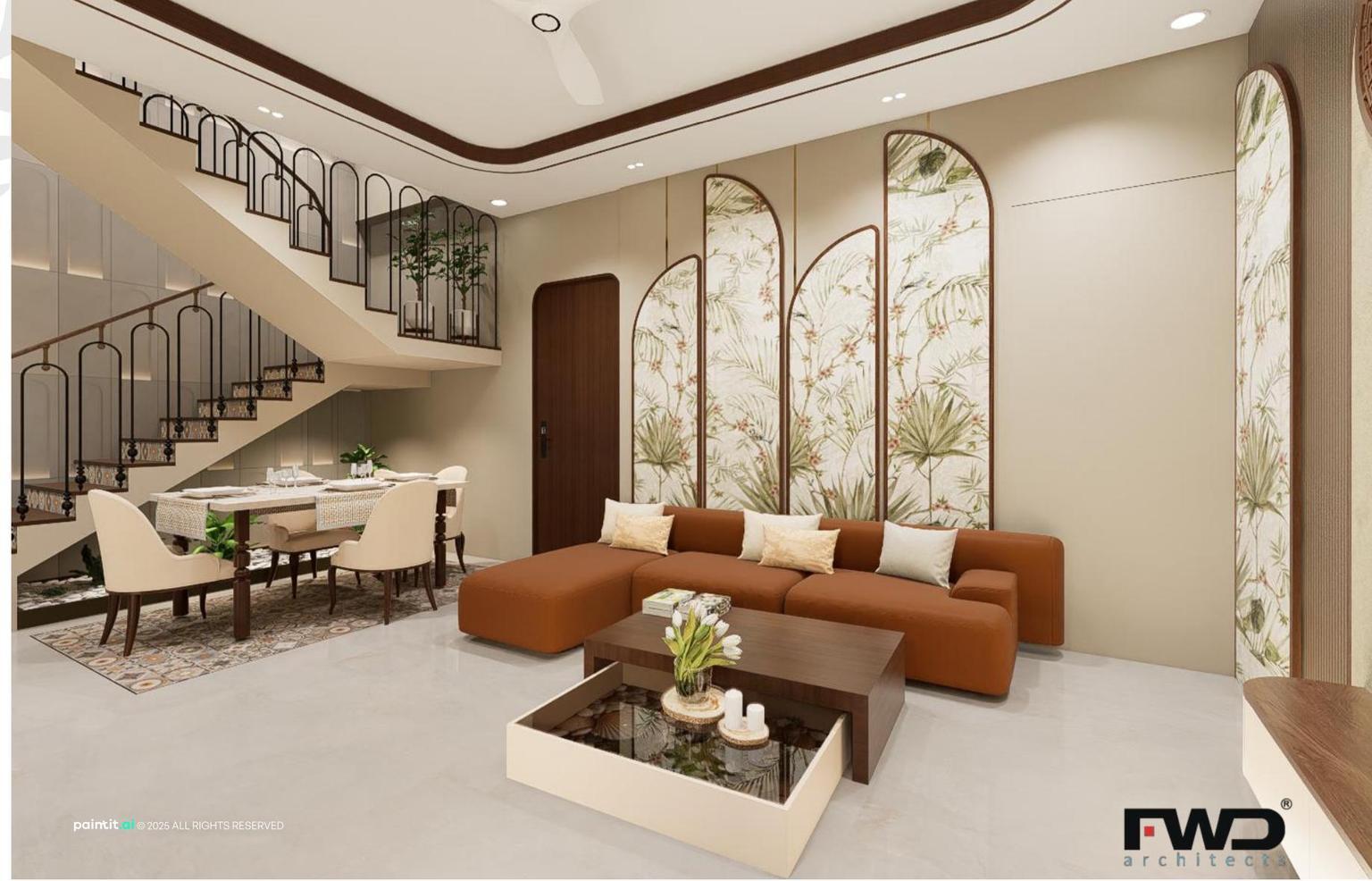
Essential Tips for Designing Your Dream 1970s living room
Stunning Examples of 12 Ways to Infuse That Iconic 1970s Living Room Vibe into Your Home
-
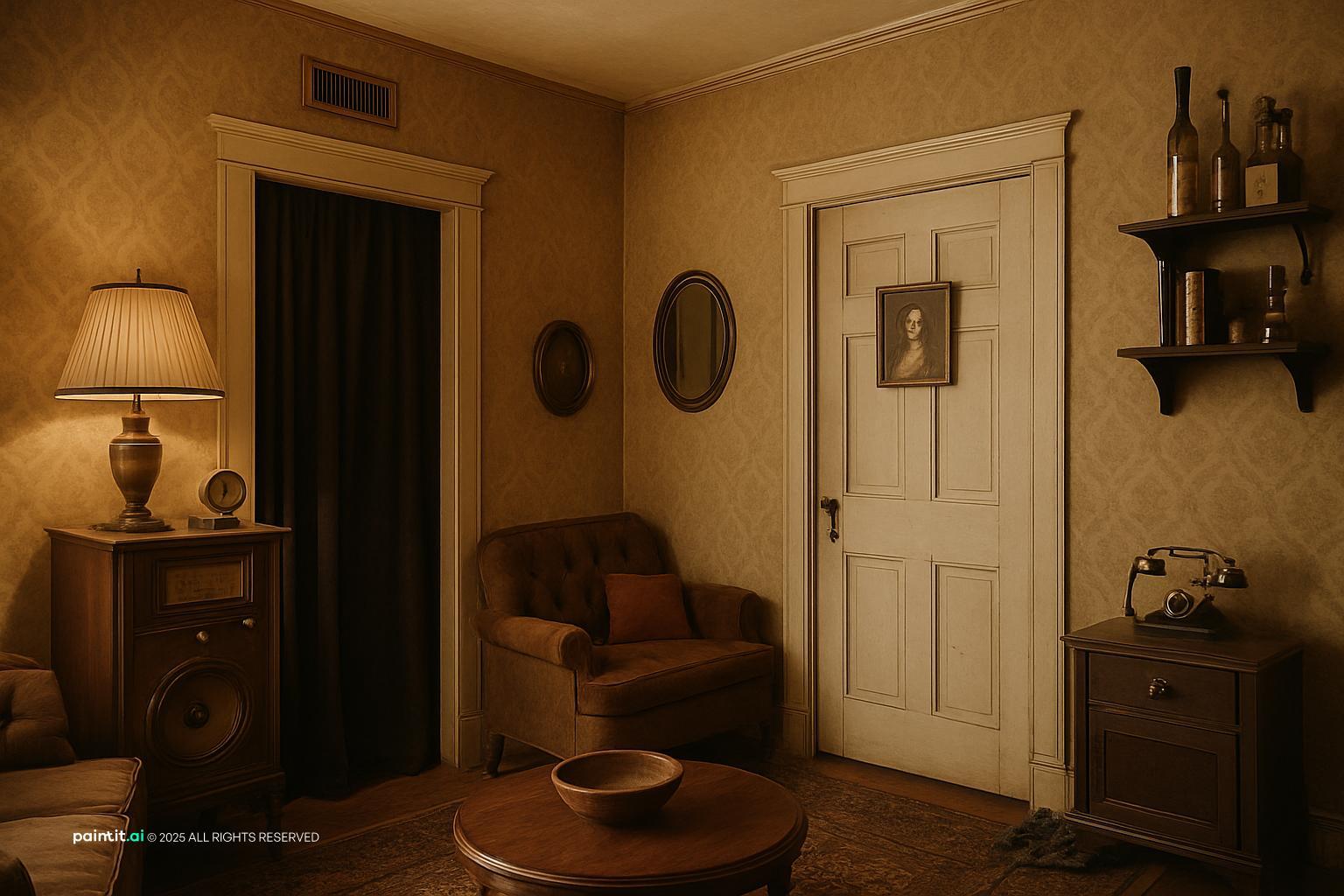
We've all seen those images, haven't we? The ones that just scream "seventies" with their laid-back charm and unapologetic warmth. Bringing that distinct character into a modern space without it feeling like a theme park exhibit? That's the real trick. We've curated these ideas to strike a balance, blending aesthetics with genuine functionality, ensuring your space feels both nostalgic and utterly current.
-
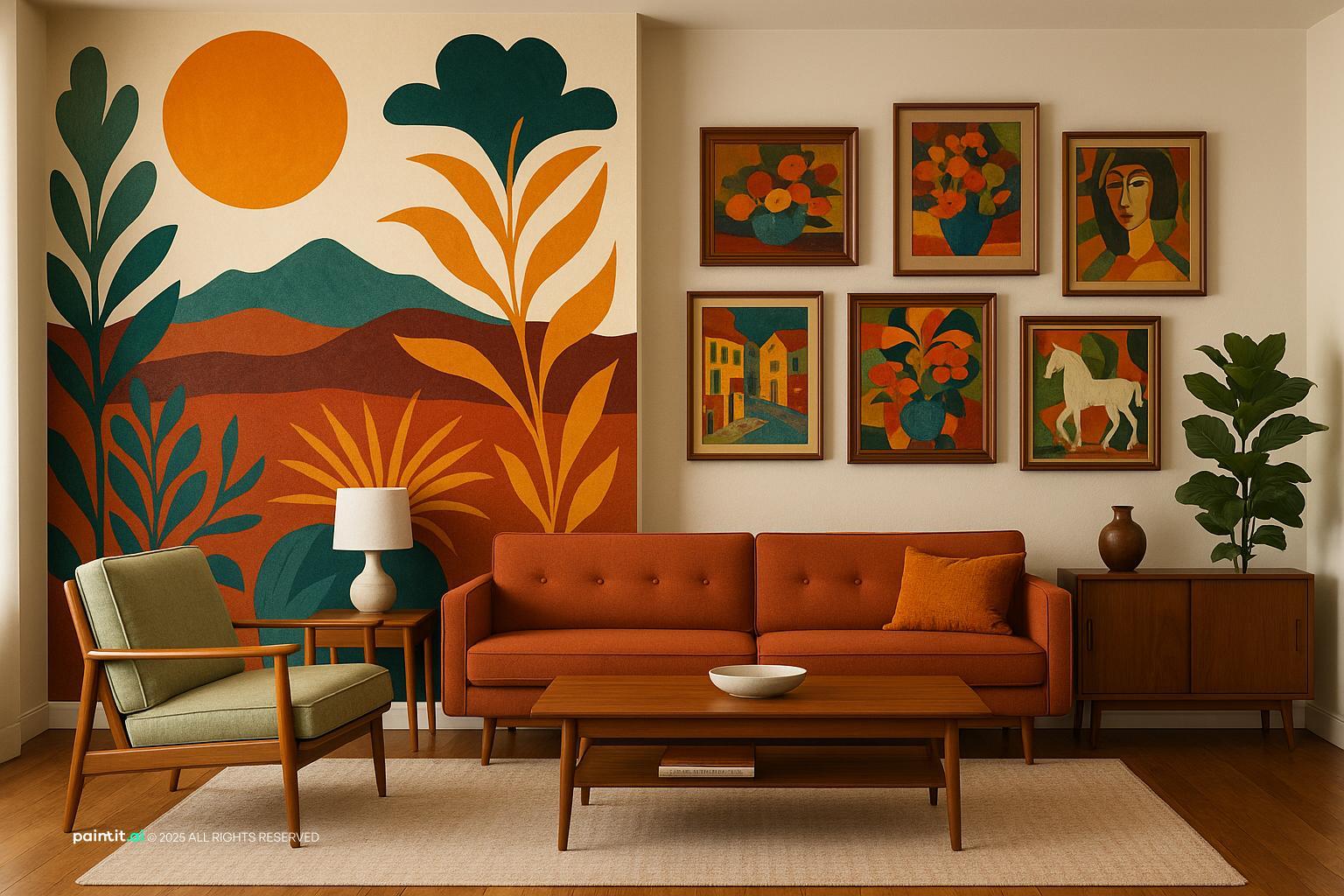
The truth is, the 1970s weren't just about avocado and orange; it was a sophisticated interplay of nature-inspired hues. Think deep forest greens, mustard yellows, burnt siennas, and rich chocolate browns. These colors create an enveloping, cozy atmosphere, a real hug for your senses.
-
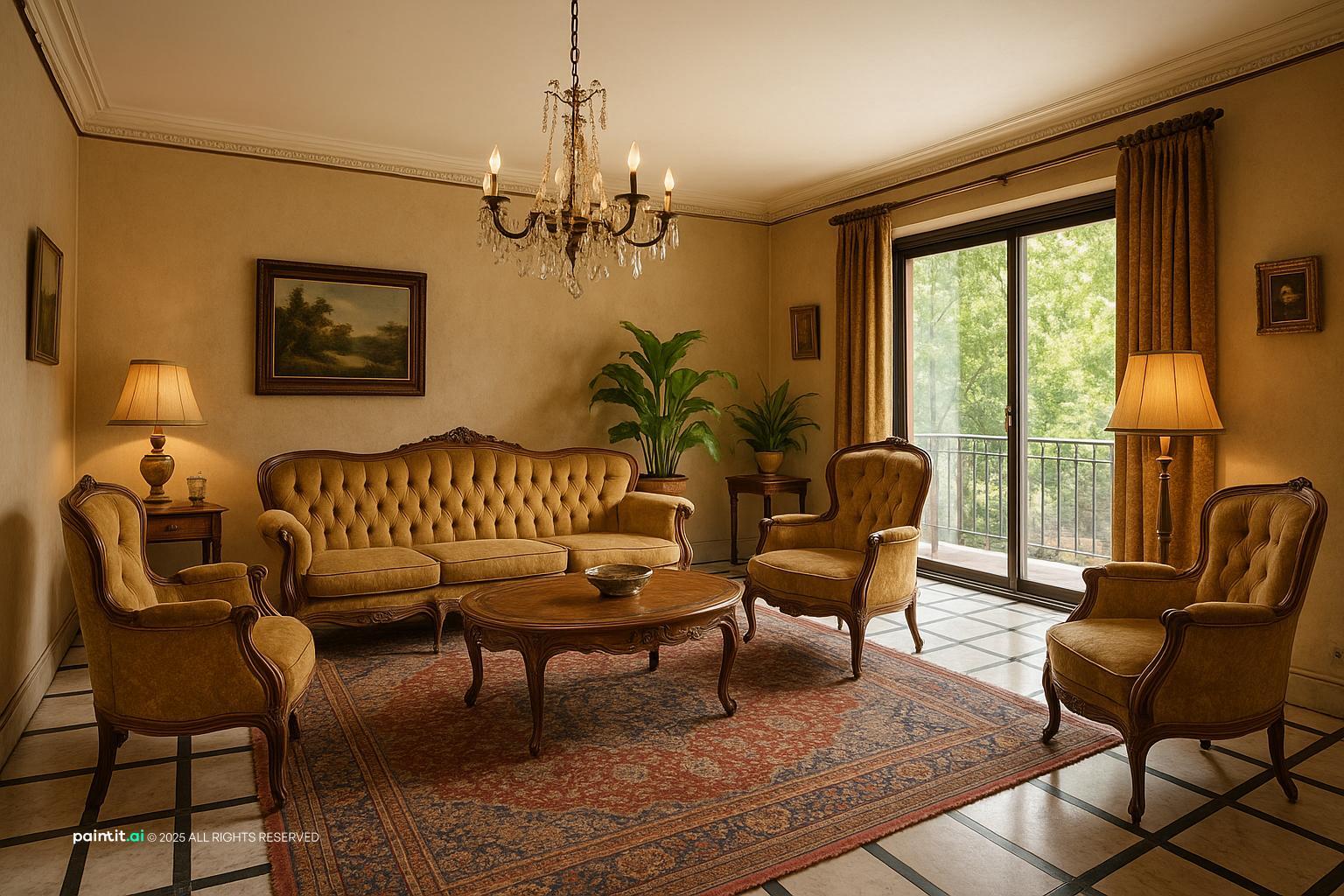
For implementation, consider a feature wall in a muted olive or a sofa upholstered in a deep rust velvet. Pair these with natural wood tones and creamy off-whites to keep things grounded. It’s about building layers, not just splashing color around.
-
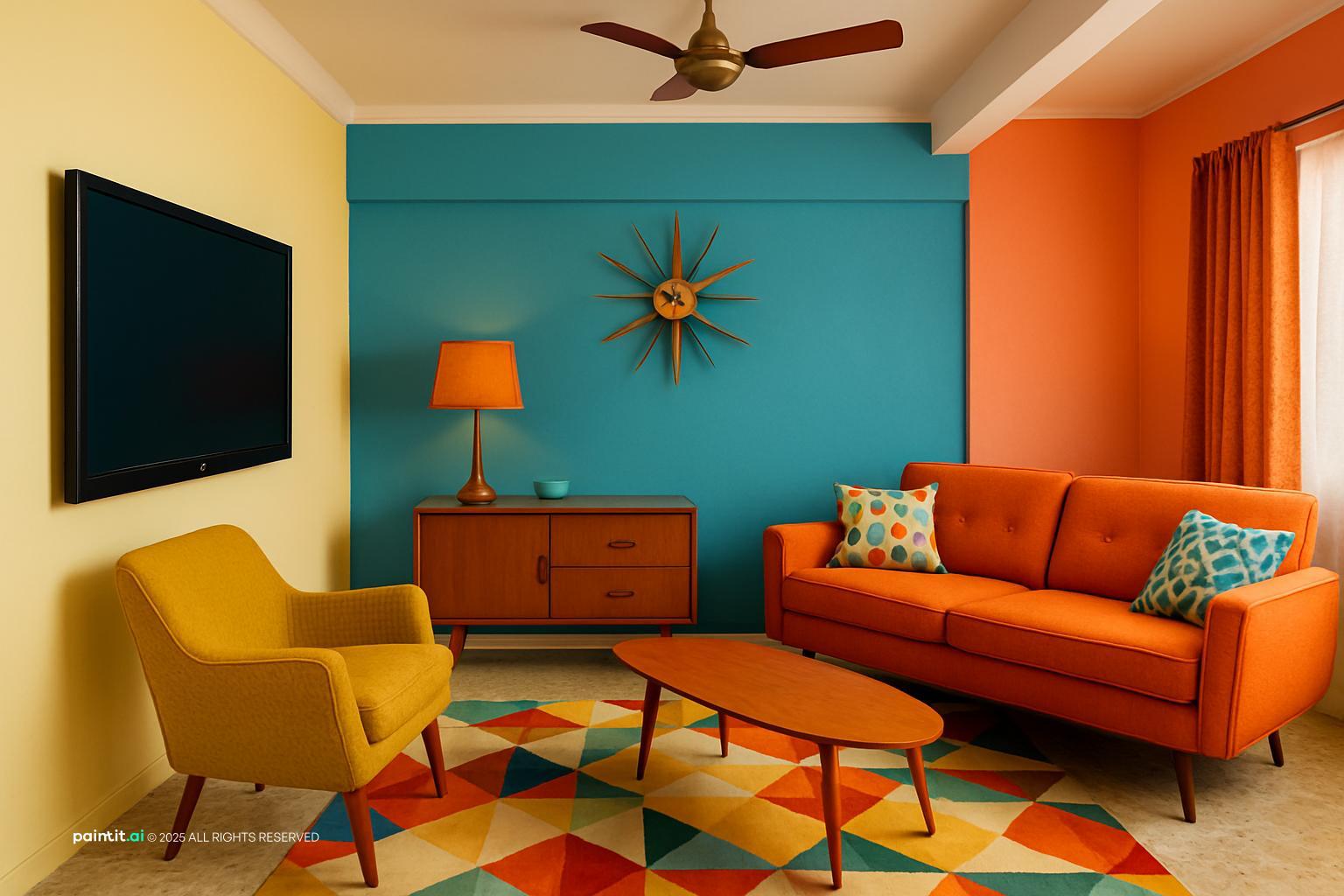
This was the era of flexibility and informal gathering. Modular sofas, often low-slung and deeply cushioned, allowed for endless configurations. They encouraged connection, a true hallmark of the 1970s living room.
-
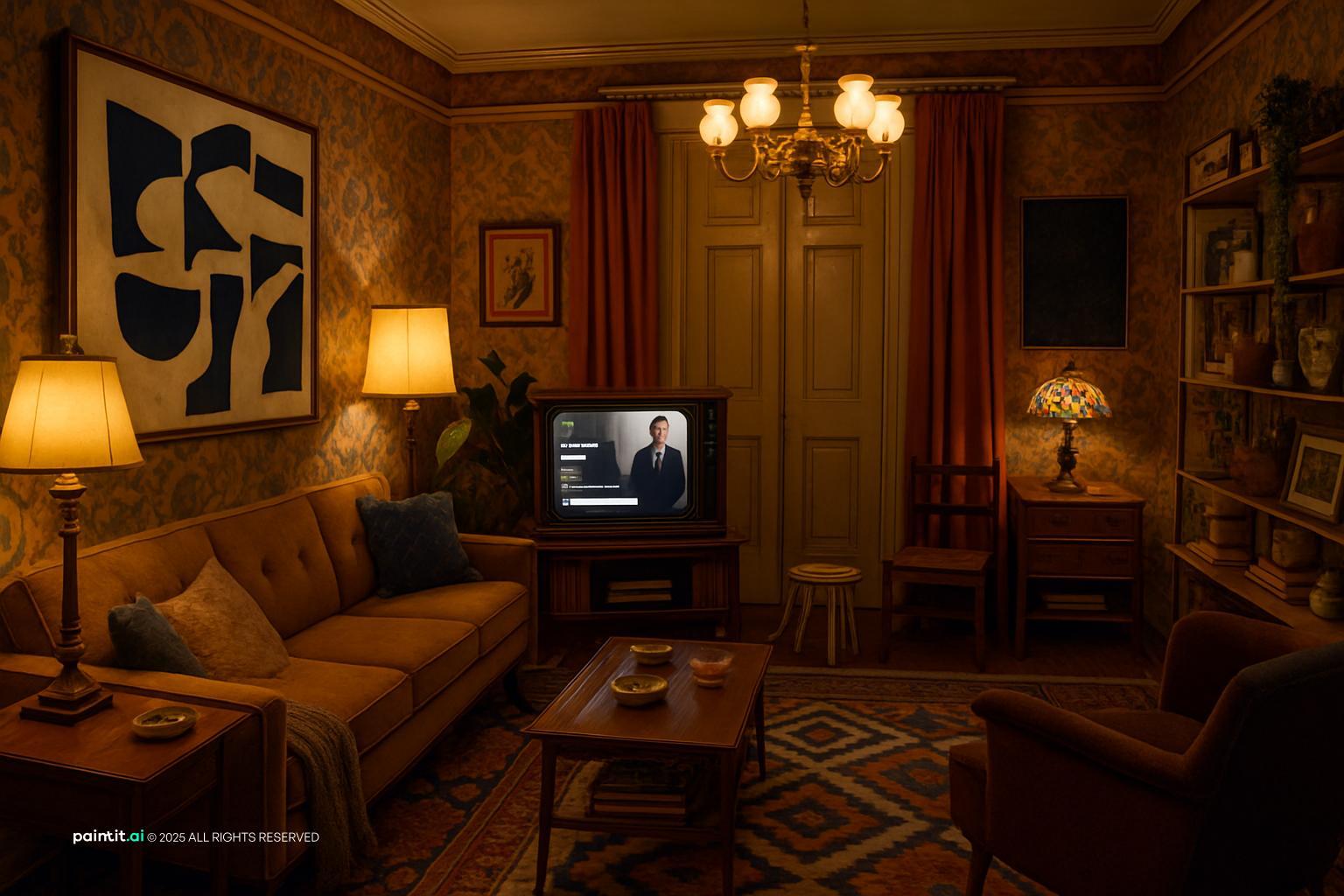
Look for pieces with clean lines but plush comfort. A sectional in a corduroy or textured tweed fabric works wonders. We've seen this work best in open-plan areas, defining zones without rigid walls.
-
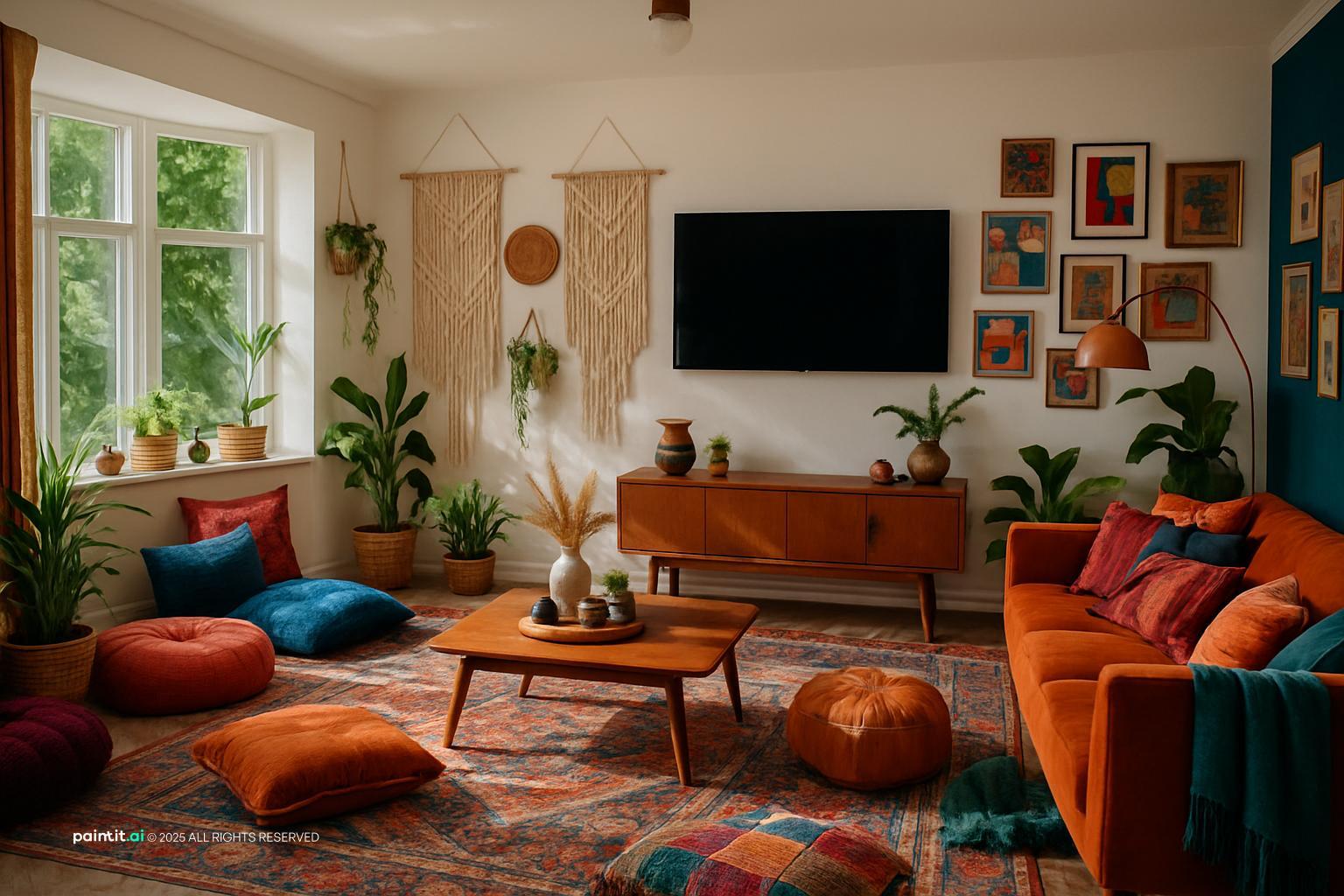
From shag rugs to velvet upholstery, texture was king. It added a tactile richness that made spaces feel incredibly inviting. This isn't about being subtle; it's about making a statement with touch.
-
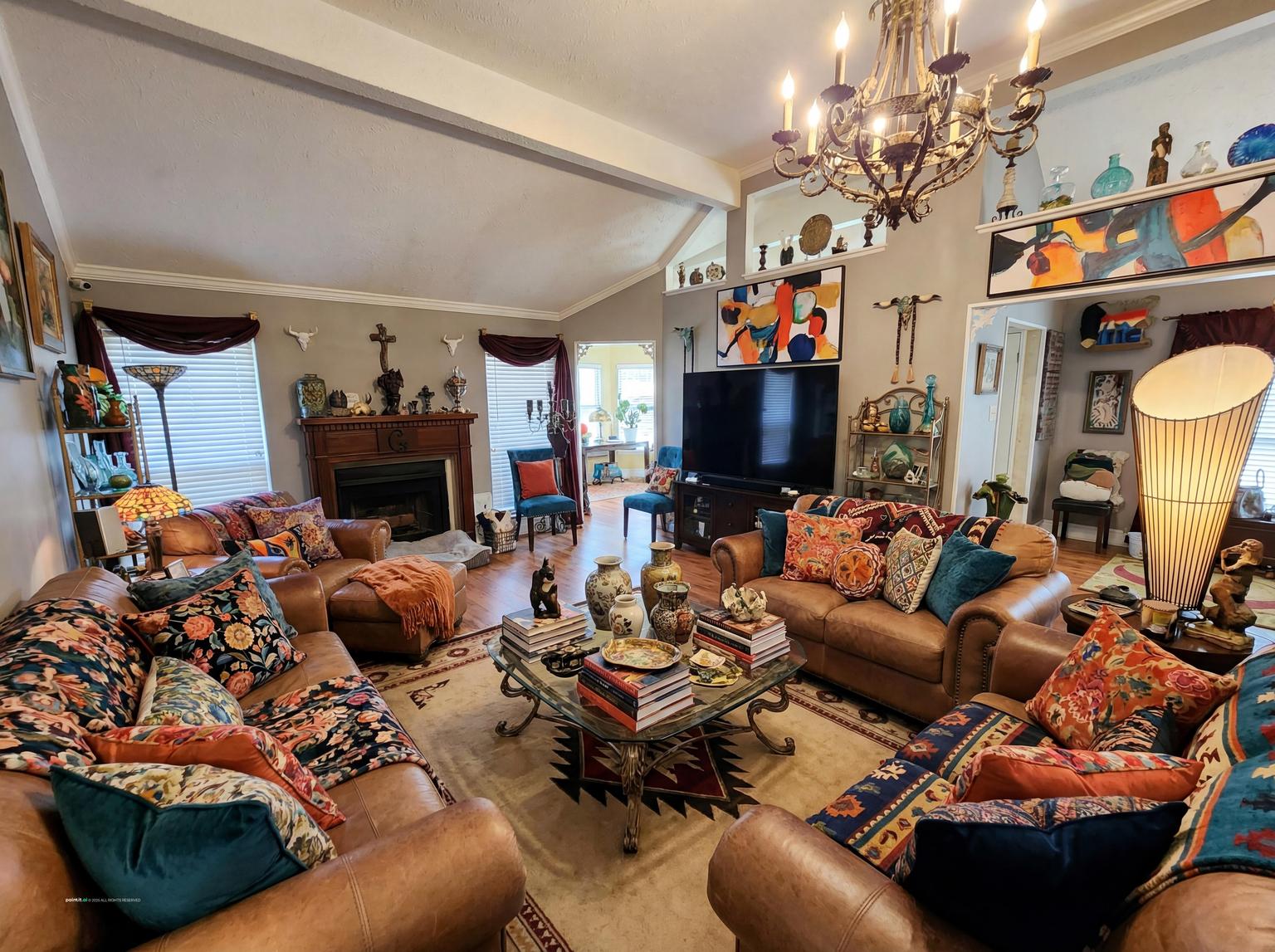
A deep pile shag rug, perhaps in a cream or muted gold, instantly grounds the room. Pair it with throw pillows in ribbed velvet or a chunky knit. The juxtaposition of smooth and rough, soft and firm, that's the magic.
-
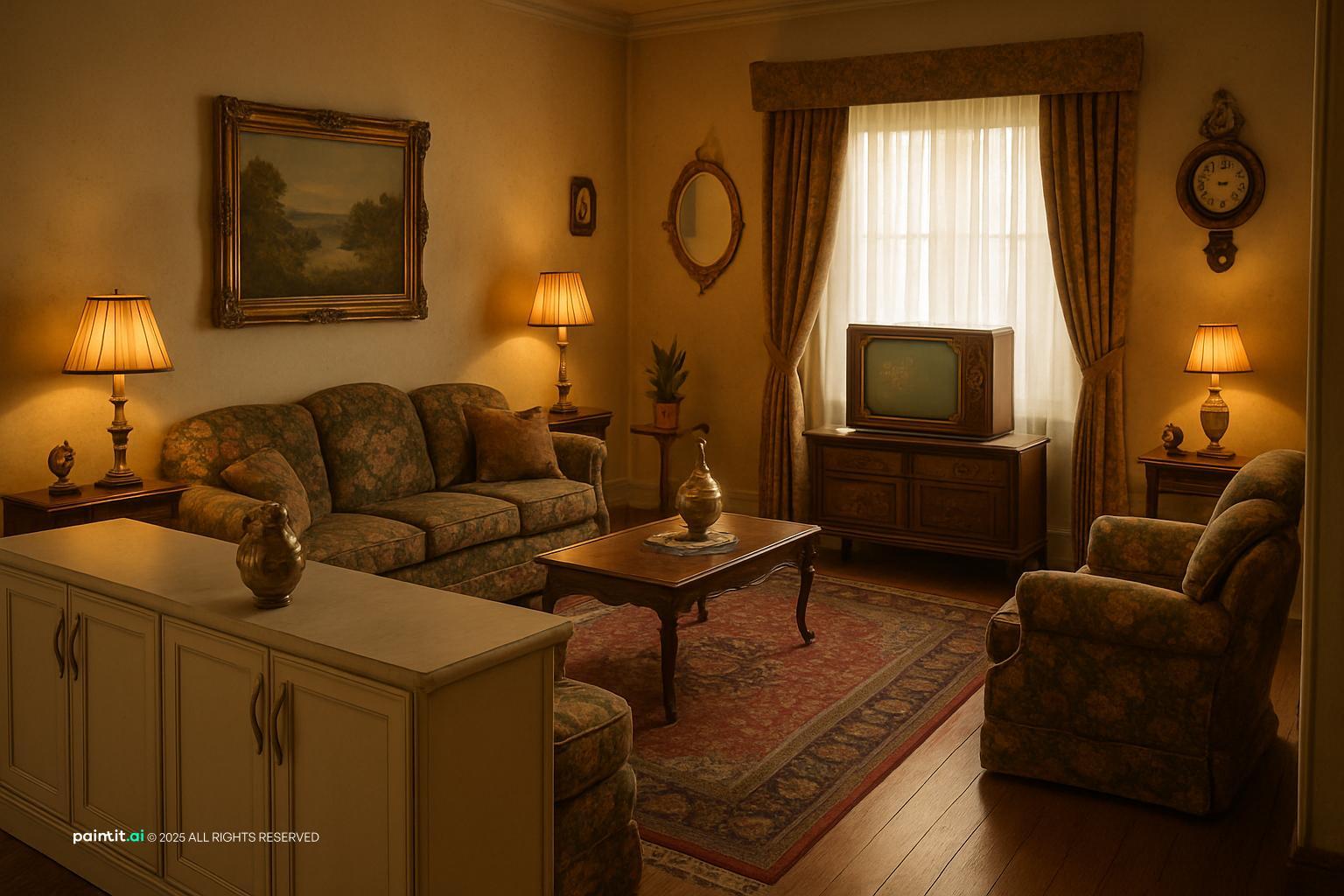
These natural materials brought an effortless, sun-drenched quality to any 1970 living room. They felt relaxed, a little bit exotic, and perfectly aligned with the era's appreciation for craftsmanship.
-
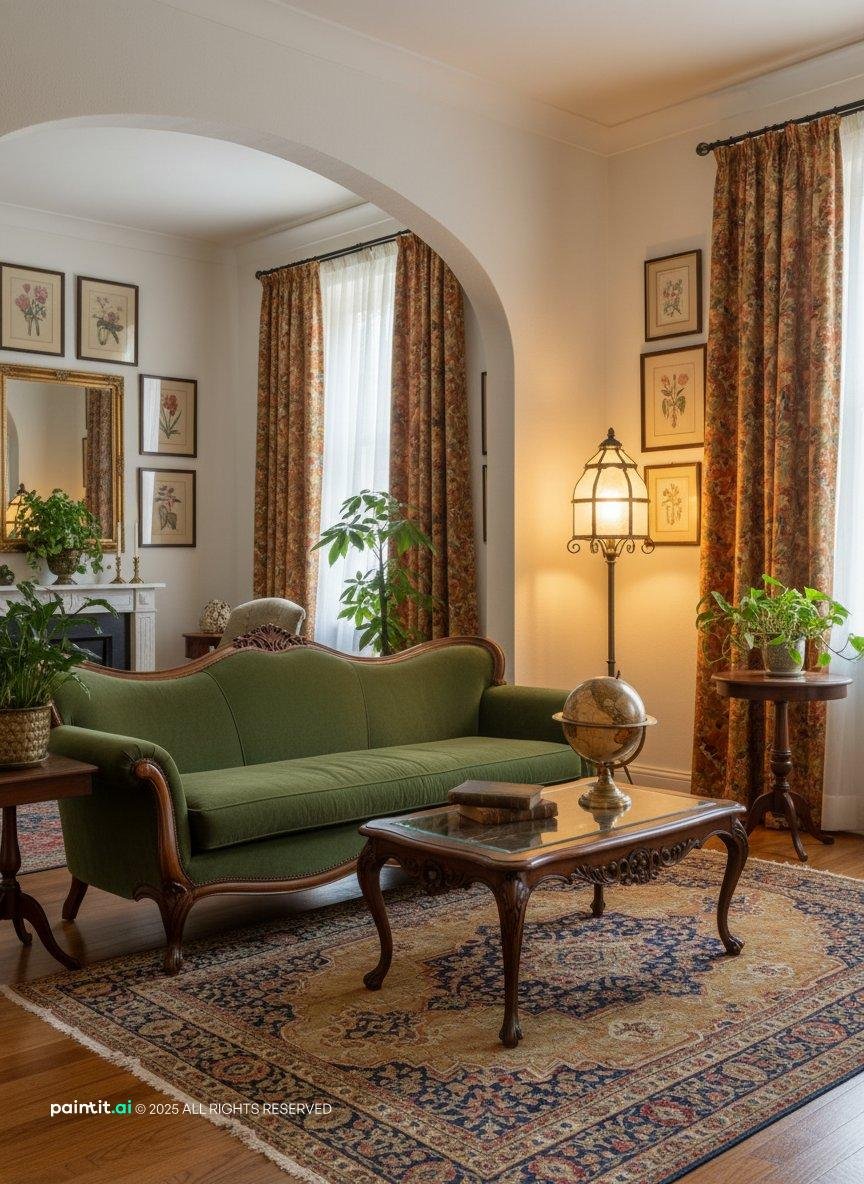
Introduce a rattan accent chair, a wicker coffee table, or even a bamboo room divider. These pieces add a lightness that balances heavier upholstered items. The thing is, they’re incredibly versatile.
-
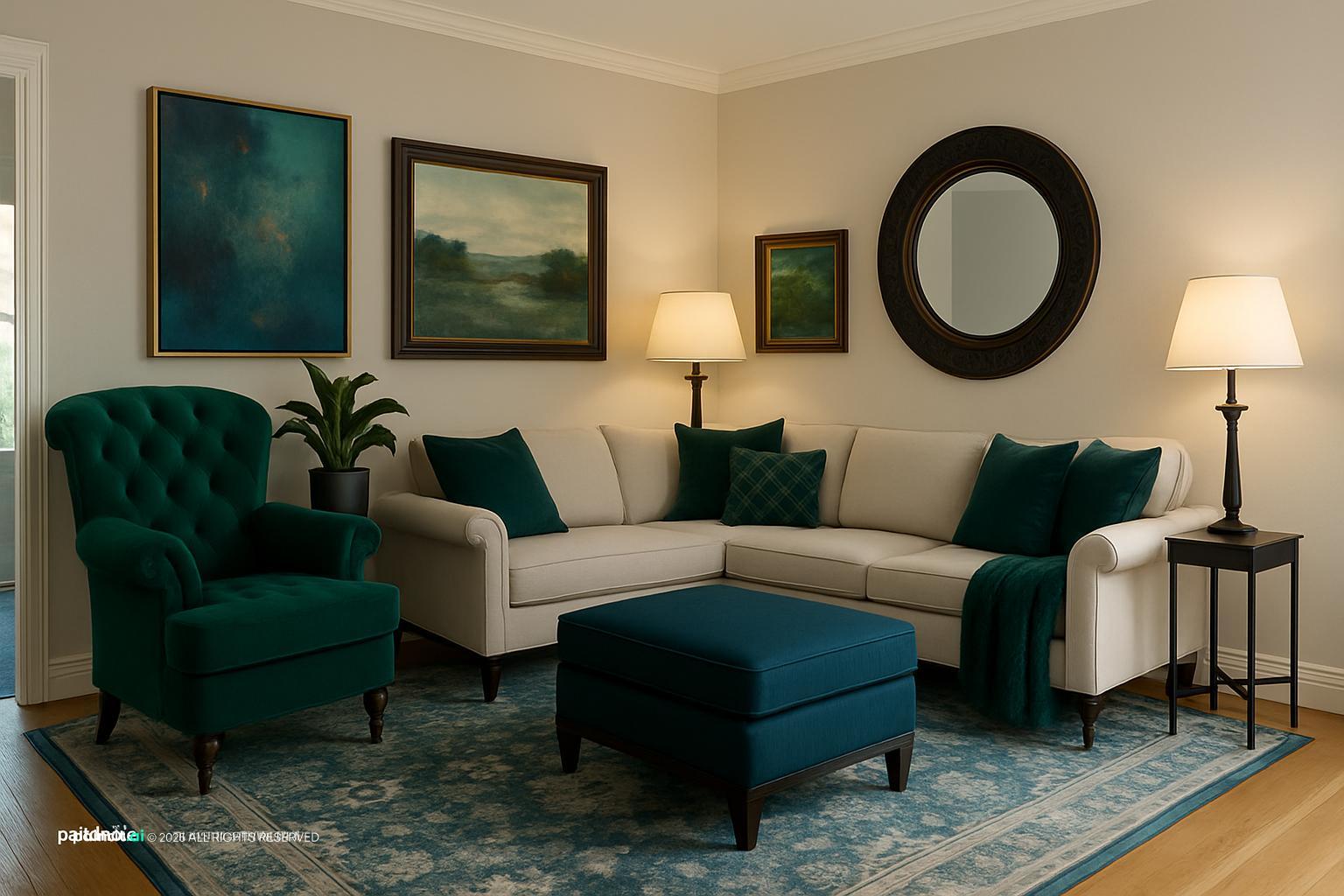
Lighting in the seventies wasn't just functional; it was sculptural. The iconic arc lamp, with its dramatic curve, and globe pendants became focal points, casting a warm, ambient glow.
-
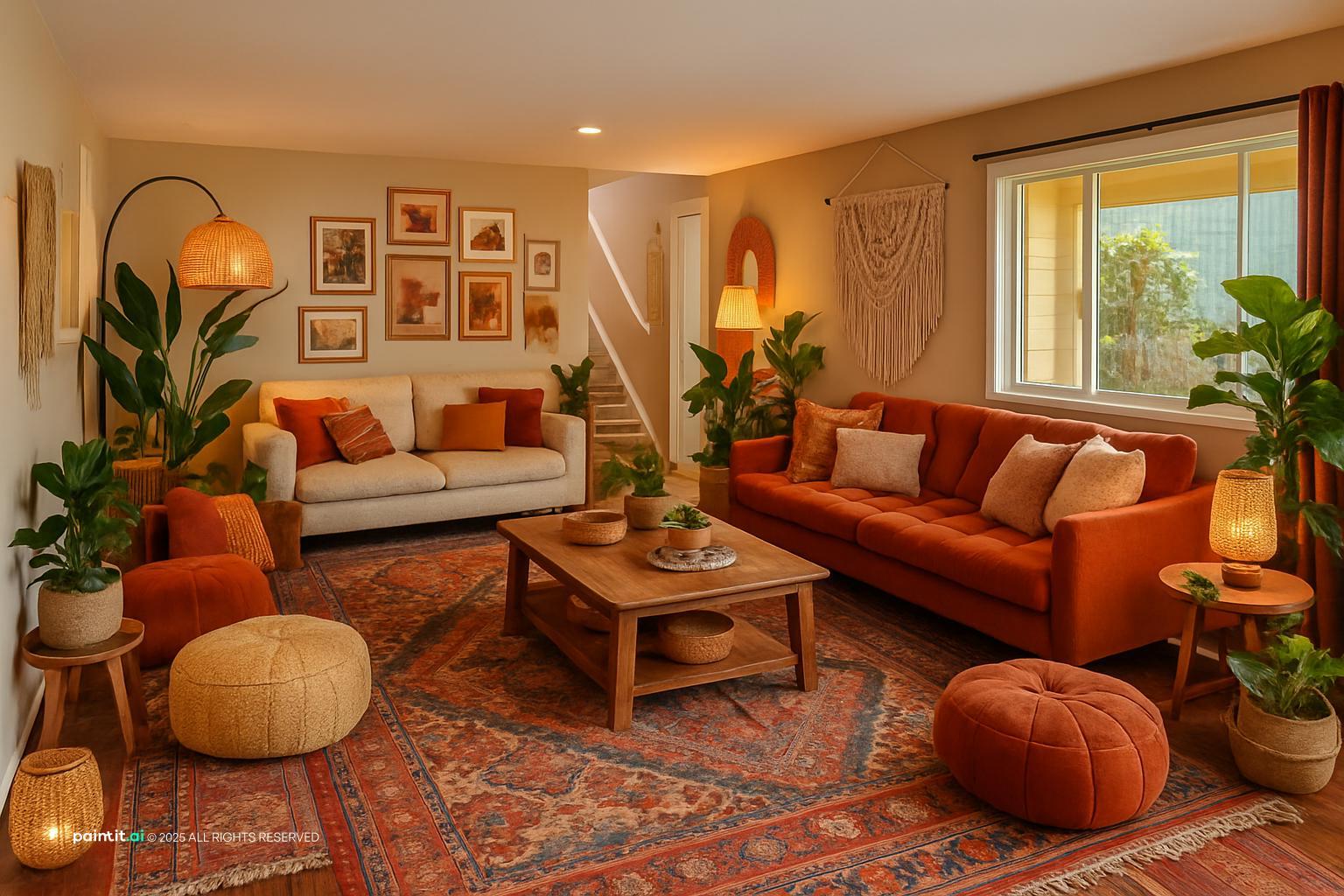
Position an arc lamp over a modular sofa or a reading nook. For overhead, consider a cluster of smoked glass globe pendants. It’s about creating mood, not just illumination.
-
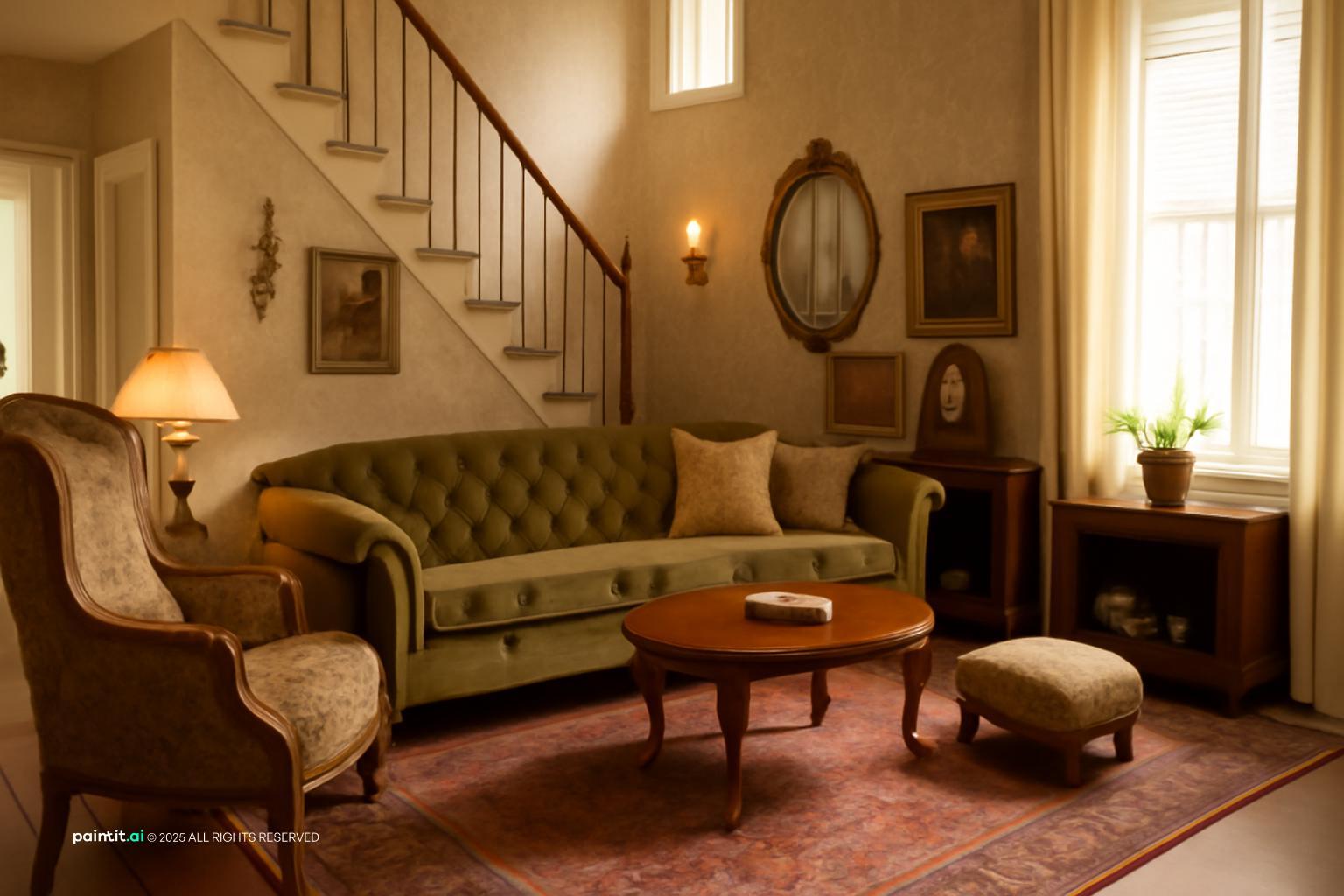
Handcrafted elements were deeply cherished, and macrame was everywhere. These intricate woven pieces added a bohemian, artisanal touch that felt both personal and stylish in a 1970s living room decor scheme.
-
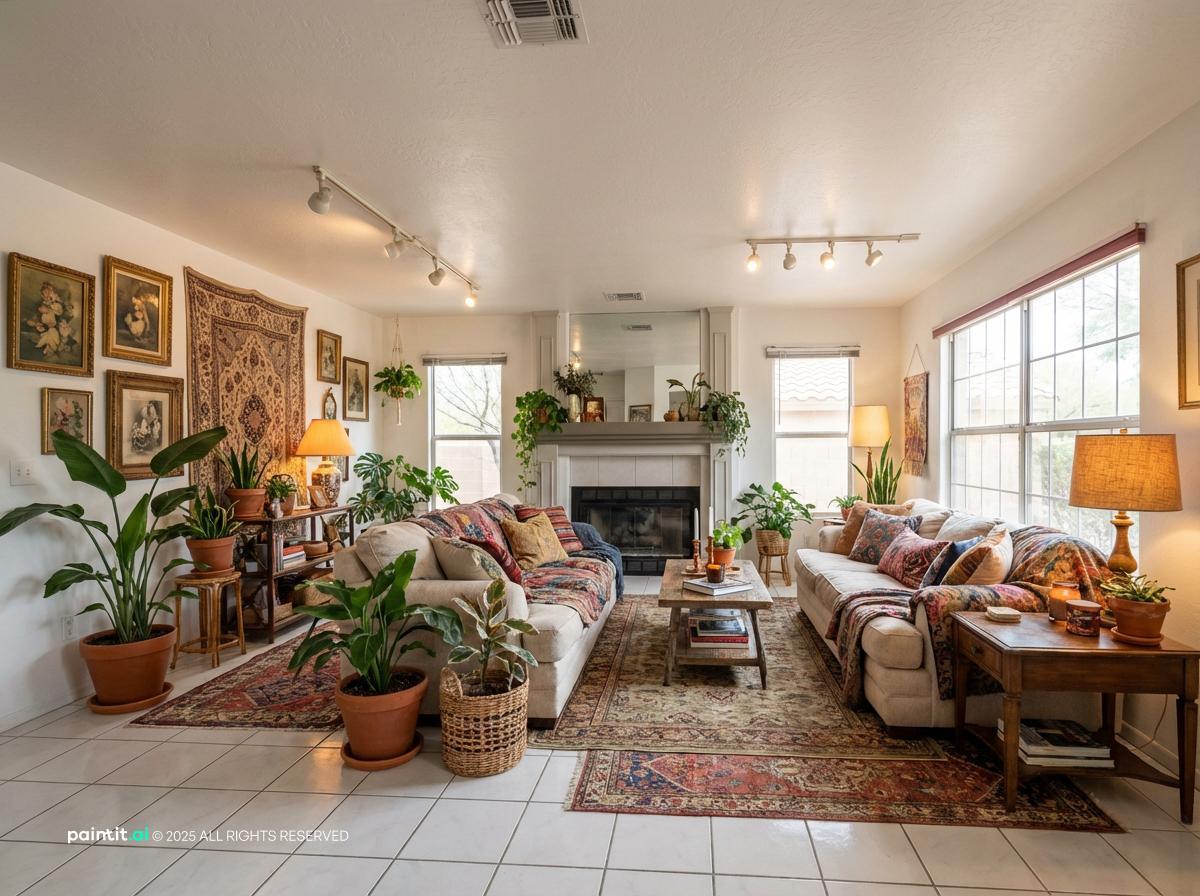
A large macrame piece above a sofa or a smaller one in a cozy corner can really tie the room together. Look for natural, undyed fibers for an authentic feel. It’s about preservation over imposition.
-
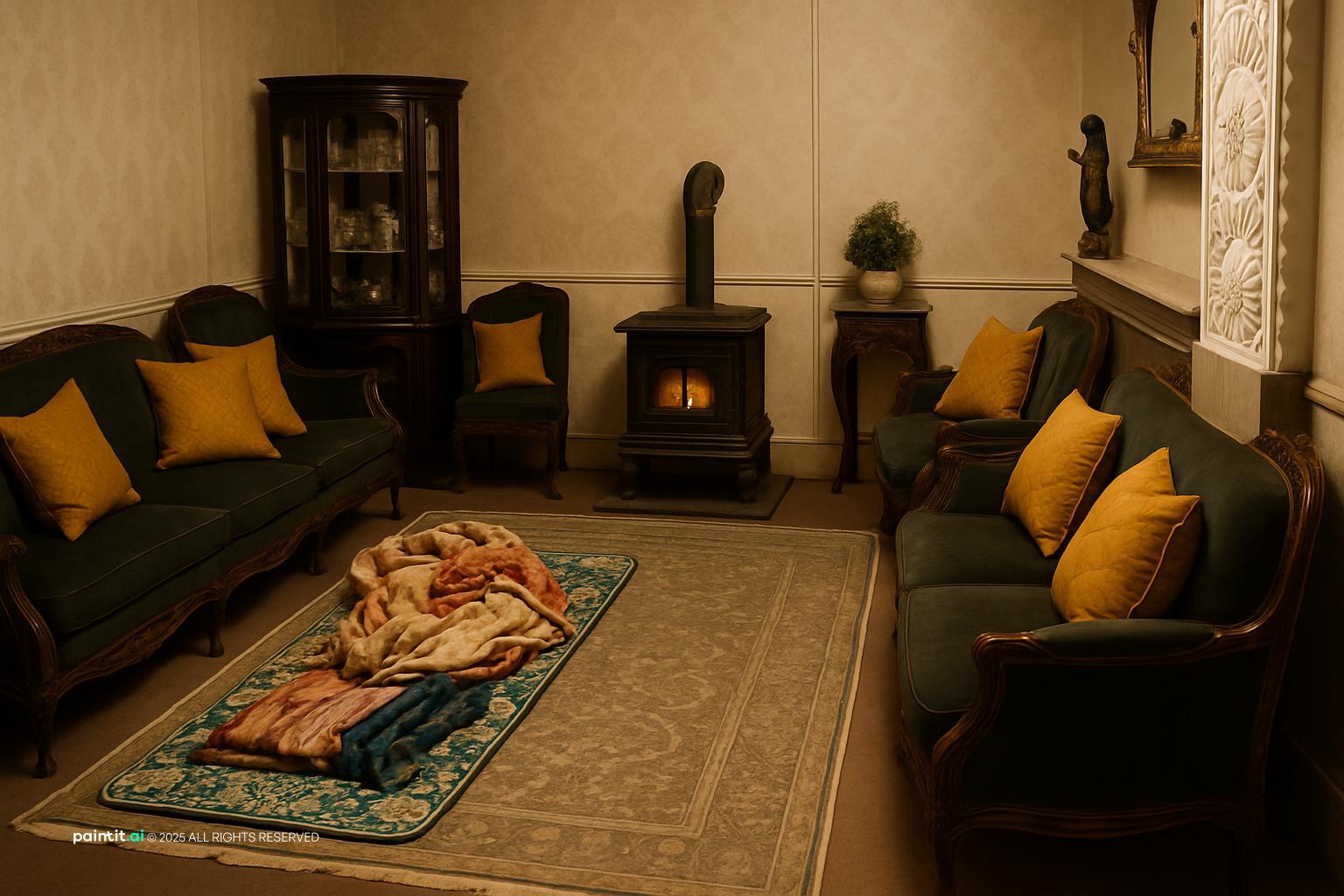
From wallpaper to textiles, geometric patterns were a playful and dynamic element. Think large-scale circles, interlocking squares, or abstract waves. They added a visual punch that felt utterly modern then, and still does now.
-
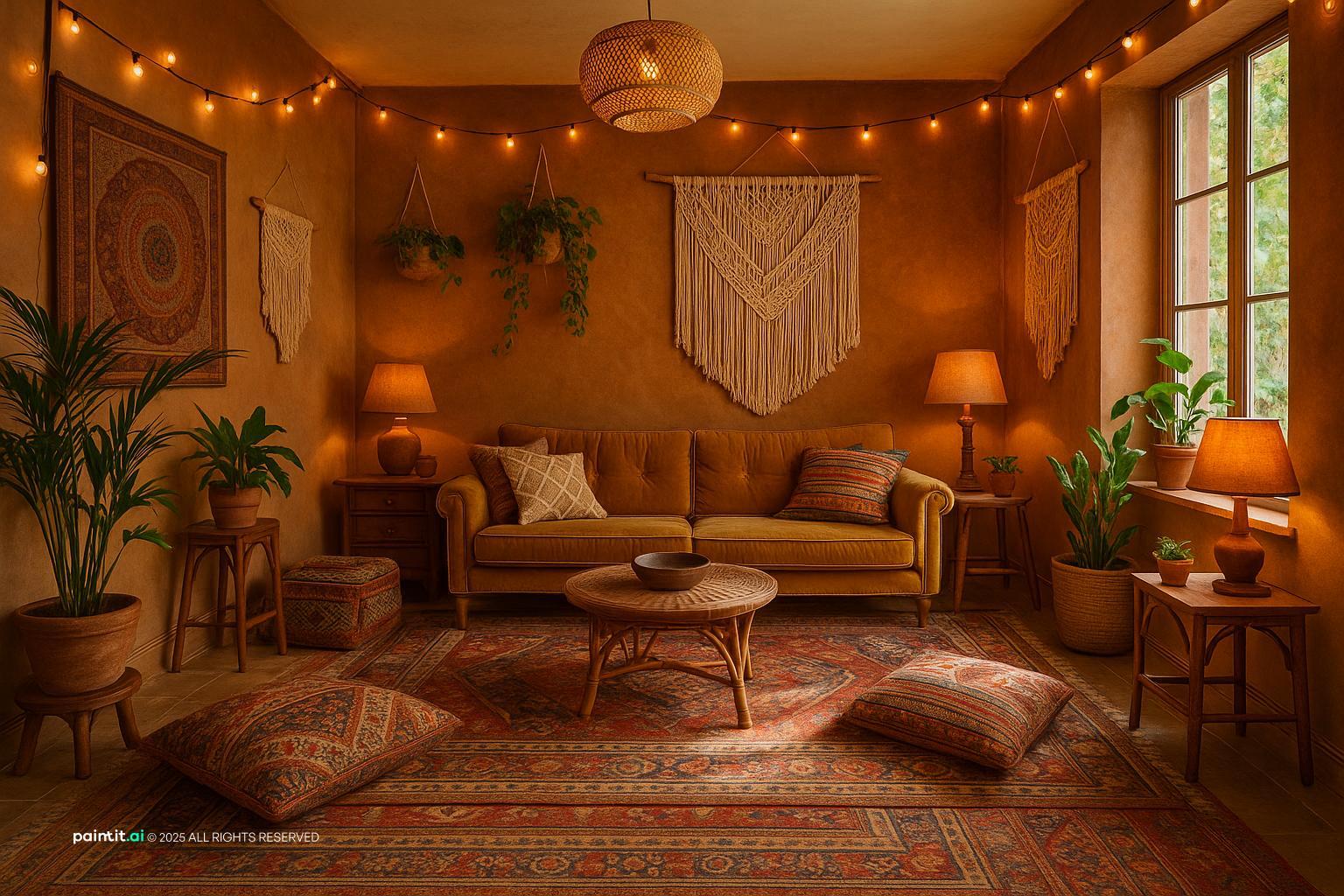
Start small with throw pillows or a single armchair upholstered in a bold print. If you’re feeling brave, a wallpaper accent wall can be incredibly impactful. The key is to balance it with solid colors elsewhere.
-
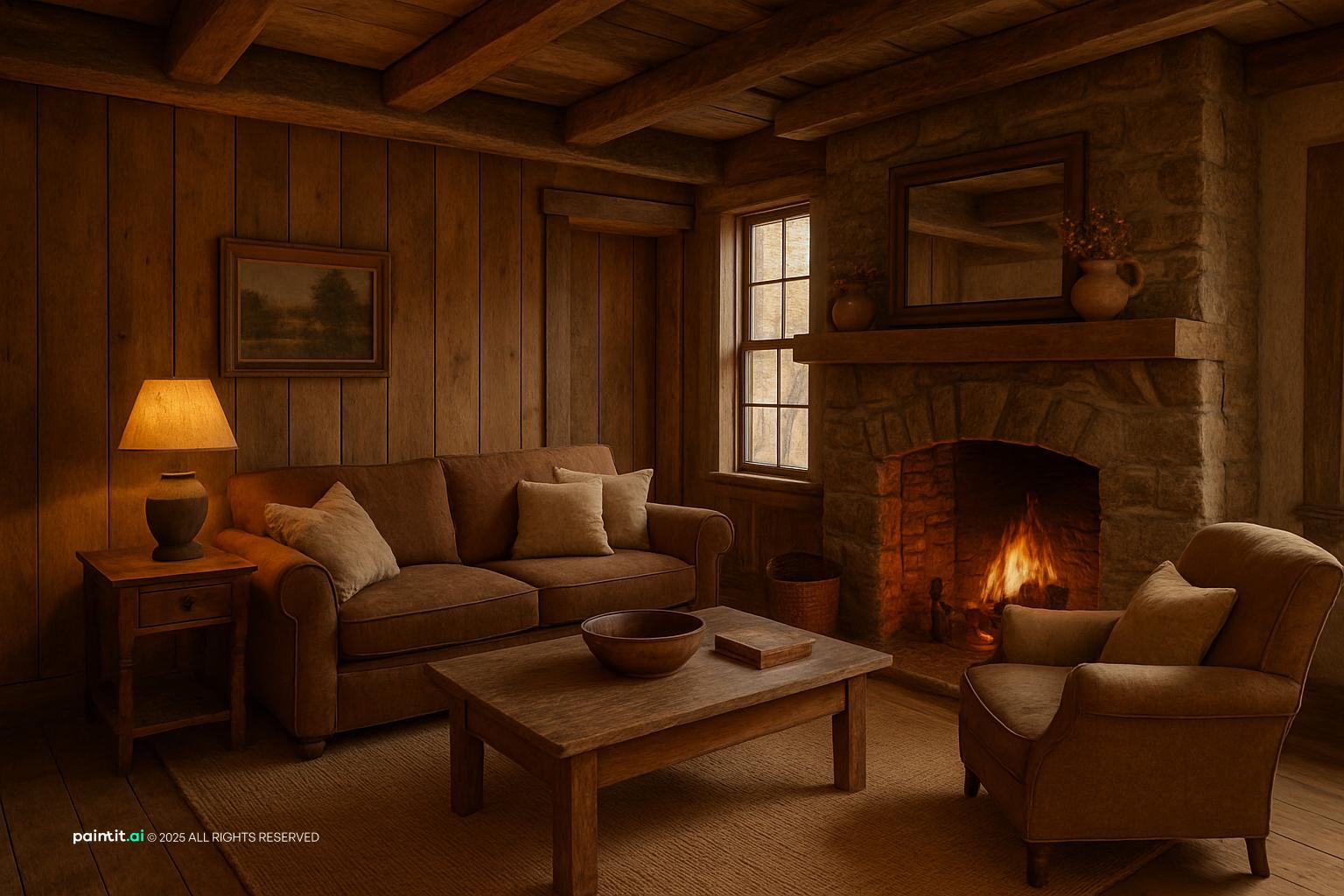
The seventies had a deep connection to nature, and houseplants were integral to the interior landscape. Spider plants, ferns, monsteras, and philodendrons brought life and a sense of calm to any 1970 living room.
-
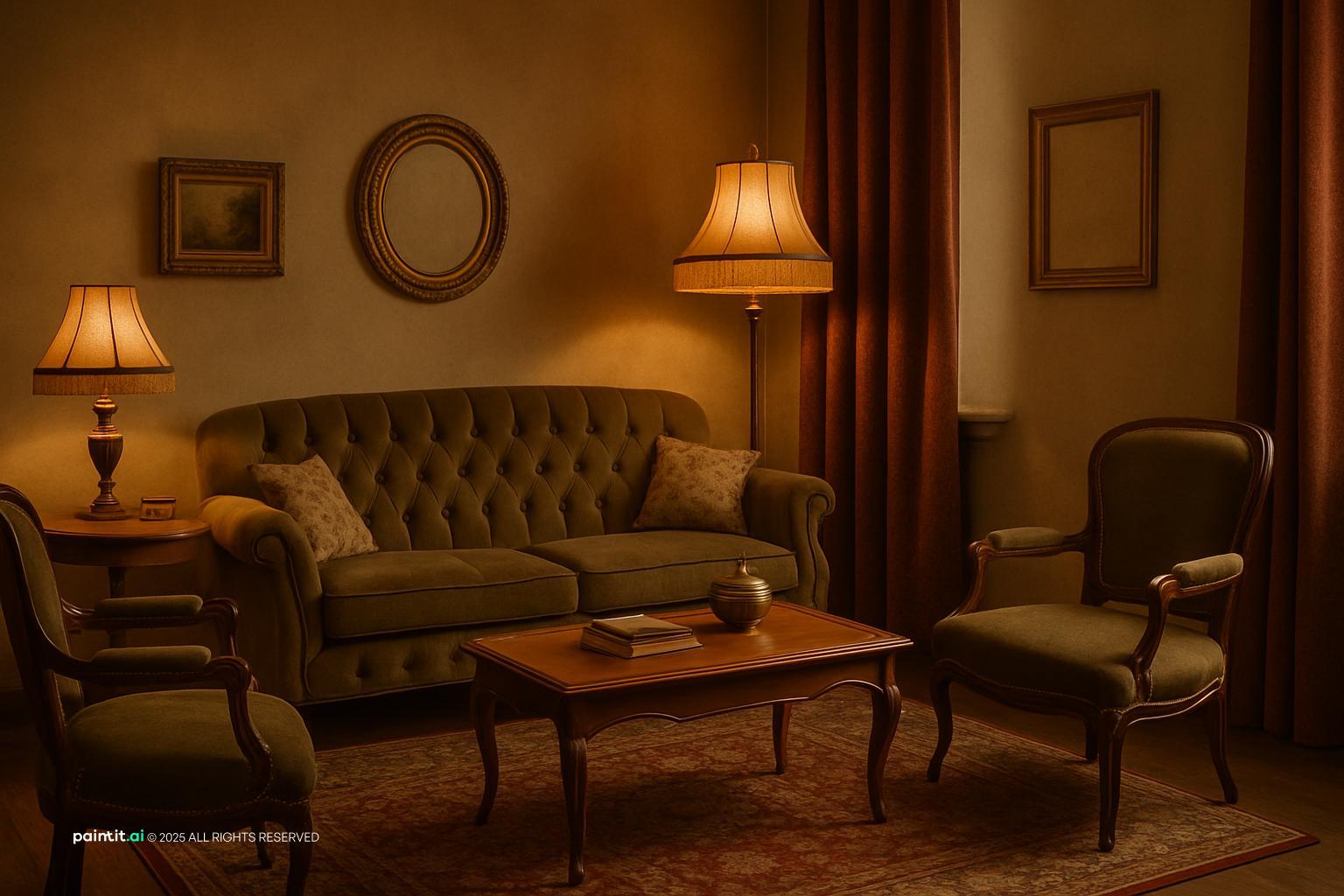
Cluster plants of varying sizes and heights. Use macrame plant hangers to suspend greenery, or place larger specimens in ceramic planters on the floor. It creates a lush, vibrant atmosphere.
-
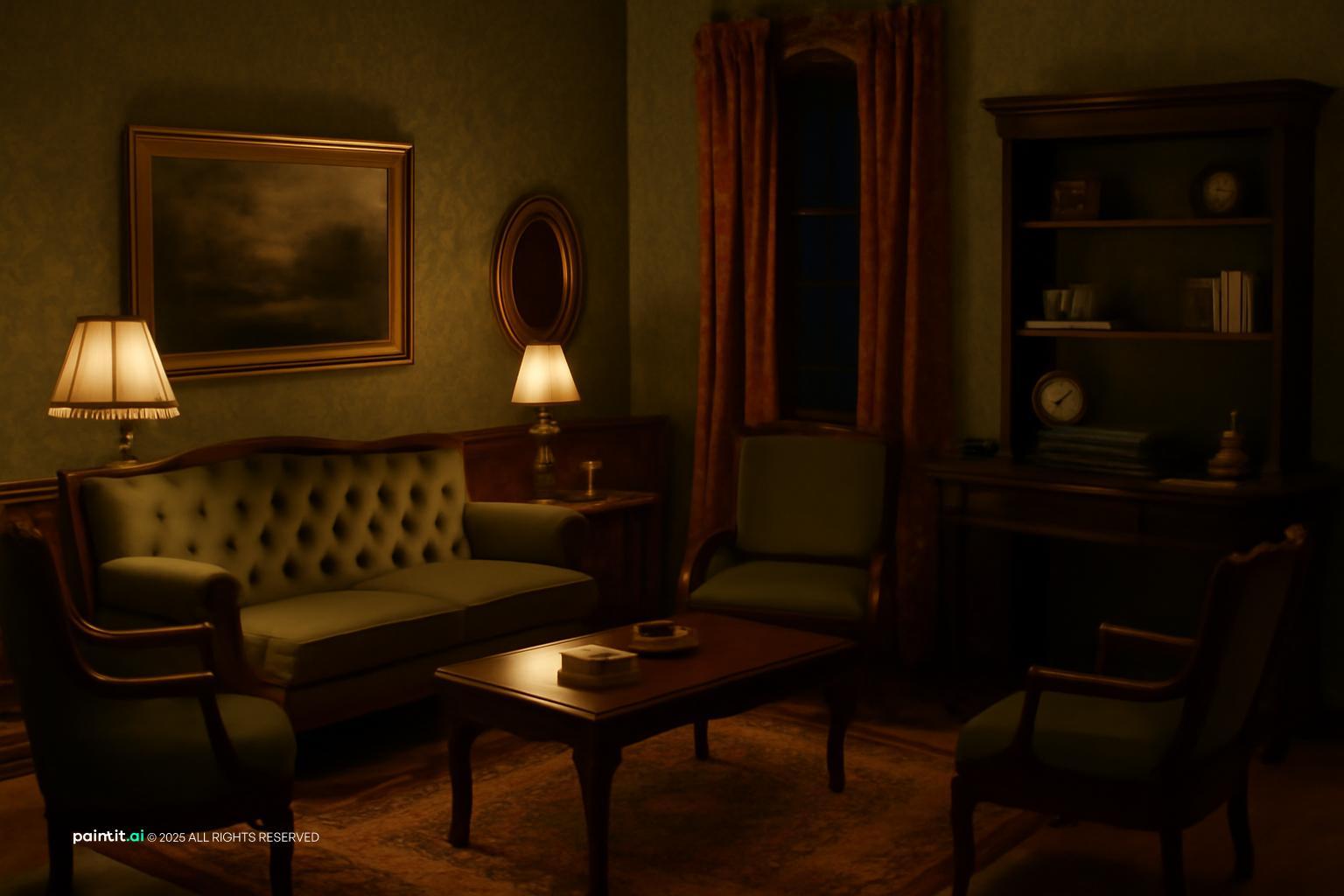
Rich, dark woods like teak, rosewood, and walnut were highly favored for their warmth and durability. They provided a sophisticated counterpoint to the vibrant colors and soft textures.
-
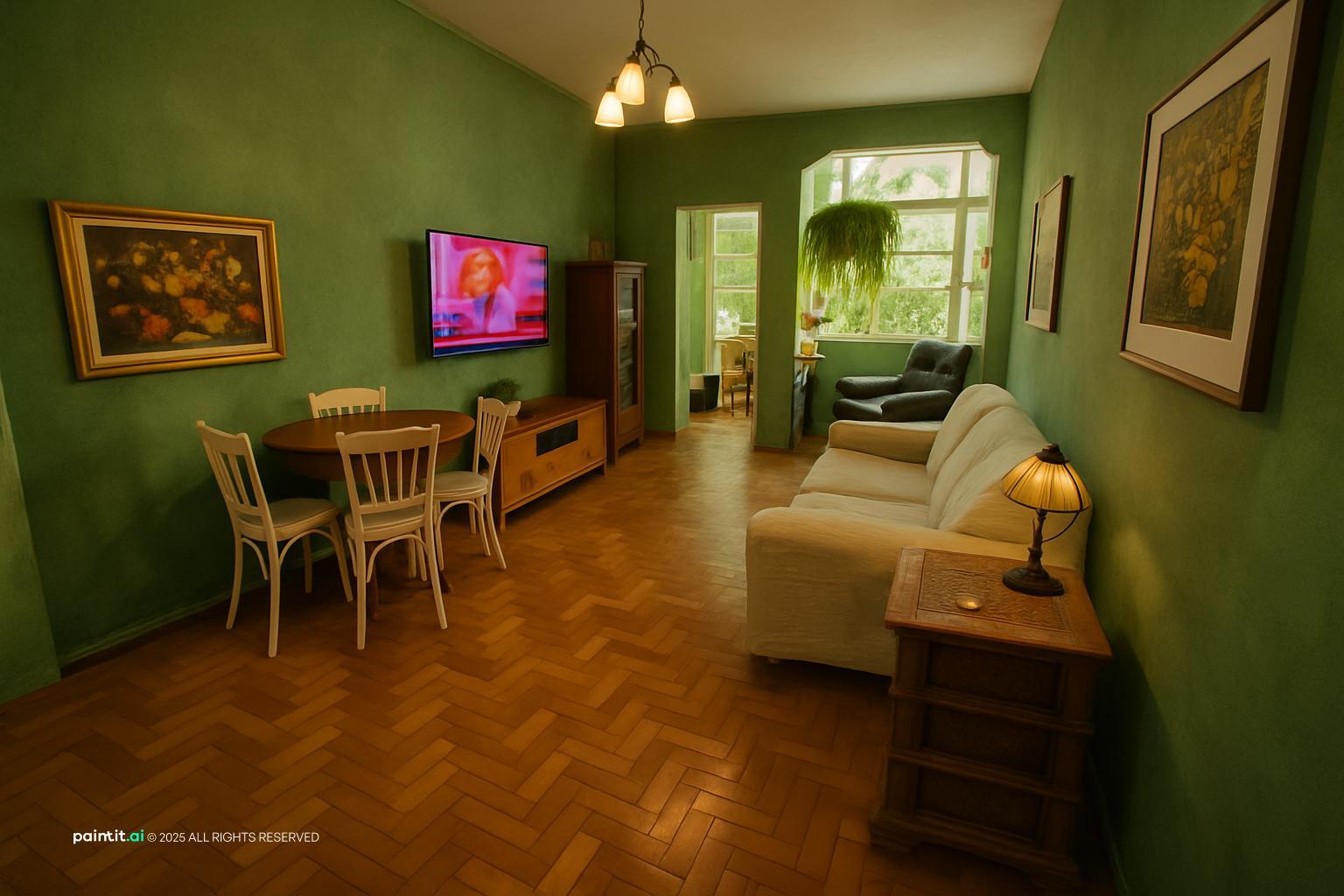
Invest in a vintage teak sideboard or a walnut coffee table. Even smaller accents like wooden bowls or picture frames can make a difference. The grain of the wood adds its own subtle pattern.
-
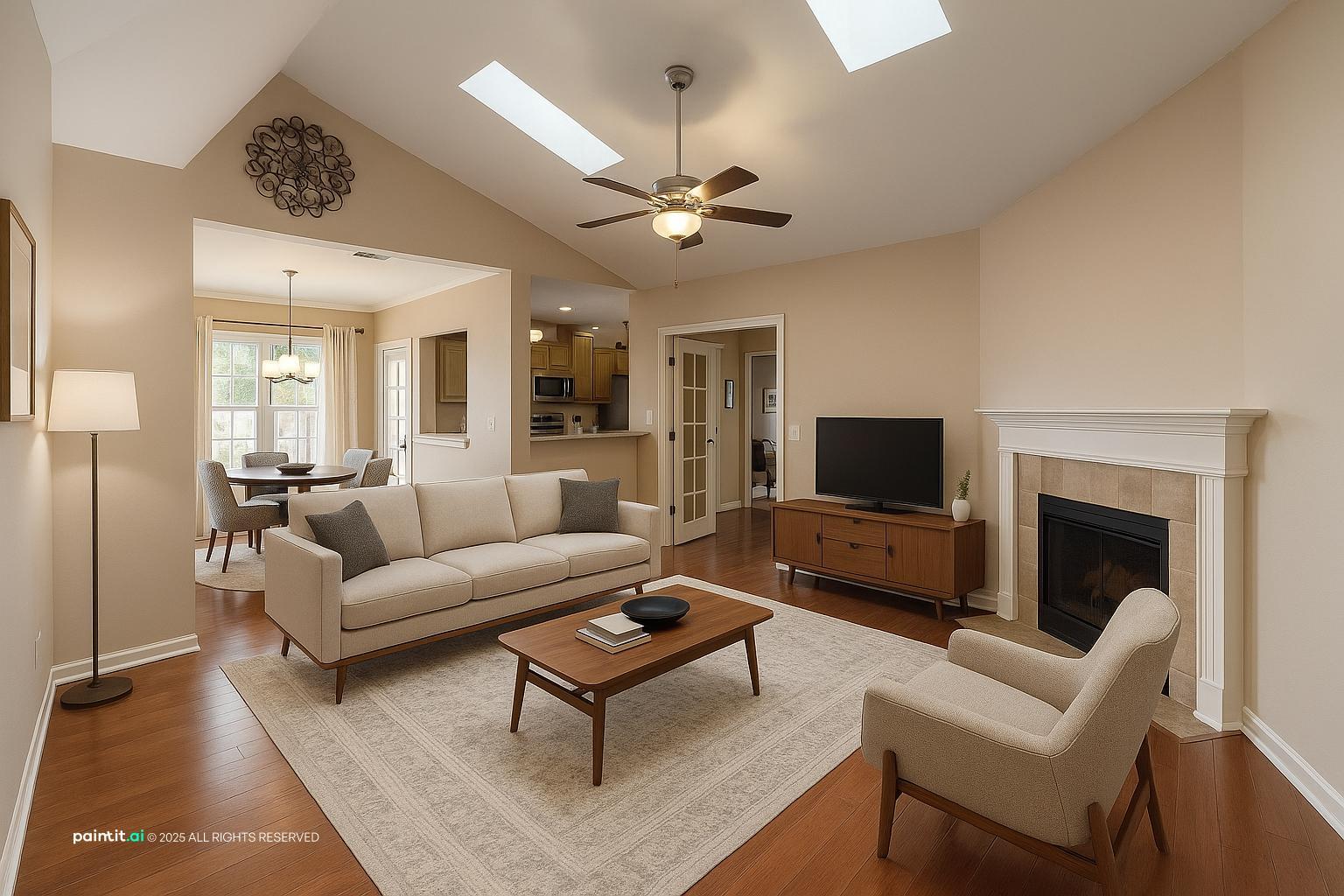
While a true sunken conversation pit might be a big renovation, you can evoke the same intimate, communal feel. It’s about creating a designated zone for connection within your 1970s living room.
-
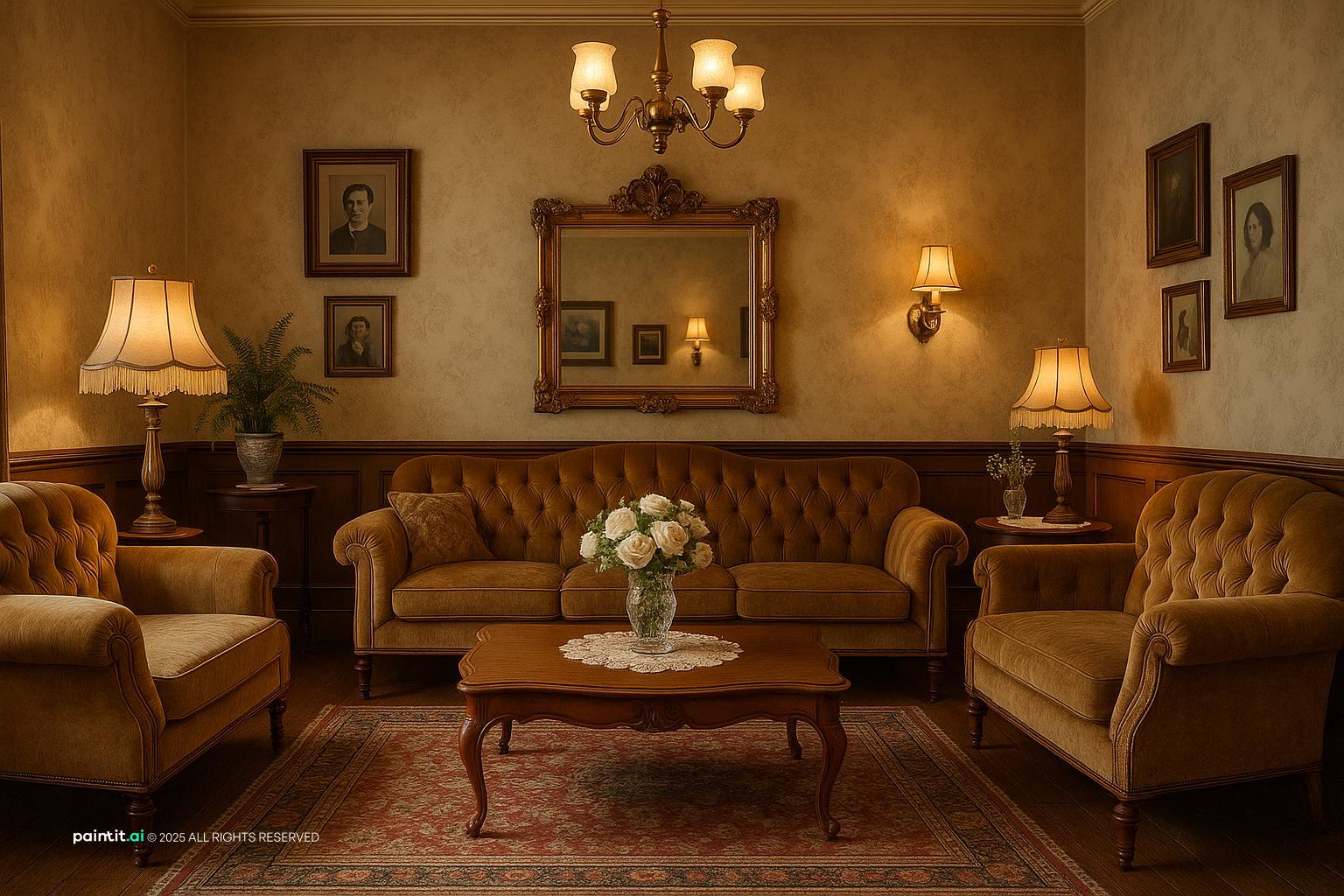
Arrange modular seating in a U-shape or around a large, low coffee table. Use a large area rug to define the space. The idea is to encourage face-to-face interaction, a real sense of gathering.
-
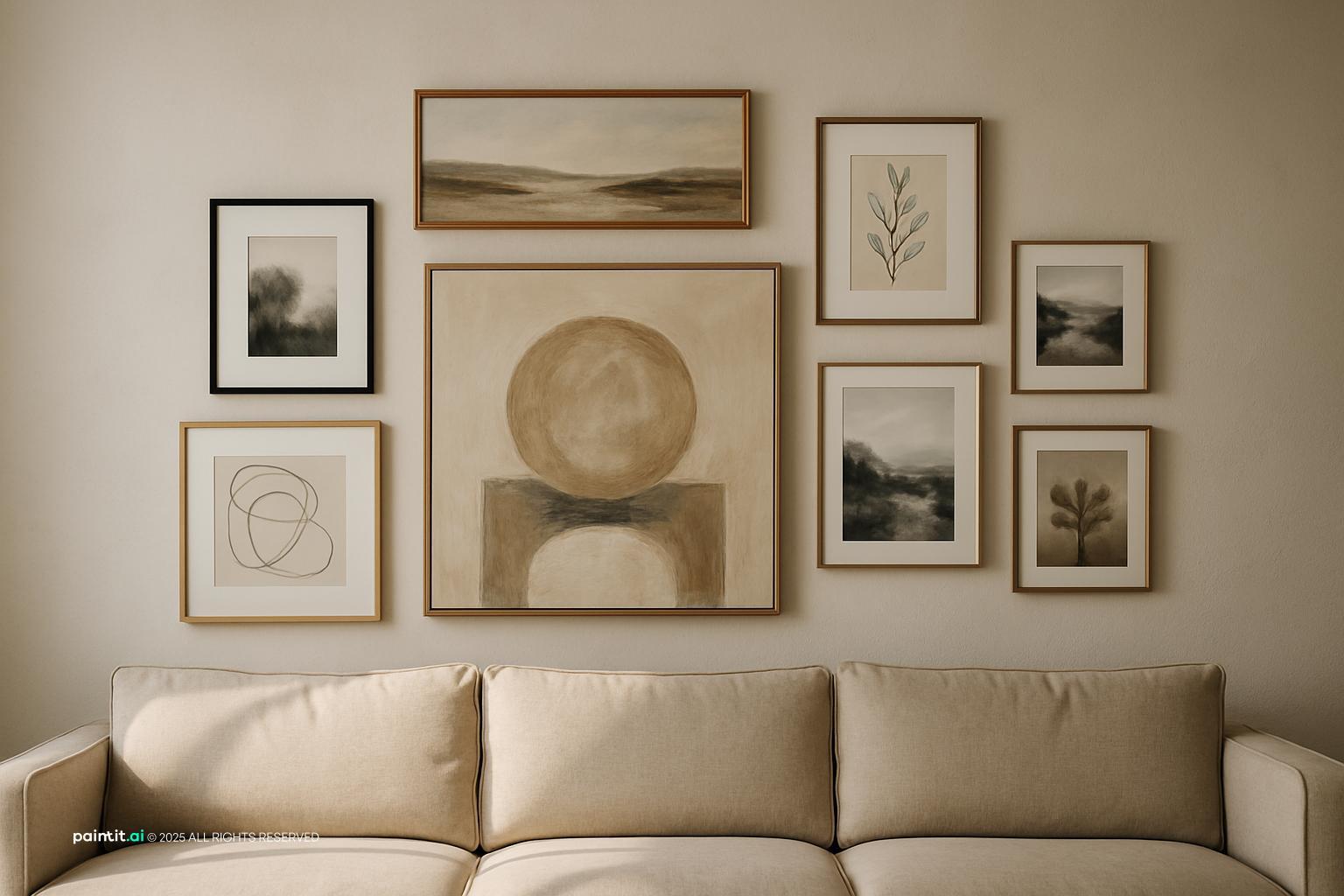
These elements added a touch of glam and expanded the perception of space. Smoked glass, in particular, offered a moody sophistication that felt very of the era.
-
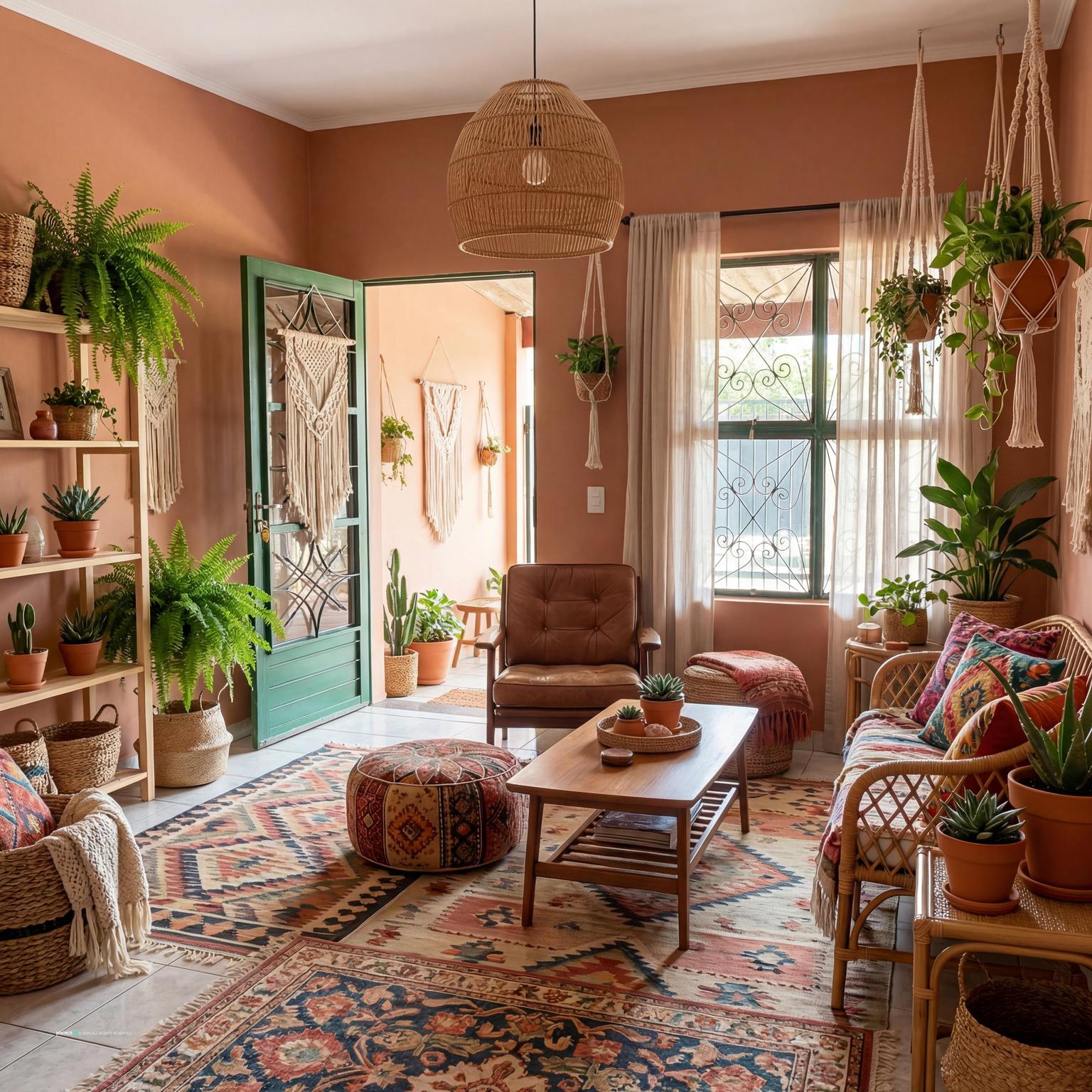
Consider a large, unframed mirror on one wall to reflect light and views. Incorporate smoked glass in tabletops, shelving, or even a bar cart. It’s a subtle way to add a bit of sparkle without being overt.
-
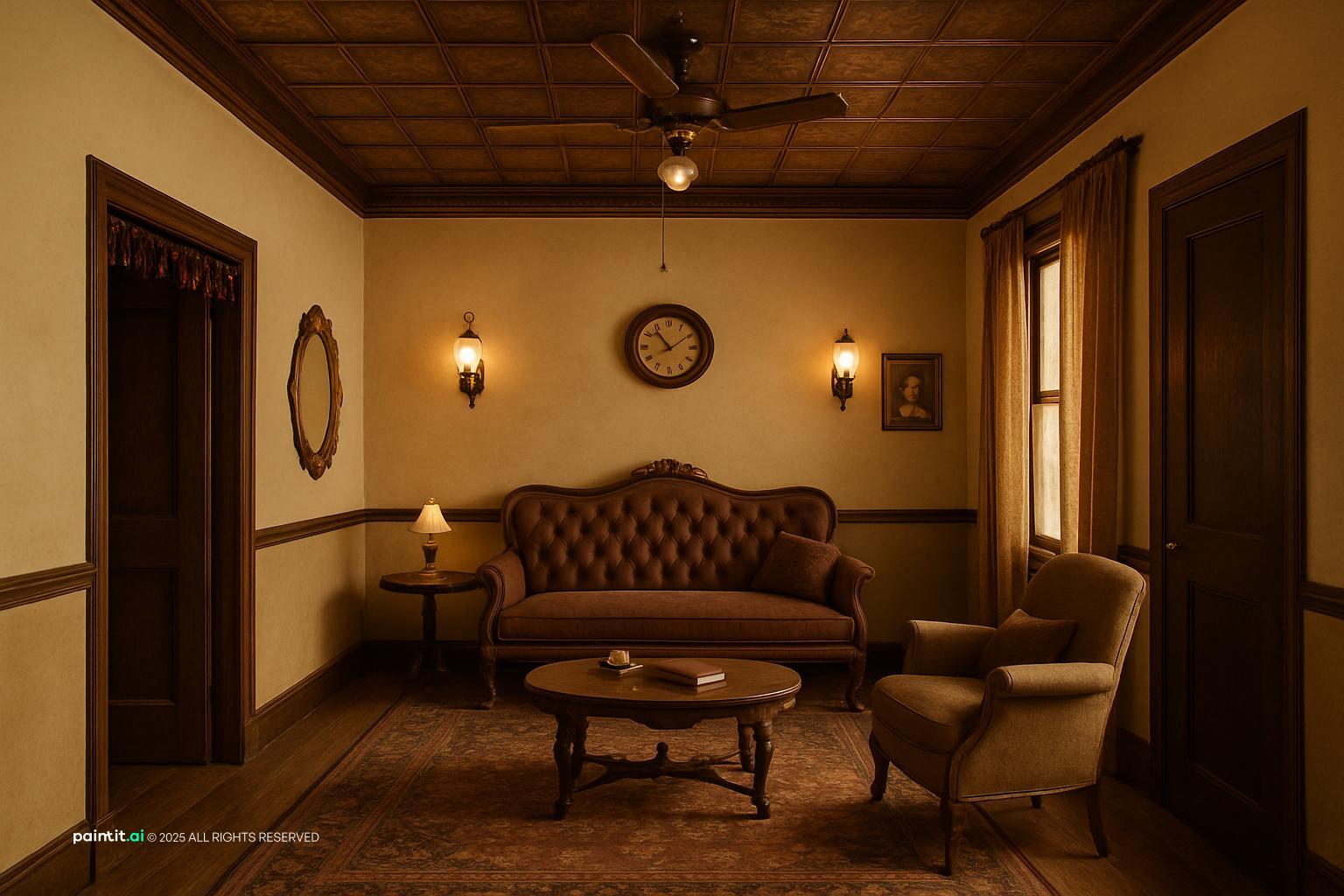
Music was central to the 1970s experience. A record player, a collection of vinyl, and a good sound system weren't just functional; they were a statement piece in any 1970s living room decor.
-
Set up a vintage turntable on a simple credenza. Display your favorite album covers as art. Add a comfortable armchair and a small side table. It creates a personal sanctuary, a place to unwind and truly listen.
Unpacking the Enduring Allure of the 1970s Living Room to Life with Paintit.ai
-
There's a certain magic to the 1970s living room, isn't there? It’s more than just a style; it’s a feeling—a warm, inviting embrace that whispers of laid-back evenings and genuine connection. We often find ourselves drawn to its unique character, a blend of earthy comfort and playful expression that still resonates deeply today. Crafting this vibe means understanding its core elements, not just replicating a look.
-
The true essence of a 1970s living room decor scheme lies in its sophisticated earthy palette. Think deep forest green as your anchor, balanced by the sun-kissed warmth of mustard yellow. Burnt sienna or a rich rust velvet offers a vibrant secondary layer, while creamy off-whites provide a crucial breath of fresh air, preventing the space from feeling too heavy. It’s about creating a natural, enveloping hug.
-
Texture was paramount in any authentic 1970 living room. We love seeing plush velvet on a statement sofa, inviting touch and adding a touch of glam. Corduroy or a chunky tweed works beautifully for accent pillows or a cozy armchair, bringing an informal, lived-in feel. Don't forget the organic touch of rattan or wicker in an accent chair, or the grounding presence of dark, rich woods like teak for coffee tables and shelving, adding a sophisticated counterpoint.
-
At the heart of a 1970s living room is the low-slung modular sofa, designed for ultimate comfort and flexible arrangements. We’ve found that choosing pieces with generous, deep cushions encourages true relaxation. Pair this with a sculptural rattan armchair, perhaps with a sheepskin throw, and a substantial, often square or round, coffee table in dark wood or even smoked glass. Proportions are key; everything feels grounded and inviting, never too tall or rigid.
-
Lighting in the 1970s living room wasn't just functional; it was an artistic statement. We always recommend starting with ambient light from a cluster of smoked glass globe pendants, casting a soft, diffused glow. For task lighting, an iconic arc lamp, dramatically curving over a seating area, adds both light and sculptural interest. Accent lighting can come from a lava lamp or a simple table lamp with an amber bulb, creating that unmistakable warm, groovy atmosphere.
-
To truly capture the spirit of 1970s living room decor, we lean into handcrafted elements and natural touches. A large macrame wall hanging above the sofa instantly adds bohemian texture. For styling, the 3-5-7 rule works wonders: group three varying-sized ceramic planters with lush houseplants like a Monstera, a Snake Plant, and a Spider Plant. On a credenza, arrange five vintage record albums, perhaps with a small brass object and a lava lamp. Finally, consider seven books on a shelf, interspersed with small wooden or ceramic sculptures. This layered approach creates visual interest and a deeply personal feel, making your 1970 living room truly sing.
How Paintit.ai ensures your 1970s living room vision feels truly authentic Design Ideas
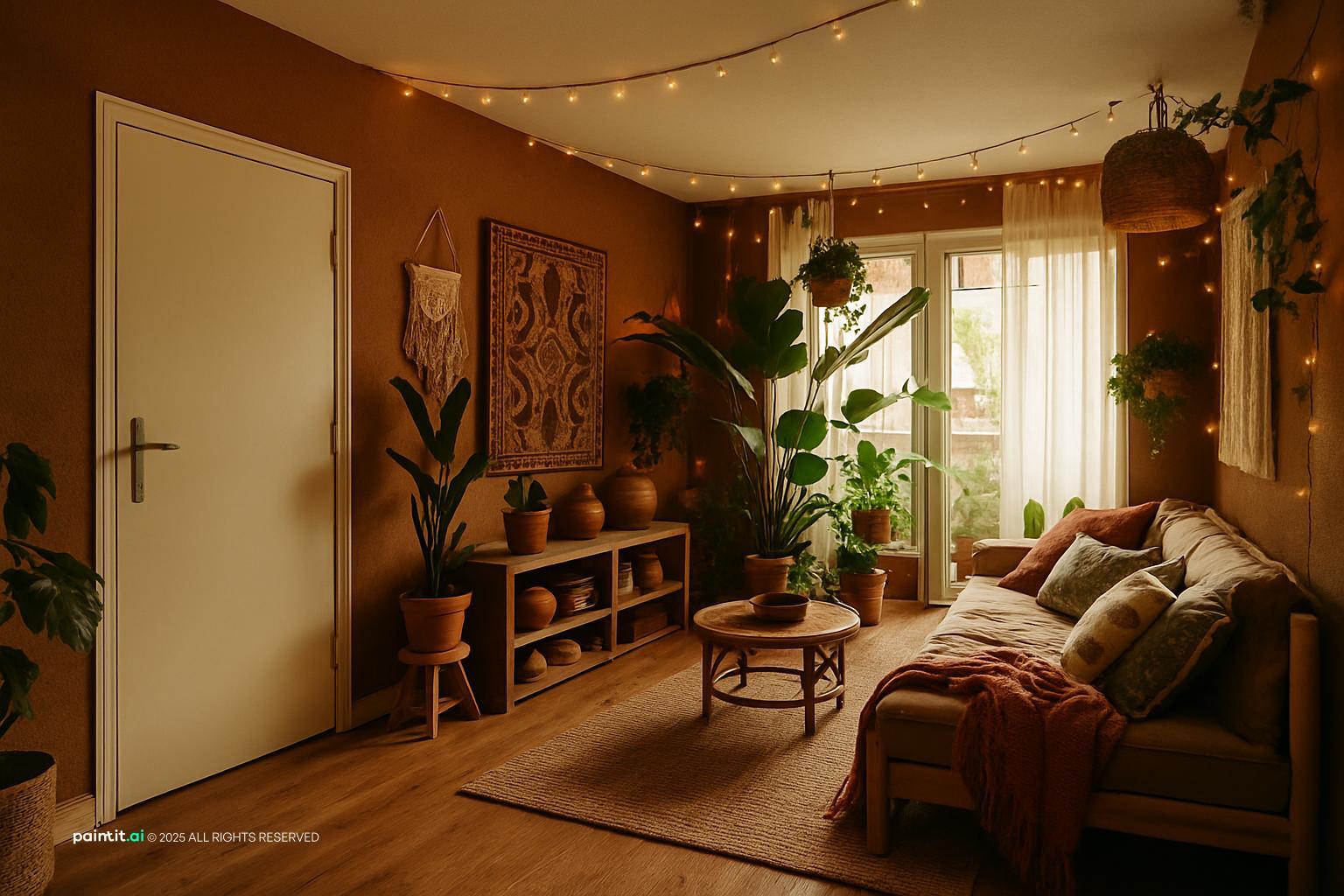
We often see people hesitate with the bold patterns or specific textures essential for a genuine 1970s living room, fearing it might overwhelm their space. Paintit.ai lets you instantly visualize that shag rug with a geometric wallpaper, or a burnt orange sofa against a deep green wall, ensuring every element harmonizes before you commit. Try it; see your groovy vision come to life.
FAQ
-
A 1970s living room was all about embracing comfort, earthy tones, and a certain relaxed opulence. Think deep, saturated colors like avocado green, burnt orange, mustard yellow, and chocolate brown. Textures were key—corduroy, velvet, shag carpets, and even macramé wall hangings were everywhere. It wasn’t just about the color palette; it was a whole mood, a rejection of the more rigid styles that came before. We often see a blend of natural materials, too, like dark wood, rattan, and even some early uses of chrome or smoked glass.
-
The trick is thoughtful curation, not replication. We’ve seen this work best by picking one or two iconic elements of 1970s living room decor and letting them shine. Maybe it’s a single, sculptural velvet sofa in a rich jewel tone, or a vintage rattan chair paired with a contemporary side table. Layering textures is still a fantastic way to evoke the era—a plush shag rug underfoot, perhaps, but balanced with cleaner lines elsewhere. The truth is, a little goes a long way. Avoid overdoing the patterns; choose one bold geometric or floral print for an accent pillow, not the entire room.
-
Oh, the furniture of a 1970 living room was something else entirely. We saw a shift towards lower-slung, more lounge-like pieces. Sectional sofas, often in deep, tufted velvet or corduroy, became incredibly popular, inviting people to truly sink in. Modular furniture was also a big deal, allowing for flexible arrangements. Think beanbag chairs, mushroom lamps, and even conversation pits—though those are a bit harder to integrate today. Materials like dark teak, rosewood, and even early plastic designs from designers like Verner Panton or Eero Aarnio were common. It was about comfort, yes, but also about making a statement.
-
The color story for a 1970s living room was undeniably bold and earthy. We're talking about a palette that felt grounded: avocado green, harvest gold, burnt orange, and deep browns were foundational. But then you’d see pops of mustard yellow, rust, and even some deep blues or purples. Patterns were equally expressive—large-scale geometrics, often in contrasting colors, were everywhere. Think Op Art influences, bold florals, and even paisley. Sometimes, it felt a little chaotic, but that was part of its charm. The key was a certain fearlessness with color and pattern, often combined with natural wood tones to keep it from feeling too overwhelming.
-
The biggest pitfall we often see is going too literal, creating a space that feels more like a museum exhibit than a home. It sounds simple, but most people forget that a true 1970s living room wasn't just one thing; it was an eclectic mix. Another mistake? Overlooking lighting. The era loved warm, ambient light, often from lamps with large, sculptural bases and fabric shades. Relying solely on harsh overhead lighting will kill the vibe instantly. And please, don't feel compelled to incorporate *every* single trend. A room full of shag carpet, macramé, rattan, and avocado appliances can quickly become overwhelming. Choose your moments. It’s about evoking the spirit, not recreating a movie set.