
Tea shop interior design ideas: tradition, atmosphere, and the right kind of calm
Tea shops work differently from coffee shops: the pace is slower, the browsing is longer, and the sensory experience (scent, warmth, quiet) is as important as the product. A tea shop's design should support all three.
These 25 ideas cover the atmosphere decisions that define memorable tea spaces, from the entry moment (scent design, first visual) to the seating configurations that encourage lingering, to the tasting counter that turns product discovery into an event.
Upload a photo of your space to app.paintit.ai and see how different directions look in 1–2 minutes. Free to start.
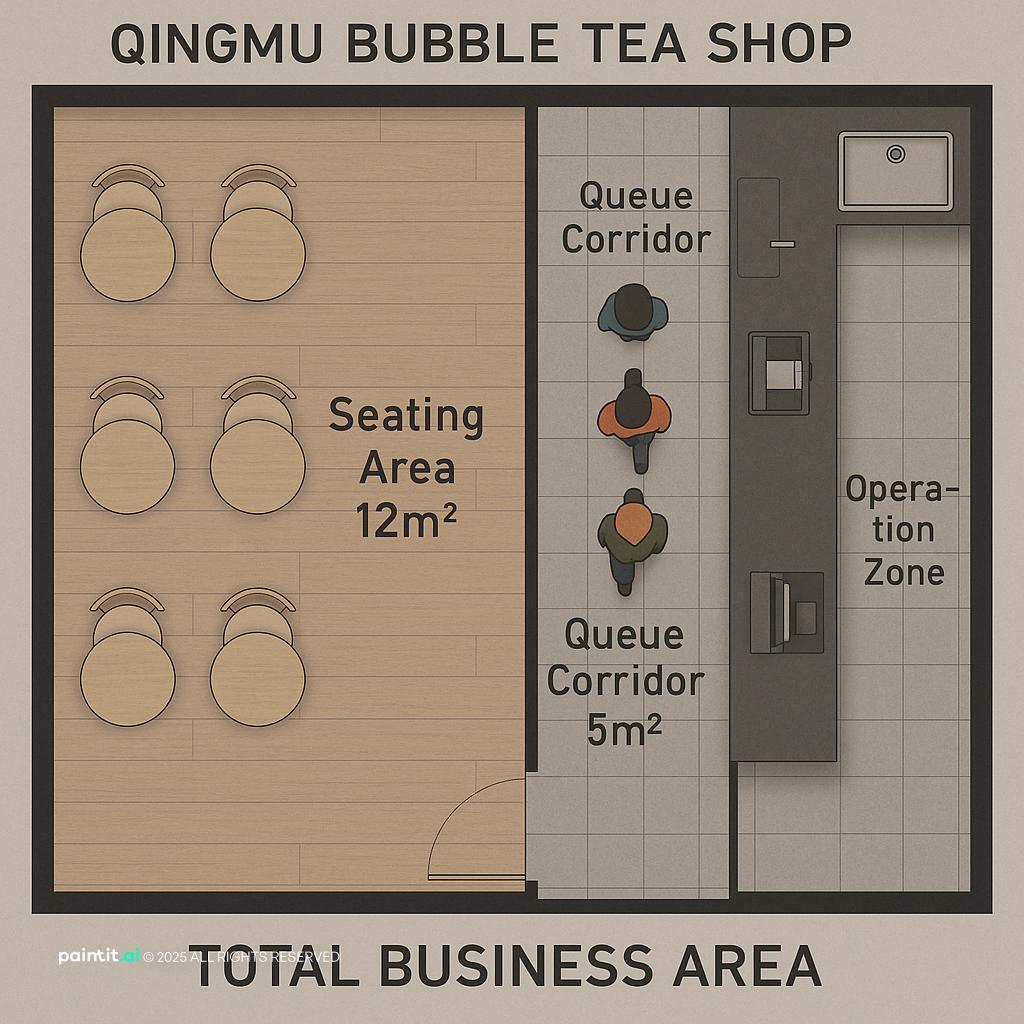
25 tea shop interior design ideas
These ideas range from structural decisions (seating types, counter placement) to the smaller sensory details (scent, plant selection, vintage accents) that together define a tea shop's character.
-
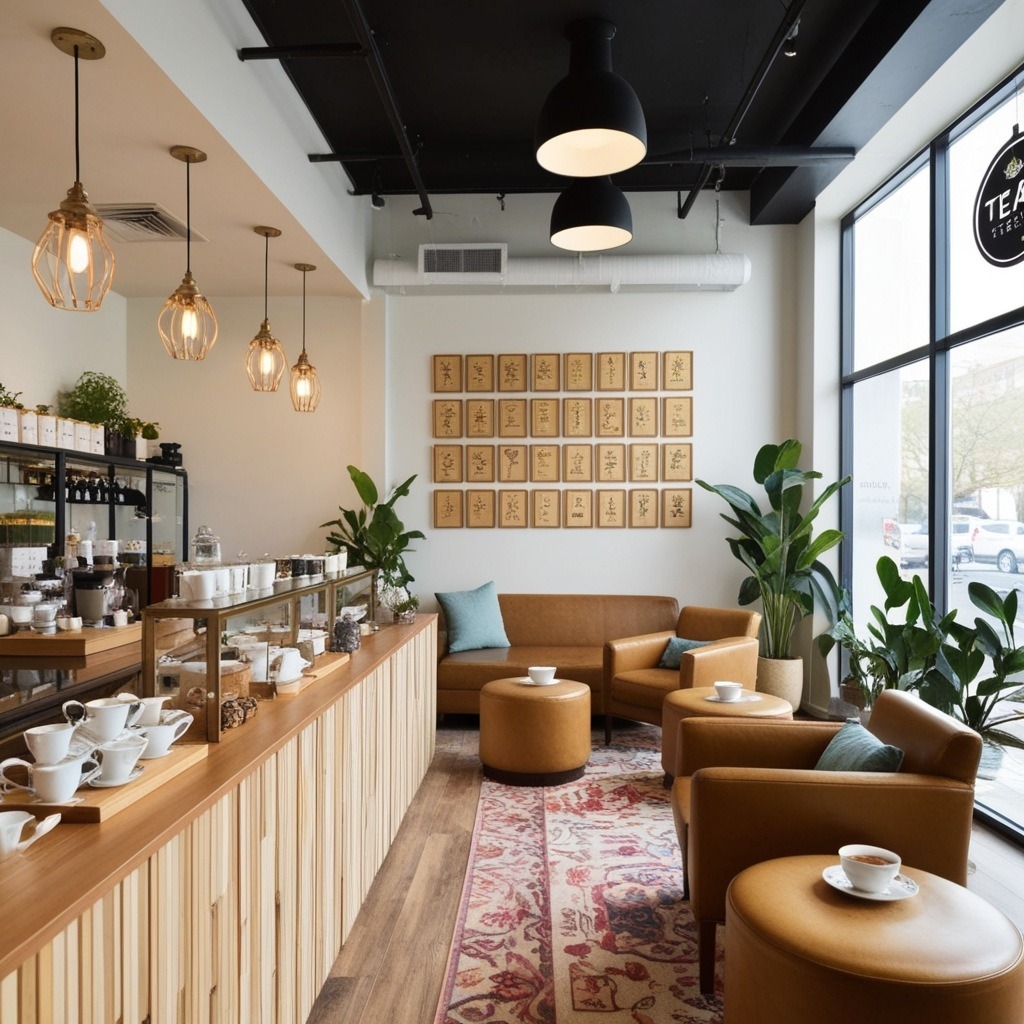
The 26 ideas below cover structural decisions first (seating, counter placement) and sensory details second (scent, plants, seasonal accents) - in that order, because the structure is what customers feel first even if the details are what they remember.
-
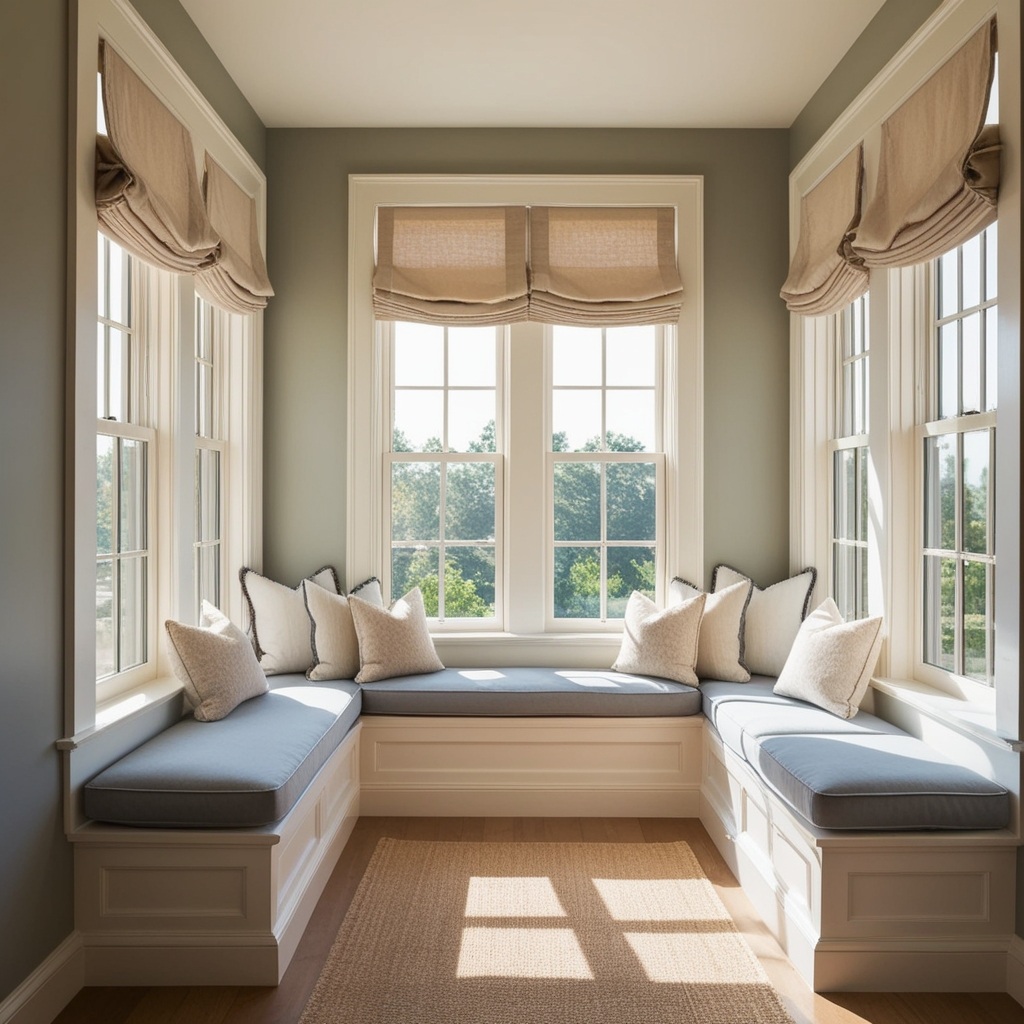
Transform windowsills into padded seating areas by hanging drapes from the ceiling and arranging ample pillows. Window seats draw customers who want natural light and a view; they're consistently the most sought-after seats in any tea shop.
-
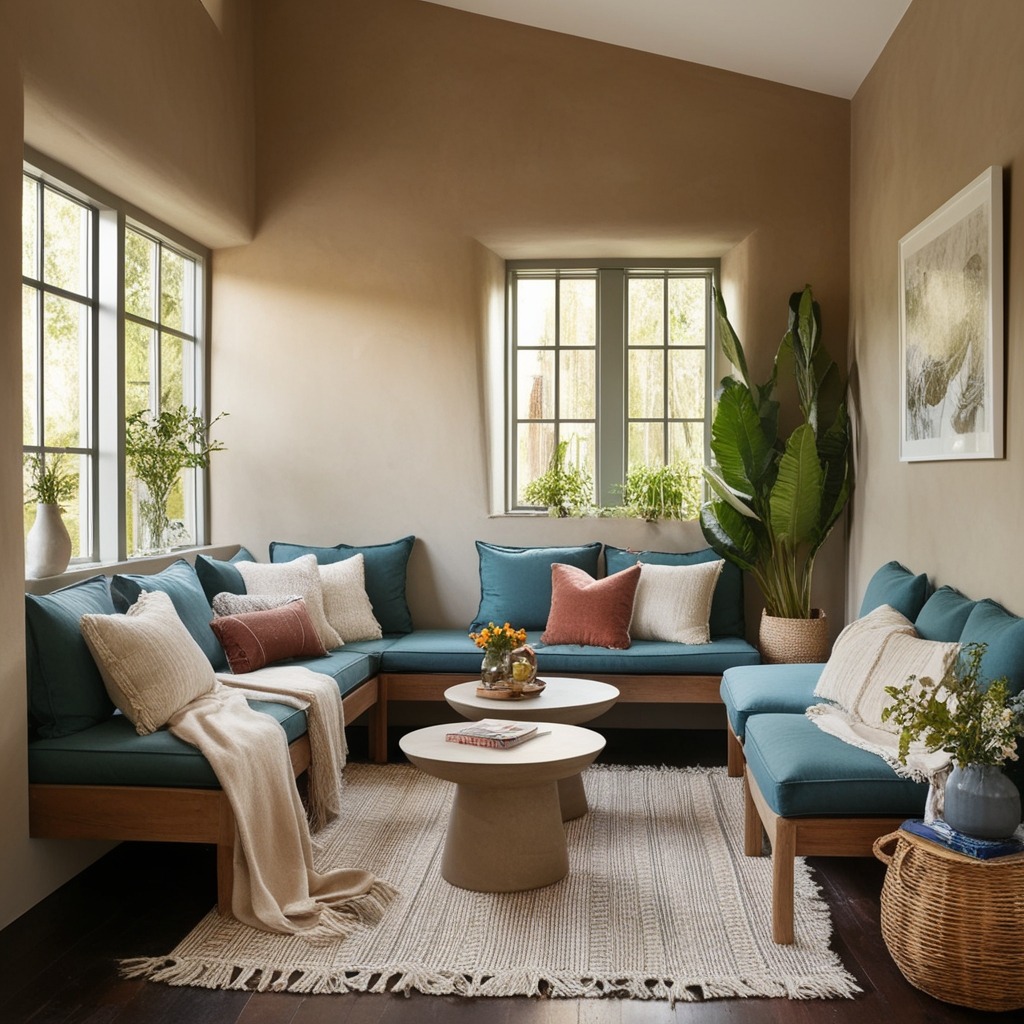
Try a few low tables and soft throws in these nooks; it’s a photogenic spot made for lingering.
-
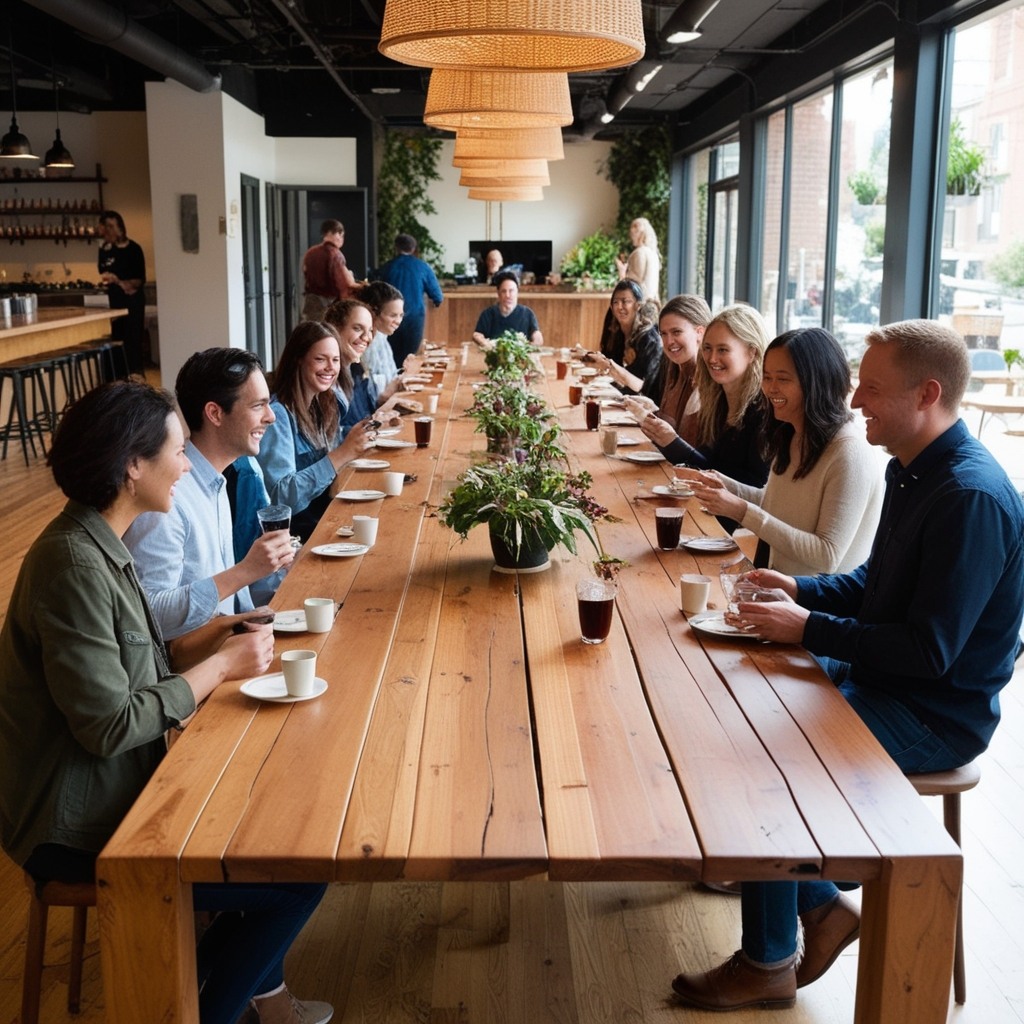
Long wooden tables at the center of your space spark conversation between strangers and make solo sippers feel less alone. They set the scene for casual sharing and community workshops alike.
-
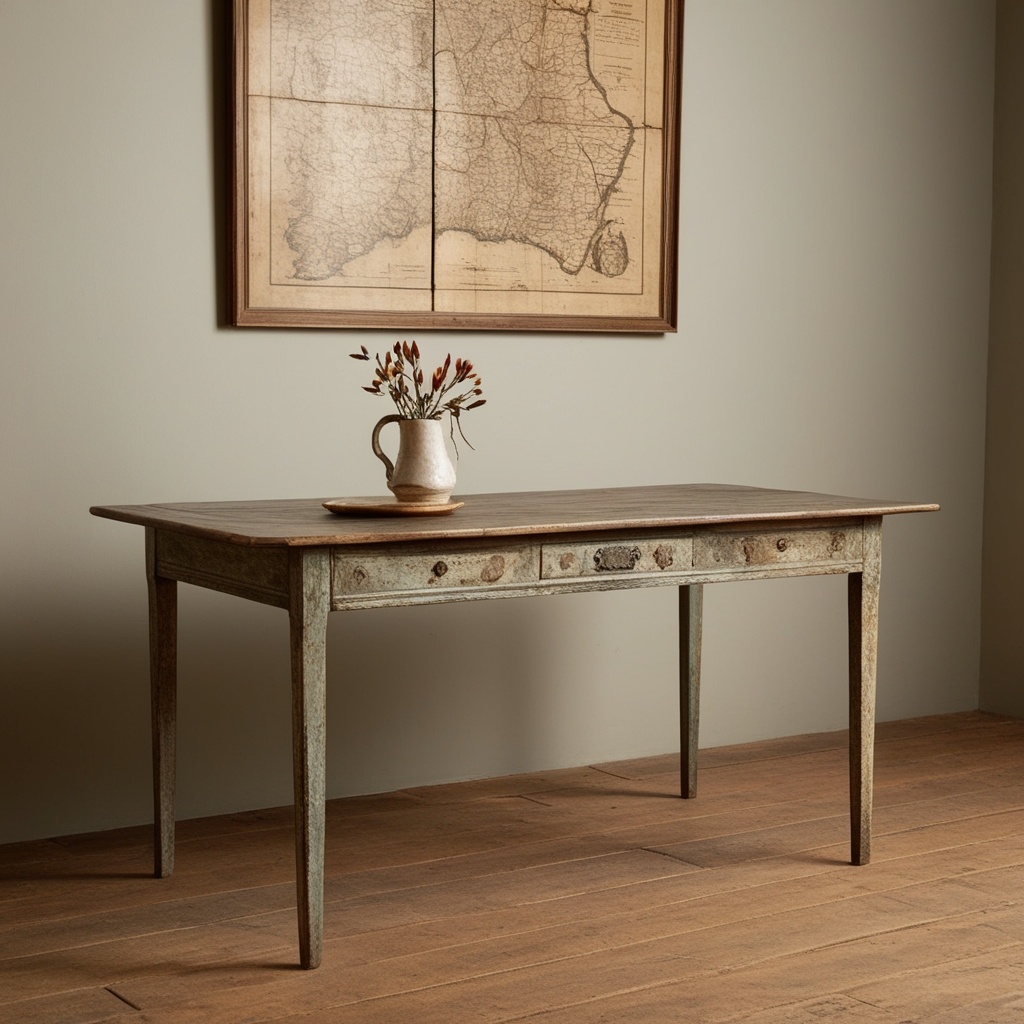
Opt for vintage or handmade tables to add history and texture.
-
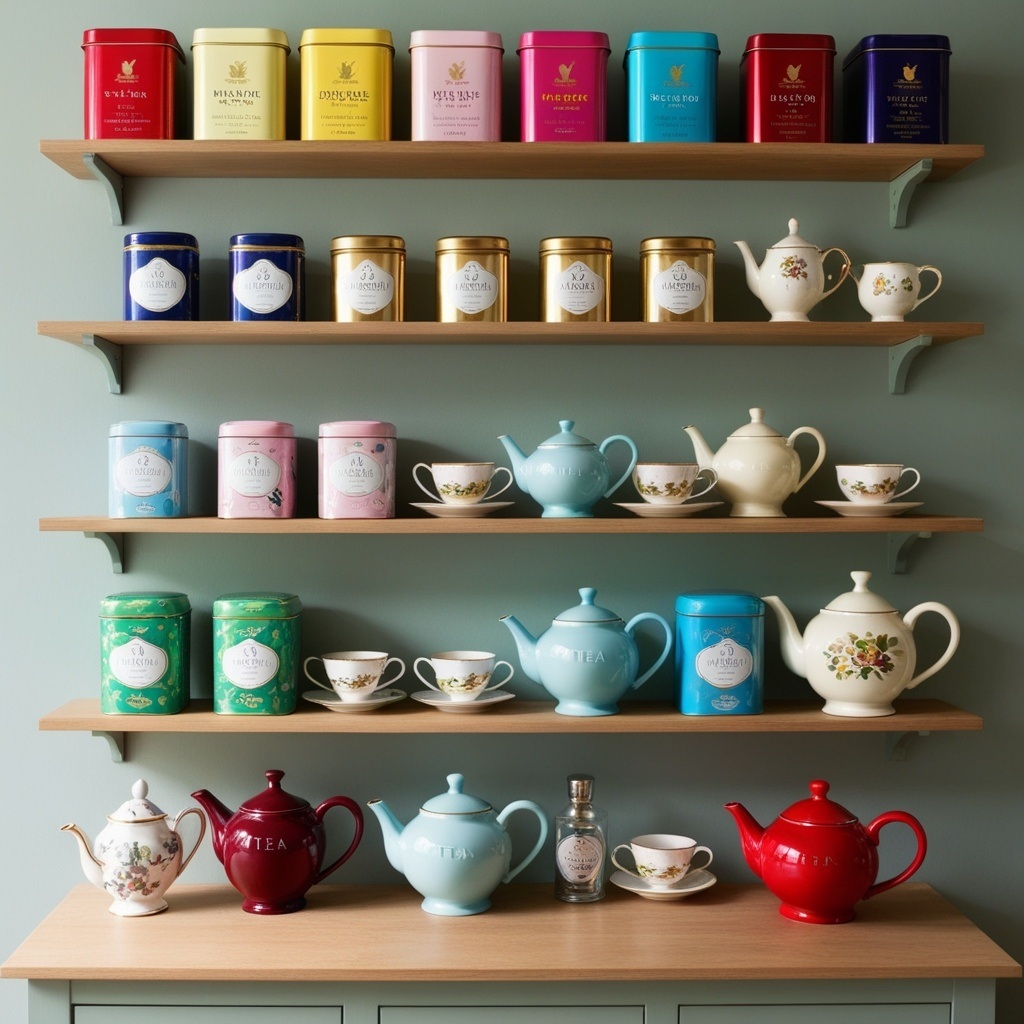
Use wall-mounted shelving to display your range of tea tins, teapots, and cups. Organize by type or by color for visual impact.
-
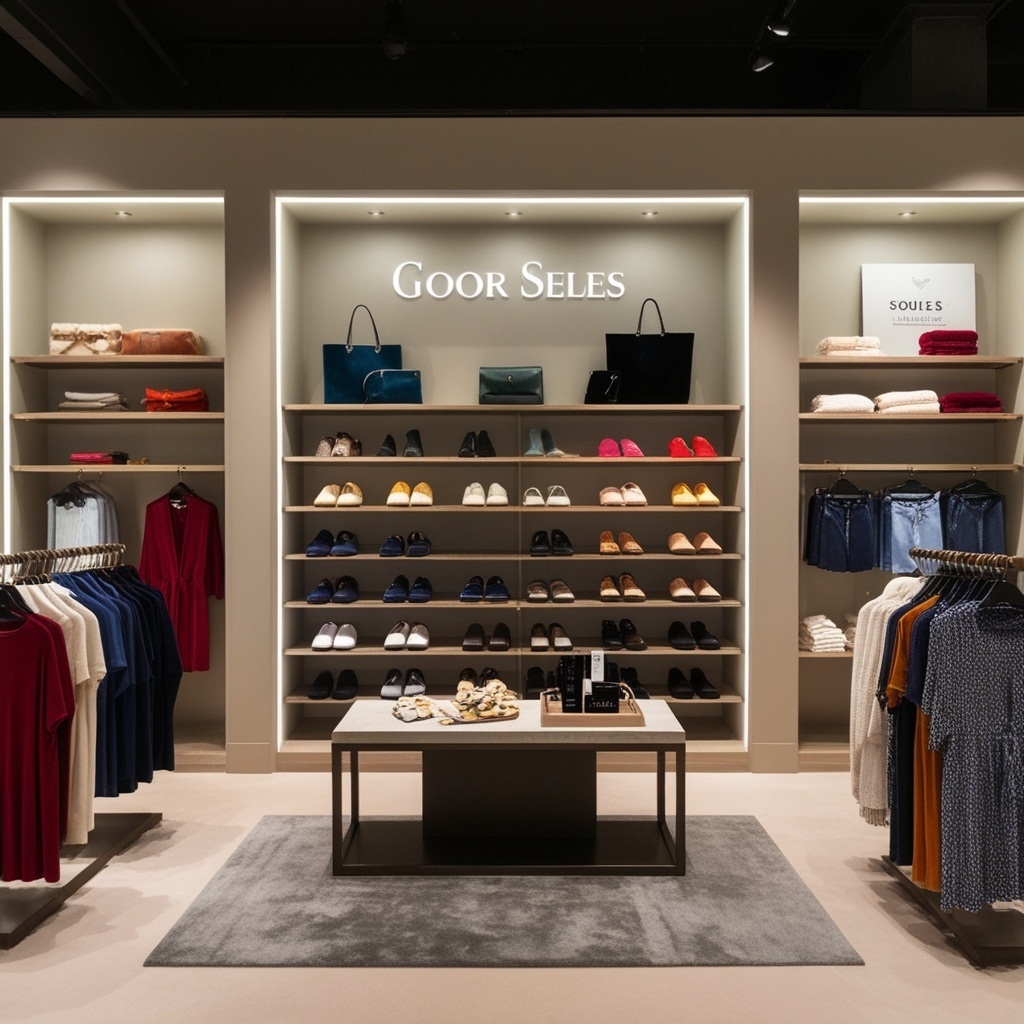
Because customers purchase these items on impulse, stores are able to use the displays for subtle merchandising.
-
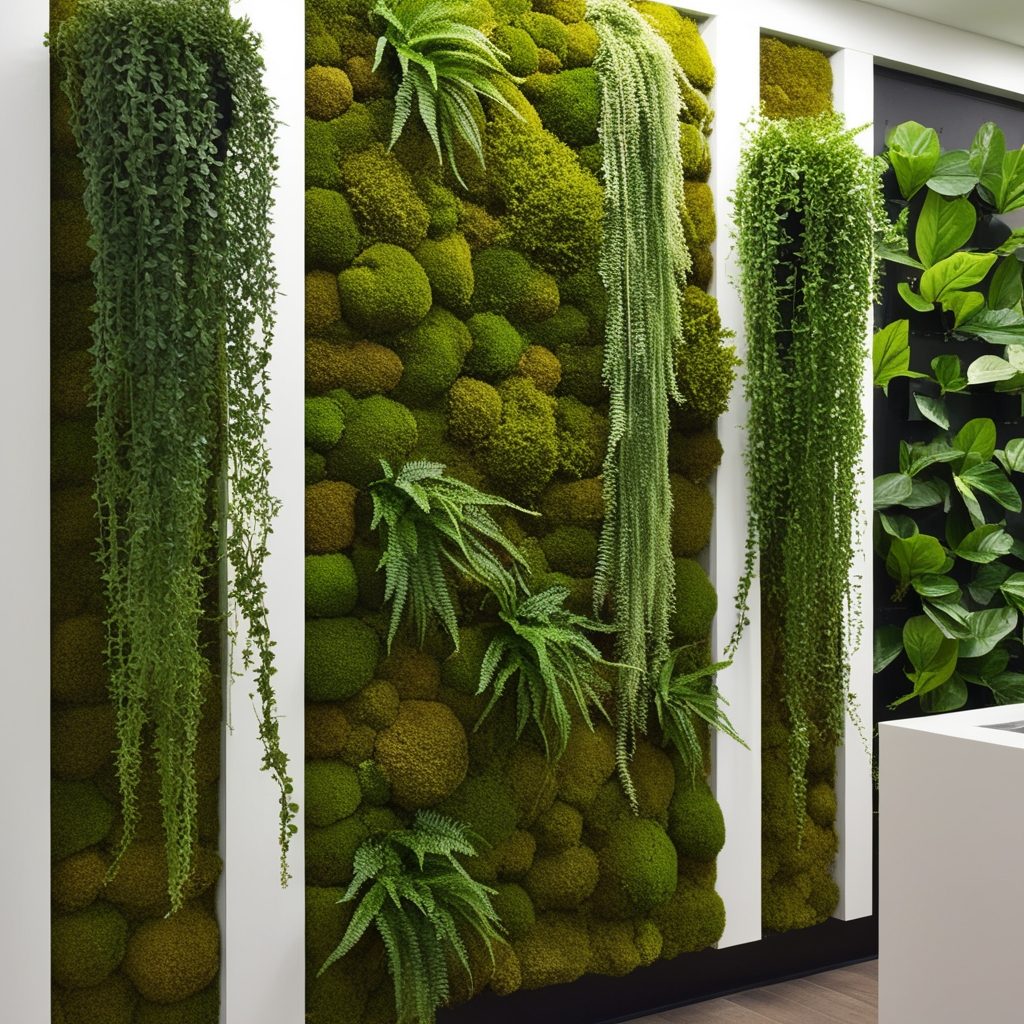
Install panels of live mosses, ferns, or trailing plants to add natural humidity and a sense of serenity. A well-placed green wall is both air purifier and aesthetic feature.
-
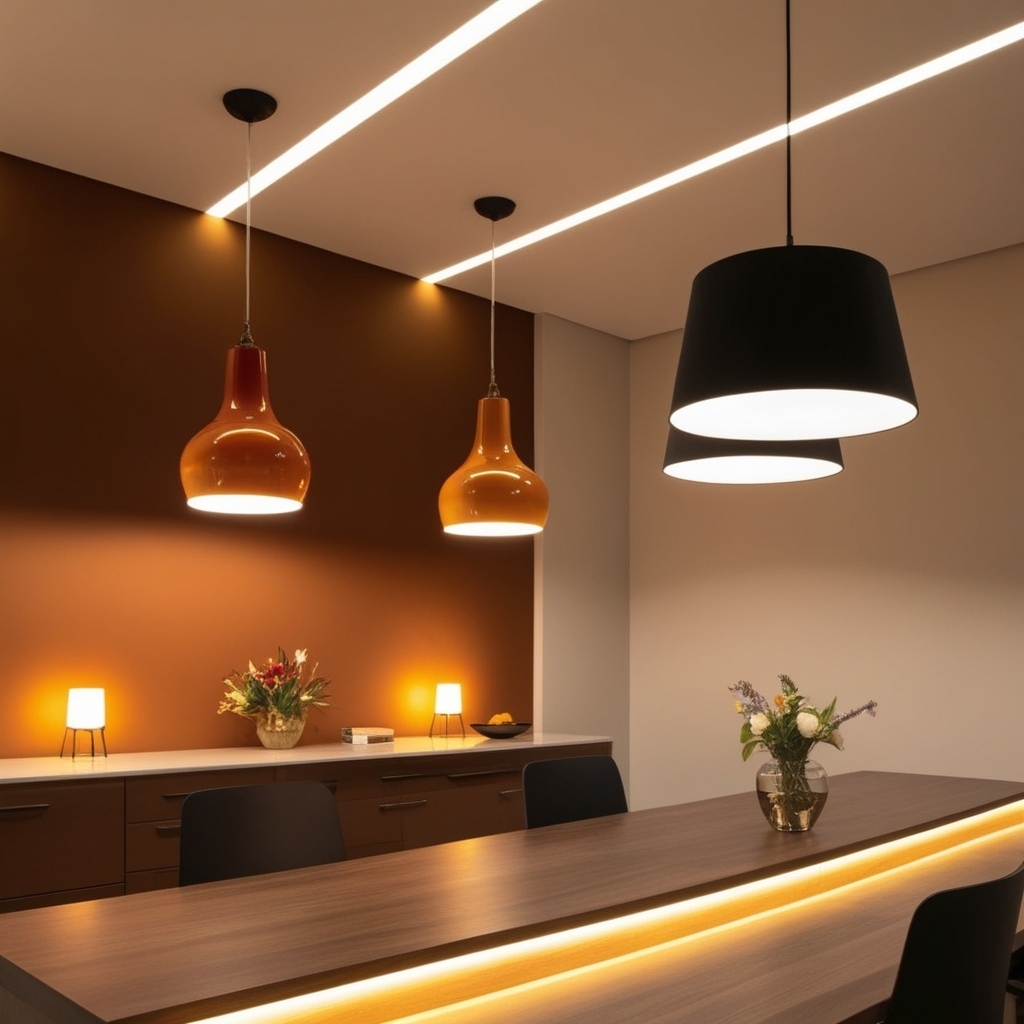
Combine pendant lamps, table lights, and hidden LED strips to create pools of warmth. Adjustable dimmers help shift the mood from bright and energetic to calm and intimate.
-
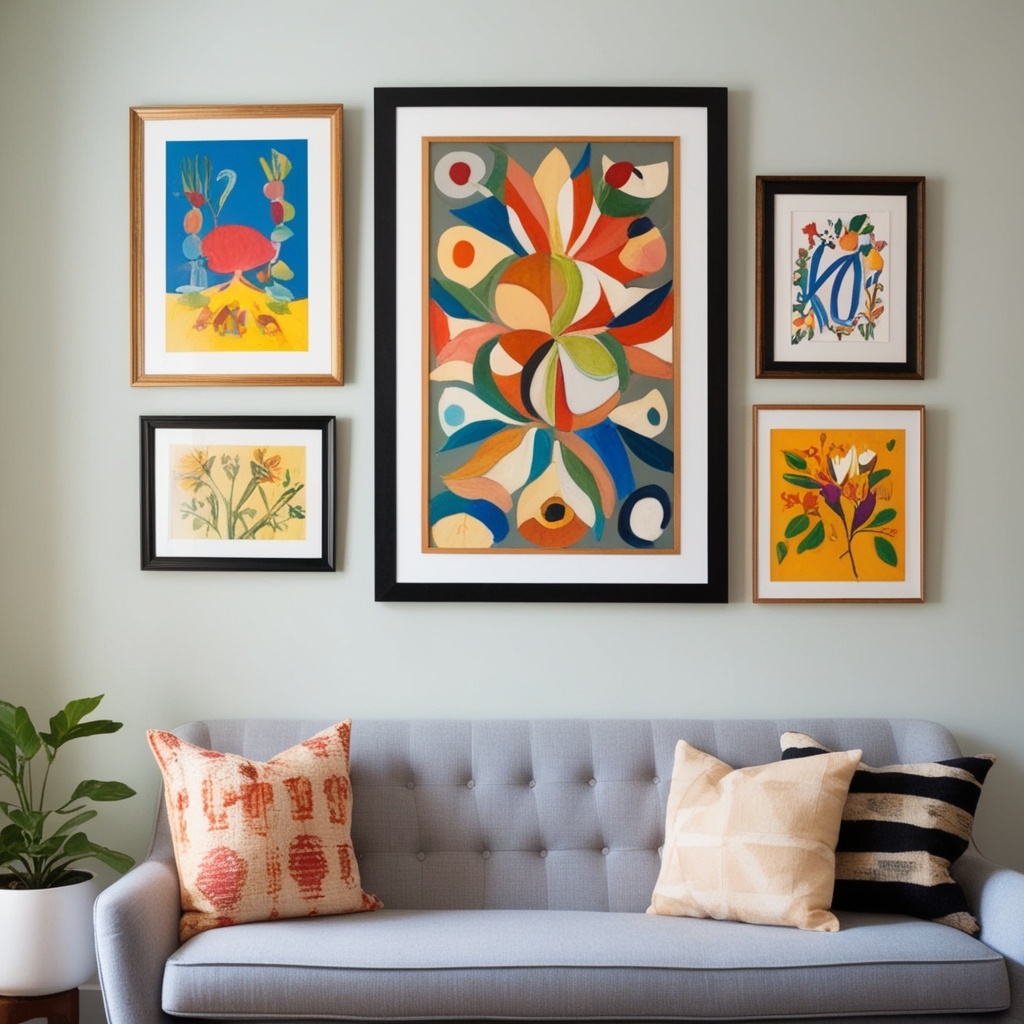
Rotate local artists’ art on your walls. It also supports the fashion community of the local designers and provides great conversation points for your guests.
-

Invite the artists in for talks or exhibit openings to drive foot traffic on slower days.
-
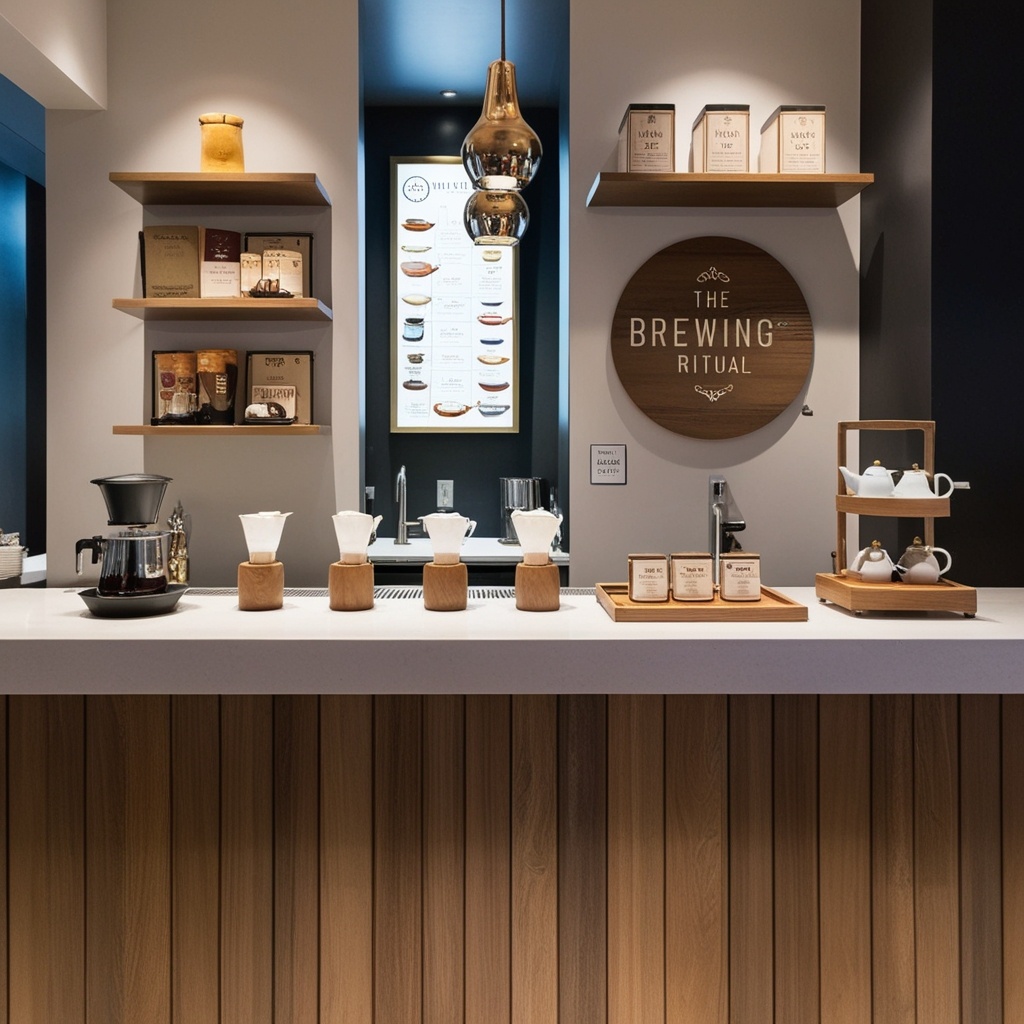
A slim, uncluttered bar counter puts focus on the brewing ritual itself. Display premium teaware, thoughtful accessories, and the day’s featured blend front and center.
-
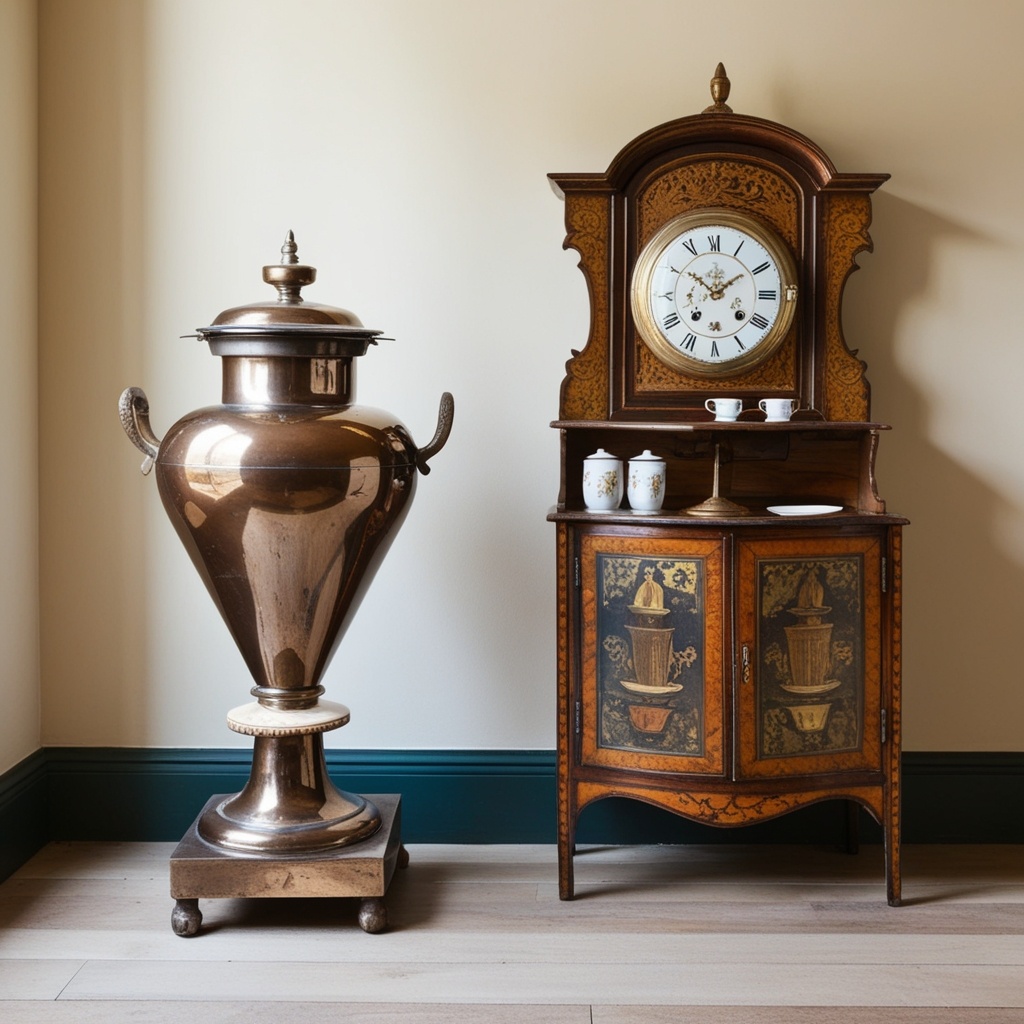
Add a touch of nostalgia with a single, arresting antique, think an ornate samovar, a Victorian clock, or an old apothecary cabinet. It signals that your space honors the history of tea.
-
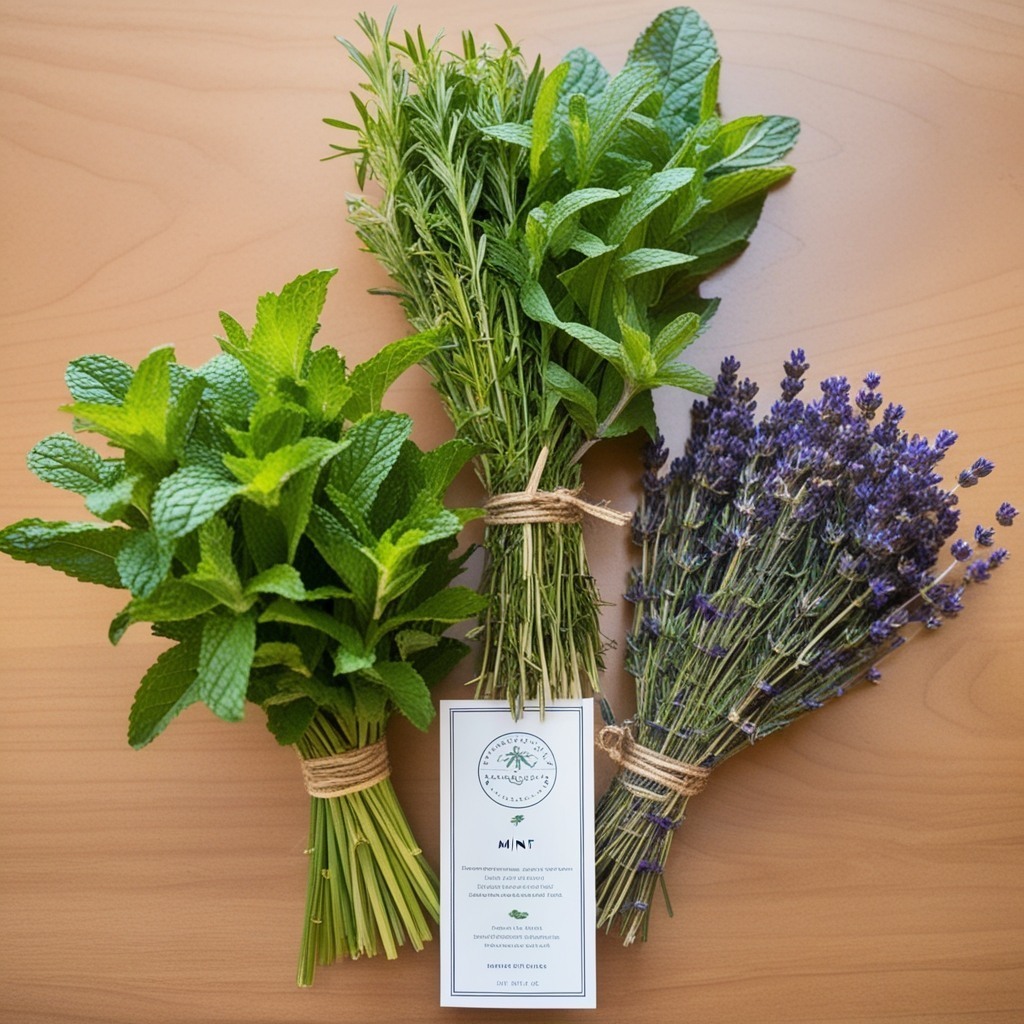
Go beyond traditional bouquets: cluster together herbs like mint, lemongrass, or lavender. Their scents echo your menu, reinforcing a subtle brand message the moment someone walks in.
-
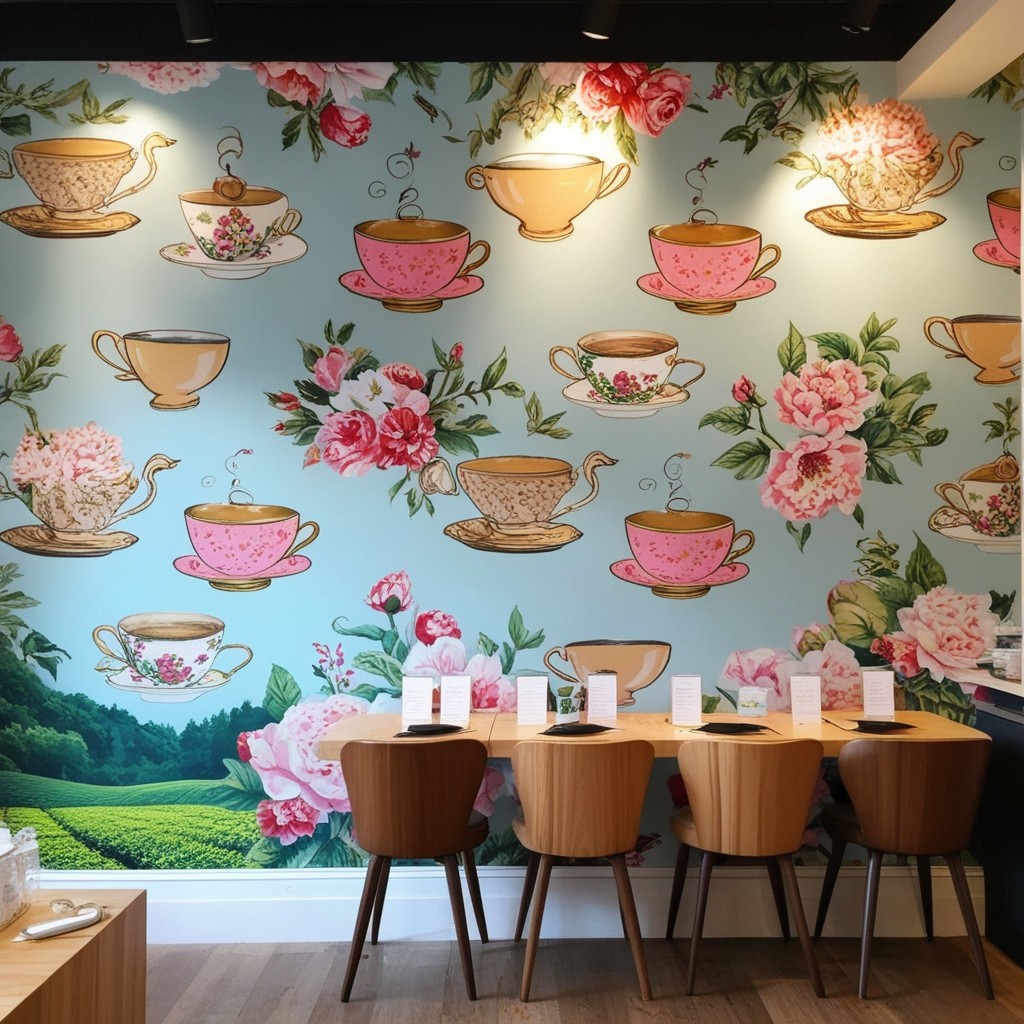
Commission a wall mural that reflects your shop’s ethos, floral patterns, whimsical teacups, or scenes of tea fields. This art becomes an Instagram backdrop and infuses your space with creativity.
-
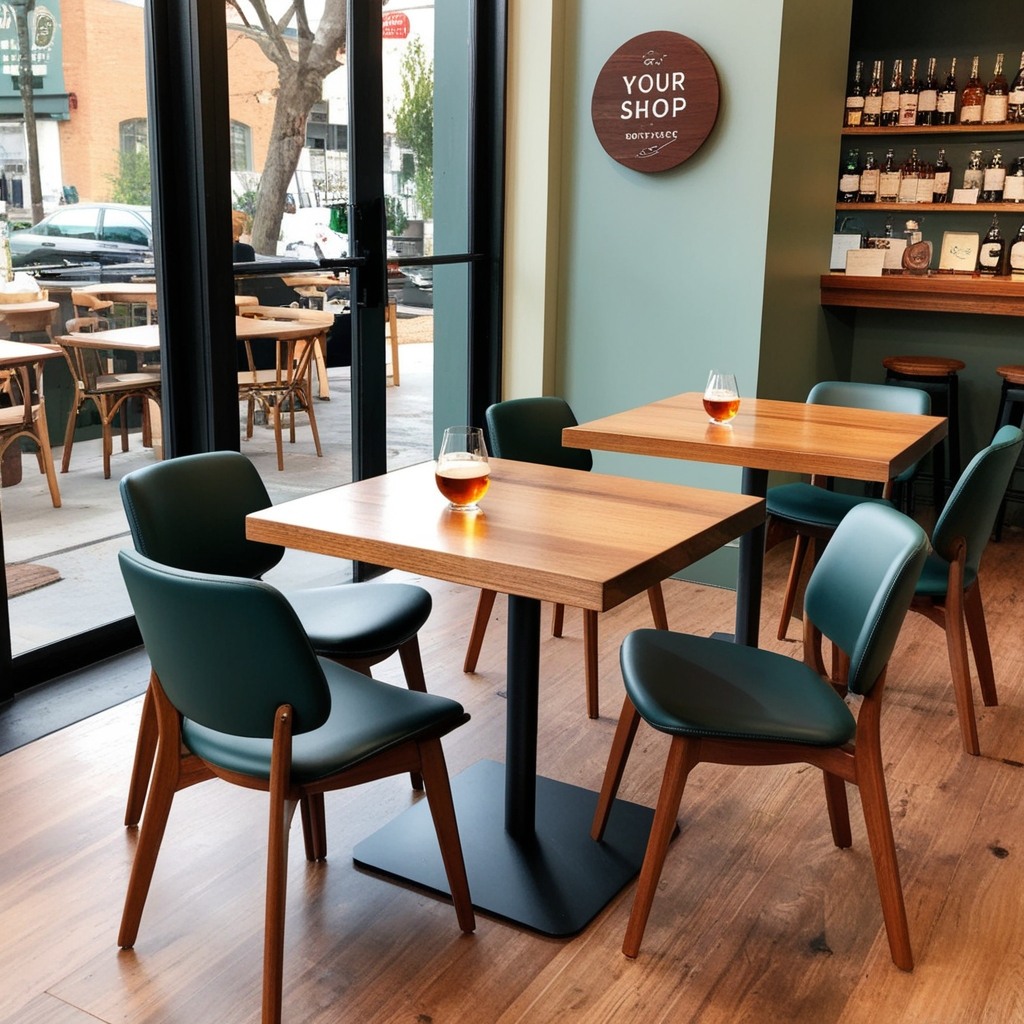
Consider tables and seating that can be easily rearranged for events or group tastings. Modular pieces easily accommodate both private and bustling afternoons.
-
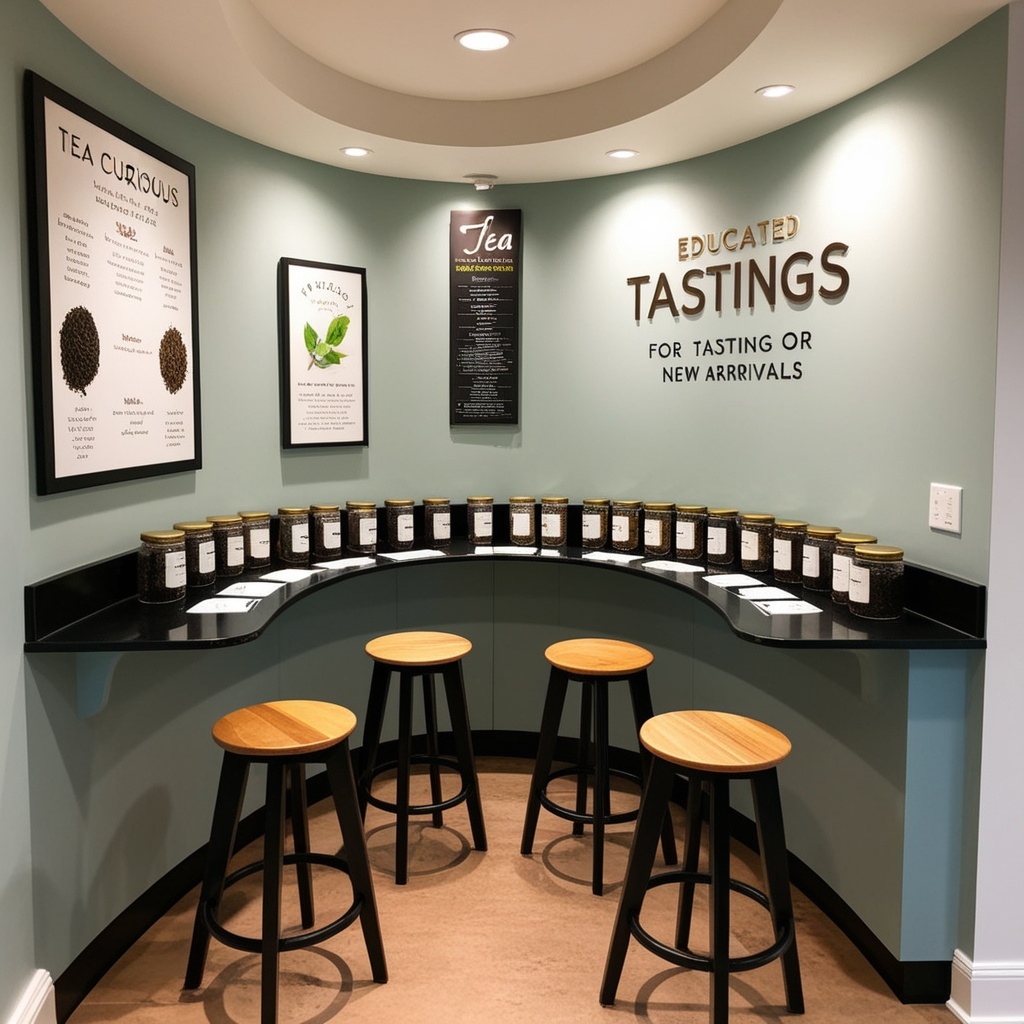
Consider creating a space dedicated to educational tastings or featuring new arrivals. The curved counter with labeled sample jars and stools invites any tea curious to step up and learn more.
-
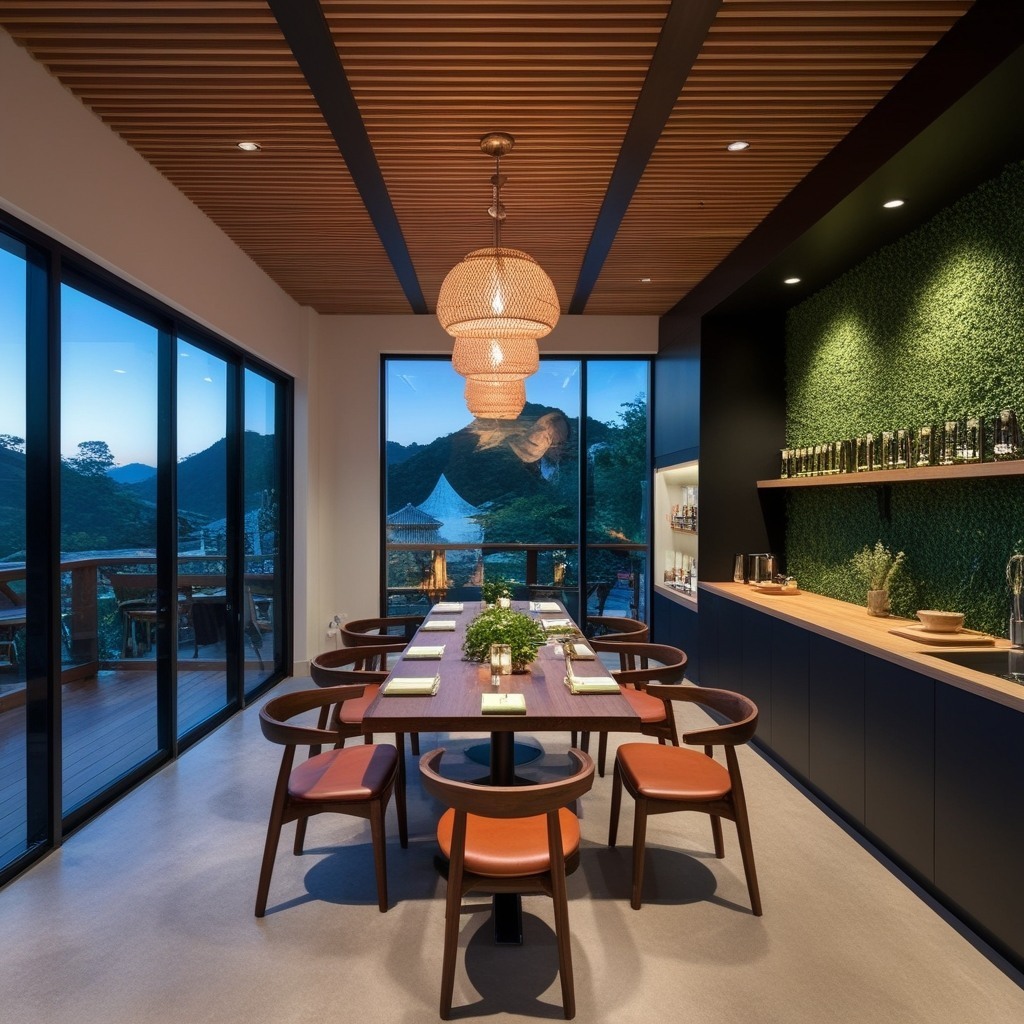
Consider incorporating this space for themed events, such as “Oolong Nights” or “Herbal Tea Workshops,” to drive customer engagement and attract enthusiasts.
-
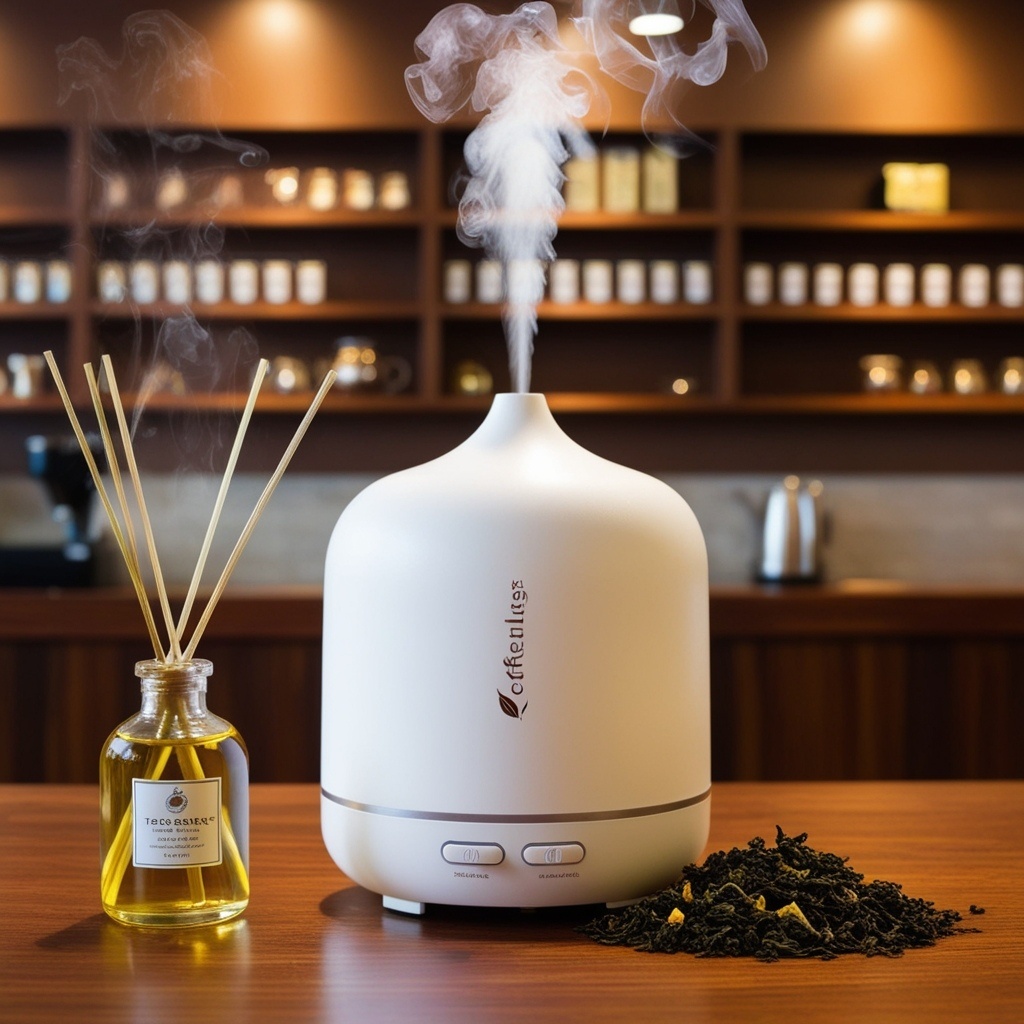
Use gentle oil diffusers or tea-scented humidifiers to create an ambiance that is unique and distinct from coffee shops. First, it should accentuate the aroma of freshly brewed leaves rather than muffle it.
-
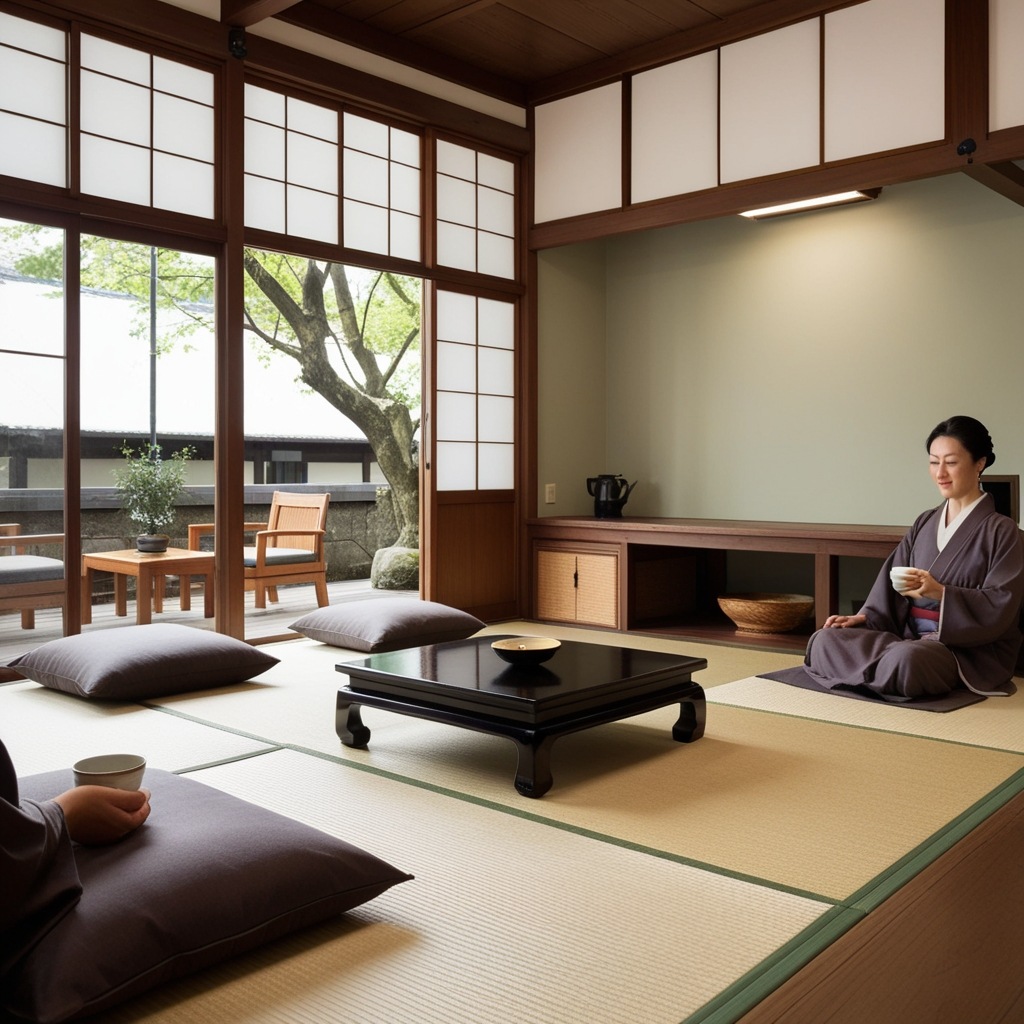
Embrace the tranquility of a traditional teahouse with low tables, tatami mats and floor seating.
-
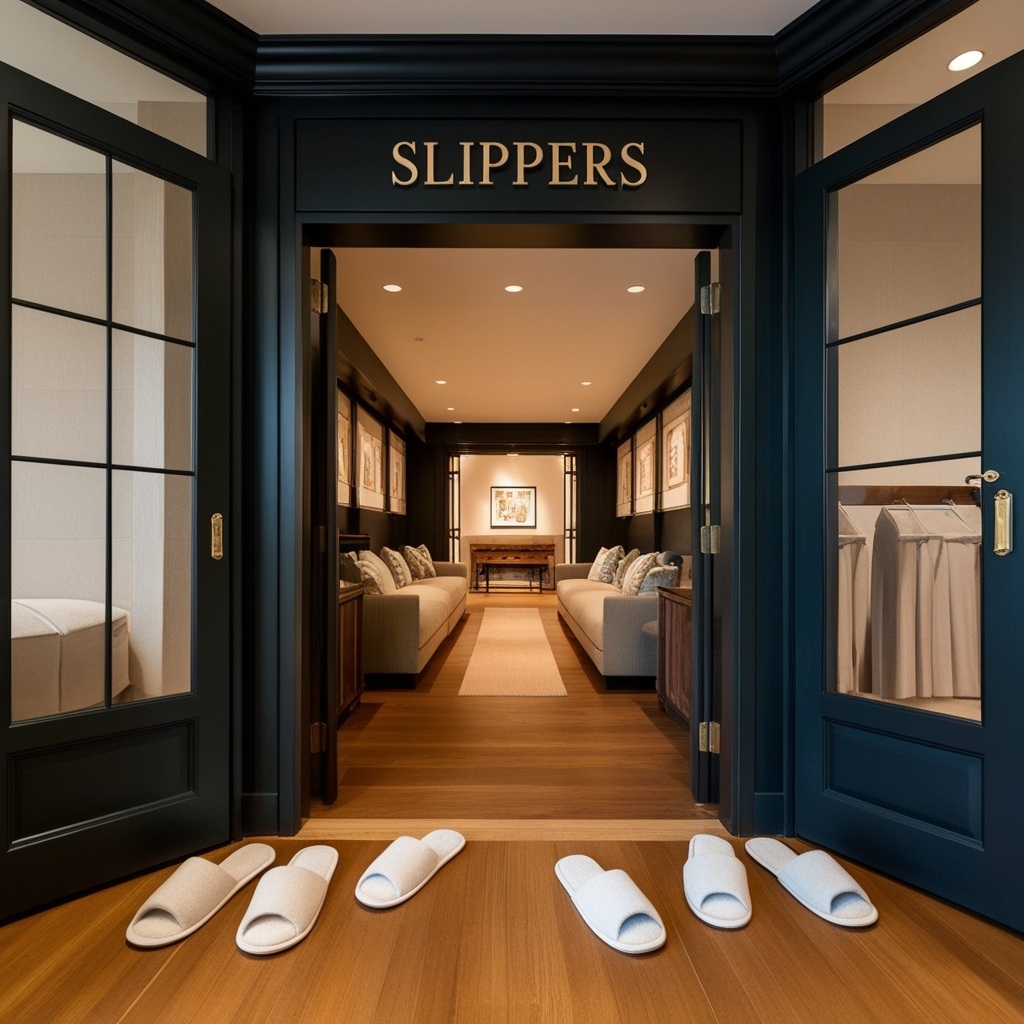
Keep slippers at the entrance of this section for a true-to-form experience and as a fun, conversational quirk.
-
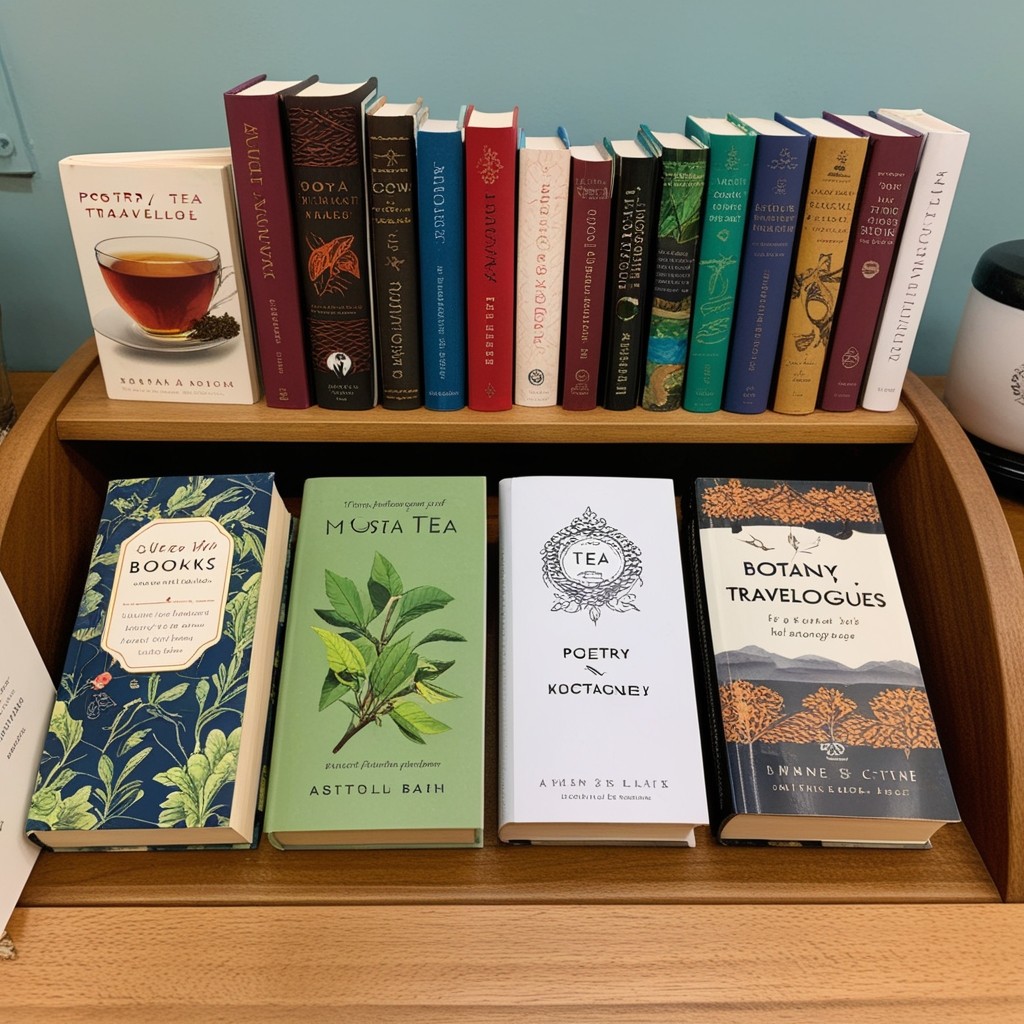
Stock a carefully curated selection of books such as poetry, botany, or travelogues related to tea. Browsing through the books while enjoying a drink gives patrons a reason to linger and return.
-
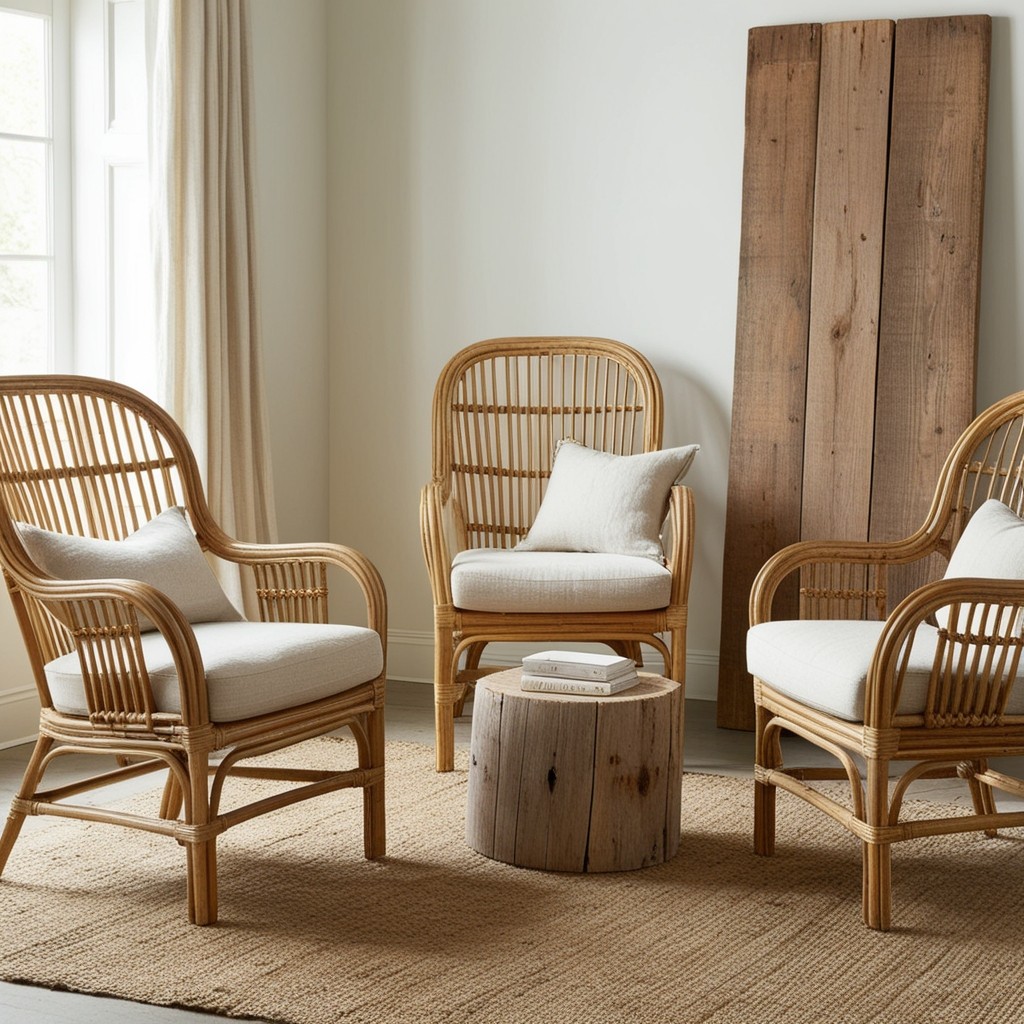
Consider blending elements like rattan, linen upholstery and reclaimed wood to firmly root your space in tactile ease. Earthy finishes and organic imperfections help everything feel more inviting and less manufactured.
-
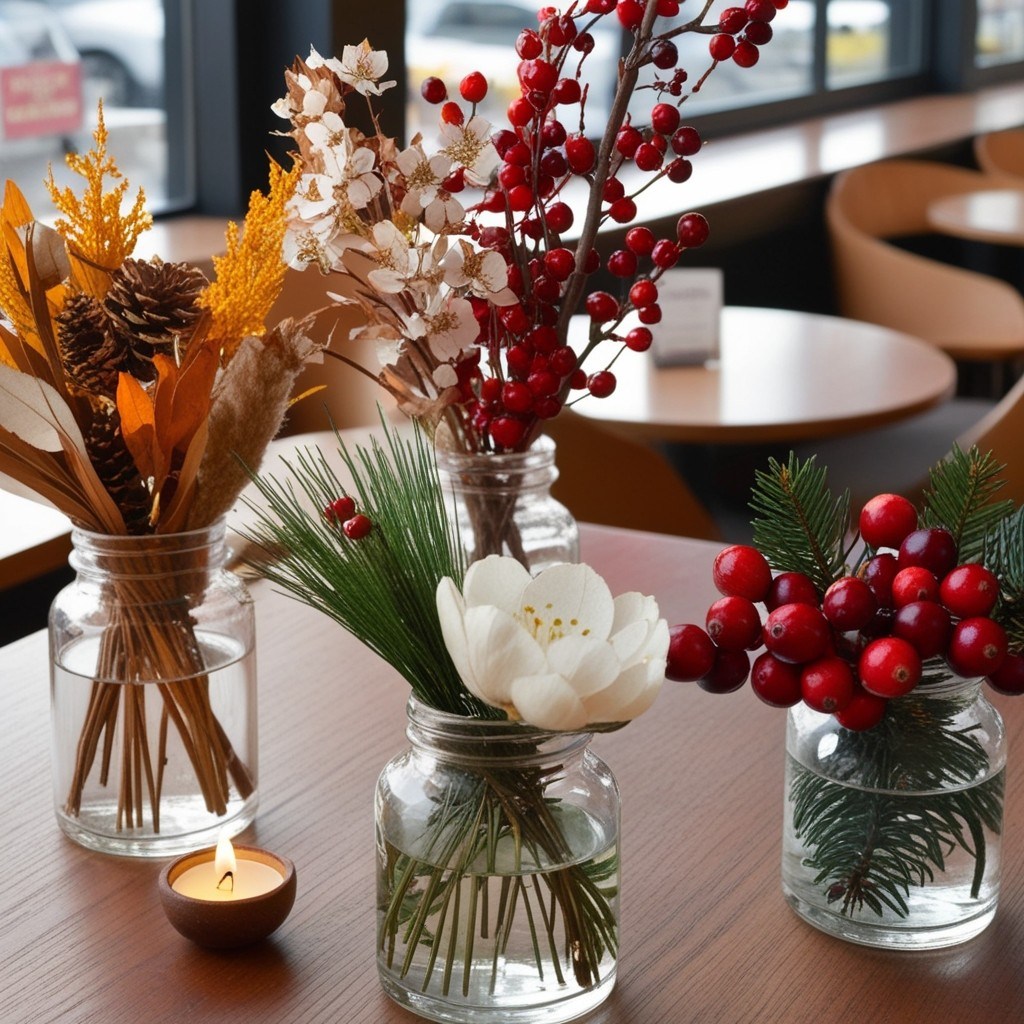
Switch out the accents with the seasons: dried flowers for autumn, cherry blossoms for spring and cranberry sprigs or pine twigs for winter. Small swaps keep regulars guessing what aesthetic surprise is next.
-
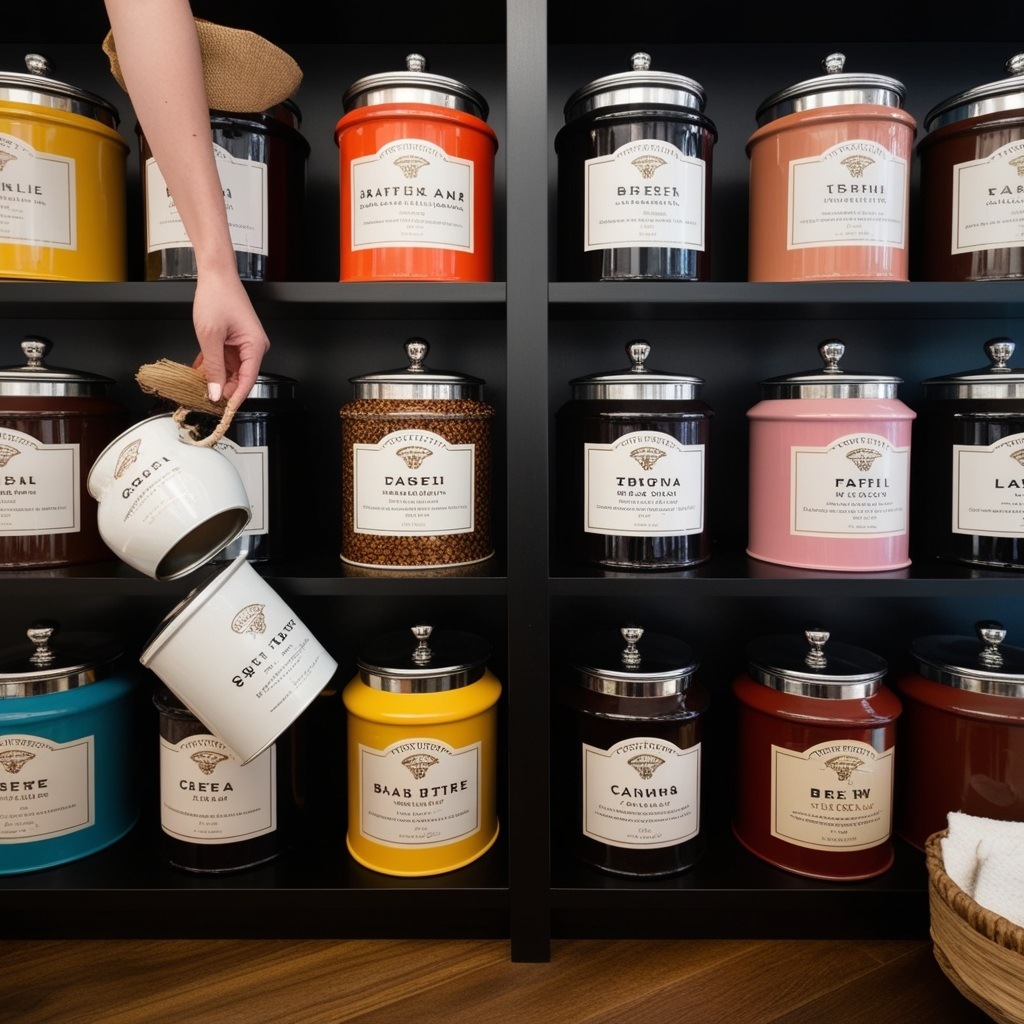
Install a shelving feature where guests can open labeled canisters and smell different varieties before choosing their brew. Tactile engagement leads to a deeper relationship with your offerings.
-
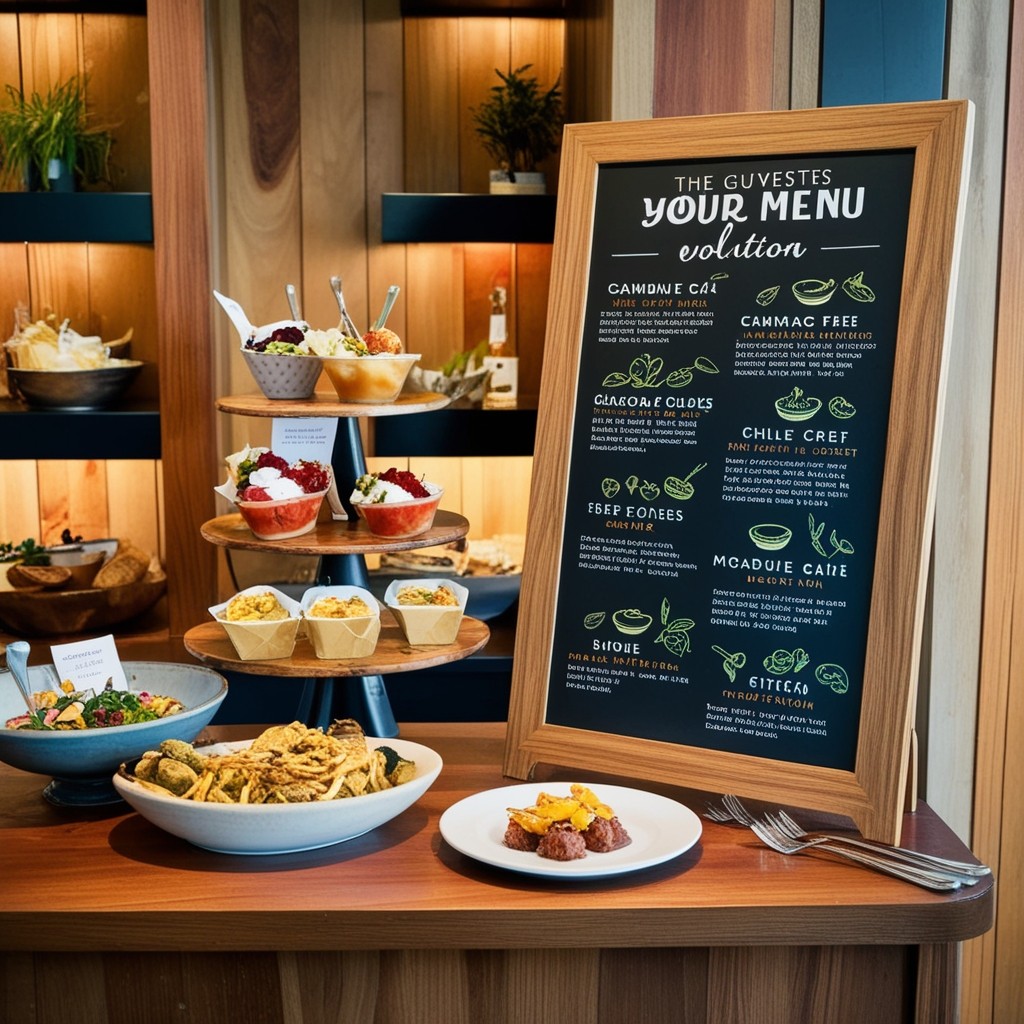
Encourage them to jot down suggestions on a communal note board positioned next to the display for regular menu input.
Tea shop types — design differs by concept
Specialty loose-leaf tea shop
Retail and café combined. The product display (tins, jars, packaging) is as important as the seating. Wall-mounted tea tin displays organized by type (green, oolong, black, herbal) serve as both retail fixture and atmospheric backdrop. A tasting counter with labeled sample jars and stools is the highest-conversion element; customers who taste are far more likely to buy. The overall atmosphere: educated, calm, slightly curated. Natural materials, muted palette, good task lighting above the tasting counter.
Bubble tea / boba shop
Fast-casual format. High-turnover, short dwell time, instagrammable aesthetic is central to the brand. Bold colour (often pastels or saturated single colours), open kitchen where drinks are made visible to customers, photogenic display of toppings and flavours. Design energy is higher than specialty tea; neon or LED colour features are appropriate here where they'd be wrong in a loose-leaf shop.
Asian teahouse (gongfu/Japanese style)
Low tables and floor or cushion seating. Natural materials (bamboo, unfinished wood, stone, clay) throughout. Minimal decor, maximum attention to the ritual. The sound environment matters: quiet enough to hear water being poured. No background music or very minimal. Pot displays are both product and decor. This concept requires the most design commitment: the entire atmosphere is the product.
English / afternoon tea room
Formal table settings, mismatched vintage china, floral patterns, tiered cake stands. Upholstered chairs and settees. Wallpaper with botanical or toile prints. This is the most theatrical of tea shop formats; the design is part of the product experience in the same way the food is. Lighting: warm and soft, with table lamps and candles rather than overhead spotlights.
How Paintit.ai helps with tea shop design
Upload a photo of your tea shop to app.paintit.ai. Test different colour directions, seating configurations, and material approaches in 1–2 minutes. Useful for comparing a warm, vintage-influenced direction against a cleaner, more contemporary tea shop aesthetic. Free to start.
Related design tools
Tools and related examples for hospitality and food-and-beverage retail spaces.
FAQ
-
A tea shop's atmosphere should support slow, attentive consumption, the opposite of a fast-casual environment. This means seating comfortable enough for 45–60 minute visits, acoustic comfort (soft furnishings that absorb sound), warm lighting, and a scent environment that highlights the tea rather than competes with it. The design should communicate that the shop takes its product seriously, through the quality of materials, the organization of the tea display, and the care taken with every detail.
-
The window display and entry scent are the two strongest customer draws. Customers decide to enter based on what they see and smell from outside. Inside: the tasting counter (where customers can sample teas) converts browsers to buyers. Local artists' work on the walls provides a reason to linger and conversation pieces. Events (tea tastings, workshops, seasonal launches) build a regular customer base that the walk-in trade alone doesn't.
-
Warm neutrals (cream, warm white, natural wood tones) work as a base in most tea shop concepts. Earthy accents (terracotta, sage, deep teal) add warmth without competing with the product. For bubble tea shops: brighter and more saturated palettes suit the format. For traditional or Asian-style teahouses: the most minimal colour palette possible, letting materials (clay, bamboo, stone) provide the visual texture. Avoid cool whites, which read as clinical.
-
Yes. Upload a photo of your space to app.paintit.ai and see different design directions in 1–2 minutes. Free to start.