14 min. reading

Yulii Cherevko
CEO paintit.ai
Published: Updated:
The best paint for trim and baseboards is a dedicated enamel intended for doors and high-contact woodwork. A suitable waterborne alkyd or acrylic enamel offers water cleanup, but resin names alone do not guarantee resistance to yellowing, blocking or wear. Compare the exact product and preparation system.
There is no single can that wins every project. Advance suits a slower schedule and a leveling-focused finish. Emerald Urethane is positioned for frequently cleaned trim. Cabinet Coat lists a six-hour recoat interval, while BEHR Cabinet, Door & Trim 7120 lists two hours under stated conditions. Those are recoat times, not permission to close doors or clean the coating immediately.
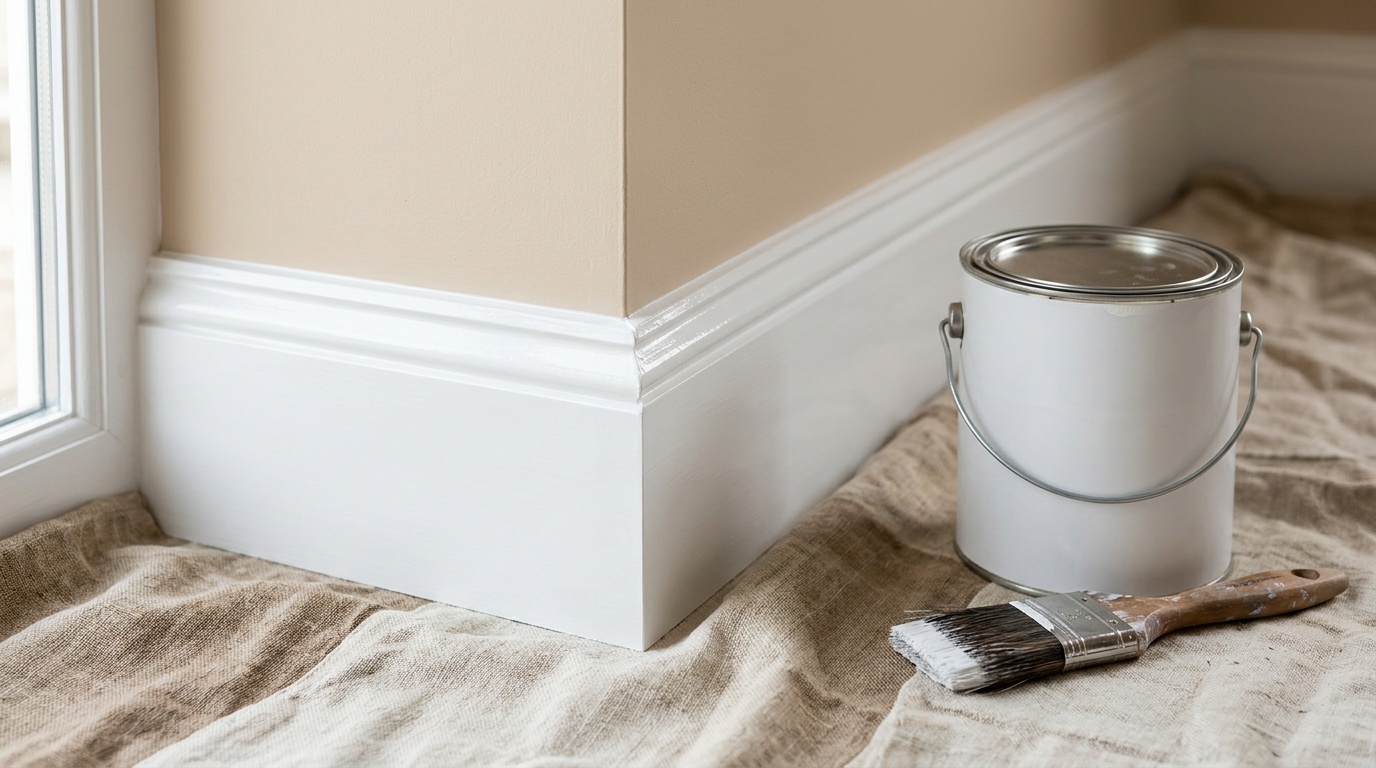
Interior trim needs a coating that can flow across narrow profiles, resist blocking where painted surfaces touch, and tolerate wiping. Those requirements point to enamel made for doors and trim. “Enamel” now describes the hard, durable result more often than one specific chemistry, so the resin listed on the label matters more than the word itself.
A waterborne alkyd combines soap-and-water cleanup with much of the flow and leveling associated with older solvent-based alkyds. It stays workable longer than many fast acrylics, which helps brush marks settle, but the longer recoat and cure period can stretch a project across several days.
Urethane-modified enamels are designed for a hard, washable finish on high-contact surfaces. They are a strong fit for hallway baseboards, door edges, window trim, mudrooms, and other areas that collect fingerprints or regular cleaning.
Urethane acrylic products generally dry and recoat faster than slow waterborne alkyds. They can be useful when a room must return to service quickly, although application feel and leveling vary by product. Strong adhesion claims still assume the surface has been cleaned and prepared according to the technical data sheet.
Oil-based enamel can level beautifully and cure hard, but it brings stronger odor, mineral-spirit cleanup, slower drying, and a greater chance that pale colors will yellow over time. It remains available in some markets, yet a modern waterborne trim enamel is the more practical starting point for most occupied homes.
These selections are based on the manufacturers' current product descriptions and published specifications, not a claim that every product was tested under identical laboratory conditions. Availability, formulas, tint bases, and instructions can change, so check the can and current technical data sheet before starting.
| Product | Best Fit | Available Finish | Published Timing to Note | Main Trade-Off |
|---|---|---|---|---|
| Benjamin Moore Advance | Smooth doors, casing, and detailed trim | Satin, semi-gloss, high gloss; confirm exact product | 16-hour recoat for the satin product | Slow project schedule |
| Sherwin-Williams Emerald Urethane Trim Enamel | Frequently cleaned trim and doors | Satin, semi-gloss, gloss | Follow the current label and data sheet | Premium product; careful application still matters |
| INSL-X Cabinet Coat | Previously finished or difficult interior surfaces | Satin, semi-gloss | 1 hour to touch, 6 hours to recoat | Interior use only |
| BEHR Premium Cabinet, Door & Trim Enamel | Fast room turnaround | Semi-gloss 7120; satin 7520 also in range | 1 hour to touch, 2 hours to recoat, 7 days to full cure | Confirm local finish availability |
Benjamin Moore’s US Advance Satin page showed $88.99 for one US gallon on November 4, 2026, with a 16-hour recoat interval. This is a dated product-page price, not a national quote or a UK formulation price.
Benjamin Moore Advance is a waterborne alkyd made for interior doors, trim, cabinetry, and other woodwork. The satin version has a published 16-hour recoat time, which makes it a poor choice for a rushed one-day job but a good fit when flow and a furniture-like appearance matter more than speed.
Use it on long baseboard runs, paneled doors, and profiles where visible brush marks would be distracting. Apply a controlled coat and inspect corners and horizontal ledges for sags before leaving the section alone.
Emerald Urethane Trim Enamel is a water-based enamel positioned for doors and trim. Sherwin-Williams describes a hard finish and reduced yellowing compared with traditional oil coatings. Compare the exact finish and system for the intended use rather than inferring identical performance across all enamels.
Hard paint does not compensate for grease or a slick old finish. Clean, dull, and prime where the label requires it. Do not keep brushing once the film begins to set; overworking a partially drying enamel leaves ridges instead of removing them.
INSL-X Cabinet Coat is a waterborne urethane acrylic sold for cabinets, furniture, doors, trim, and crown molding. Benjamin Moore publishes a one-hour dry-to-touch time and six-hour recoat time and describes the product as resistant to chipping and scuffing. It is especially useful when repainting sound, previously finished interior woodwork after the specified cleaning and surface preparation.
The product's adhesion does not make every primer optional. Bare areas, patched sections, tannin bleed, rust, stains, or a questionable existing coating may still need a compatible primer. Run a small adhesion test before committing to a whole house of trim.
BEHR Premium Cabinet, Door & Trim is a dedicated cabinet, door and trim enamel. BEHR currently publishes one hour to touch, two hours to recoat, and seven days to full cure under stated conditions. That schedule is useful for a bedroom, rental turnover, or other project where two coats need to go on in one day.
This is not permission to close a freshly painted door immediately or scrub baseboards the next morning. Temperature, humidity, film thickness, and ventilation affect drying. Treat the label's timing as a minimum under the stated conditions and allow more time when the room is cool or humid.
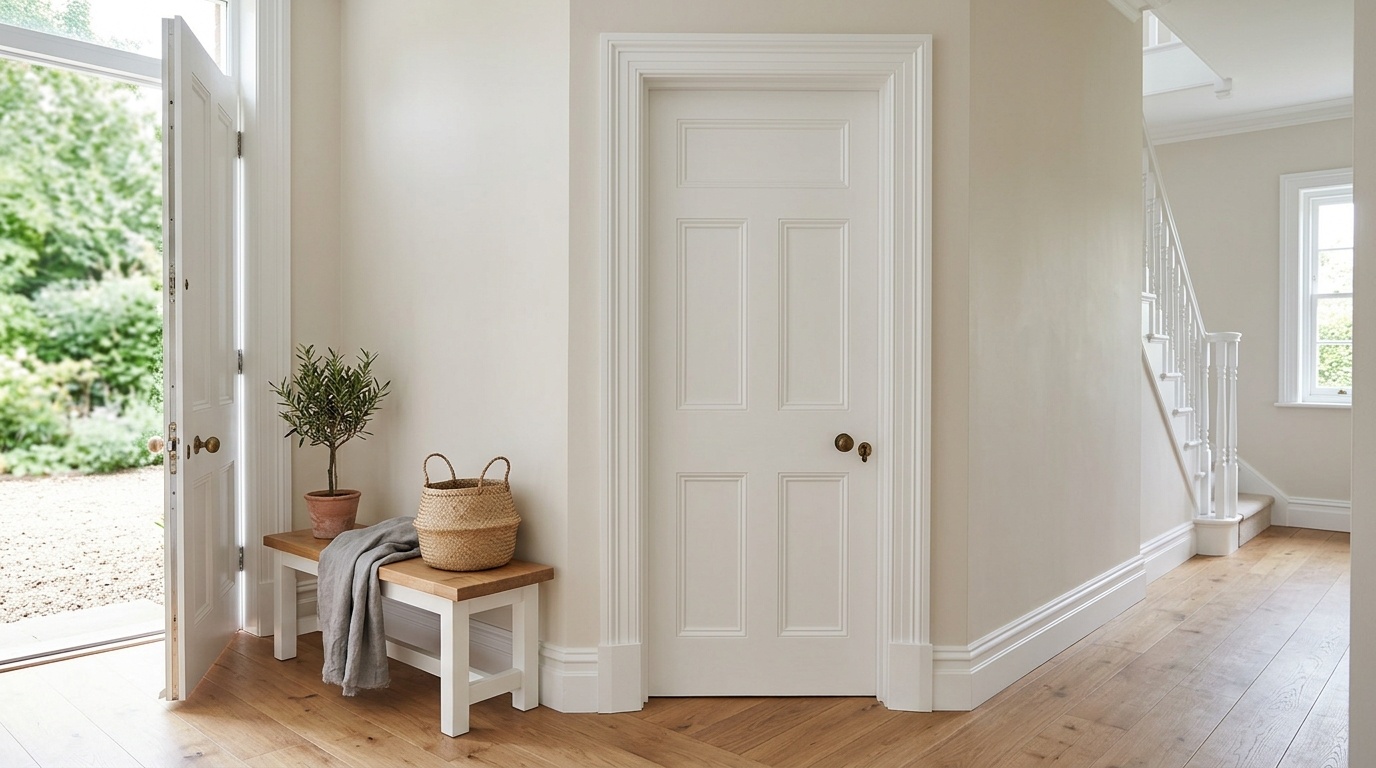
Semi-gloss is the safest all-purpose sheen for baseboards, door frames, and frequently touched doors. It is easy to wipe, creates a visible edge against lower-sheen walls, and suits both traditional and contemporary rooms. Its reflection also reveals dents, filler ridges, rough caulk, and brush marks.
Satin is a better choice when the trim is older, the room has strong side light, or a quieter finish suits the design. Use a satin trim enamel rather than ordinary satin wall paint. The resin and intended use determine durability; sheen alone does not.
Gloss or high gloss can turn a paneled door or historic molding into a deliberate feature. It is unforgiving, so the woodwork needs careful filling, sanding, dust control, and application. Matte trim can support a color-drenched room, but it is rarely the first choice for baseboards that meet shoes, pets, and vacuums.
| Surface | Practical Default | Choose Satin When | Choose Gloss When |
|---|---|---|---|
| Baseboards | Semi-gloss | The wood is imperfect or the room should feel softer | The baseboard is crisp, simple, and intentionally prominent |
| Interior doors | Satin or semi-gloss | You want fewer reflections on broad panels | The door is a feature and prep is excellent |
| Window and door casing | Semi-gloss | Strong daylight exposes every surface flaw | Architectural detail should stand out |
| Crown molding | Satin or semi-gloss | You want a gentle transition at the ceiling | The profile is smooth and decorative |
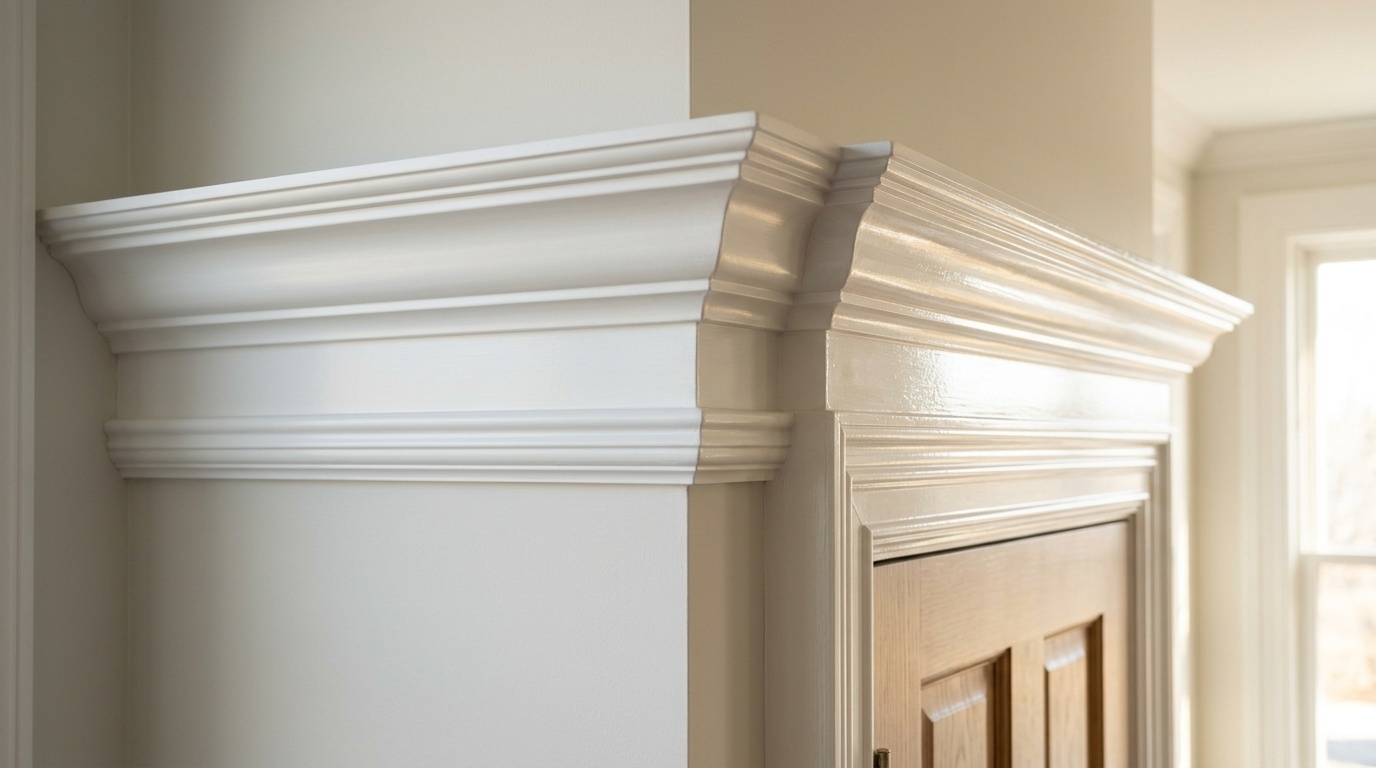
The condition of the surface matters more than trying to identify every old resin by name. Inspect for peeling, wax, silicone residue, grease, failed caulk, moisture, and soft or rotten wood. New paint cannot stabilize a failing layer underneath it.
Clean the surface, rinse away cleaner residue, let it dry, and dull any glossy areas as directed by the coating manufacturer. Feather chips and ridges so they do not show through the new sheen. A compatible enamel may then go directly over a sound coating if the label allows it.
Prime bare wood and absorbent filler so the topcoat develops an even sheen. Seal knots and tannin-prone species with a primer intended to block bleed. Caulk only stable joints that are meant to be sealed; do not fill drainage paths or moving joints with decorative painter's caulk.
Degrease first, then scuff the finish and use a compatible bonding primer unless the chosen product's current data sheet specifically allows direct application. A small test patch is more useful than relying only on a rubbing-alcohol shortcut: let the complete primer-and-paint system cure, score it lightly in an inconspicuous spot, and check that it does not lift easily.
Find the cause before repainting. A leaking window, wet bathroom joint, damaged exterior seal, or repeated condensation will defeat the next coating as well. Remove failed material using a method appropriate for the substrate and age of the home, complete the repair, and allow the surface to dry.
Homes built before 1978 are more likely to contain lead-based paint. Sanding, scraping, cutting, or removing old trim can create hazardous dust even when newer paint covers the original layer. The EPA's current lead-safe renovation guidance for DIYers explains containment, dust control, HEPA cleanup, and when to use a lead-safe certified contractor.
Do not start dry-sanding unknown old coatings and then decide how to contain the dust. Address the risk first, keep children and pregnant people out of the work area, and follow the rules that apply to the property and the person doing the work.
For carpeted rooms, slide a clean paint shield or a firm strip of cardboard under the baseboard as you work, then move it before paint bridges the edge. On hard floors, masking paper protects a wider area than a single line of tape and catches drips from the brush handle.
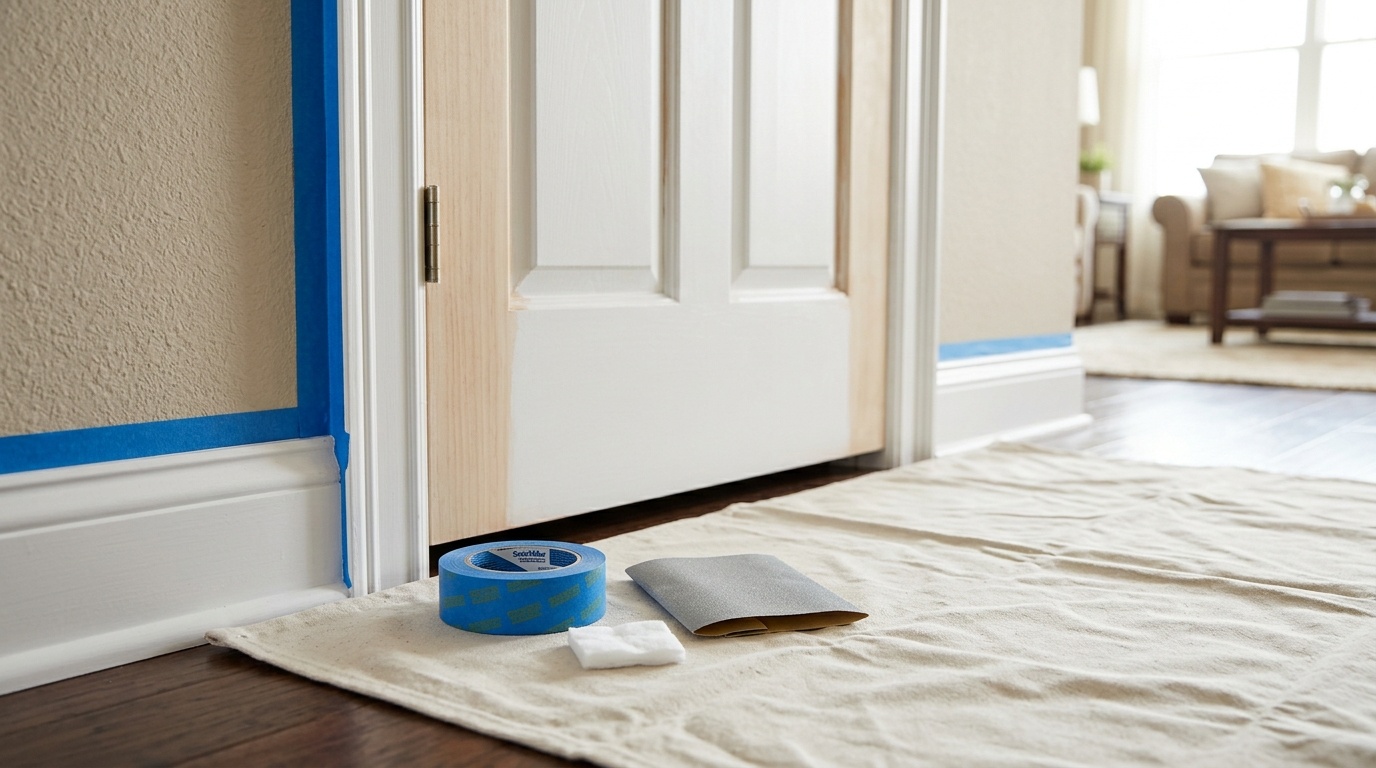
The best white paint for trim is the one whose undertone works with the fixed materials in the room. A bright neutral white can sharpen cool gray, blue, or black accents, but it may look clinical beside cream tile or warm oak. A softer white works with beige, natural wood, and warm stone but can read yellow beside a cooler wall.
If the walls are already white, using the same color in a higher sheen is a reliable way to create definition without introducing a second undertone. The sheen will make the trim appear slightly brighter. Sample the exact product and finish because a color chip cannot show that reflection.
Dark green, charcoal, taupe, and muted blue can work on trim when the color repeats something intentional in the room. Contrast trim is most convincing when doors, casing, and baseboards follow one clear rule rather than changing color at every opening.
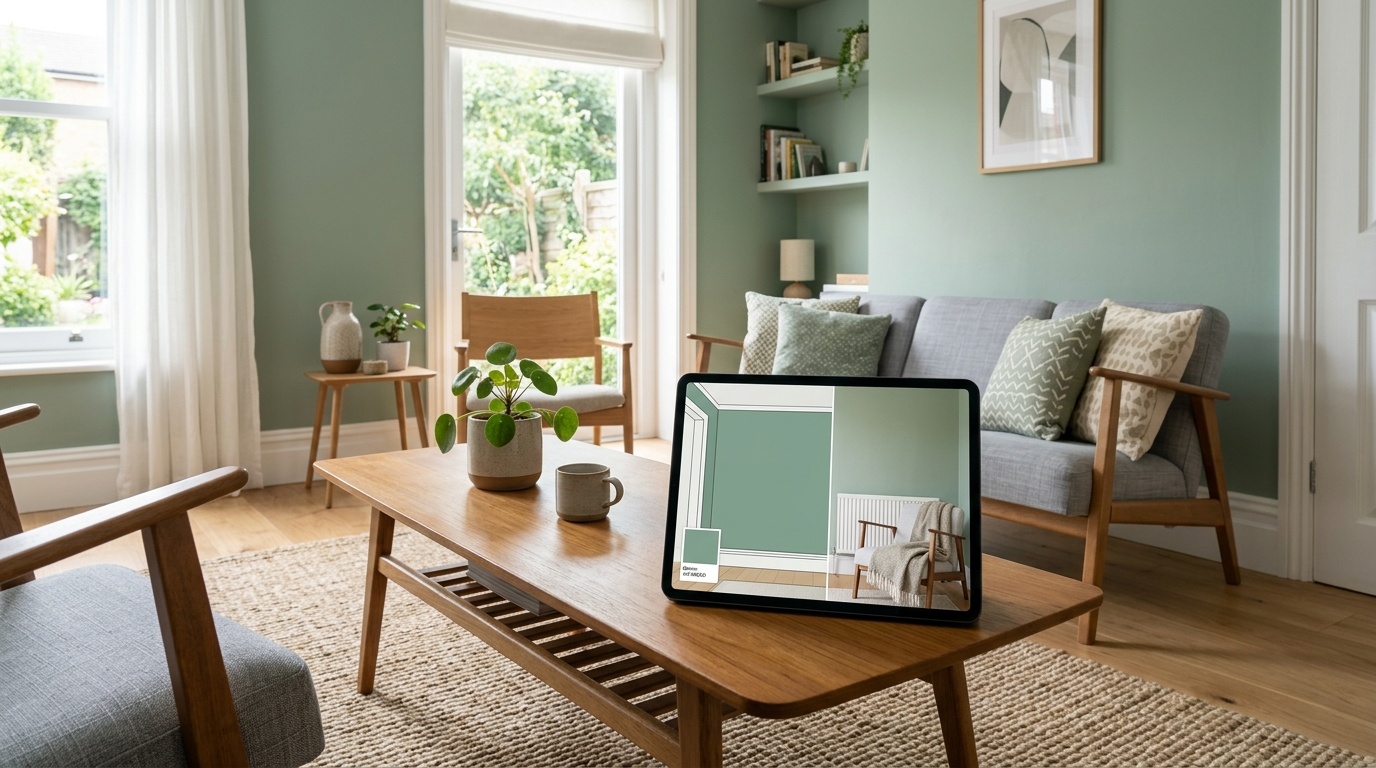
Before ordering several gallons, use Paintit to compare trim colors against the walls and flooring in your own room photo. A digital preview helps narrow the palette; physical painted samples remain necessary for undertone, sheen, and daylight checks.
If the project includes an exterior steel entry rather than interior woodwork, use a coating system designed for that substrate. This guide to paint for metal doors covers rust treatment, primers, and exterior exposure separately.
A dedicated waterborne trim enamel in semi-gloss is the practical default for baseboards. Choose a urethane-modified or waterborne alkyd formula that is washable and intended for high-contact woodwork. Use satin when you want less reflection or need to soften minor imperfections.
Semi-gloss is better for baseboards and trim that need frequent cleaning. Satin looks quieter, hides small flaws more effectively, and can still be durable when it is a true trim enamel. The product line matters as much as the sheen name.
Yes. A durable door-and-trim enamel can create a consistent finish across interior doors, casing, and baseboards. Doors may need more cure time before closing because their edges touch the jamb and stop.
Not always. Sound, clean, properly dulled paint may accept a compatible trim enamel directly when the label allows it. Prime bare wood, filler, stains, tannin-prone wood, glossy unknown coatings, and any test patch that shows poor adhesion.
Either sequence can work. Painting trim first lets you sand and apply enamel without protecting a finished wall, then cut the wall color cleanly to the trim. Painting walls first can be convenient when the trim only needs a final light coat. Choose one sequence and allow each coating to harden before applying tape.
Use the cure guidance for the exact product, not its touch-dry time. Published full-cure schedules vary widely, and cool or humid rooms can extend them. Wipe gently during early use and postpone scrubbing until the film has cured.
Measure the doors and broad surfaces, estimate the linear length and average width of baseboards and casing, then compare that area with the product's published coverage. Profiles, repairs, a strong color change, and two coats increase material use. A quart may cover a modest room, but multiple doors can change the calculation quickly.
For a slower leveling-focused project, compare Advance; for frequently cleaned woodwork, compare Emerald Urethane. Cabinet Coat provides another interior option with a six-hour published recoat interval. Check BEHR Cabinet, Door & Trim’s current local label when a fast schedule is important.
The product is only half the result. Clean first, repair the substrate, prime where needed, choose satin or semi-gloss deliberately, and give the coating its full recoat and cure time. That sequence does more for durable baseboards and doors than chasing a universal “best” can.