
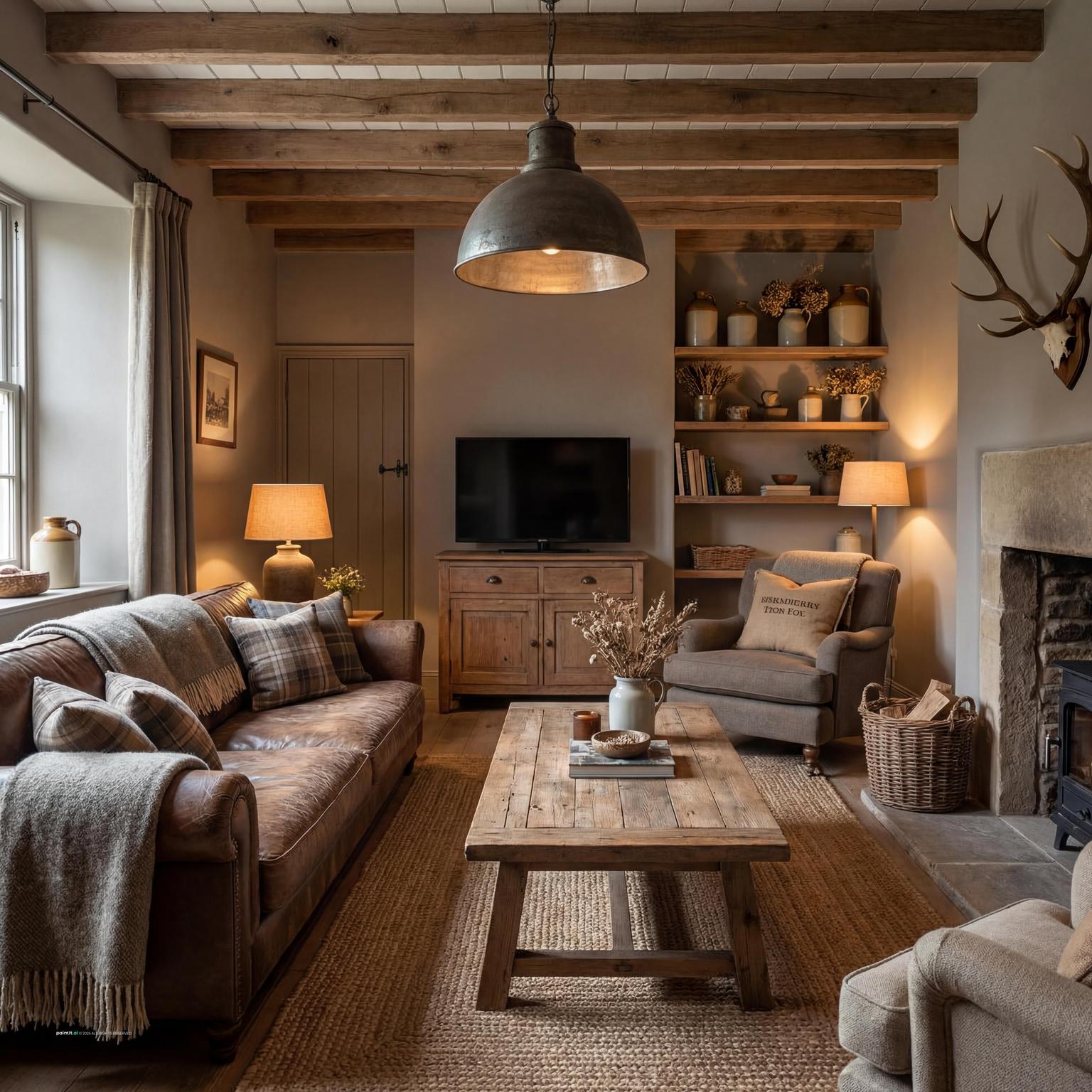
Cozy Rustic Living Room Design for Narrow Spaces
This cozy rustic living room design expertly maximizes comfort in narrow spaces, blending natural elements with inviting textures for a serene retreat.
Imagine stepping into a space where natural textures and a sense of history immediately put you at ease. Creating a truly inviting rustic living room means blending comfort with authentic, lived-in charm, often feeling like a puzzle to get just right. How do you weave together raw wood, cozy textiles, and a touch of the outdoors without it feeling forced?
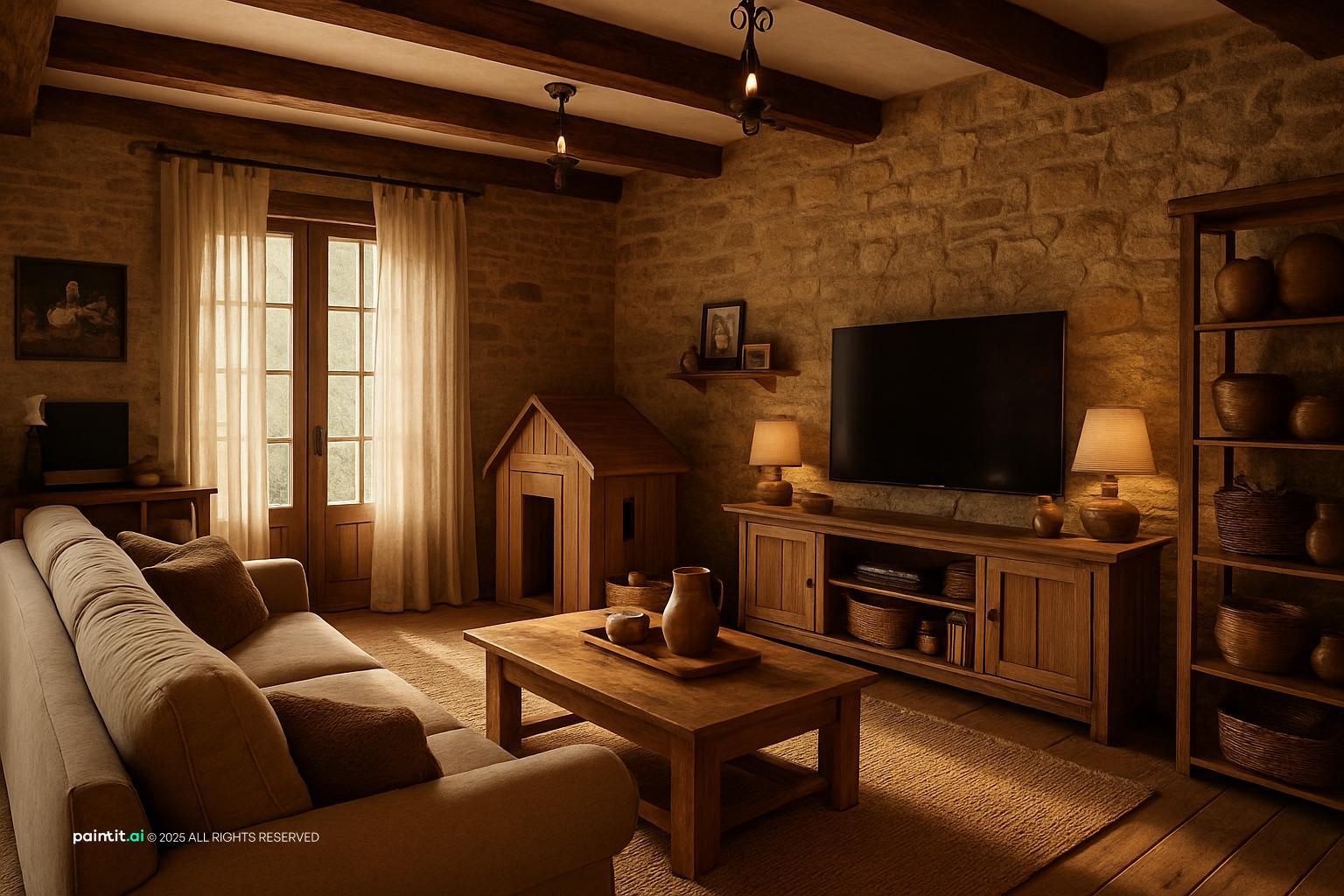
That feeling when you want a space that feels genuinely old-world, full of character, but not like a theme park. We've all been there, trying to balance rugged charm with everyday livability. This pull towards natural textures—think hand-hewn beams or a solid stone hearth—it's more than a trend; it's a yearning for grounded spaces. We'll walk through layering those raw materials, choosing enduring pieces like a distressed leather sofa, and getting the lighting just right. Visualizing how reclaimed wood or forged iron accents truly sit in your space, that's where Paintit.ai steps in, showing you the real picture before any heavy lifting.
Before changing furniture or finishes, you can preview the direction with an AI living room design tool.
This gallery brings the abstract idea of rustic into something visible: earthy tones, natural textures, open.
This cozy rustic living room design expertly maximizes comfort in narrow spaces, blending natural elements with inviting textures for a serene retreat.
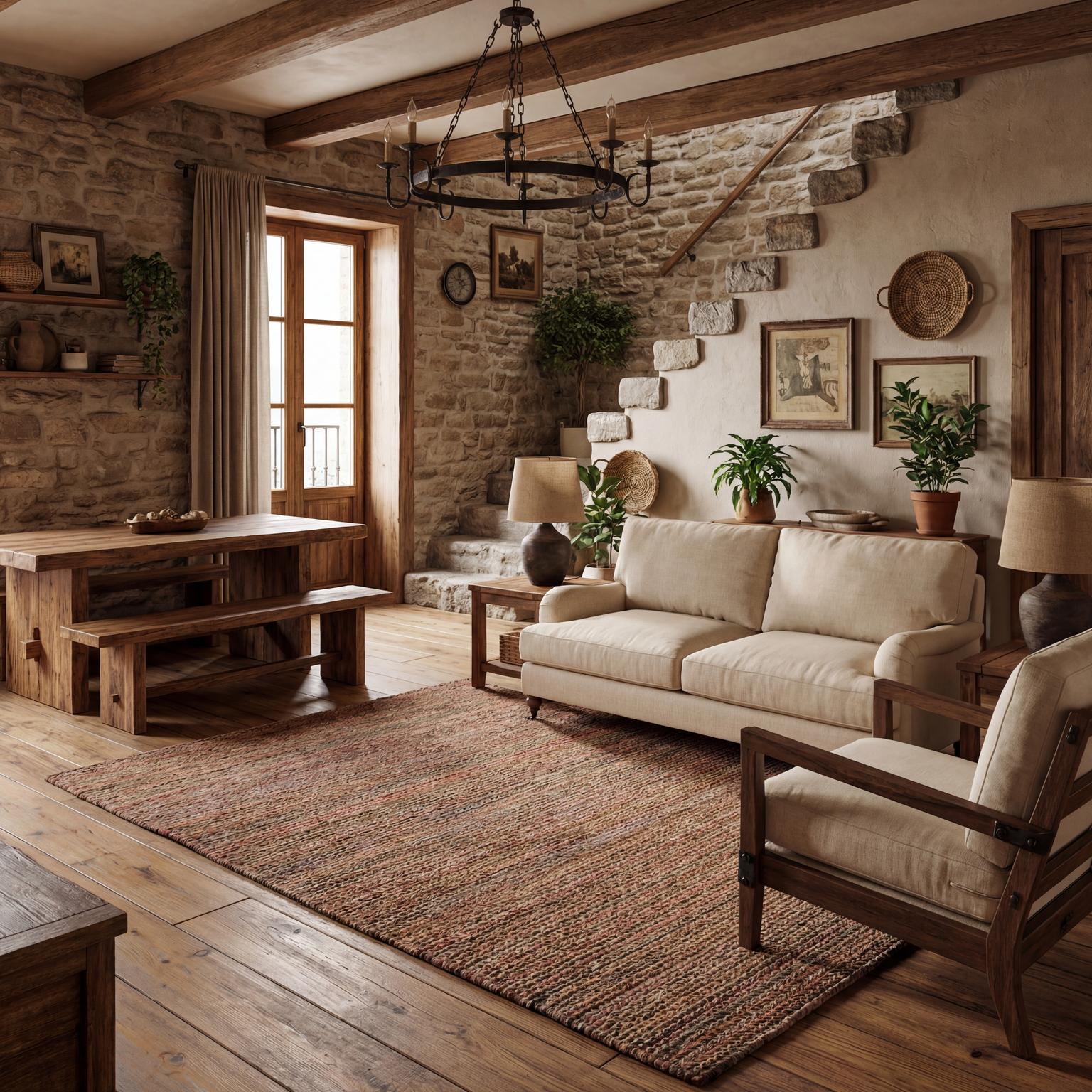
Explore inspiring rustic living room design ideas, beautifully combining raw textures and earthy tones to create an effortlessly charming and welcoming space.
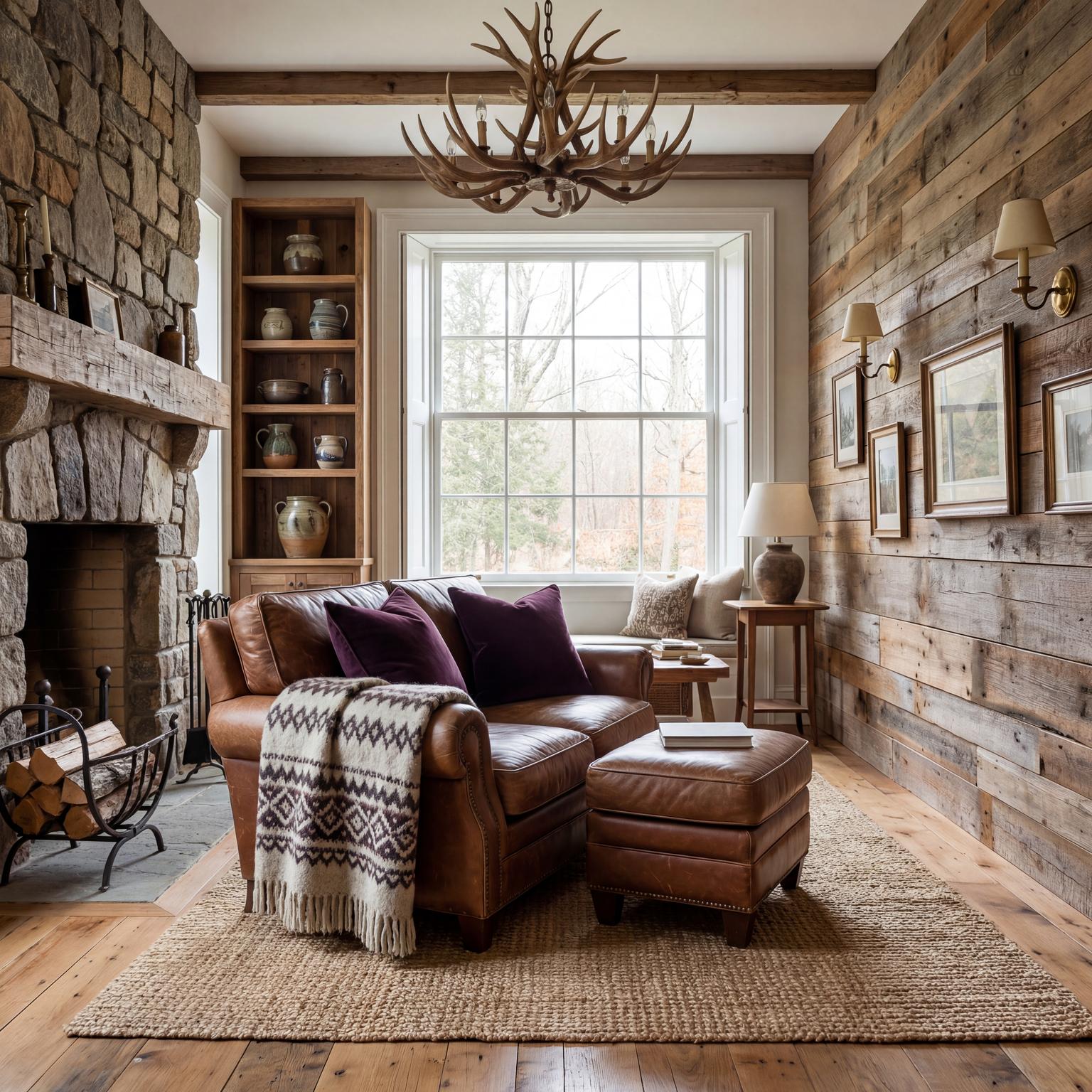
Discover a stunning rustic living room design for 2025, effortlessly blending timeless charm with contemporary comfort for a truly inviting aesthetic.
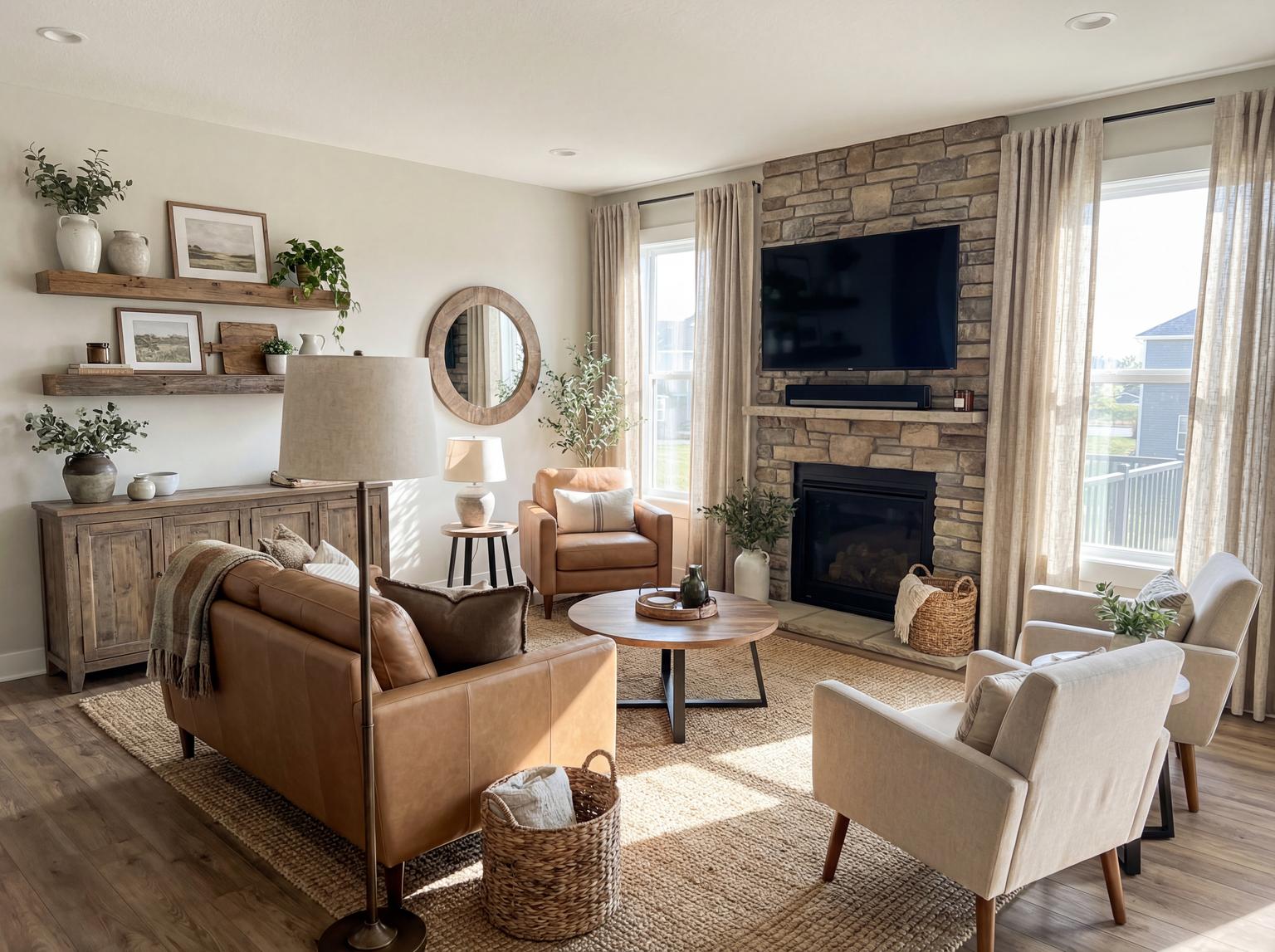
This stunning modern rustic living room design gracefully merges contemporary elegance with authentic natural elements, creating a sophisticated yet cozy ambiance.
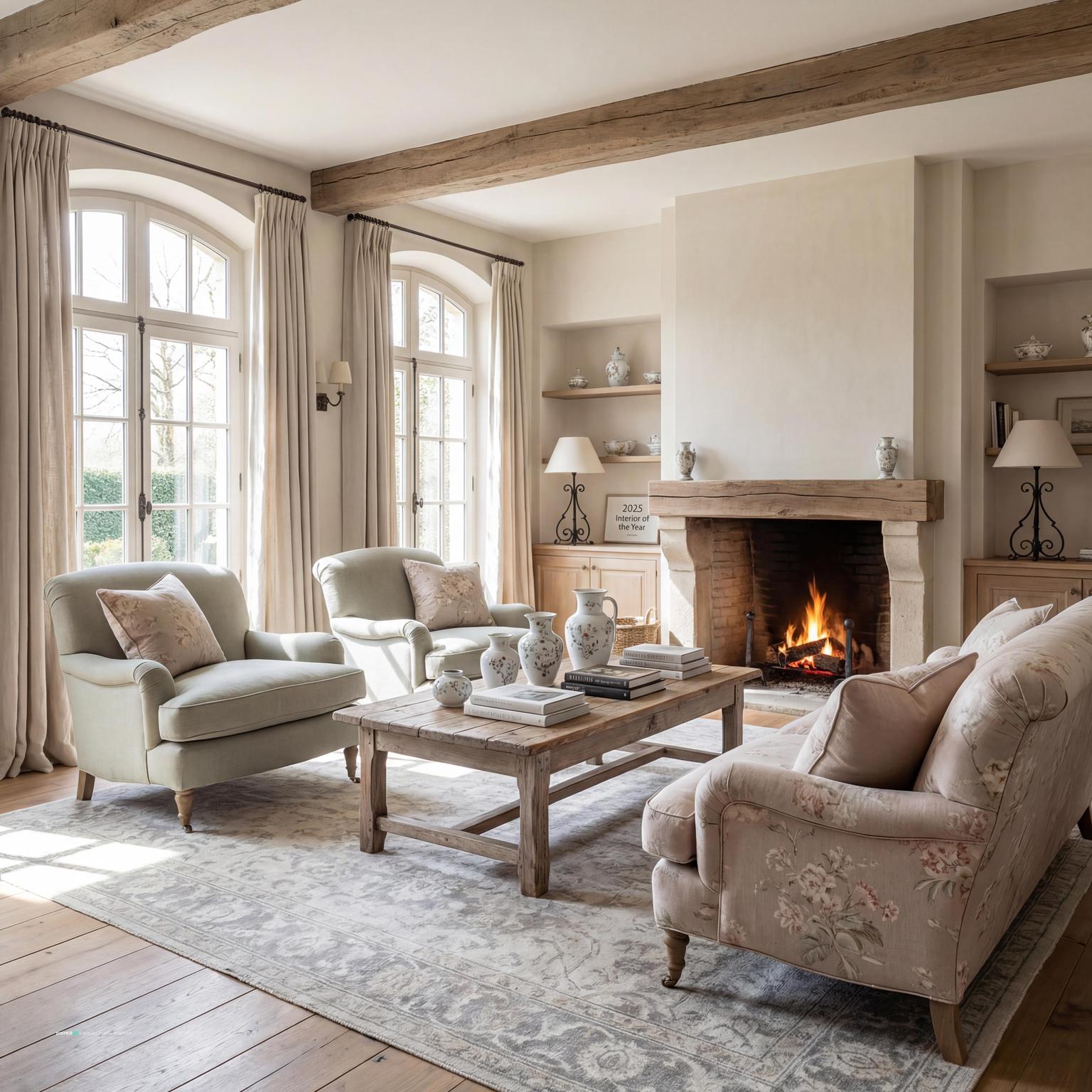
An elegant French Country living room design offers a refined rustic charm, inviting guests to relax amidst its sophisticated yet comfortable decor.
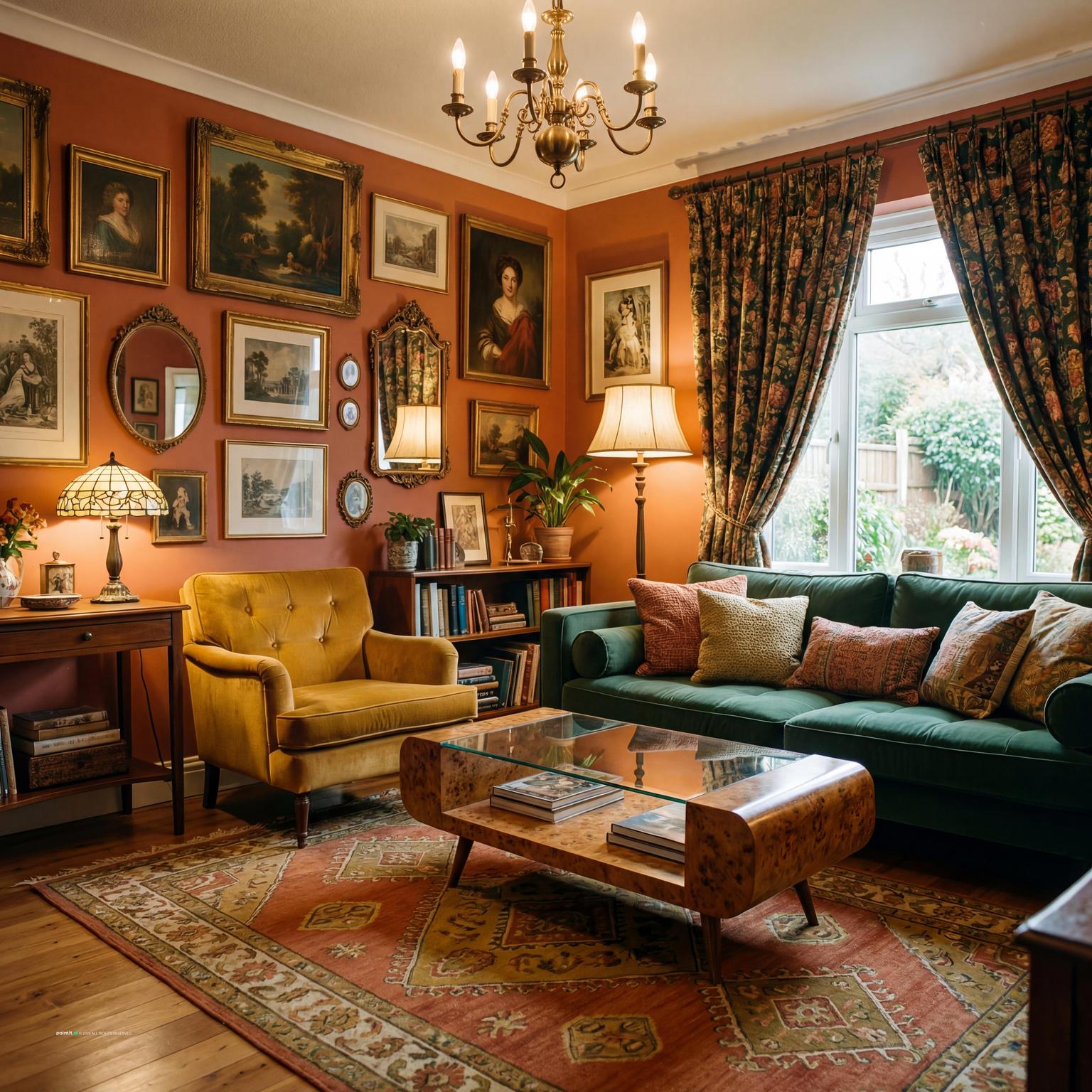
Embrace charming vintage eclectic living room design ideas, where curated rustic pieces and unique finds create a deeply personal and inviting atmosphere.
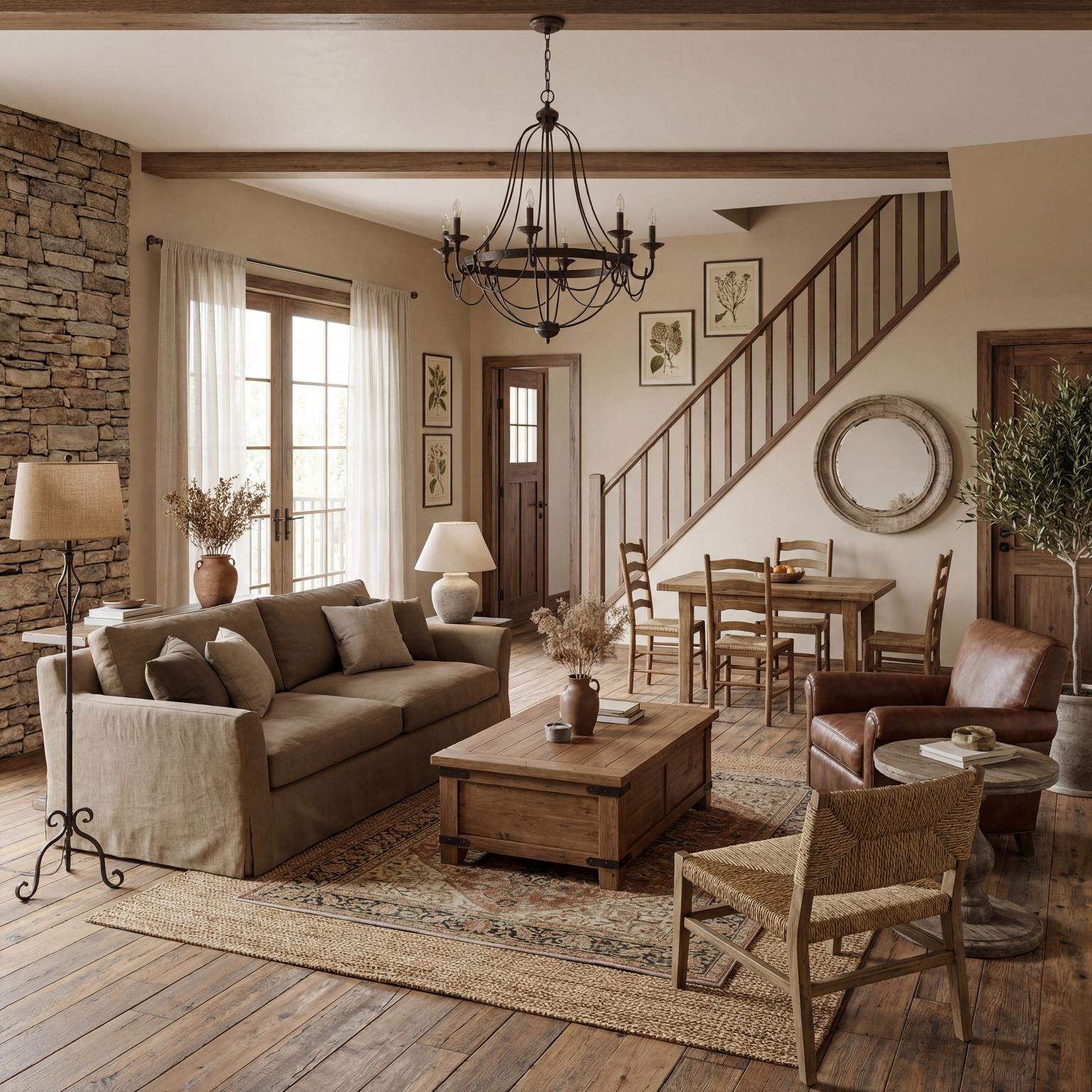
Explore charming rustic living room design ideas that blend natural textures and warm hues, crafting a comfortable and authentically inviting sanctuary.
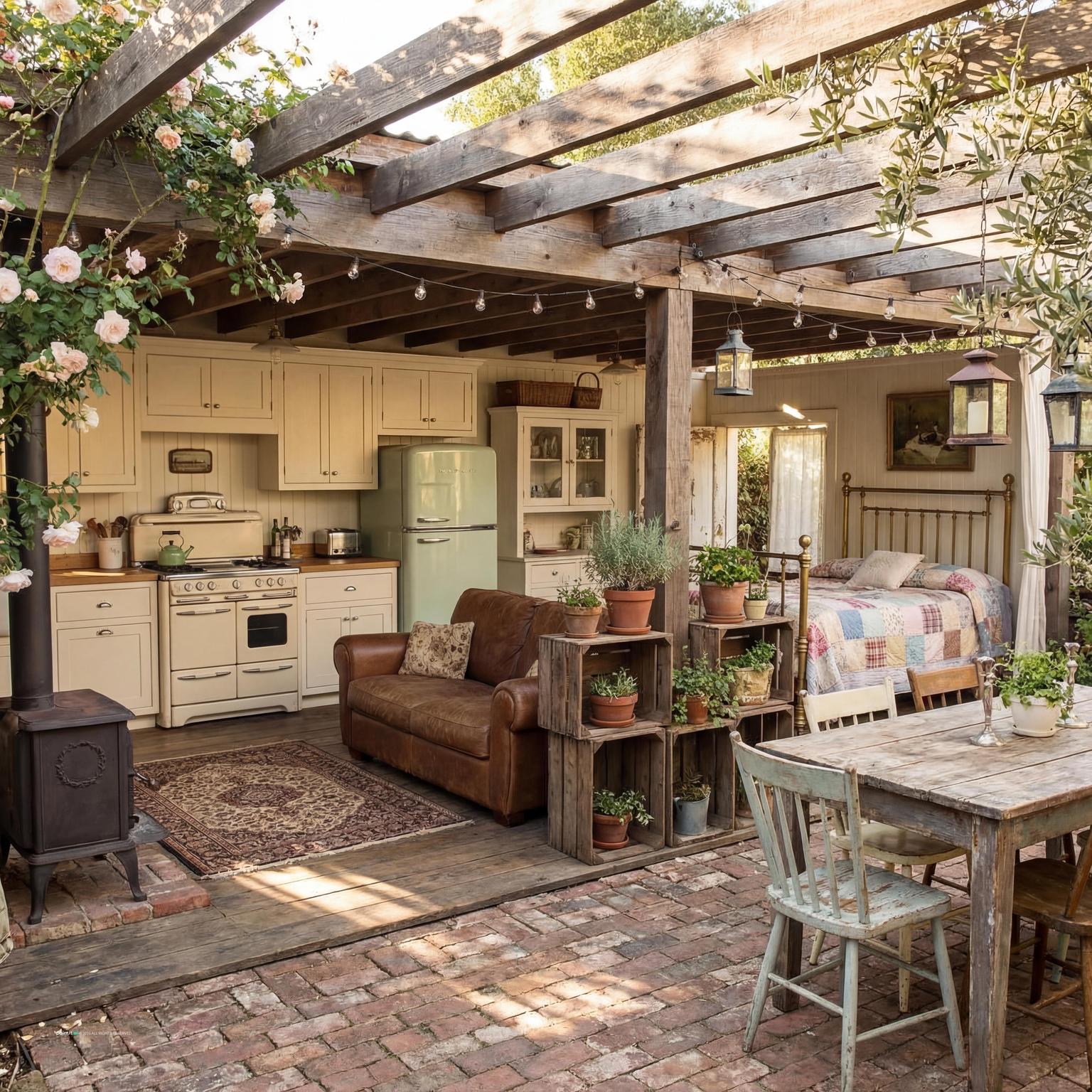
This charming vintage open-plan design seamlessly integrates a rustic living room with the kitchen, fostering a warm, communal atmosphere perfect for gatherings.
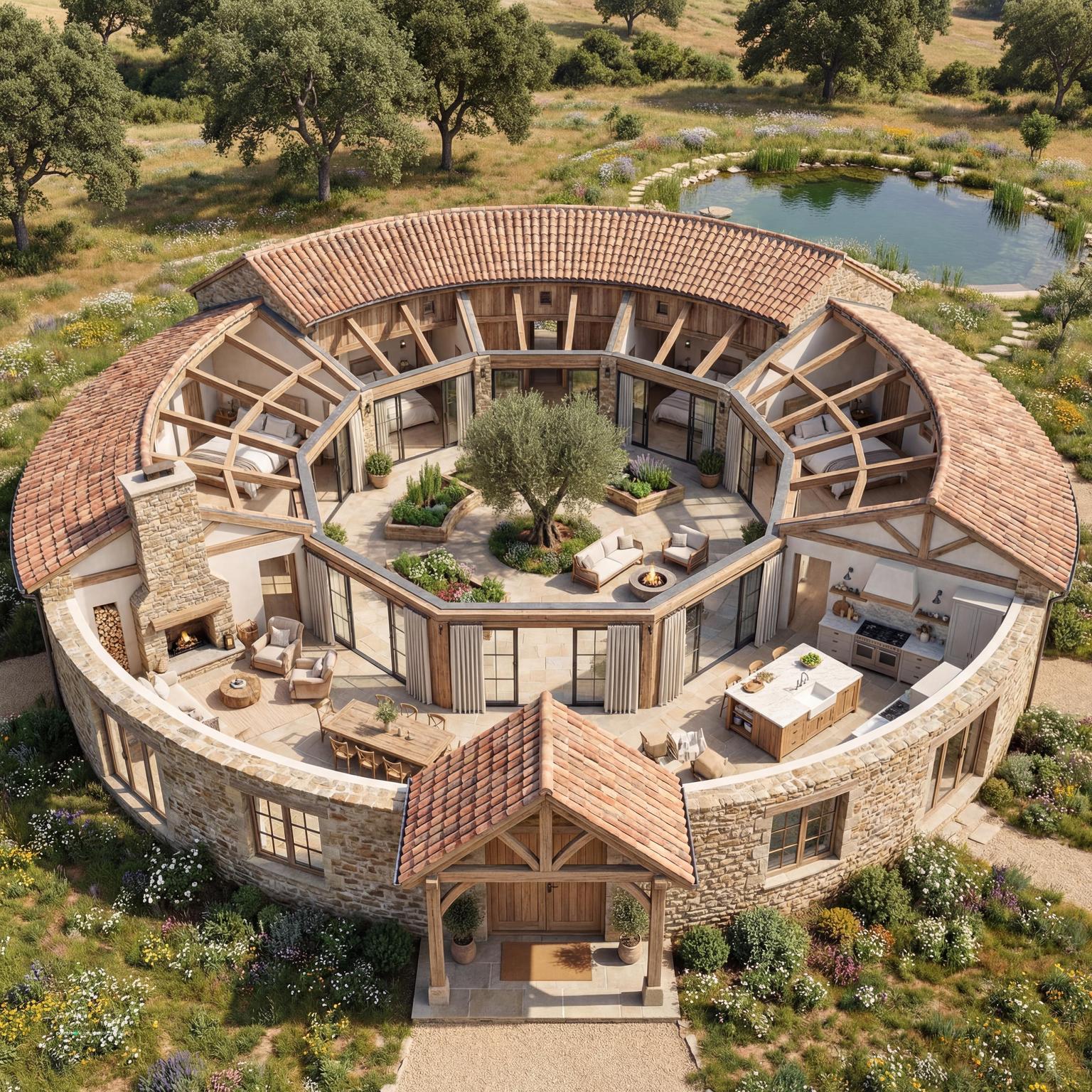
Discover a charming circular country home design that embraces rustic living room aesthetics, offering a unique and deeply inviting connection to nature.
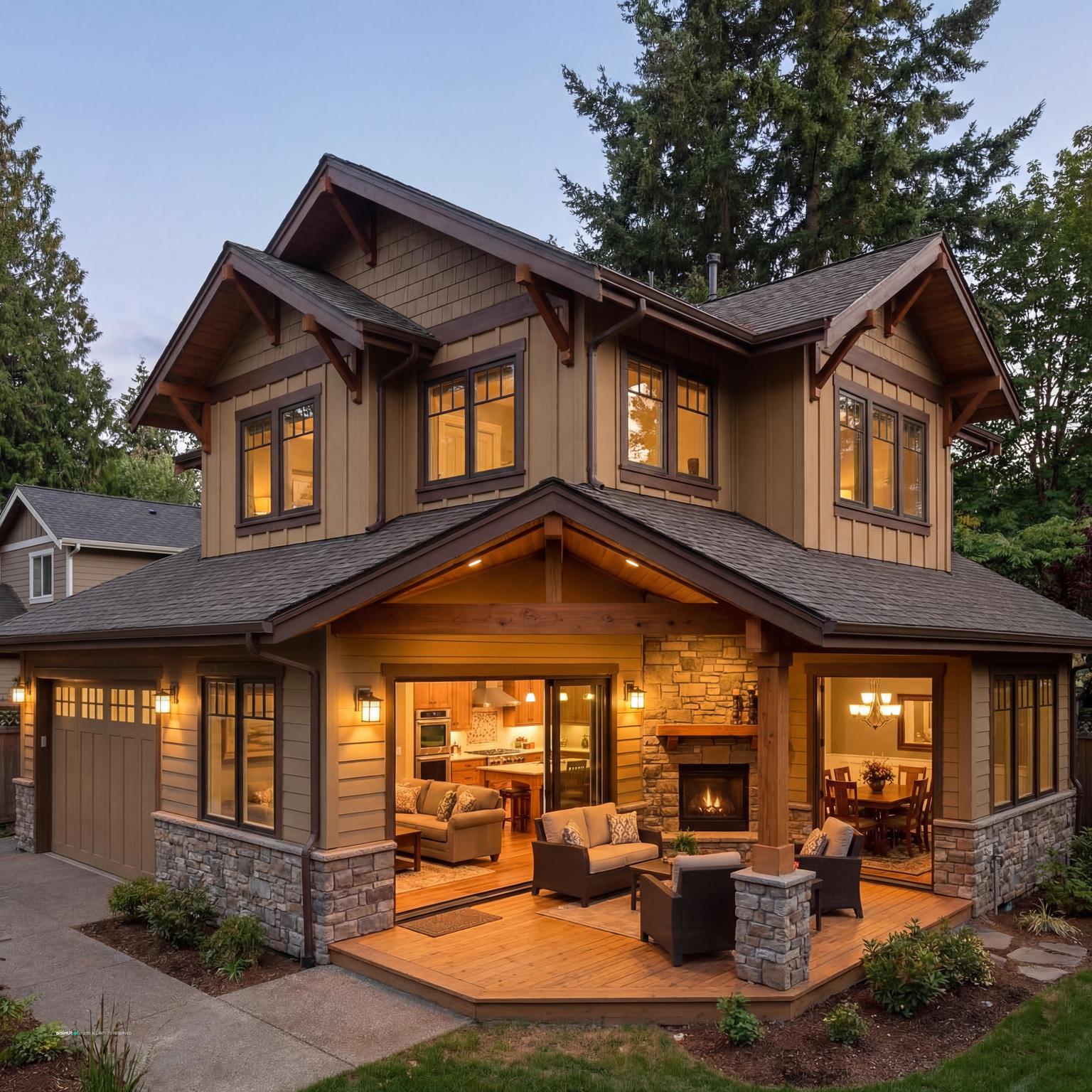
This Craftsman home design features a living room imbued with rustic charm, highlighting natural materials and artisanal details for a cozy feel.
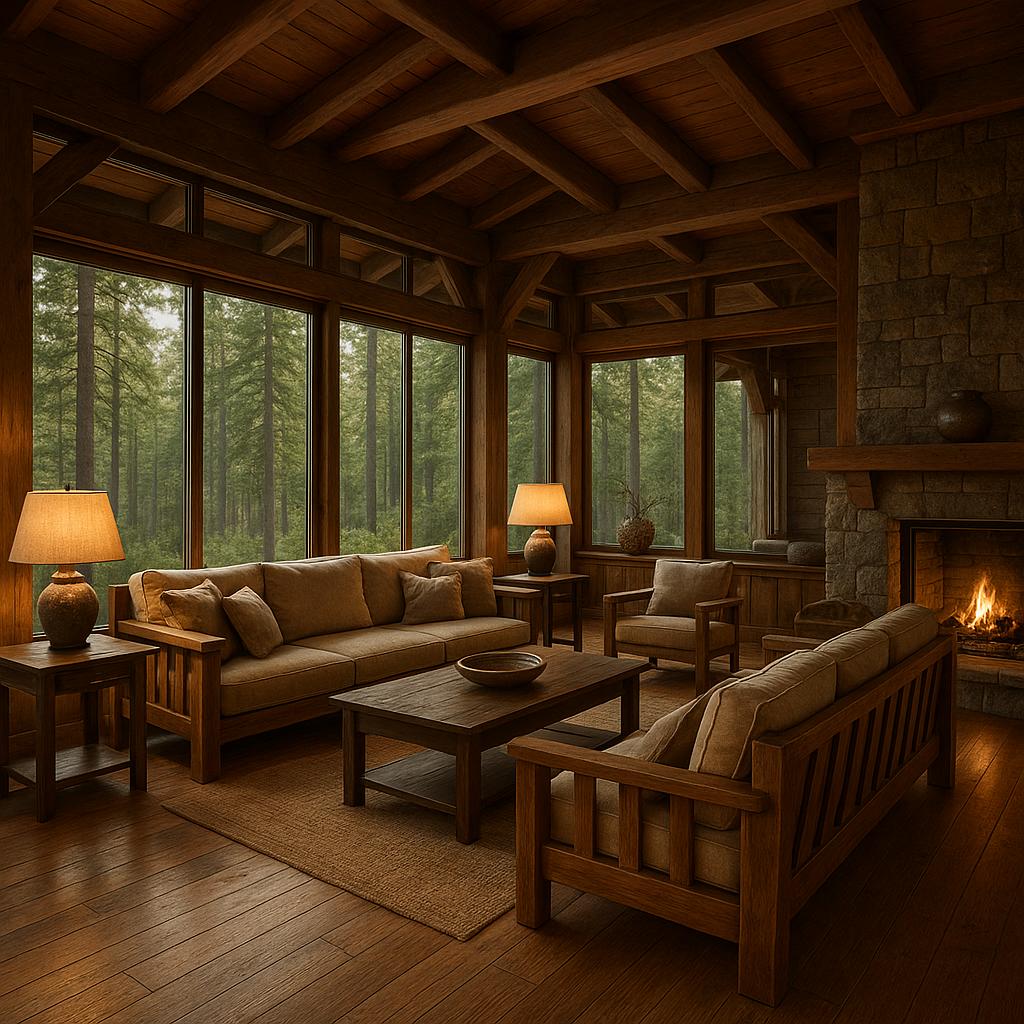
Lodge-Inspired Living Room Design brings together warm lighting for a more composed living room direction.
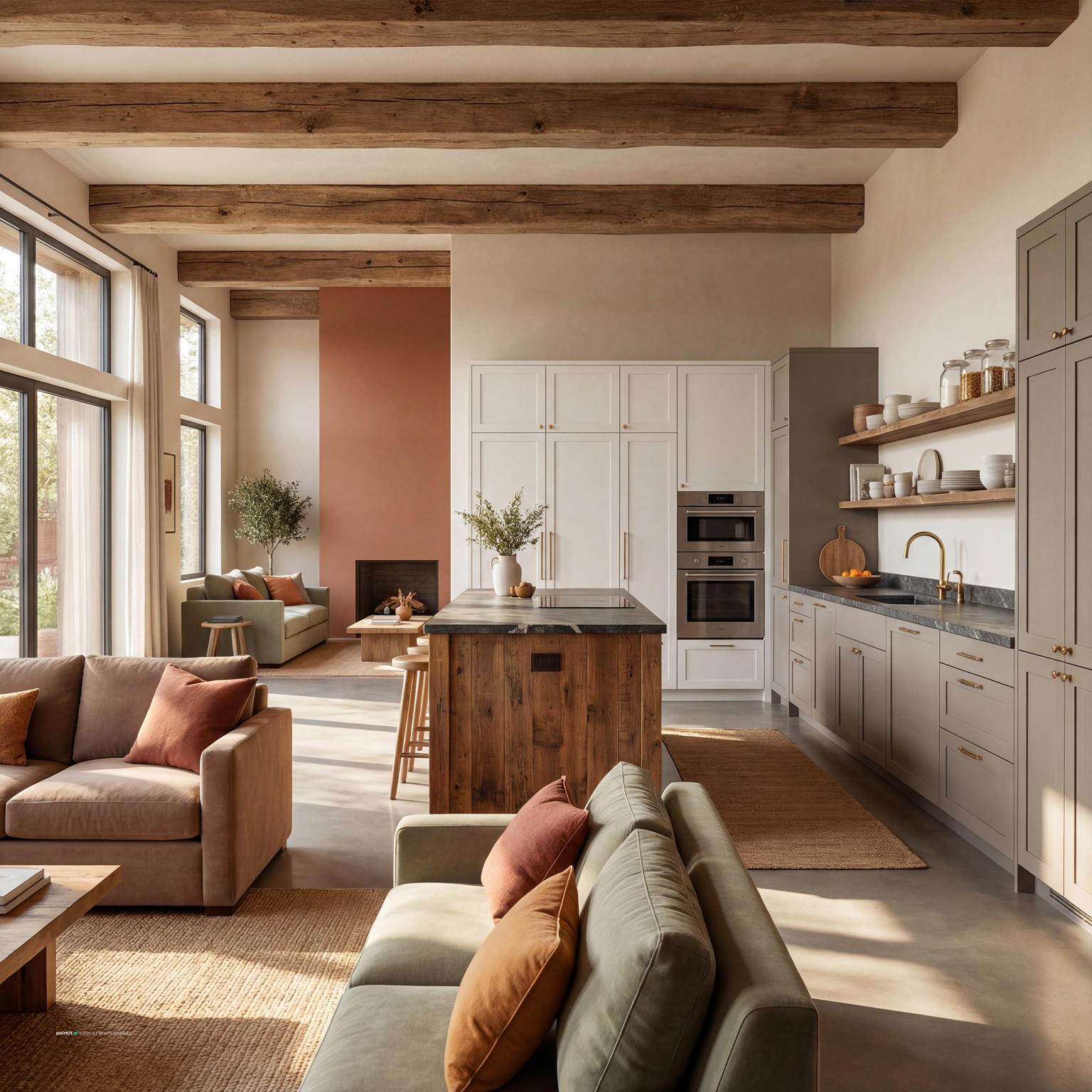
Modern Rustic Kitchen & Living Room Design brings together open shelving for a more composed living room direction.
There’s something undeniably soulful about reclaimed wood. It carries history, a sense of time, and an unmatched texture that instantly grounds a space. We’ve seen this work best when used on an accent wall or to define a specific zone, like around a fireplace. It adds depth without overwhelming, creating a focal point that feels naturally aged.
For implementation, consider wide-plank barn wood or even old fence posts, carefully cleaned and treated. The variations in grain and color are what you’re after here. Pair it with smoother, more refined textures elsewhere to keep things from feeling too heavy. It’s about contrast, after all.
A stone fireplace isn't just a heat source; it’s the beating heart of any rustic living room. Its raw, organic texture brings the outside in, creating an immediate sense of warmth and permanence. A well-designed hearth can become the natural gathering spot, a place for quiet contemplation or lively conversation.
Think about using river stones, rough-cut granite, or even stacked slate. The key is to let the natural variations of the stone speak for themselves. Avoid overly polished finishes; we want that tactile, almost untouched feel. Flank it with built-in shelves crafted from solid oak for a cohesive look.
Nothing says "lived-in comfort" quite like a beautifully aged leather sofa or armchair. It’s durable, develops character over time, and offers a sophisticated counterpoint to rougher textures. This isn't about pristine perfection; it’s about embracing the scuffs and marks that tell a story.
Look for full-grain leather in rich, earthy tones—think cognac, chocolate, or a deep oxblood. A Chesterfield style or a classic club chair works wonders here. Pair it with chunky knit throws and linen pillows to soften the edges and invite lounging. a good leather piece only gets better with age.
Forged iron elements introduce a touch of old-world craftsmanship and a robust, industrial edge to a rustic living room. From lighting fixtures to curtain rods or even decorative grates, these pieces add a dark, grounding contrast to natural wood and stone. It’s a subtle nod to traditional artistry.
Consider a large wrought iron chandelier as a central light source, or use smaller sconces to create ambient glow. Hardware on cabinetry or a sturdy fireplace screen can also incorporate this material. The raw, hammered finish is what you’re after; avoid anything too shiny or mass-produced looking.
A truly authentic rustic living room look feels collected, not decorated. Incorporating vintage and antique pieces adds layers of history and personality that new items simply can’t replicate. These aren't just objects; they're conversation starters, each with its own past.
Hunt for old wooden chests that can double as coffee tables, antique armoires for storage, or framed botanical prints. The patina on these pieces is invaluable. Mix and match eras and styles; a worn Persian rug next to a mid-century modern lamp can be surprisingly cohesive. the power of a truly unique find.
Comfort in a rustic space comes from touch, from the feeling of soft, organic materials against your skin. Layering natural textiles adds warmth, texture, and an inviting softness that balances out the harder surfaces of wood and stone. It's about creating a tactile experience.
Think chunky wool throws draped over a sofa, linen curtains that gently filter light, and jute or sisal rugs underfoot. Sheepskin rugs tossed over armchairs or benches add an immediate sense of luxury and coziness. Don't be afraid to mix different weaves and textures; that's where the visual interest lies.
There’s a raw beauty in furniture that shows the marks of its making. Hand-hewn pieces, with their imperfect edges and visible tool marks, celebrate craftsmanship and bring an unrefined elegance to a rustic living room. They feel substantial, grounded, and utterly unique.
Look for coffee tables with live-edge slabs, side tables carved from tree stumps, or benches with visible joinery. These pieces often become immediate focal points. The key is to let their natural form and texture shine, pairing them with simpler, understated accessories. It’s about preservation over imposition.
The right lighting can make or break the atmosphere of a rustic living room. Harsh, overhead lights just won't do. We’re aiming for a soft, inviting glow that mimics natural light or the flicker of a fire, creating a sense of intimacy and relaxation.
Incorporate multiple light sources: floor lamps with linen shades, table lamps with ceramic bases, and sconces that cast a warm wash on walls. Edison bulbs in exposed fixtures add a vintage touch. Dimmers are your best friend here, allowing you to adjust the mood throughout the day and evening. The result? Impeccable.
A rustic living room feels deeply connected to nature, and what better way to reinforce that than with living plants? They add freshness, vibrancy, and a touch of organic softness that contrasts beautifully with hard surfaces. It’s about creating a continuous flow between inside and out.
Choose robust, low-maintenance plants like fiddle-leaf figs, snake plants, or large ferns. Display them in terra cotta pots, woven baskets, or even antique crocks. A collection of smaller succulents on a reclaimed wood shelf also works. The thing is, green just makes everything feel more alive.
The foundation of any rustic living room starts from the ground up. Flooring options that are durable, textured, and visually rich contribute significantly to the overall aesthetic. It’s about choosing materials that can withstand time and tell a story.
Wide-plank hardwood floors, especially those with a distressed or matte finish, are a classic. Reclaimed terra-cotta tiles offer a warm, earthy feel, reminiscent of old-world villas. For a more industrial rustic vibe, consider polished concrete. Layering a large area rug on top adds warmth and defines zones.
Hand-made objects carry an inherent warmth and authenticity that mass-produced items lack. Artisan pottery and ceramics, with their unique glazes and imperfect forms, add a touch of human touch and artistic flair to a rustic living room. They feel personal, curated.
Display a collection of hand-thrown vases on a mantel, use ceramic bowls as decorative accents on a coffee table, or even incorporate a large, unglazed pot as a planter. Look for pieces with earthy tones and tactile finishes. The choice was risky, but the payoff is always worth it when you find something truly special.
If your rustic living room has a view, let it be the star. Window treatments should enhance, not detract from, the connection to the outdoors. The goal is to allow natural light to flood the space and frame the landscape as if it were a living painting.
Opt for unlined linen drapes in a neutral color, or simple Roman shades made from a natural fiber like jute or cotton. For a truly minimalist approach, sometimes no window treatment at all is the best option, especially if privacy isn't a concern. It’s about preservation over imposition, again. sometimes less is just more.
The second gallery leans into more specific directions through beige, helping compare different ways the same living room can feel at home.
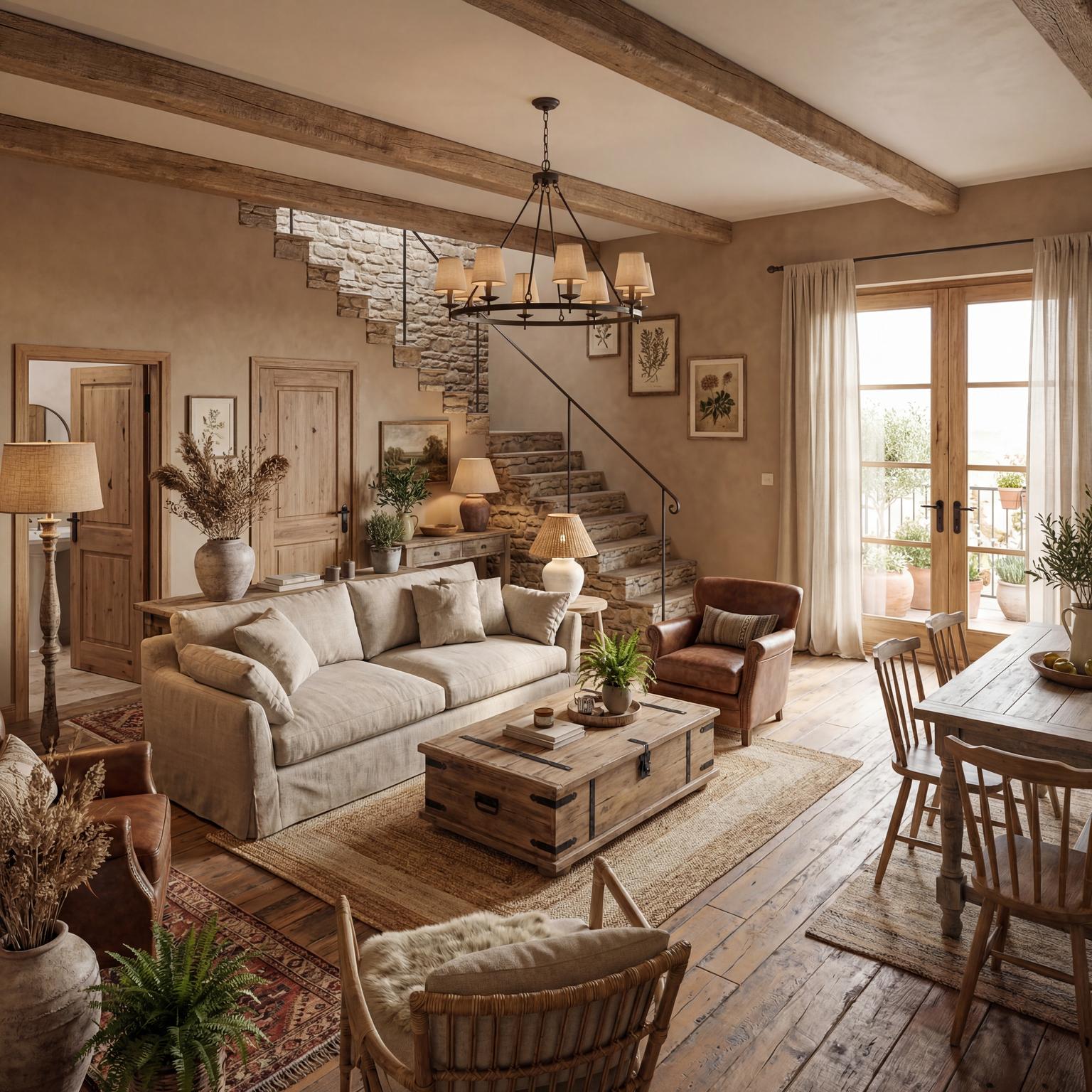
Embrace the charm of a rustic living room design, where natural elements and cozy textures create an inviting and serene sanctuary.
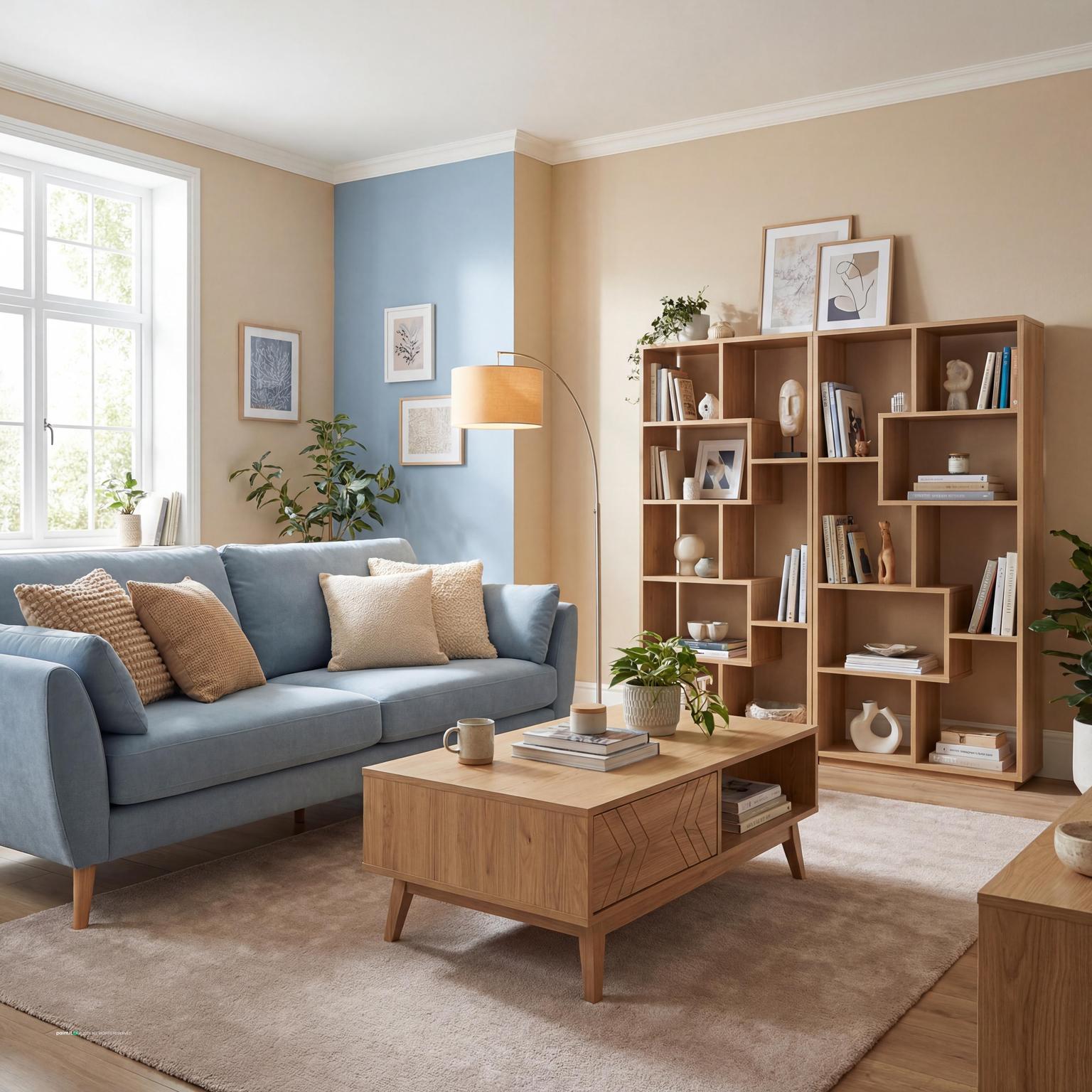
This cozy blue and beige living room design effortlessly blends comfort with rustic charm, perfect for relaxed gatherings.
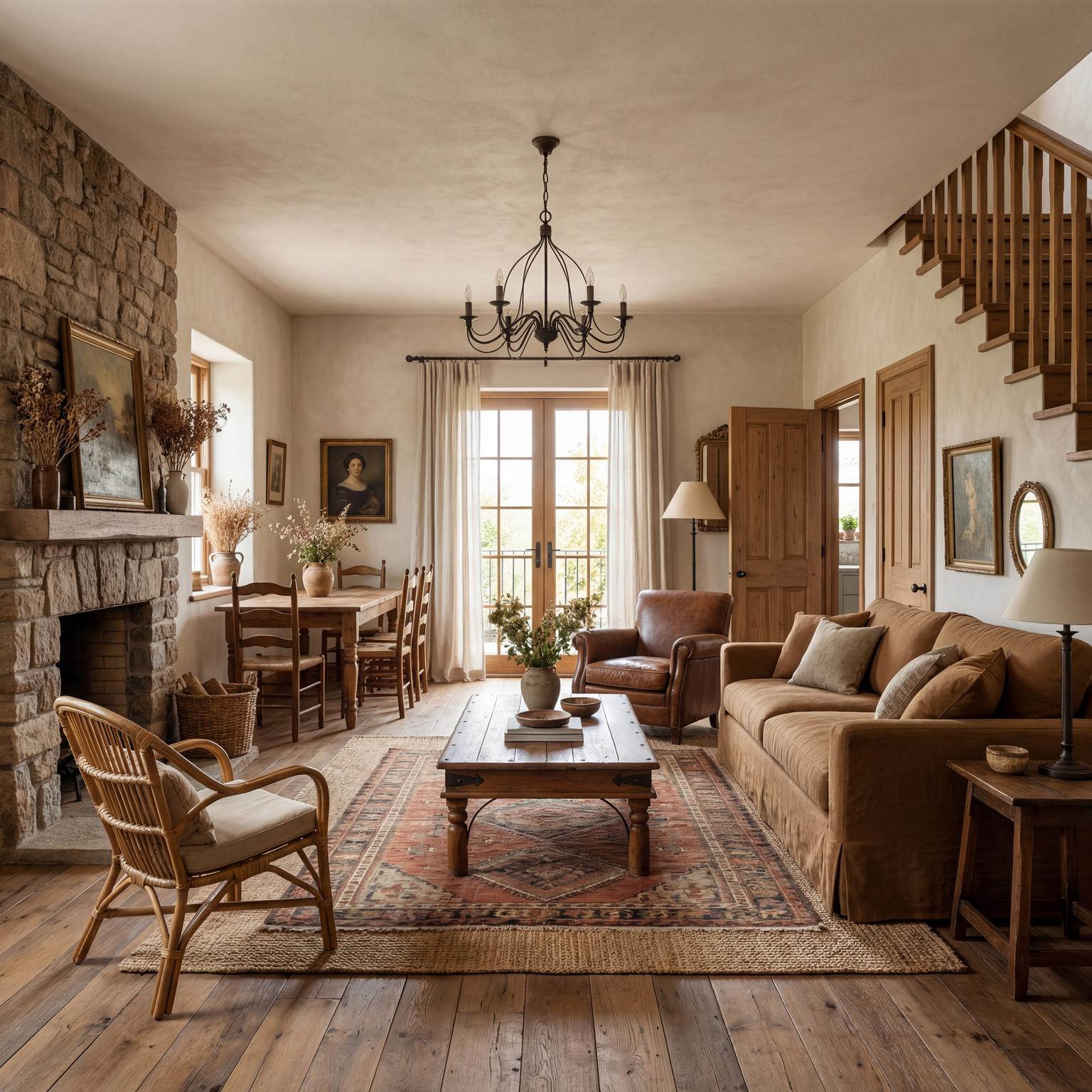
Explore warm rustic living room design ideas, inviting you to relax amidst rich textures and a comforting, earthy palette.
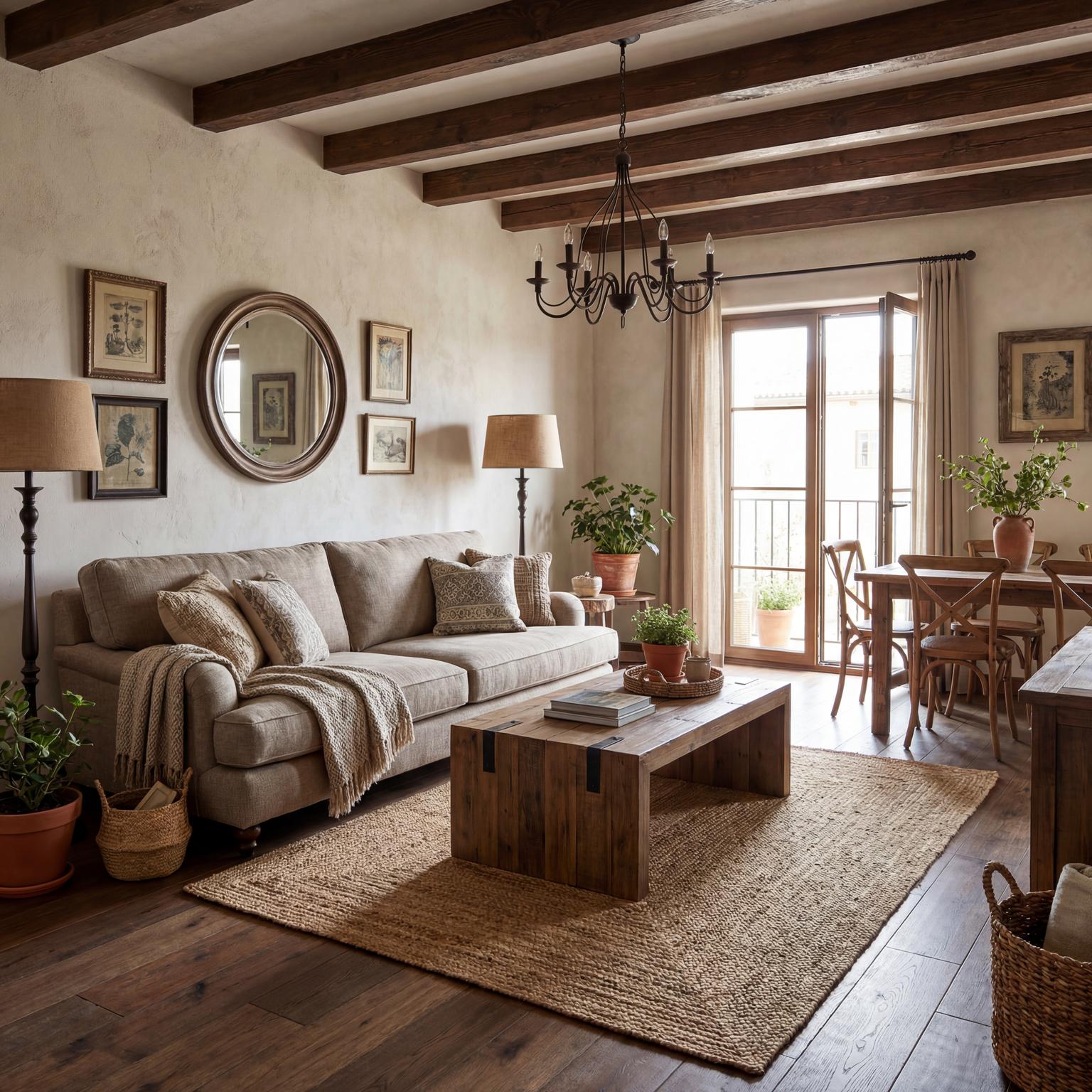
Discover cozy rustic living room design ideas that transform any space into a welcoming retreat with authentic, natural charm.
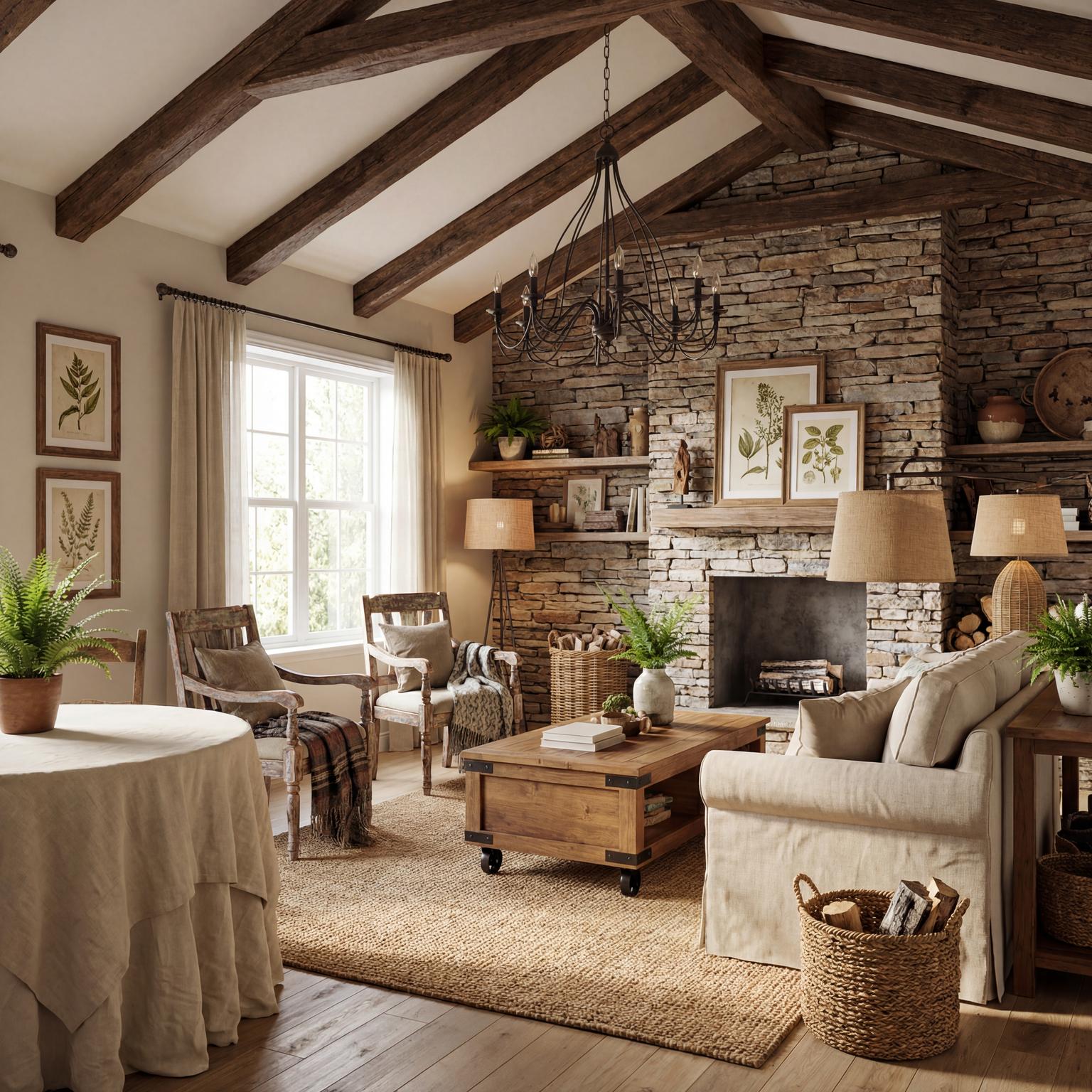
Unleash rustic living room transformation ideas to infuse your home with timeless character and a deep connection to nature.
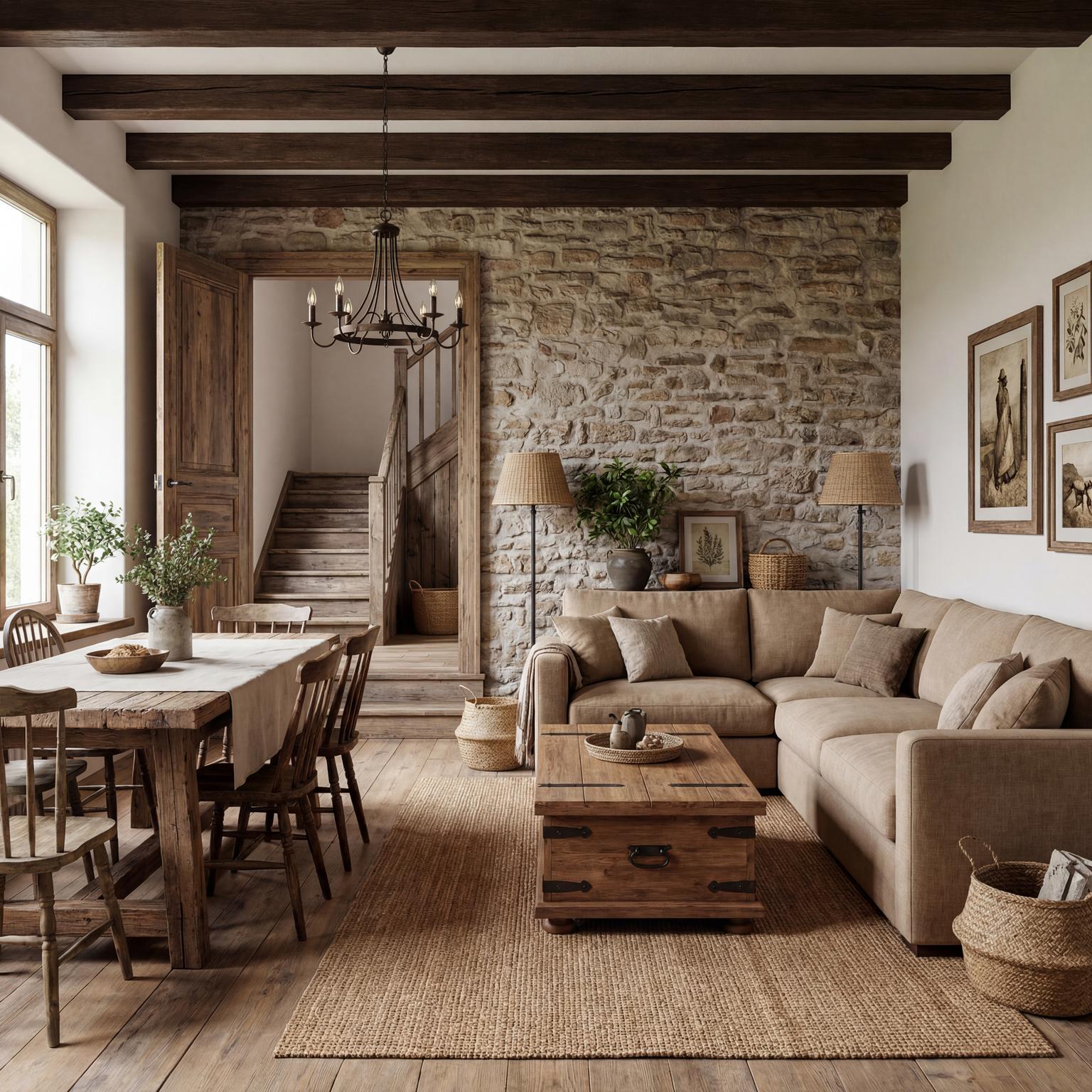
This charming rustic living room design captures the essence of comfort, creating a serene and inviting space for all.
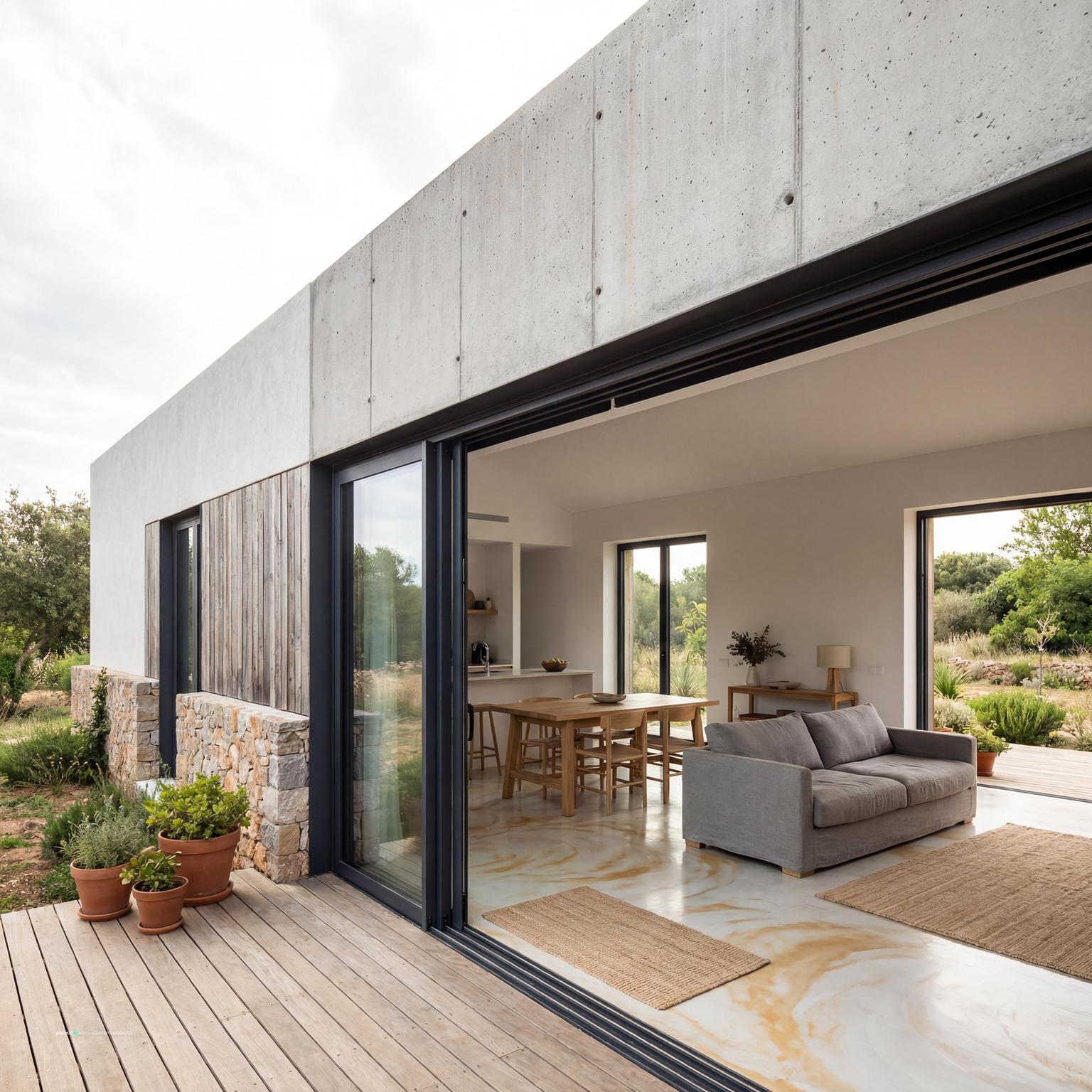
Experience the unique appeal of this rustic contemporary country house design, offering a stylish yet warm rustic living room ambiance.
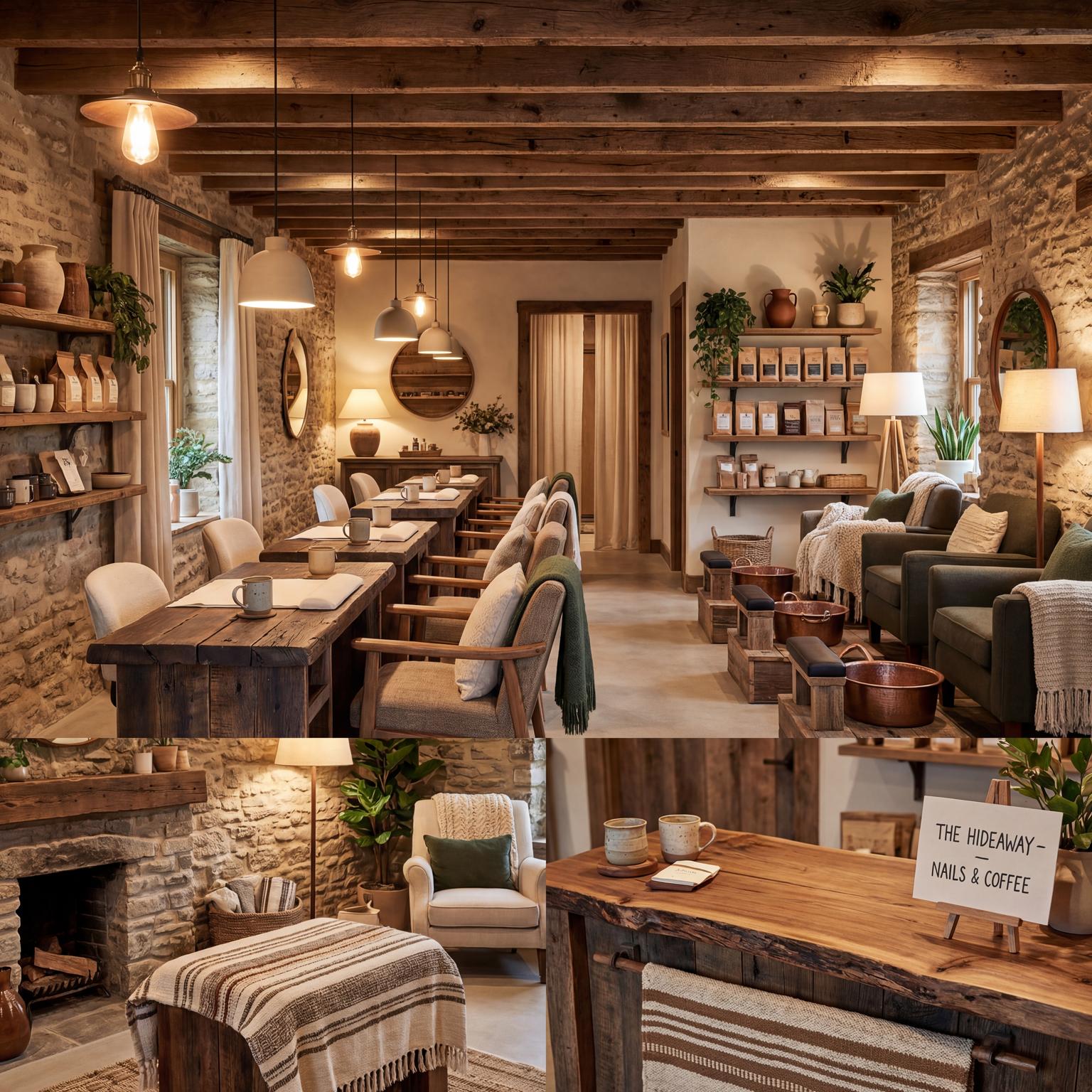
A rustic living room aesthetic is beautifully integrated into this nail spa and coffee sanctuary, offering a cozy, natural retreat.
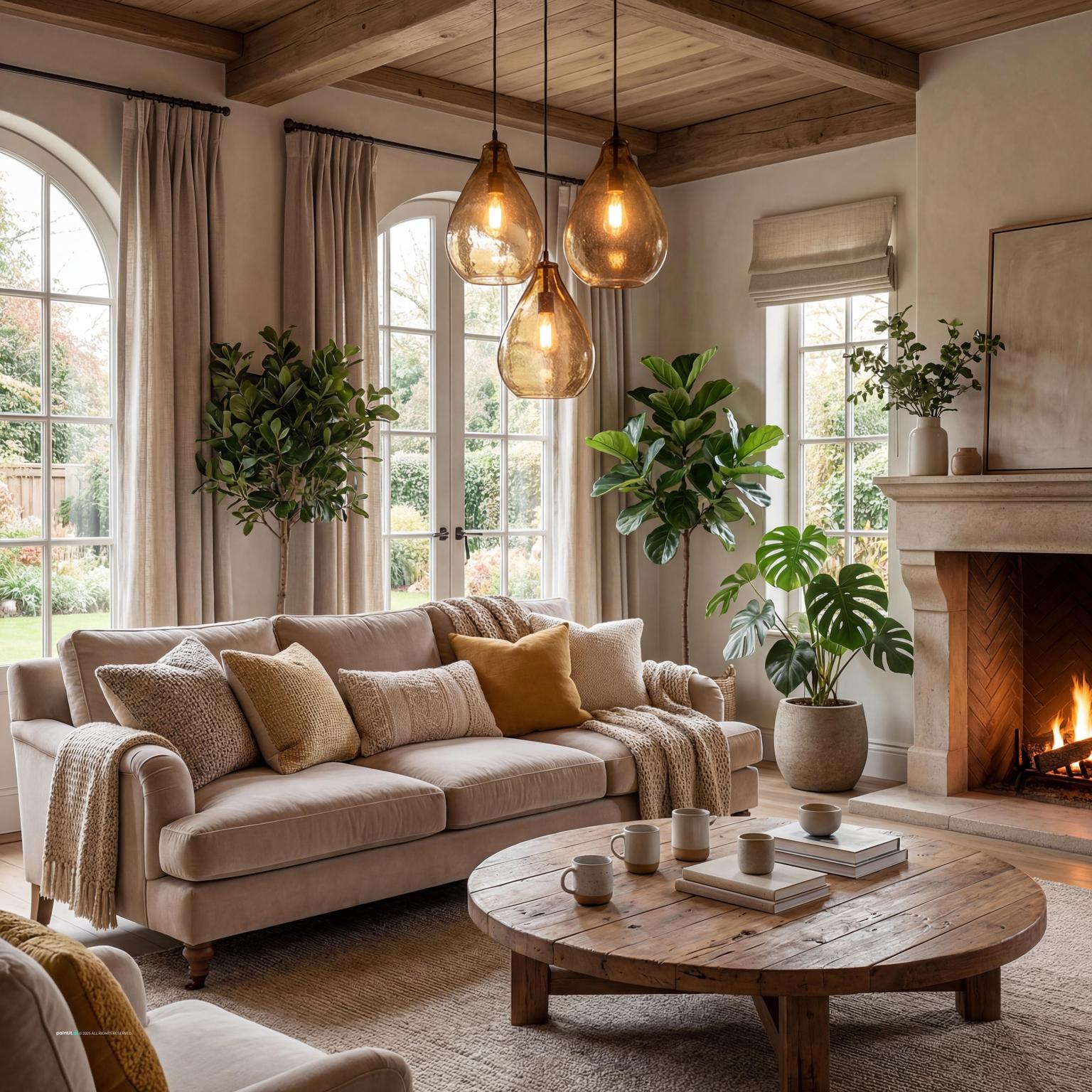
This cozy earth-toned living room design perfectly embodies rustic charm, creating a warm and grounded space for relaxation.
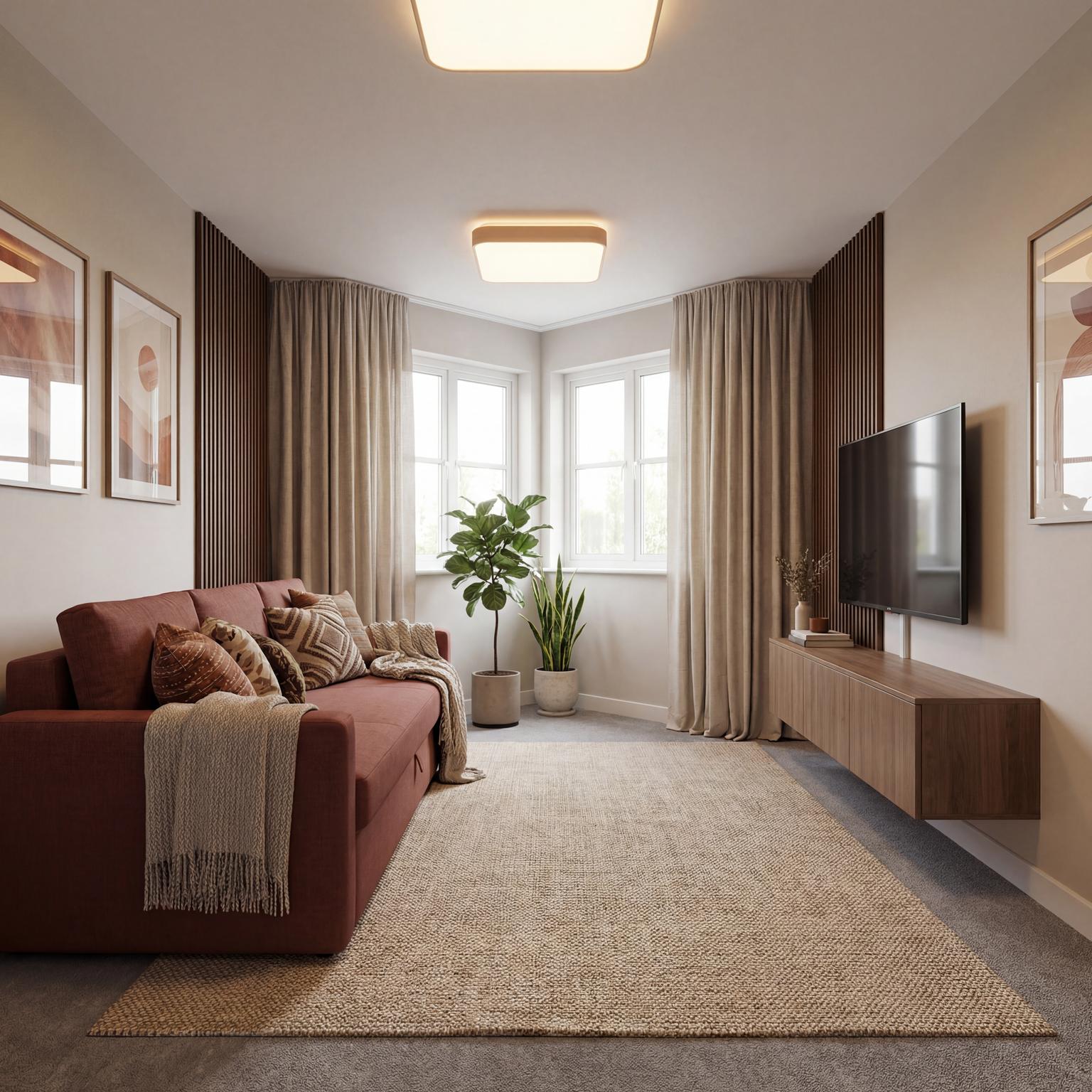
Discover an elegant redesign for a cozy second living room, where rustic elements create an exceptionally warm and inviting atmosphere.
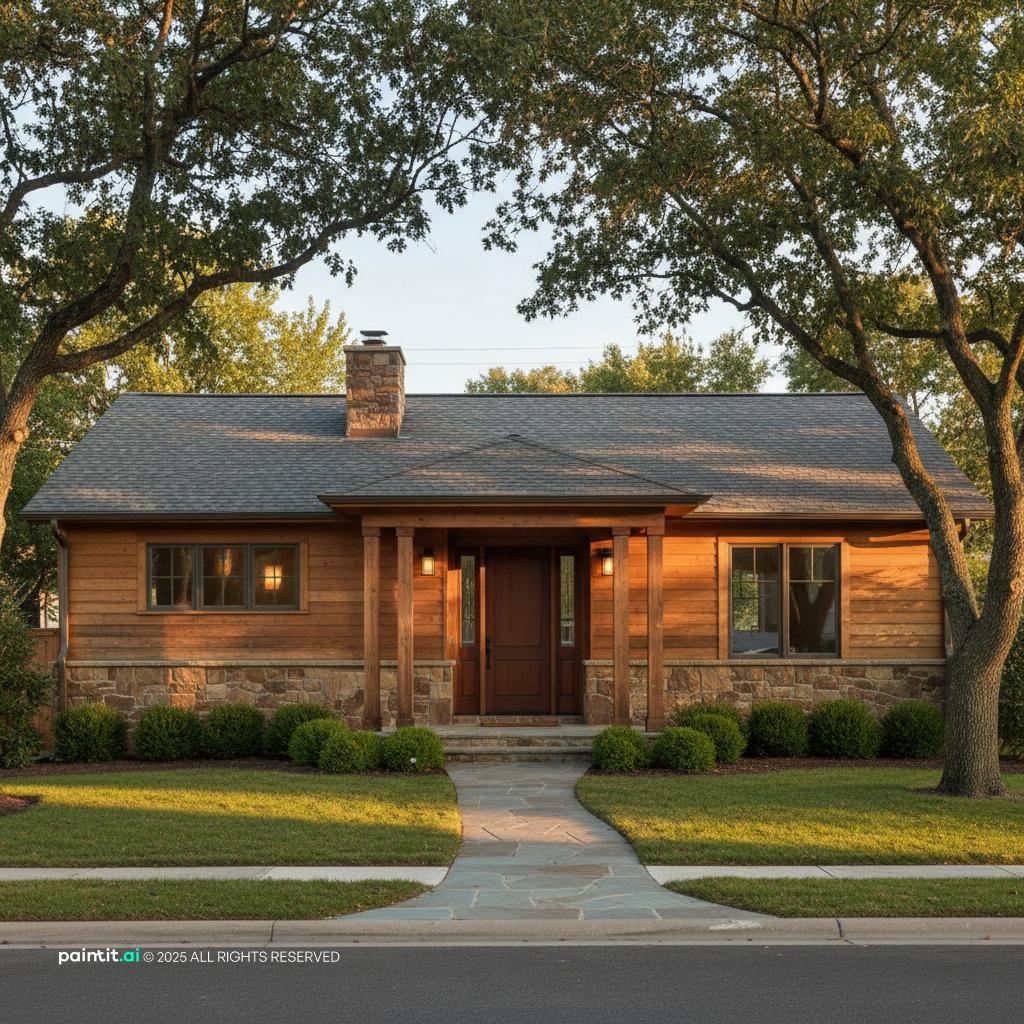
Stunning Ranch-Style 3BHK House Exterior brings together stone accents for a more composed living room direction.
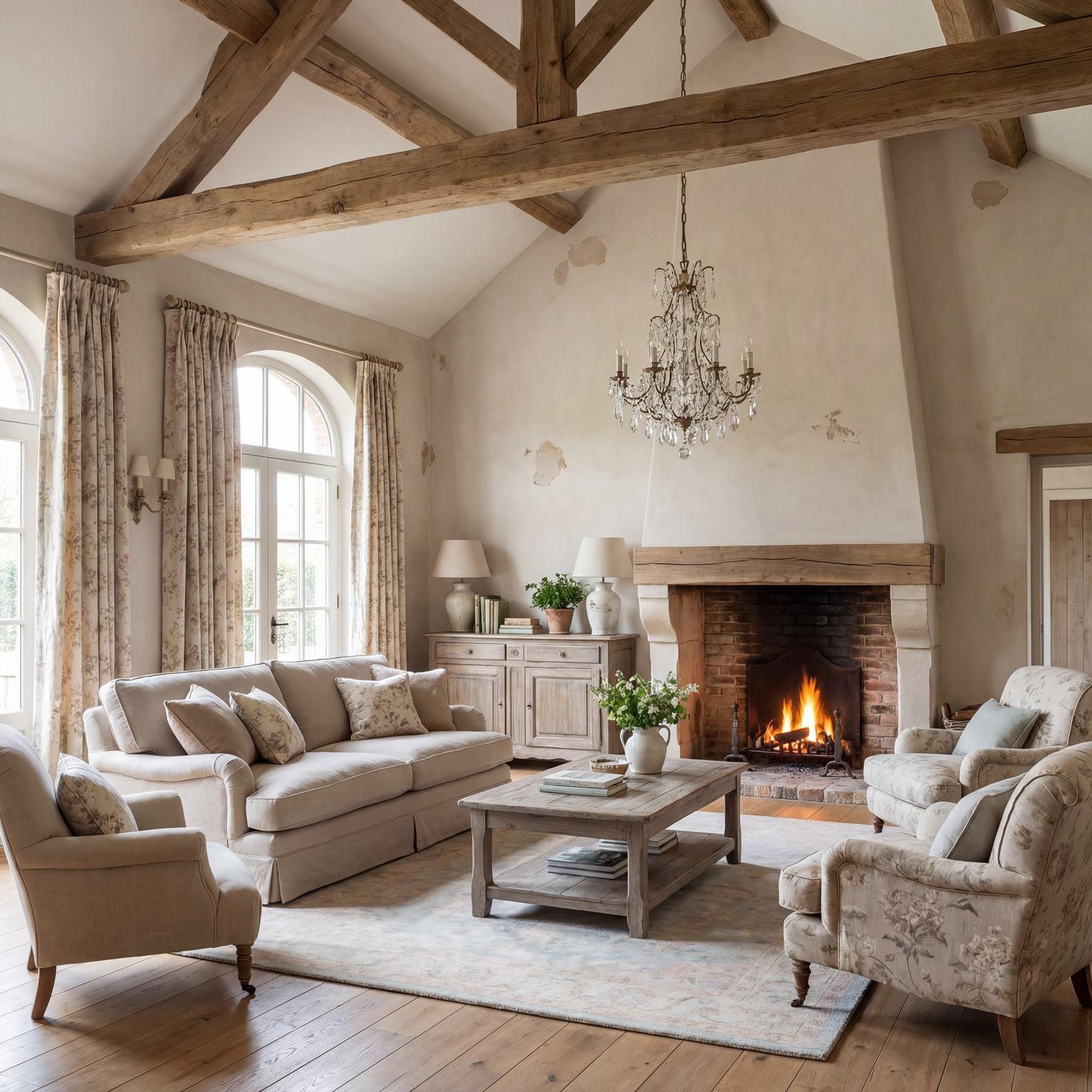
Elegant French Country Living Room Design brings together linen, stone, and rug for a more composed living room direction.
We lean into a palette of deep forest greens, warm ochre, creamy off-whites, and grounding charcoal. These are often balanced with the rich, natural tones of wood and the occasional faded red or muted gold from a vintage textile. It’s about creating a harmonious backdrop that feels both serene and deeply rooted, offering endless rustic living room inspiration.
For a related take on the same room, explore Living Room Old Rustic Old Vintage Living Room.
Reclaimed wood planks, with their visible grain and imperfections, form the backbone of any rustic living room. We layer in the cool, solid presence of natural stone, perhaps a river rock fireplace, then soften everything with the tactile richness of distressed leather and chunky wool throws. Wrought iron accents, dark and strong, provide a crucial contrast, adding depth to the rustic living room interior design.
For a related take on the same room, explore Living Room Rustic Burnt Orange Living Room.
A substantial, inviting sofa, often a deep-tufted leather piece, anchors the rustic living room. We pair this with a hand-hewn coffee table, perhaps a live-edge slab, celebrating natural forms. An antique armchair, worn just right, adds another layer of history and comfort; proportion is key here, ensuring pieces feel grounded without overwhelming the space. Sometimes, finding the right scale for a smaller living room can be tricky, but it’s worth the hunt.
For a related take on the same room, explore Living Room Rustic Farmhouse Farmhouse Living Room Ideas.
Achieving that perfect rustic living room atmosphere means layering light. We start with a soft ambient glow from sconces and floor lamps, then add task lighting where needed, perhaps a reading lamp beside an armchair. Accent lighting, like a dimmable wrought iron chandelier, draws the eye and enhances the room’s textures, creating a truly intimate setting. The result? Impeccable.
For a related take on the same room, explore Living Room Rustic Scandinavian Living Room.
For a truly collected rustic living room look, we lean into artisan pottery, displaying a group of three varying-height ceramic vases on a mantel. Then, we might add five framed botanical prints or vintage maps on a wall, creating a cohesive visual story. Finally, seven carefully chosen books and a couple of found objects on a side table complete the vignette, ensuring each arrangement feels effortlessly composed and deeply personal. these odd numbers just feel more natural, more organic, adding to the overall rustic living room inspiration.
balancing rugged elements with inviting comfort in a rustic living room often feels like a puzzle. Will that reclaimed wood wall clash with your stone hearth, or will the distressed leather sofa fit the scale? Paintit.ai lets you visualize countless rustic living room interior design options instantly, avoiding costly missteps. See your perfect rustic living room look come alive.
Before changing furniture or finishes, you can preview the direction with an interior design visualizer.
A rustic living room, at its core, embraces natural elements and a sense of unpretentious comfort. We’re talking about raw, often unfinished textures—think exposed wooden beams, natural stone fireplaces, or wide-plank flooring that tells a story. It’s a space that feels grounded, almost as if it grew organically from its surroundings. The aesthetic isn't about perfection; it’s about celebrating the inherent beauty in imperfections, in materials that show their age gracefully. This isn't just a style; it's a feeling, a quiet invitation to slow down.
The trick to a fresh rustic living room interior design is balance. We often see people go all-in on heavy, dark wood, which can quickly feel dated. Instead, pair those foundational rustic elements—say, a reclaimed wood coffee table or a rough-hewn mantel—with cleaner lines and lighter finishes. Imagine a sleek, low-slung sofa in a neutral linen, or perhaps some minimalist black metal accents. The contrast is key. We’ve found that incorporating modern lighting fixtures, like a sculptural pendant lamp, or even abstract art, can instantly lift the entire rustic living room look, keeping it current and inviting.
For an authentic rustic living room, it’s all about texture and natural origin. Wood, of course, is paramount—think oak, pine, or even salvaged barn wood, often left in its natural state or with a matte finish. Stone, whether it’s river rock for a fireplace surround or flagstone for a hearth, brings that earthy weight. Textiles play a huge role too: chunky wool throws, worn leather armchairs, or linen curtains. Don’t forget metals like wrought iron or brushed bronze for hardware or lighting; they add an industrial edge that complements the organic forms. these materials aren't just decorative; they’re integral to the very soul of the space.
Start by looking to nature itself; the colors, the textures, the light. Beyond that, we always suggest exploring regional design traditions. A rustic living room in the mountains of Montana will inherently differ from one in the Tuscan countryside, each offering unique rustic living room inspiration. Think about what resonates with you: is it the rugged charm of a log cabin, the serene simplicity of a Scandinavian farmhouse, or the warm embrace of a French country home? Pinterest and Instagram are obvious starting points, but don't underestimate design books focused on natural homes or even architectural magazines that highlight homes integrated into their landscapes. It’s about finding a story you want your space to tell.
Absolutely. One major pitfall we often see is overdoing it—too much wood, too many antlers, too many "rustic" clichés. It can quickly feel theme-parkish, not authentic. Another common mistake is neglecting lighting; rustic spaces can become quite dark without careful planning. We recommend layering light sources: ambient, task, and accent. Also, scale matters immensely. A massive, chunky sofa might look great in a sprawling lodge, but it’ll overwhelm a smaller room. It sounds simple, but many forget to consider how each piece contributes to the overall feeling. The goal for a rustic living room isn't to fill it with rustic items, but to curate a feeling of warmth, history, and connection to the natural world.