7 min. reading

Yulii Cherevko
CEO paintit.ai
Published: Updated:
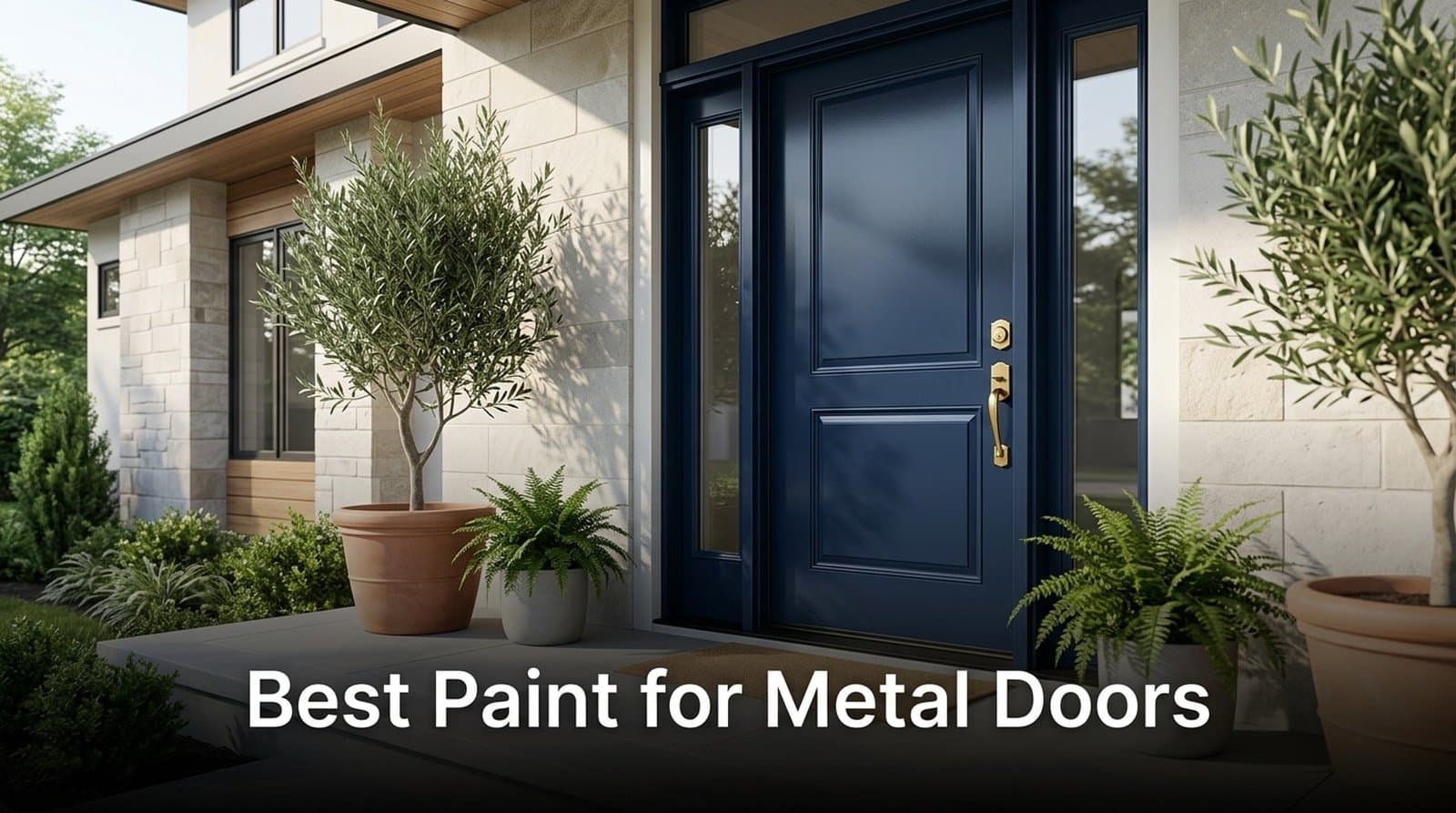
The best paint for metal doors is a coating system approved for the particular metal, existing finish and exposure. A metal-rated exterior enamel over the specified corrosion-control primer is a useful starting point for steel. A direct-to-metal acrylic is another option only where its instructions cover the prepared surface.
No ordinary metal door paint makes a door permanently rust-proof. Treat bare steel, galvanized metal, aluminum and sound factory primer as separate conditions. Color is the visual decision; adhesion and corrosion protection are the specification.
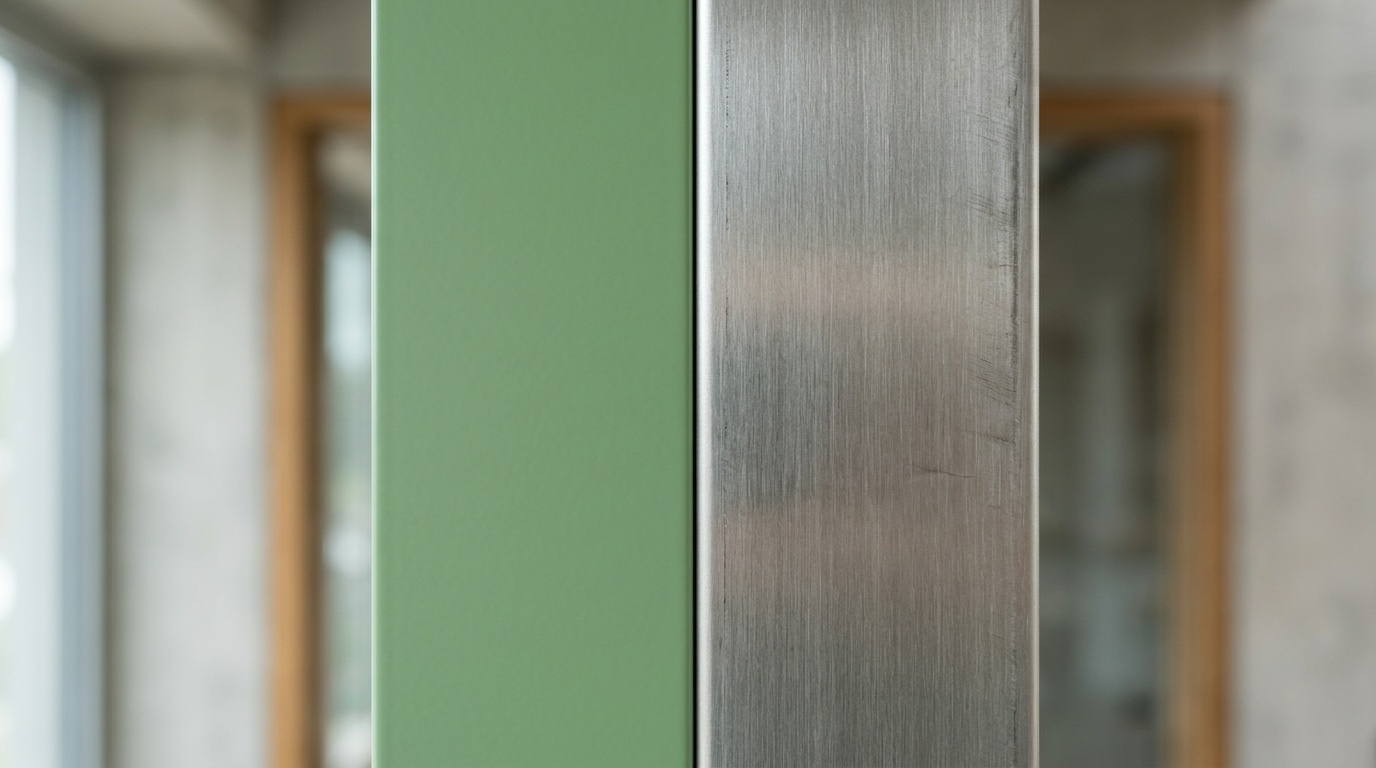
Unlike bare wood, metal does not absorb paint in the same way. Oil, salts, corrosion and slick old finishes can interrupt adhesion. Loose rust and peeling paint remain weak layers beneath a fresh topcoat.
Steel and iron can rust. Aluminum oxidizes differently, and galvanized steel has a zinc surface that can require different preparation and primer. Do not assume an alkyd suitable for ordinary steel is suitable directly on galvanized metal. Identify the material before buying.
A factory-primed steel door needs the door manufacturer's finishing instructions. A sound compatible primer may be retained; damaged or exposed areas may need treatment. Do not assume the primer supplied for shipping is a complete long-term weather finish.
For steel siding, follow the panel manufacturer's repaint specification separately. Large factory-coated panels, galvanized surfaces and door slabs do not necessarily share one preparation or primer system, even when the proposed topcoat color is the same.
| Coating Approach | Where to Consider It | Critical Limit |
|---|---|---|
| Exterior metal-rated acrylic enamel | Approved exterior door and trim systems | Bare steel may need a specified corrosion-control primer |
| Direct-to-metal acrylic | Prepared metal covered by the exact product instructions | DTM does not mean every metal or rusty surface needs no primer |
| Approved alkyd enamel system | Eligible steel or existing coatings | Check substrate compatibility, ventilation and cure requirements |
| Interior door-and-trim enamel | Compatible indoor metal doors | Interior approval is not approval for the weather-exposed face |
Sherwin-Williams describes Pro Industrial DTM Acrylic as a coating for prepared steel, aluminum and other specified substrates. That identifies a relevant coating category, not blanket permission to apply it to active rust, every galvanized door or any factory finish.
For an exterior enamel such as Emerald Urethane Trim Enamel, read both the surface and primer instructions. Its door-and-trim positioning does not turn it into a universal bare-metal rust treatment. Likewise, an interior enamel should not be moved outdoors because it has a hard finish.
Choose an alkyd only where the complete system permits it. Do not use “damp and shaded” as a rule that automatically makes oil-based paint superior. The source of water, corrosion condition, primer and approved exposure matter more than the binder alone.
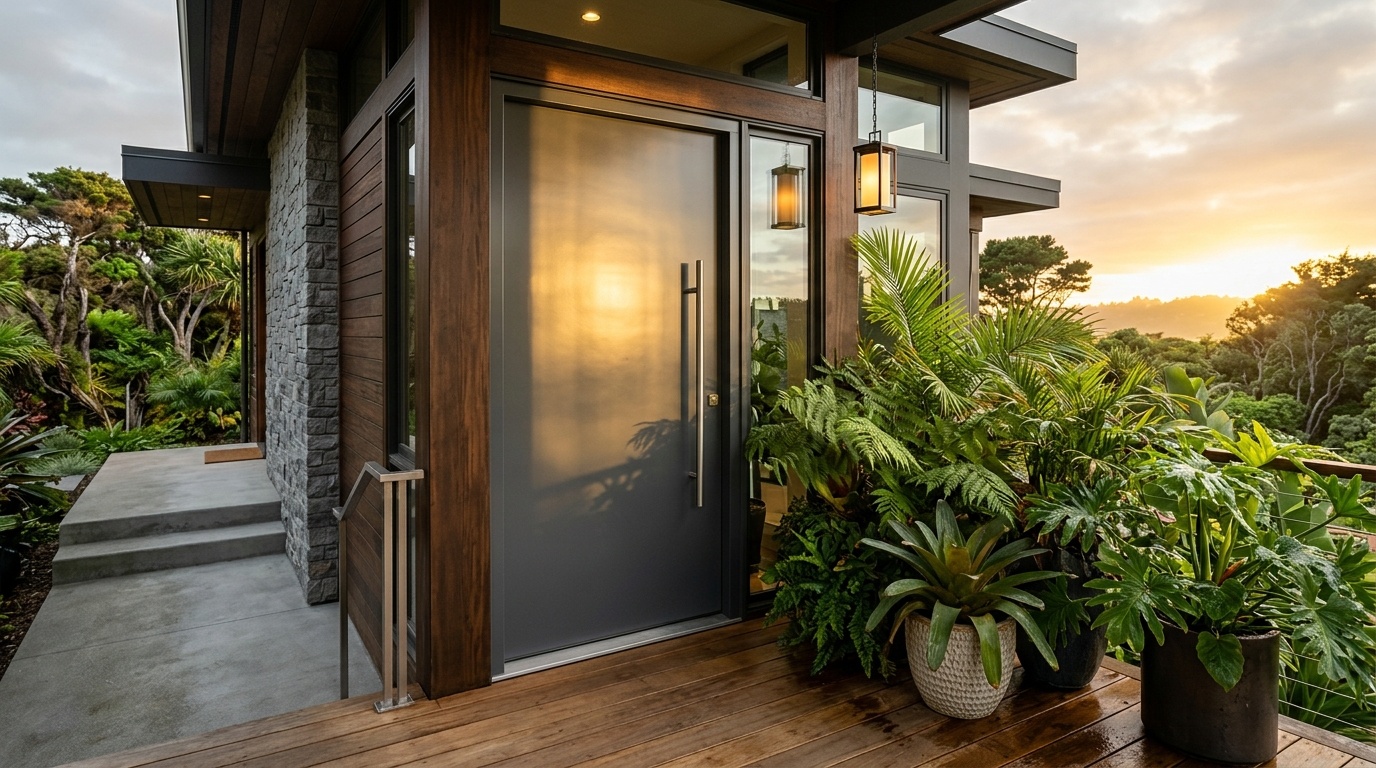
A sunlit metal door can become hot. Check the door and storm-door manufacturers' restrictions before choosing black, charcoal or navy, and follow the coating's surface-temperature limits. An AI preview cannot predict thermal behavior.
At shaded entries, look for water collecting around bottom edges, joints and weatherstripping. Correct drainage and failed seals without blocking the door's intended drainage paths. A premium topcoat cannot repair those defects.
Satin can soften the appearance of dents; semi-gloss gives stronger reflections and clearer edges. Compare a sample of the actual product. Gloss level does not independently establish corrosion resistance, cleanability or resistance to sticking against seals.
Clean contamination before abrasion. Otherwise sanding can spread oils across the surface. Use a cleaner compatible with the door and coating, remove residue as instructed and let seams dry.
Do not conceal loose rust or peeling paint. Prepare to the standard required by the chosen system and assess severe corrosion rather than painting over it. Pitted or weakened metal may need repair or replacement, not a thicker finish.
A metal security door also has mesh, corners and moving parts. Check access to both sides and avoid filling openings or coating locks, hinges and seals. Spray application is not automatically better or safer; its equipment, overspray and protective requirements differ from brushing.
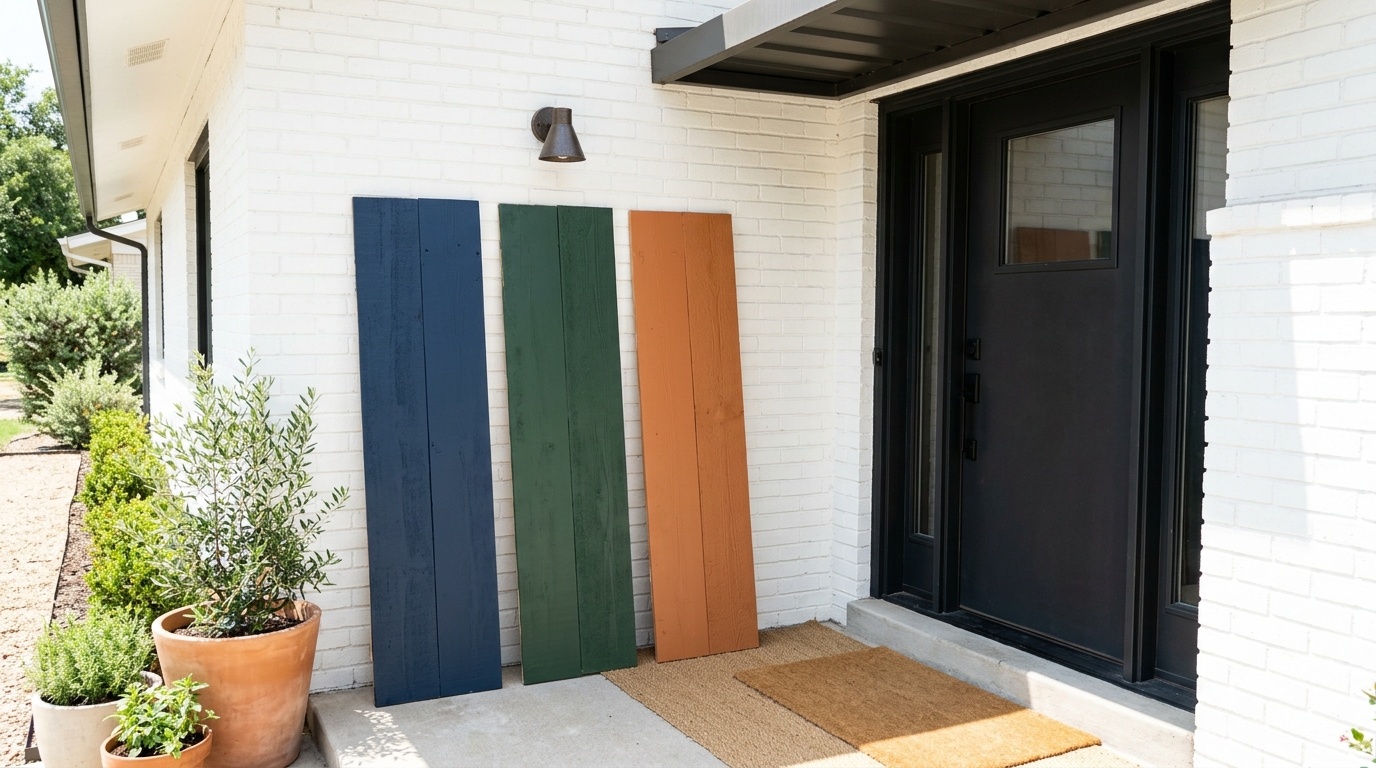
Photograph the entry in daylight and compare the door against fixed masonry, trim and roof color. In Paintit, specify the door as the only element to change and inspect the result for altered panels, glass, hardware or surrounding surfaces.
Search named paint colors by brand, name, code or HEX to create a sample shortlist. Paintit's catalogs include Behr, Benjamin Moore, Dulux, Nippon Paint and Sherwin-Williams. A named color is not confirmation that it is available in a suitable metal coating.
The image cannot establish physical sheen, rust resistance, adhesion or the condition of the door. A generated rendering is not evidence that one coating lasts longer. Confirm the real sample and the primer-and-topcoat specification separately.
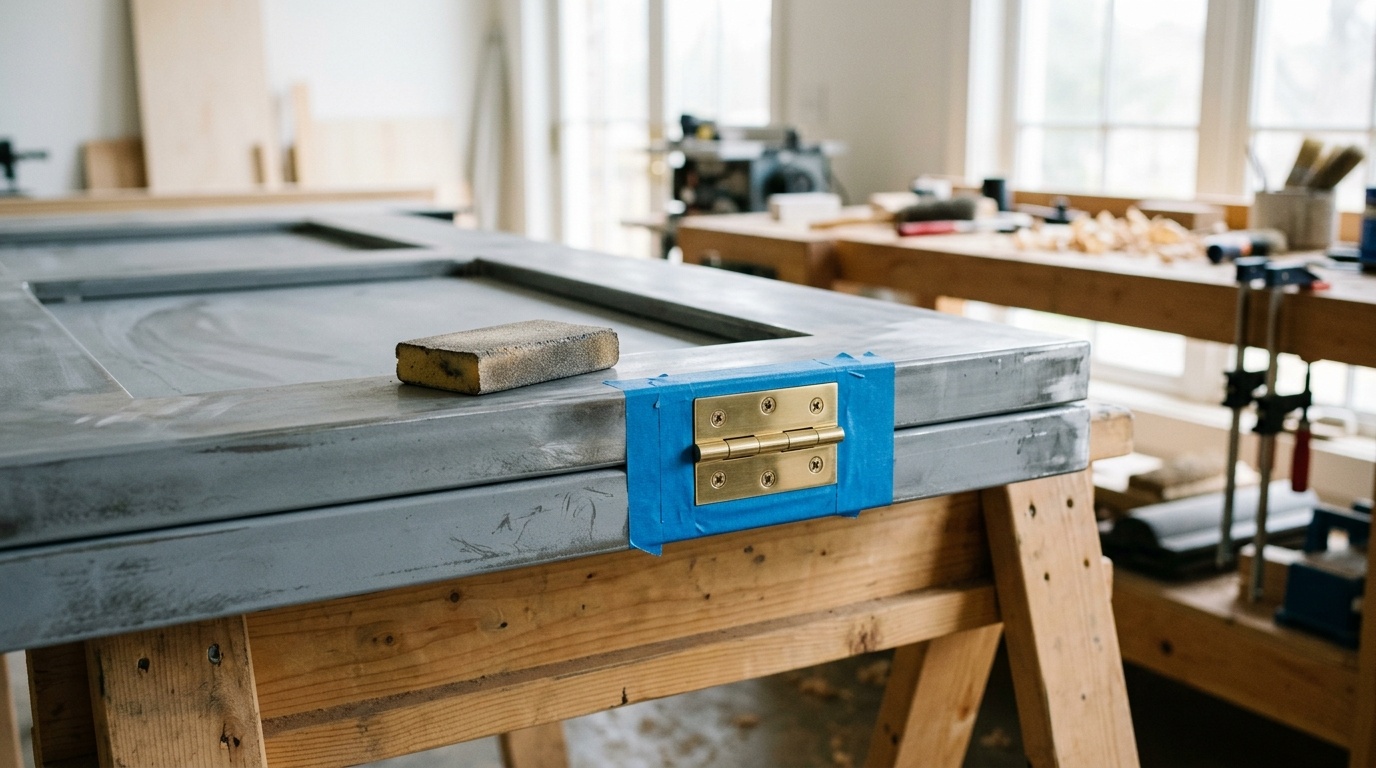
Use the product's stated application window, not a universal outdoor-temperature rule. Surface temperature, dew, humidity and film thickness affect the work. A coating that feels dry can still stick against a door stop or weather seal.
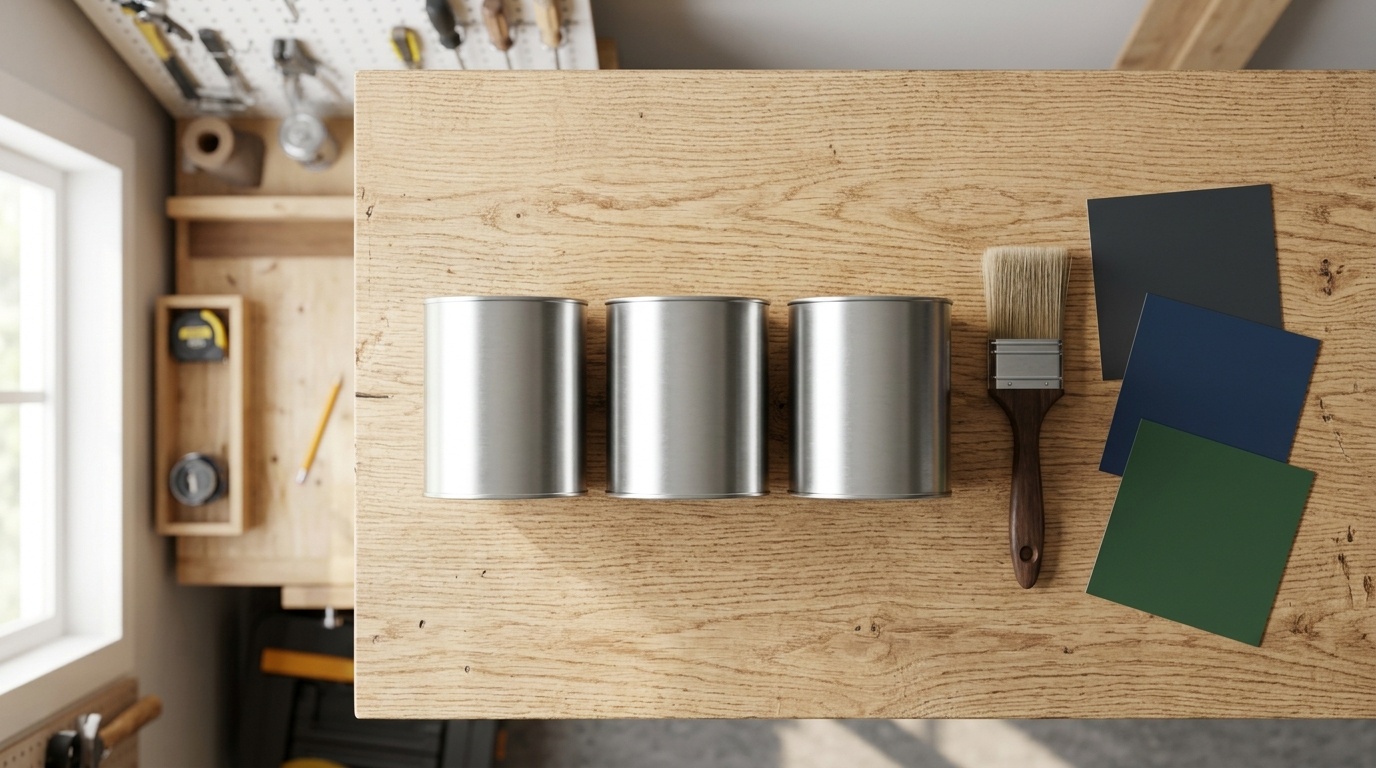
Request the exact primer, topcoat, preparation standard, coat count and local quantity. Include corrosion repairs, tools and the time needed to keep the entry secure during curing. A lower tin price may not save money if the old coating must be removed again.
A well-finished door can improve the entry's appearance, but no color or paint guarantees a resale increase. Choose a repeatable shade for maintenance and retain the product code for future touch-ups.
Compare an approved metal-rated exterior enamel system or a suitable DTM acrylic for the prepared steel. The existing primer, corrosion and exposure decide the specification.
Only where the complete instructions permit direct application to that surface. Sound factory primer, bare steel, galvanized metal and active rust are not the same condition.
A compatible interior enamel can suit an indoor metal door after the required preparation. Its interior approval does not extend to the exposed exterior face.
Not universally. Compare the metal, existing finish, corrosion-control primer and approved exposure. Do not treat moisture or shade alone as a reason to choose alkyd.
Often, if you can follow the instructions, protect surrounding areas and keep the entry safely secure while it dries. Removing the slab may improve access but involves weight, alignment and security considerations.