6 min. reading

Yulii Cherevko
CEO paintit.ai
Published: Updated:
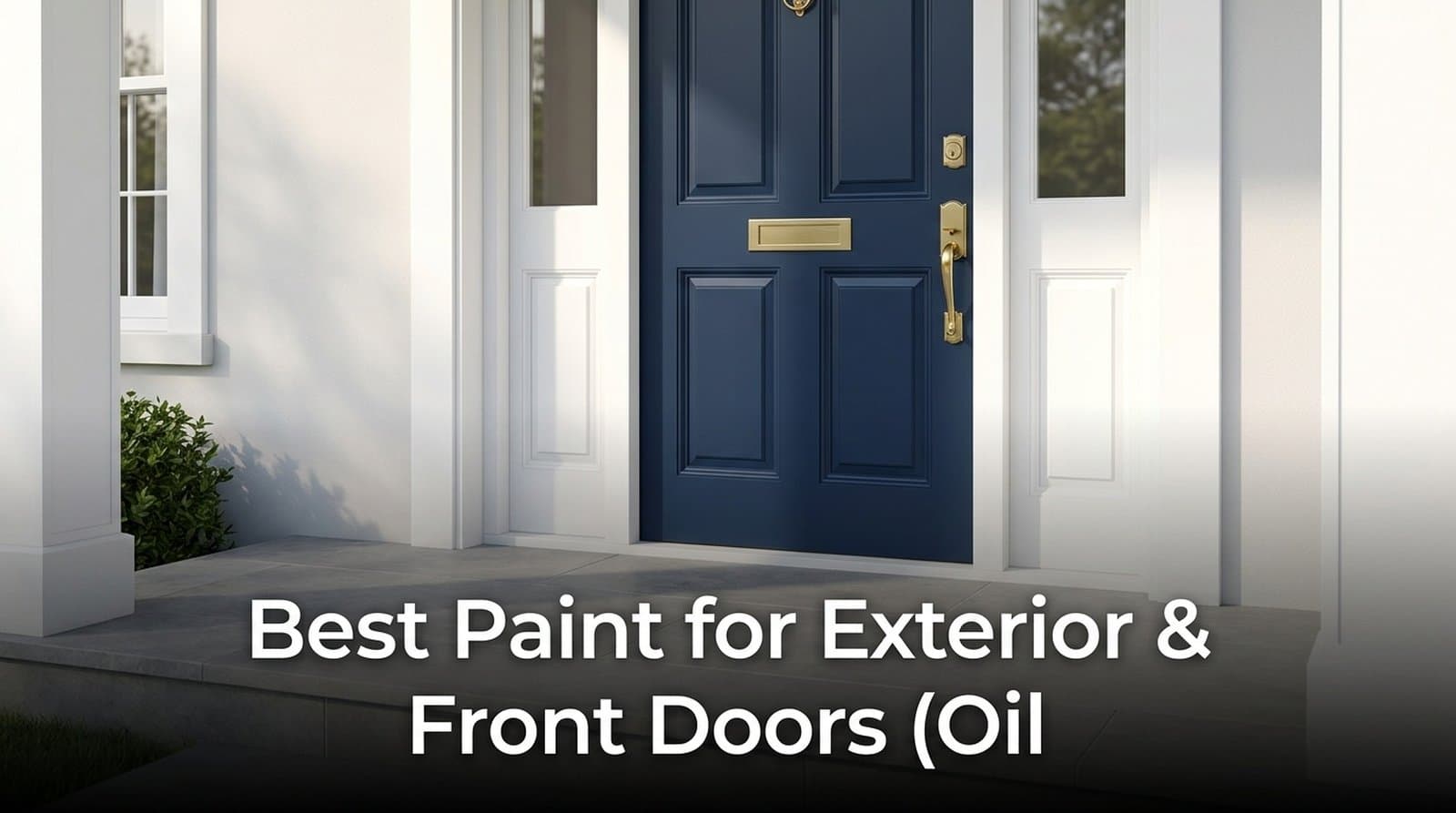
The best front door paint is an exterior coating approved for the door material, used with the correct preparation and primer. Wood, steel and fiberglass are different jobs. For many doors, a suitable exterior acrylic or door-and-trim enamel is a useful starting point, but the door manufacturer's finishing instructions take priority.
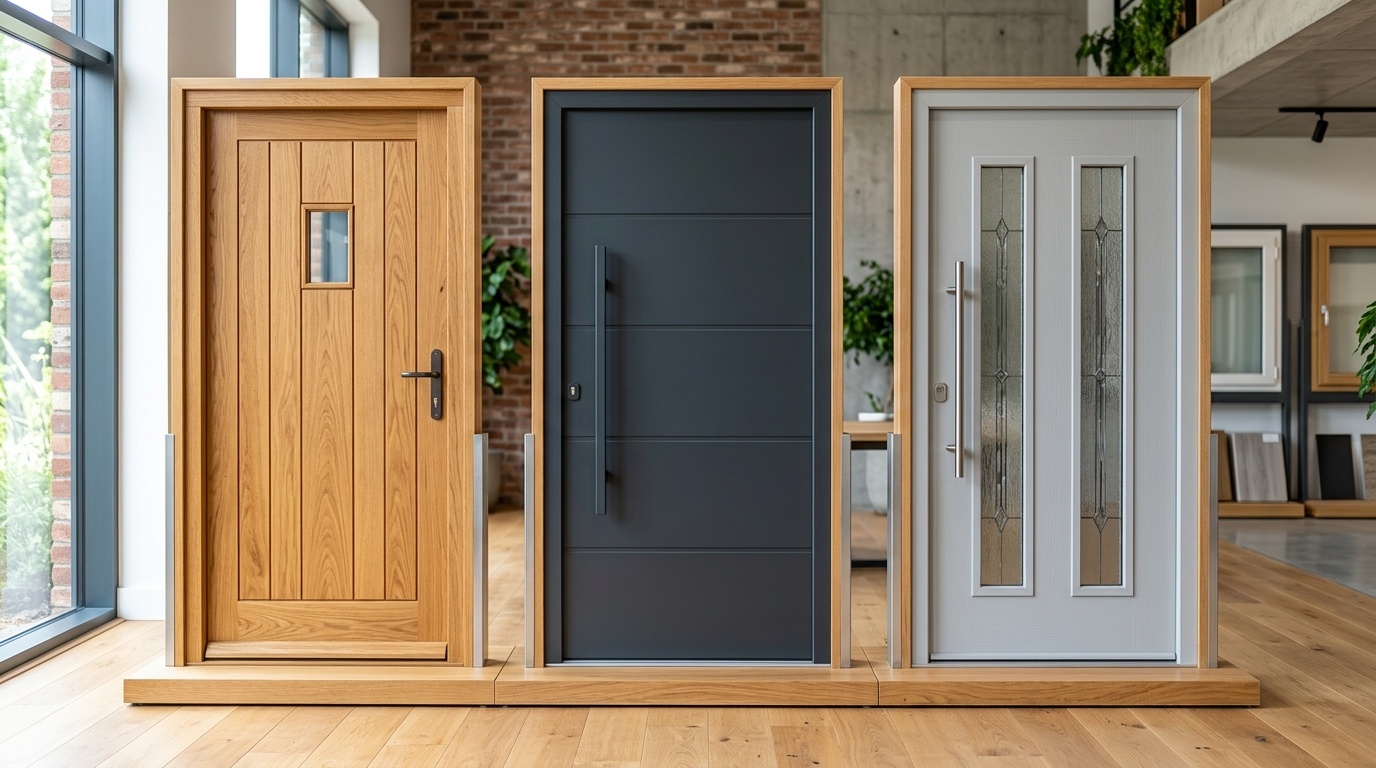
Color and sheen matter after compatibility. A dark door behind a storm door, a factory-primed steel slab and a stained fiberglass door can each impose limits that a paint chip cannot show.
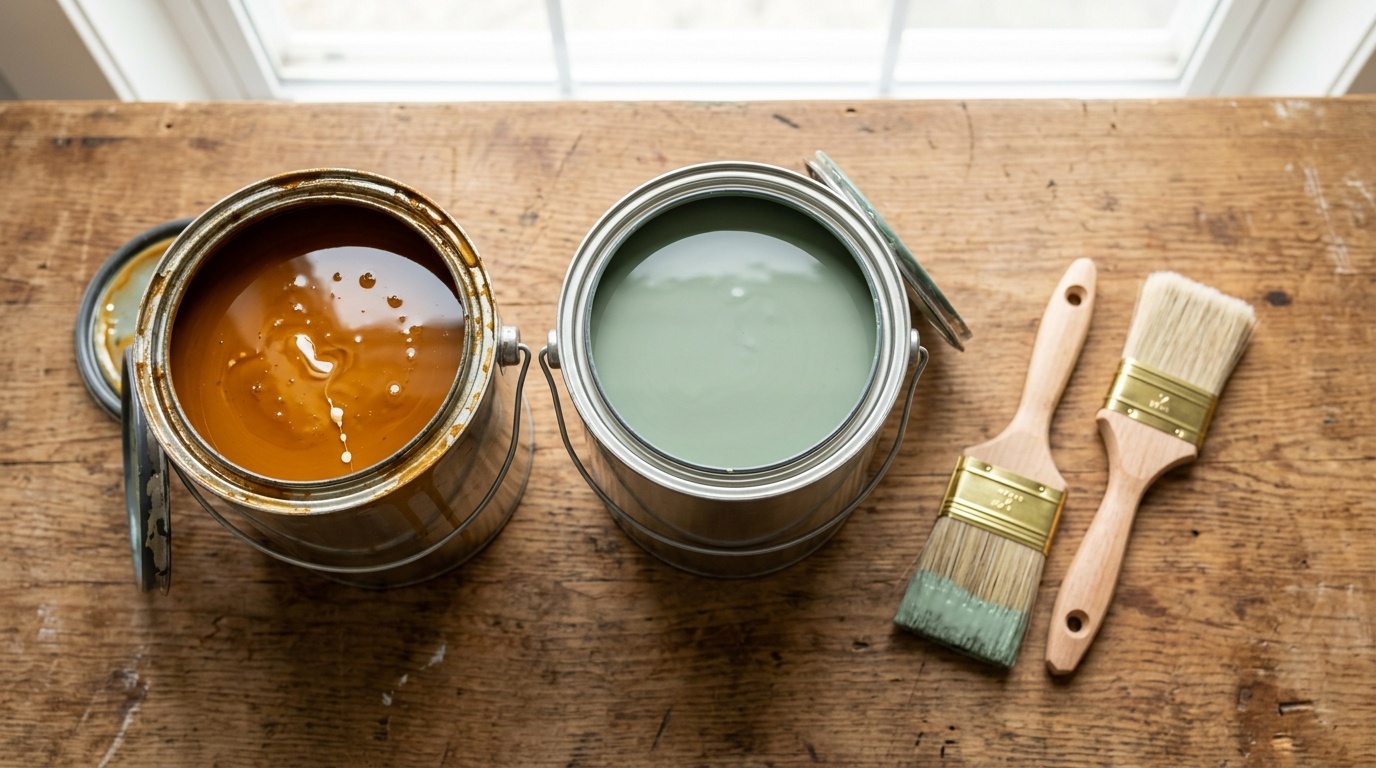
Acrylic exterior paint offers water cleanup and is commonly specified for exterior work. A door-and-trim enamel may add a finish intended for contact and cleaning. An approved alkyd can also suit a particular wood or metal system, but slower drying, ventilation and cleanup may affect the project.
Do not choose solely by the words “latex,” “oil” or “enamel.” Read the intended surfaces and exterior-use approval. Benjamin Moore Advance Interior Satin, for example, is an interior product; its suitability for indoor doors does not make it an automatic choice for the exposed face of a front door.
| Door Condition | Coating Approach to Check | Do Not Assume |
|---|---|---|
| Sound painted wood | Compatible exterior door coating after cleaning and preparation | That all bare spots or wood stains can remain unprimed |
| Factory-primed steel | Finish system approved for the factory primer | That the shipping primer is the final weather finish |
| Bare or rusty steel | Metal-rated corrosion-control system | That an ordinary exterior wall paint prevents rust |
| Fiberglass or composite | Door-maker-approved paint and preparation | That every bonding primer, solvent or dark color is permitted |
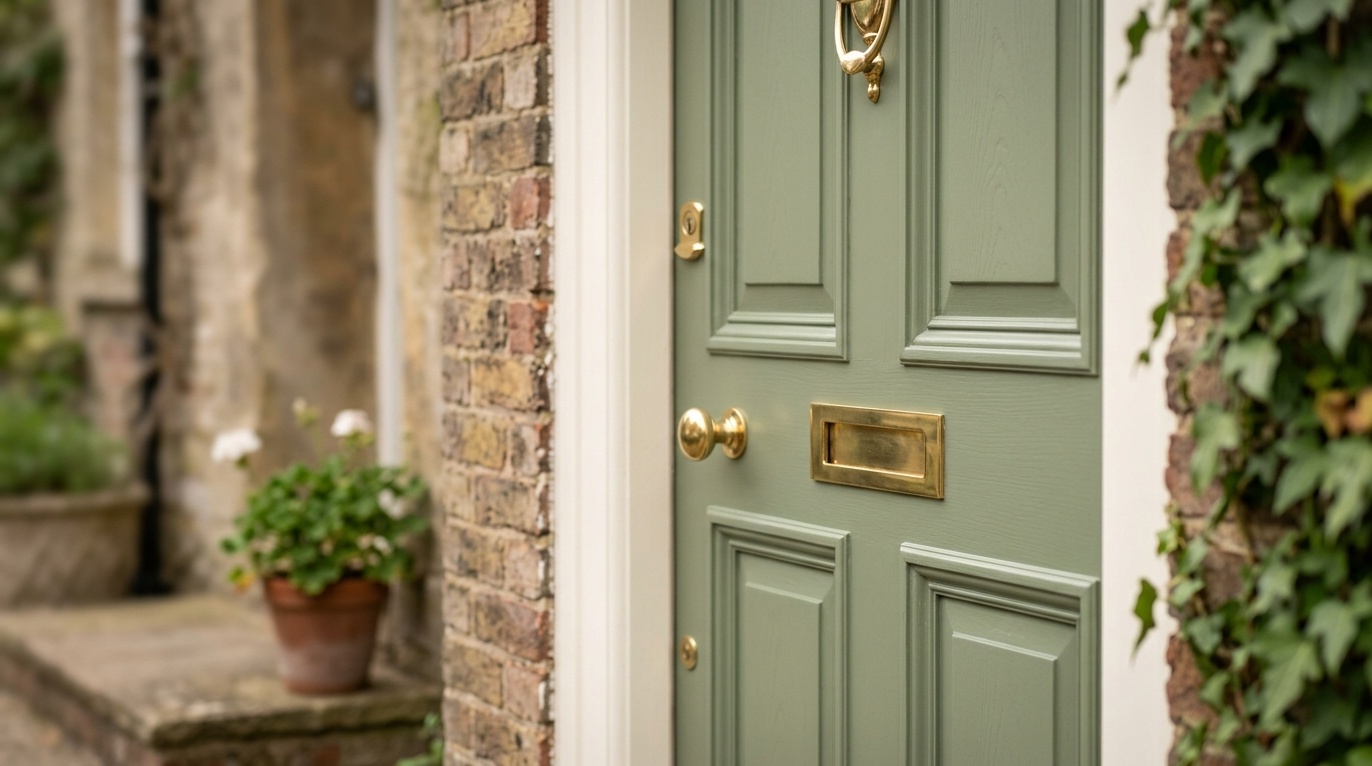
Inspect exposed ends, bottom edges, glazing and old joints for water entry. Remove unsound finish safely, repair the wood and prime bare or stain-prone areas with a compatible product. Cedar, knots and earlier stains can require bleed-blocking treatment rather than extra finish coats.
Retain the door's intended drainage and movement clearances. Do not fill every joint or paint contact surfaces simply to create a continuous-looking finish. Follow the door maker's instructions for the faces and accessible edges.
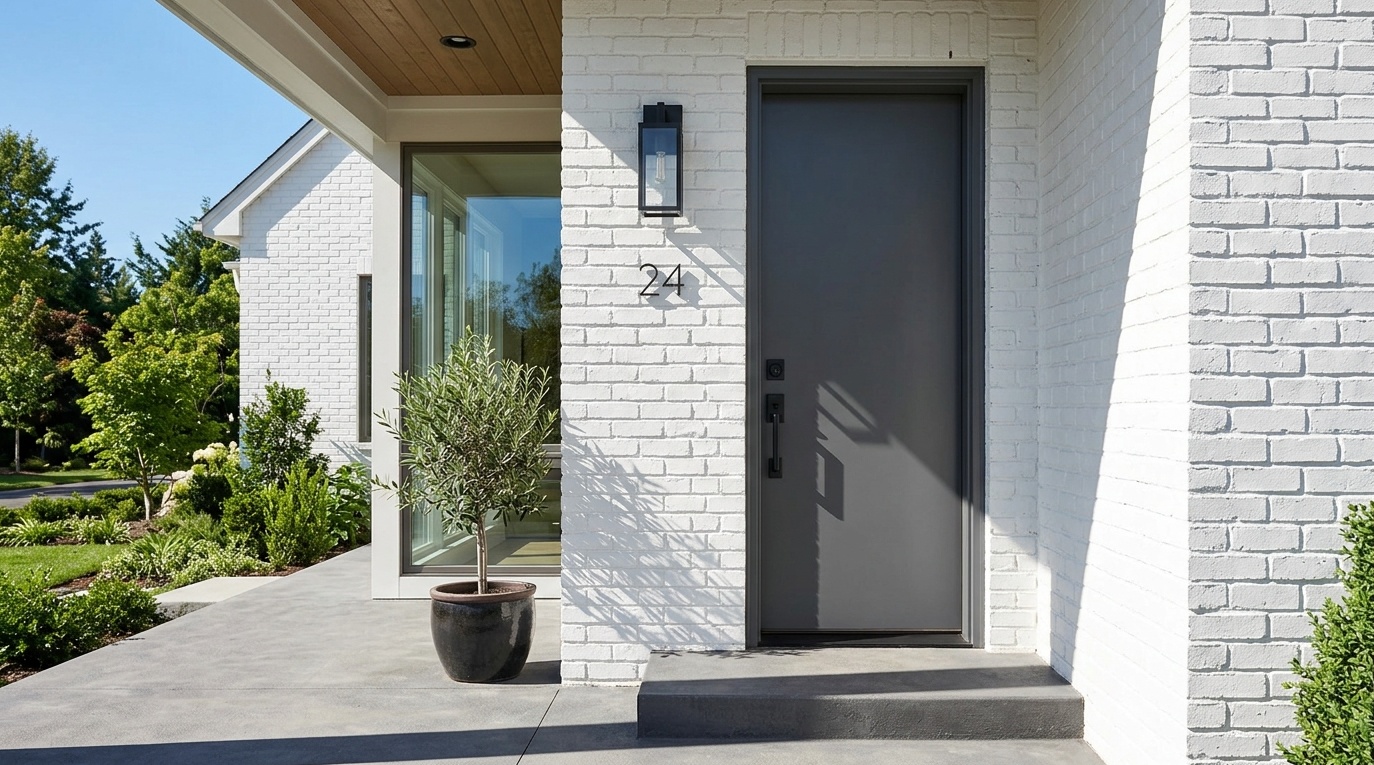
Distinguish sound factory primer from exposed metal and active corrosion. A metal-rated primer and approved exterior topcoat may be appropriate. A direct-to-metal coating is another option only when its instructions cover the prepared metal and exposure.
Do not confuse a two-product primer-and-topcoat system with a chemically mixed two-part epoxy. Household steel doors rarely justify choosing an industrial coating without understanding ventilation, application and curing requirements.
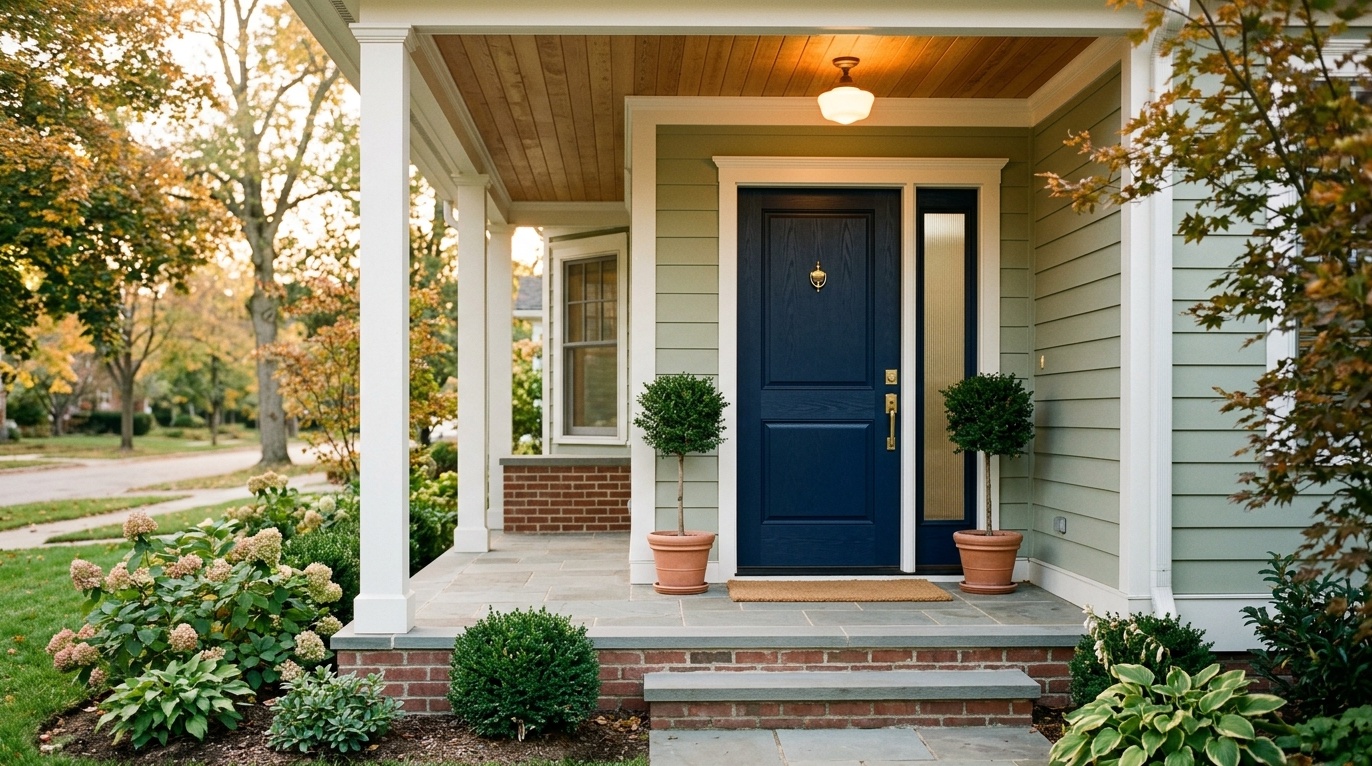
Identify the exact door and whether its current finish is paint, stain or a factory coating. Use the manufacturer's finishing guidance for cleaning, primers, paint and color restrictions. Therma-Tru publishes separate finishing resources by door type; those instructions should not be generalized to every fiberglass door.
Strong solvents, aggressive sanding or an incompatible primer may damage a finish or alter its texture. Test where the manufacturer permits. A universal promise that no primer is needed, or that primer is always required, is not reliable across products.
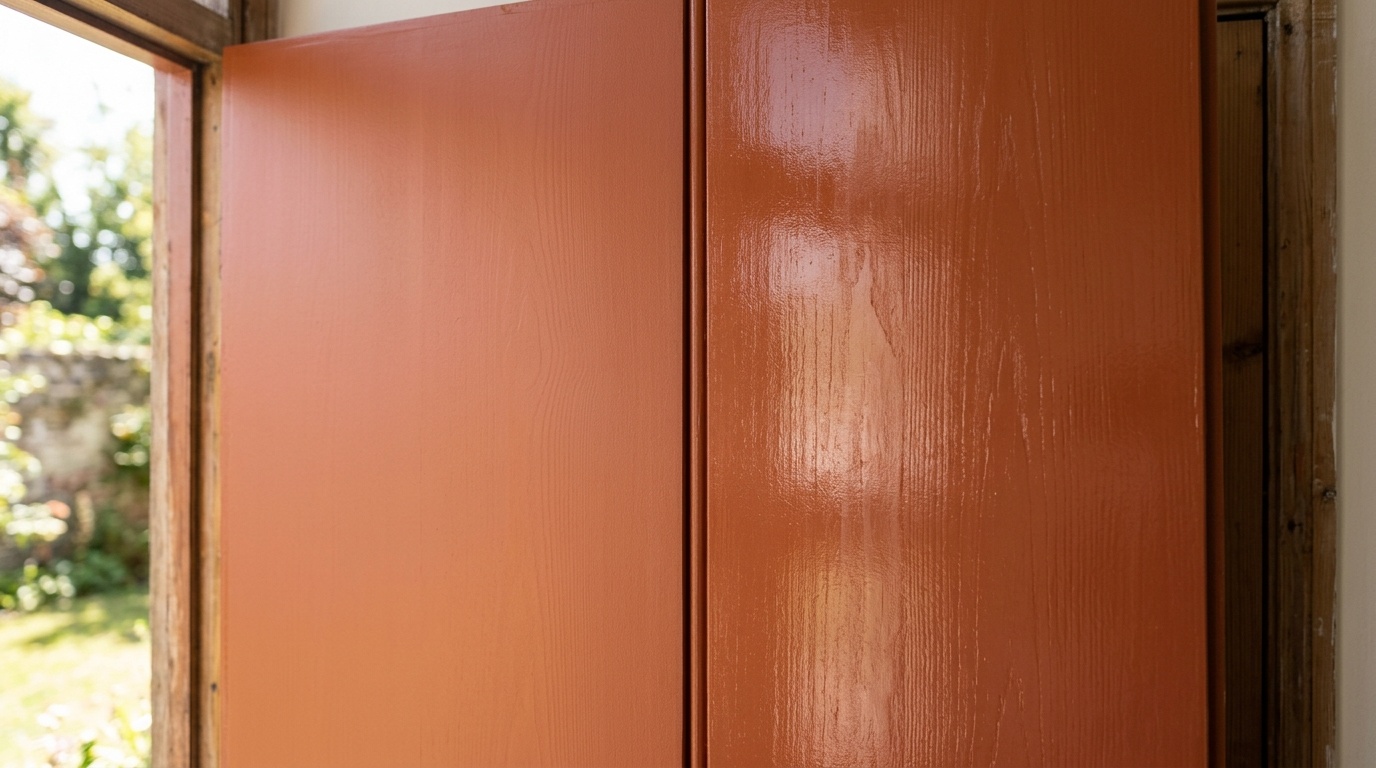
Satin gives a quieter appearance and softens the reflection of small surface flaws. Semi-gloss makes panels and edges more distinct but exposes dents, filler and brush ridges. Gloss is a deliberate finish choice for a well-prepared surface, not proof of a more durable paint.
Compare the exact paint in the intended sheen. The same color can look different across a broad glossy door and a small matte chip. Choose by appearance and the product's cleaning and blocking guidance rather than assuming every semi-gloss outperforms every satin.
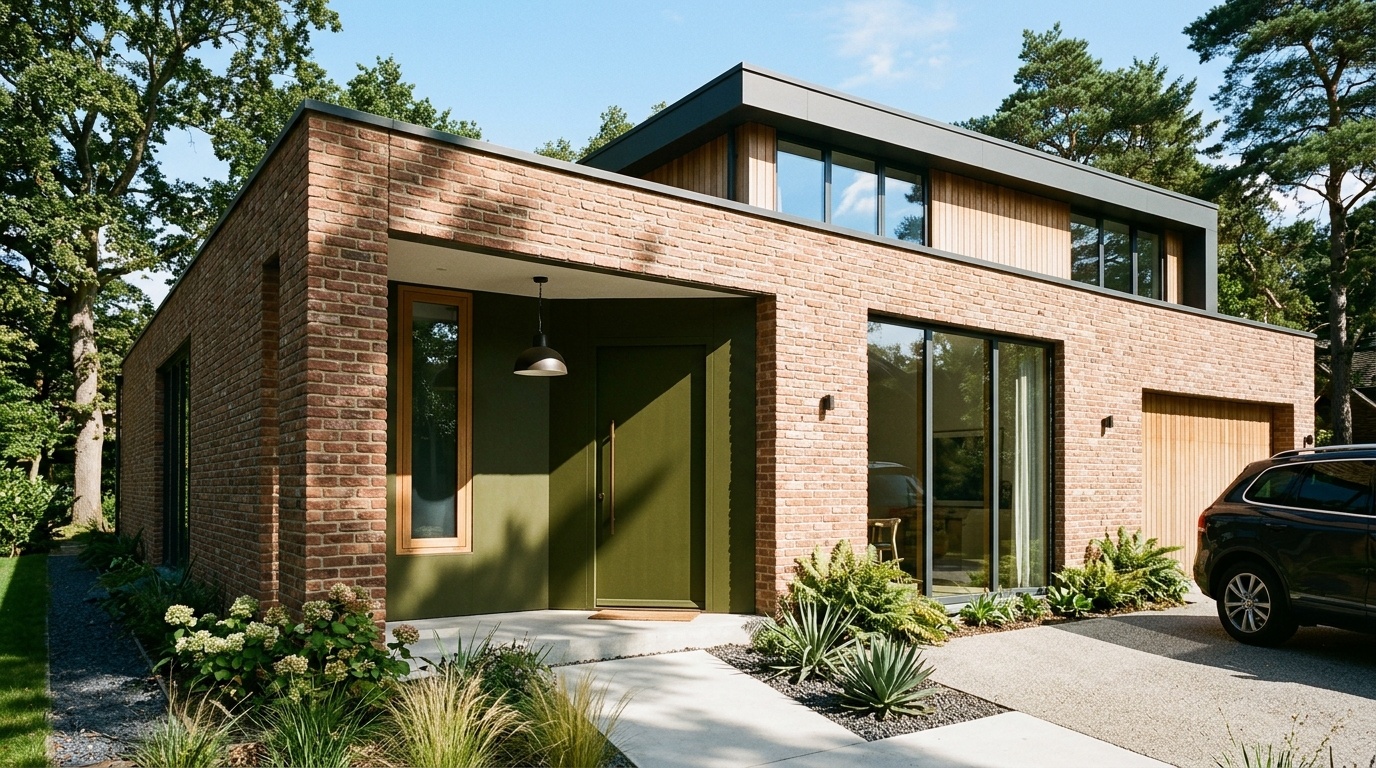
A door can be hot even when the air is comfortable. Check the substrate's surface temperature, rain window and overnight conditions against the chosen coating. Painting in strong direct sun can make a controlled finish difficult.
Before choosing black, navy or deep green, check the door and storm-door manufacturers' color and heat restrictions. Requirements vary by construction. Do not infer permission because another brand permits the color or an AI preview looks good.
A coordinated door can improve the appearance of the entry, but a color choice does not guarantee a higher sale price. Compare the roof, brick, trim and hardware in daylight, and confirm any community rules before buying.
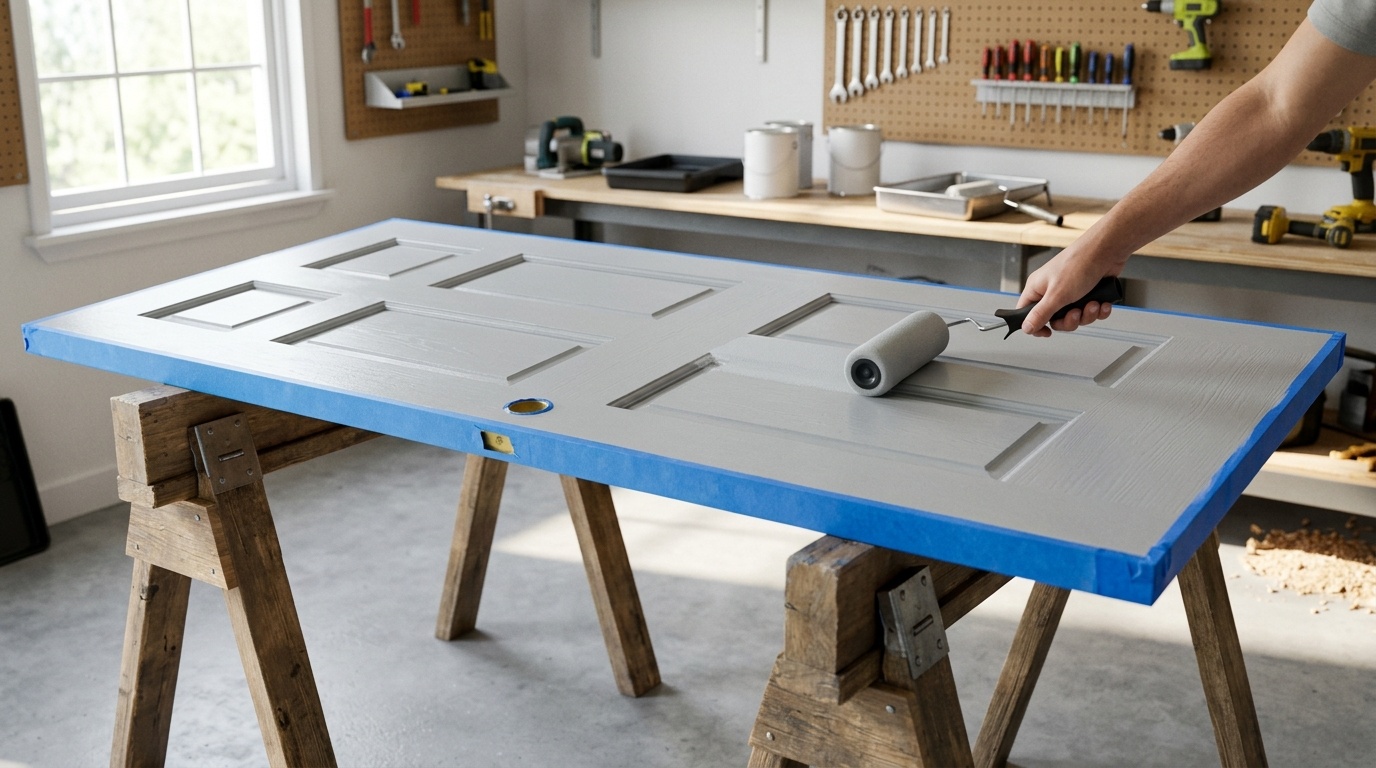
Dry to touch is not permission to close a door tightly. Blocking occurs where fresh painted surfaces or seals remain in contact. There is no universal two-hour or overnight rule for every product and weather condition. Plan the job around the exact return-to-service guidance.
Use an entry photo that includes surrounding trim, masonry and roof where visible. In Paintit, ask for a door-color concept while keeping the door shape, glass, hardware and facade unchanged. Inspect the generated image before relying on its composition.
Paintit's named paint catalogs support color searches, not coating approval. Confirm the selected shade in an exterior door product and test a physical sample. A digital image cannot verify the real sheen, adhesion or heat response of a door.
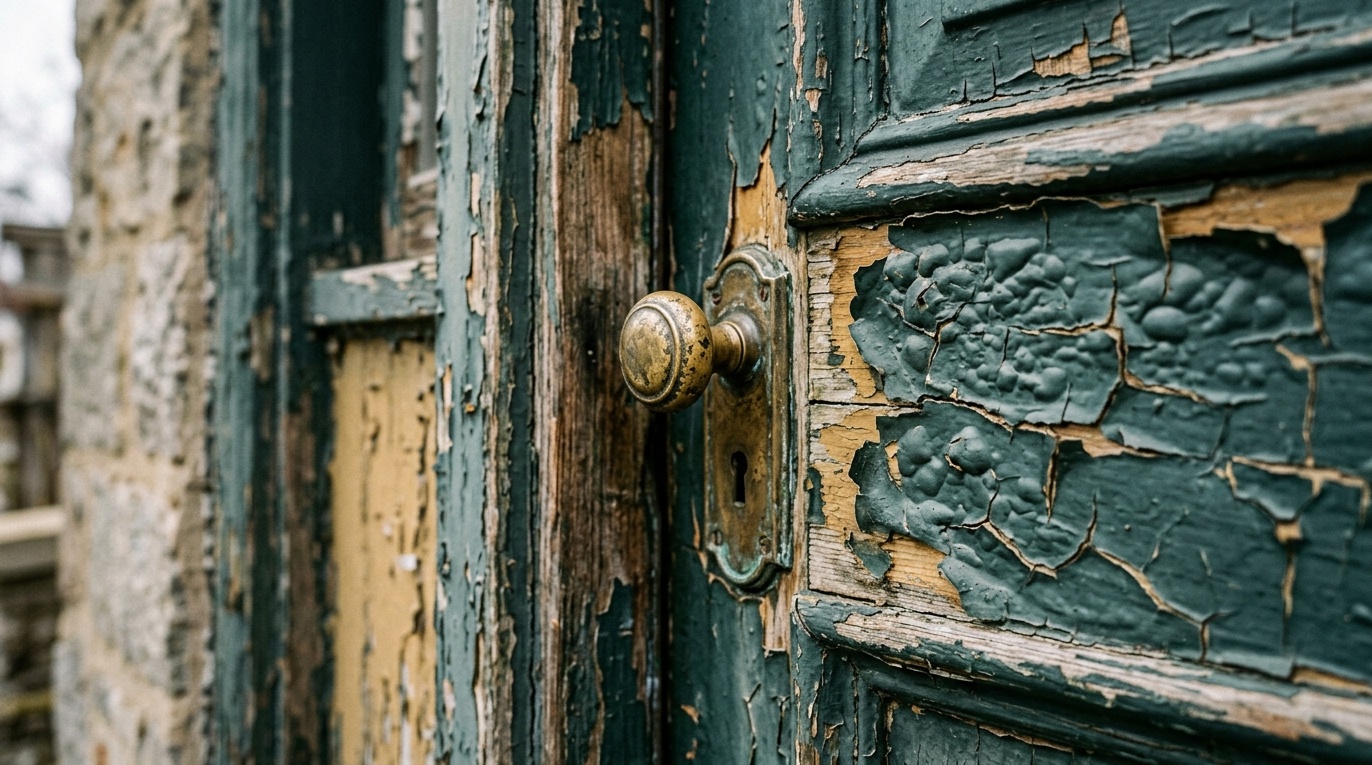
Peeling can come from contamination, moisture, a weak old finish or incompatible products. Sticking may be a return-to-service problem rather than a color or sheen problem. Identify the cause before changing brands.
Do not sand unknown old paint without assessing hazardous-coating risks. In older US homes, EPA lead-safe renovation guidance is relevant before disturbance. Use qualified help where the existing coating, corrosion or safe preparation is uncertain.
A door-maker-approved exterior coating matched to wood, steel or fiberglass. Compare the complete preparation, primer and finish system, not the brand alone.
Sometimes, if the old finish is sound and the new system approves the preparation and primer. Do not rely solely on a rubbing-alcohol spot test to establish compatibility.
Follow the specific coating's return-to-service and blocking guidance. Touch-dry and recoat times answer different questions. Allow for cool, humid or poorly ventilated conditions.
Not automatically. Compare a metal-approved acrylic, alkyd or DTM system for the door's existing finish and exposure. Corrosion preparation and compatibility matter more than a binder-only verdict.