6 min. reading

Yulii Cherevko
CEO paintit.ai
Published: Updated:
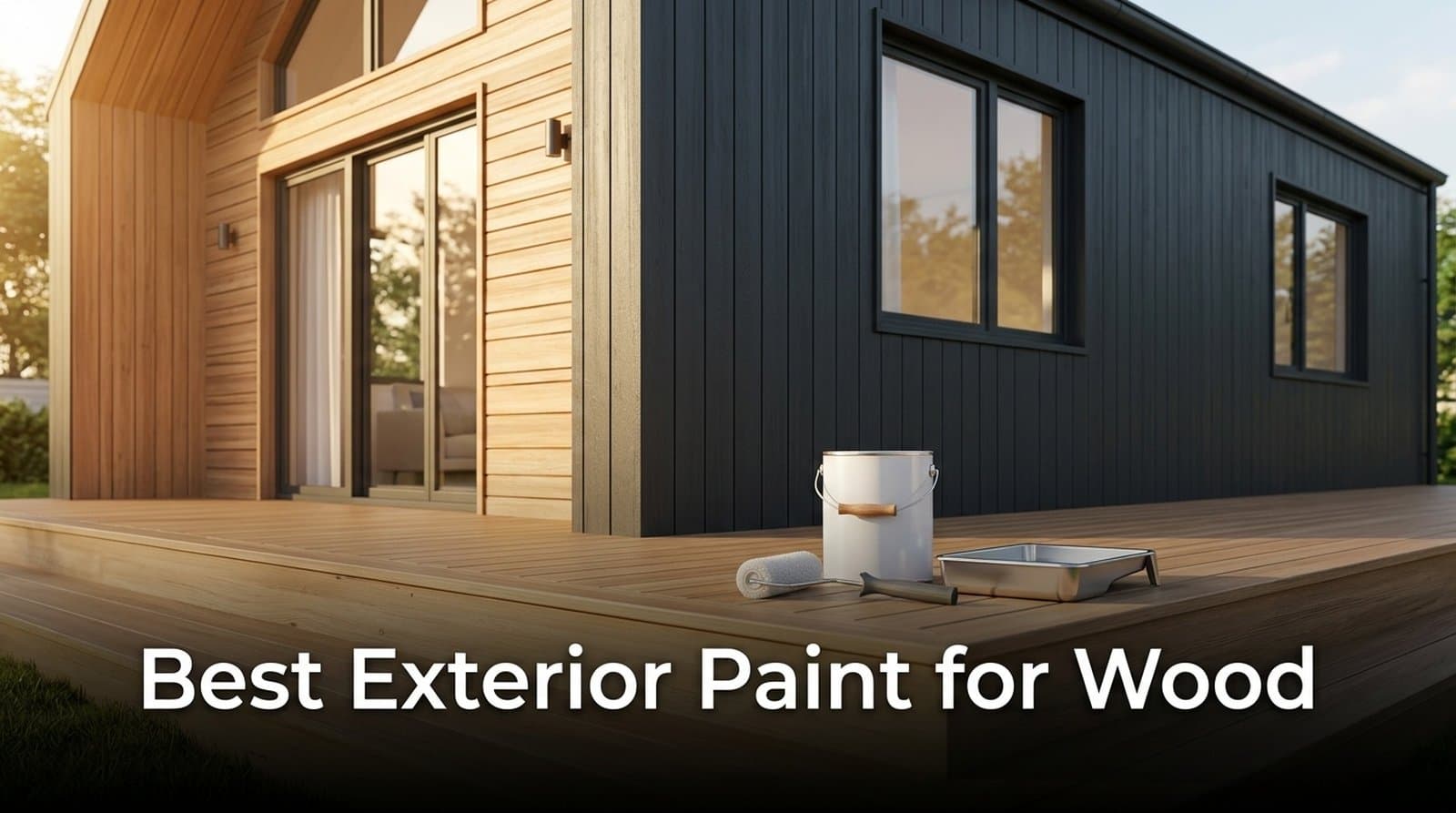
The best exterior paint for wood is usually a compatible exterior acrylic system for vertical siding, trim or a fence. A deck needs a separate walking-surface specification. In either case, sound dry wood, prepared ends and the right primer matter more than a brand-only ranking.
Choose by wood condition, existing finish and exposure before choosing color. This is a specification-based guide, not a claim that Paintit conducted climate tests or measured how long the products last.
Exterior acrylics are a practical starting point for many vertical wood surfaces. Alkyd finishes remain options where the complete system approves the substrate and use. Neither binder name guarantees adhesion over dirty, damp or failing paint.
| Coating Type | Where to Compare It | Important Limit |
|---|---|---|
| Exterior acrylic | Compatible siding, trim, shutters and fences | Check primer, wood moisture and surface preparation |
| Exterior alkyd or enamel | Approved doors, trim and detail work | Follow cleanup, ventilation and return-to-use instructions |
| Deck-rated paint or solid stain | Eligible horizontal walking surfaces | Not all exterior products are deck coatings |
| Penetrating stain | Suitable bare or fully prepared wood when grain should remain visible | Cannot simply penetrate an intact paint film |
Oil-based primer and oil-based topcoat are different decisions. Cedar, redwood or knots may need a stain-blocking primer beneath an approved acrylic finish. Check compatibility rather than assuming all outdoor wood requires an identical primer.
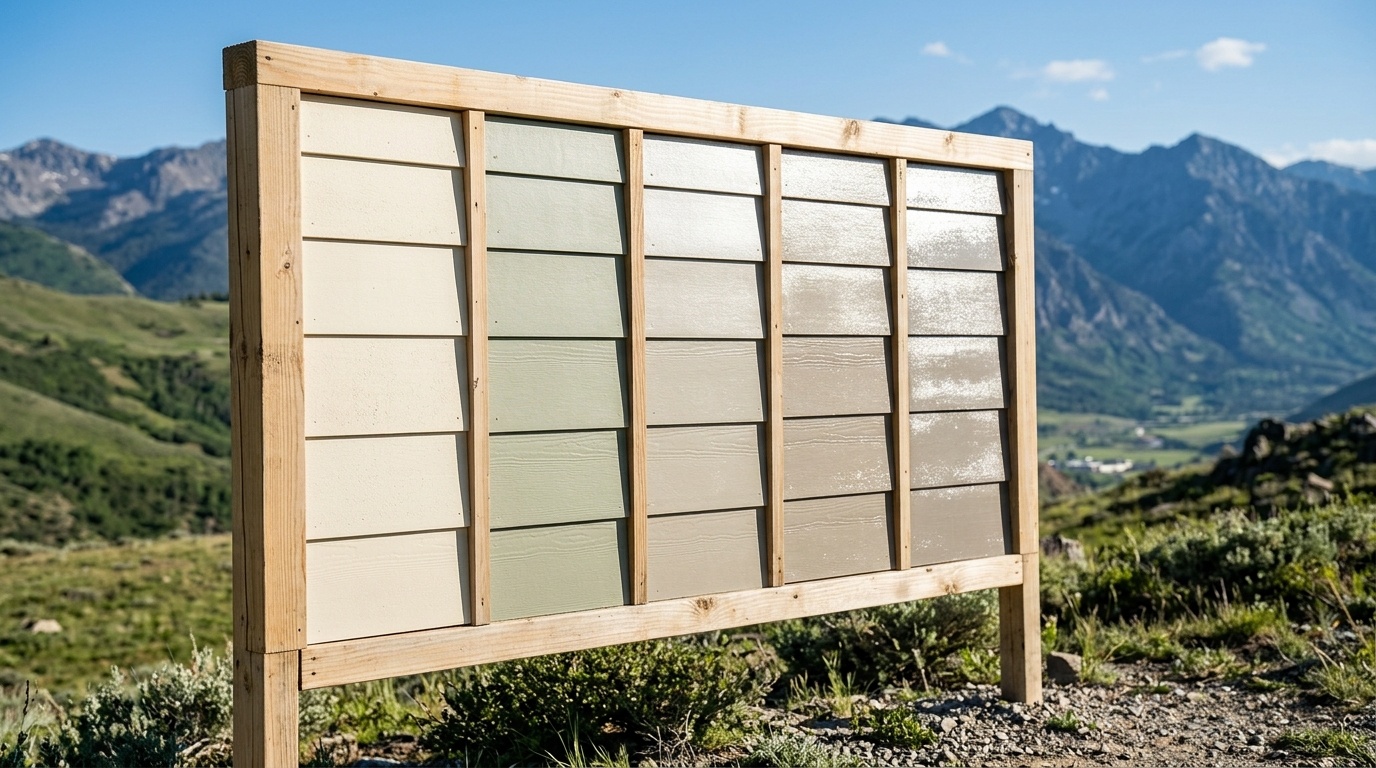
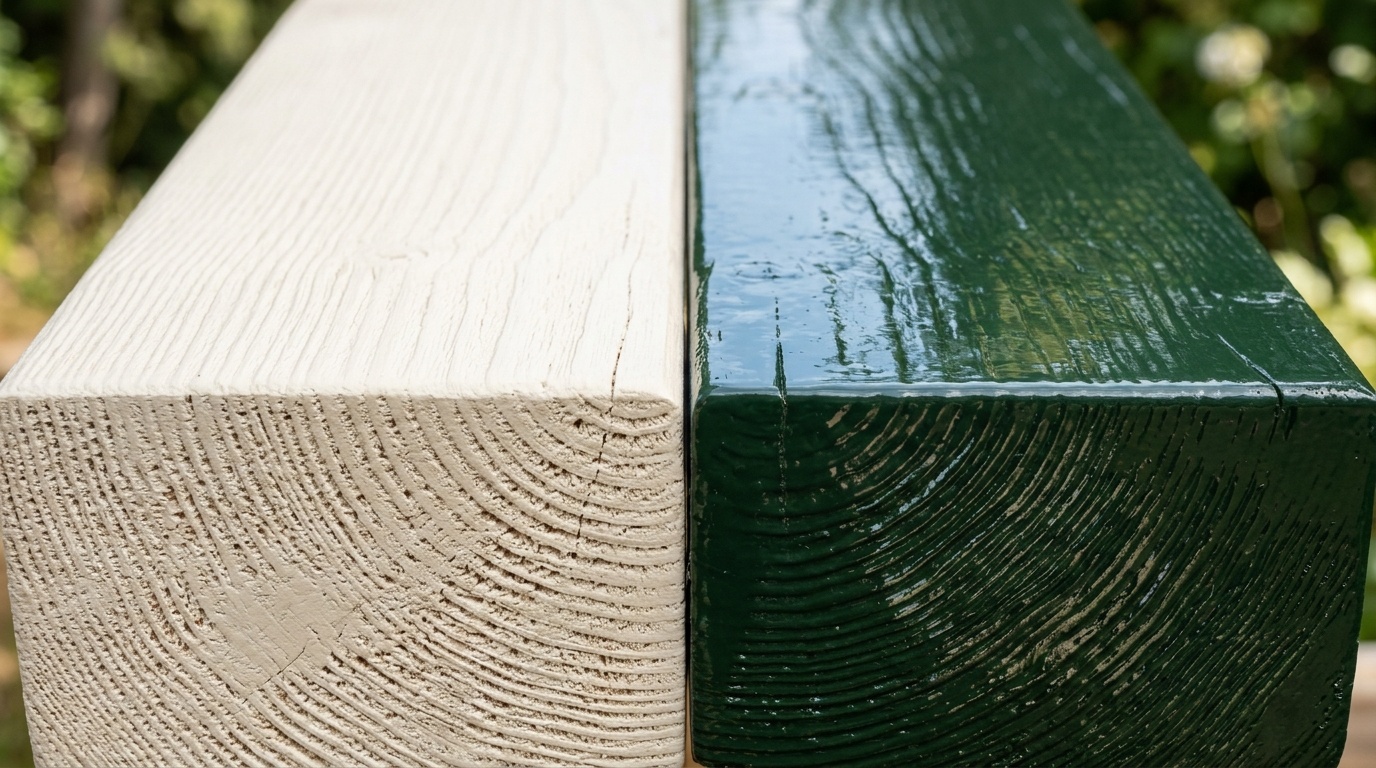
An exposure rack illustrates how coatings can be compared, but this image does not document tests by Paintit. An older experiment from one location cannot identify the longest-lasting exterior paint for wood in every climate. Temperature, rainfall, substrate and film thickness affect the result.
Sherwin-Williams Duration is an exterior acrylic range to discuss for an appropriate siding and trim system. Latitude is worth comparing when application conditions are a major concern; the manufacturer advertises rain or dew resistance in as little as one hour. That does not permit painting wet wood or ignoring the data sheet.
Benjamin Moore Aura, Sherwin-Williams Emerald, PPG Permanizer and BEHR PRO e600 are additional named ranges from the original shortlist. Obtain the current local data sheet, approved surface, primer and delivered quote before choosing among them. They are not ranked here by unsupported test scores or service-life years.
For BEHR PRO e600 versus a consumer range, compare the same sheen and full coating scope. Contractor availability and price do not establish either inferior or superior durability. Do not apply one range's coverage claim to another.
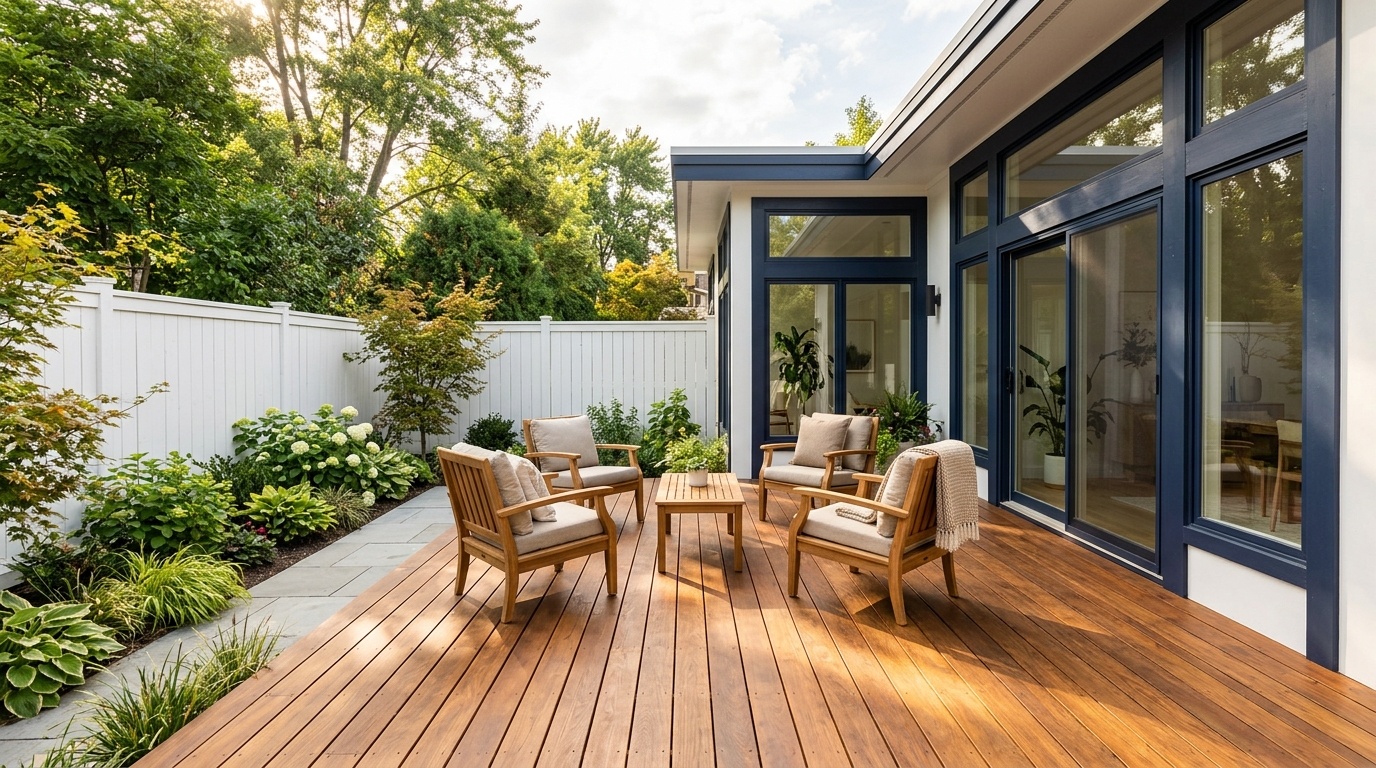
The best outdoor paint for wood siding must fit the existing coating and allow the specified preparation. On rough fences, account for both faces, board edges, exposed ends and the greater material demand of texture. Check loose fibers, algae and ground contact before specifying the finish.
For doors and trim, compare a product intended for frequent contact and cleaning. Satin may soften flaws; semi-gloss makes edges more distinct but reveals surface defects. Sheen alone does not establish resin quality, weather resistance or suitability.
Wood deck paint needs explicit approval for horizontal foot traffic. A porch-and-floor product, deck coating or solid stain may suit the job, depending on the wood and existing finish. A siding formula should not be carried onto deck boards because its color matches.
Thick resurfacing products such as DeckOver belong in a separate comparison. They can conceal shallow cosmetic defects where the instructions permit, but cannot repair rot or compensate for poor drainage. Do not assume every solid stain penetrates deeply or wears without peeling; opaque products differ.
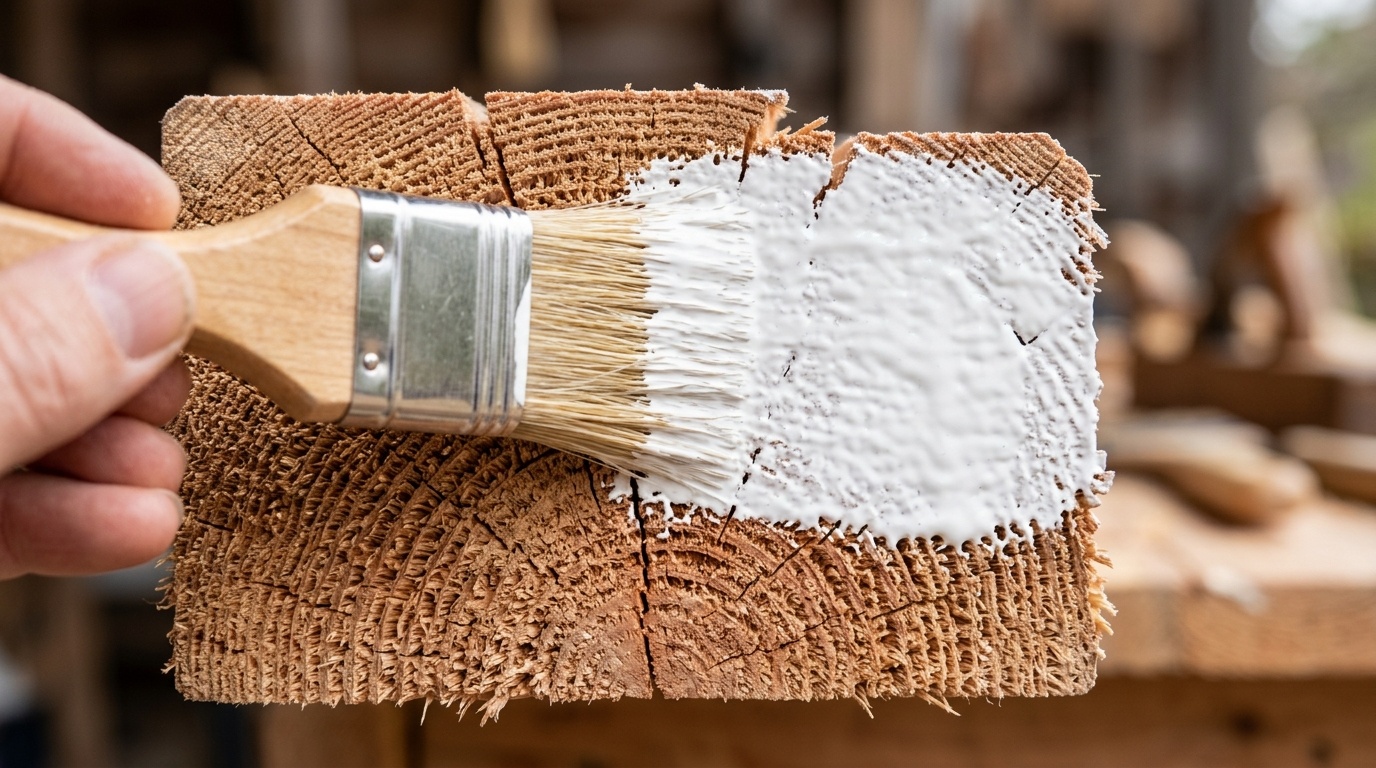
Cut ends are easy to overlook when most of the work is a broad visible face. Water entry at ends and joints can undermine an otherwise sound finish. Inspect board bottoms, trim cuts and joints around windows before coating.
Prime and finish exposed ends as the wood and coating manufacturers direct, preferably while accessible. Keep required drainage gaps open. Do not seal every joint simply to make it look tidy, and do not add an unrelated water-repellent treatment without confirming paint compatibility.

Preservatives, primers and topcoats are a system, not interchangeable cans. Some treatments affect adhesion. Ask the supplier which products can be combined and what drying interval applies between them. Keep the answer with the product and batch details.
Use the product's actual moisture threshold and application limits rather than a universal number. Plan around the wood's surface temperature, overnight dew and the rain window. Drying and full return to service are different milestones.
Dark exterior wood paint can create clear contrast, but consider solar heating, the substrate manufacturer's restrictions and maintenance. Light neutrals can look very different beside yellow stone, warm roofing or cool gray windows. Test the palette as a group rather than selecting siding and trim independently.
In Paintit, use a photo of the house or fence and ask for a color concept on the named wood surfaces only. Inspect whether it changed boards, windows or surrounding materials. Named paint catalogs help build a sample shortlist; they do not certify physical color matching or paint compatibility.
For many vertical wood surfaces, compare a compatible exterior acrylic system. A deck, furniture or frequently handled door may need a different product. Start with the intended use and surface condition.
Neither wins on every substrate. Acrylic is a useful starting point for siding; a compatible alkyd primer or approved finish can serve particular jobs. Compare the complete specified system.
Only if the exact product approves that horizontal walking surface. Otherwise choose an appropriate deck or porch-floor system. Exterior wall approval alone is not enough.
Find the moisture or adhesion cause, remove failing material safely and repair the wood. Then follow the compatible primer and finish specification. More topcoat does not secure a loose layer underneath.
A fixed lifespan cannot be established from this shortlist. Compare the coating specification, exposure, preparation and maintenance plan, not an unsupported number of years.