7 min. reading

Yulii Cherevko
CEO paintit.ai
Published: Updated:
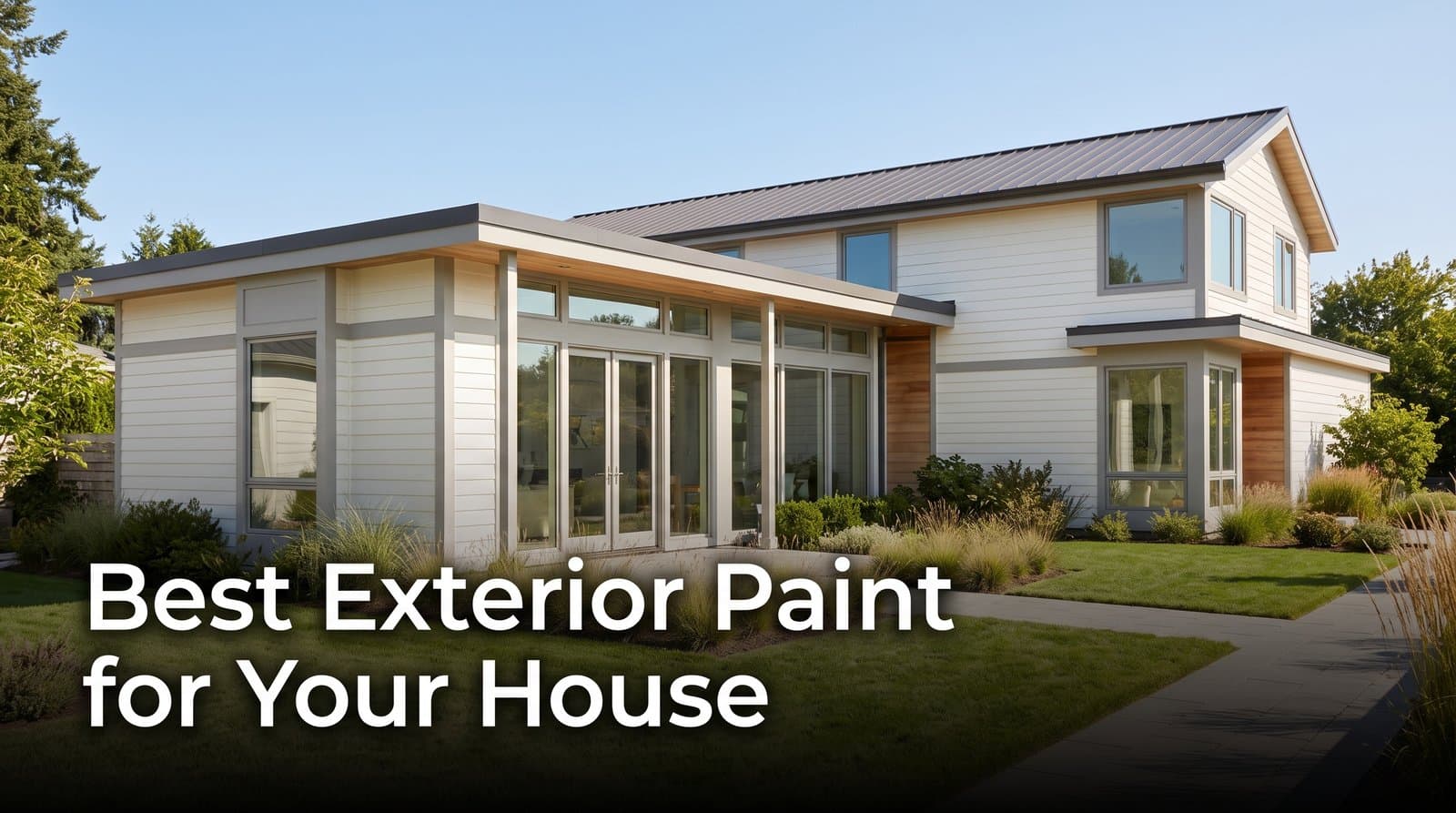
The best exterior paint is the product that fits your surface and a preparation method you can carry out correctly. For many house exteriors, an approved acrylic coating is the practical starting point. Wood, masonry, vinyl, metal and horizontal walking surfaces still need different specifications.
Start with the existing material, failed areas and weather exposure. Then compare primer, finish coats, local quantity and maintenance. Brand reputation, an expensive gallon or a paint-and-primer label cannot settle those questions alone.
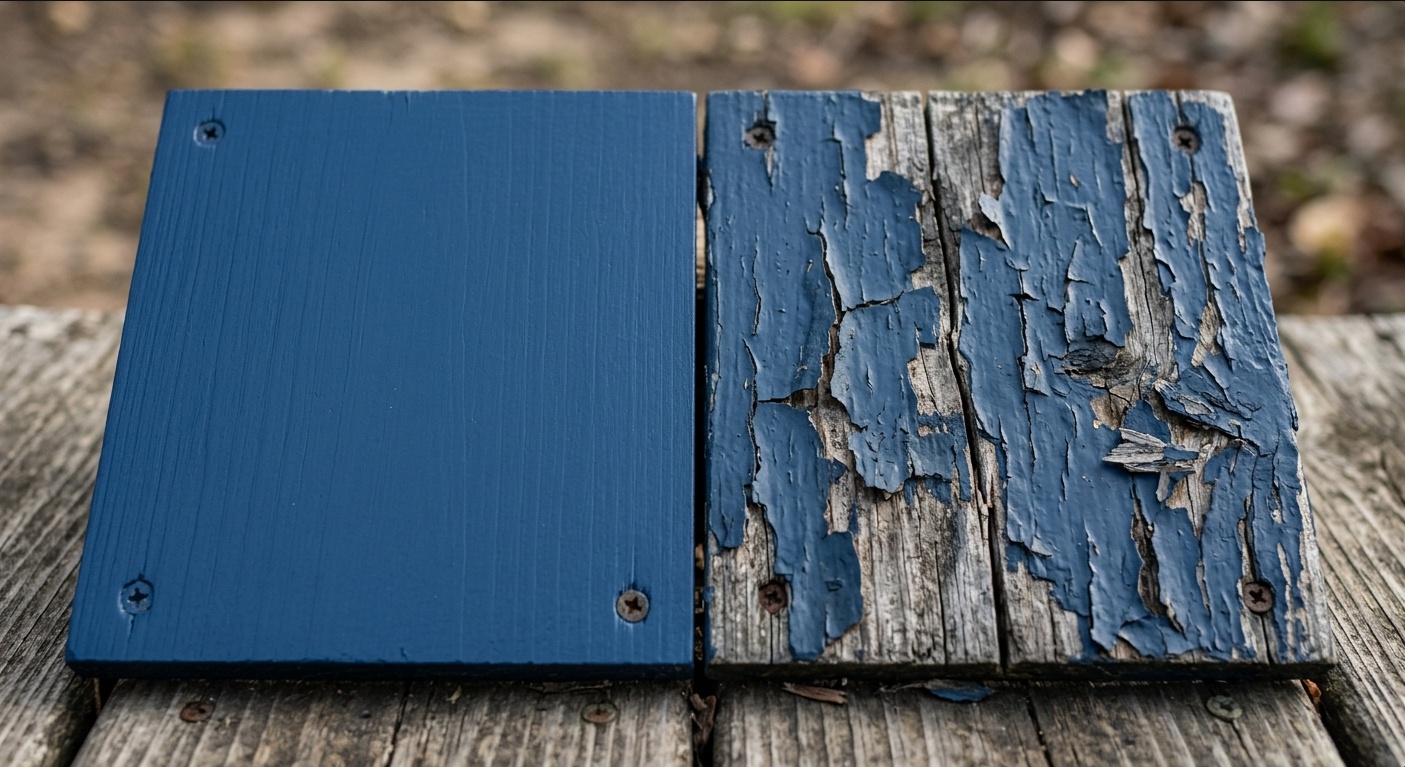
A laboratory result, a contractor's exposure rack and a product warranty answer different questions. Do not turn an older score into a current national ranking. A test in one climate does not establish a fixed service life on another house.
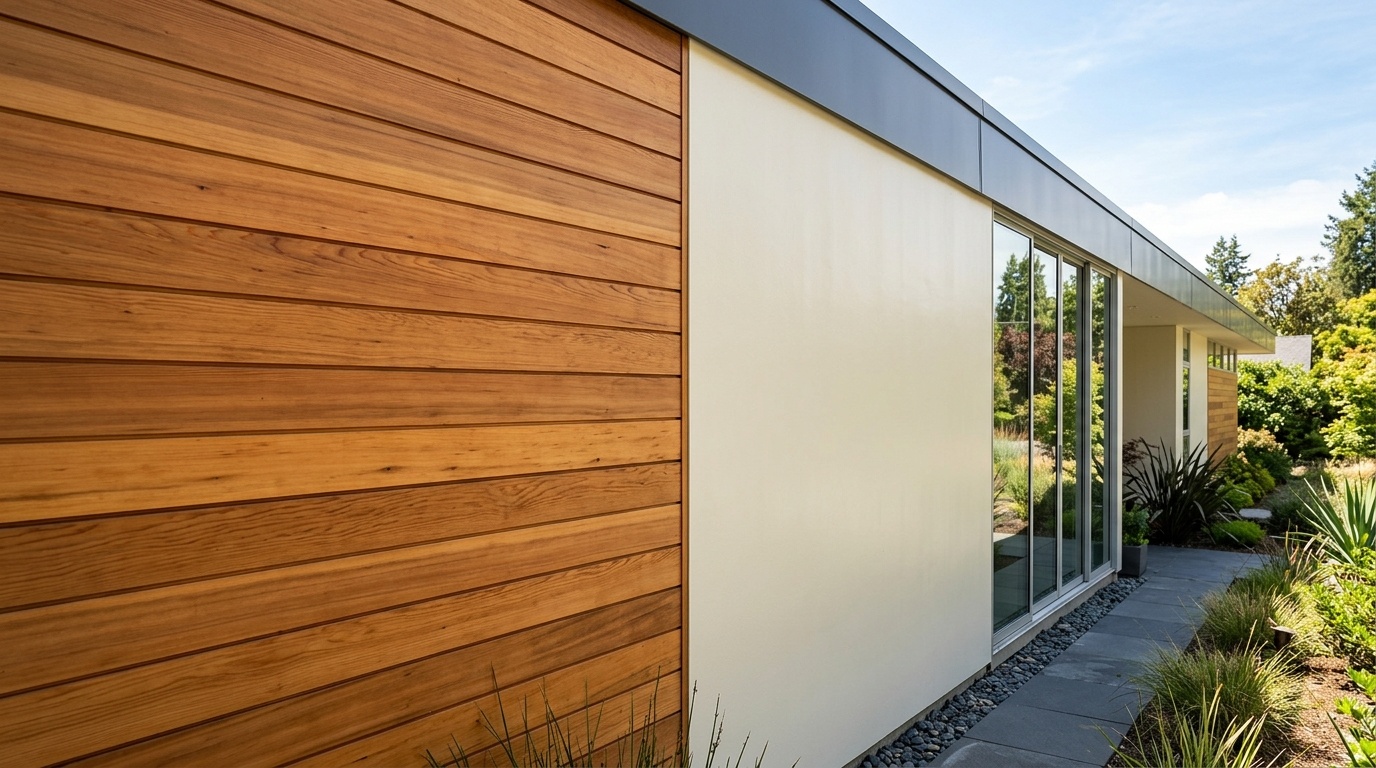
For a useful comparison, match the tested substrate, preparation, finish, film thickness and exposure. If those details are missing, use the result as a question for the supplier, not as proof that one product will outlast every competitor. This guide makes specification-based recommendations, not first-hand testing claims.
| Range to Discuss | Decision It Helps Frame | Before Choosing |
|---|---|---|
| Sherwin-Williams Duration | A general exterior acrylic system | Match surface, finish and primer instructions |
| Sherwin-Williams Latitude | Application planning in a narrow weather window | Rain resistance does not permit coating damp material |
| Benjamin Moore Aura Exterior | A coordinated exterior product and color specification | Confirm the exact local finish, data sheet and price |
| BEHR Marquee, Ultra or PRO e600 | Retail versus contractor-range availability | Do not transfer test scores or coverage between ranges |
| PPG Permanizer | Another exterior acrylic range for a supplier comparison | Confirm current formulation, substrate approval and local stock |
BEHR PRO e600 vs Marquee is not simply cheap paint versus premium paint. Obtain the same color, sheen, substrate specification and coat count for each. Contractor access, promotions and container size can change the total. No fixed national price is assumed.
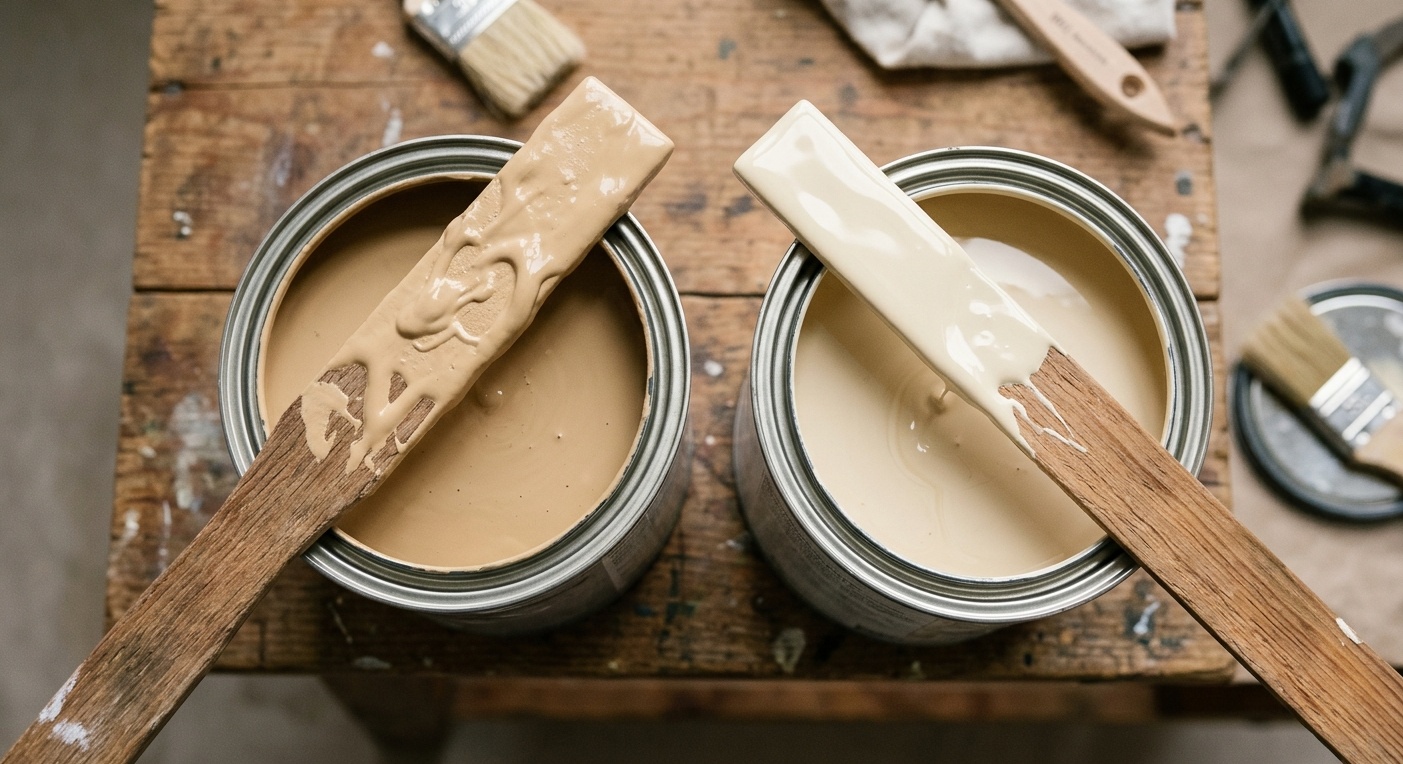
“Latex” describes a broad group of water-based coatings. The product's binder and intended use matter more than the word. Acrylic exterior coatings are commonly specified for siding because the system must tolerate weather and substrate movement. An approved alkyd may still have a place on particular doors, trim or metalwork.
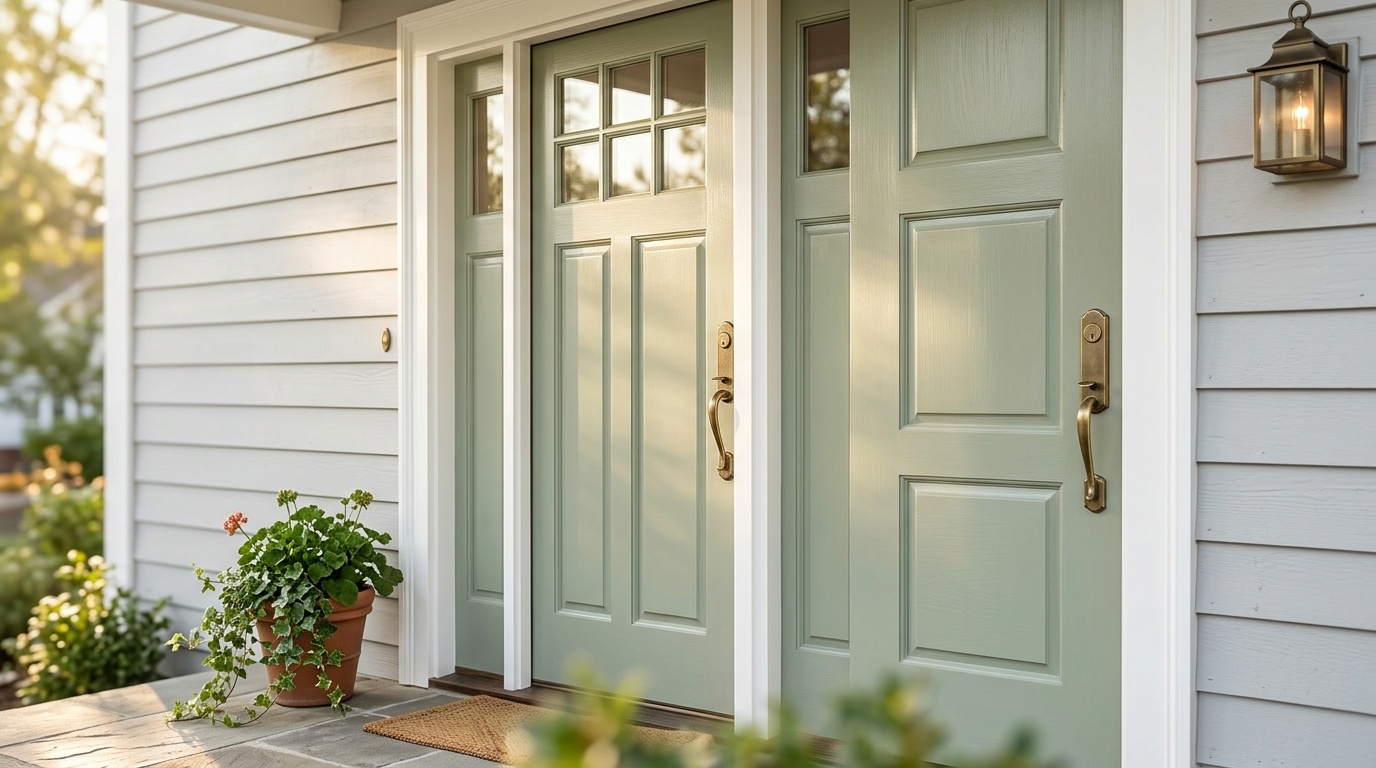
Do not confuse an oil-based primer with an oil-based finish paint. A stain-blocking primer may be appropriate beneath an acrylic topcoat, but only where both products approve the system. Likewise, do not infer corrosion protection from a paint being described as exterior.
| Surface | Starting Point | Critical Qualification |
|---|---|---|
| Wood siding | Approved exterior acrylic system | Dry sound wood; tannins and bare ends may need primer |
| Fiber cement | Siding-maker-approved repaint system | Follow cleaning, repair and primer instructions |
| Vinyl siding | A vinyl-approved product and color | Dark colors can be restricted by the siding manufacturer |
| Brick or stucco | Compatible masonry coating | Resolve water entry, salt deposits, curing and alkalinity |
| Steel or aluminum | Metal-rated primer and topcoat or approved DTM system | Ferrous, galvanized and nonferrous metals differ |
| Deck or porch floor | Coating specifically approved for the walking surface | House siding paint is not floor paint |
Old brick deserves a separate moisture assessment before painting. A decorative topcoat is not a substitute for fixing drainage or failed mortar. On new masonry, check the coating's moisture, pH and curing requirements rather than applying one waiting period to every wall.
On vinyl, verify the color and coating together. A shade available in a tint deck is not necessarily safe for a particular siding panel. Do not assume a universal dark-color restriction or universal dark-color permission; obtain the relevant manufacturer's instructions.
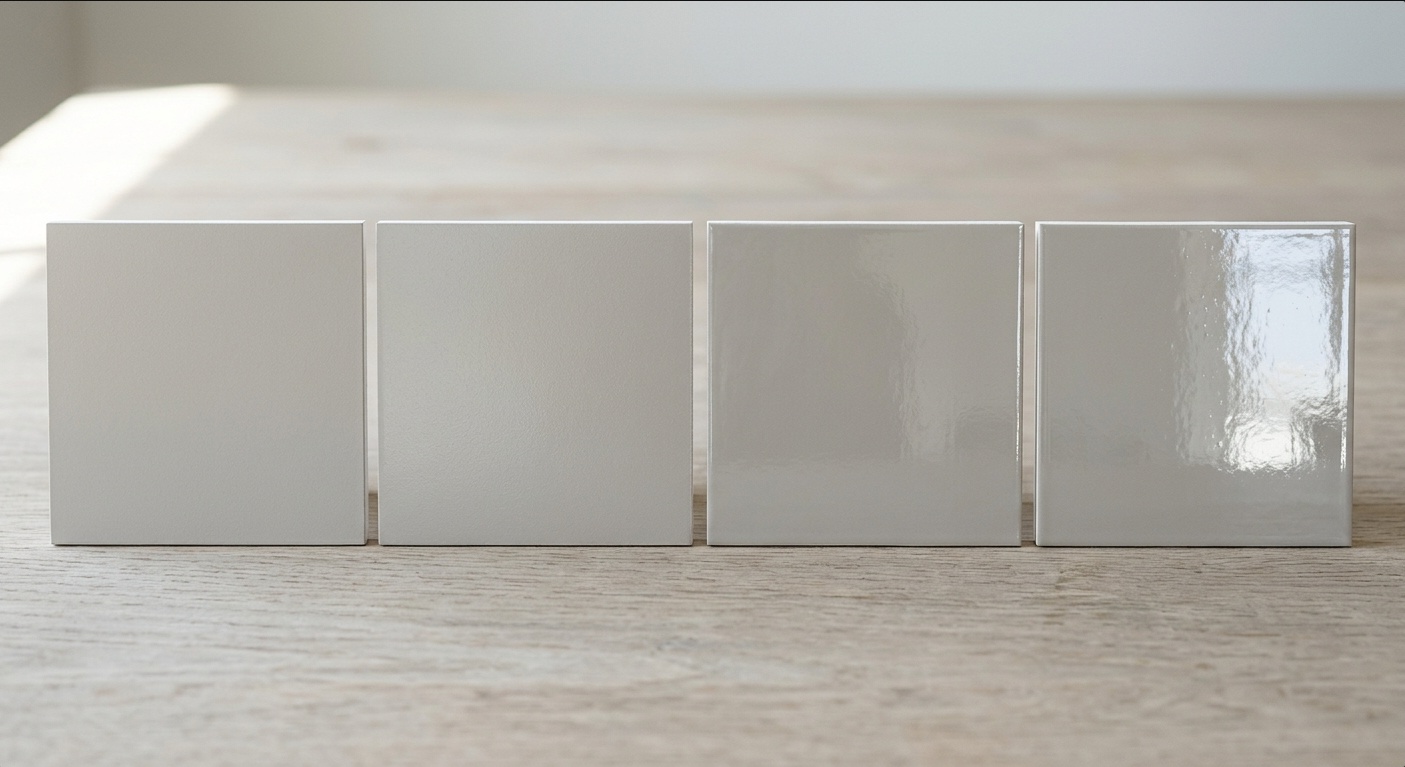
Flat or low-lustre finishes soften the appearance of uneven siding and textured masonry. Satin creates more reflection and may suit a washable exterior system. Semi-gloss or gloss can emphasize trim and doors but also highlights filler, dents and brush marks.
The most durable exterior paint sheen for a high-traffic entryway is not determined by shine alone. Choose a coating intended for contact and cleaning, then select its finish. Different brands use sheen names differently, so compare samples from the actual product range.
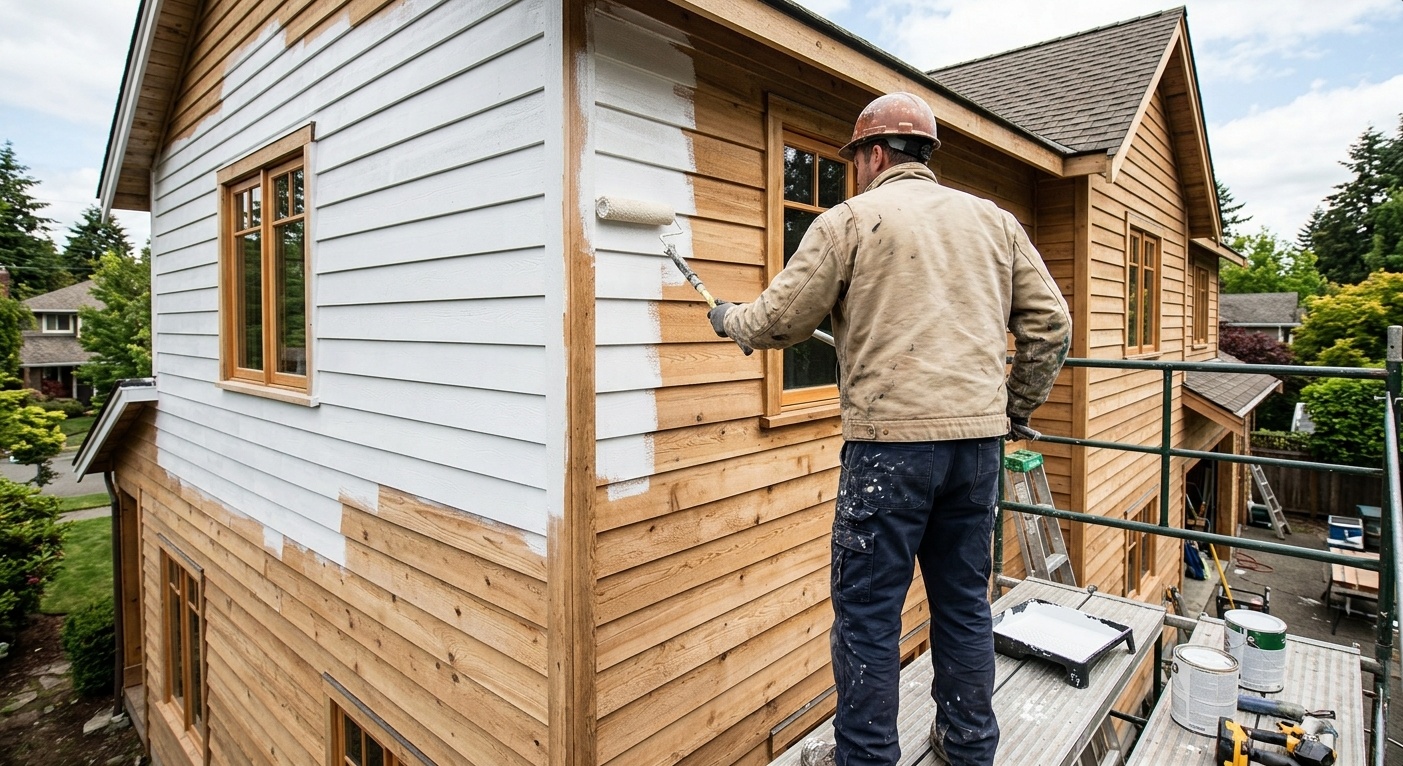
Bare wood, tannin staining, repairs, rust and slick existing coatings may each need a different primer. A paint-and-primer claim can describe a self-priming application on eligible surfaces; it does not mean all primers or preparation can be omitted.
Remove unsound material and contamination before priming. A primer cannot reliably glue down widespread peeling or stabilize a wall that remains wet. If chalk rubs off the old paint, follow the chosen system's cleaning and preparation instructions instead of painting over the residue.
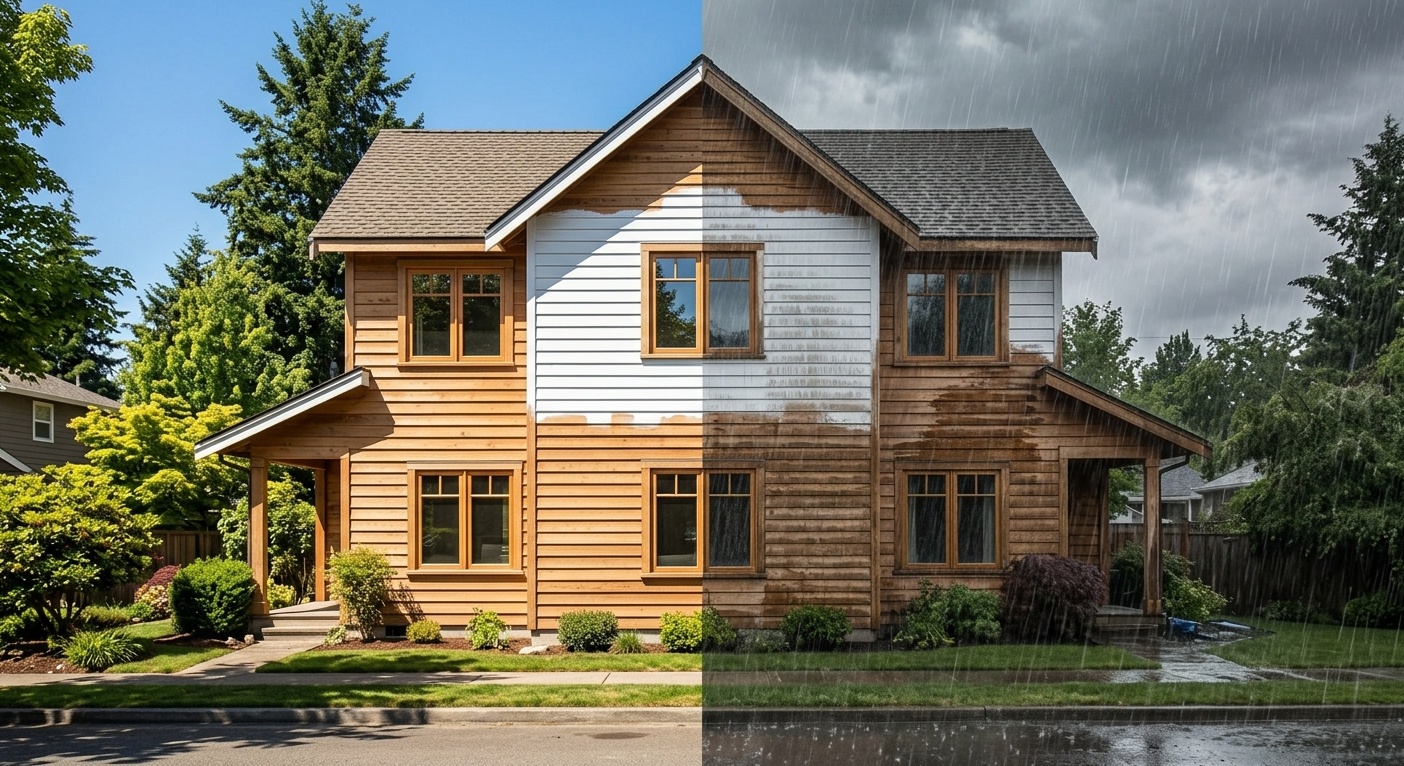
Compare the conditions on the wall, not just the forecast air temperature. A sunlit surface can be much hotter than the surrounding air. Evening condensation can affect a coat applied during a warm afternoon. Follow the exact temperature, humidity, dew and rain limits throughout application and early drying.
Latitude's manufacturer describes rain or dew resistance in as little as one hour. That is a conditional product claim, not a general rule for all paints or a guarantee against storm damage. A coastal wall with salt deposits and a dry inland wall need different preparation even when both use an acrylic finish.
For San Diego weather or other dry, sunny locations, prioritize surface temperature and sun exposure while still checking overnight conditions. For humid areas, investigate persistent moisture and allow the surface to meet the coating specification. A mildew-resistant paint film does not clean an existing infestation.
Measure the actual paintable area and calculate each coat separately using the manufacturer's coverage range. Rough stucco, absorbent repairs and spraying losses can change quantity. Primer is a separate line item unless the selected application system says otherwise.
Compare paint, primer, repairs, washing, masking, tools, access and labor using the same scope. A lower gallon price can become a higher project cost if the job needs more material or repeated preparation. Record the tint and product code so maintenance does not depend on remembering a brand name.
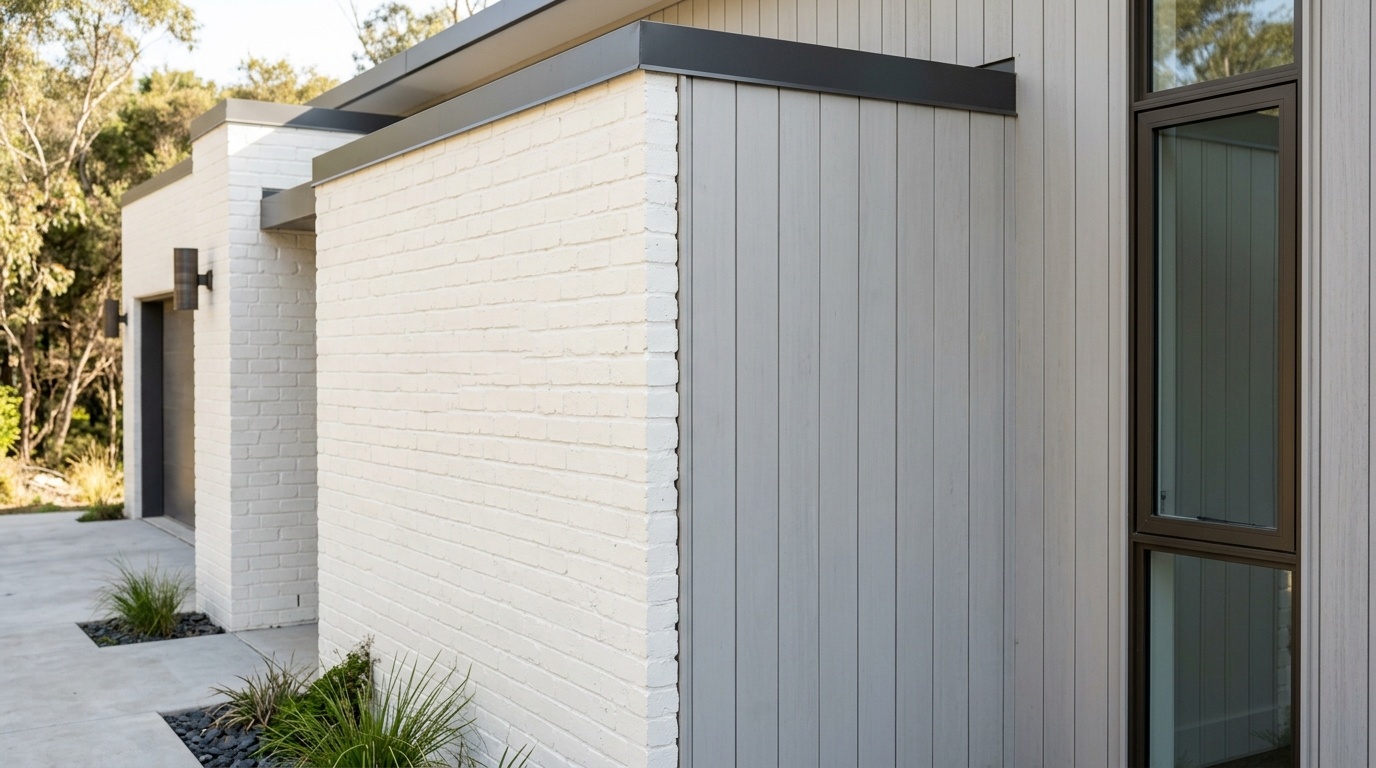
Use a photo that includes the roof, fixed masonry, windows and landscaping. In Paintit, request a body and trim color concept and name the features that must remain. Compare a lighter palette and a mid-tone option before selecting physical samples.
Paintit can help with appearance, not substrate approval, insulation performance or coating life. Its named paint catalogs are color references; a catalog color does not confirm that the exterior formula you need is available in that shade.
A compatible exterior acrylic system is a useful starting point for many siding projects. Confirm the substrate, existing coating, primer and weather window before choosing a range.
No. The exact product specification, quantity and preparation determine whether the purchase suits the job. A premium topcoat cannot correct a failing substrate.
Only where the instructions permit a self-priming system for that surface. Bare tannin-prone wood, rust, stains and difficult existing finishes can need a separate primer.
Use the selected system's required coat count and film build. Do not stretch paint beyond its specified coverage or assume that a more expensive gallon always gives one-coat coverage.