7 min. reading

Yulii Cherevko
CEO paintit.ai
Published: Updated:
The best exterior paint for Florida is a coating system matched to the wall, its moisture condition and the weather window. A suitable exterior acrylic is a useful starting point for many sound stucco, wood and fiber-cement surfaces. Cracked masonry, coastal metalwork and persistently damp walls need separate decisions.
No paint makes a house storm-proof. This guide compares application and substrate considerations, not products tested by Paintit in hurricanes or guaranteed to last a stated number of Florida summers.
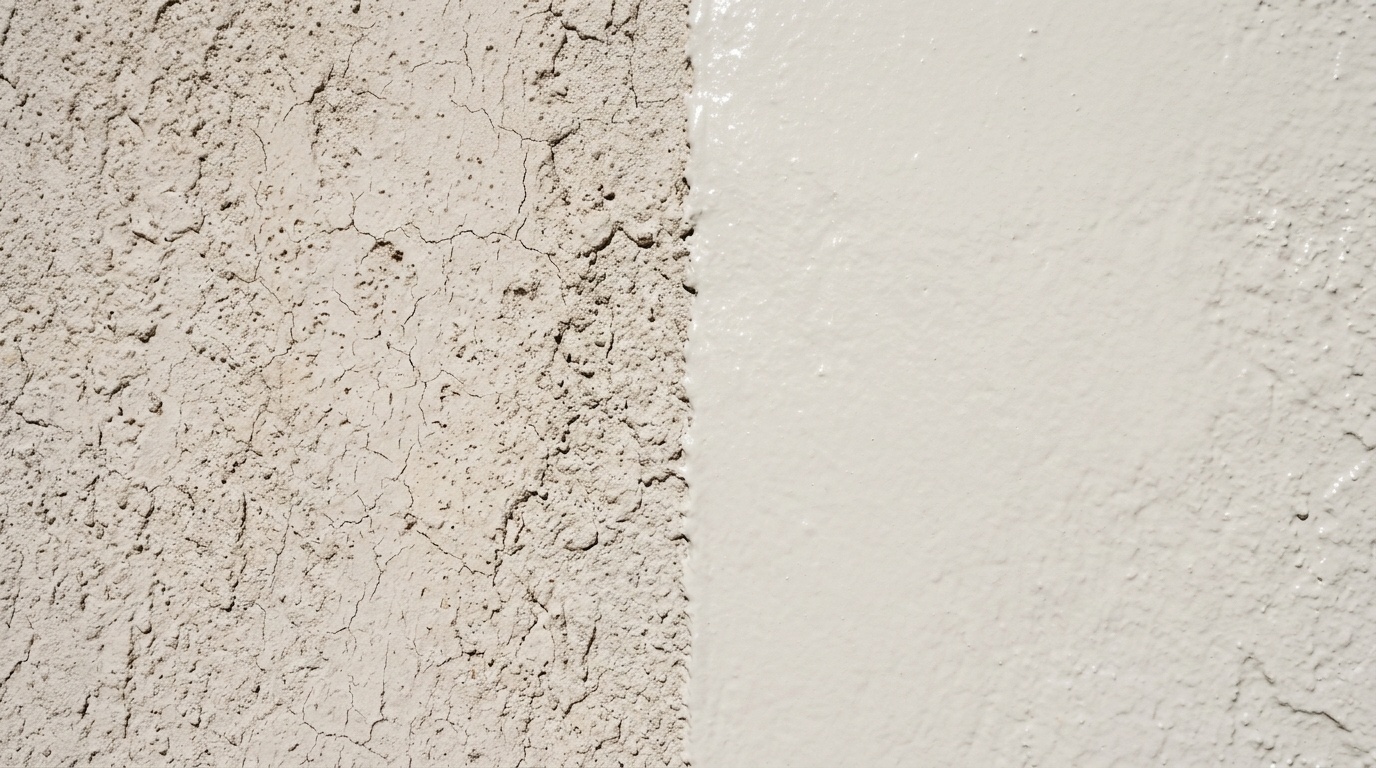
Look at each elevation. A shaded wall may stay damp while a west-facing wall heats quickly. Near the coast, wind-driven salt deposits add a cleaning and corrosion concern. Gutters, failed sealants and roof leaks can wet a wall from places the topcoat cannot repair.
The best exterior paint for Florida humidity must work within the manufacturer's air and surface-temperature, moisture and drying limits. “Dry to touch” and “rain resistant” are different milestones. Afternoon rain, overnight dew and a recently washed wall can make an otherwise convenient painting day unsuitable.
| Coating Category | Where to Consider It | What It Cannot Establish |
|---|---|---|
| Exterior acrylic | Sound compatible siding or masonry with specified preparation | A fixed service life in every Florida location |
| Elastomeric masonry system | Approved masonry with eligible fine cracks and the required film build | Repair of structural cracks or active water entry |
| Ceramic-branded system | A complete specified contractor-applied coating proposal | Automatic heat savings, storm protection or permanent performance |
Elastomeric coatings are not simply stronger house paint. Ask which crack widths the exact system covers, what repairs it requires, and how its vapor properties fit the wall. A thick coating over a wet or failing surface can conceal the problem without solving it.
“Ceramic coating” is a marketing category, not one standard formula. Compare the technical specification, installer preparation, exclusions and warranty terms. A long warranty is not a measured prediction of how long your wall will remain unchanged.
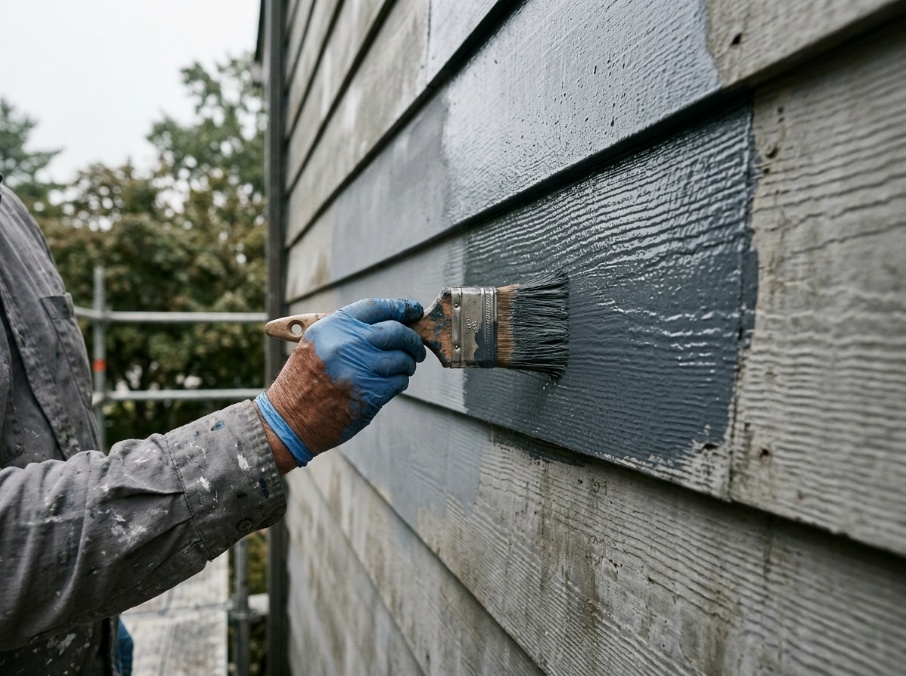
Duration is an exterior acrylic range to discuss for compatible siding and trim. Match the actual finish, substrate and primer system rather than assuming every Duration label has identical instructions. Ask for a written specification for your wall and any repairs.
Sherwin-Williams says Latitude develops rain or dew resistance in as little as one hour and lists a broad application-temperature range. Those manufacturer claims concern application conditions, not permission to paint a damp wall or work into an approaching storm. Read the exact data sheet and allow for the surface temperature.
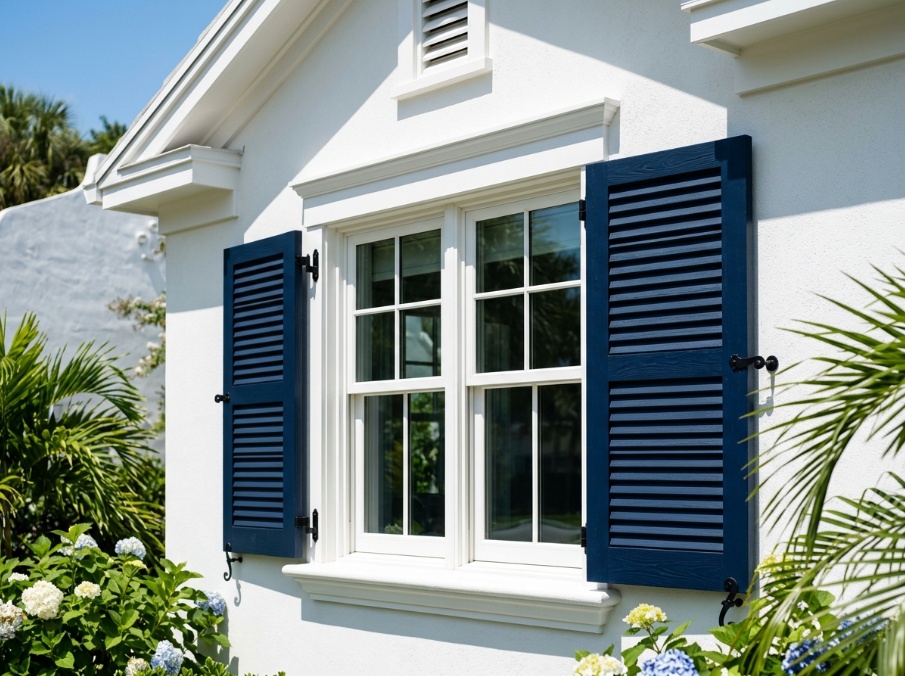
Benjamin Moore Aura is another exterior range worth asking a local supplier about, particularly when specifying a coordinated body and accent palette. Do not rank it above other products by unsupported lifespan years. Dark shutters or doors also need approval from their substrate manufacturer, not just a color available in a catalog.
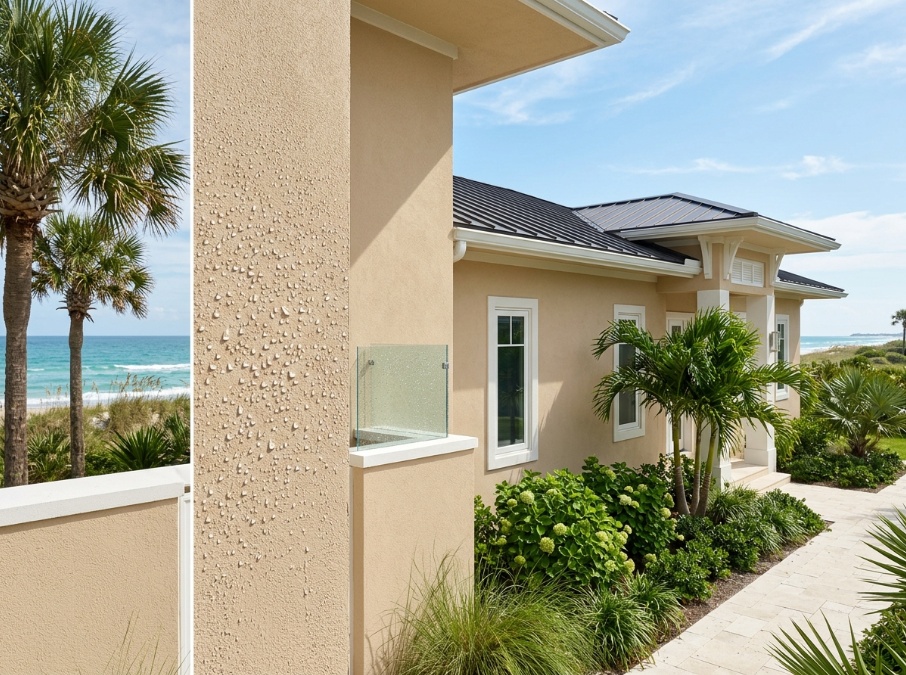
Florida Paints currently lists Legacy RainBright as an exterior self-cleaning 100% acrylic coating. Self-cleaning is a manufacturer claim, not a substitute for washing salt deposits, correcting leaks or checking mildew. Confirm the current product code, primer and application requirements with the supplier.
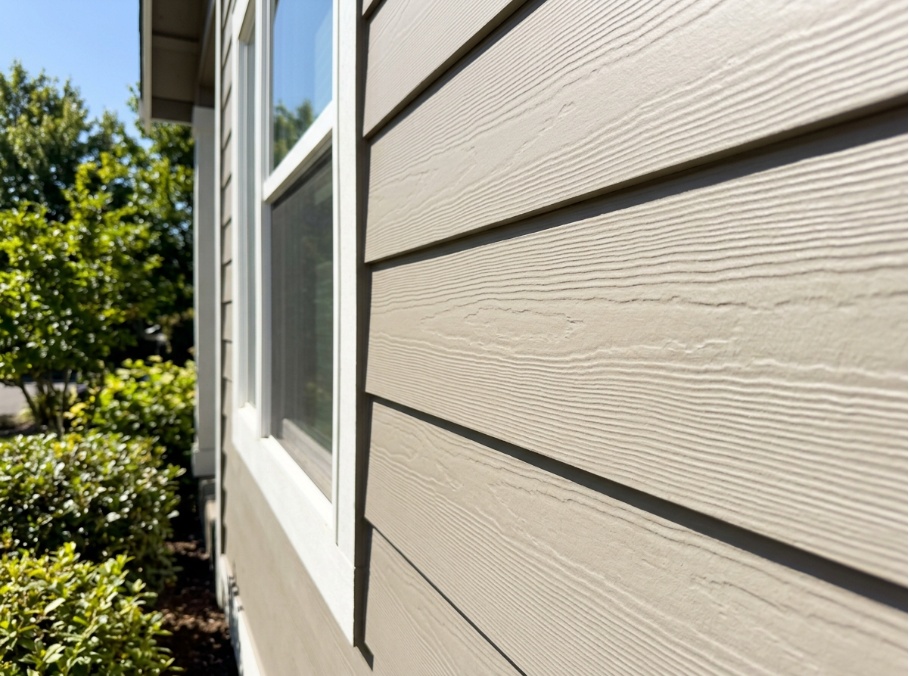
For fiber cement, obtain the siding manufacturer's repaint instructions and select an approved exterior system. Do not buy an older product name from a roundup without confirming current stock and formulation. This matters when comparing PPG or regional ranges whose local supply differs.
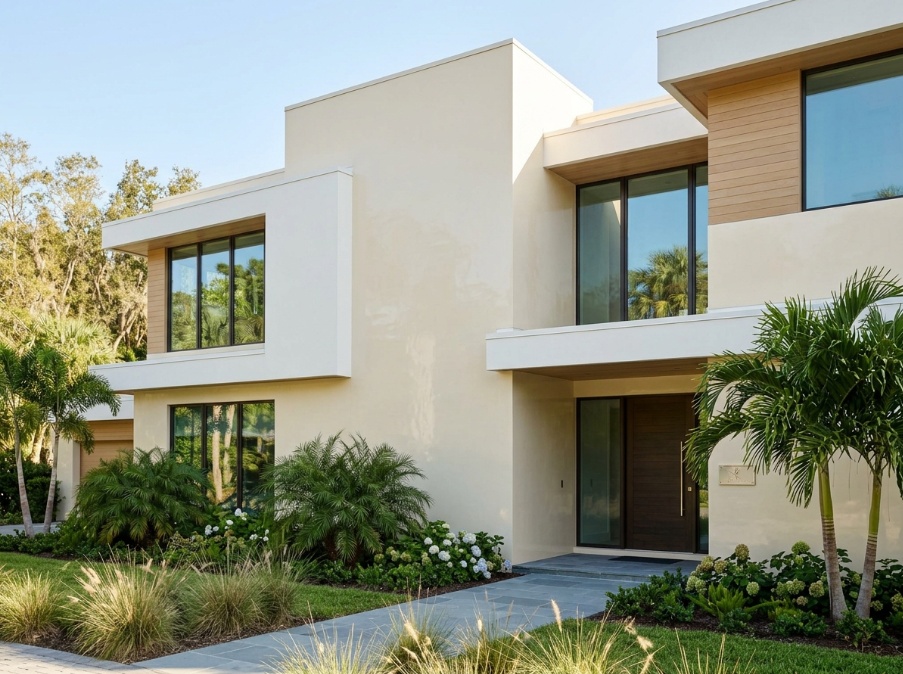
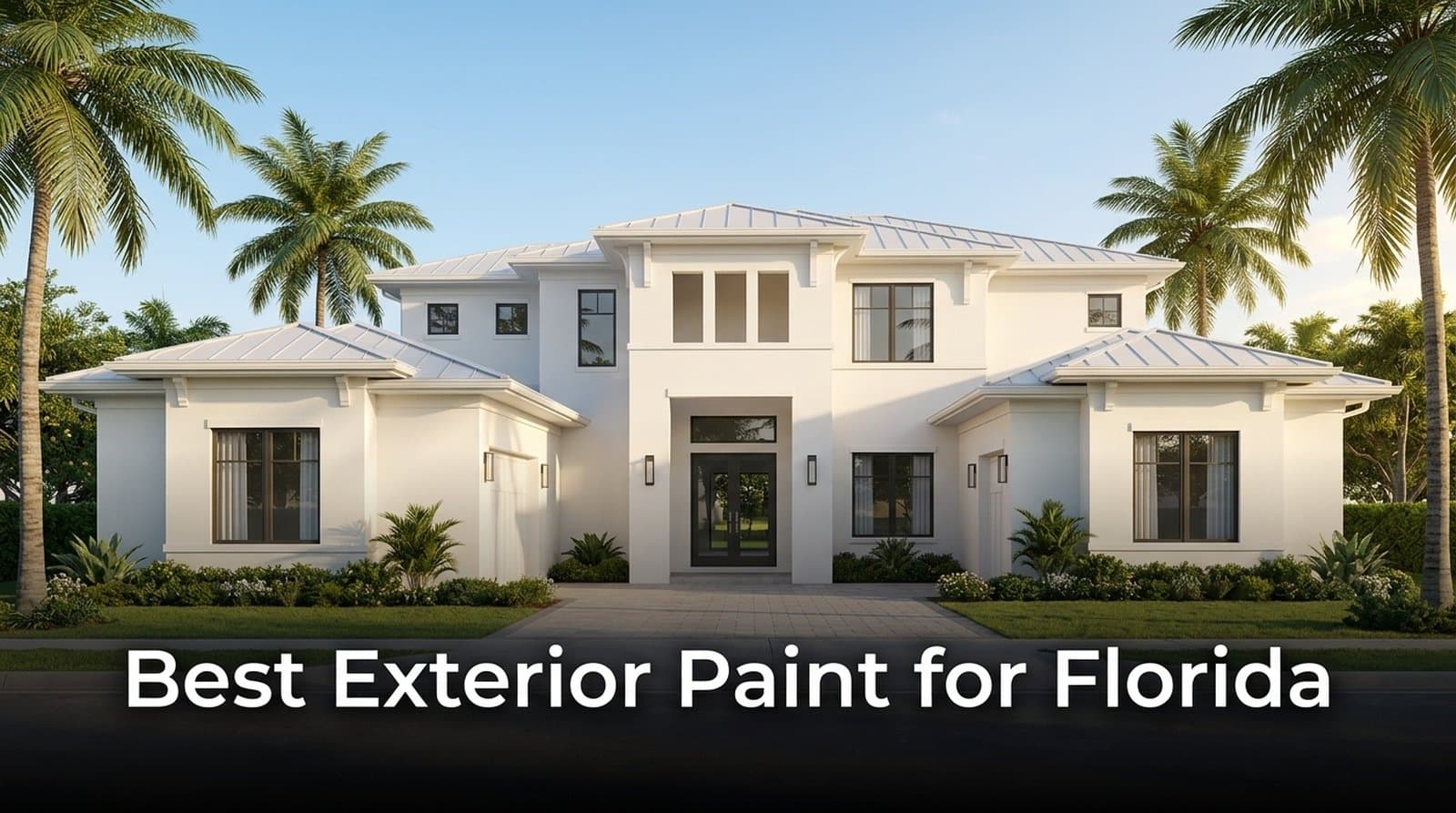
If considering a Rhino Shield or another ceramic-branded proposal, compare it with an acrylic repaint on the same scope: washing, repairs, primer, specified film thickness, labor and warranty exclusions. The illustration shows an appearance only; it does not document a ceramic installation, energy saving or durability test.
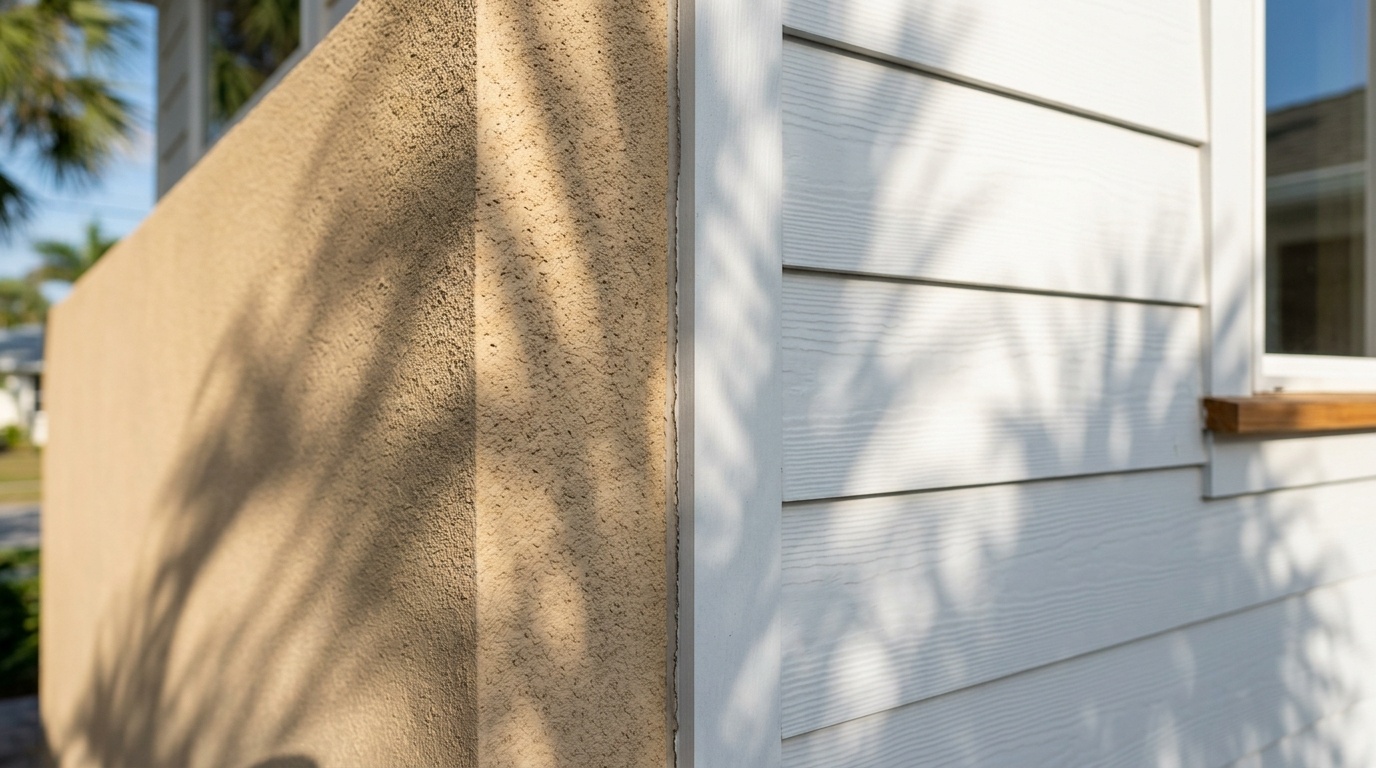
The best exterior paint for stucco in Florida depends on sound masonry beneath it. Check cracks, loose material, efflorescence, chalking and the source of dampness. New or repaired stucco needs the curing, moisture and pH conditions specified for the coating; do not assume every job can be painted after the same number of days.
On coastal wood or fiber cement, remove deposits and confirm drying before coating. Rusting fasteners and metal frames need a compatible corrosion-control system. A mildew-resistant wall-paint film is not a rust treatment. For South Florida, separate the wall specification from those exposed metal details.
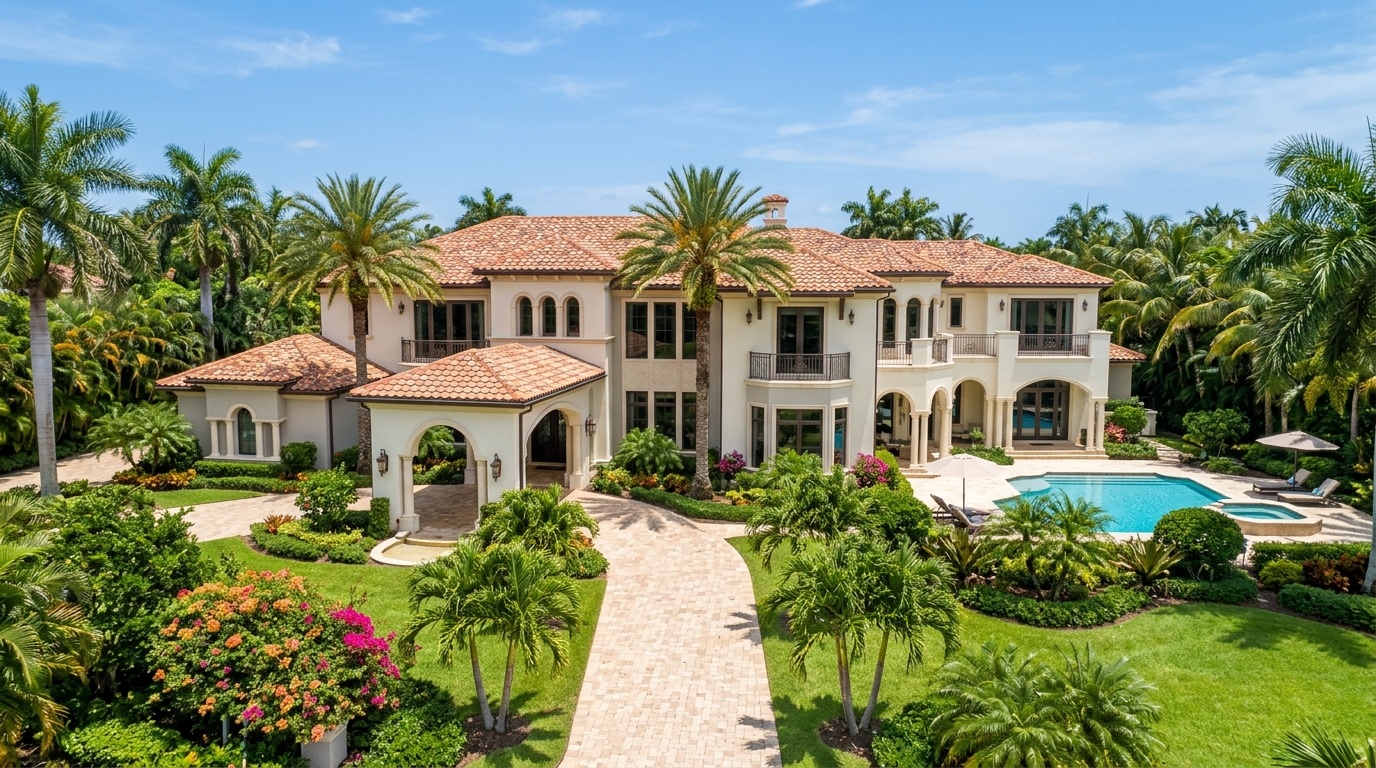
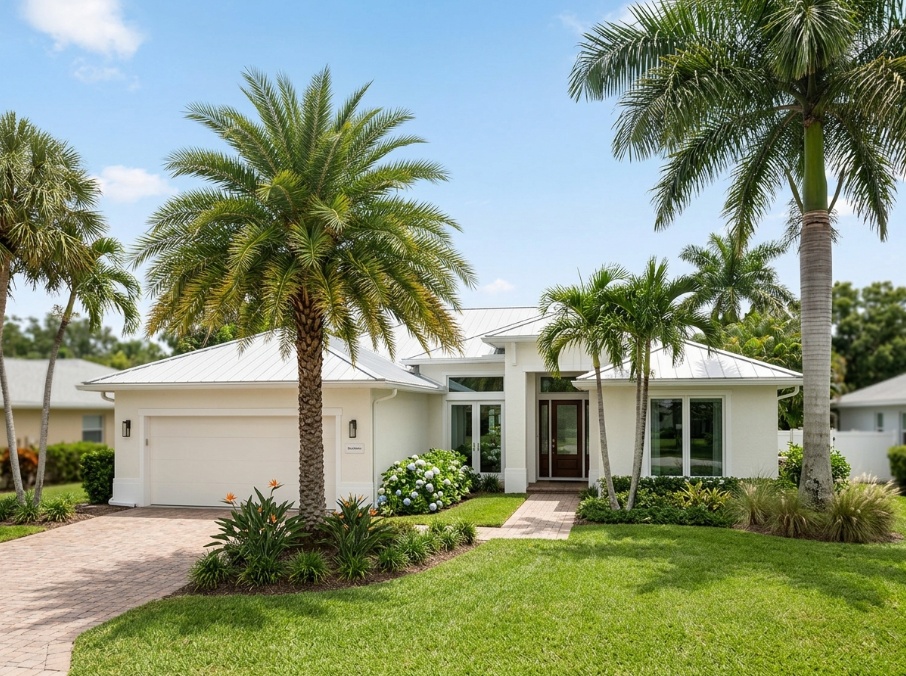
Compare warm white or a light neutral against the roof, paving and existing windows. Lighter colors can reduce solar absorption compared with darker versions of a similar coating, but color alone does not establish an indoor-temperature reduction or lower energy bill. LRV describes visible-light reflectance, not the whole solar performance of a coating.
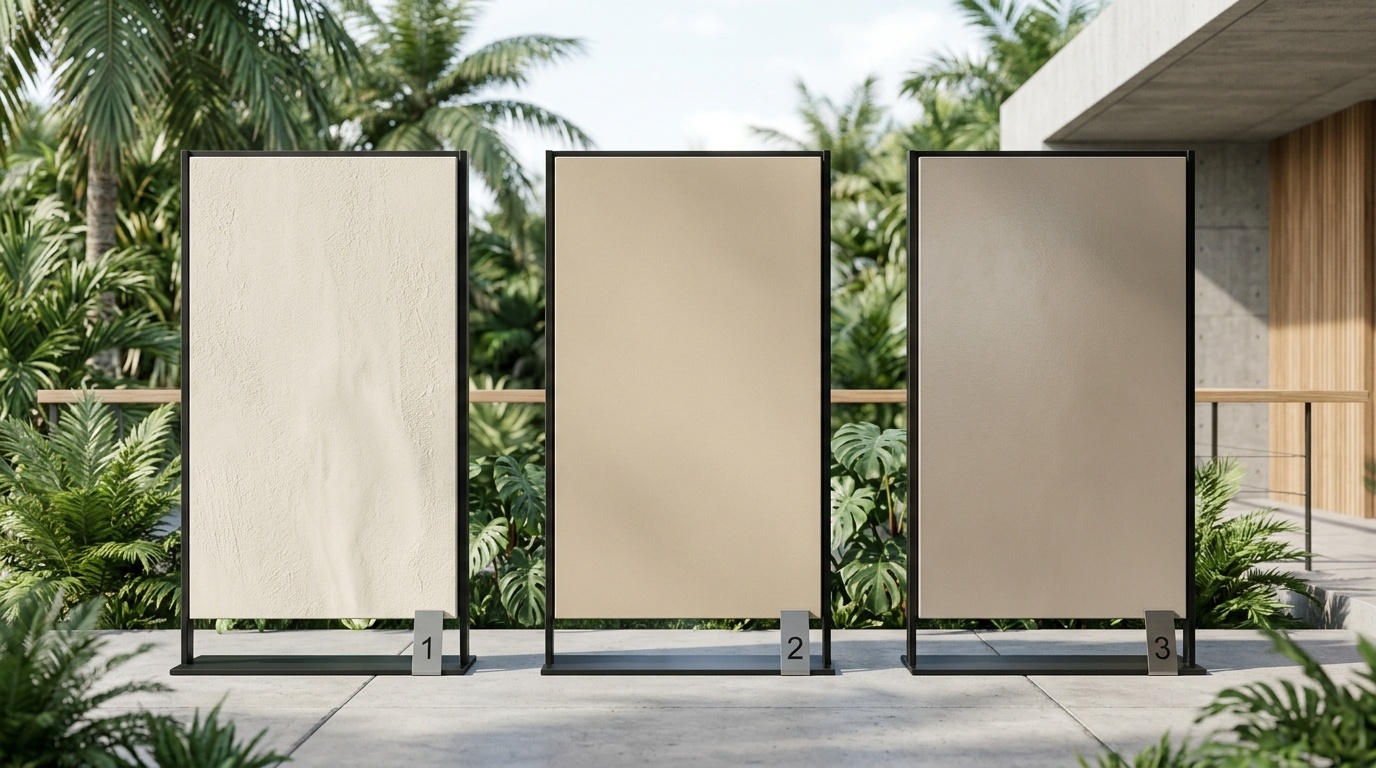
Keep a dark accent limited to surfaces whose manufacturer permits it. Obtain any HOA approval before ordering paint. Test physical samples on more than one elevation, including the shaded side; strong sun can make a small chip a poor guide to the finished wall.
Do not compare a material-only gallon price with an installed ceramic-system quote. Include surface repairs, access equipment and the quantity required by textured stucco. No national price or fixed Florida lifespan is assumed here.
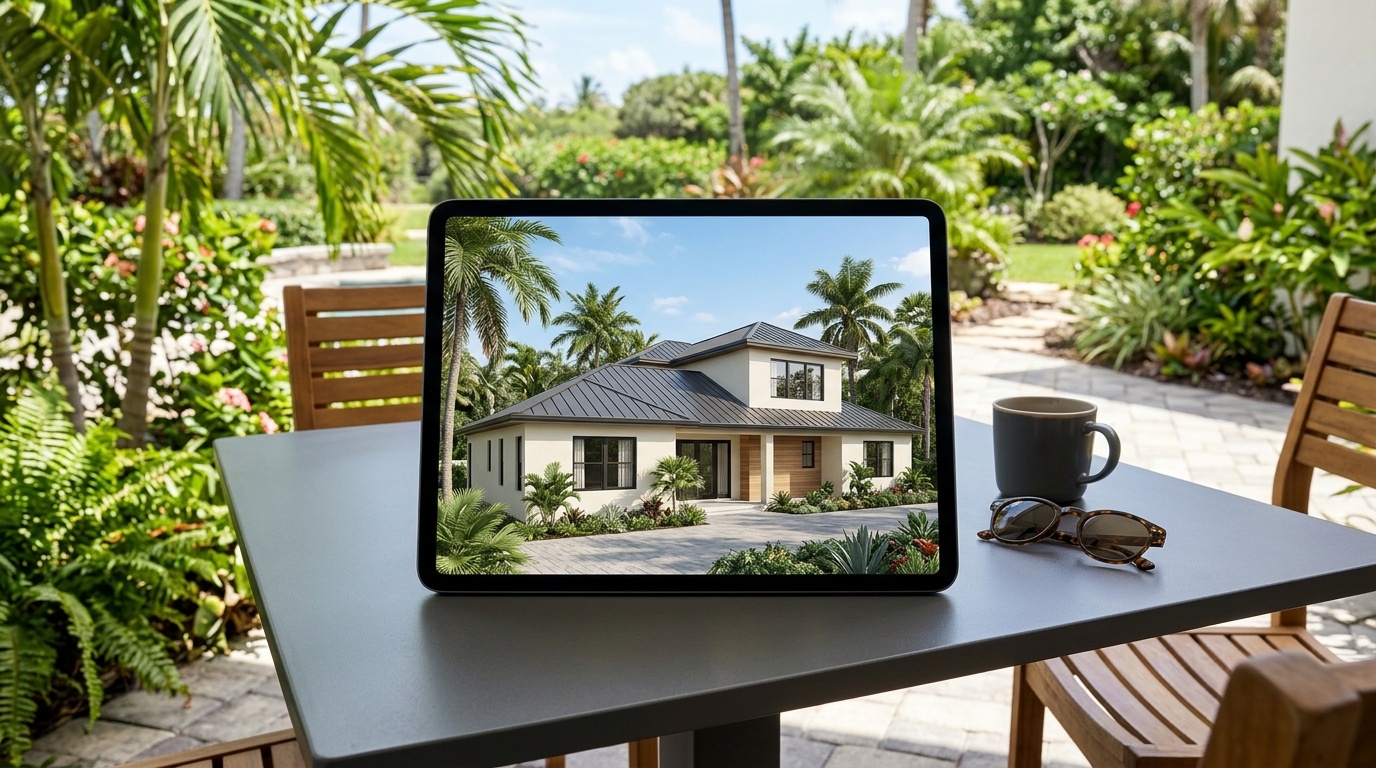
Upload a facade photo to Paintit and name the walls, trim and accents you want to change. Ask for the roof, windows and landscaping to remain. Inspect the result for unwanted alterations before using it to shortlist exterior paint colors.
Paintit's catalogs include Behr, Benjamin Moore, Dulux, Nippon Paint and Sherwin-Williams colors. Catalog selection does not verify the availability or suitability of a coating for Florida stucco. The image cannot diagnose dampness, calculate film thickness or confirm a manufacturer's warranty.
There is no defensible single winner without comparable site-specific evidence. Specify the surface preparation and coating system for the wall, then compare application limits and maintenance. Do not equate a warranty with demonstrated local service life.
Only when the complete system's curing, pH and moisture requirements are met. Ask the stucco and coating suppliers about the actual repair or new wall rather than adopting a universal waiting period.
It can cover eligible fine cracks as part of an approved system. It does not repair structural movement, failed flashing or active water entry. Diagnose those first.
No. A driveway needs a concrete coating approved for vehicle traffic, outdoor exposure and the prepared slab. Exterior wall paint is not an interchangeable product.