

Stunning Yemeni-Style Home Design
Professional interior design inspiration for yemeni living room It helps show how layout, materials, and light can shape a more grounded living room.
Imagine stepping into a space where every cushion, every textile, tells a story of ancient traditions and warm hospitality. The unique charm of a yemeni living room lies in its inviting floor seating, rich patterns, and a sense of communal gathering. How do you bring that distinct blend of comfort and cultural depth into your own home without losing its authentic spirit?
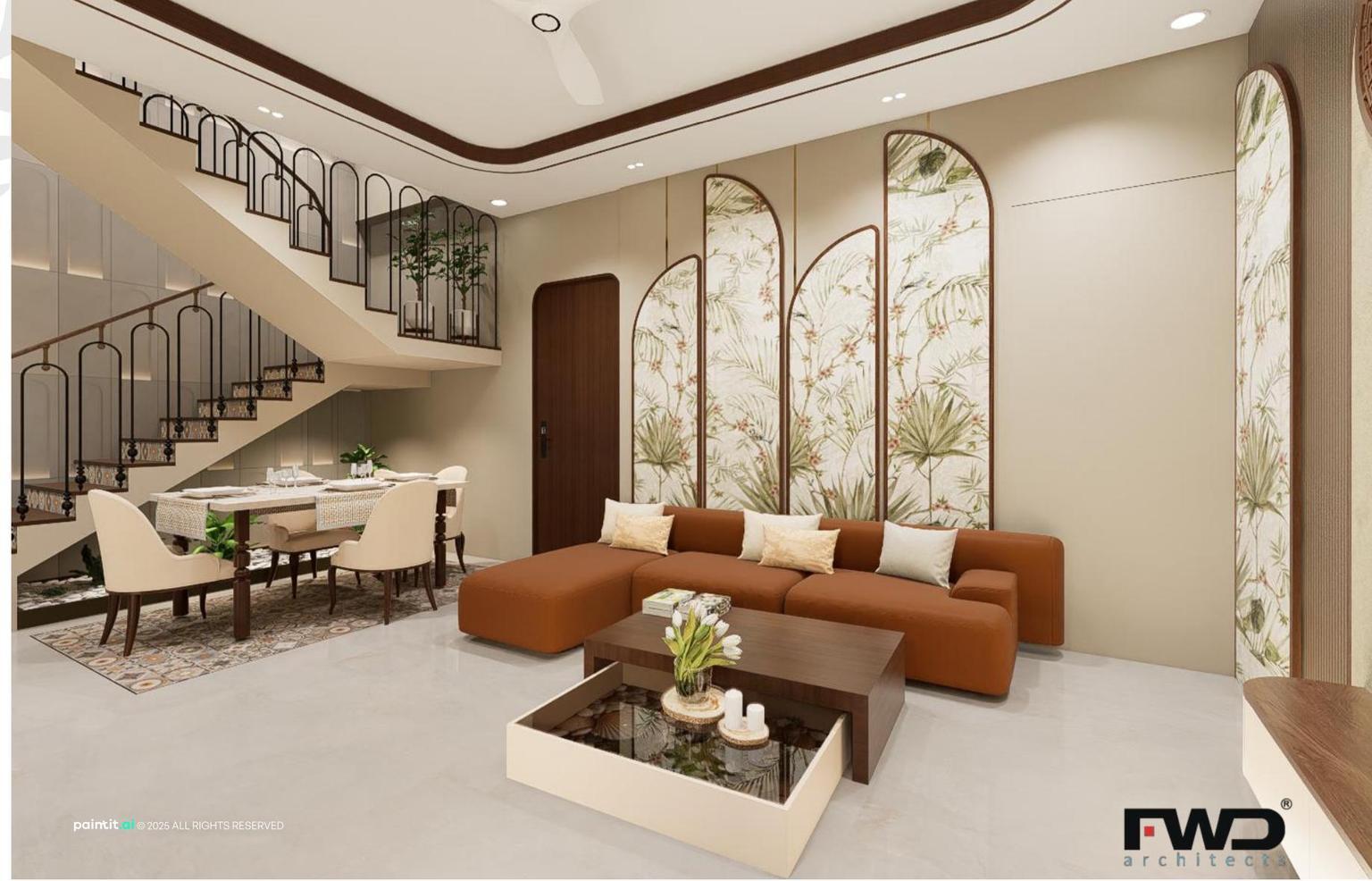
As CEO of Paintit.ai, I've observed a fascinating trend: the desire to infuse homes with genuine cultural depth. a Yemeni living room isn't just a collection of furniture; it's a centuries-old tradition of hospitality, comfort, and communal gathering. It’s defined by its distinctive low-level seating, known as a majlis or diwan, creating an intimate, grounded atmosphere. Most people forget that the essence lies in the careful layering of hand-woven textiles, rich earthy tones, and intricate Arabesque patterns, all designed for extended conversation and relaxation, often centered around shared meals or qat sessions.
We understand the challenge of translating such a specific aesthetic. Here is what matters: understanding the foundational elements—from the plush floor cushions to the strategic placement of low tables. We will explore the core principles of traditional Yemeni decor, essential styling tips for achieving that authentic feel, and crucially, how to avoid common misinterpretations that dilute its spirit. Imagine bringing that warmth into your space. And with Paintit.ai, visualizing these elements, testing different fabric textures or wall colors, becomes an effortless step from inspiration to reality.
Before changing furniture or finishes, you can preview the direction with an AI living room design tool.
This gallery turns the main idea into visible living room scenes with a stronger focus on material balance, furniture silhouettes, and overall mood.
Professional interior design inspiration for yemeni living room It helps show how layout, materials, and light can shape a more grounded living room.

Professional interior design inspiration for yemeni living room It helps show how layout, materials, and light can shape a more grounded living room.
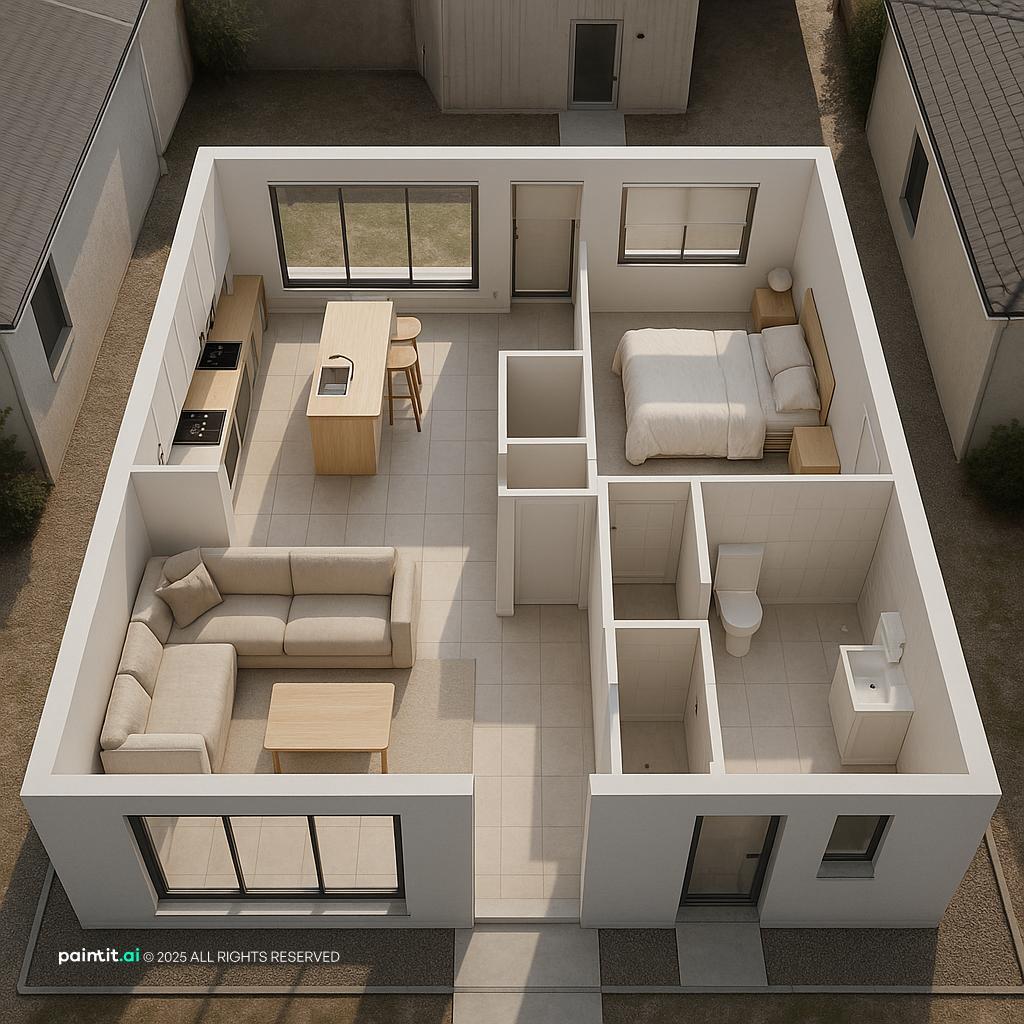
Professional interior design inspiration for yemeni living room It helps show how layout, materials, and light can shape a more grounded living room.
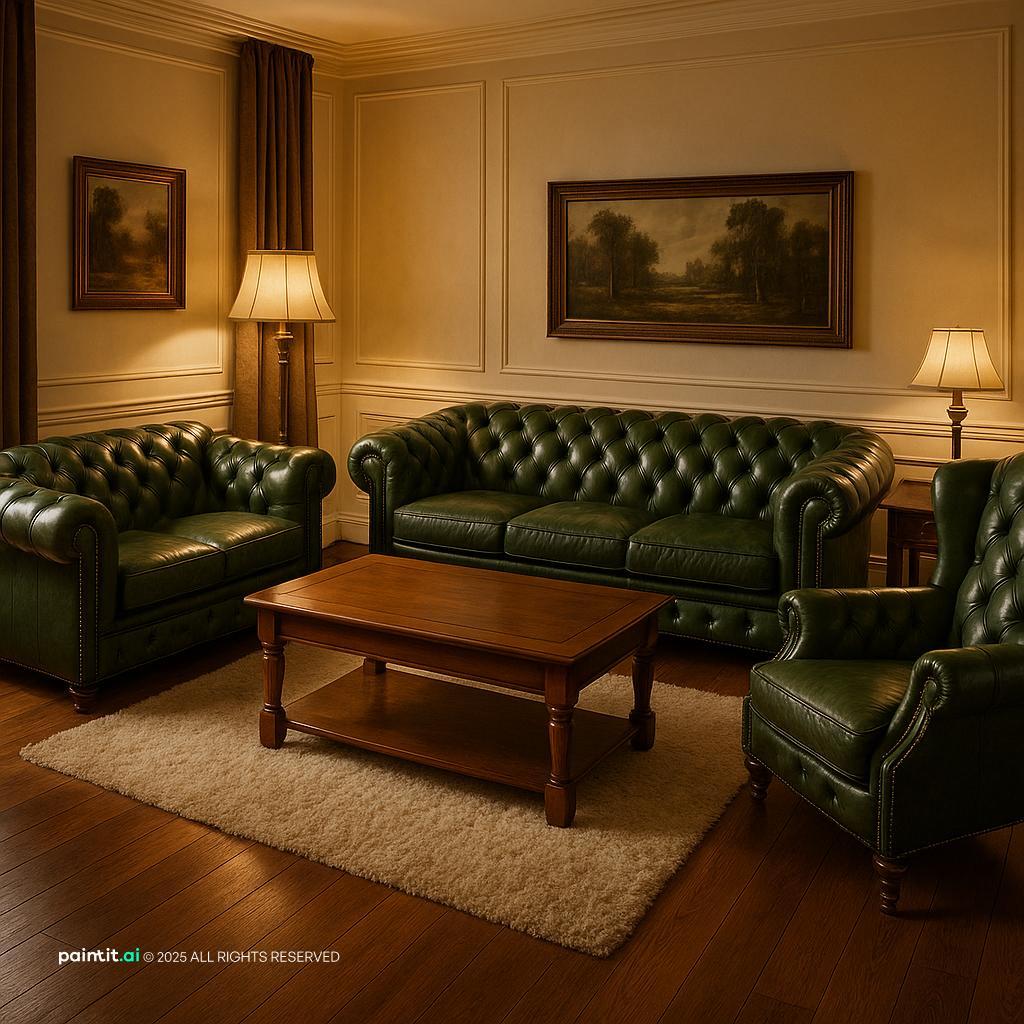
Professional interior design inspiration for yemeni living room It helps show how layout, materials, and light can shape a more grounded living room.
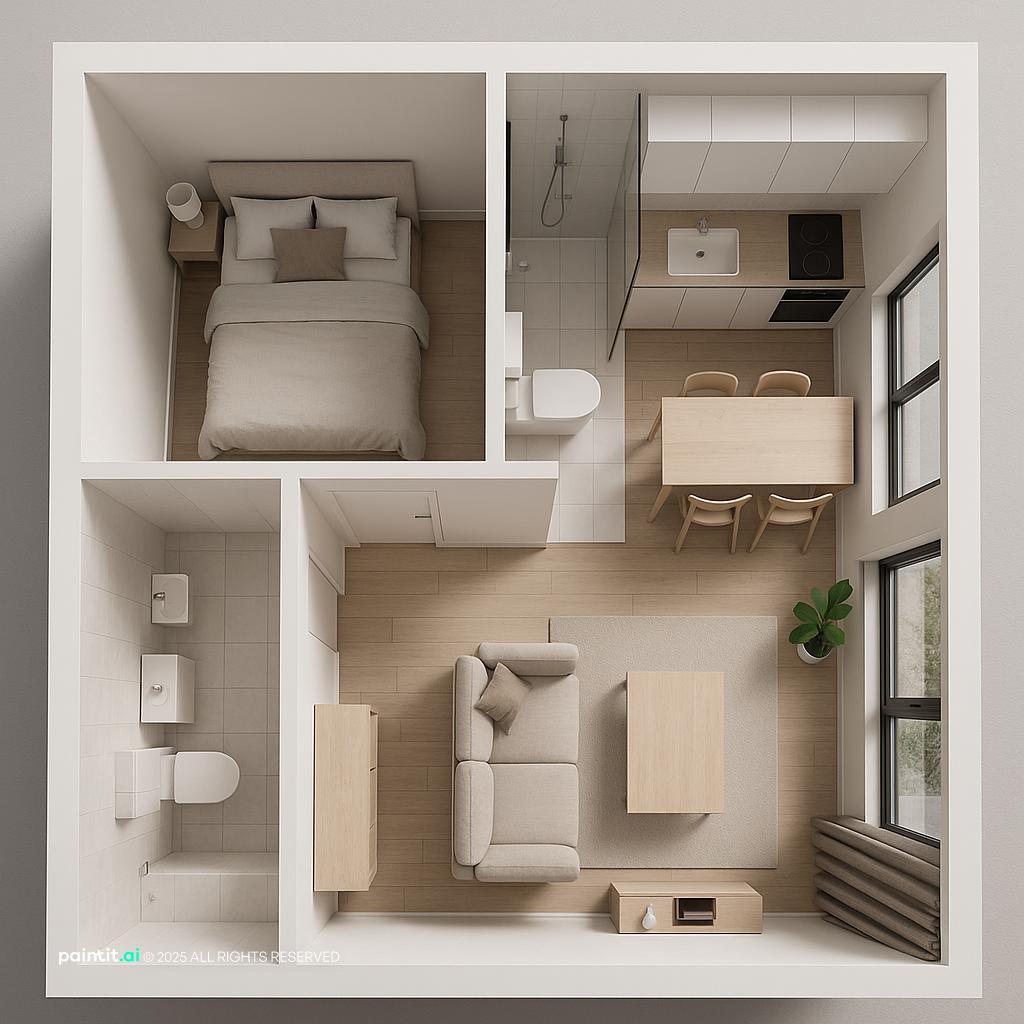
Professional interior design inspiration for yemeni living room It helps show how layout, materials, and light can shape a more grounded living room.
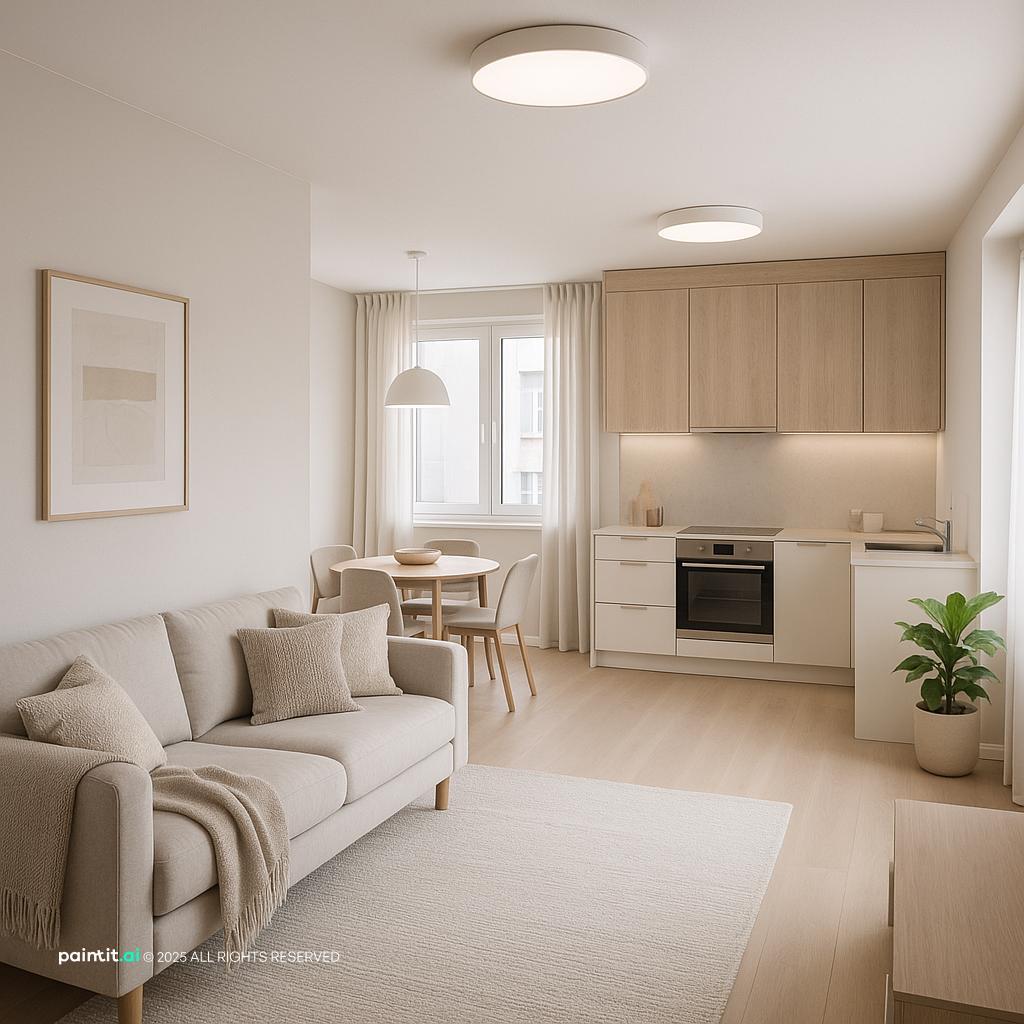
Professional interior design inspiration for yemeni living room It helps show how layout, materials, and light can shape a more grounded living room.
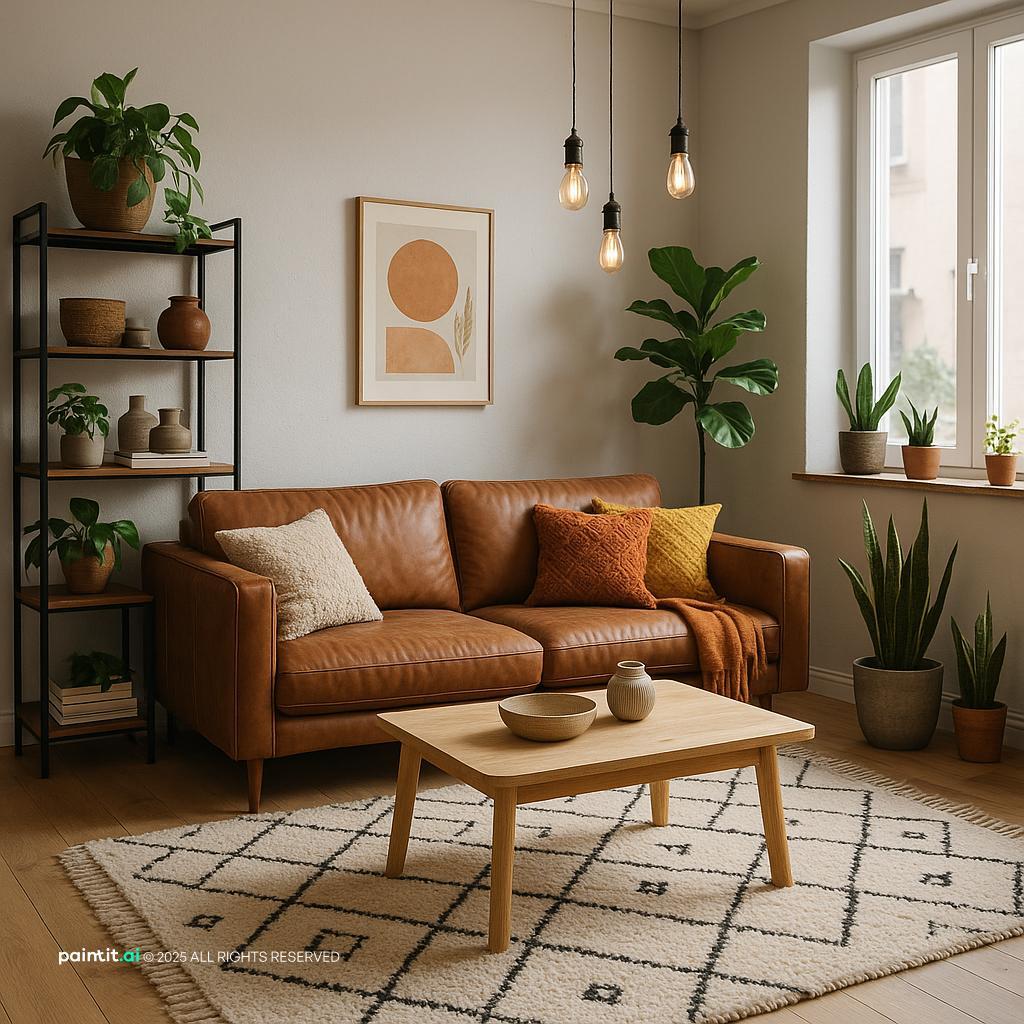
Professional interior design inspiration for yemeni living room It helps show how layout, materials, and light can shape a more grounded living room.
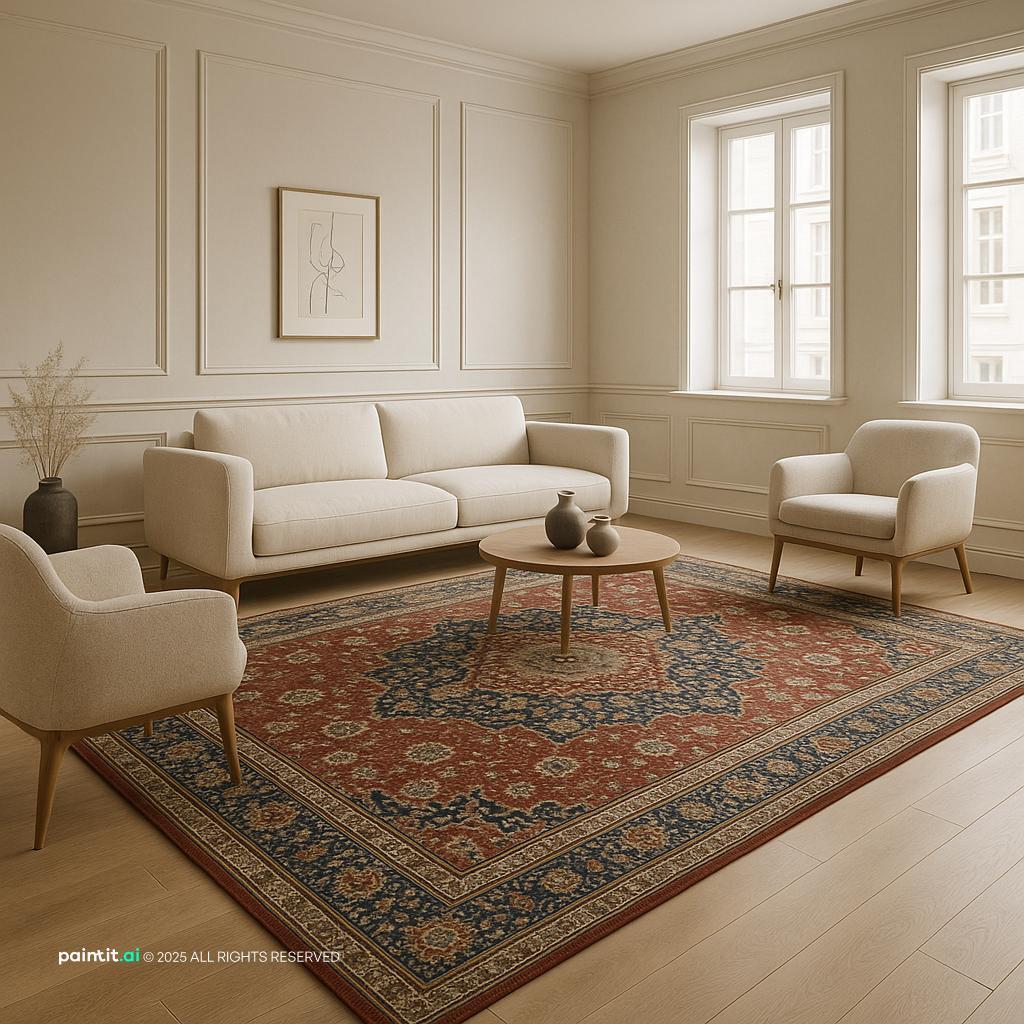
Professional interior design inspiration for yemeni living room It helps show how layout, materials, and light can shape a more grounded living room.
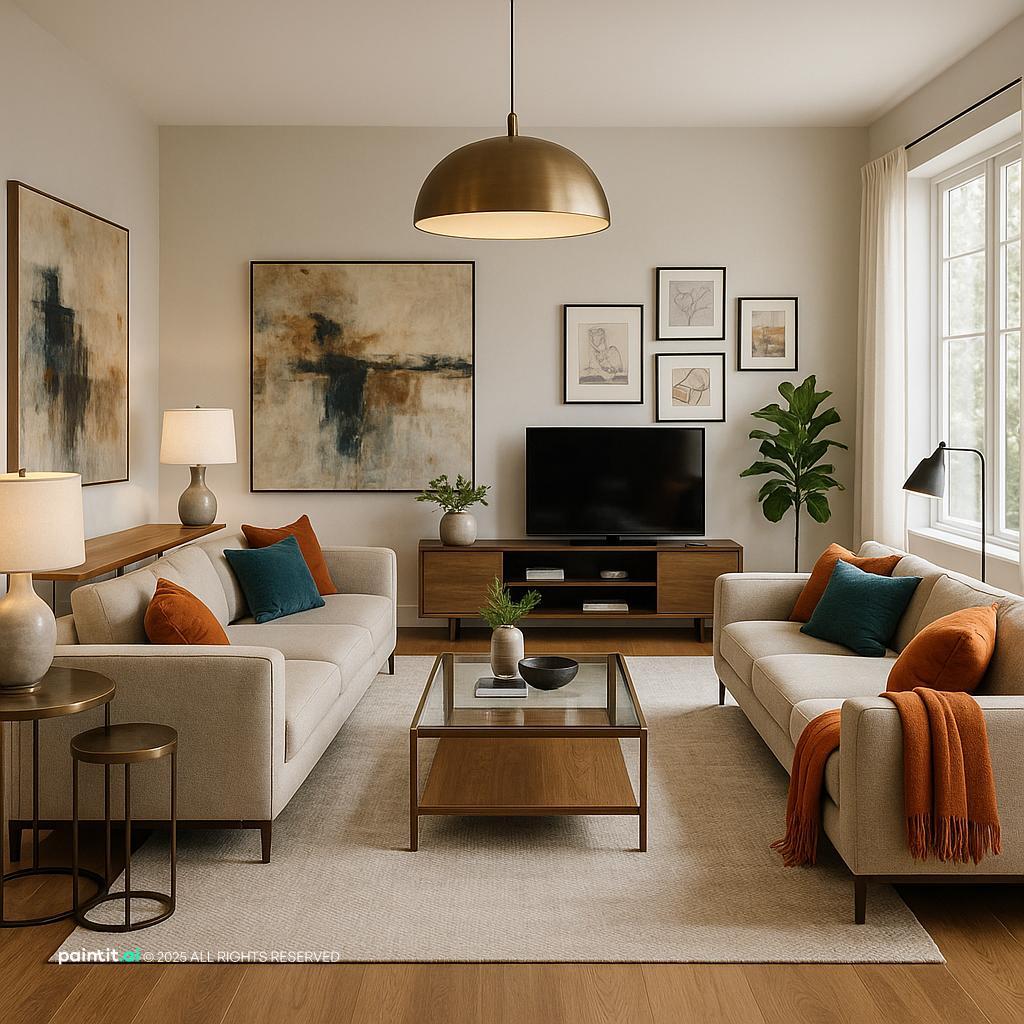
Professional interior design inspiration for yemeni living room It helps show how layout, materials, and light can shape a more grounded living room.
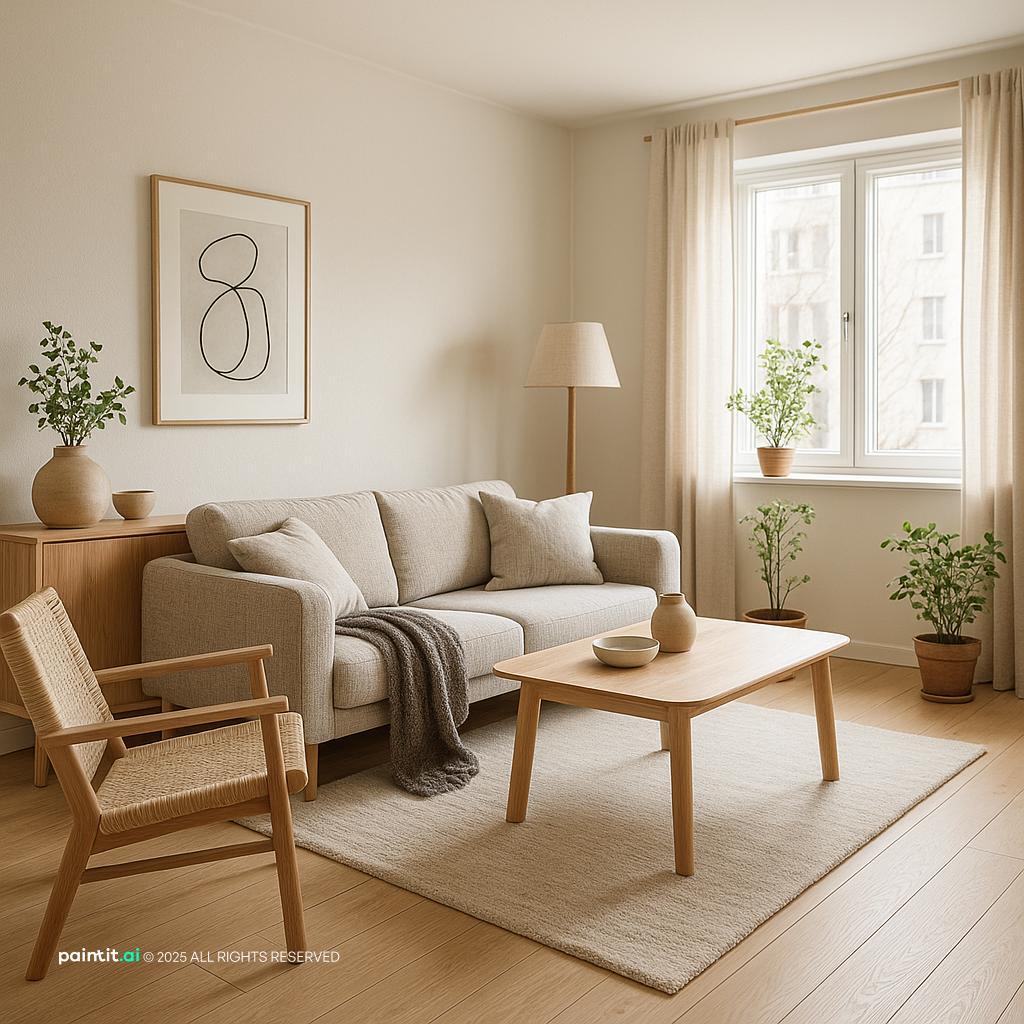
Professional interior design inspiration for yemeni living room It helps show how layout, materials, and light can shape a more grounded living room.
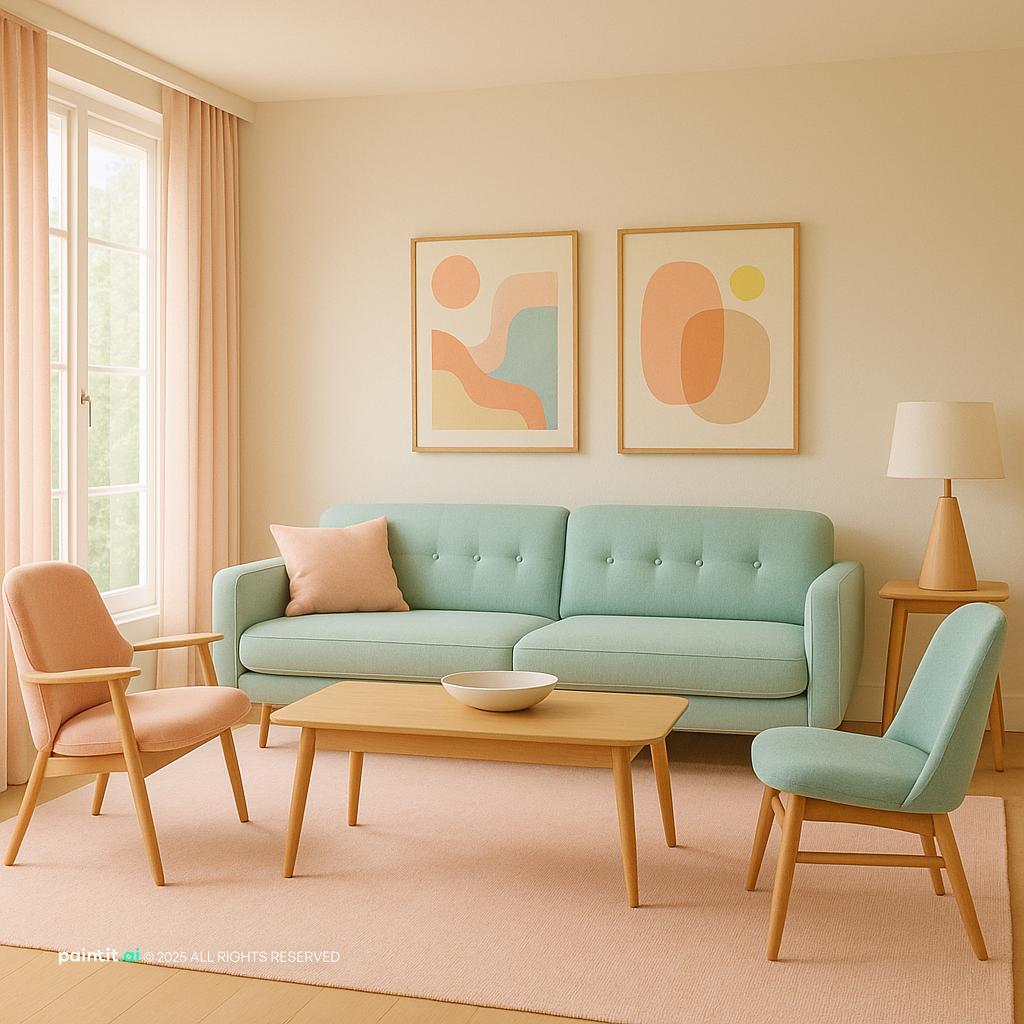
Chic Mid-Century Modern Living Room Design brings together clean lines for a more composed living room direction.
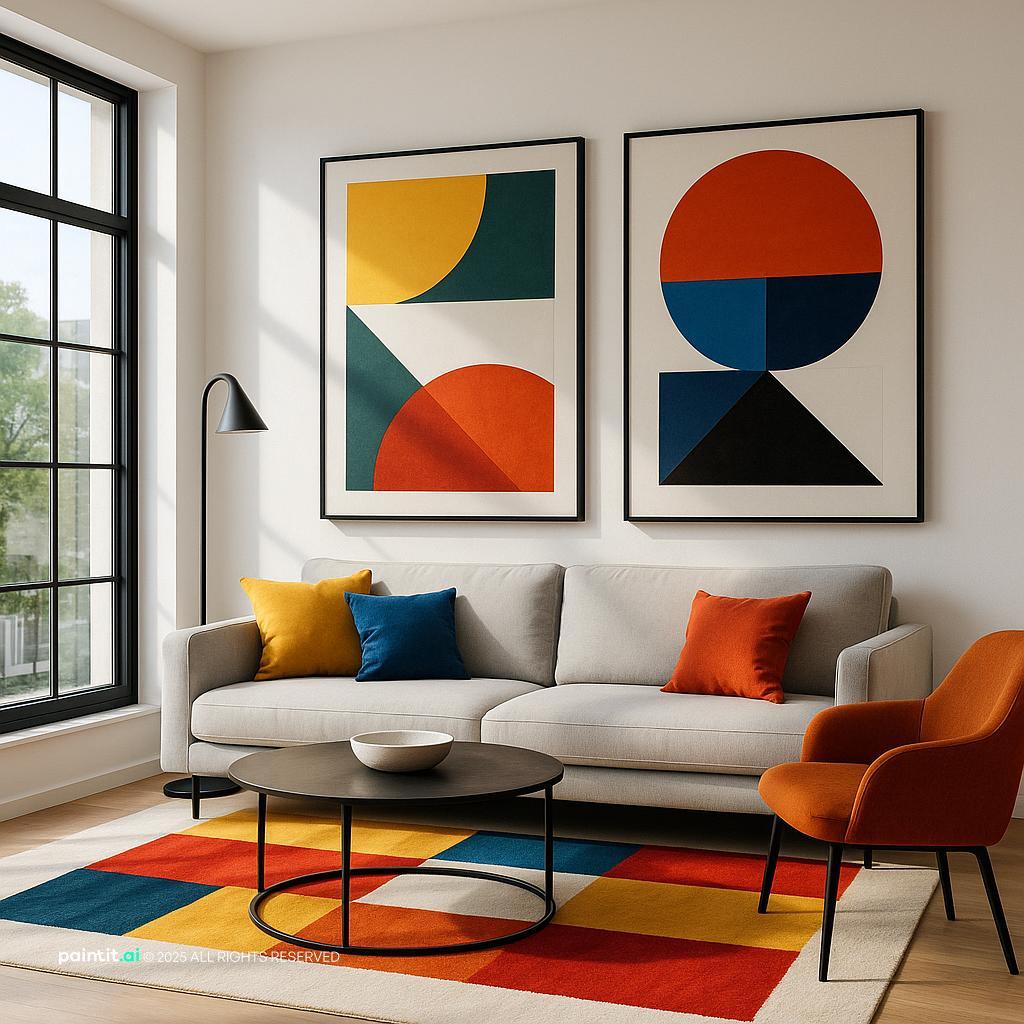
Bold Modern Living Room Design brings together rug and windows for a more composed living room direction.
This is the heart of any authentic Yemeni gathering space. It’s not just seating; it’s a philosophy of communal comfort, encouraging conversation and connection at a grounded level. I’ve seen this work best in homes that truly embrace a relaxed, intimate atmosphere.
Start with low-profile, firm floor cushions or a continuous line of diwan-style seating along the walls. Layer with softer throw pillows in varying sizes. A central, low coffee table is non-negotiable for serving.
For a related take on the same room, explore emerald green sofa living room ideas.
Yemeni interiors are a feast for the eyes, often defined by their opulent textiles. This isn't about clutter; it's about depth, warmth, and visual storytelling. Each fabric adds a layer of history and texture.
Begin with a large, patterned area rug as the base. Add smaller kilim rugs or prayer mats on top. Drape embroidered throws over seating and use cushions with intricate patterns like geometric motifs or traditional calligraphy.
For a related take on the same room, explore living room wall color ideas.
Lighting in a Yemeni space is never harsh; it's always an invitation. Ornate metal lanterns cast intricate shadows and diffuse a soft, warm light, creating an instantly intimate and mystical ambiance. It sounds simple, but this detail transforms a room.
Incorporate multiple light sources. Hang a large, pierced metal lantern as a central fixture. Supplement with smaller table lanterns or wall sconces. Use warm-toned LED bulbs to mimic candlelight.
The natural landscape of Yemen deeply influences its interior palettes. Think of sun-baked earth, desert sands, and ancient stone. These colors provide a grounding, calming backdrop that allows intricate textiles and metals to truly pop.
Paint walls in a warm off-white, a dusty terracotta, or a soft olive green. Use natural wood tones for furniture. Introduce pops of deeper color through cushions and accessories.
Wood carving is a revered art form in Yemeni culture, often seen in doors, windows, and furniture. Incorporating these elements adds a layer of artisanal craftsmanship and historical depth. Most people forget that these details are not just decorative; they are narratives.
Look for low wooden coffee tables with carved legs, decorative wall panels, or even a small carved chest. If full carvings are too much, consider pieces with subtle etched patterns.
In a majlis setting, the coffee table isn't just for drinks; it's the central point for sharing food, conversation, and hospitality. Its low height complements the floor seating, making everything accessible and inviting.
Choose a sturdy, low table, often round or octagonal, made from wood or inlaid metal. Ensure it's large enough to hold tea sets, snacks, and decorative items without feeling cramped.
Traditional Yemeni homes often feature architectural alcoves, perfect for creating cozy, semi-private seating areas within a larger room. These nooks offer a sense of enclosure and intimacy, ideal for quiet reflection or private conversations.
If you don't have built-in alcoves, create the illusion with strategically placed low bookcases or screens. Furnish with a single, deep floor cushion and a small side table.
Geometric patterns are fundamental to Islamic art and architecture, and they feature prominently in Yemeni design. They bring rhythm, order, and visual interest without relying on figurative representations. It might seem odd at first, but these patterns are deeply symbolic.
Introduce geometric patterns through textiles like rugs, cushions, and wall hangings. Consider a stenciled accent wall or decorative tiles around a fireplace.
A Yemeni living room engages all senses, and scent plays a crucial role in hospitality and creating a welcoming atmosphere. The subtle fragrance of oud or frankincense is deeply embedded in the culture.
Incorporate traditional incense burners (mabkhara) for oud or bakhoor. Use scented candles with notes of amber, musk, or sandalwood. Display fresh flowers or herbs in clay pots.
Metals like brass and copper are frequently used in Yemeni decor, from intricate trays to coffee pots and decorative objects. Their warm luster adds a touch of elegance and reflects light beautifully, contributing to the room's overall richness.
Display polished brass or copper trays on the coffee table. Use small decorative bowls, vases, or even a traditional dallah (coffee pot) as sculptural elements.
A Yemeni living room often begins with its floor. Layering rugs isn't just about aesthetics; it adds warmth, sound dampening, and a plush feel underfoot, enhancing the comfort of floor seating. This creates an immediate sense of richness.
Start with a large, neutral-toned rug that covers most of the floor. Then, place smaller, more vibrantly patterned rugs (kilims, dhurries) on top, especially in seating areas.
The second gallery leans into more specific directions through clean lines, open layout, neutral palette, helping compare different ways the same living room can feel at home.
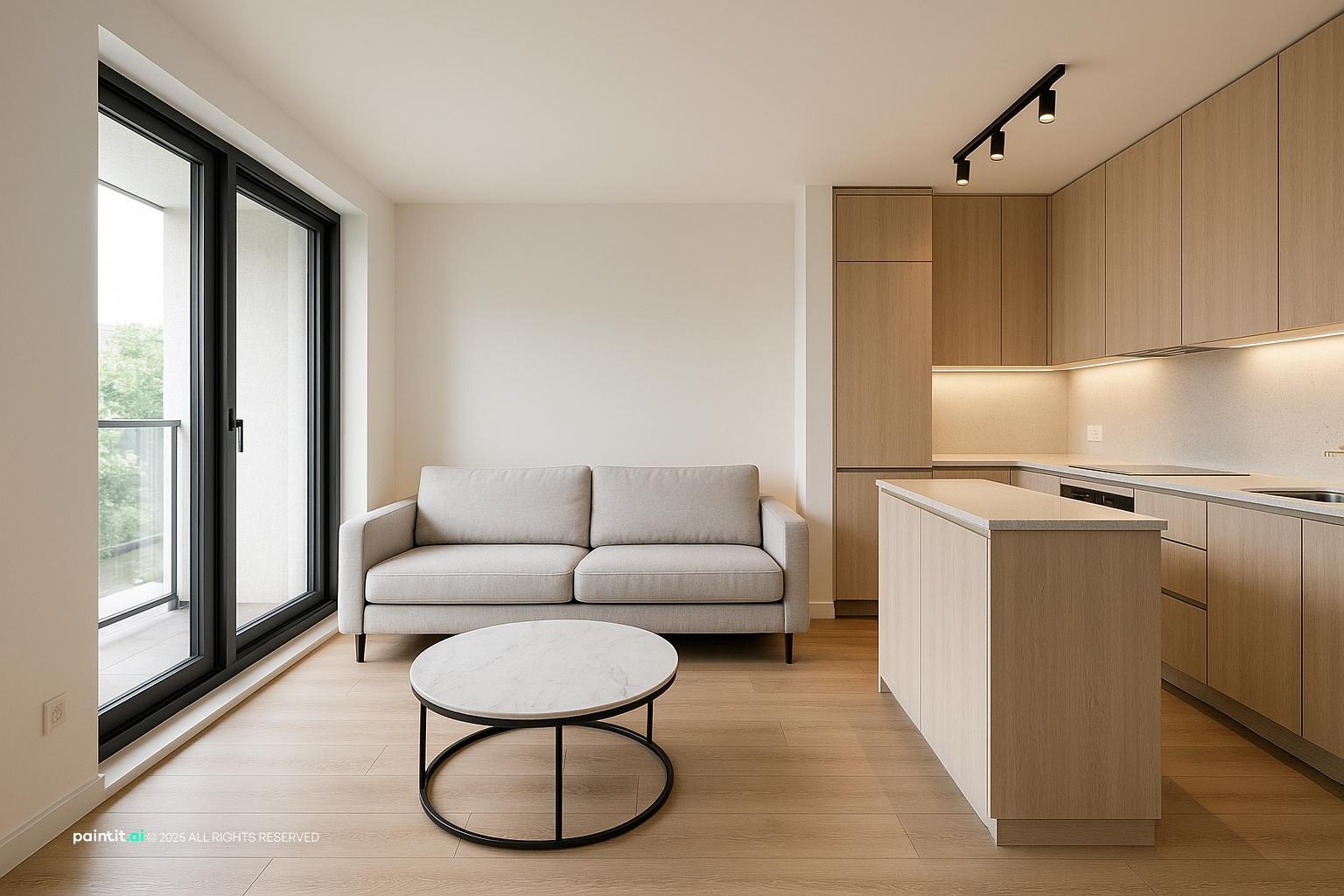
This modern open-plan living room in a Yemeni setting embraces clean lines and minimalist furniture, creating an airy and warm atmosphere perfect for contemporary living.
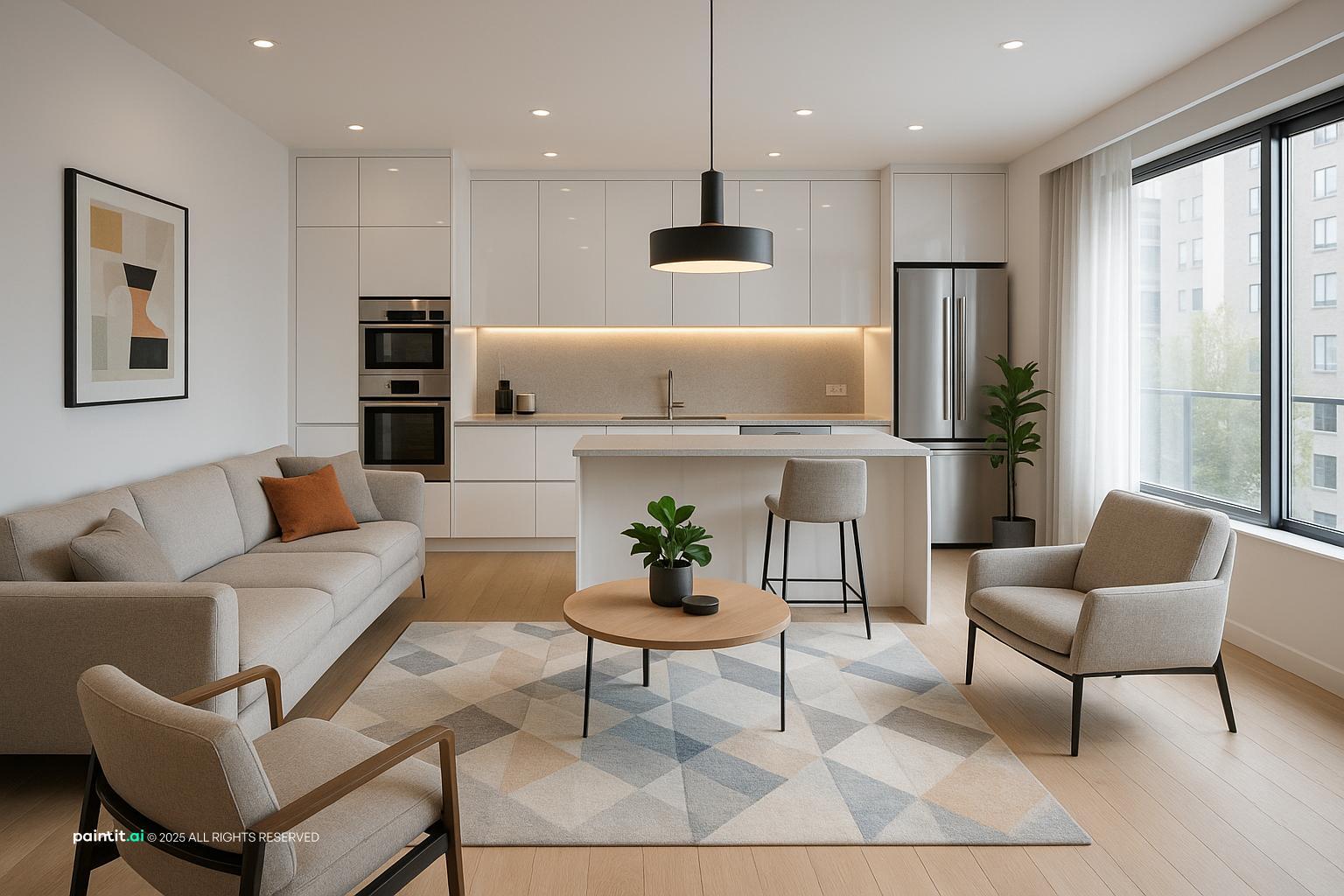
Envision a 2025 seamless urban apartment design, where this modern living room/kitchen combination brings innovative warmth to a contemporary Yemeni home.
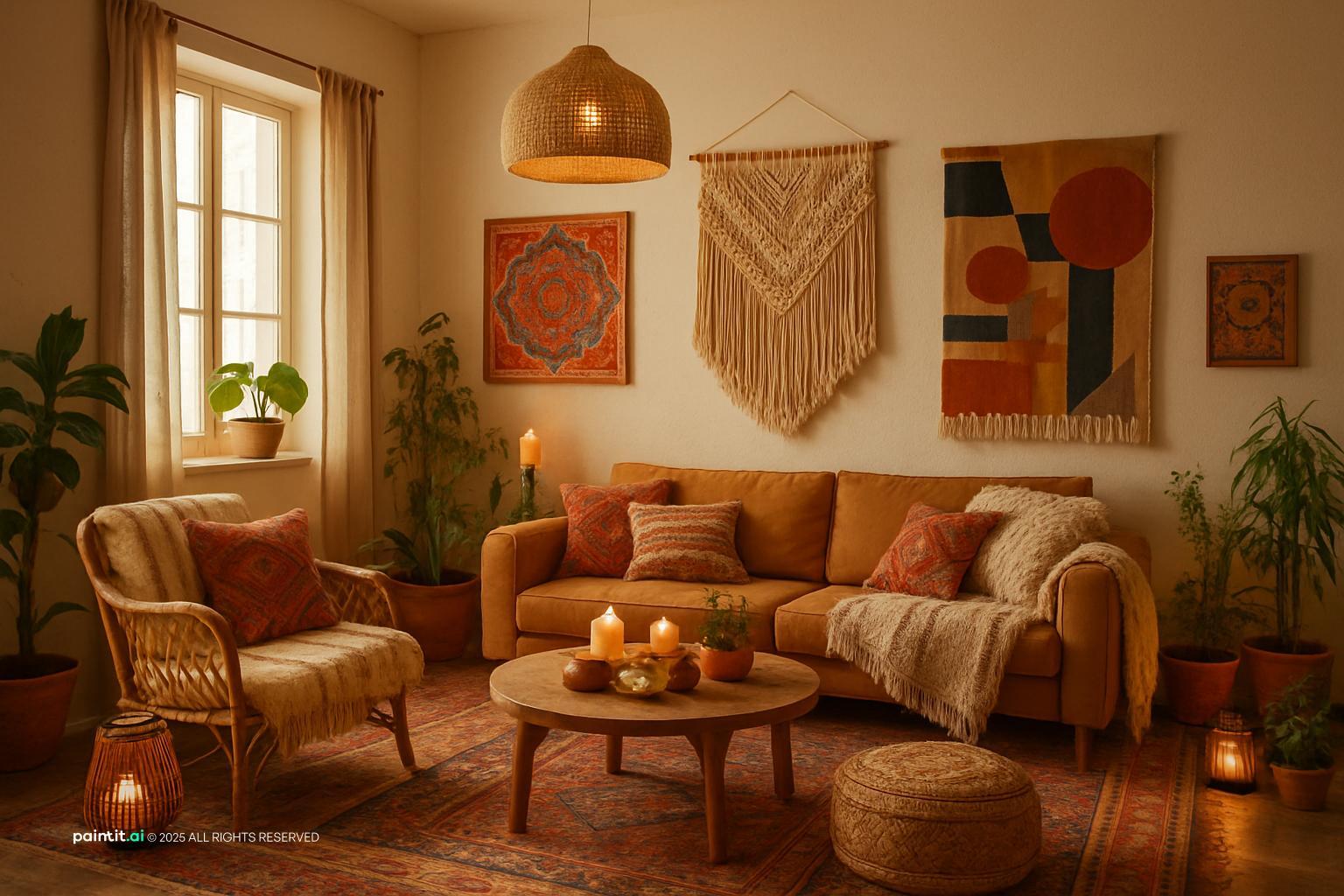
This bohemian living room transformation for a Yemeni abode features plush, eclectic seating and layered ethnic rugs, fostering a casual, inviting atmosphere.
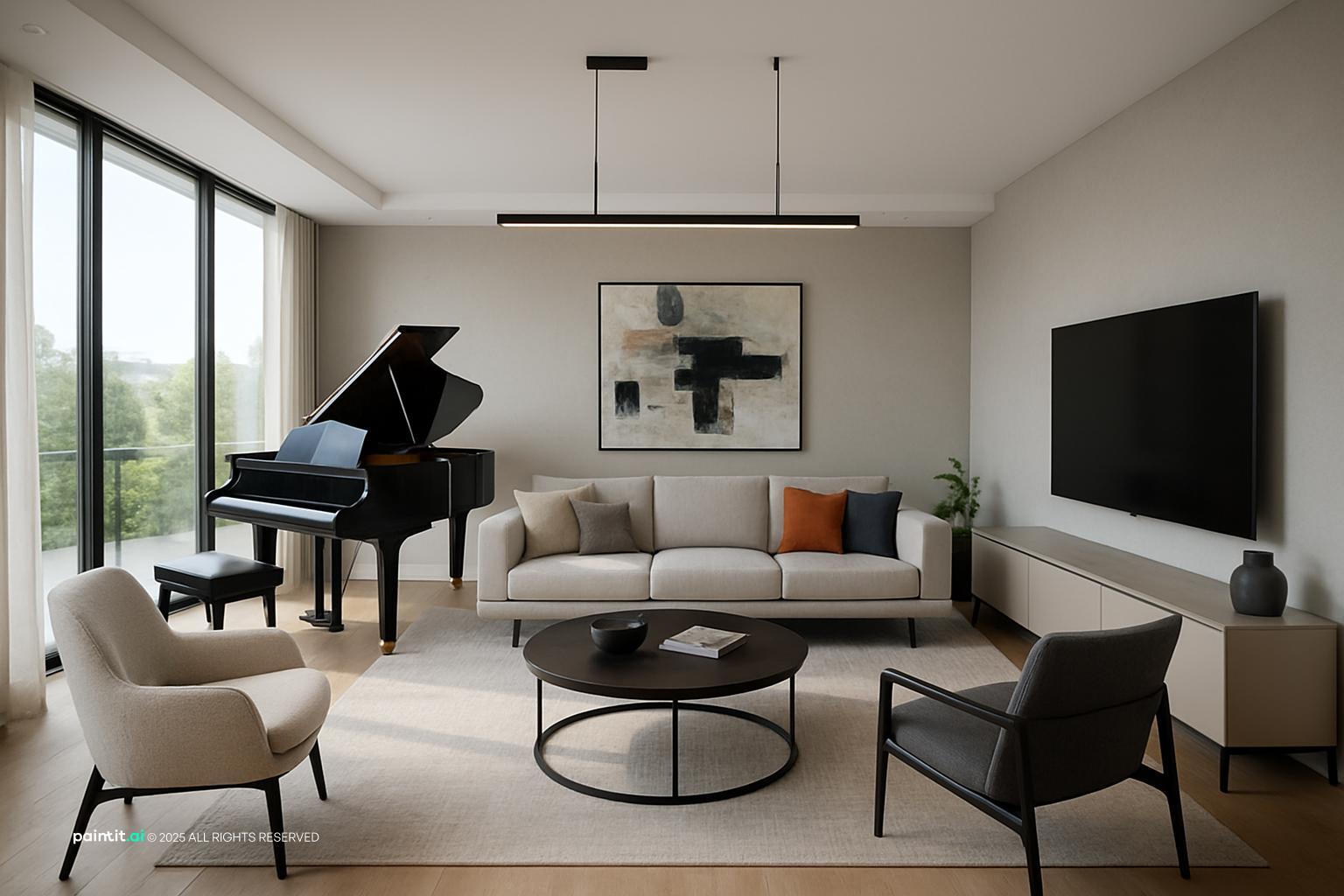
A sophisticated modern living room in a Yemeni home elegantly balances a grand piano and a TV setup, creating a harmonious blend of musical elegance and modern entertainment.
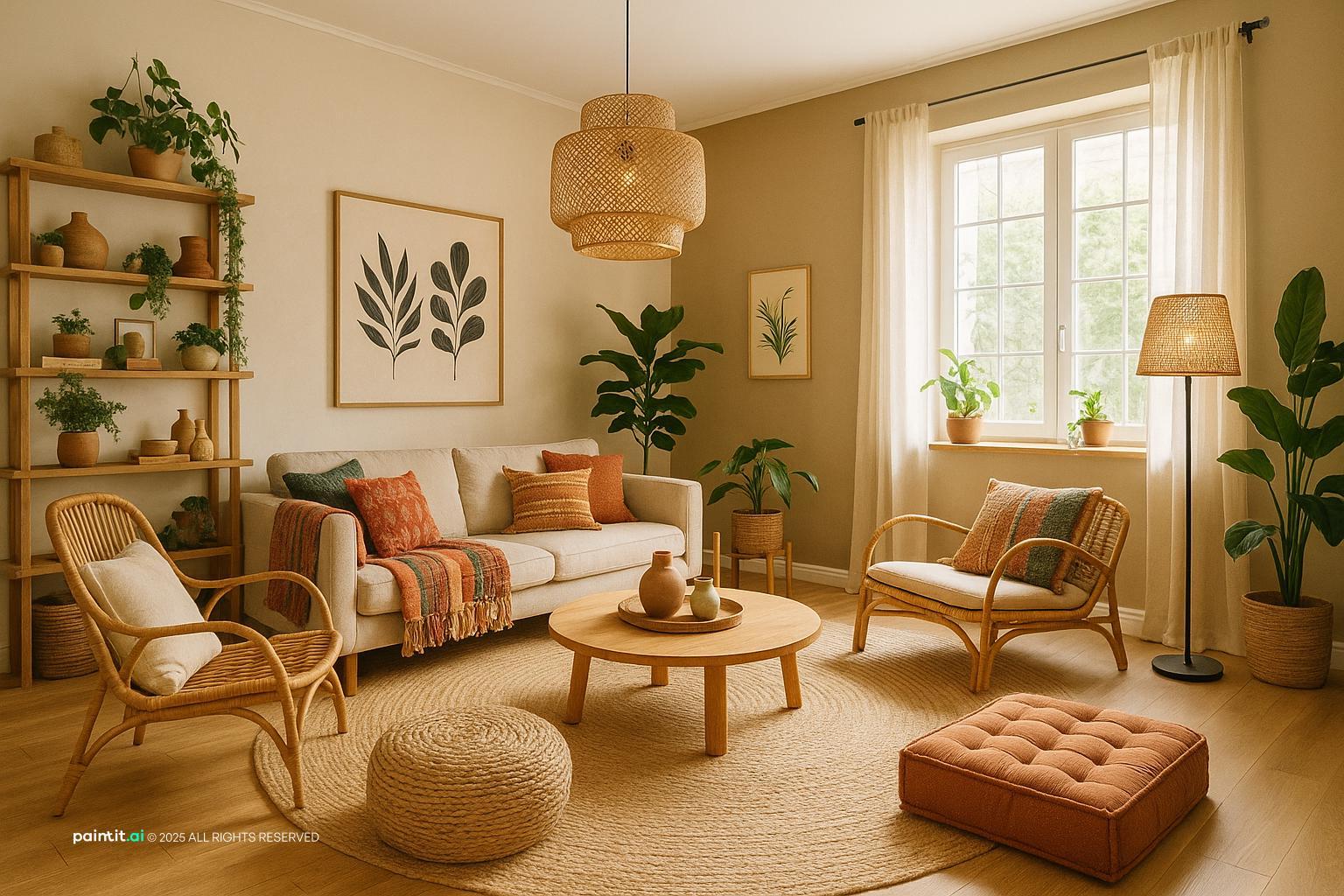
This boho contemporary family living room, ideal for a Yemeni household, emphasizes comfort and style with an eclectic mix of low-slung seating and natural materials.
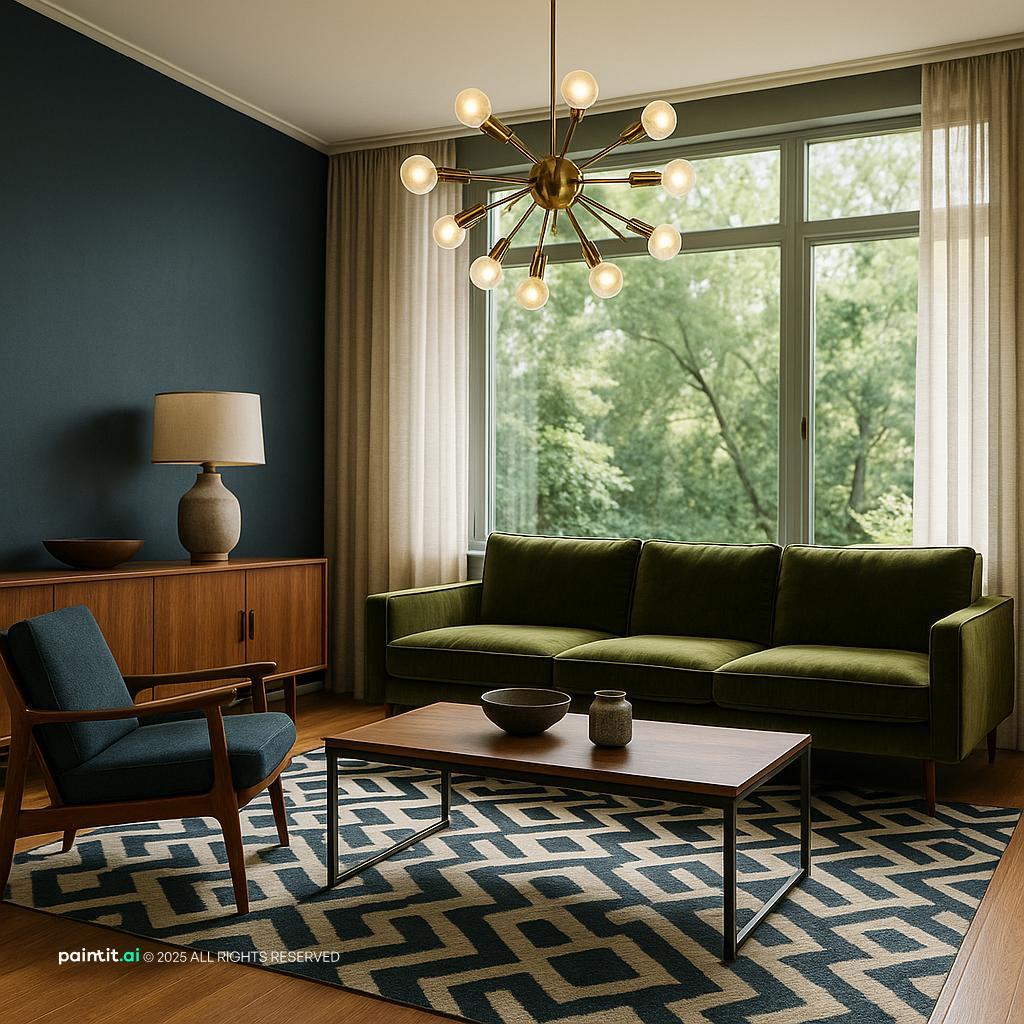
A 2025 update brings this Midcentury Modern living room to life in a Yemeni residence, seamlessly blending classic design with contemporary flair through rich palettes and sleek furnishings.
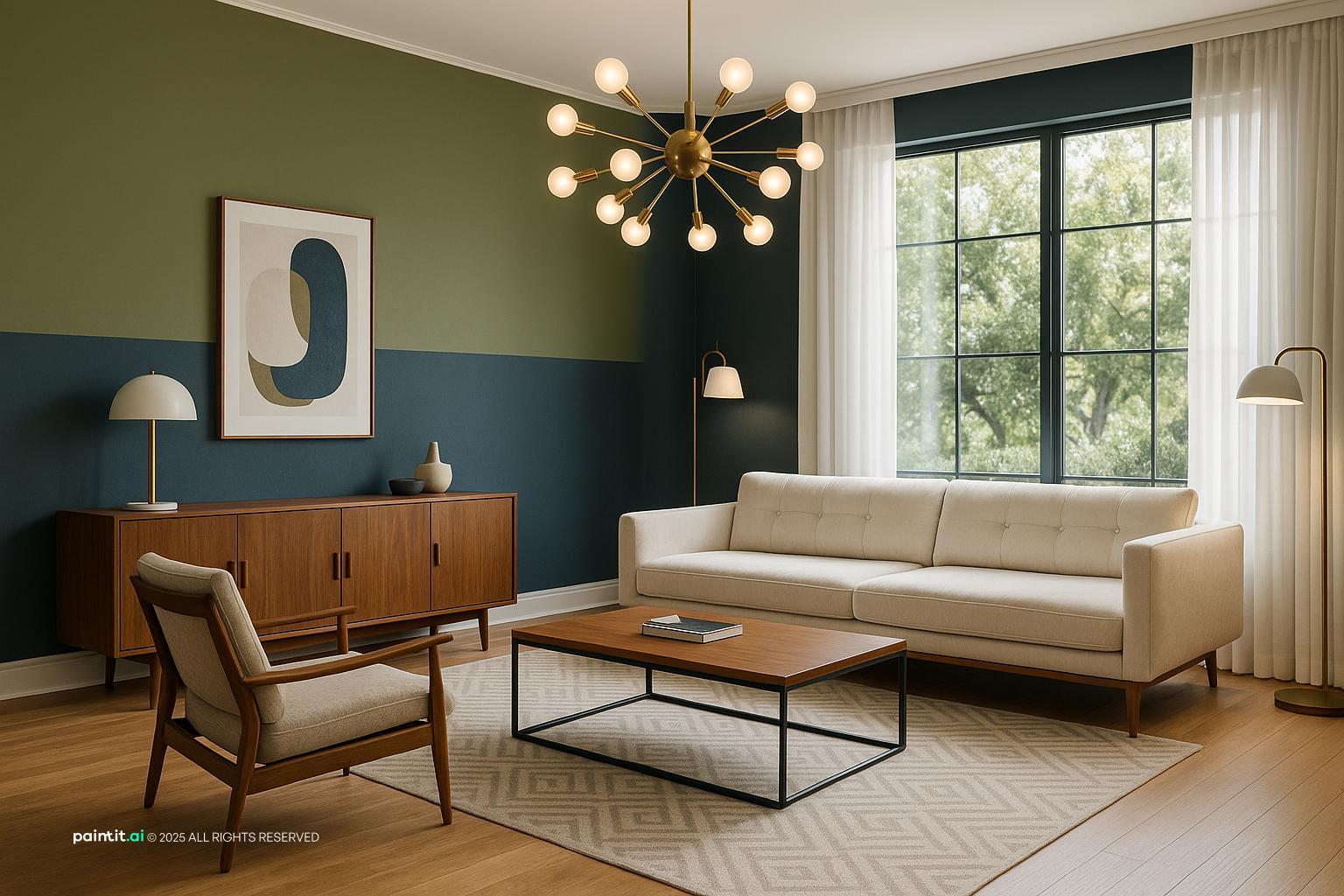
This refreshed Midcentury Modern living room for a Yemeni home offers a seamless blend of classic and contemporary, featuring a brighter palette and abundant natural light.
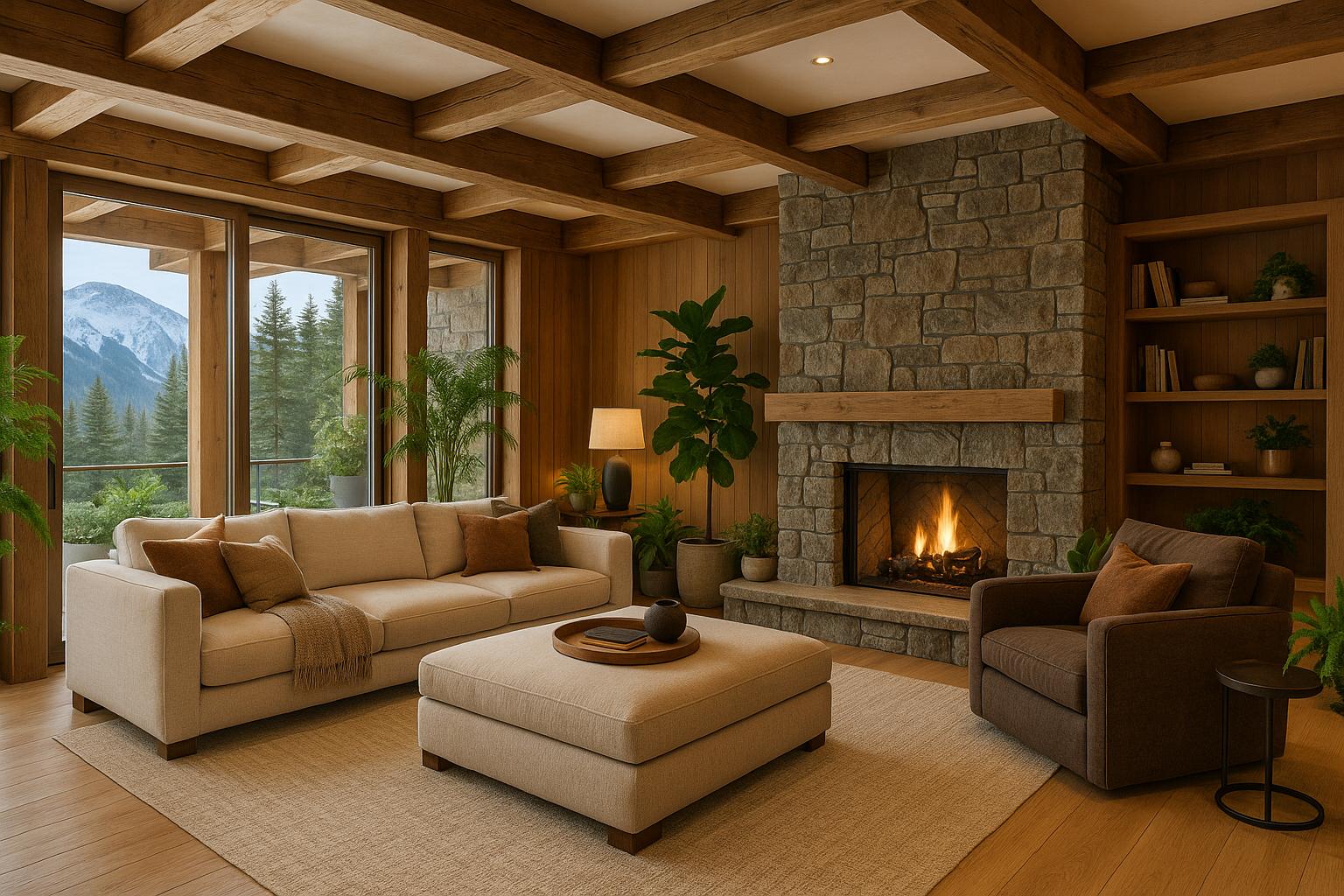
Though inspired by a ski chalet, this modern living room for a Yemeni home focuses on open layout and comfort, integrating rustic beams and a cozy stone fireplace.
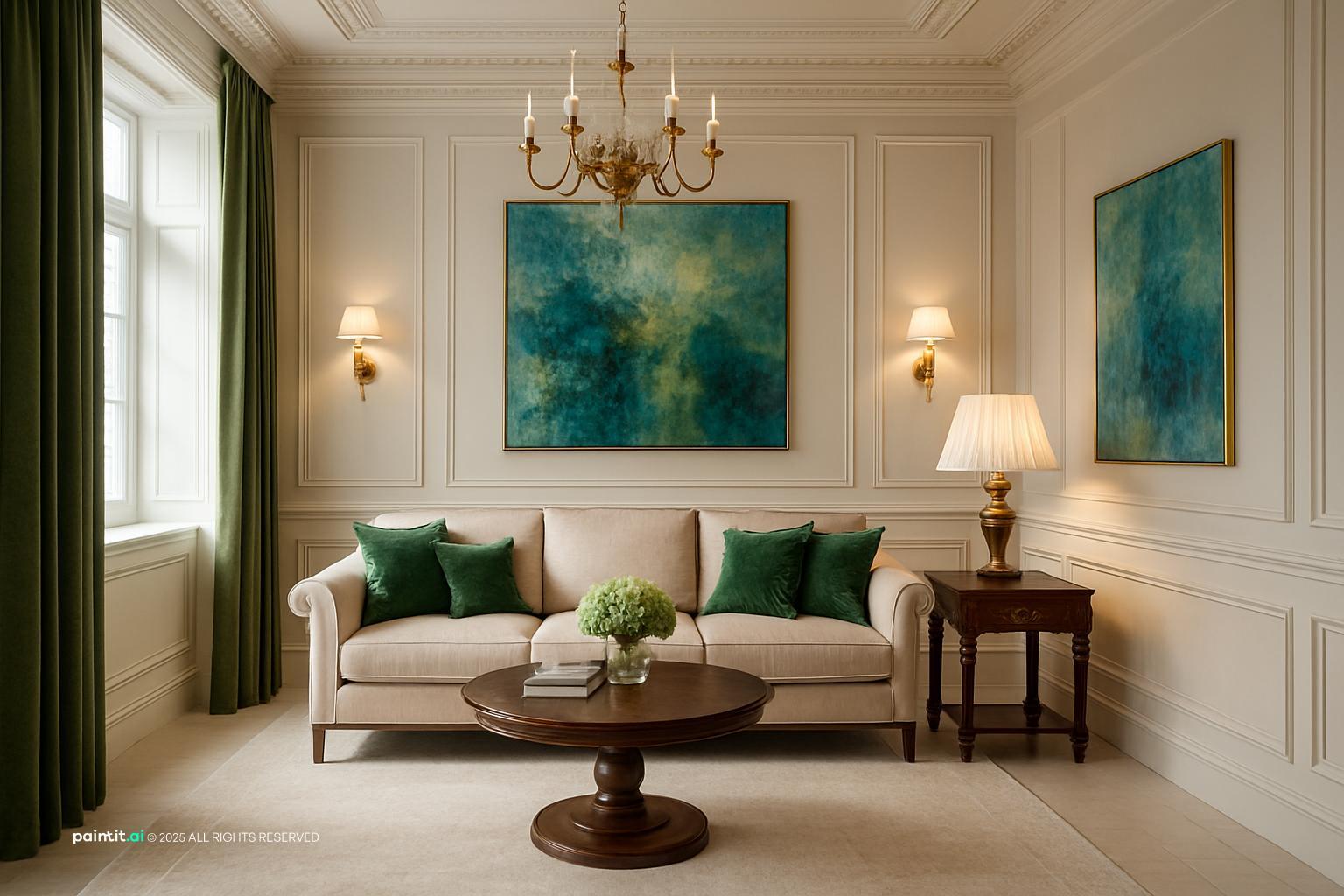
This neoclassic living room, a potential Interior of the Year for a Yemeni home, presents a timeless yet contemporary aesthetic with elegant furniture and detailed crown moldings.
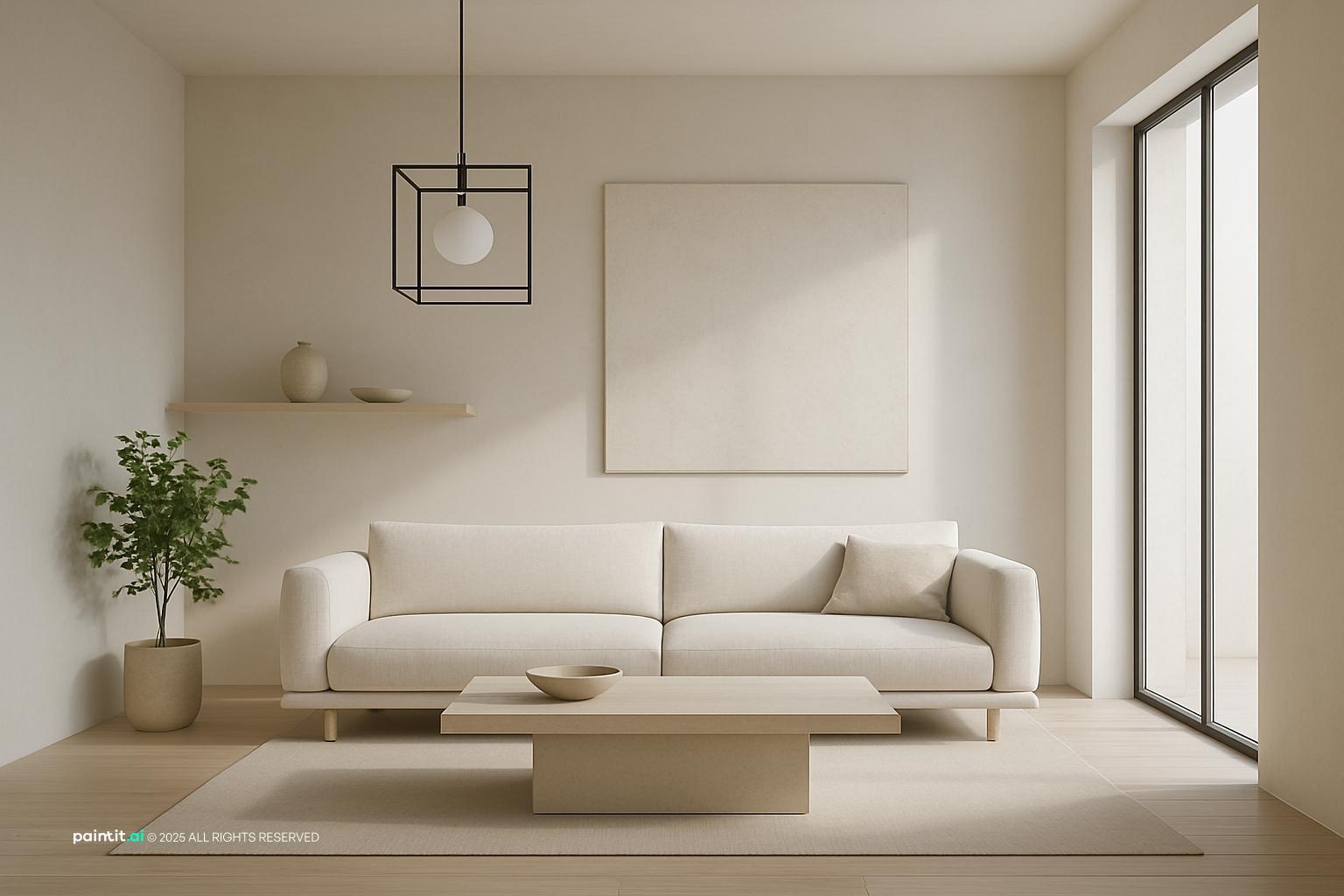
Embracing the essence of minimalism, this serene living room for a Yemeni home showcases clean lines, open space, and a calming neutral palette for ultimate tranquility.
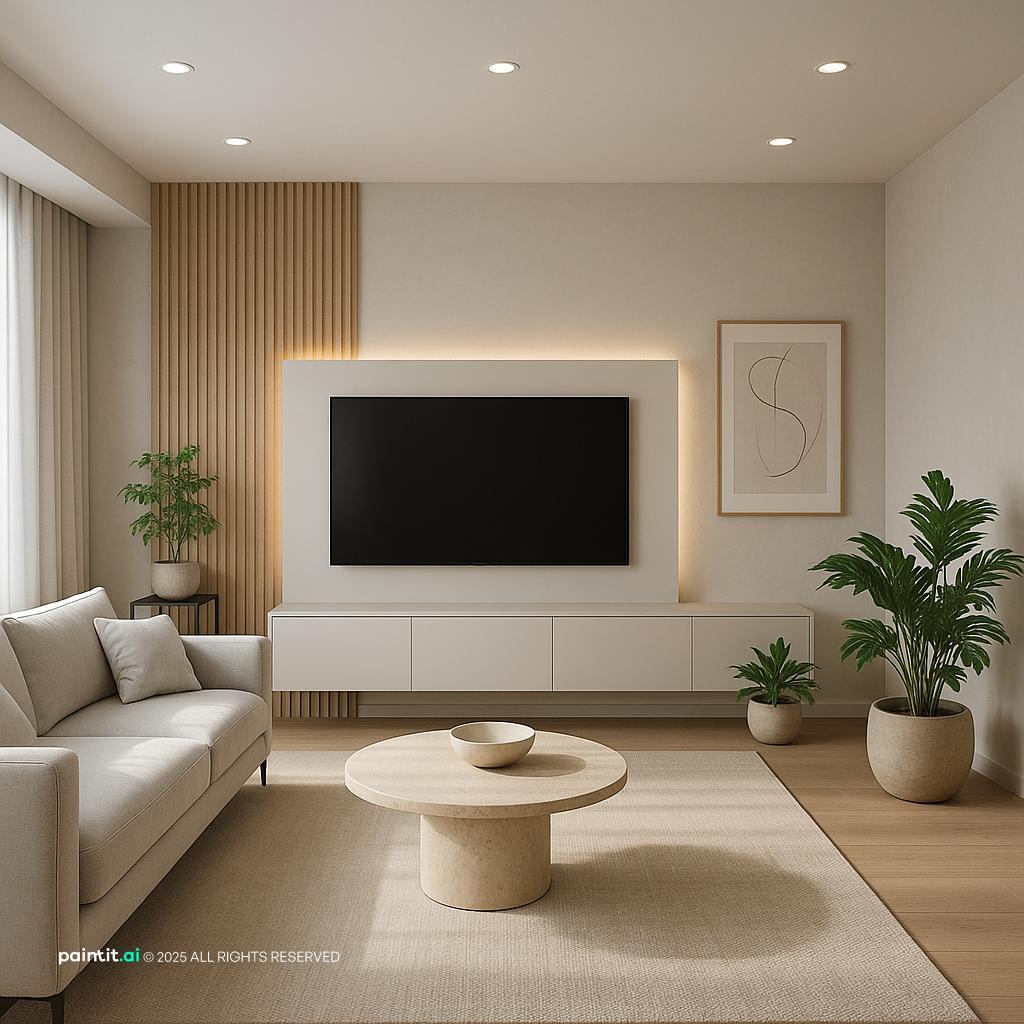
Elegant Modern Living Room Design brings together clean lines for a more composed living room direction.
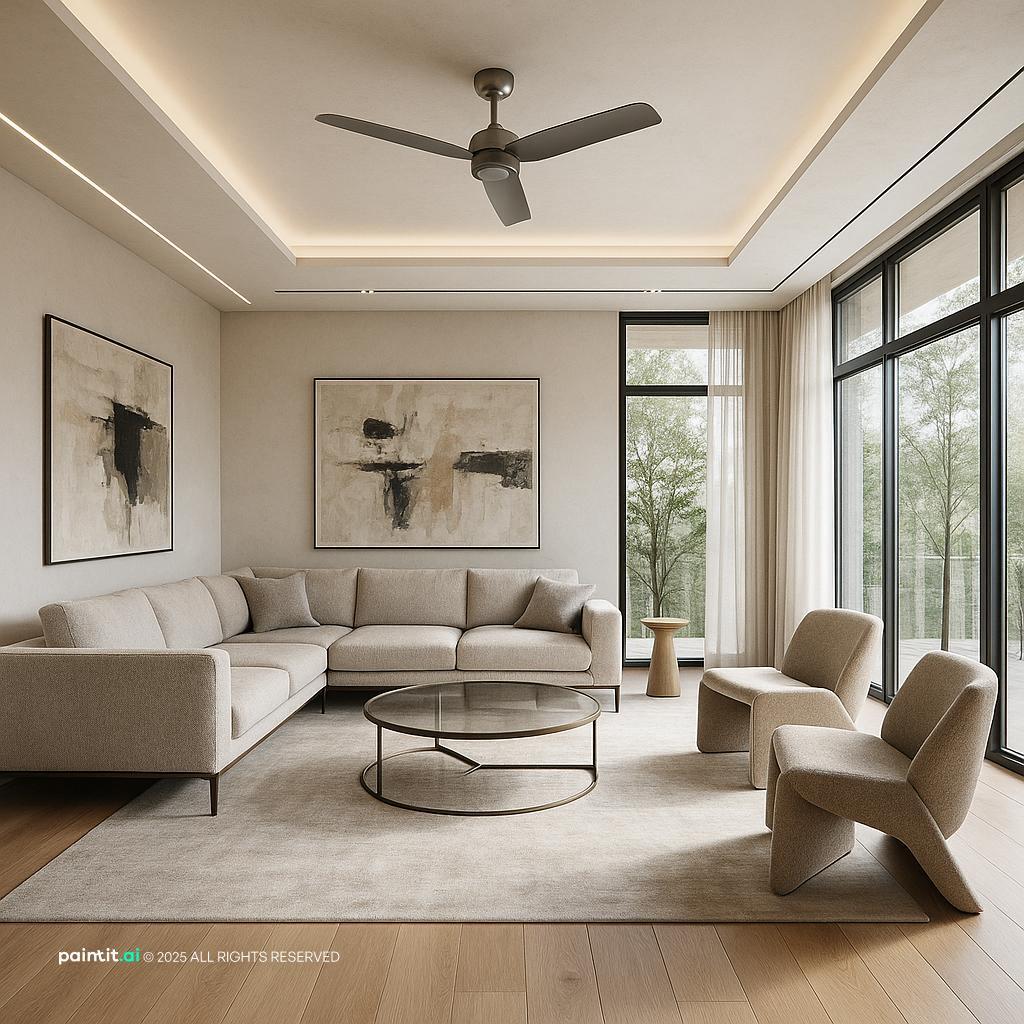
Contemporary Living Room Design of 2025 brings together natural wood, neutral palette, and open layout for a more composed living room direction.
The intricate balance of low seating and vibrant textiles defines a yemeni living room. Most people forget that achieving this authentic, layered look, without overwhelming a modern space, requires precise visualization. I’ve seen this work best when you can instantly compare multiple arrangements of cushions, rugs, and wall finishes. Paintit.ai eliminates guesswork. It allows you to visualize countless versions of your ideal yemeni sanctuary in seconds, ensuring every detail, from the patterned floor cushions to the rich wall hangings, harmonizes perfectly. Avoid expensive mistakes. Experience your future living room now.
Before changing furniture or finishes, you can preview the direction with an interior design visualizer.
Focus on low seating, rich textiles, and earthy palettes. Think majlis-style floor cushions, intricate wood carvings, and warm, inviting textures. It’s about comfort and hospitality.
Deep reds, ochres, and olive greens are key. Natural wood, woven fabrics like cotton or linen, and a touch of brass or copper for accents truly bring the space to life. Authenticity matters.
Overlooking the importance of low-level seating is a big one. Also, avoid bright, stark lighting; opt for softer, layered illumination. Don't forget the cultural significance of shared space.
Arrange low-profile sofas or floor cushions along the walls, forming a U-shape or L-shape. This encourages conversation and communal gathering. A central, low table is customary.
Hand-knotted rugs, ornate wall hangings, and ceramic pottery are perfect. I’ve seen this work best with brass lanterns casting a soft glow. Small details make a huge impact.