
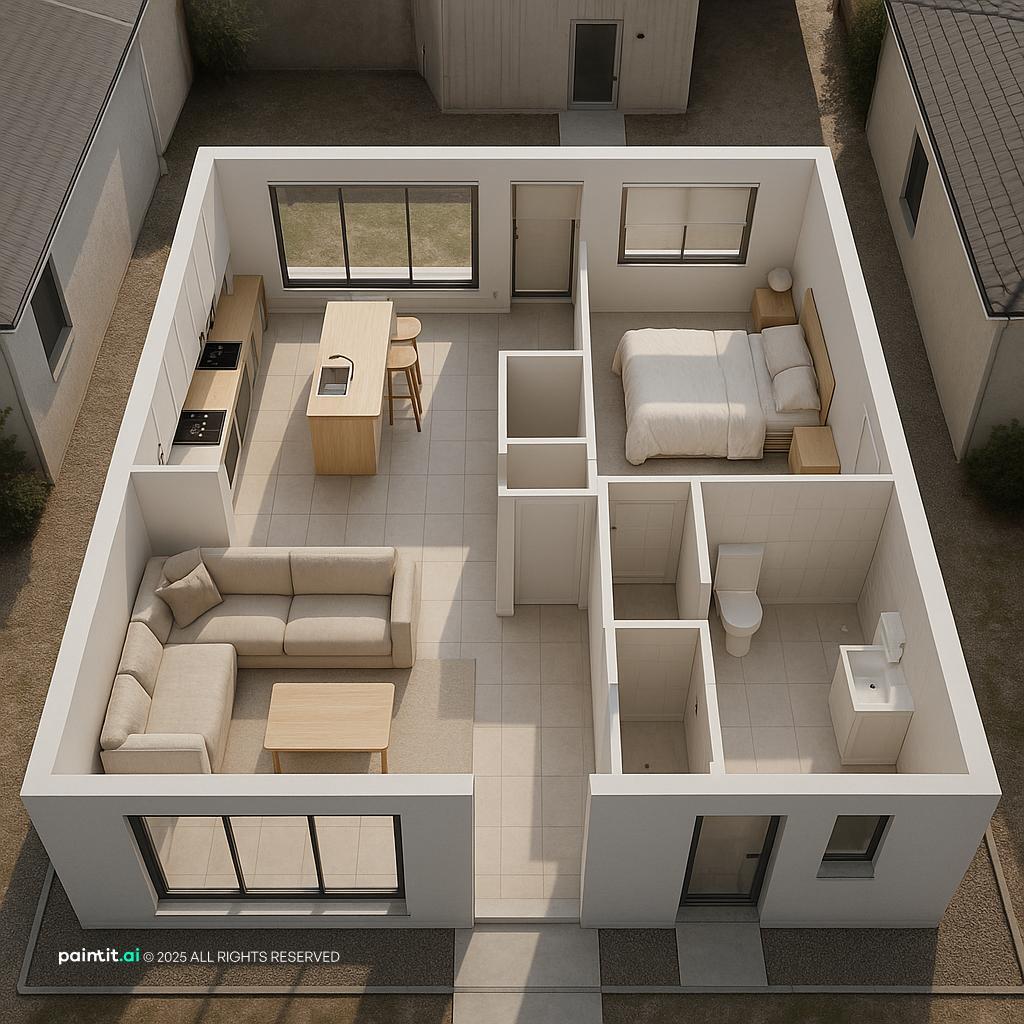
Modern Single-Floor House Design
This Modern Single-Floor House Design showcases an inviting open-plan living room, beautifully appointed in a chic yellow and gray palette.
Considering a yellow and gray living room often brings a mix of excitement and uncertainty. You might love the idea of a vibrant yet sophisticated space, but wonder how to balance the sunny optimism of yellow with the calming neutrality of gray without it feeling too stark or too busy. How do you weave these distinct shades together to create a harmonious and inviting atmosphere that truly feels like home?
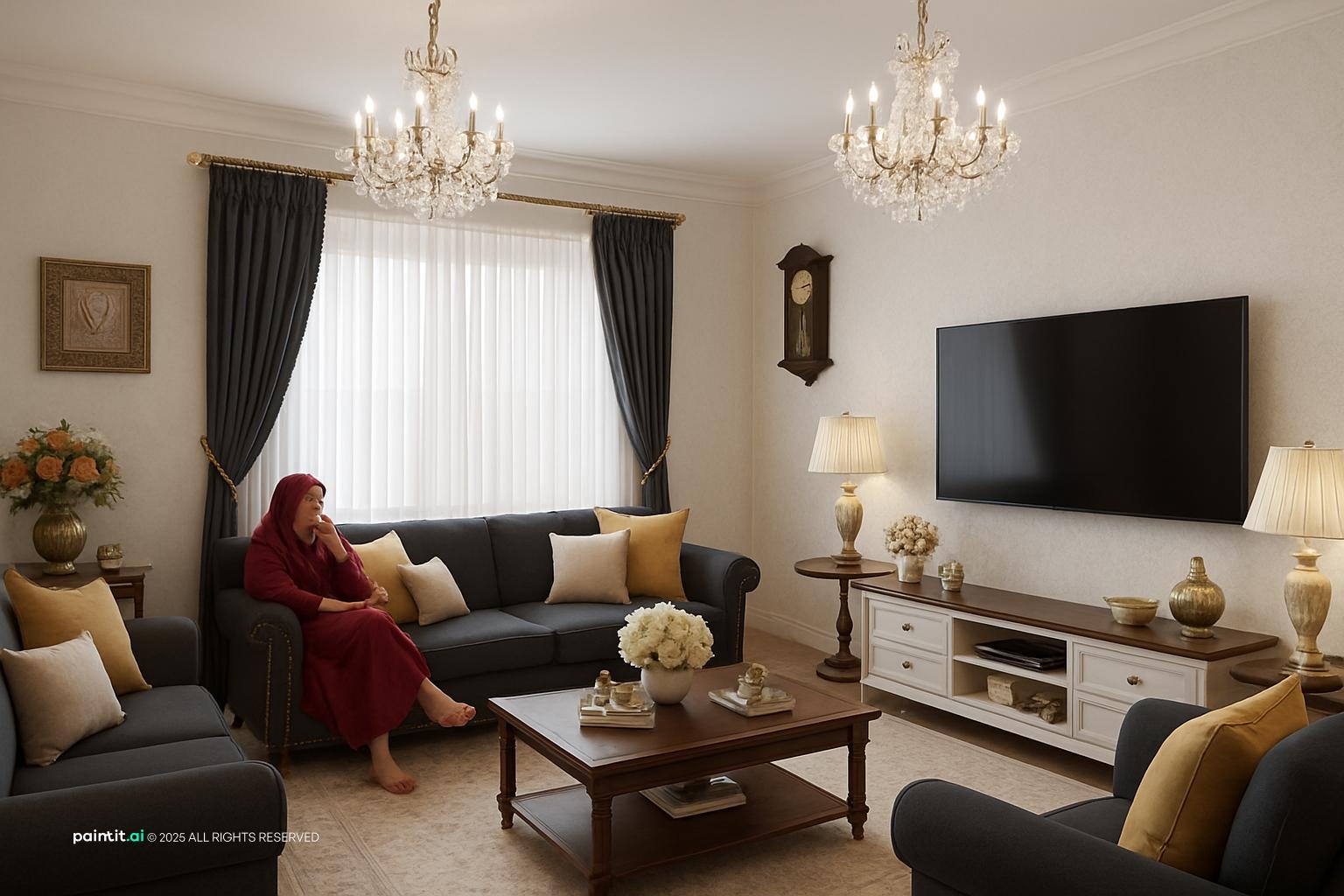
As an interior design editor, I've observed a common hesitation: how to truly master a yellow and gray living room without it feeling either too childish or overly corporate. this pairing, when executed thoughtfully, creates an incredibly sophisticated and inviting atmosphere. We’re talking about a dynamic balance. Gray offers that serene, grounding neutrality, a perfect canvas. Then yellow steps in, not just as a pop, but as a carefully curated burst of optimism and warmth. It’s about more than just colors; it’s about the mood they evoke.
Most people forget that the magic lies in the details: the interplay of textured textiles like plush velvet or raw linen, the gleam of brushed brass accents, or the subtle warmth of natural wood tones. We will explore how to achieve the ideal color ratio, integrate complementary materials, and leverage strategic lighting to elevate your space. It sounds simple, but getting it right transforms a room. You’ll learn to avoid common mistakes and discover how this vibrant yet calming palette can truly reflect your personal style. And remember, visualizing these concepts is key; Paintit.ai helps bridge that gap from inspiration to your actual home design.
Before changing furniture or finishes, you can preview the direction with an AI living room design tool.
This gallery brings the abstract idea of yellow and gray into something visible: open, compact, rug.
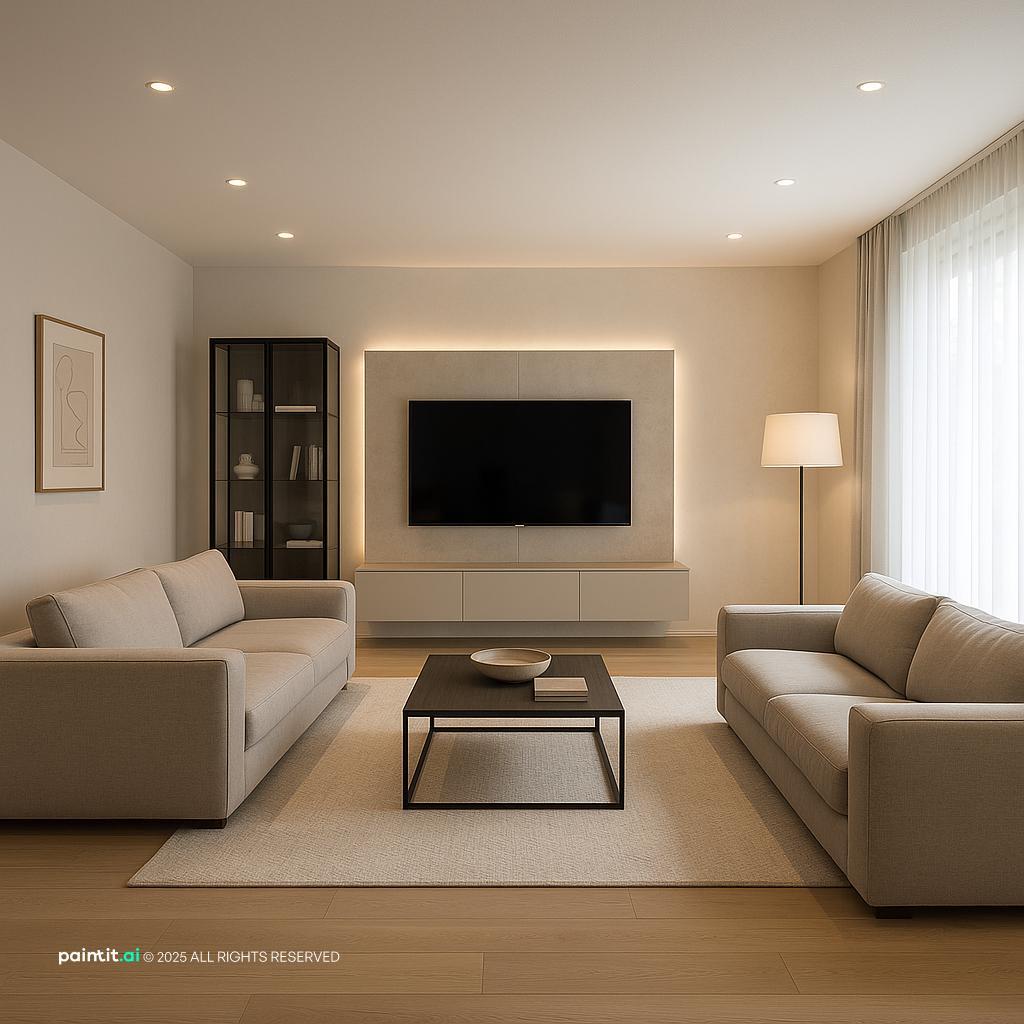
This Modern Single-Floor House Design showcases an inviting open-plan living room, beautifully appointed in a chic yellow and gray palette.
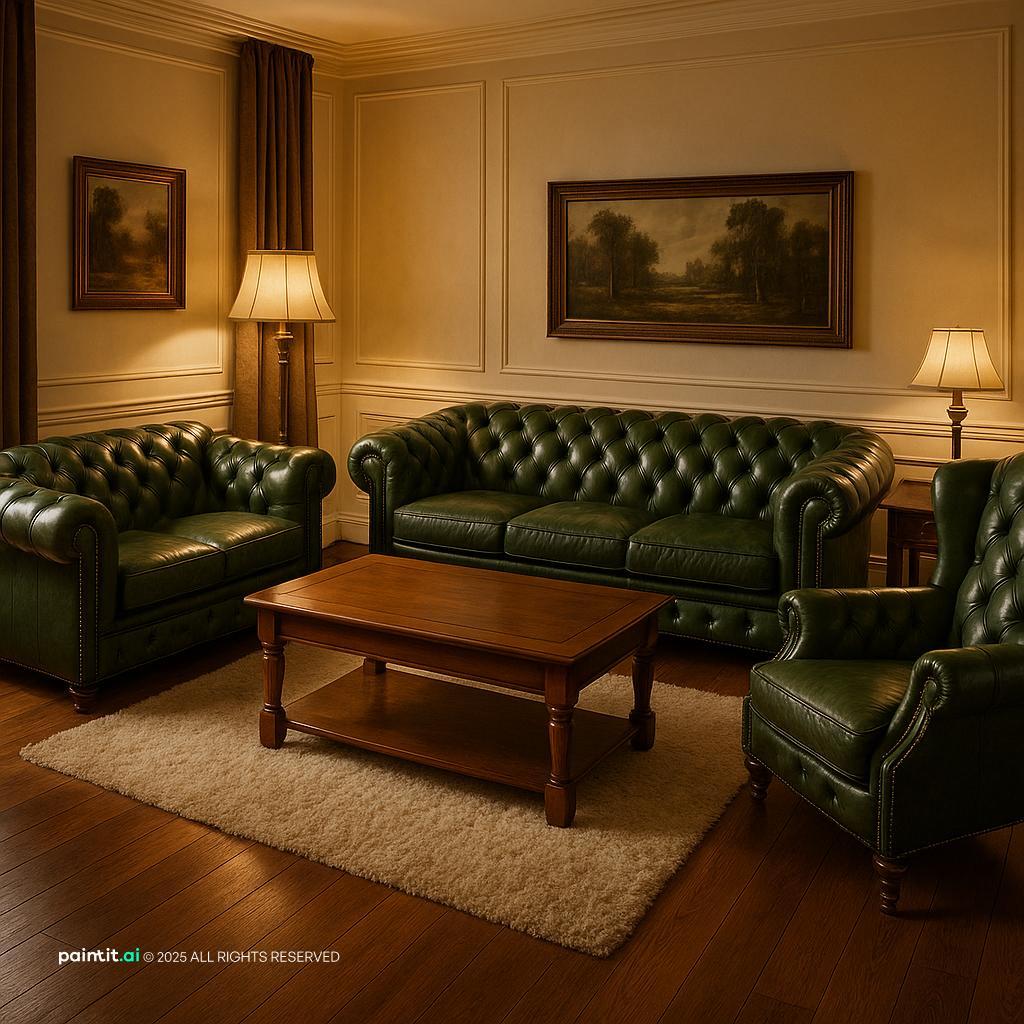
Experience classic elegance in this Traditional Living Room Design, now refreshed with a sophisticated yellow and gray color palette.
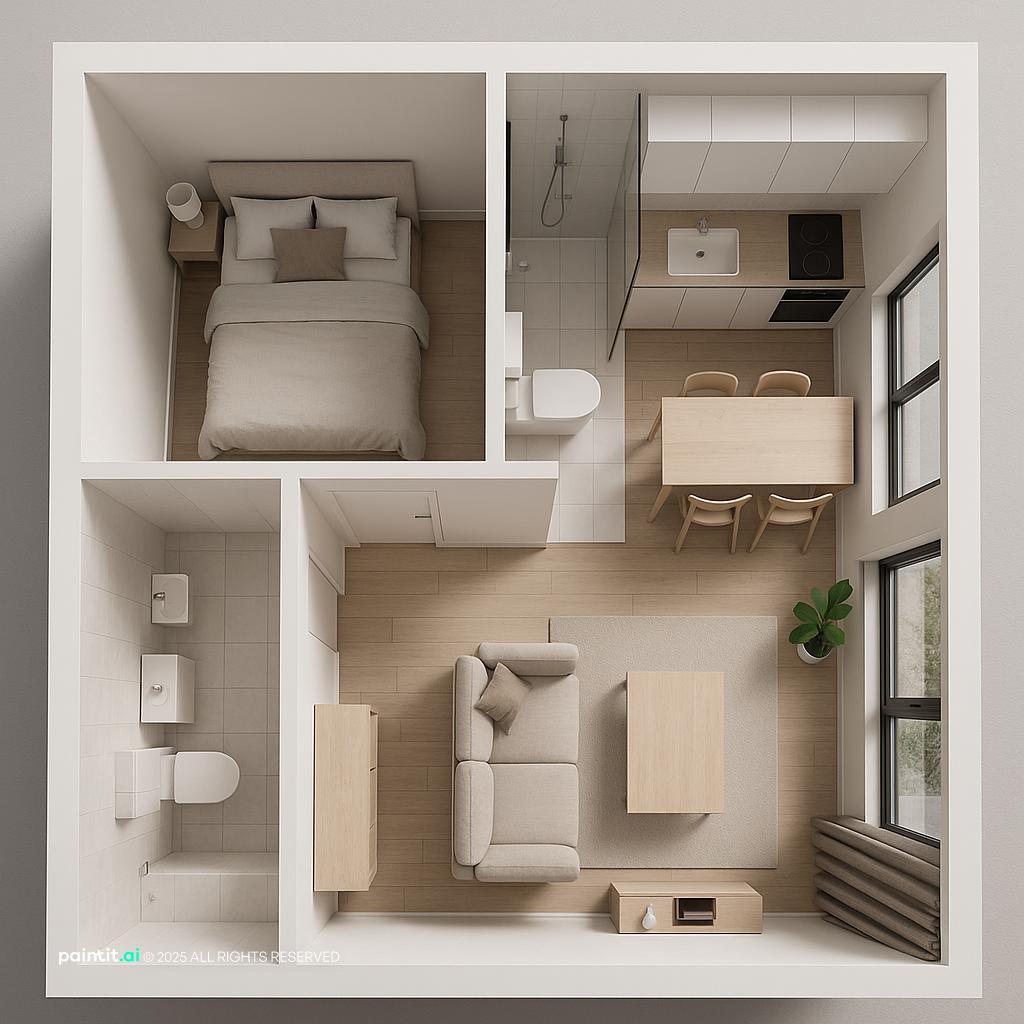
Discover efficient style in this Compact Apartment Interior Design, where the living room shines with a modern yellow and gray scheme.
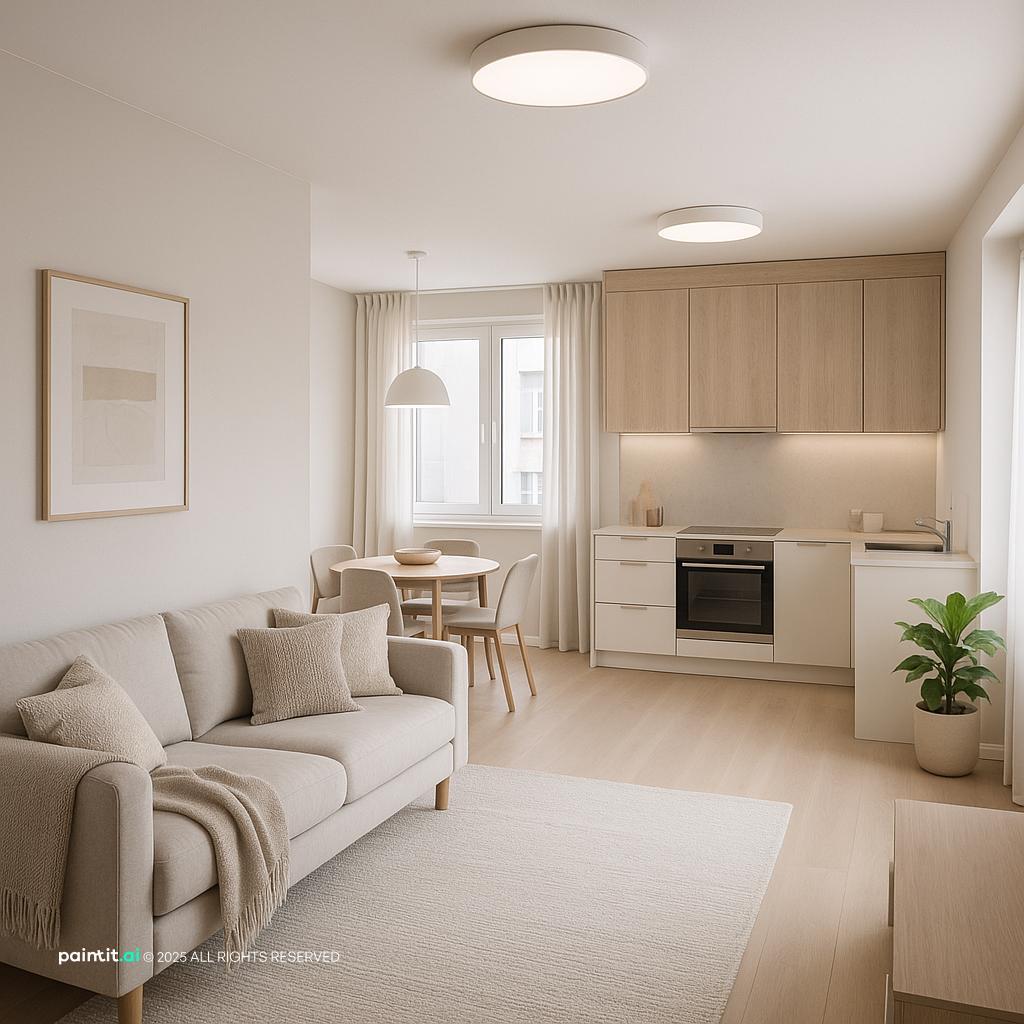
This Stylish Family-Friendly Living Room & Kitchen creates a harmonious space, elegantly designed with a soft yellow and gray palette.
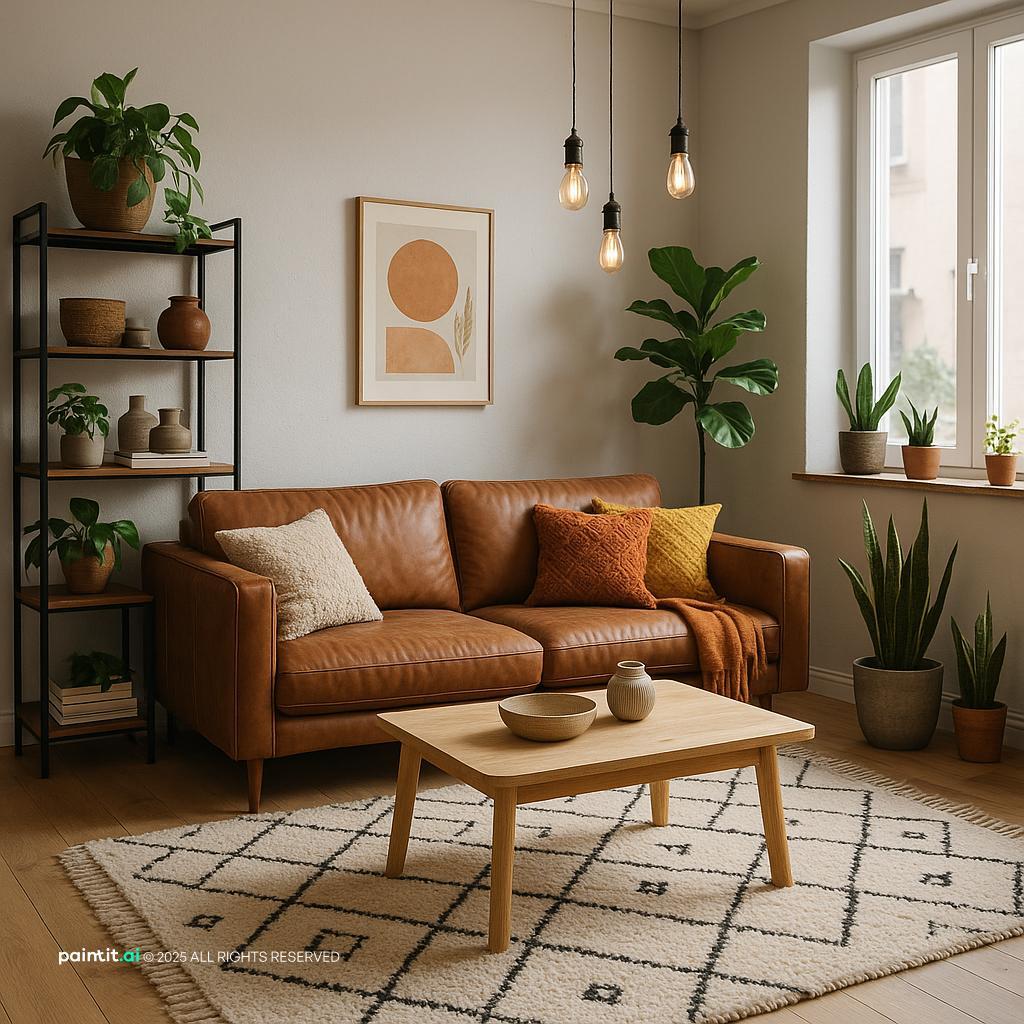
Find comfort and style in this Cozy Modern Living Room Design, artfully combining elements within a yellow and gray color story.
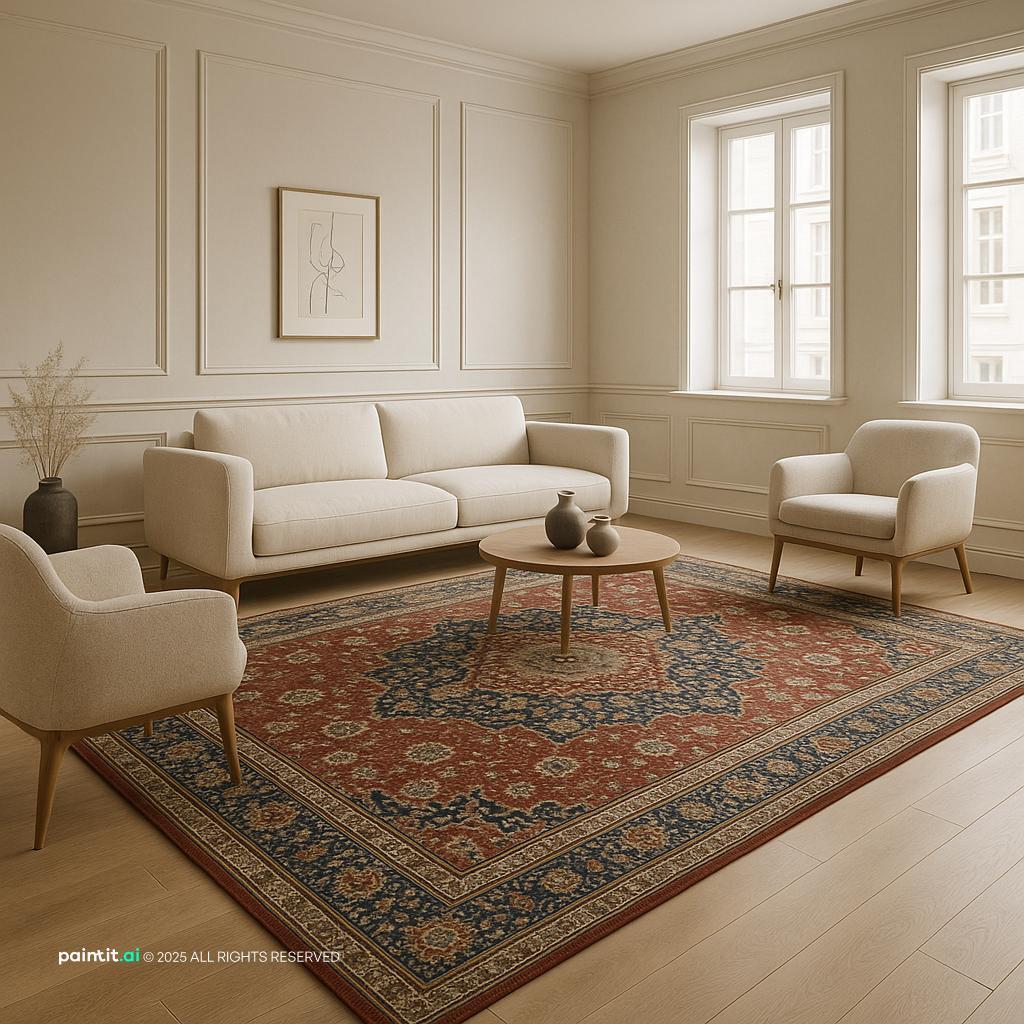
A focal rug anchors this Stylish Modern Living Room, where subtle yellow and gray tones create a sophisticated and inviting atmosphere.
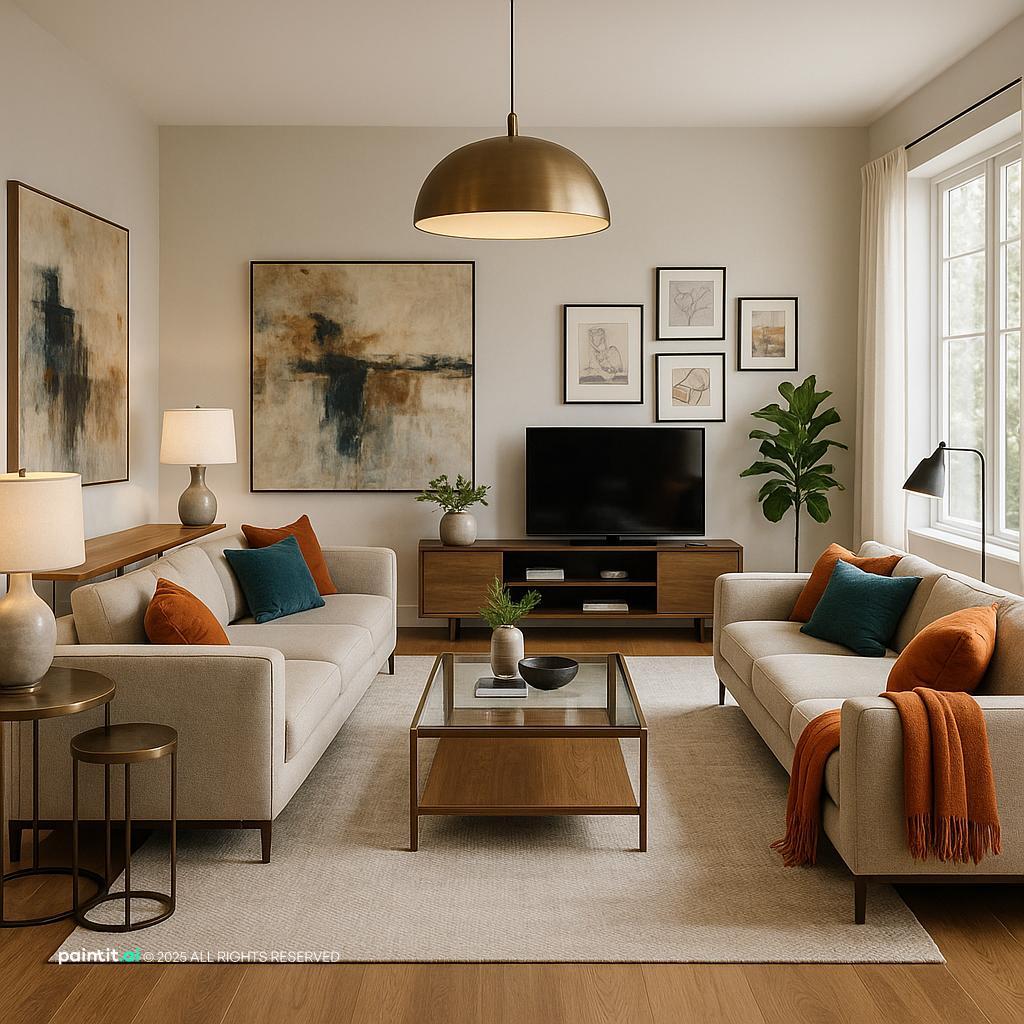
Draw inspiration from this Modern Living Room Design, where a captivating yellow and gray palette brings contemporary flair and warmth.
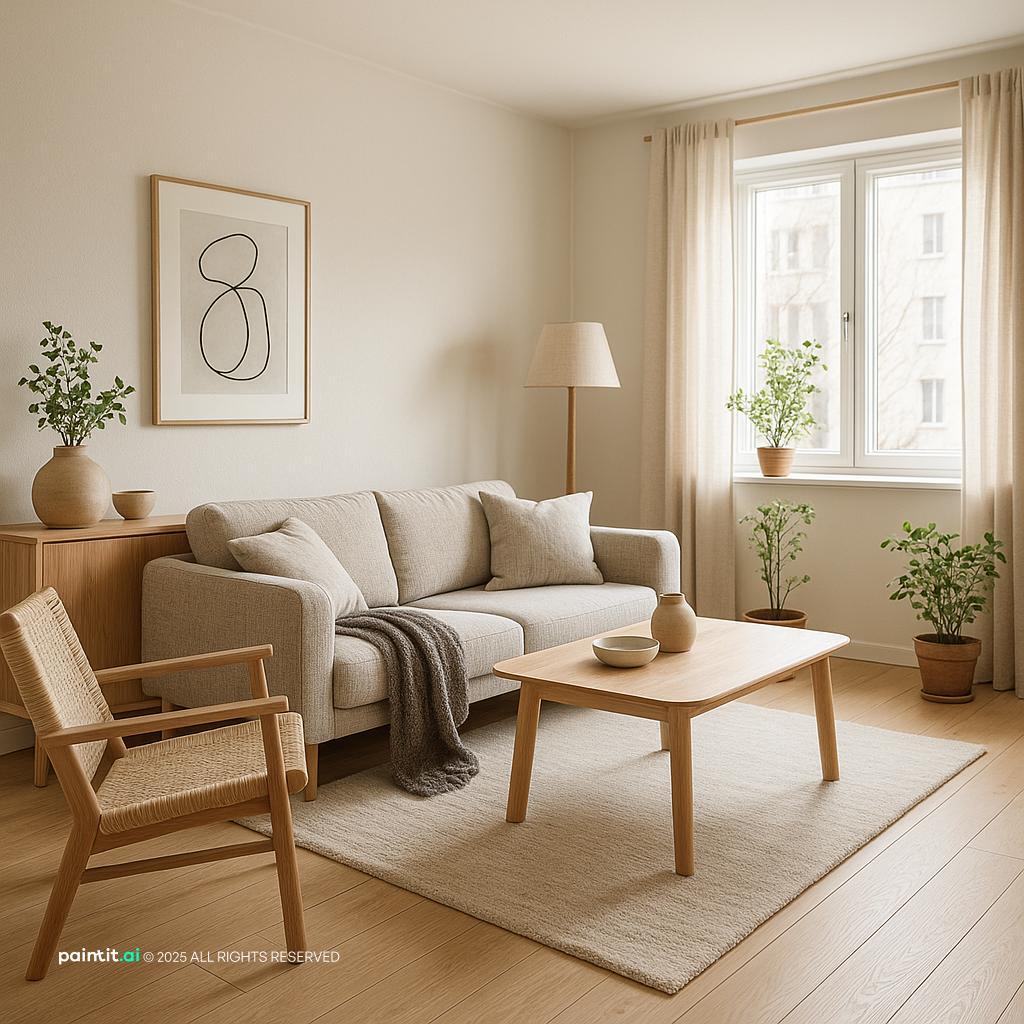
Embrace minimalist charm with this Scandinavian Living Room Design, subtly elevated by a serene yellow and gray color combination.
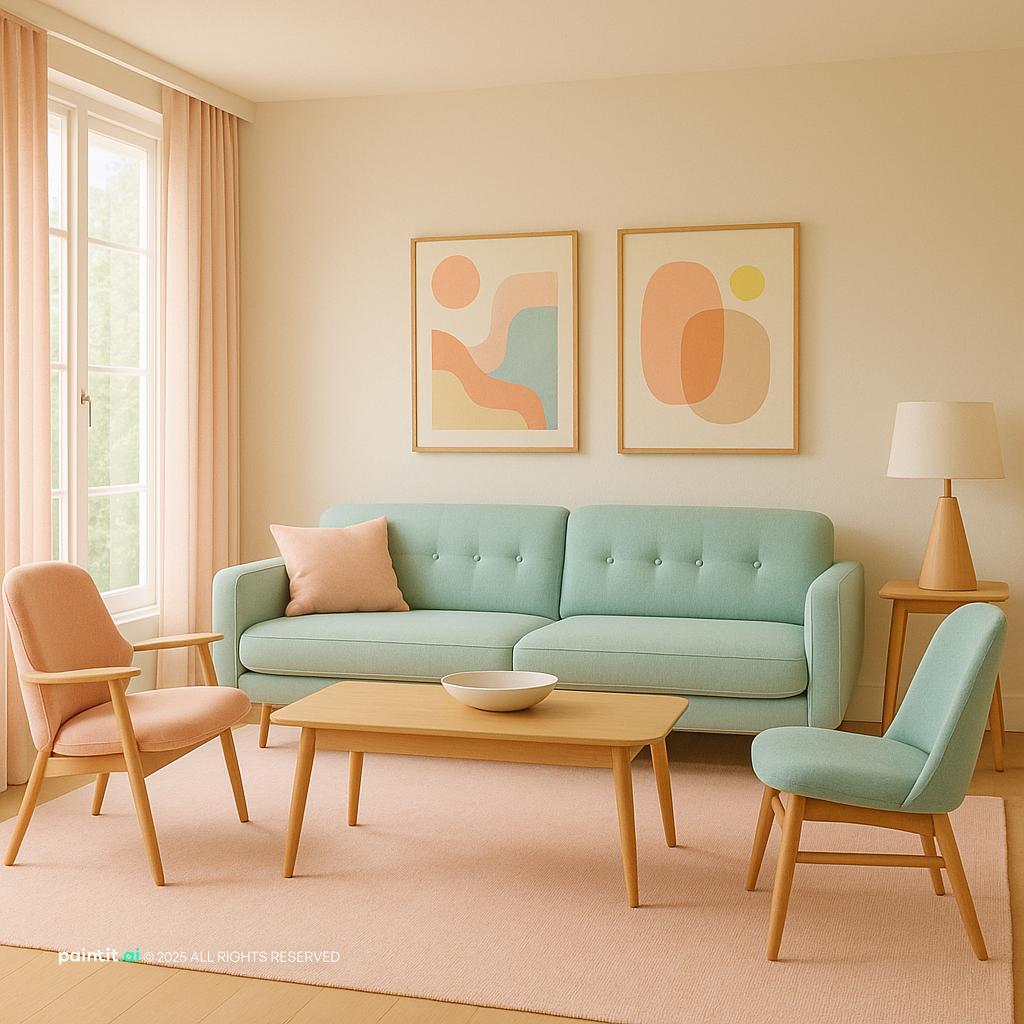
This Chic Mid-Century Modern Living Room Design captures timeless elegance, beautifully presented in a sophisticated yellow and gray scheme.
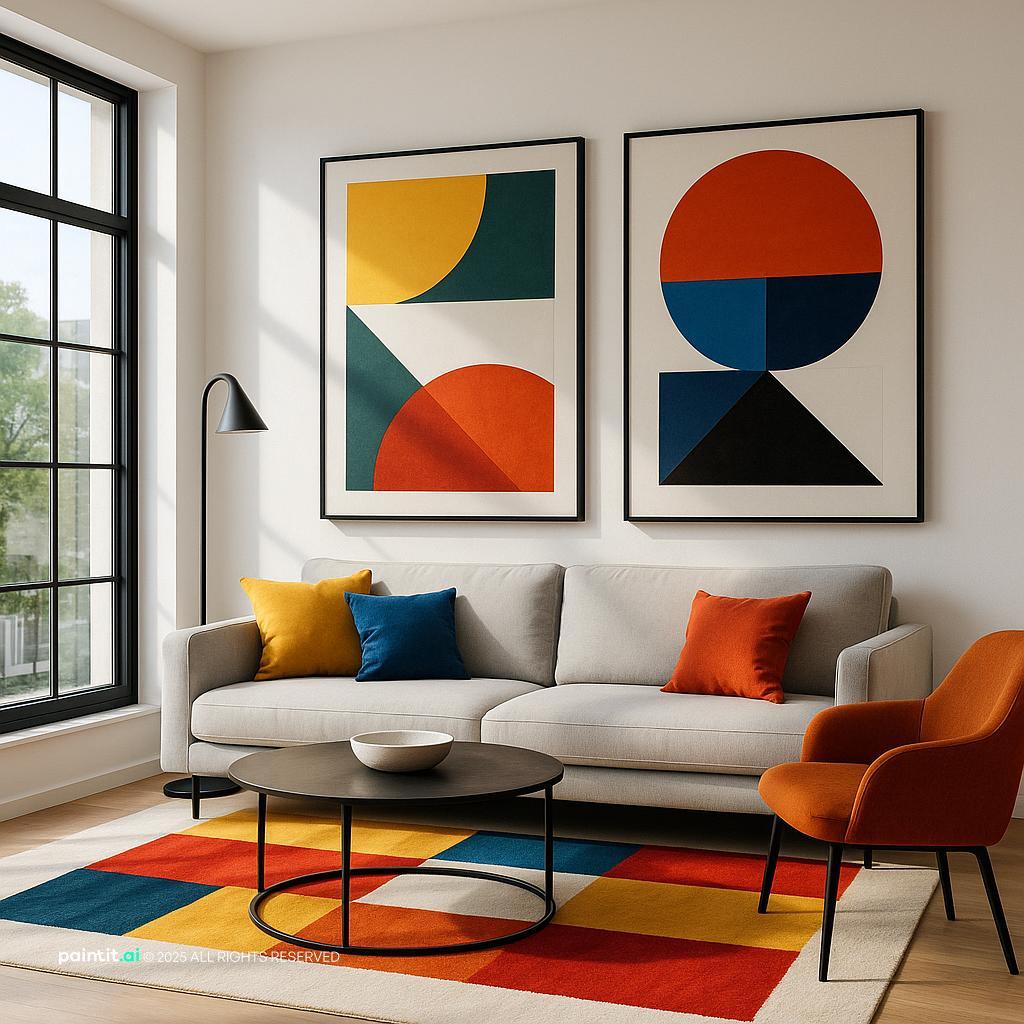
Unleash creativity with these Bold Modern Living Room Design Ideas, where a dynamic yellow and gray palette makes a powerful statement.
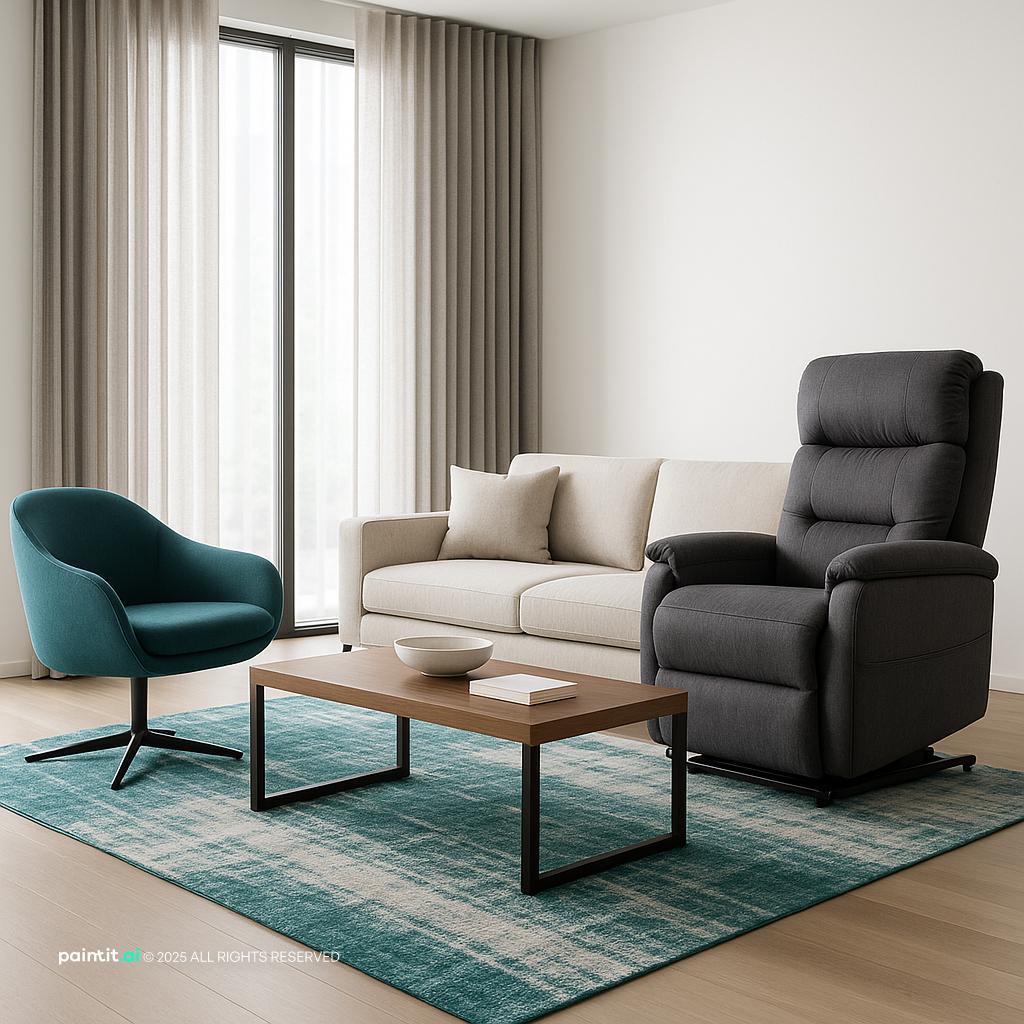
Sleek Modern Living Room Design brings together clean lines for a more composed living room direction.
Contemporary 40-Meter Living Room Design brings together rug, lighting, and sofa for a more composed living room direction.
This approach leans into the softer side of both hues. It’s about creating an atmosphere of understated elegance, where neither color shouts but rather whispers. I’ve seen this work best in homes seeking a calm, inviting retreat. sometimes less truly is more.
Opt for pale lemon yellow or a creamy butter yellow on accent pieces like throw pillows or a single armchair. Pair this with a dominant light dove gray for walls and larger furniture. Introduce textures through linen and cashmere for added depth.
For a related take on the same room, explore emerald green sofa living room ideas.
For those who crave drama, this design harnesses the full power of vibrant yellow against a deep, grounding gray. It’s a confident statement, full of energy. This combination immediately draws the eye, creating a dynamic focal point.
Consider a striking mustard or sunshine yellow sofa as the centerpiece. Balance this with charcoal or slate gray walls. Add metallic accents in brass or gold to enhance the luxurious feel.
For a related take on the same room, explore living room wall color ideas.
This style perfectly blends the warmth of mustard yellow with the cool sophistication of a medium gray, often accented by natural wood tones. It evokes a nostalgic yet timeless feel. Most people forget that the right wood finish can truly bridge these colors.
Look for furniture with clean lines and tapered legs in walnut or teak. A mustard yellow armchair or a geometric gray rug would be ideal. Incorporate abstract art with both colors.
Light, airy, and functional, this design uses very pale yellows and light grays to create a sense of calm and spaciousness. It’s about simplicity and natural light. It sounds simple, but the emphasis on natural materials is crucial here.
Think whitewashed walls, a light gray sofa, and pale yellow throw blankets or cushions. Introduce light wood furniture, like birch or ash, and plenty of natural textures such as wool and linen.
This look embraces raw materials and utilitarian aesthetics, softened by strategic pops of yellow. The grays here are often concrete-inspired or metallic. It’s a surprisingly warm take on an otherwise stark style.
Use exposed concrete or a concrete-effect wallpaper for an accent wall. Introduce a steel gray sofa and bring in yellow through industrial-style pendant lights or a bright yellow metal stool.
This design elevates the yellow and gray palette with luxurious textures and metallic finishes. It’s about creating a sophisticated, opulent feel. Gold-toned yellows paired with warm grays (greige) offer an unexpected richness.
Choose a greige sofa in velvet or chenille. Introduce gold-toned yellow through silk cushions, a gilded mirror, or a brass coffee table. Crystal or mirrored accents will enhance the glamour.
Imagine a stormy beach with hints of sunshine breaking through. This design uses sandy yellows and muted, stormy grays to evoke a relaxed, seaside atmosphere. It’s incredibly soothing.
Opt for a light, sandy yellow on walls or a large rug. Pair this with a slipcovered sofa in a soft, muted gray. Incorporate natural elements like driftwood, rattan, and linen fabrics.
This style brings a sense of vintage luxury and geometric precision. Deep, rich golds (a form of yellow) are combined with sophisticated silver or charcoal grays. It’s about elegance and bold patterns.
Look for furniture with strong geometric lines. A deep gold velvet armchair or a gray sofa with a geometric pattern could be focal points. Add mirrored surfaces and polished chrome details.
This approach uses a vibrant, almost neon yellow as a surprising accent against a neutral gray backdrop. It’s energetic, youthful, and fun. It might seem odd at first, but a little goes a long way.
Keep the main furniture and walls in a calm, medium gray. Introduce small, unexpected pops of bright yellow through quirky artwork, a single throw pillow, or a unique decorative object.
This design focuses on creating a sophisticated, calm oasis within a bustling city environment. It uses muted ochre or saffron yellows with deep slate or charcoal grays. It’s about quiet luxury and comfort.
A large, comfortable sofa in slate gray forms the base. Add warmth with ochre yellow cushions and throws. Incorporate dark wood furniture and soft, ambient lighting.
Drawing inspiration from natural landscapes, this idea pairs earthy olive or muted sunflower yellows with stone or pebble grays. It creates a grounded, organic feel. This really connects a room to the outdoors.
Use a textured gray wallpaper resembling stone. Introduce an olive-yellow armchair or a rug with a botanical pattern featuring yellow tones. Add real plants and natural wood elements.
This design prioritizes warmth and softness, making the living room an ultimate haven. Buttery yellows and warm dove grays are combined with plush textiles. It's an embrace.
A large, inviting sofa in a soft dove gray is key. Layer it with buttery yellow knitted throws and faux fur cushions. Choose a thick, shaggy rug and soft, diffused lighting.
The second gallery explores more specific yellow and gray interpretations, helping compare different ways the same living room can feel at home.
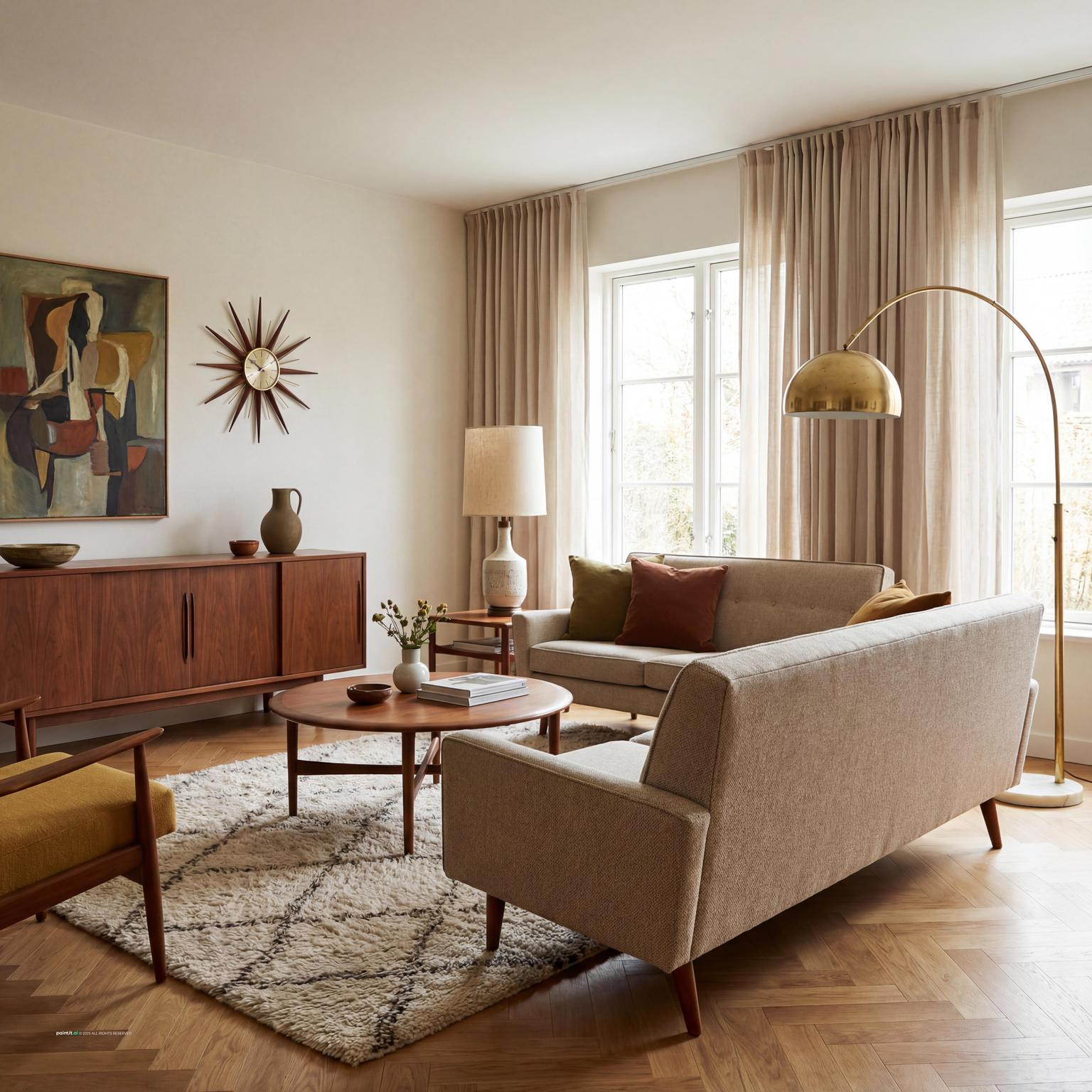
This stylish Mid-Century Modern living room masterfully blends vibrant yellow accents with sophisticated gray tones, creating an inviting and timeless space.
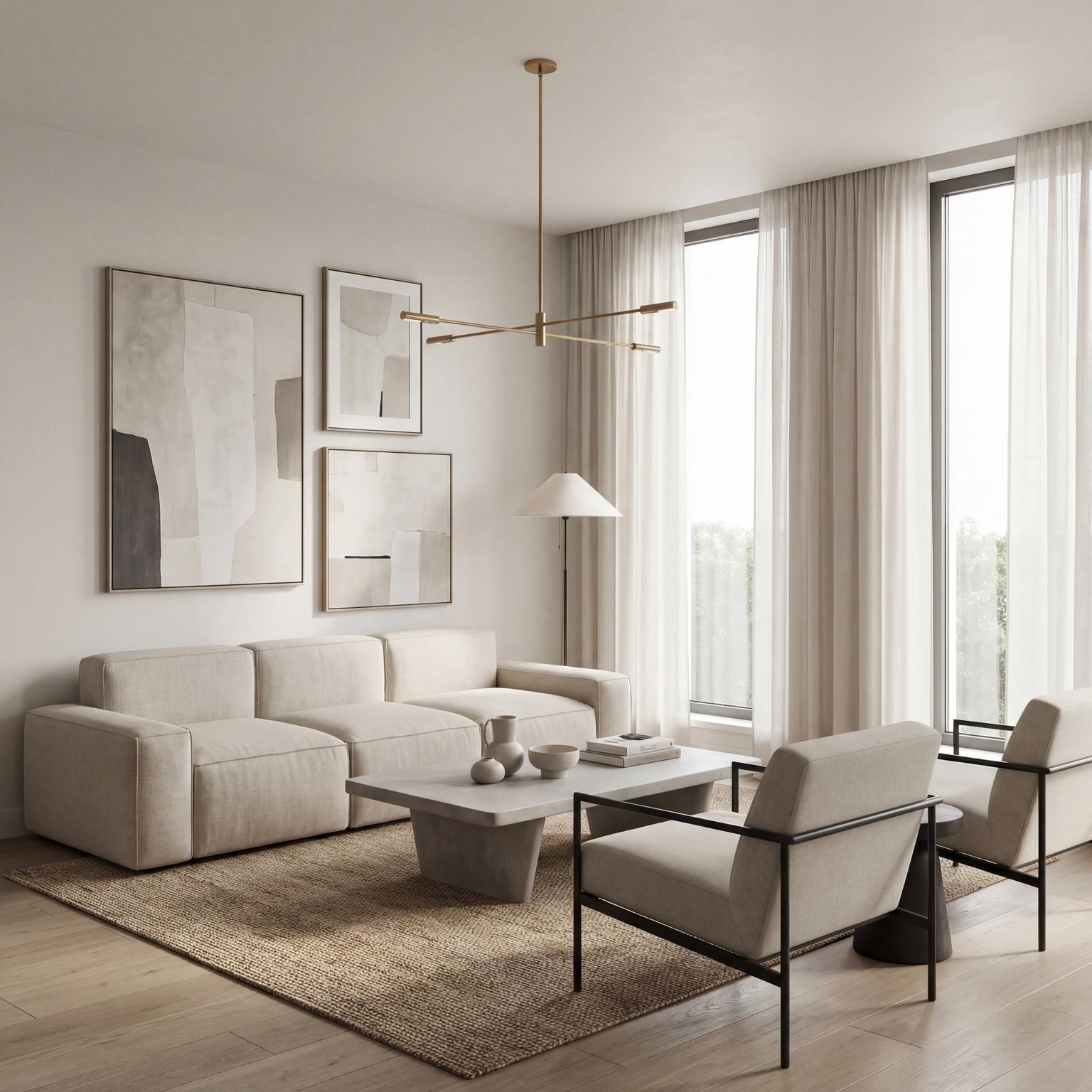
Experience a sleek contemporary living room design where crisp yellow details and cool gray foundations converge, offering a truly sophisticated ambiance.
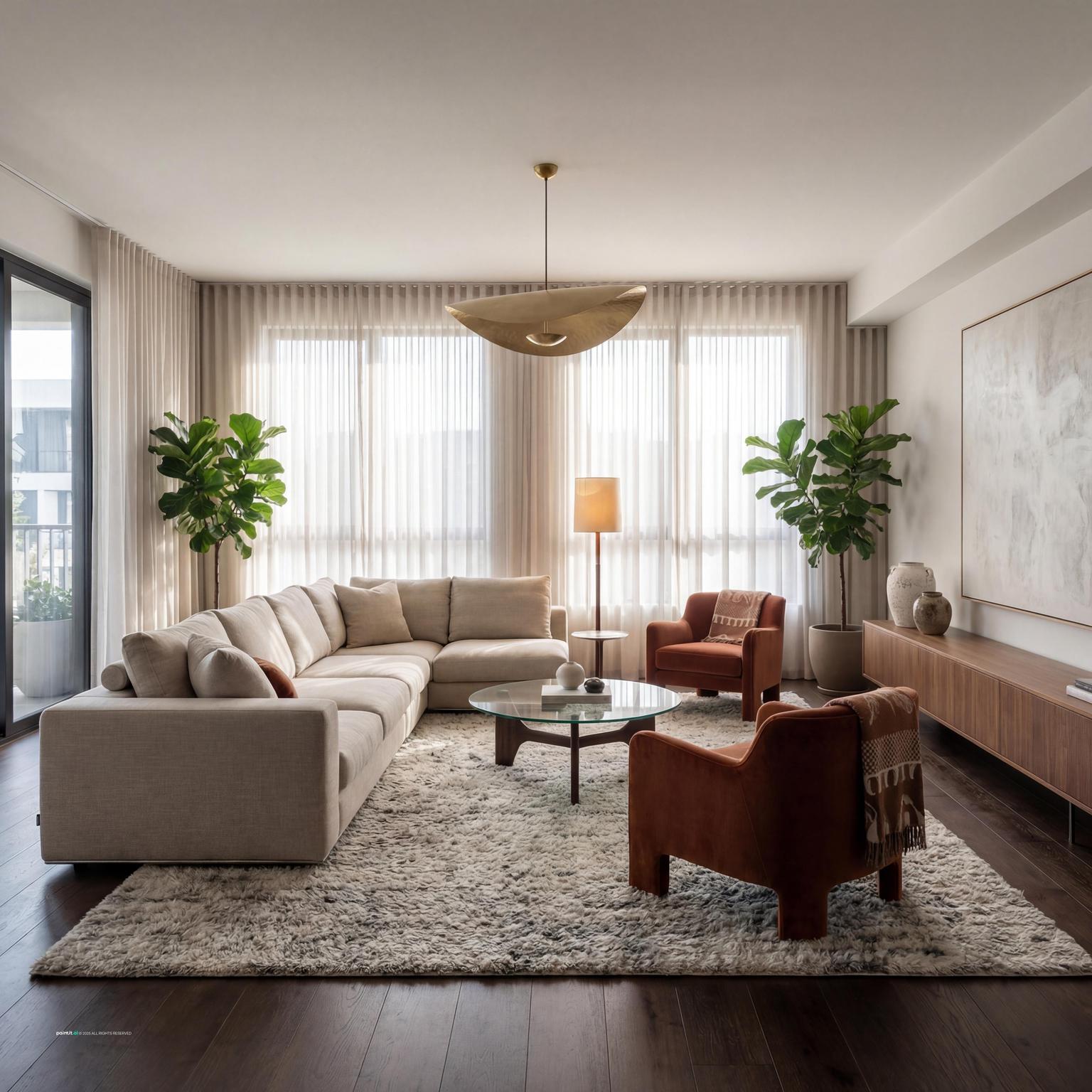
This luxurious spacious living room design exudes opulence, beautifully enhanced by the harmonious blend of warm yellow and elegant gray tones.
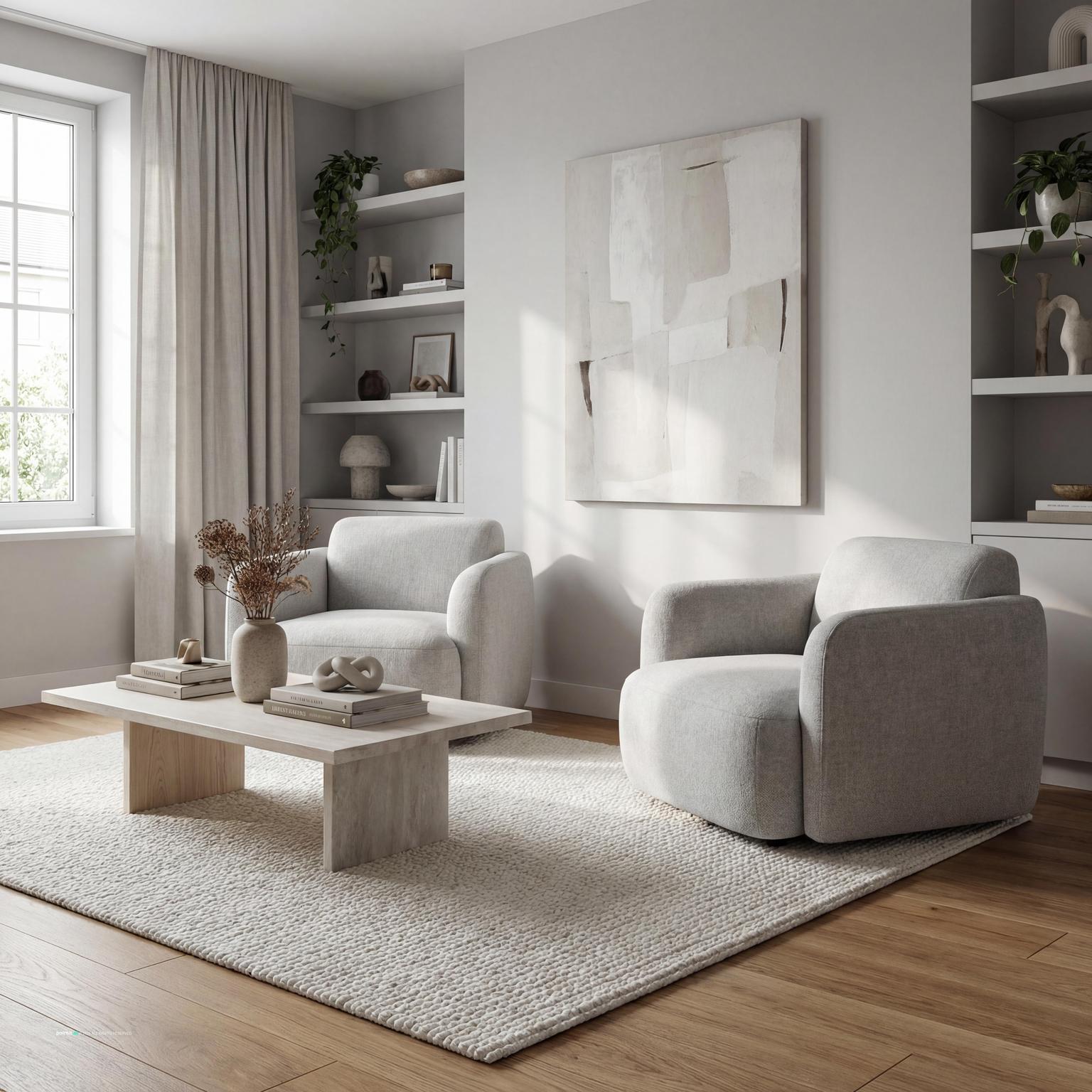
Discover an elegant small living room design for 2023, where cheerful yellow brightens the space and soft gray adds a sophisticated, calming touch.
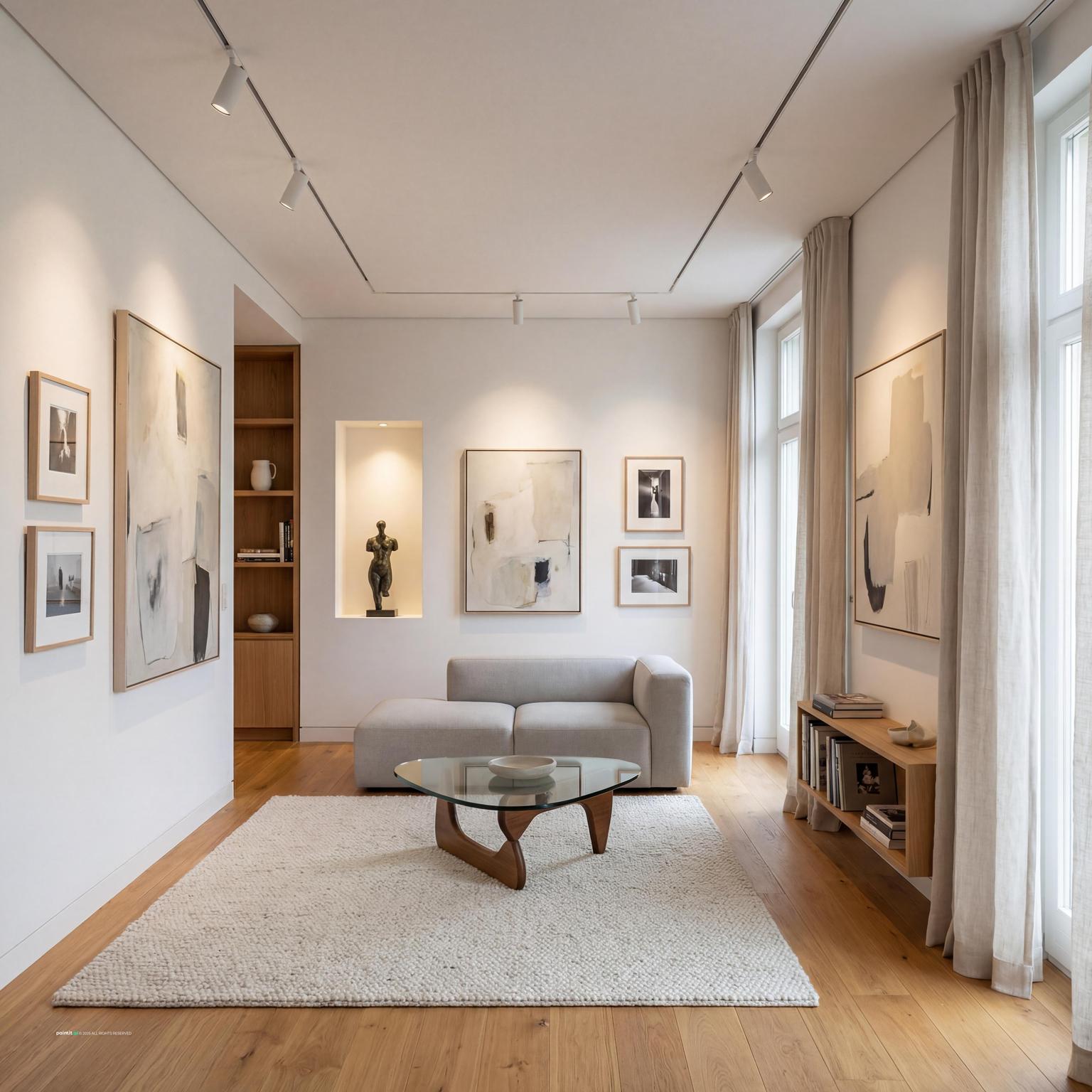
An elegant art-focused living room design creates a gallery-like atmosphere, utilizing a sophisticated yellow and gray palette to highlight unique pieces.
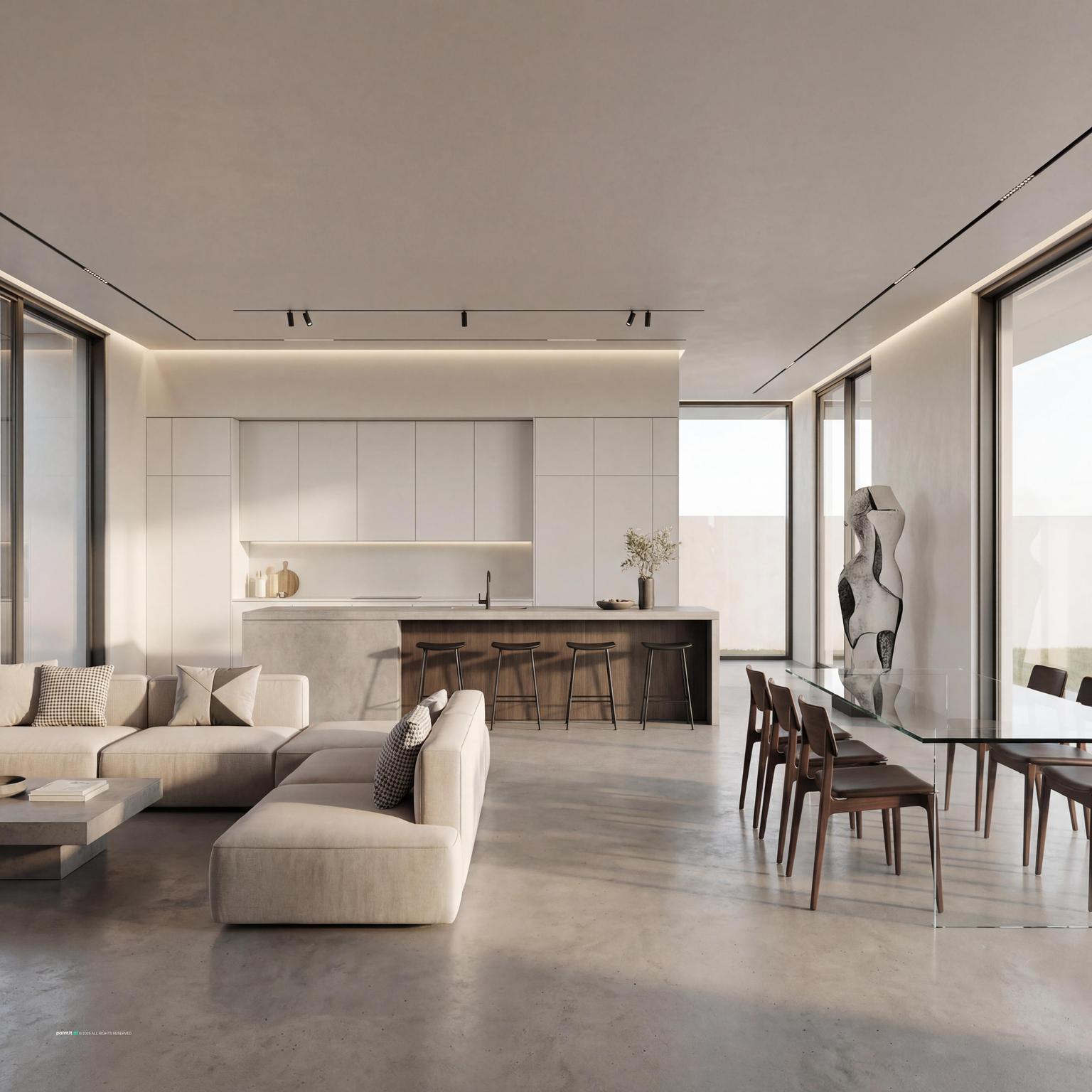
This minimalistic living room and kitchen design embraces understated elegance, where the crisp yellow and serene gray create a perfectly balanced, modern space.
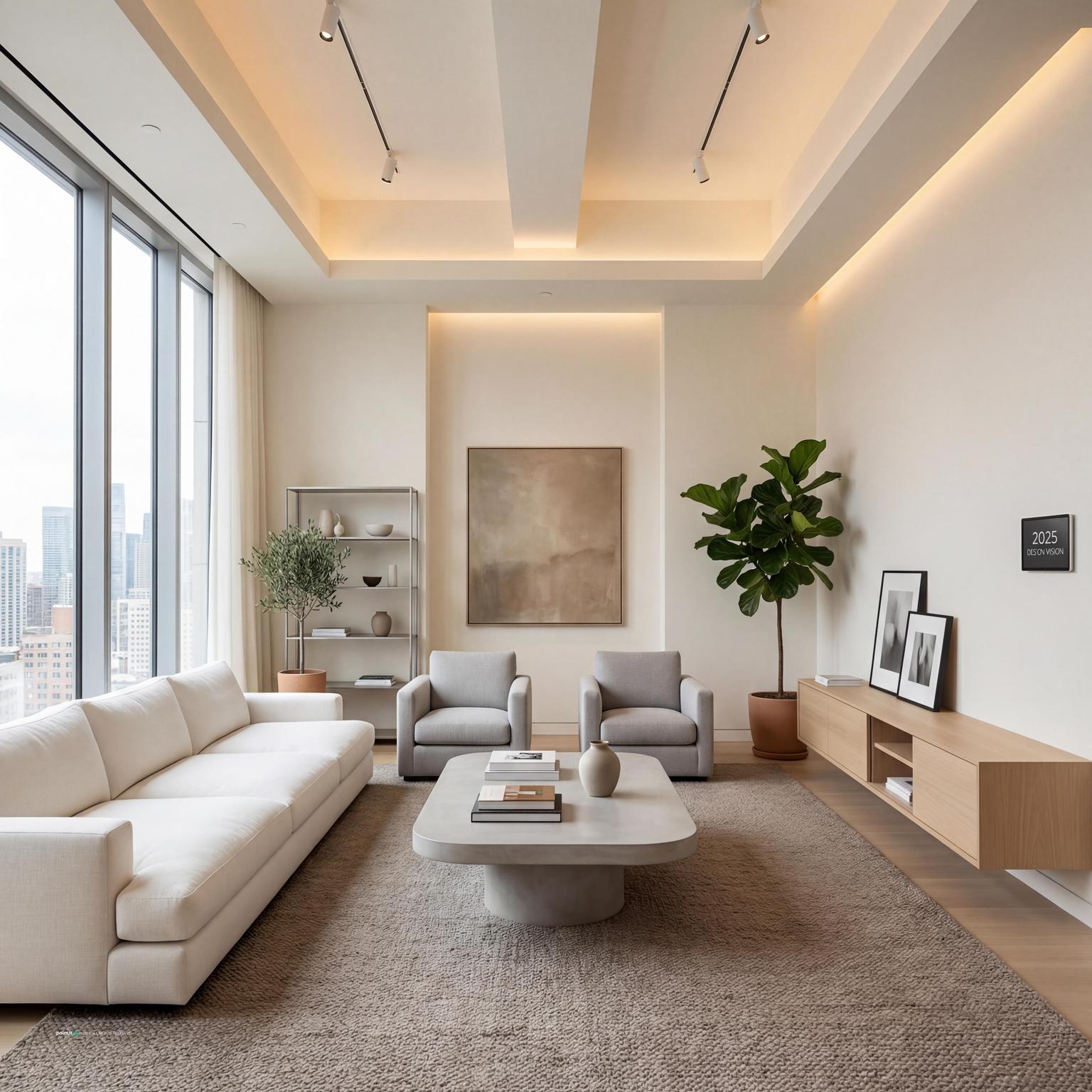
Experience a luxury minimalist living room design, where the sophisticated blend of yellow and gray achieves an exquisite balance of comfort and refined style.
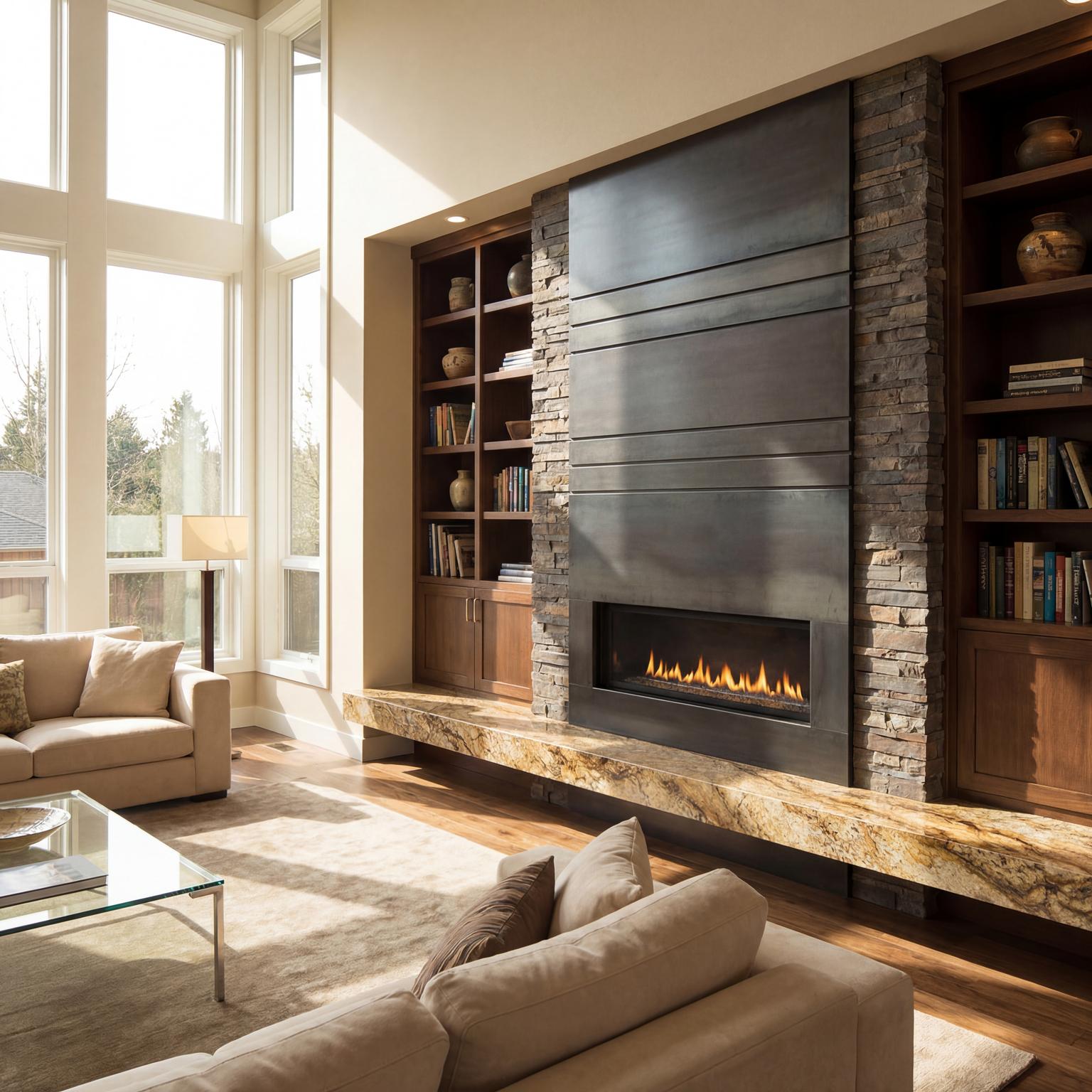
This modern living room features a sleek fireplace design, beautifully complemented by a refreshing yellow and gray palette that adds warmth and sophistication.
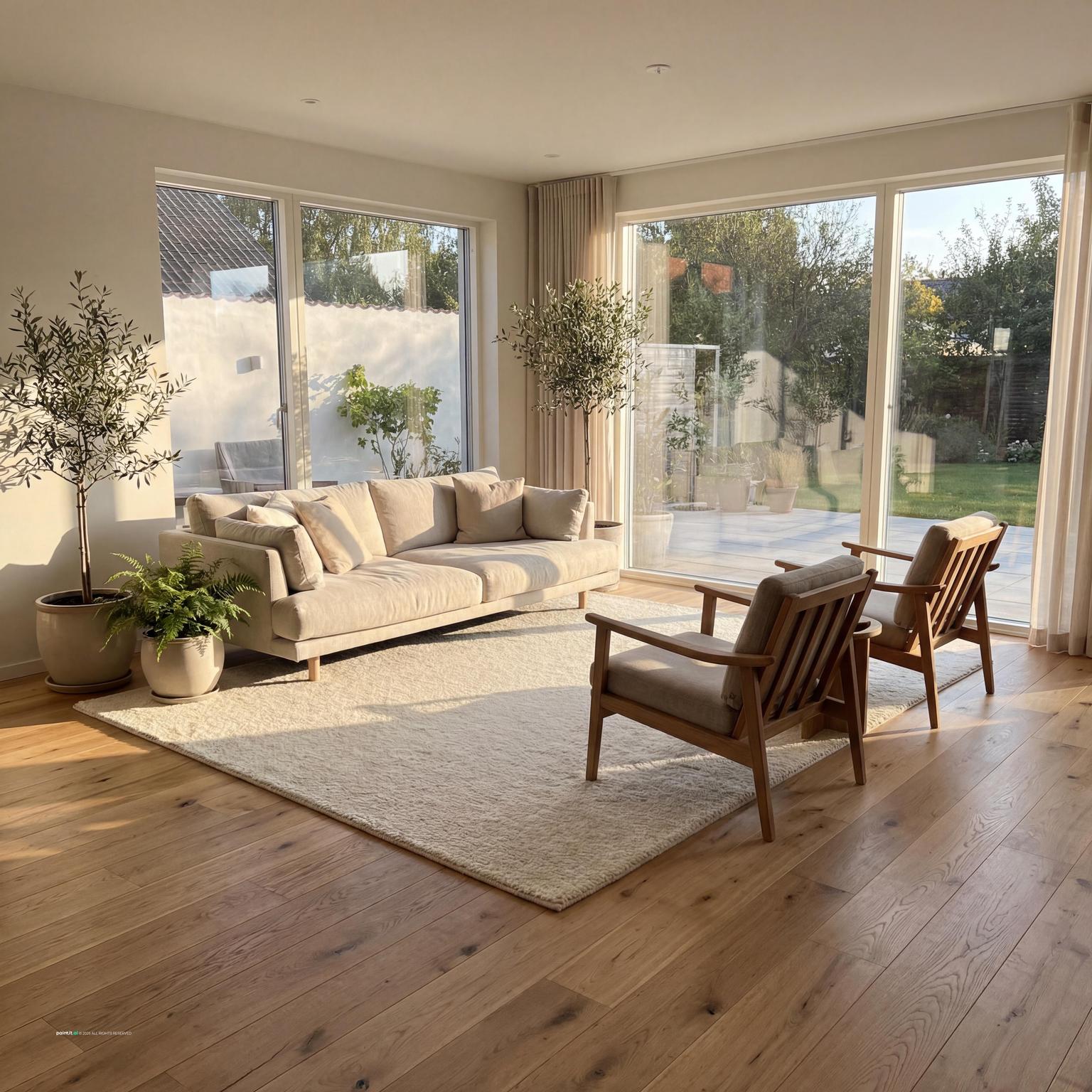
An elegant natural light living room design comes alive with a cheerful yellow and soft gray palette, creating a bright and wonderfully inviting ambiance.
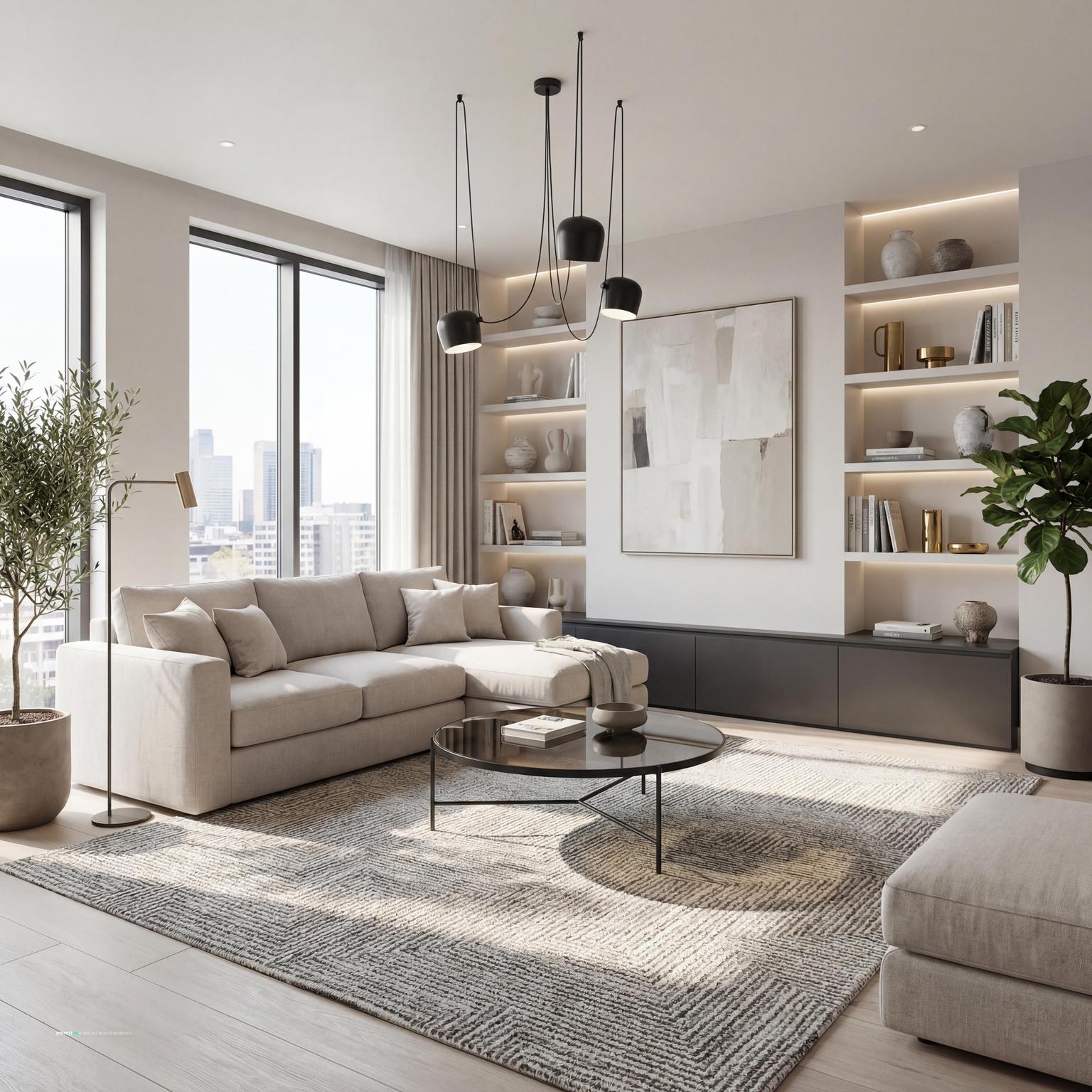
Find ultra-modern living room design inspiration in this striking space, where vibrant yellow and cool gray create a dynamic and forward-thinking aesthetic.
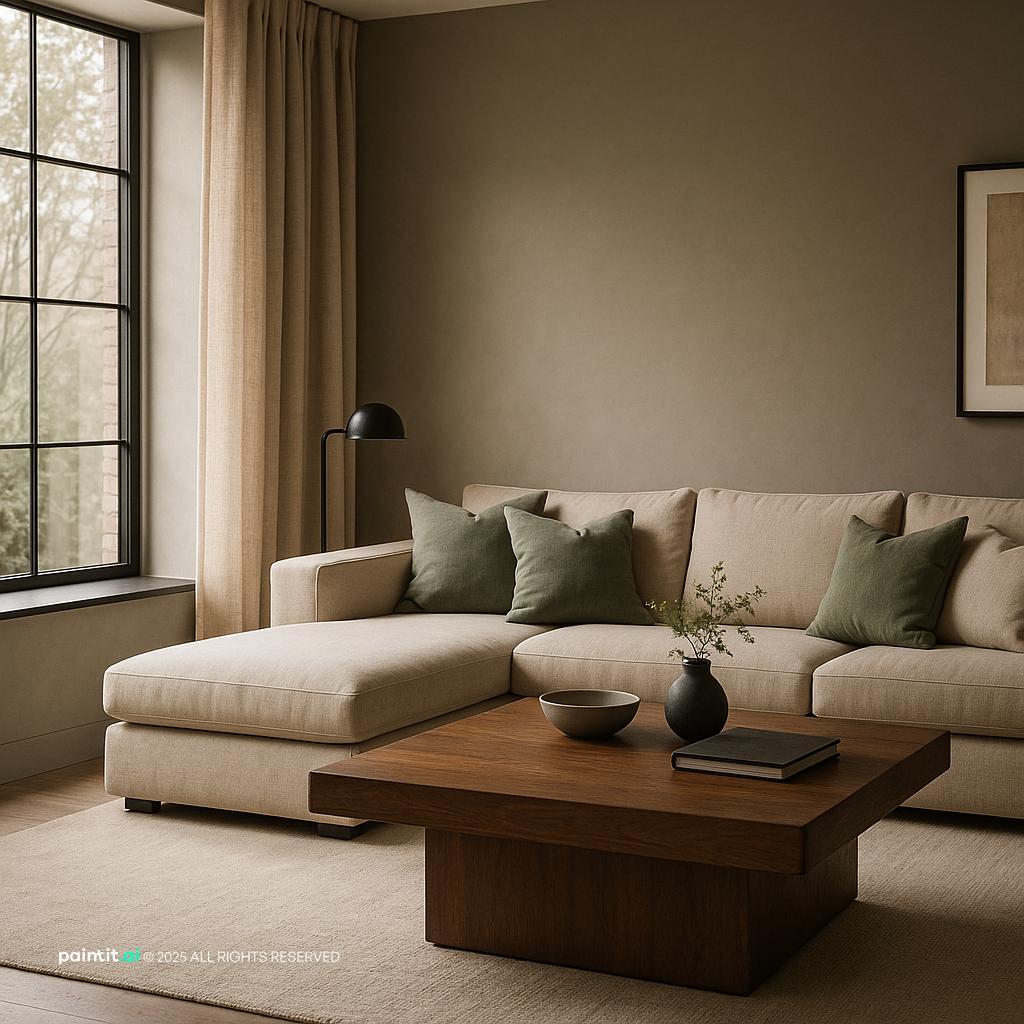
Elegant Contemporary Living Room Design brings together sectional, linen, and beige for a more composed living room direction.
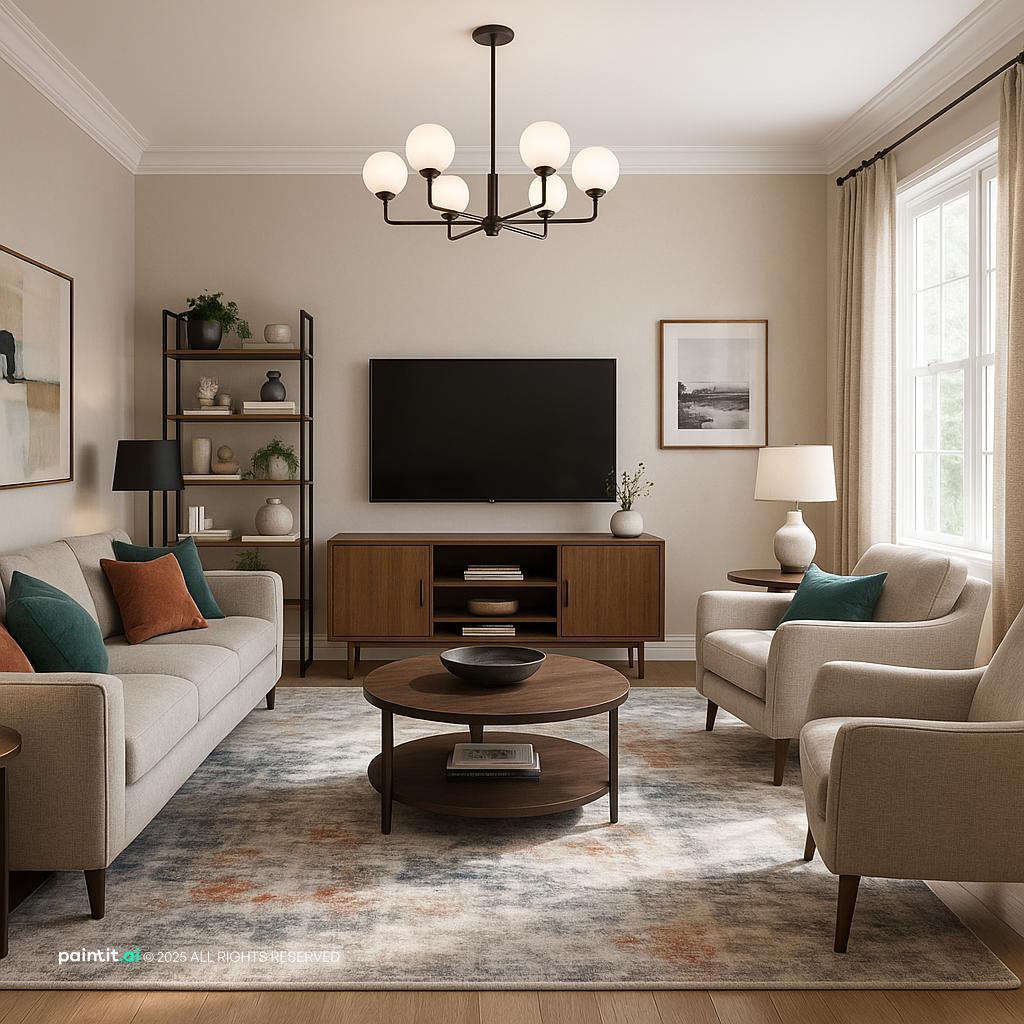
Modern Living Room Design brings together daylight, beige, and rug for a more composed living room direction.
Most people think of gray as just gray, but its versatility is unmatched. For a yellow and gray living room, begin with a sophisticated mid-tone gray like dove or a deeper charcoal as your primary base. This provides a calming, neutral canvas. Then, introduce yellow as your vibrant secondary color. I always advise clients to consider a spectrum: a rich mustard or saffron for warmth, or a brighter lemon or buttercup for an energetic lift. To truly balance, weave in soft, creamy off-whites or subtle greige tones through textiles or wall art. These lighter neutrals soften the transition between the two dominant hues, preventing any harshness and creating a cohesive, inviting atmosphere.
For a related take on the same room, explore living room ideas with indoor plants.
The interplay of materials is where a yellow and gray space truly comes alive. Consider the luxurious depth of velvet on a throw pillow or an accent armchair; its rich pile catches light beautifully, adding a touch of opulence. Contrast this with the natural, relaxed drape of linen for curtains or a sofa slipcover, which introduces an understated elegance. For grounding elements, light oak or walnut wood in a coffee table or shelving unit brings warmth and organic texture. It might seem counterintuitive, but incorporating brushed brass or matte black metals in lamp bases or decorative objects provides a sophisticated metallic glint, preventing the room from feeling flat and adding a contemporary edge.
For a related take on the same room, explore small living room ideas with TV.
When curating furniture for this palette, focus on clean lines and thoughtful proportions. A substantial, comfortable sofa, perhaps in a neutral charcoal or a soft cream, serves as the anchor. I’ve seen this work best when paired with a statement armchair in a bold yellow velvet or a sculptural gray fabric, offering a focal point without overwhelming the space. Here is what matters: choose pieces that complement each other in scale. A sleek, geometric coffee table, perhaps combining wood and metal, ties the room together. Avoid bulky items; instead, opt for furniture with exposed legs or slender profiles to maintain an airy, open feel.
Most people forget that lighting isn't just about brightness; it's about crafting an ambiance. Begin with ambient lighting from recessed fixtures or a large, diffused floor lamp with a fabric shade, casting a soft, overall glow. For task lighting, place elegant table lamps on side tables, ensuring they provide enough illumination for reading or conversation. It sounds simple, but the right accent lighting truly elevates the design. Consider wall sconces or picture lights to highlight artwork, drawing attention to your chosen yellow and gray pieces. The goal is layered illumination, creating pockets of warmth and interest, making the room feel inviting at any time of day.
Decorative accents are the soul of any living room, especially when working with a specific color scheme. Introduce abstract art with pops of yellow and gray, or bring in fresh greenery with a tall plant in a simple ceramic pot. The 3-5-7 rule isn't just a guideline; it's a secret weapon for creating visually appealing vignettes. On a coffee table, group three items: a substantial decorative bowl, a stack of two design books, and a small, sculptural object. For a larger surface like a mantelpiece, aim for five to seven items, varying heights and textures. I always tell my designers to mix materials—a smooth ceramic vase, a textured throw blanket, and a metallic candle holder—to add depth and prevent the arrangement from looking static. This rule ensures balance and visual interest, making your yellow and gray space feel thoughtfully curated.
achieving that perfect equilibrium in a yellow and gray living room often feels like walking a tightrope. One wrong shade of mustard or an overly cool slate can throw the entire room off balance. I’ve seen this challenge countless times. Most people forget that the interplay of light and shadow dramatically alters how these colors appear. Paintit.ai lets you instantly render countless variations. Visualize bold ochre accents against a soft dove gray, or a vibrant lemon sofa paired with charcoal walls, all in your actual room. Stop guessing. Try paintit.ai today and see your ideal space come to life.
Before changing furniture or finishes, you can preview the direction with an interior design visualizer.
Focus on one dominant color, then use the other as an accent. I’ve seen this work best with gray walls and pops of marigold in textiles or art. It creates depth without overwhelming the eye.
Don't use too many competing yellows; stick to one or two shades. Avoid neglecting texture; flat surfaces can make the room feel sterile. Most people forget that contrast is key to visual interest.
Mid-century modern or contemporary pieces often shine here. Think clean lines, perhaps a deep charcoal sofa with mustard throw pillows. Wood tones like walnut add a crucial layer of warmth and sophistication.
Layering is crucial. Consider a chunky knit throw, velvet cushions, or a jute rug. Metallic accents, like brushed brass or antique gold, also add a sophisticated glow. It sounds simple, but it truly elevates the space.
Absolutely. A soft, buttery yellow pairs beautifully with a warm greige for a subtle feel. For a bolder look, try a vibrant lemon with a deep charcoal. It might seem odd at first, but the contrast is striking and effective.