Embracing the Charm of a White Shiplap Living Room

Imagine stepping into a space that feels both expansive and intimately comforting, where every detail whispers calm. The dream of a bright, airy home often starts with a vision, but translating that into a cohesive white shiplap living room can feel like a puzzle. How do you balance rustic texture with modern simplicity without losing warmth?

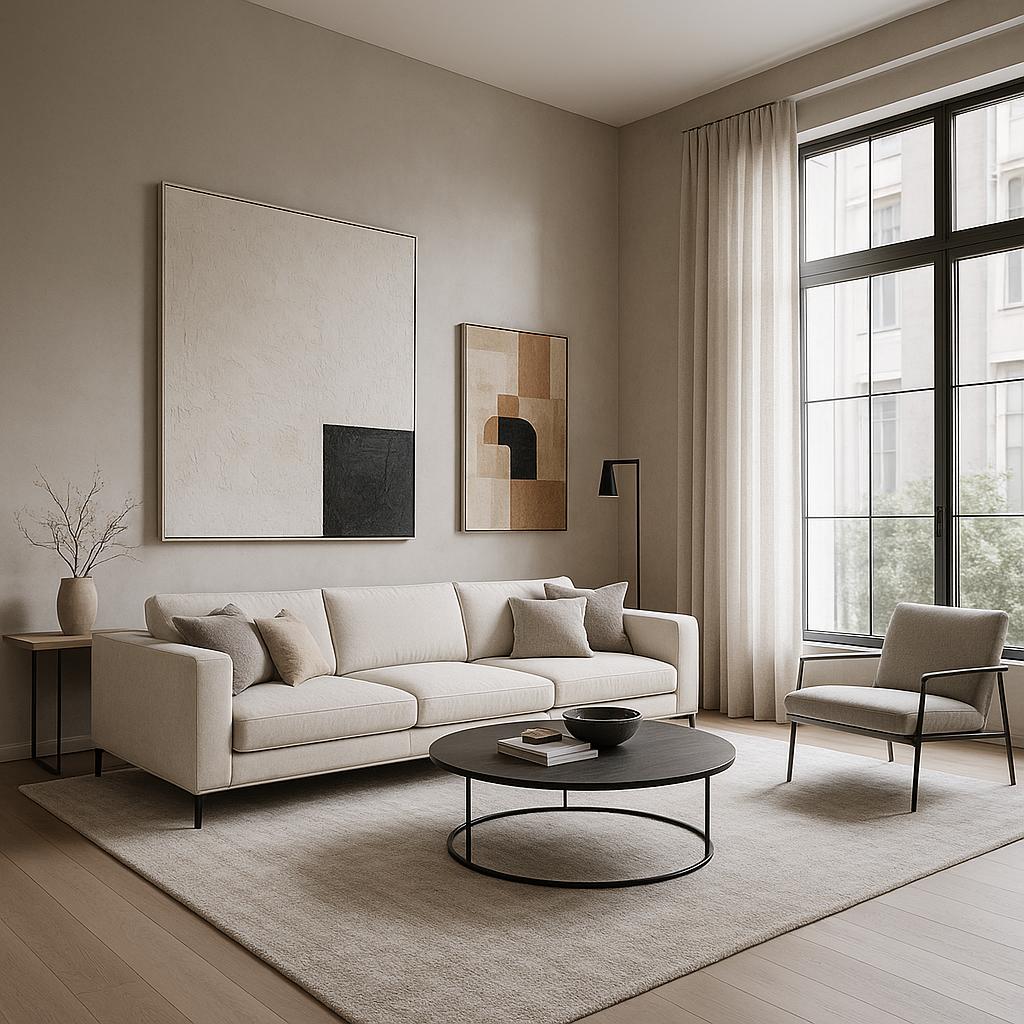
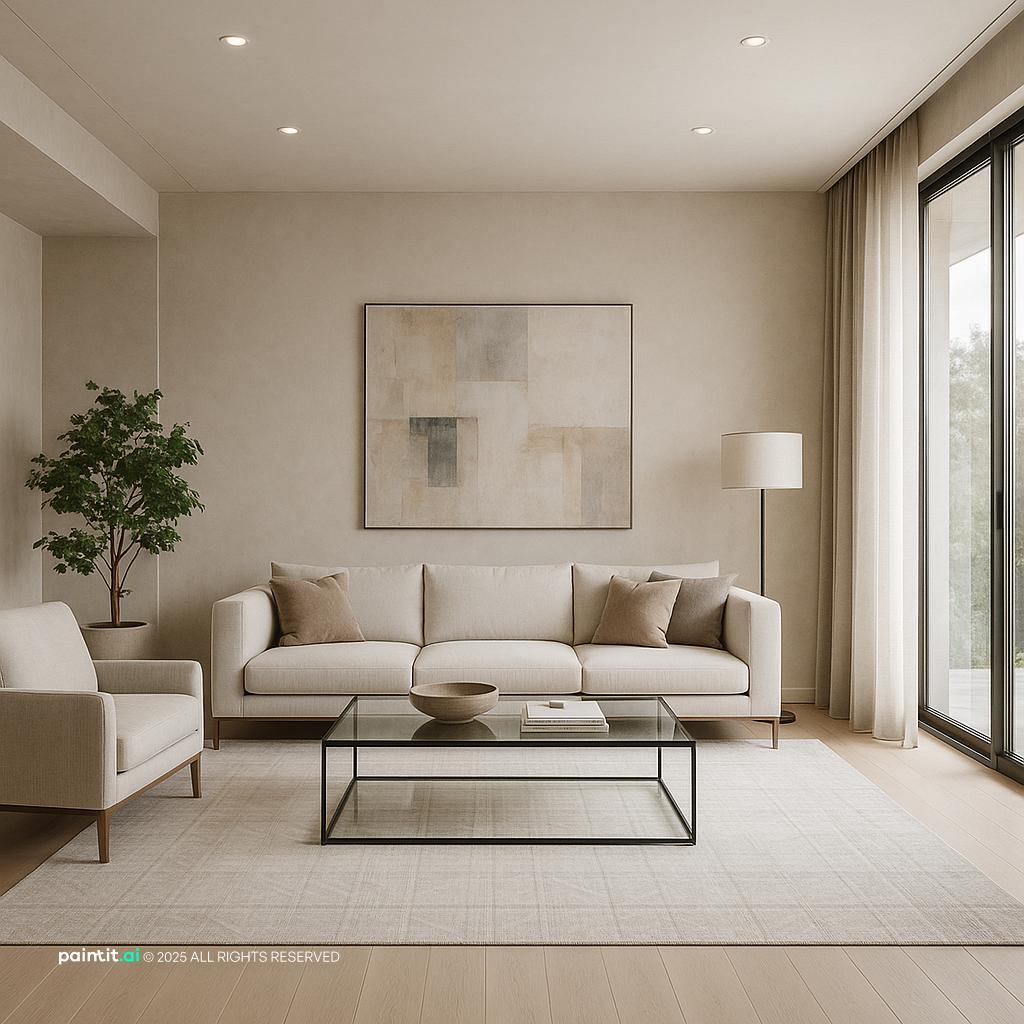
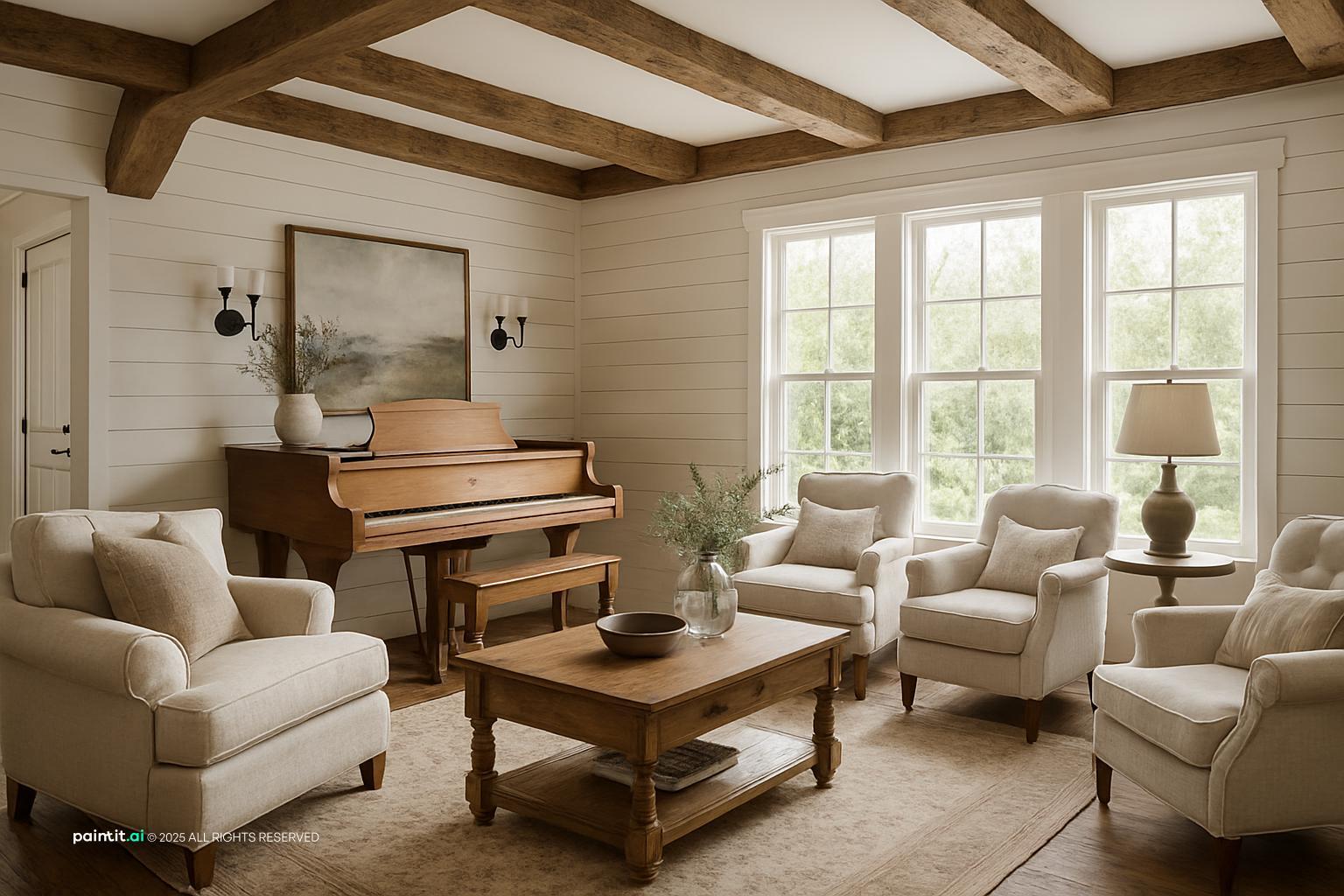
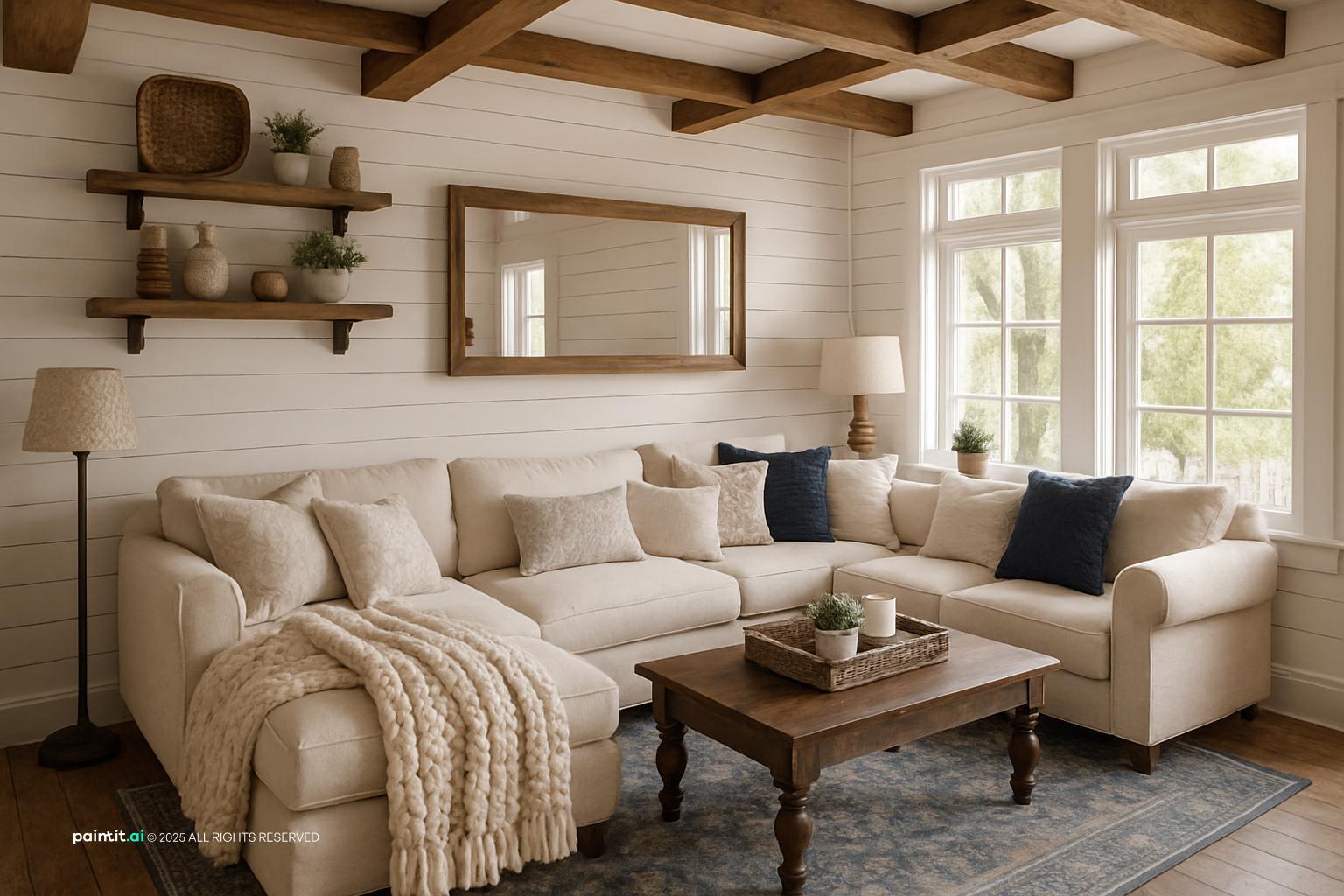
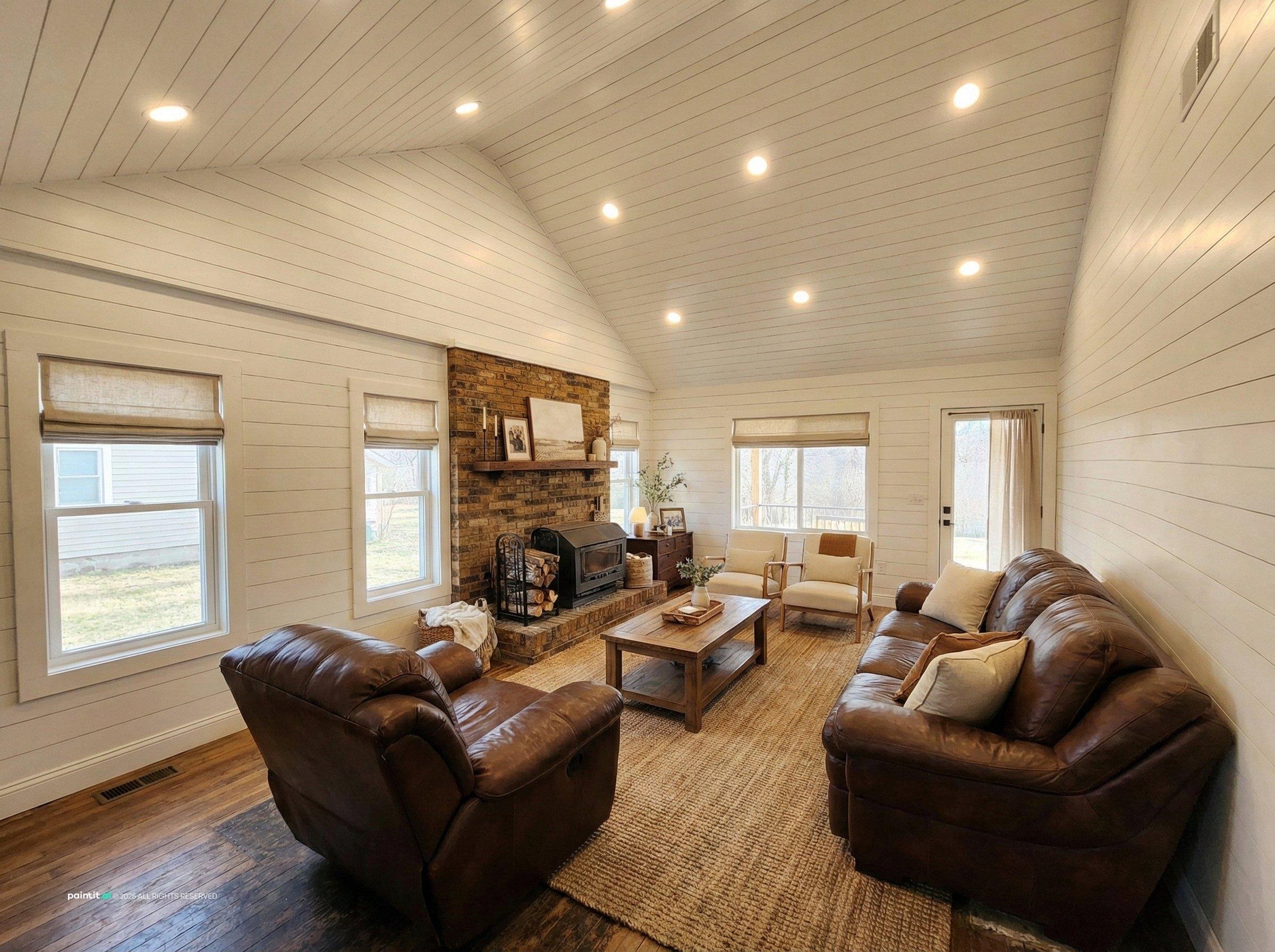
Living room with soft natural palette and statement wall art

Designing Your Dream White Shiplap Living Room

We've observed a common misconception: that a white shiplap living room is a one-note design. this classic farmhouse aesthetic offers incredible versatility. Most people forget that the beauty lies in its ability to transform, providing a bright, airy backdrop for everything from rustic modern to serene coastal interiors. It sounds simple, but achieving that perfect balance of texture and light requires a nuanced approach.

Here is what matters: a white shiplap living room isn't just about planks on a wall; it's about crafting an atmosphere. We will explore how different widths of tongue-and-groove paneling impact the feel of a space, how to leverage natural light, and the art of layering a neutral color palette with tactile elements. We'll guide you through selecting complementary decor and avoiding common pitfalls that can make a room feel sterile instead of inviting. Before making any permanent changes, remember you can instantly visualize these design concepts in your own home using Paintit.ai.

14 Inspiring Ways to Style Your White Shiplap Living Room

1. Coastal Breeze Retreat.

This look brings the serenity of the seaside indoors. The clean lines of painted wood planks evoke a relaxed, beach-house feel, creating an instant sense of calm. Most people forget that a truly coastal vibe is about light and texture, not just seashells.

Pair the bright wall treatment with natural linen upholstery, weathered wood furniture, and soft blue accents. Think slipcovered sofas and jute rugs. It sounds simple, but the layering is key.

  • Color palette: Seafoam green, Sand, Crisp white
  • Style: Coastal Chic
  • Best for: Sunny rooms, homes near water

2. Modern Farmhouse Elegance.

The rustic charm of planked walls meets contemporary sophistication here. This approach softens the traditional farmhouse aesthetic, making it feel current and refined. I’ve seen this work best in homes that want warmth without feeling overly country.

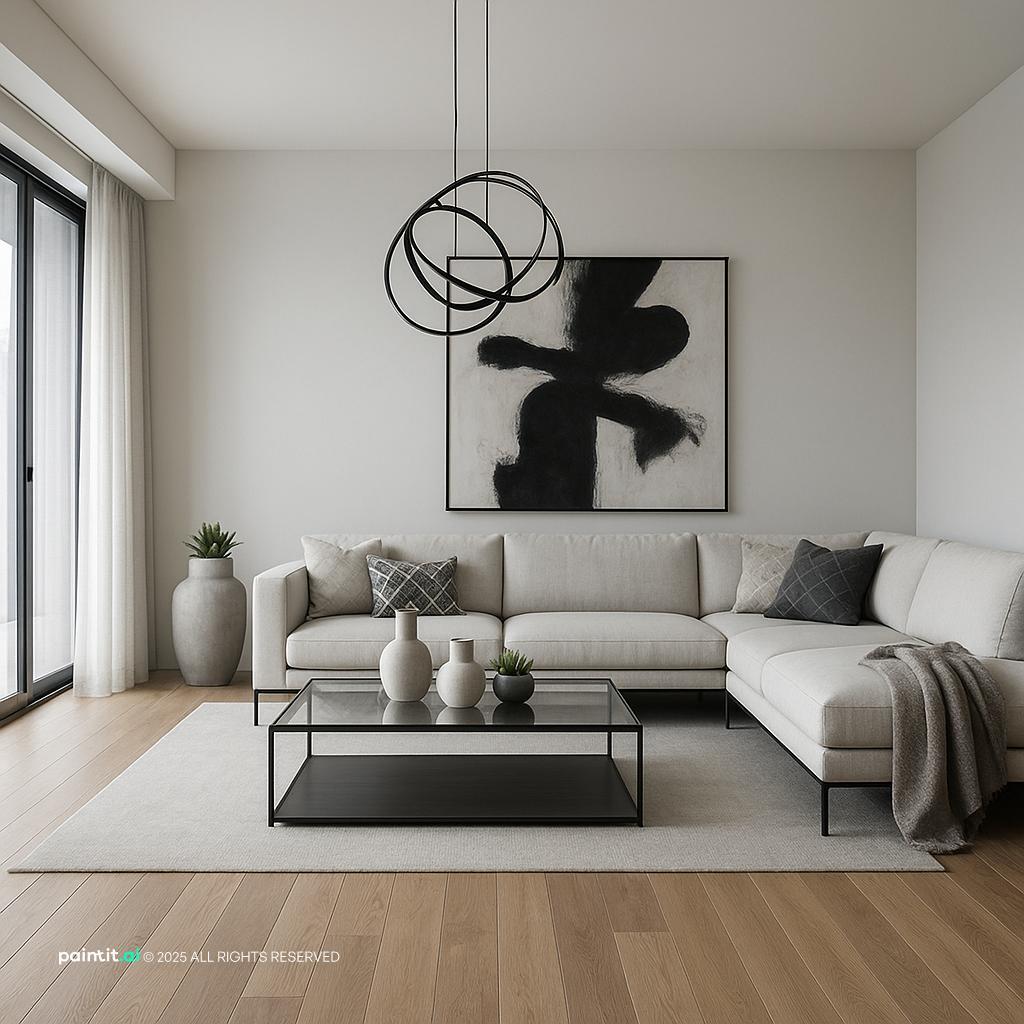
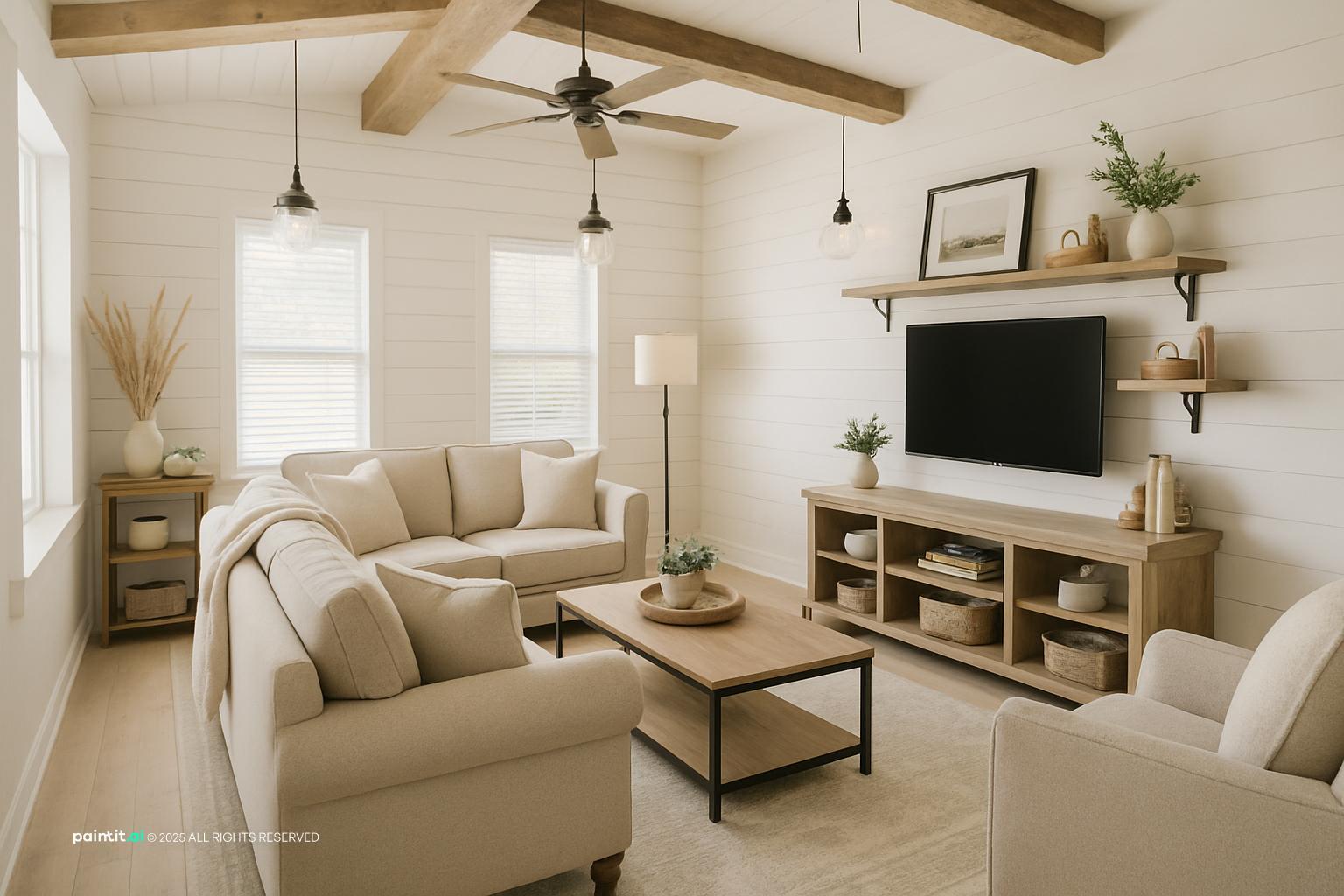
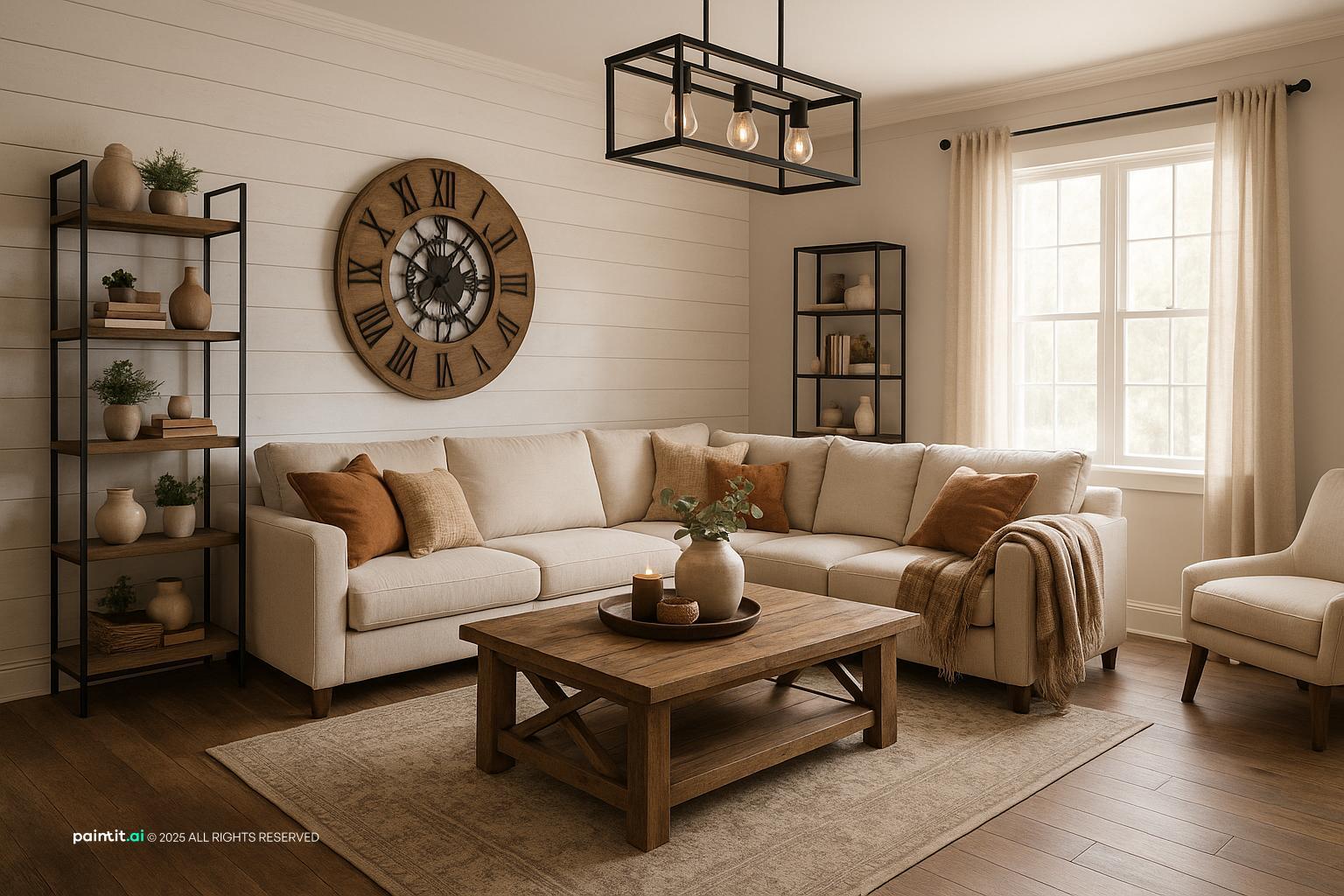
Combine the bright wall panels with sleek black metal accents, minimalist lighting, and plush, neutral textiles. A large sectional sofa in a charcoal gray or cream would anchor the space beautifully. Introduce a touch of natural wood in a coffee table or shelving.

  • Color palette: Charcoal, Cream, Matte black
  • Style: Modern Farmhouse
  • Best for: Open-concept spaces, family homes

3. Scandinavian Simplicity.

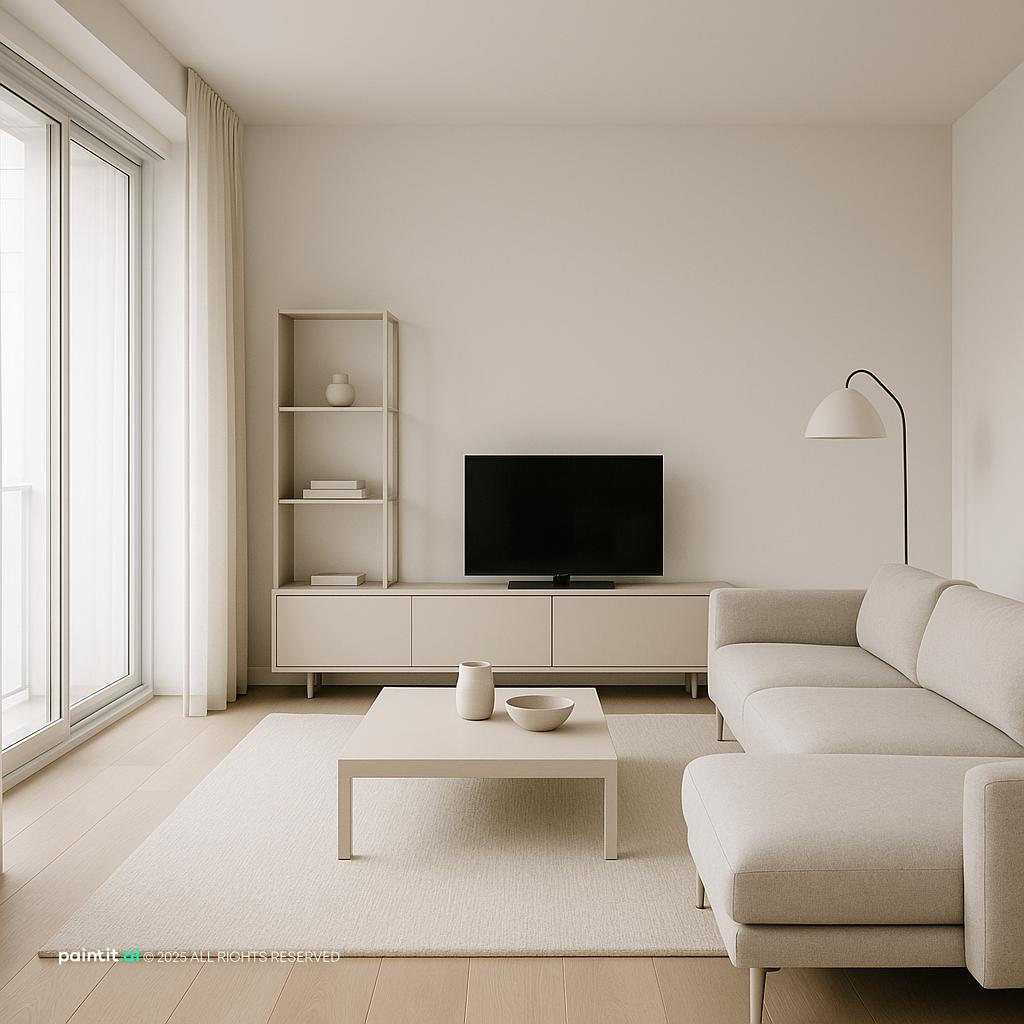
Embrace the minimalist beauty of Nordic design. The light-colored wall treatment provides a perfect backdrop for clean lines and functional pieces, enhancing natural light. This style is all about creating a serene, uncluttered environment.

Furnish with light wood pieces, simple geometric patterns, and soft, natural fabrics like wool or cotton. Keep accessories to a minimum, focusing on quality over quantity. A sheepskin throw adds instant hygge.

  • Color palette: Ash gray, Pale wood, Snow white
  • Style: Scandinavian
  • Best for: Smaller living rooms, bright apartments

4. Boho-Inspired Sanctuary.

Infuse a free-spirited, eclectic vibe into your space. The textured wall provides a neutral canvas for a rich tapestry of patterns, textures, and global influences. It might seem odd at first, but the clean backdrop makes the bohemian elements truly pop.

Layer patterned rugs, add floor cushions, and incorporate rattan or macrame elements. Introduce vibrant plants and artwork with earthy tones. A mix of vintage and new pieces creates a lived-in, collected feel.

  • Color palette: Terracotta, Olive green, Off-white
  • Style: Bohemian
  • Best for: Creative individuals, relaxed atmospheres

5. Rustic Elegance.

This design marries the raw beauty of rustic elements with refined touches. The painted wood planks offer a subtle nod to country living, while sophisticated furnishings elevate the overall aesthetic. It’s about finding that sweet spot between rugged and polished.

Combine the wall treatment with leather seating, a stone fireplace, and wrought iron accents. Introduce plush velvet pillows or a faux fur throw for a touch of luxury. Dark wood furniture grounds the bright walls.

  • Color palette: Deep brown, Forest green, Creamy white
  • Style: Rustic Chic
  • Best for: Homes with fireplaces, mountain retreats

6. Transitional Comfort.

Bridge the gap between traditional and contemporary styles. The classic appeal of the planked wall blends seamlessly with modern furniture and accessories, creating a timeless and inviting space. This is a safe yet stylish choice for many homes.

Select furniture with clean lines but comfortable upholstery. Mix a classic tufted sofa with a modern glass coffee table. Incorporate a balanced mix of textures and subtle patterns. it’s all about balance.

  • Color palette: Greige, Navy blue, Warm white
  • Style: Transitional
  • Best for: Families, those seeking enduring style

7. Industrial Edge (Softened).

Introduce an urban, loft-like feel while maintaining a sense of warmth. The bright wall panels provide a striking contrast to raw industrial materials, softening their inherent harshness. This look is unexpectedly cozy.

Pair the wall treatment with exposed brick (if available), concrete elements, and metal light fixtures. Choose furniture with clean, utilitarian lines. Leather sofas work exceptionally well here. Add soft throws to balance the hard surfaces.

  • Color palette: Concrete gray, Copper, Bright white
  • Style: Soft Industrial
  • Best for: Urban apartments, converted lofts

8. Layered Textures.

Create depth and visual interest by focusing on a rich interplay of materials. The textured wall planks serve as a foundational layer, inviting other tactile elements into the room. This is how you make a monochromatic space feel dynamic.

Introduce chunky knit throws, woven baskets, velvet cushions, and a plush area rug. Mix different wood finishes in furniture. The goal is to make the room feel rich and inviting to the touch. Don't be afraid to experiment.

  • Color palette: Ivory, Beige, Natural wood
  • Style: Textural Minimalist
  • Best for: Cozy nooks, visually rich spaces

9. Accent Wall Focus.

Sometimes, less is more. Instead of covering all walls, use the planked treatment on a single accent wall to create a focal point. This draws the eye and adds architectural interest without overwhelming the room. It’s a smart move for smaller spaces.

Place your main seating arrangement or a prominent piece of art against this feature wall. Keep other walls simple with a complementary paint color. This approach allows the texture to shine without competing with other elements.

  • Color palette: Sage green, Off-white, Light gray
  • Style: Contemporary Accent
  • Best for: Rooms needing a focal point, smaller living areas

10. Ceiling Application.

Look up! Extending the planked treatment to the ceiling can dramatically alter the room's perception of height and coziness. It creates a cohesive, enveloping feel, especially in rooms with higher ceilings. This is a bold, yet rewarding choice.

This works particularly well in rooms with exposed beams or a vaulted ceiling, enhancing their architectural features. Keep wall colors light to maintain an airy feel. It frames the space beautifully.

  • Color palette: Sky blue, Cloud white, Pale wood
  • Style: Architectural Feature
  • Best for: Rooms with high ceilings, adding intimacy

11. Built-in Integration.

Seamlessly incorporate the planked treatment into custom built-ins like bookshelves or entertainment centers. This creates a cohesive, custom look that feels integrated and intentional. It’s about making the architecture work harder.

Paint the built-ins the same bright color as the wall planks for a unified appearance. This creates a sophisticated backdrop for your curated collections. It makes the room feel bespoke.

  • Color palette: Pure white, Tan, Bronze
  • Style: Custom Integrated
  • Best for: Organizing clutter, creating a library feel

12. Fireplace Surround Statement.

Elevate your fireplace into a true centerpiece. Wrapping the surround in the textured wall treatment provides a fresh, clean update to a traditional focal point. This instantly brightens and modernizes the hearth.

Extend the planks from floor to ceiling around the fireplace for maximum impact. Pair it with a simple, natural wood mantel or a sleek, minimalist one. Add a large piece of art or a mirror above. This is a classic move for a reason.

  • Color palette: Espresso, Stone gray, Bright white
  • Style: Hearth Modernization
  • Best for: Rooms with existing fireplaces, creating a focal point

Beyond the Boards: Mastering the White Shiplap Aesthetic

1. Color palette

The foundation of any white shiplap living room begins with its namesake: a crisp, luminous white or a creamy off-white that bathes the walls in soft light. This isn't just a backdrop; it's an active element, expanding the visual space. To introduce depth, I’ve seen this work best by layering in secondary tones like a muted sage green, a dusty sky blue, or a warm greige through textiles and larger furniture pieces. These natural, subdued hues maintain the serene atmosphere. For a subtle accent, consider a touch of deep charcoal in a throw pillow or a sun-kissed terracotta in a ceramic vase. It sounds simple, but this careful balance prevents the room from feeling stark, instead creating an inviting, layered warmth.

2. Key materials & textures

Beyond the undeniable charm of white shiplap itself, which adds immediate architectural interest and a touch of rustic elegance, the choice of complementary materials is crucial. Natural wood, often in a light oak or reclaimed pine finish, brings an organic warmth to coffee tables or shelving. It grounds the space beautifully. For soft furnishings, linen and cotton are non-negotiable; their relaxed, tactile qualities invite comfort and a lived-in feel, contrasting wonderfully with the smooth shiplap. Most people forget that a touch of wrought iron or matte black metal, perhaps in a light fixture or a slender console table, provides a subtle industrial edge and necessary visual definition. These elements together evoke a feeling of calm, groundedness, and approachable sophistication.

3. Furniture essentials

To truly define this look, start with an oversized, comfortable sectional sofa. Choose a light, neutral fabric like a textured linen or a soft cotton blend; it becomes the cozy anchor against the clean shiplap. Next, a substantial reclaimed wood coffee table is a must. Its natural imperfections and robust presence add authentic character, serving as a functional centerpiece. Finally, an open shelving unit, perhaps built-in or a freestanding piece with clean lines, allows for curated displays without overwhelming the airy feel. Here is what matters: balance the generous proportions of the sofa with lighter, more open pieces. Shapes should lean towards comfortable and inviting, avoiding anything too ornate or overly stark, which can disrupt the serene flow.

4. Lighting setup

Achieving the perfect atmosphere in a white shiplap living room relies on a thoughtful layering of light. Ambient lighting, provided by recessed fixtures or a simple, elegant flush-mount ceiling light, establishes the overall brightness. For task lighting, place floor lamps beside reading chairs and table lamps on side tables; look for fixtures with natural linen shades to diffuse a soft, warm glow. Accent lighting, such as subtle wall sconces or picture lights, can highlight artwork or the shiplap texture itself, adding depth and visual interest. warm color temperature bulbs are absolutely crucial here. They prevent the white from feeling cold, instead making the space feel perpetually inviting and softly illuminated, even on a cloudy day.

5. Decorative accents & the 3-5-7 rule

Styling a white shiplap living room means curating pieces that enhance its calm, collected vibe. Think simple, nature-inspired art with muted tones or abstract pieces that add a whisper of color. Greenery, whether a tall fiddle-leaf fig or smaller potted succulents, injects vital life and organic texture. The 3-5-7 rule is your secret weapon here. On a console table, group three items of varying heights: perhaps a ceramic vase, a small stack of books, and a unique sculptural object. For a larger display, like a bookshelf, arrange five items, ensuring a mix of textures and forms—a framed photo, a woven basket, a small plant, and two decorative objects. For a more expansive wall, consider seven elements: a central piece of art flanked by two smaller prints, two wall sconces, and two trailing plants on nearby floating shelves. This method creates visual harmony and prevents clutter, allowing each piece to breathe and shine against the clean shiplap backdrop.

Paintit.ai: Crafting Coziness in Your White Shiplap Living Room

A white shiplap living room, while undeniably chic, risks feeling stark. balancing its crispness with inviting warmth can be tricky. Most people forget that subtle textural variations and layered lighting are key. Paintit.ai allows instant experimentation. You can visualize how a rich, natural oak mantelpiece or a plush, charcoal area rug softens the bright walls. I’ve seen this work best when users play with different furniture arrangements and accent colors, ensuring every element contributes to a cohesive, cozy atmosphere. Avoid costly mistakes. See your ideal white shiplap living room come to life on paintit.ai today.

FAQ

  • Overdoing it is easy. Balance the planked walls with smooth textures and varied finishes. Avoid painting everything the same stark white; introduce subtle off-whites or creams for depth. Remember, less is often more here.

  • Introduce modern elements. Think sleek, minimalist furniture, abstract art, or metallic accents. A plush velvet sofa or a geometric rug can instantly elevate the aesthetic, moving it from farmhouse to refined coastal or contemporary chic. It’s about contrast.

  • Not at all. Regular dusting is key. For scuffs, a magic eraser works wonders. I’ve seen this work best in high-traffic areas where durability matters. A semi-gloss paint finish also makes cleaning much simpler, resisting grime effectively.

  • Layered lighting is your friend. Recessed lights provide ambient glow, while sconces or floor lamps add warmth and highlight texture. Natural light is paramount; keep windows unobstructed. good lighting makes any space sing, especially a bright one.

  • Natural textures truly shine. Think woven baskets, linen throws, or raw wood furniture. Add pops of muted color through cushions or ceramics. Greenery, like a large fiddle leaf fig, brings life. It might seem odd at first, but a mix of old and new works wonders.