
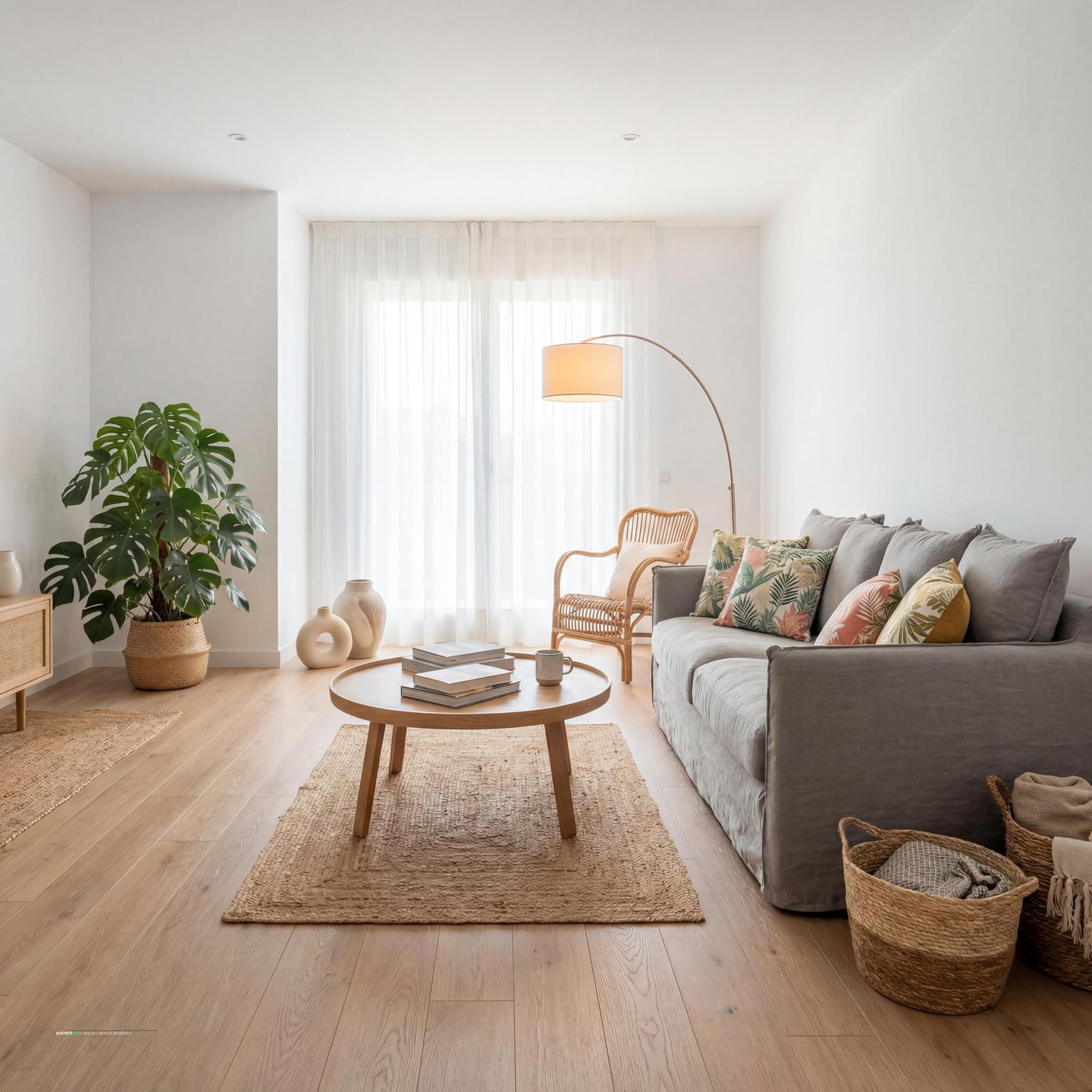
Scandinavian Living Room with Tropical Accents
This Scandinavian living room beautifully showcases a white base, enhanced with lively tropical accents that bring joyful pops of color to the serene space.
The allure of a white living room with pops of color is undeniable - it promises a fresh, airy backdrop ready for personality. Yet, turning that blank canvas into a vibrant, inviting space without overwhelming it can feel like a delicate balancing act. How do you infuse just the right amount of warmth and character?
As an interior design editor, I often observe a common challenge: transforming a pristine white canvas into a truly inviting space. The goal isn't just a clean look; it's about crafting a sophisticated yet dynamic environment. A white living room with pops of color achieves precisely this, offering a serene backdrop that bursts with personality and warmth.
We understand the desire for a bright, airy feel without the sterility. mastering a neutral palette means strategically introducing vibrant accessories, rich textural elements, and carefully chosen accent colors. Most people forget that the magic lies in the contrast—think natural wood tones against crisp white, or a single statement art piece providing a focal point. We will explore how to select the perfect hues, integrate diverse materials like metallic accents or lush indoor plants, and avoid common design pitfalls. Our Paintit.ai visualization tools can instantly bring these concepts to life in your own space, bridging the gap between inspiration and reality.
Before changing furniture or finishes, you can preview the direction with an AI living room design tool.
This gallery brings the abstract idea of white with pops into something visible: open.
This Scandinavian living room beautifully showcases a white base, enhanced with lively tropical accents that bring joyful pops of color to the serene space.
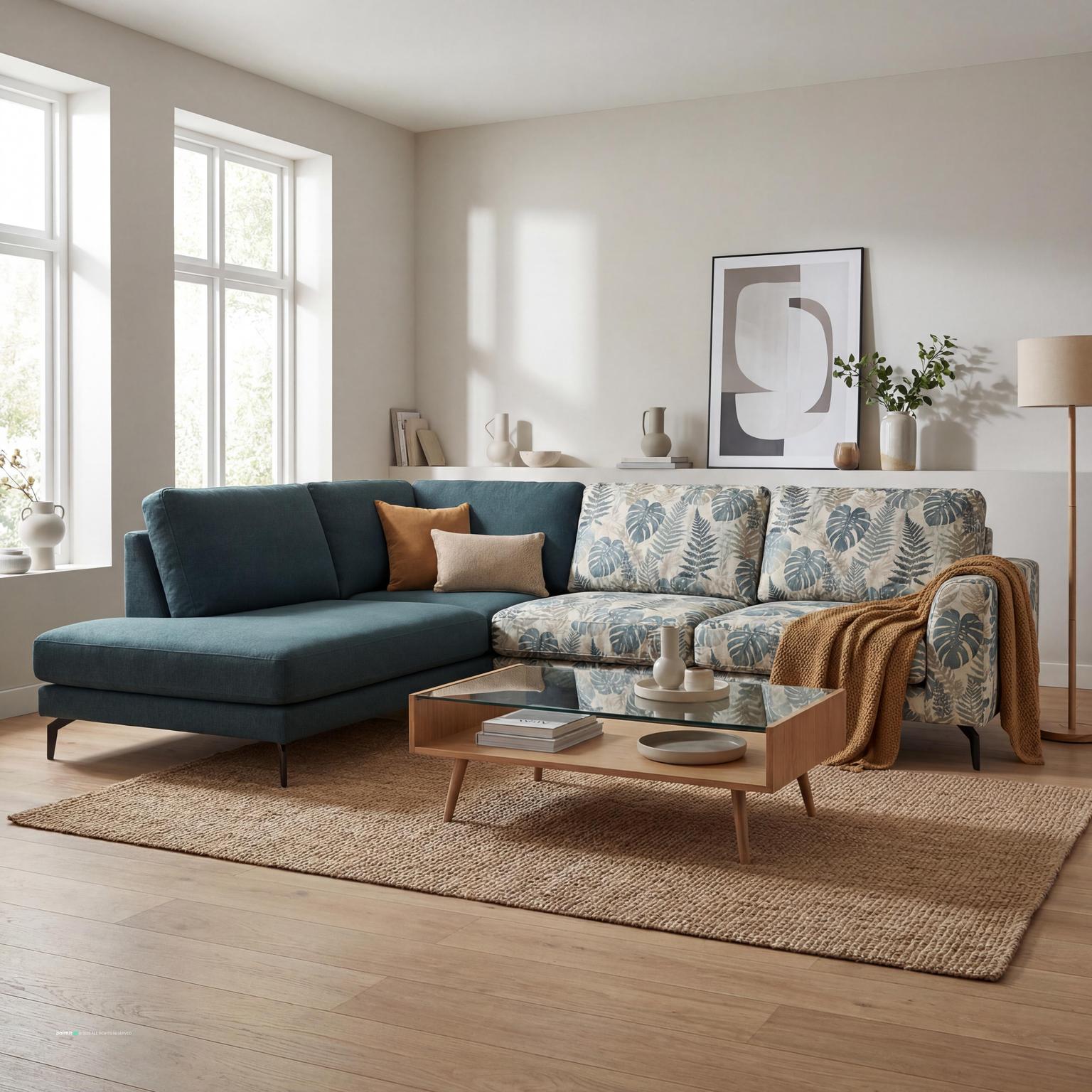
Discover a modern Scandinavian living room, where a pristine white palette is elegantly enlivened by thoughtfully placed pops of color, adding warmth and personality.
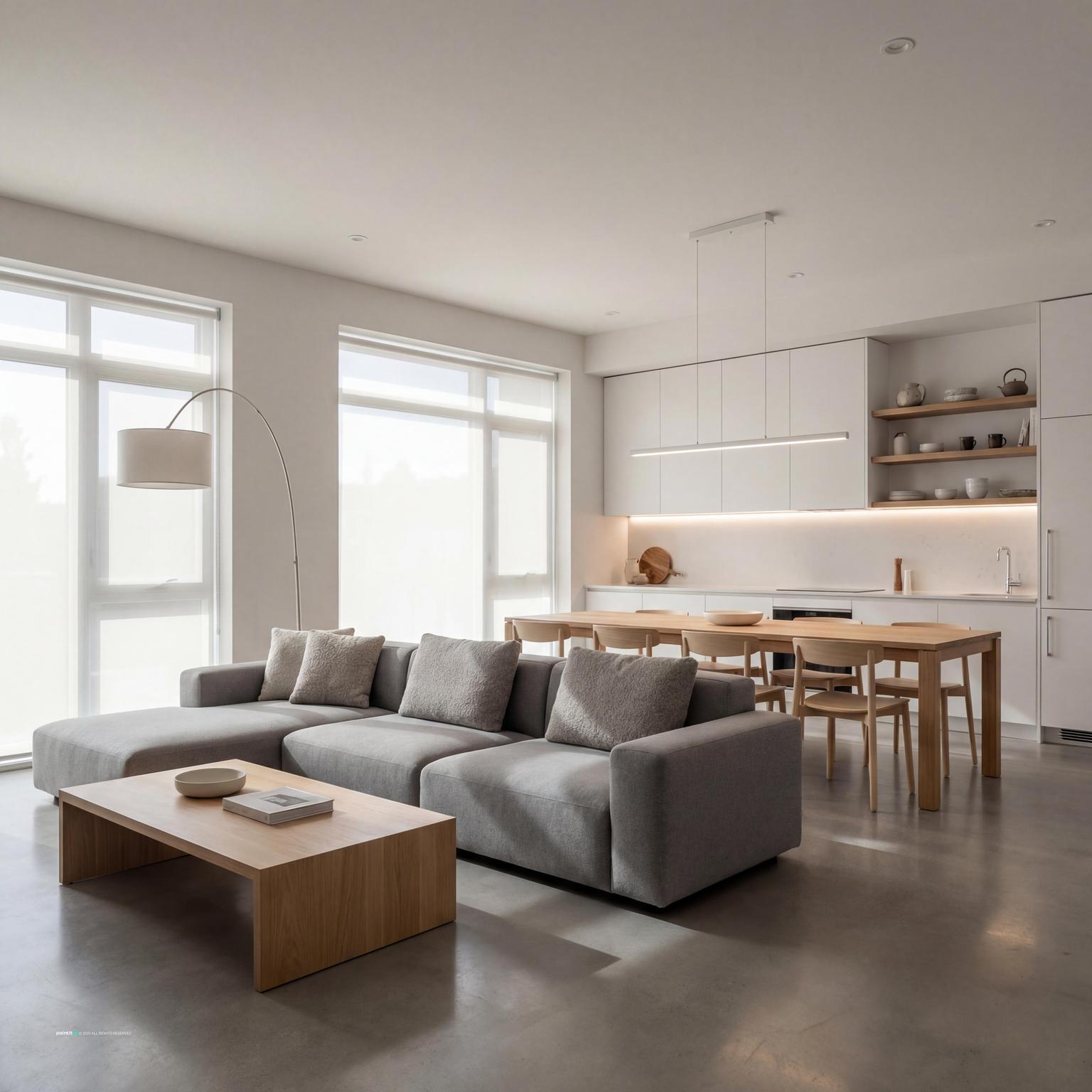
This modern minimalist living room and kitchen design embraces a clean white aesthetic, perfectly punctuated by artful pops of color for a contemporary feel.
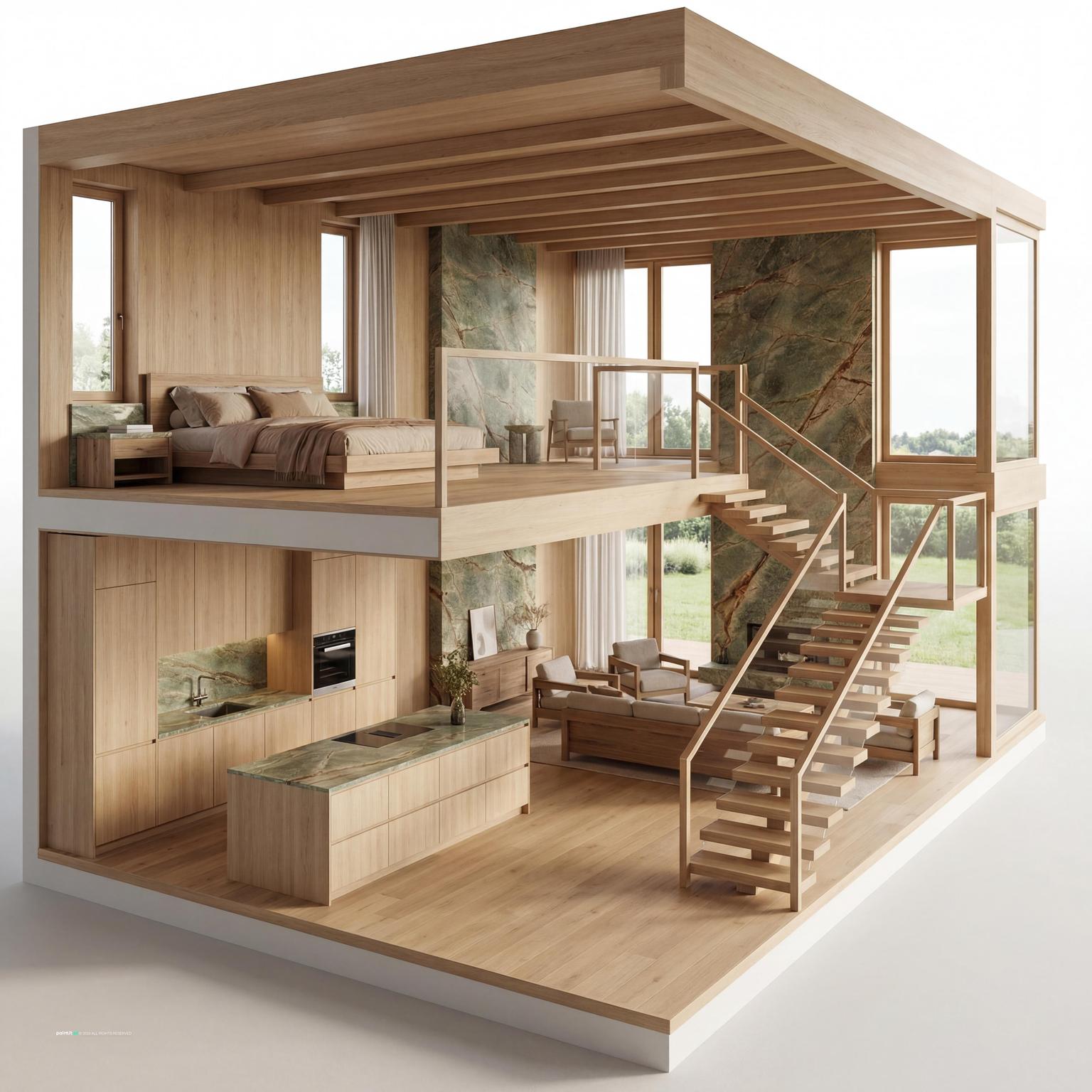
Experience luxury in this Scandinavian living room, where a predominantly white interior is elevated by sophisticated pops of color, creating an inviting and refined atmosphere.
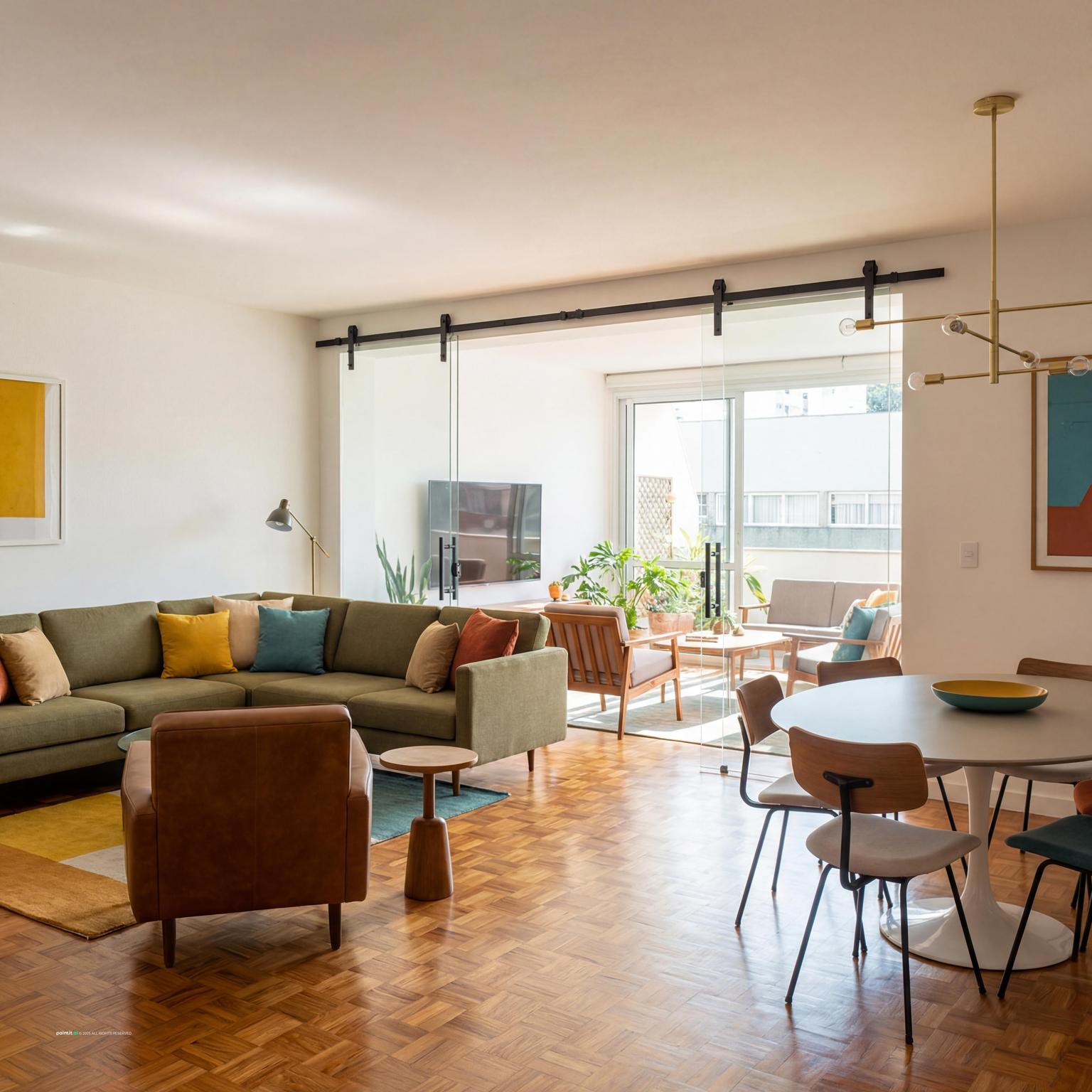
A stunning mid-century modern living room, infused with Scandinavian touches, presents a bright white canvas beautifully accented with vibrant pops of color.
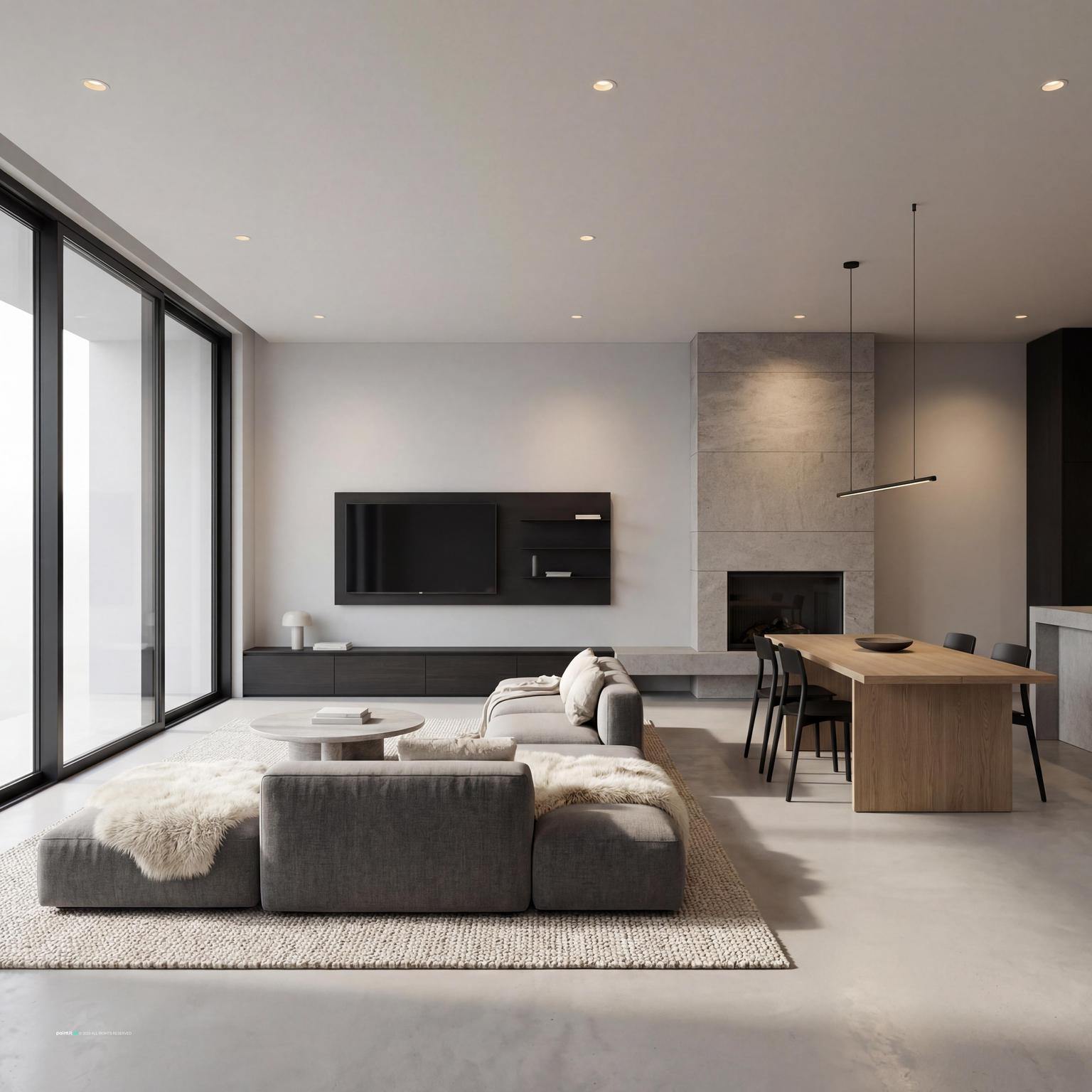
Explore minimalist living room design ideas, where a crisp white environment is subtly invigorated by well-placed pops of color, fostering calm sophistication.
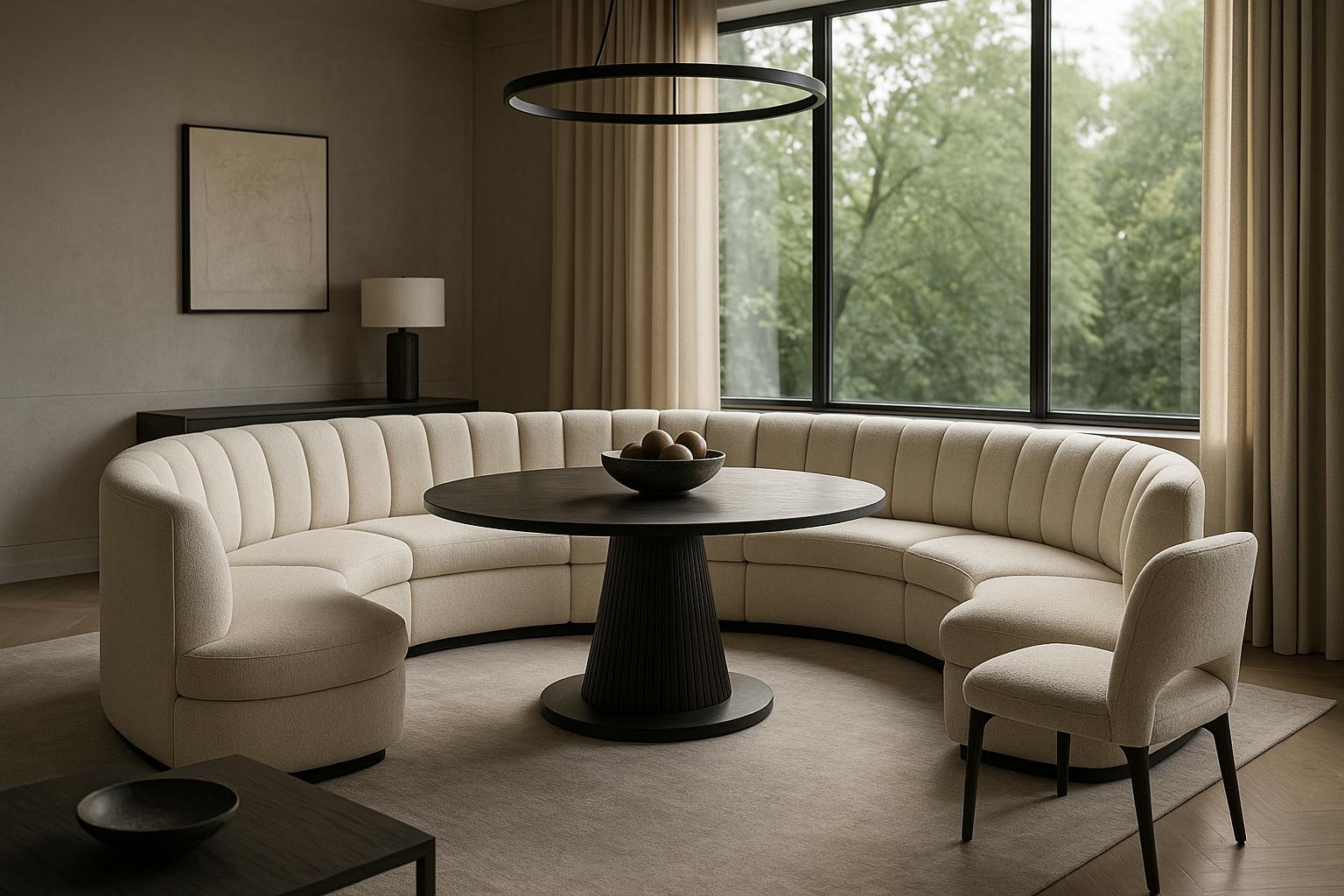
This modern high-end living room, centered around luxurious banquet seating, offers a pristine white setting beautifully highlighted with sophisticated pops of color.
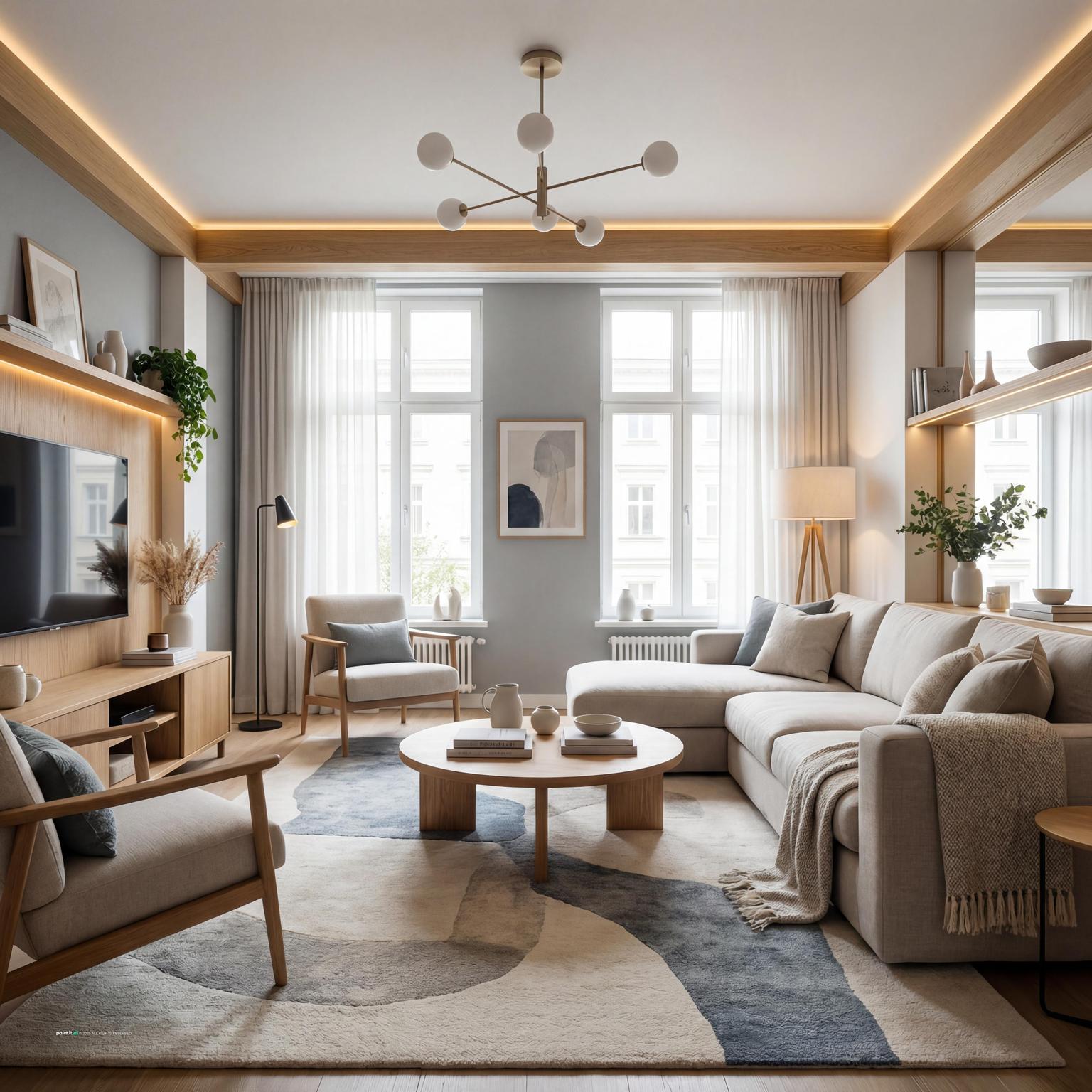
Discover contemporary living room design ideas, where a bright white foundation provides the perfect backdrop for thoughtfully integrated pops of color, creating a dynamic feel.
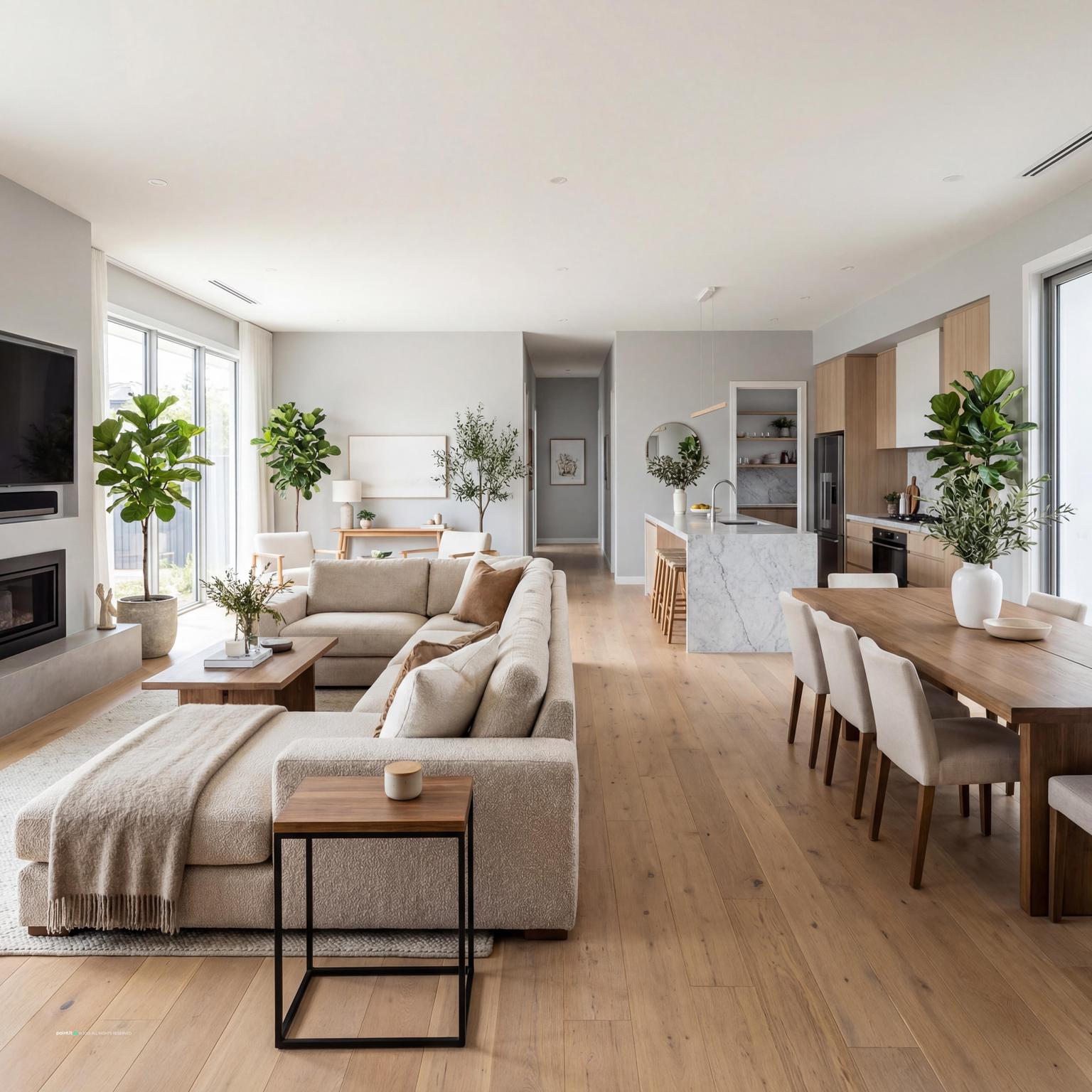
This modern open-plan home interior design features a bright white living area, where strategic pops of color infuse energy and character into the expansive space.
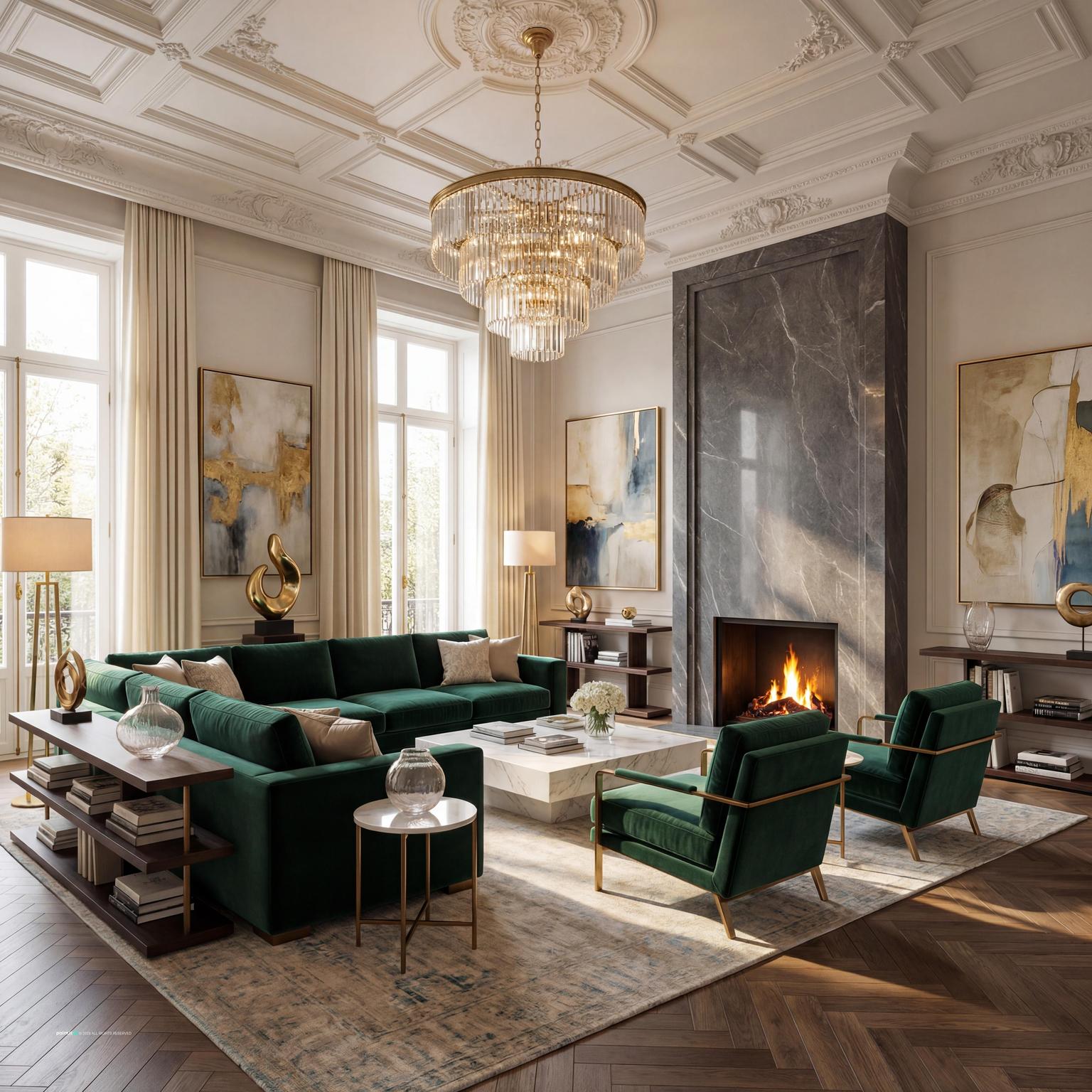
Experience a luxury modern living room design, where a pristine white backdrop is artfully adorned with tasteful pops of color, exuding refined elegance and warmth.
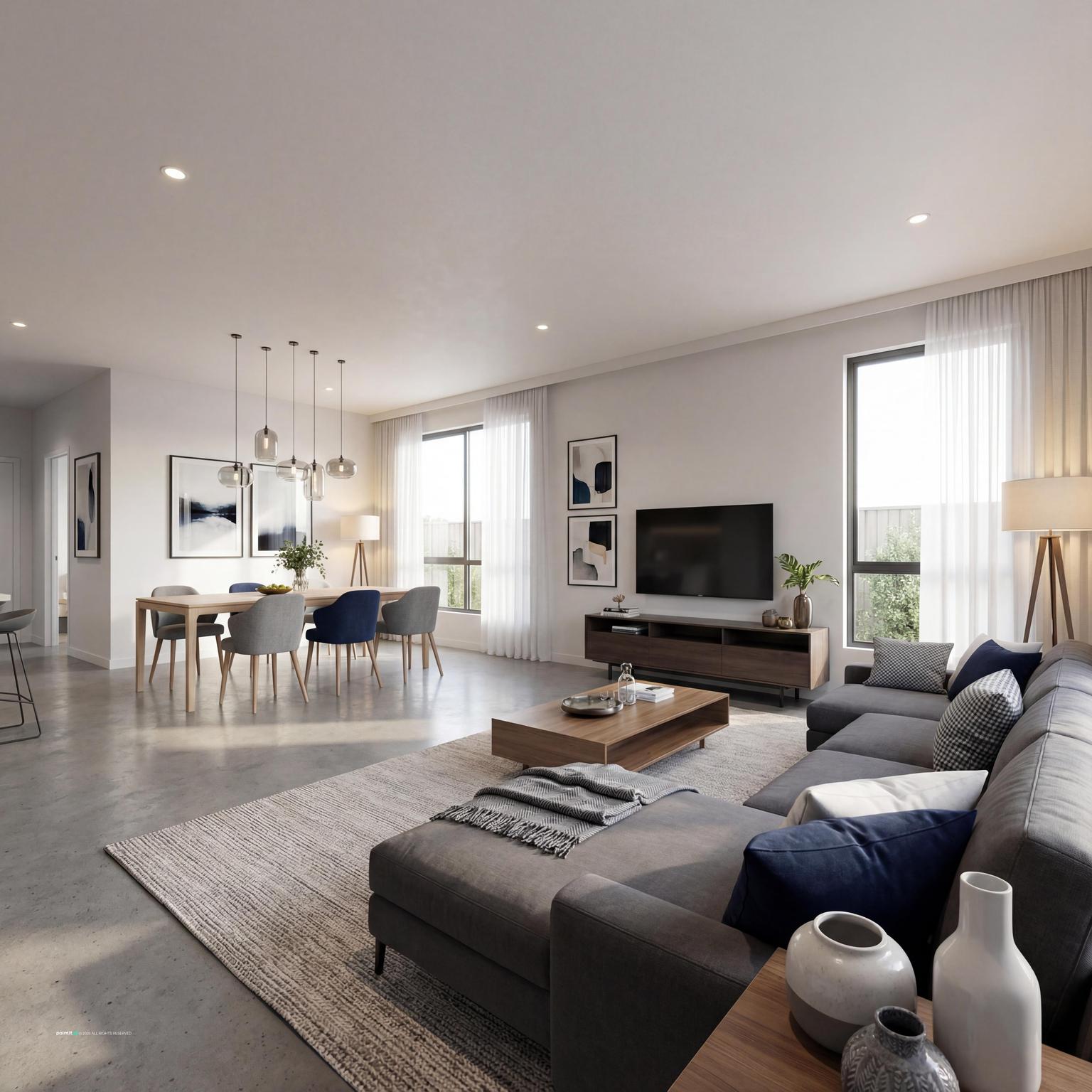
Modern Living Room & Dining Area Design brings together wood, lighting, and windows for a more composed living room direction.
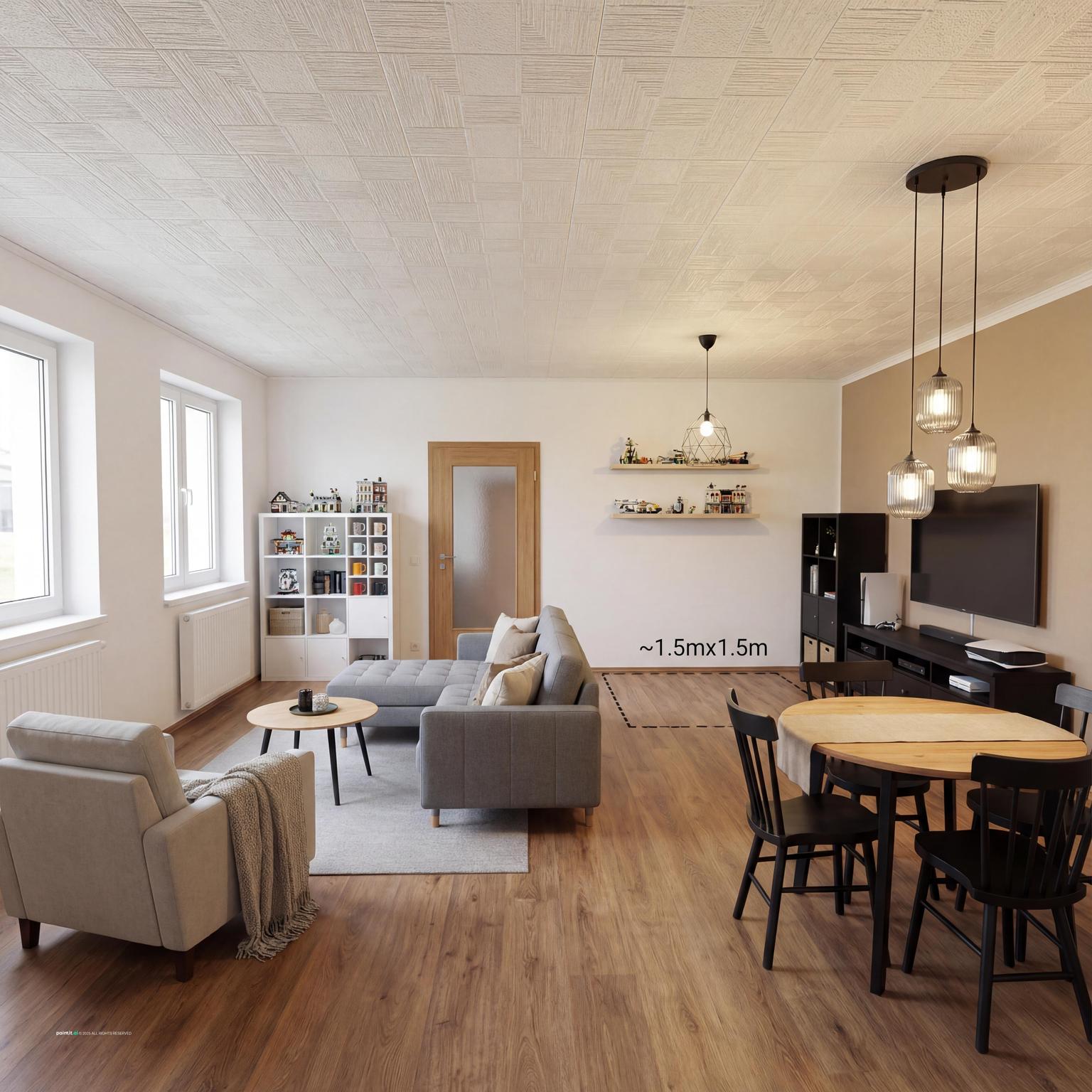
Modern Scandinavian Open-Plan Living Room Design brings together natural wood for a more composed living room direction.
A large, impactful piece of abstract art can instantly define a room. It draws the eye, creating a focal point that speaks volumes without cluttering the space. I’ve seen this work best when the art itself features a dominant color, allowing smaller accents to echo its presence. sometimes one bold stroke is all you need.
To implement this, choose an oversized canvas with a dynamic color palette. Complement it with a single throw pillow or a small ceramic vase in one of the artwork's secondary hues. Keep other elements subdued to let the art truly shine.
For a related take on the same room, explore small living room ideas with TV.
Embrace the clean lines and natural textures of Scandinavian design, then introduce gentle, muted colors. This approach creates an incredibly inviting and calm atmosphere. Most people forget that warmth isn't just about dark colors; it's about texture and subtle saturation.
Think pale blush pinks, soft mint greens, or sky blues in textiles like wool throws or linen cushions. Natural wood furniture, perhaps a light oak coffee table, will ground these delicate hues beautifully. It sounds simple, but the effect is profound.
Bring the tranquility of the ocean indoors by pairing crisp white with varying shades of blue. This style is timeless and always feels fresh. It might seem odd at first, but even in landlocked areas, this theme brings a sense of escape.
Use navy or indigo for larger elements like an accent chair or a rug, then layer in lighter blues and teals through decorative objects, striped pillows, or glass accents. Incorporate natural elements like driftwood or woven baskets to complete the look.
Infuse global charm with rich, earthy colors and tactile textures against a white backdrop. This style celebrates individuality and collected treasures. Here is what matters: authenticity in your choices.
Introduce terracotta, burnt orange, deep olive, or mustard yellow through patterned rugs, embroidered pillows, and macrame wall hangings. Layer different textiles like velvet, jute, and chunky knits. Add plenty of potted plants for organic pops of green.
Pair the clean lines of mid-century furniture with luxurious jewel tones for a sophisticated and vibrant space. This combination feels both retro and utterly contemporary. It’s a bold choice that pays off handsomely.
An emerald green velvet sofa, a sapphire blue accent chair, or ruby red decorative objects can provide the necessary color. Look for pieces with iconic silhouettes and warm wood finishes. Brass or gold accents will elevate the look further.
Combine the raw, edgy appeal of industrial design with sharp, primary color injections. The contrast is striking and energetic. I often recommend this for spaces that need a jolt of personality.
Think exposed brick or concrete walls (even if painted white) as your base. Then, introduce a bright red metal stool, a vibrant yellow abstract print, or a royal blue industrial-style lamp. Black metal and distressed wood furniture will anchor these bold colors.
Bring the outdoors in with an abundance of living plants and botanical-inspired accents. The natural greens provide a refreshing contrast to white. This is an easy way to add life and color without committing to paint.
Fill your white living room with various houseplants – large fiddle-leaf figs, trailing Pothos, or delicate ferns. Complement these with botanical prints, green velvet cushions, or even a deep forest green accent wall if you're feeling brave. Natural light is key here.
Utilize bold geometric patterns in a single, strong color to create a modern and dynamic space. This method ensures cohesion while still delivering a powerful visual impact. It’s about precision and repetition.
Choose a vibrant color like fuchsia, tangerine, or electric blue. Apply it through a patterned rug, throw pillows with geometric motifs, or a piece of abstract art featuring sharp lines. Keep the rest of the room's decor minimal and monochromatic white.
Layering textiles from around the world can introduce a rich tapestry of color and texture. This approach feels personal and well-traveled. I always encourage clients to collect pieces that resonate with them.
Think Moroccan wedding blankets, Indian block-print cushions, or Turkish kilim rugs. The beauty lies in the mix of patterns and colors, which might not traditionally match but somehow work together. Keep the furniture simple and white to let the textiles be the stars.
Combine the reflective quality of metallics with deep, saturated colors for a luxurious and sophisticated feel. This look is all about opulence and shine. It’s a fantastic way to add drama.
Introduce gold, silver, or rose gold through decorative objects, lamp bases, or mirror frames. Pair these with deep plum, charcoal gray, or even a rich burgundy in velvet upholstery or silk pillows. A crystal chandelier can complete the glamorous statement.
For a family-friendly or more casual living room, inject bright primary colors in a playful, energetic way. This keeps the space feeling lighthearted and fun. It’s a great way to embrace joy.
Think bright yellow throw pillows, a red bean bag chair, or a blue storage ottoman. These colors work well with durable, easy-to-clean fabrics. Incorporate children's artwork or colorful toys as part of the decor for an authentic touch.
Keep the majority of your living room in shades of white, cream, and off-white, then introduce one single, intensely saturated color. This creates a powerful, minimalist statement. It’s about impact through restraint.
Imagine an entirely white room with a single, vibrant orange armchair, or a striking lime green floor lamp. The chosen color becomes the undeniable star, demanding attention. This works best when the accent piece is substantial.
The second gallery leans into more specific directions through open, helping compare different ways the same living room can feel at home.
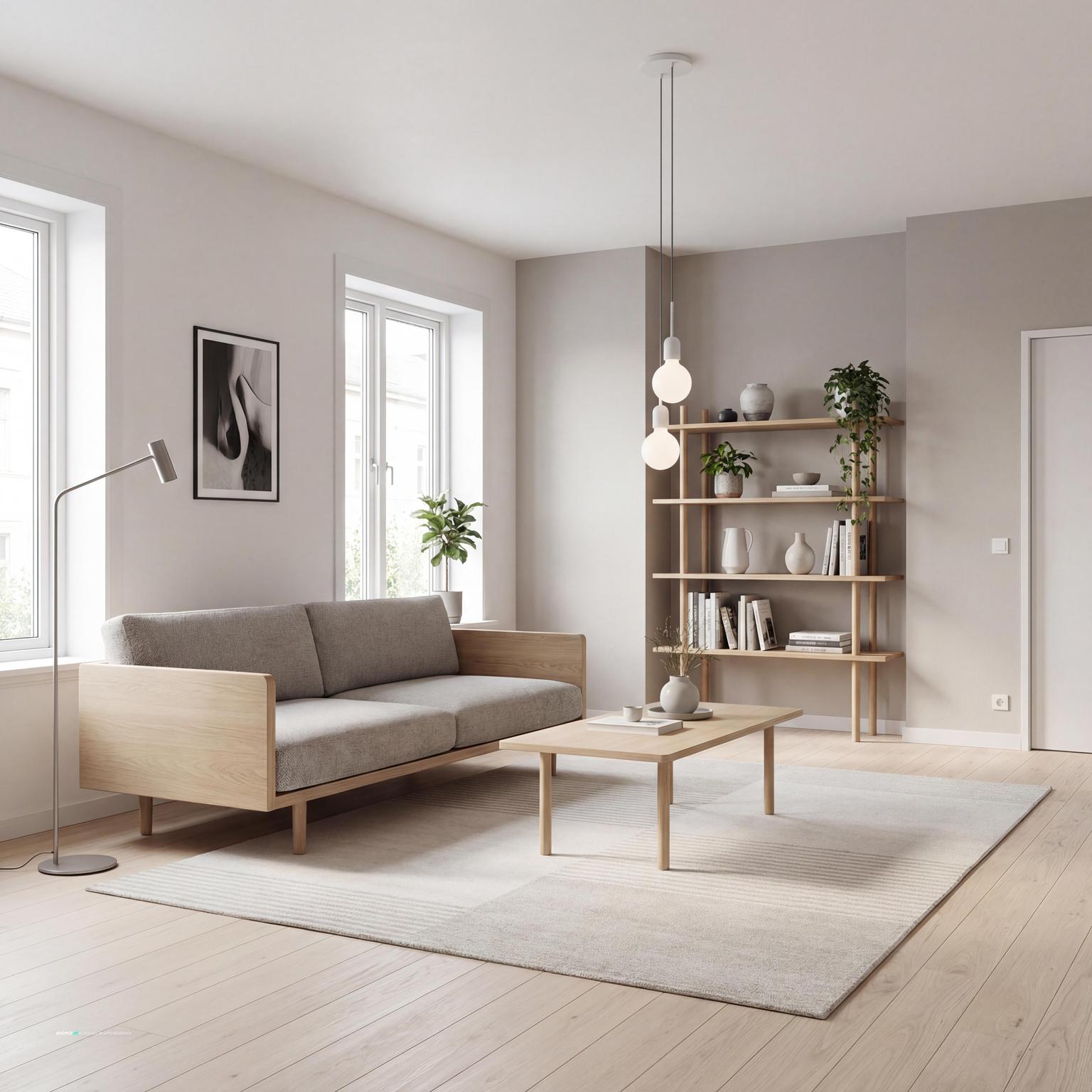
This stunning Scandinavian living room design features a pristine white base, beautifully enhanced with thoughtful pops of color.
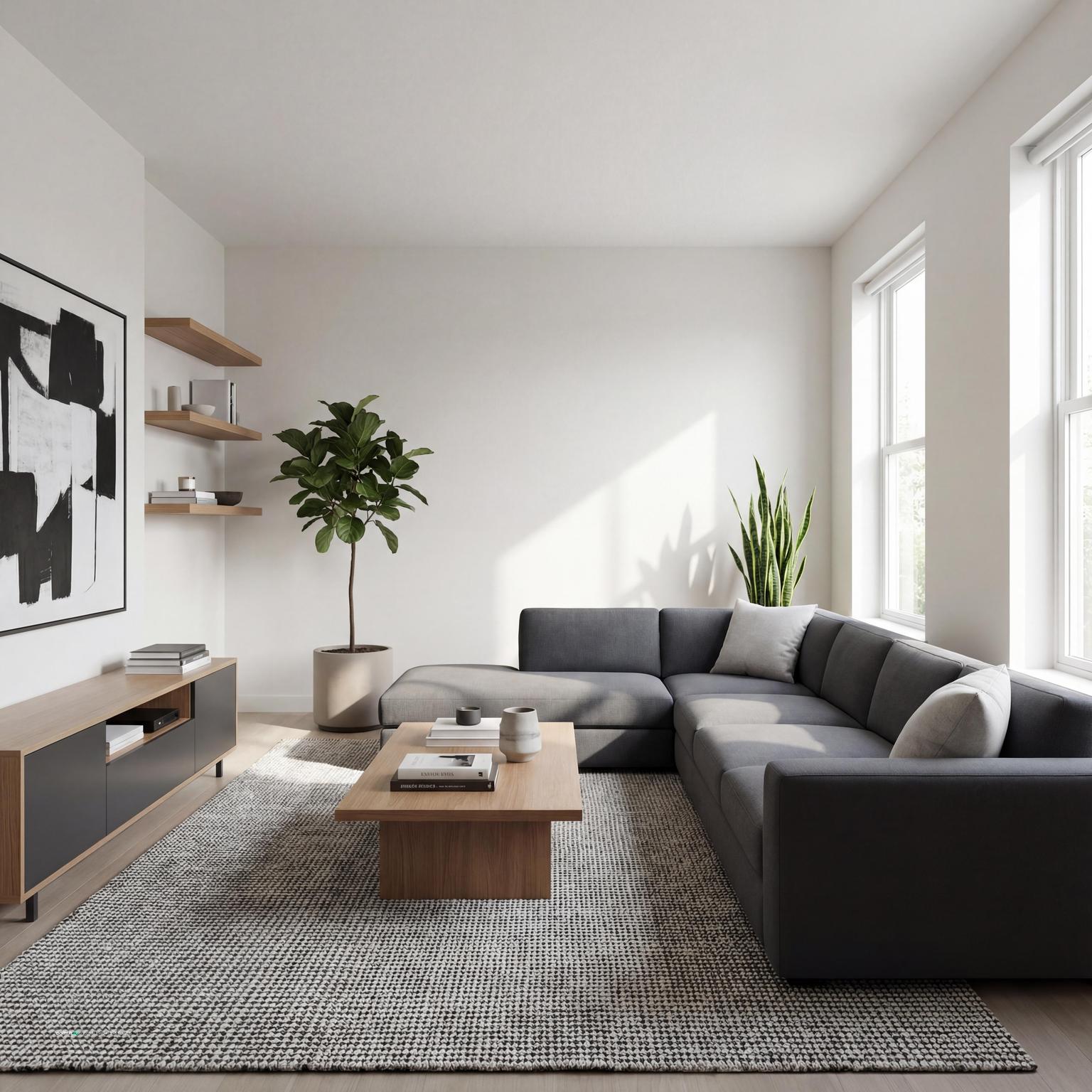
Explore minimalist living room design ideas where a serene white palette is brought to life with vibrant, well-placed pops of color.
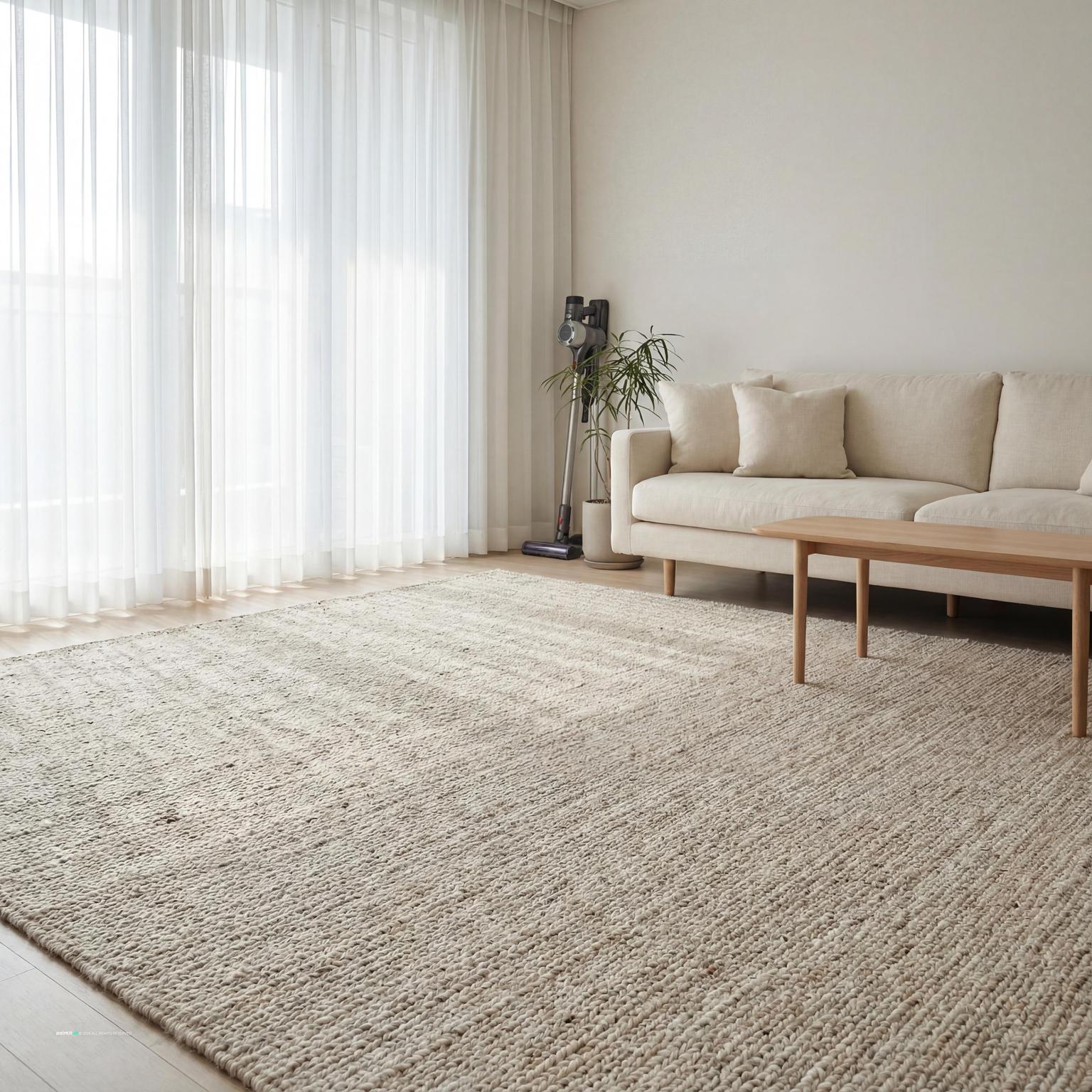
A modern minimalist living room design beautifully balances a clean white aesthetic with dynamic pops of color for a lively ambiance.
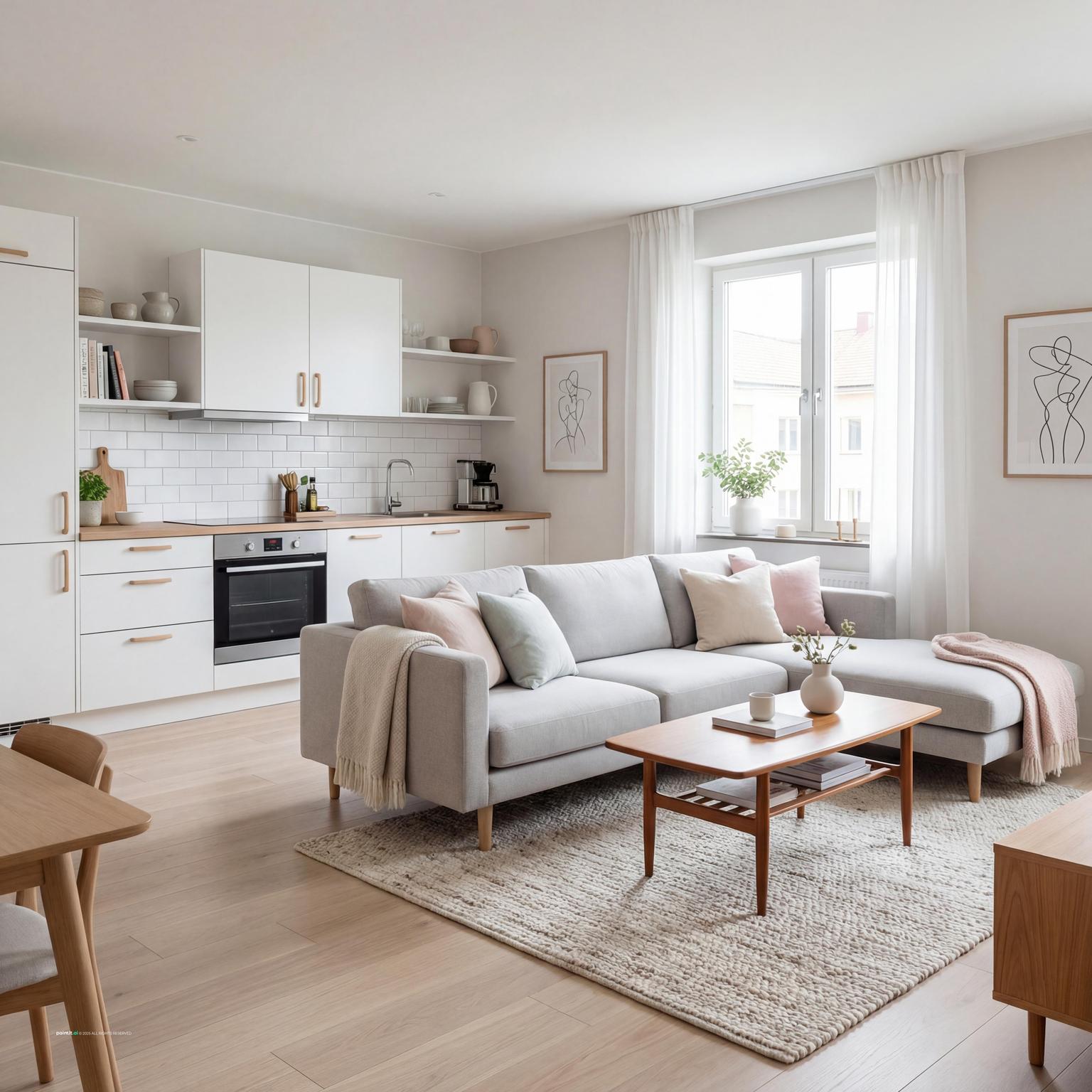
This cozy Scandinavian open-plan living room, primarily white, integrates charming pops of color to create a warm and inviting atmosphere.
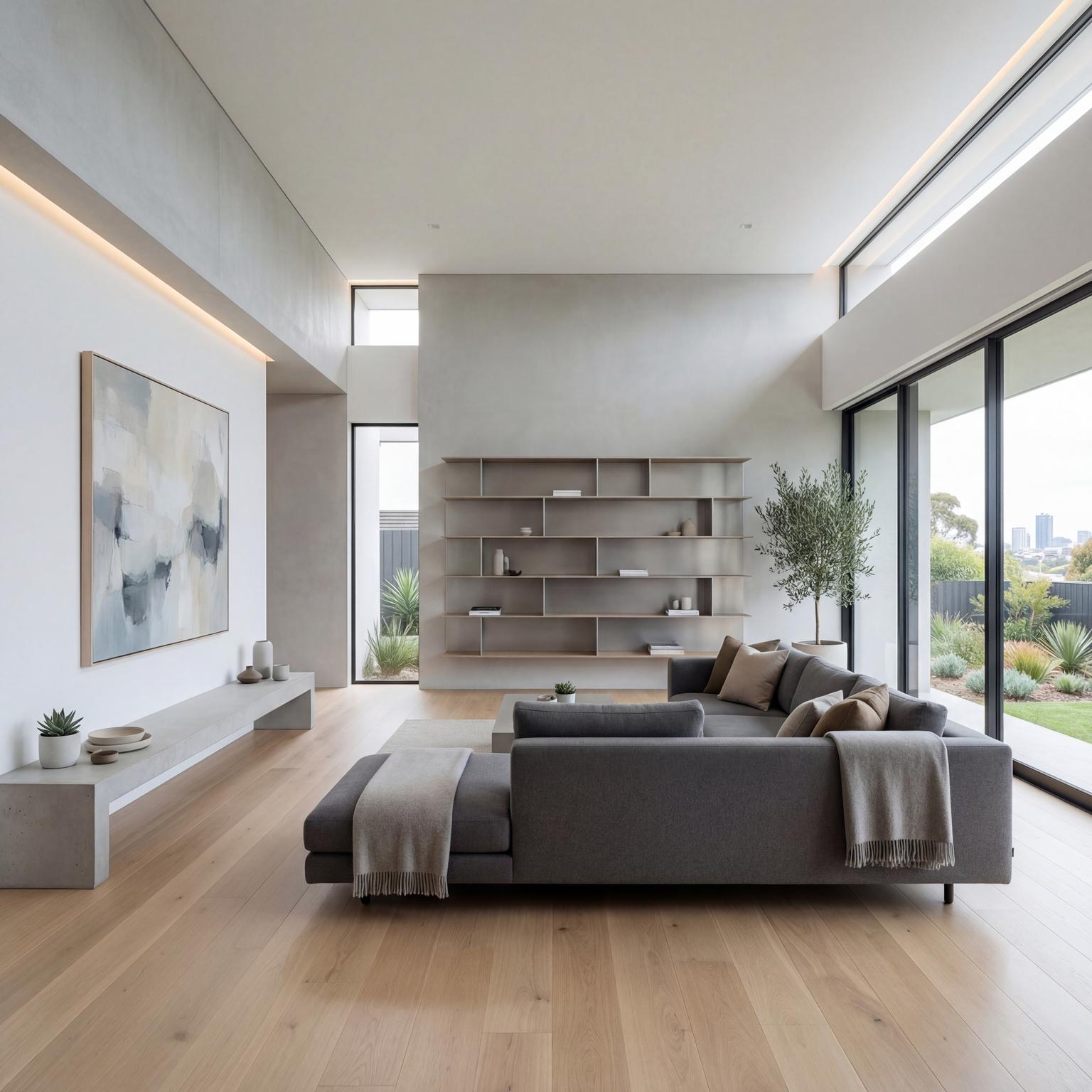
Embrace modern minimalist living with this white living room design, where subtle yet striking pops of color add character and warmth.
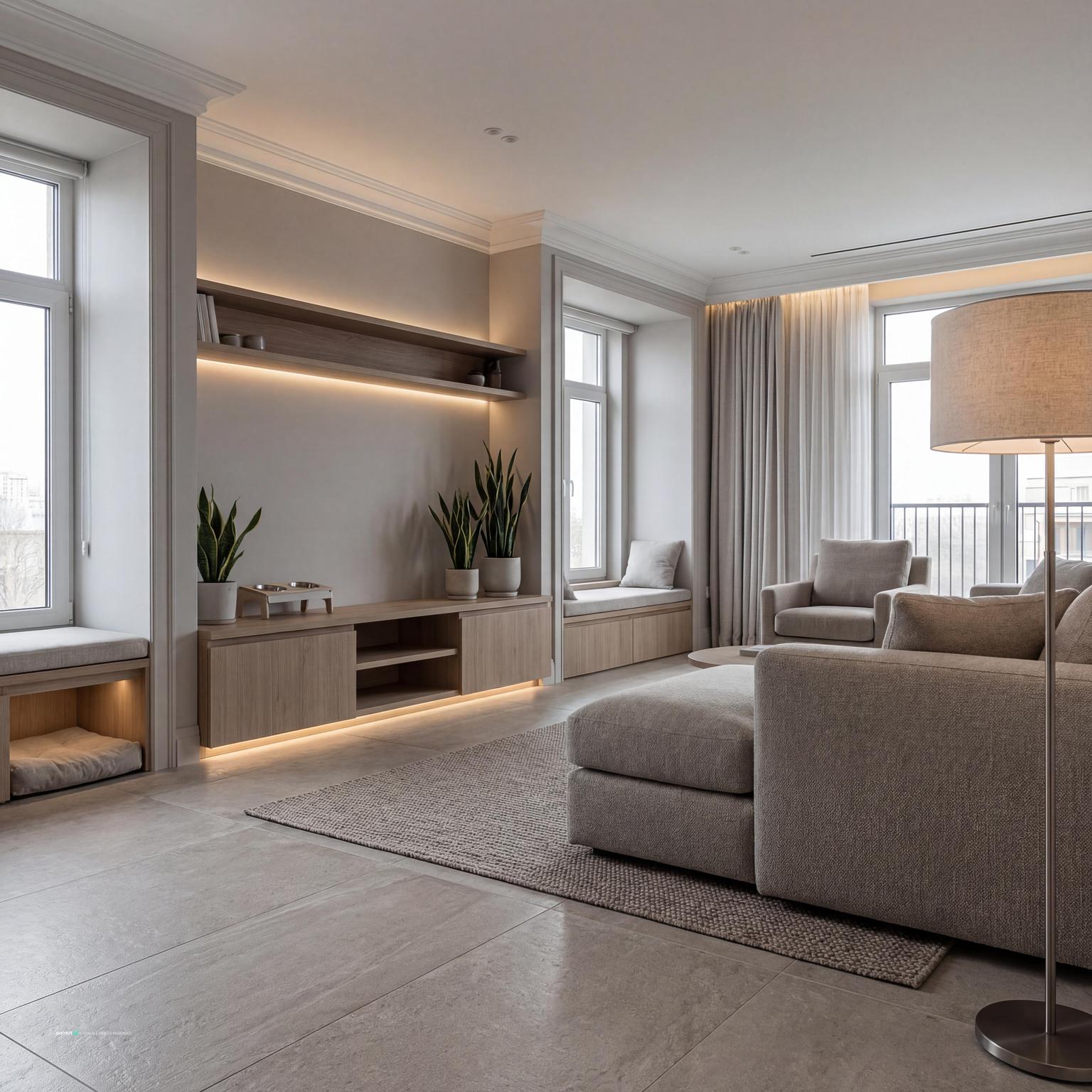
A pet-friendly minimalist white living room design effortlessly incorporates cheerful pops of color, creating a bright and inviting space for all.
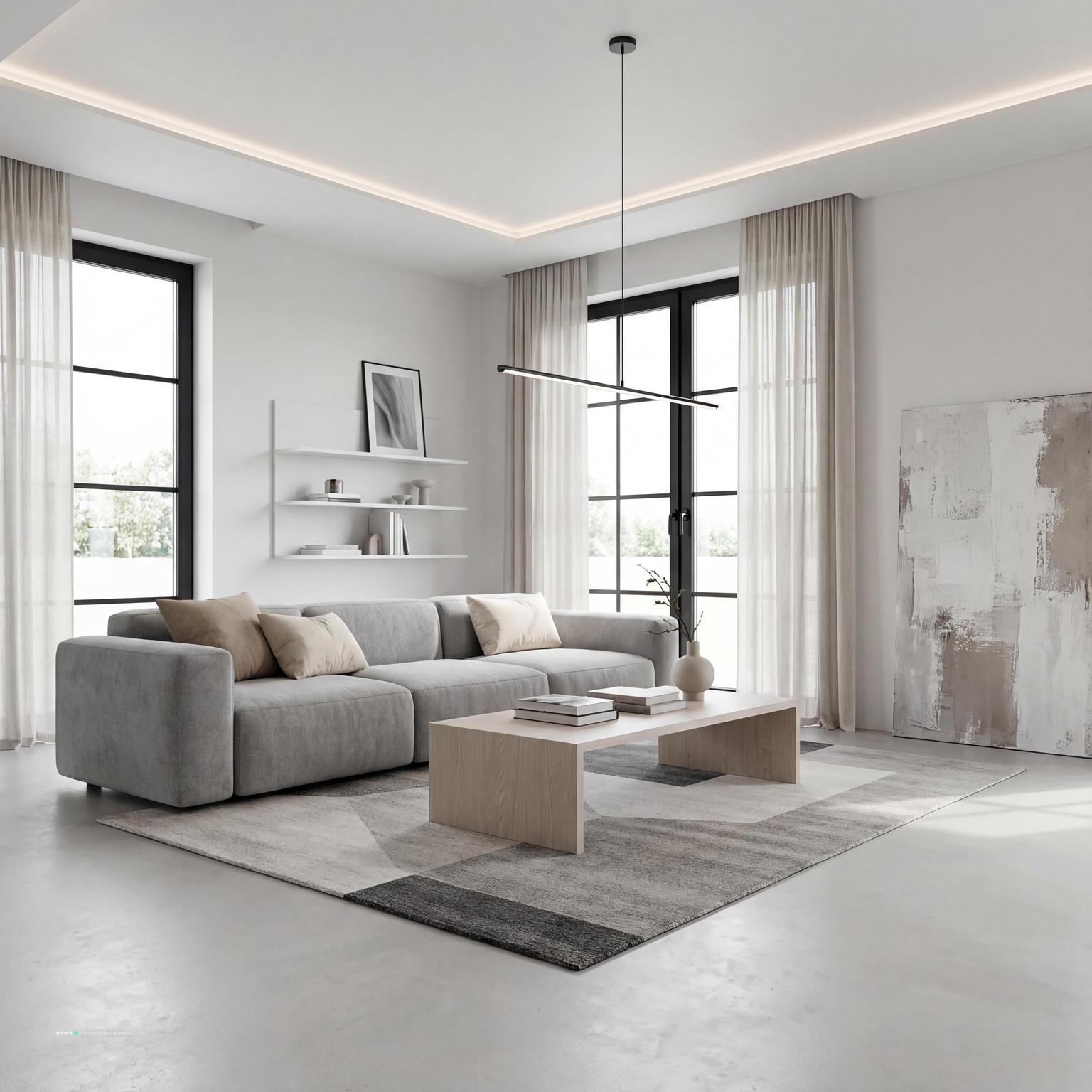
This stylish minimalist white living room design achieves elegant simplicity, beautifully accented with thoughtfully placed pops of color.
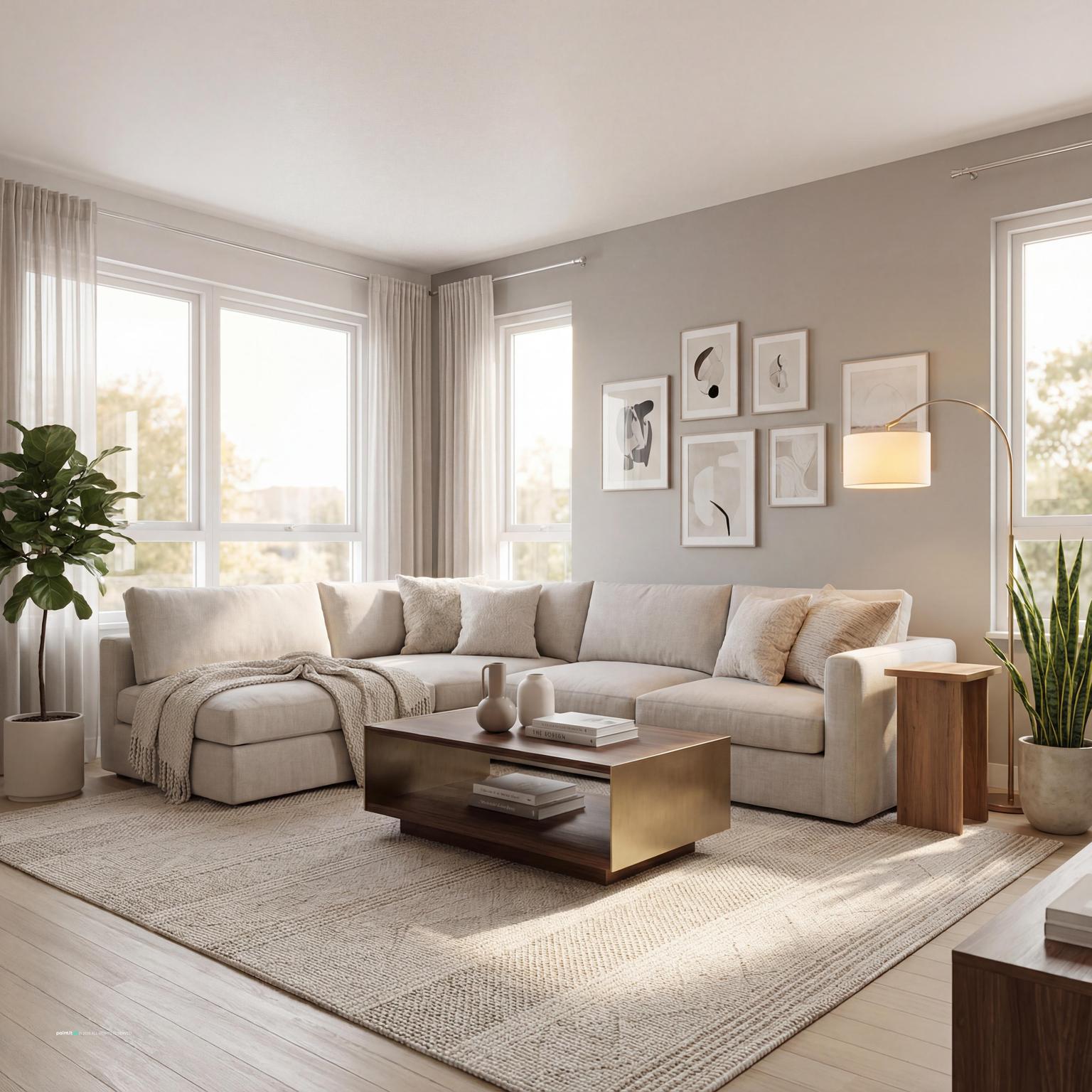
Find elegant minimalist living room inspiration in this design, where a pristine white canvas is enlivened by tasteful pops of color.
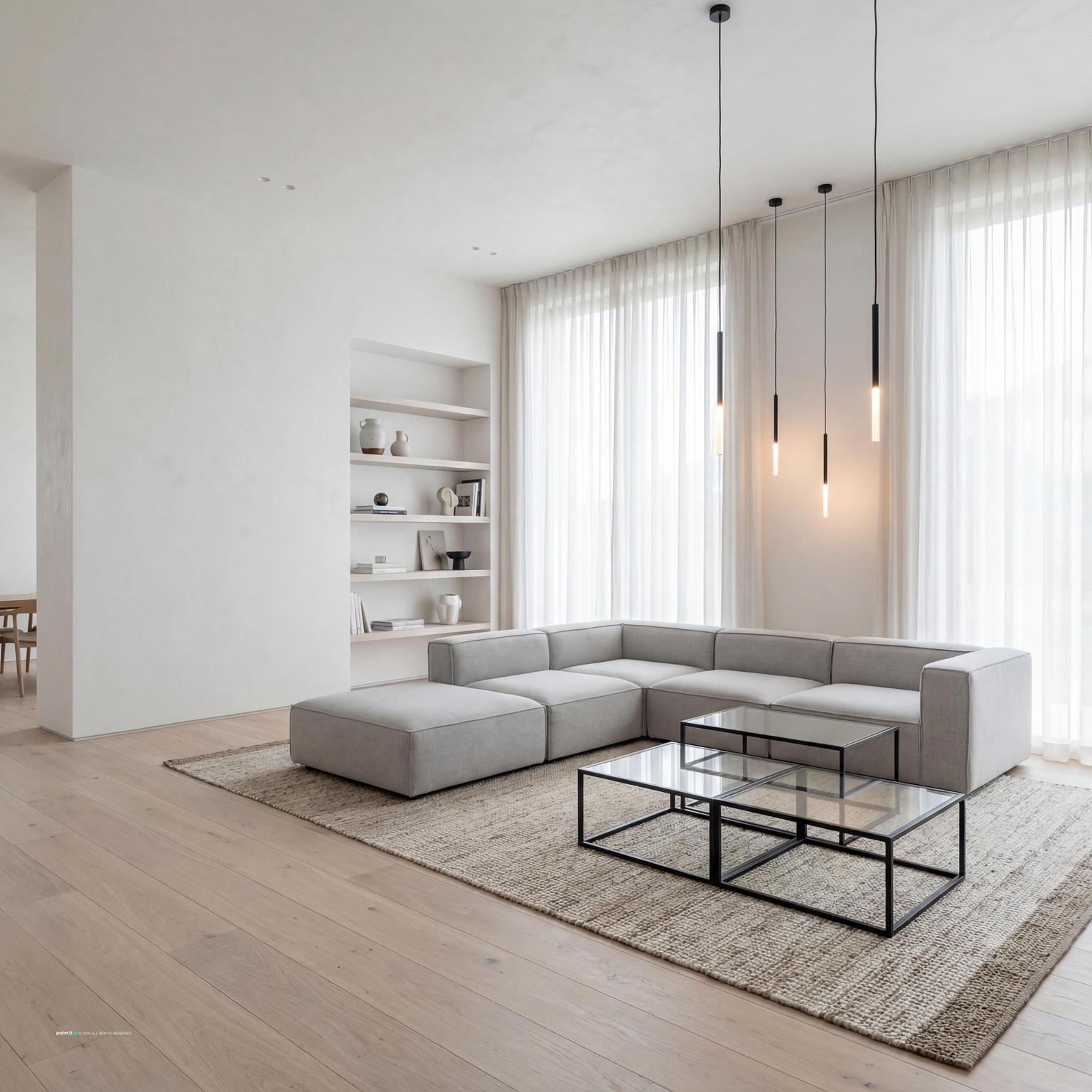
This stunning minimalist living room design showcases a serene white foundation, artfully punctuated by vibrant and energetic pops of color.
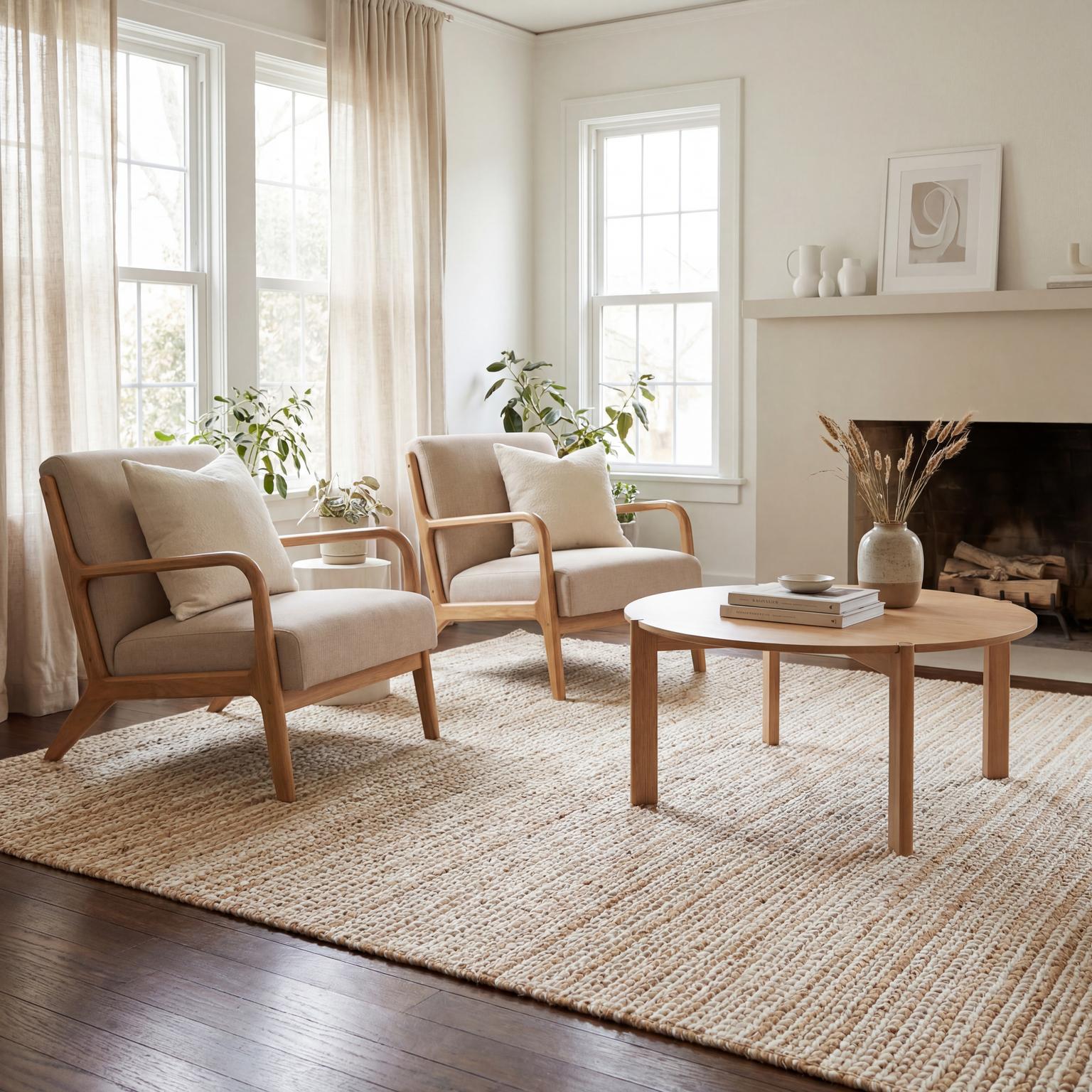
A calm neutral living room design, predominantly white, finds its vibrant personality through carefully selected and refreshing pops of color.
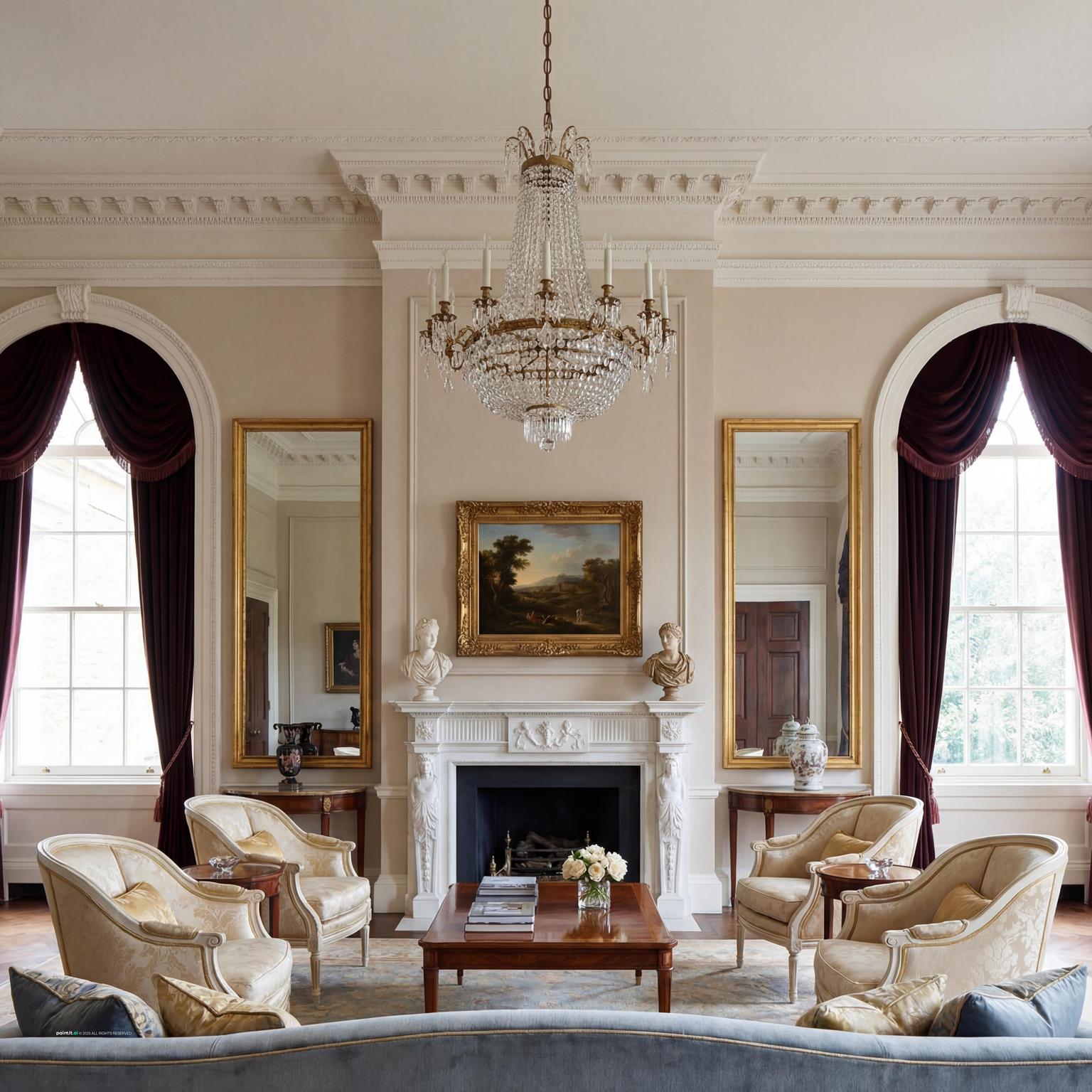
Elegant Neoclassic Living Room Design brings together windows for a more composed living room direction.
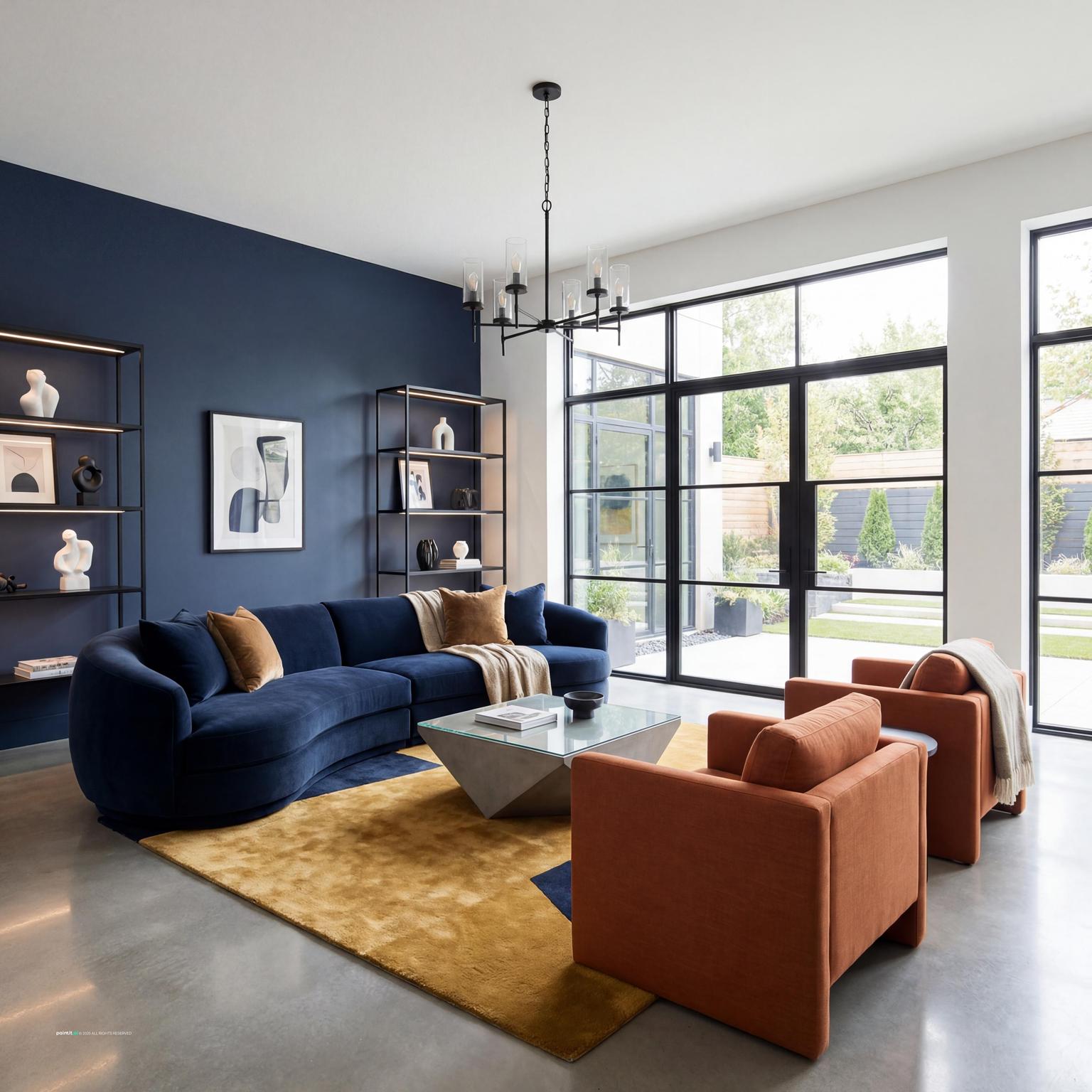
Modern Living Room Design for 2025 brings together floor to ceiling windows for a more composed living room direction.
The foundation of this aesthetic is a pristine white, but not just any white. Think of a soft, warm off-white like "Swiss Coffee" for the walls, creating an inviting envelope rather than a stark gallery. This base allows for thoughtful infusions of personality. For your primary accent, consider a deep, jewel-toned sapphire blue in a velvet throw or a large piece of art; it offers immediate sophistication. Then, introduce secondary pops: a muted sage green in a ceramic vase brings organic calm, while a hint of dusty terracotta in a small cushion adds an unexpected, earthy warmth. Balancing these means letting the white breathe, allowing the chosen colors to truly sing without competing.
For a related take on the same room, explore Living Room Neutral Living Room With Pops Of Color.
Layering materials is crucial for depth in a predominantly white space. Imagine the tactile comfort of a chunky knit wool throw draped over a sofa, inviting touch and adding immediate coziness. Light-toned natural wood, perhaps a bleached oak coffee table or birch shelving, grounds the room with organic warmth and prevents it from feeling sterile. A touch of brushed brass in a lamp base or a decorative object introduces a subtle gleam, reflecting light and adding a sophisticated, almost jewelry-like accent. These elements work together to create a rich sensory experience, making the room feel lived-in and luxurious.
For a related take on the same room, explore emerald green sofa living room ideas.
A generously proportioned, clean-lined sofa in a crisp white or light linen is the undisputed anchor of this design. Its simplicity allows the accent colors to shine. Most people forget that scale is everything here; choose a piece that feels substantial but doesn't overwhelm the room. Complement this with a single, sculptural accent chair, perhaps in a natural rattan or a subtle, textured fabric that echoes one of your chosen accent colors. For the coffee table, a minimalist design in glass or a light wood keeps the center of the room open and airy, maintaining that fresh, uncluttered feel.
For a related take on the same room, explore living room wall color ideas.
Lighting is the true soul of any room, especially a white one. Start with ample ambient light from recessed fixtures or a large, diffused ceiling pendant, ensuring the entire space feels bright and welcoming. Then, introduce task lighting; a sleek floor lamp beside your sofa is perfect for reading, providing focused illumination. Finally, accent lighting is where the magic happens. Small picture lights highlighting artwork or a pair of decorative table lamps with warm, soft bulbs create pockets of intimacy and highlight specific features, adding depth and a cozy glow after dusk. It sounds simple, but thoughtful layering transforms the atmosphere.
This is where the "pops" truly come to life. Think about a large, abstract piece of art above the sofa, featuring bold strokes of your primary accent color. Introduce living elements with plants; a tall fiddle-leaf fig adds height and a vibrant splash of green, while smaller succulents on a shelf bring subtle life. the "3-5-7 rule" is your secret weapon for styling. On a console table, group three items of varying heights – perhaps a ceramic vase in sage green, a stack of art books, and a small brass sculpture. On your coffee table, arrange five curated items: a scented candle, two coasters, a small bowl, and a single, striking flower. For a gallery wall, a cluster of seven framed prints, mixing sizes and perhaps incorporating one with a strong accent color, creates dynamic visual interest without feeling chaotic. I’ve seen this work best in maintaining that curated, intentional feel, preventing clutter while maximizing visual impact.
achieving that perfect 'pop' in a white living room is harder than it looks. It’s not just about choosing a color; it’s about its weight, its placement, its dialogue with the surrounding calm. I’ve seen this go wrong countless times. A vibrant mustard cushion might look great alone, but in your specific room, it could feel jarring. Paintit.ai eliminates this guesswork. Instantly visualize a deep forest green armchair against your bright walls. Swap it for a playful coral ottoman. See how a single piece of abstract art with a burst of cerulean transforms the entire mood. This tool lets you experiment endlessly, preventing costly mistakes before they happen. Design your ideal white living room with perfect color accents. Try paintit.ai now.
Before changing furniture or finishes, you can preview the direction with an interior design visualizer.
Consider the room's natural light and existing textures. A deep emerald velvet pillow adds richness to cool whites. Dusty terracotta or a vibrant cobalt ceramic lamp can provide warmth. Think about what feeling you want to evoke. It's about intentional contrast, not just random bright spots.
Overdoing it is easy. Avoid scattering too many different bright shades. Pick two or three complementary accent colors at most. Also, don't forget texture; a flat block of color can fall flat. I’ve seen this work best when color is introduced through varied materials like wool, glass, or linen.
Absolutely, yes. A large-scale abstract art piece or a geometric rug introduces dynamic energy without overwhelming. Keep the background white to let the pattern truly sing. It might seem odd at first, but a single patterned armchair can be a powerful focal point. Balance is key.
Plants are living art. A fiddle-leaf fig or a large monstera brings lush green. Fresh flowers, like sunflowers or peonies, offer seasonal bursts. Don't underestimate a bowl of colorful fruit on a coffee table. Natural wood tones in furniture also add subtle, organic warmth. It's simple, yet effective.
Repeat your chosen accent colors in at least three different spots around the room. Perhaps a throw, a piece of art, and a decorative object. Use varying shades of white for depth in the main elements. Most people forget that negative space is just as important as the color itself. Let the white breathe.