
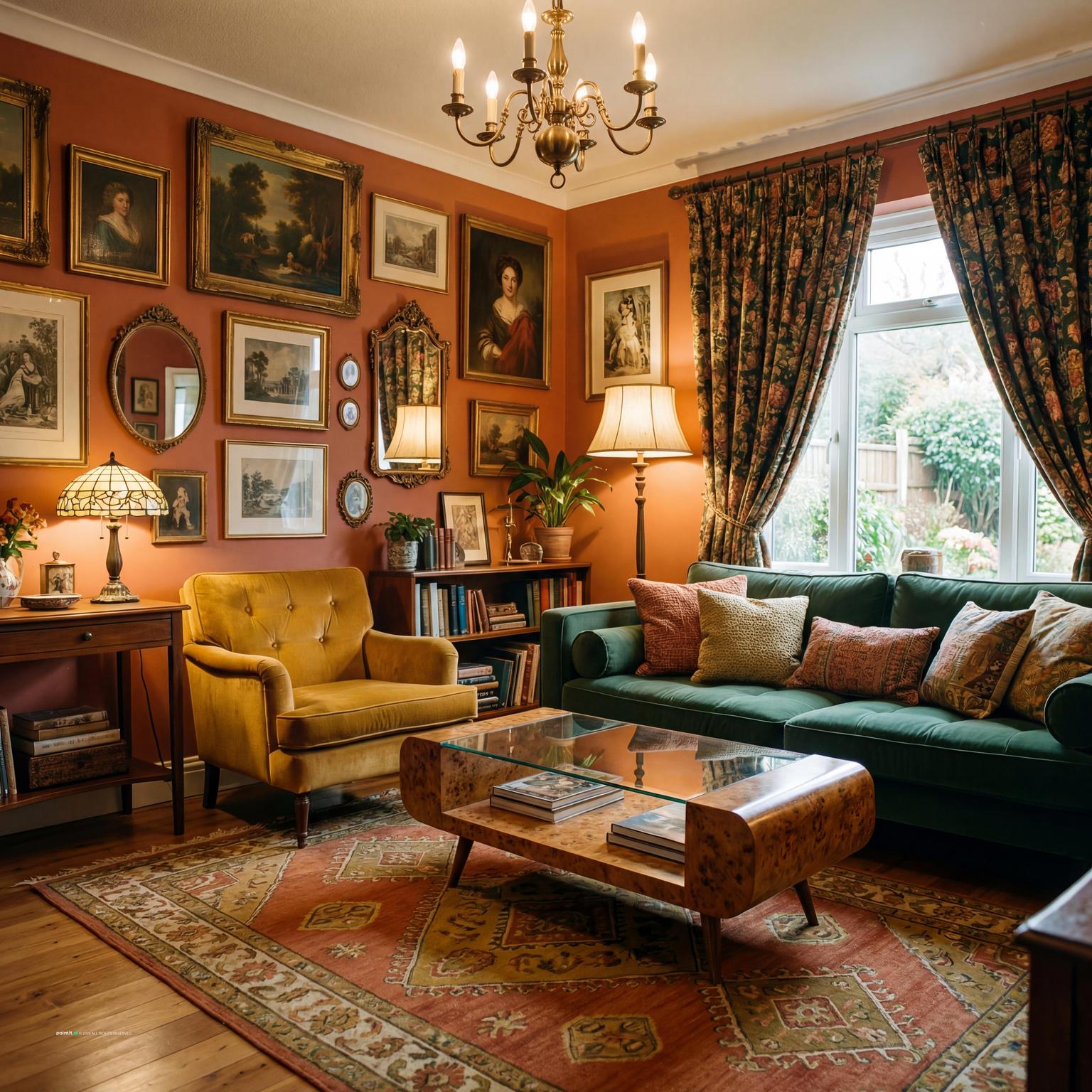
Vintage Eclectic Living Room Design
A vintage eclectic approach creates a luxurious vintage Victorian dark green living room rich in history and charm.
Imagine stepping into a living room where the rich, deep hue of a vintage victorian dark green living room wraps around you like a velvet cloak, yet you worry it might feel too heavy or dim. You're drawn to the elegance of a bygone era, the intricate details, and the cozy grandeur, but how do you balance that historical weight with modern comfort and light?
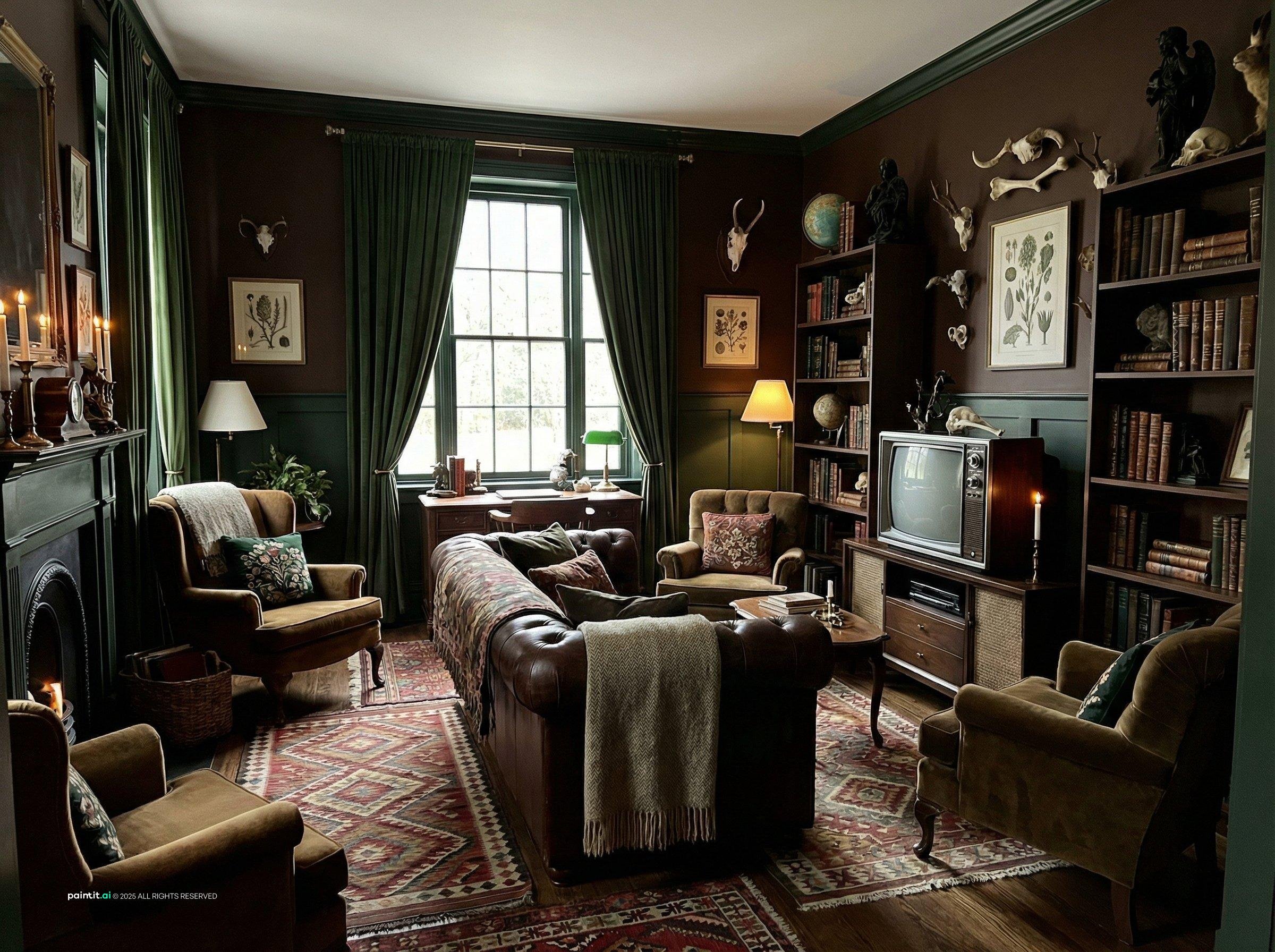
We often observe a common hesitation: the fear that embracing a deep, rich color like emerald or forest green in a Victorian setting will overwhelm a space. a vintage Victorian dark green living room doesn't have to feel heavy or dim; it can be profoundly inviting, exuding a luxurious historical elegance that is both grand and comfortable. Most people forget that the key lies in balancing the opulent textures and ornate details with thoughtful lighting and strategic material choices.
This isn't just about painting walls; it’s about curating an atmosphere. when integrating elements like plush velvet upholstery, burnished brass accents, and dark, polished woodwork that define the era. It might seem odd at first, but these elements, when paired correctly, create a sophisticated depth rather than a closed-in feeling. We will explore how to select period furniture, incorporate luxurious textiles, and illuminate your space to achieve this coveted look, avoiding common pitfalls that can make a room feel dated instead of timeless. Visualize every intricate detail and experiment with these concepts effortlessly using Paintit.ai’s advanced visualization tools, bridging the gap between your inspiration and the finished room.
Before changing furniture or finishes, you can preview the direction with an AI living room design tool.
This gallery turns the main idea into visible living room scenes with a stronger focus on material balance, furniture silhouettes, and overall mood.
A vintage eclectic approach creates a luxurious vintage Victorian dark green living room rich in history and charm.
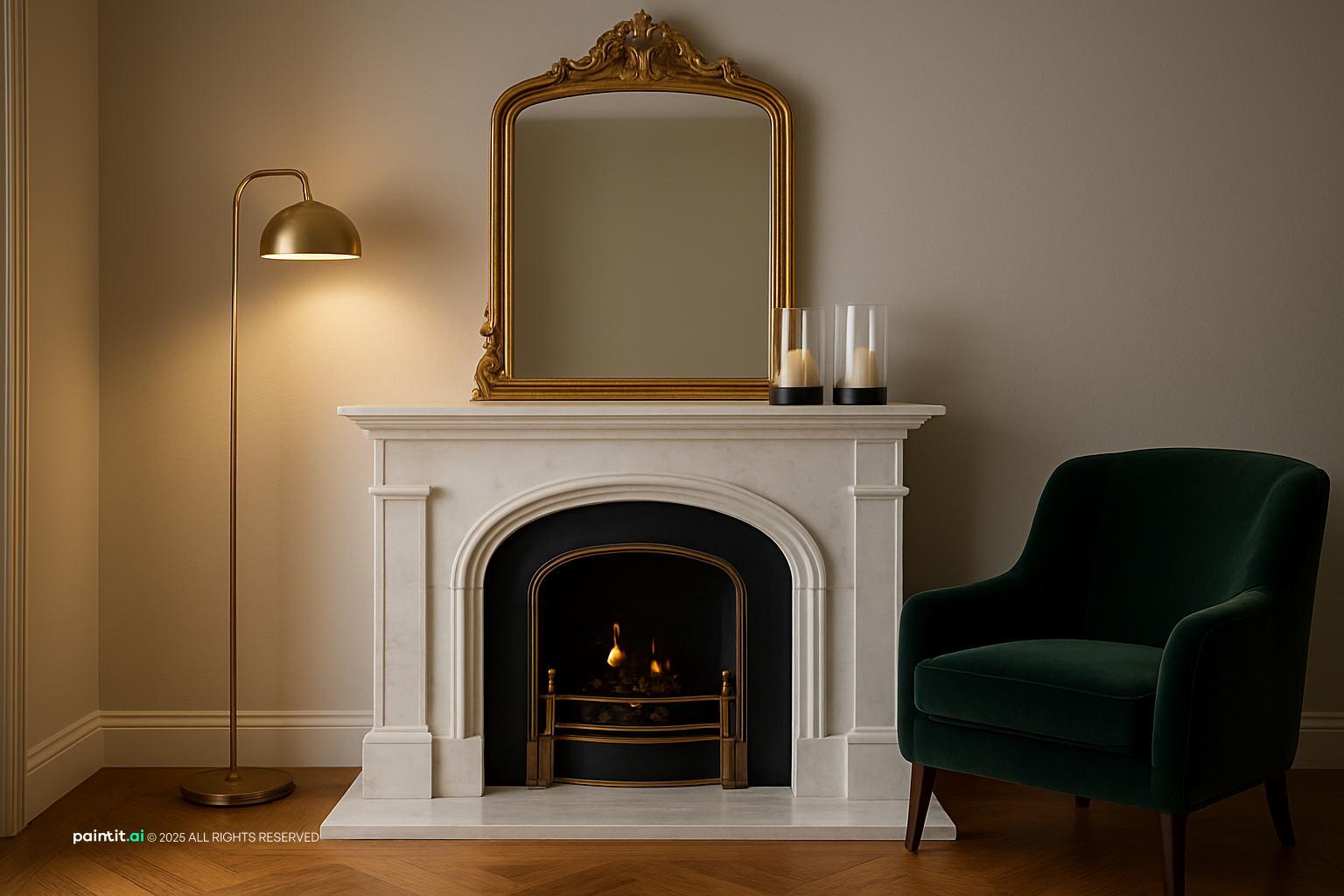
A dark green velvet chair and gilded mirror give a small corner a Victorian feel.
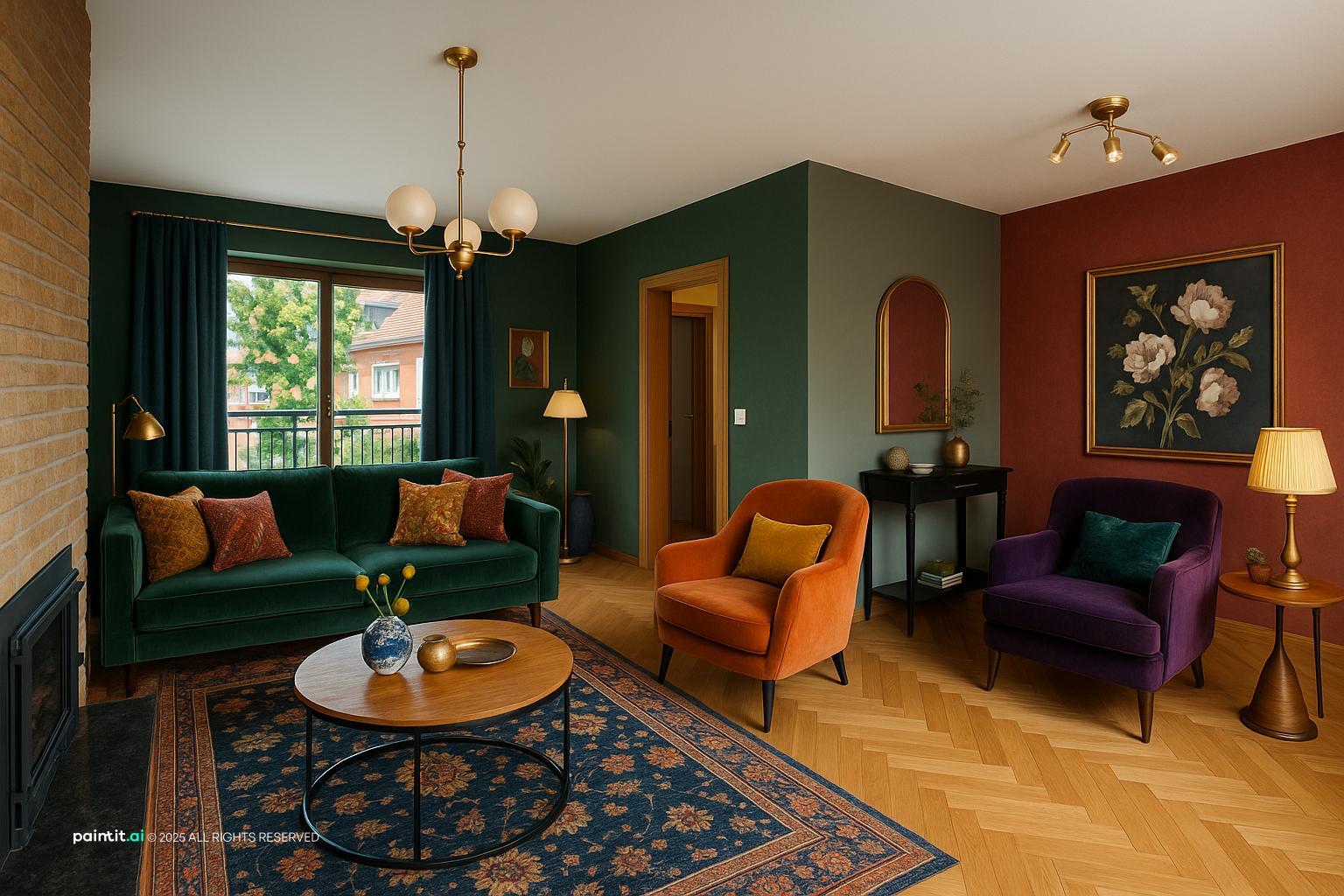
One orange chair lifts a room of green walls and green velvet.
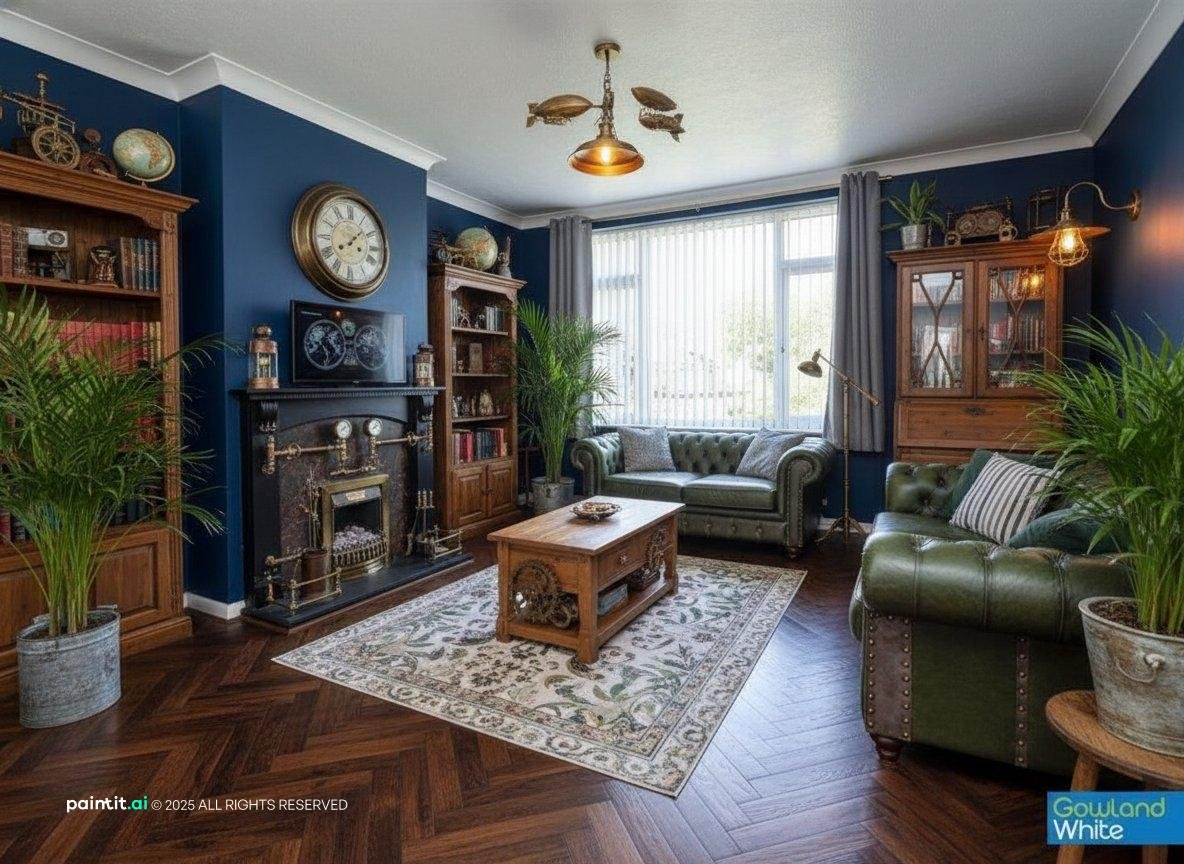
A green leather Chesterfield brings the vintage dark green look into a darker, more eclectic room.
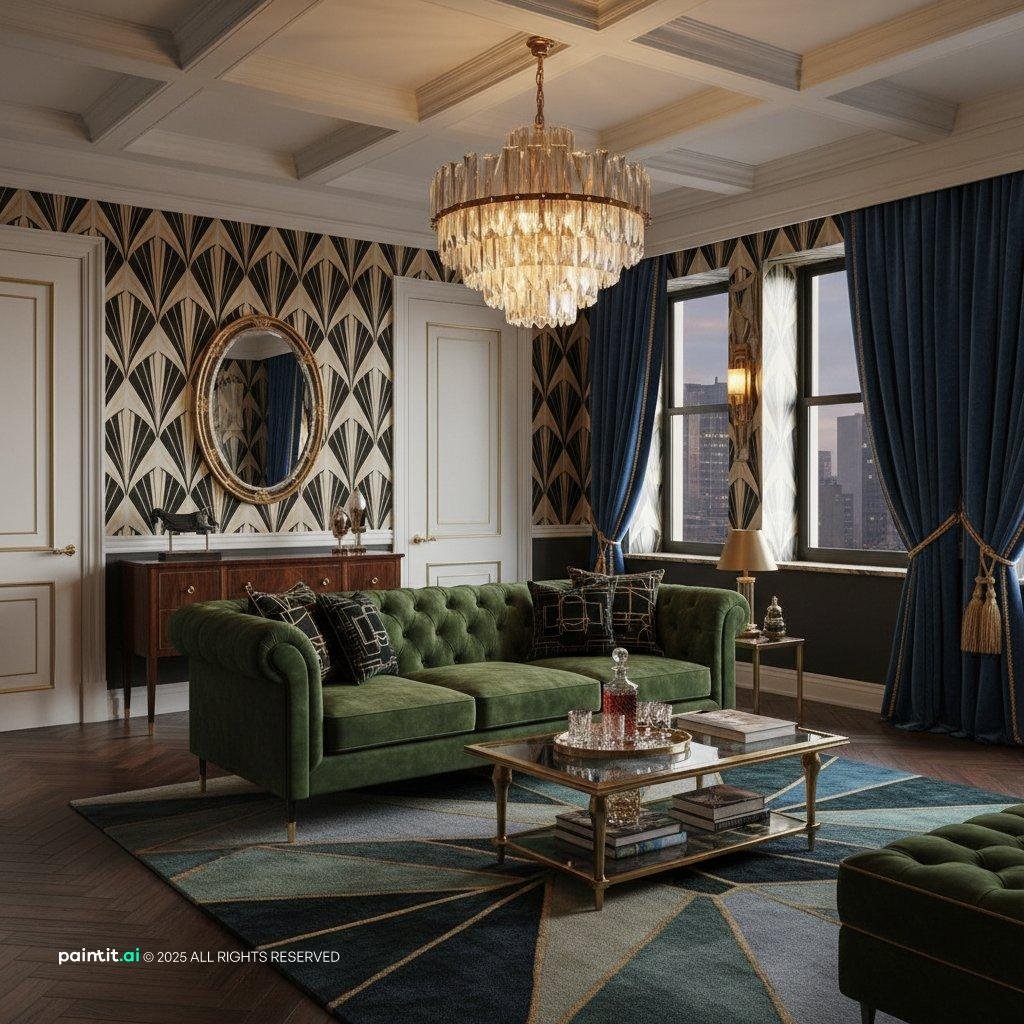
Damask walls and heavy curtains add the Victorian layers around dark green seating.
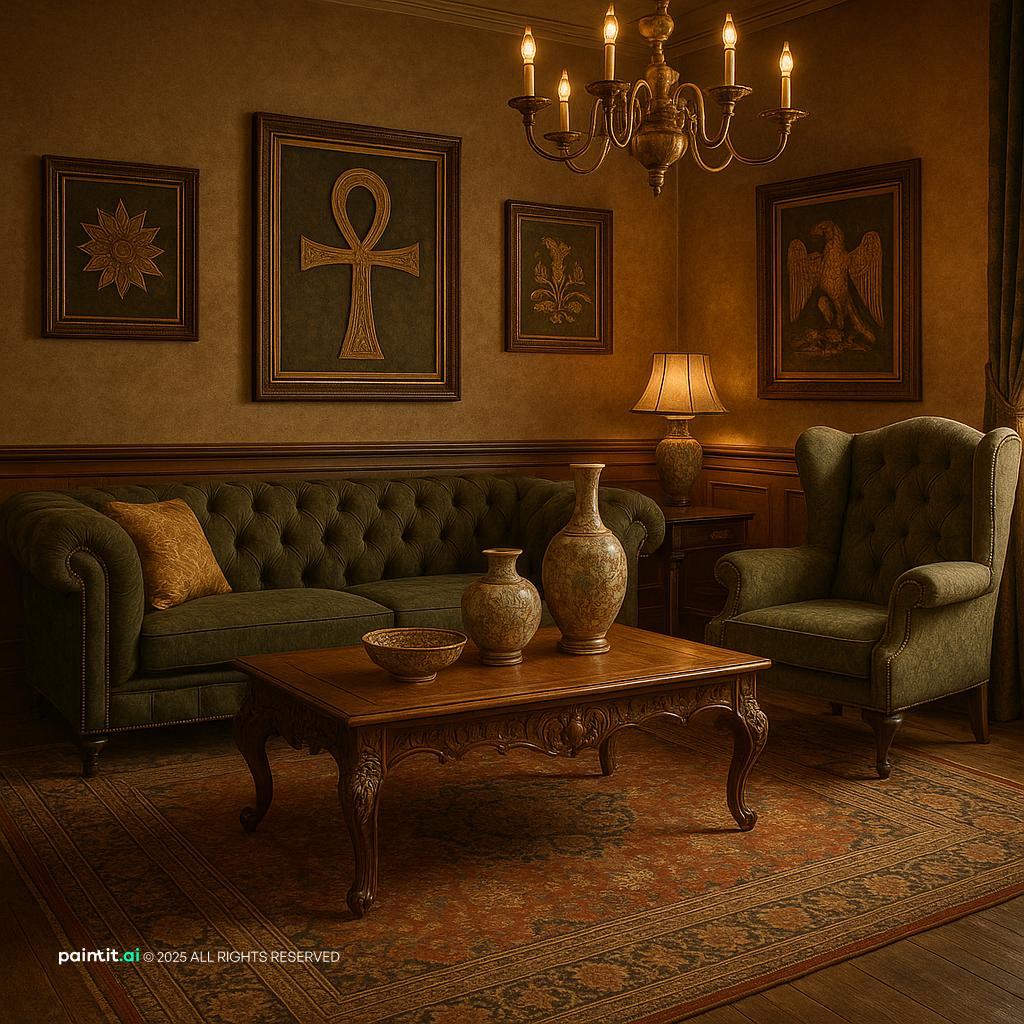
A green Chesterfield and brass lamps carry the vintage look even without green walls.
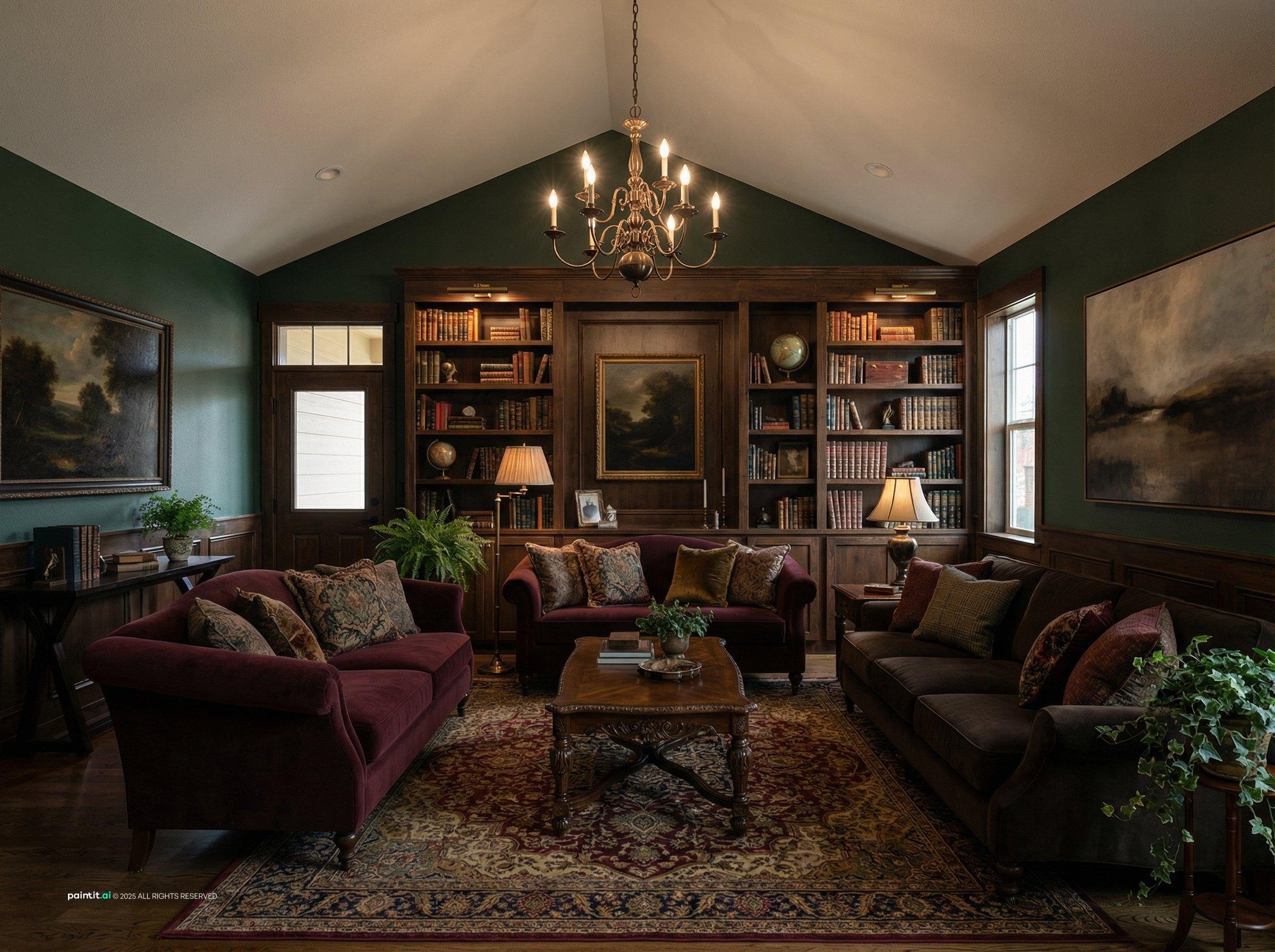
Burgundy sofas against deep green walls and books give the room a dark academia mood.
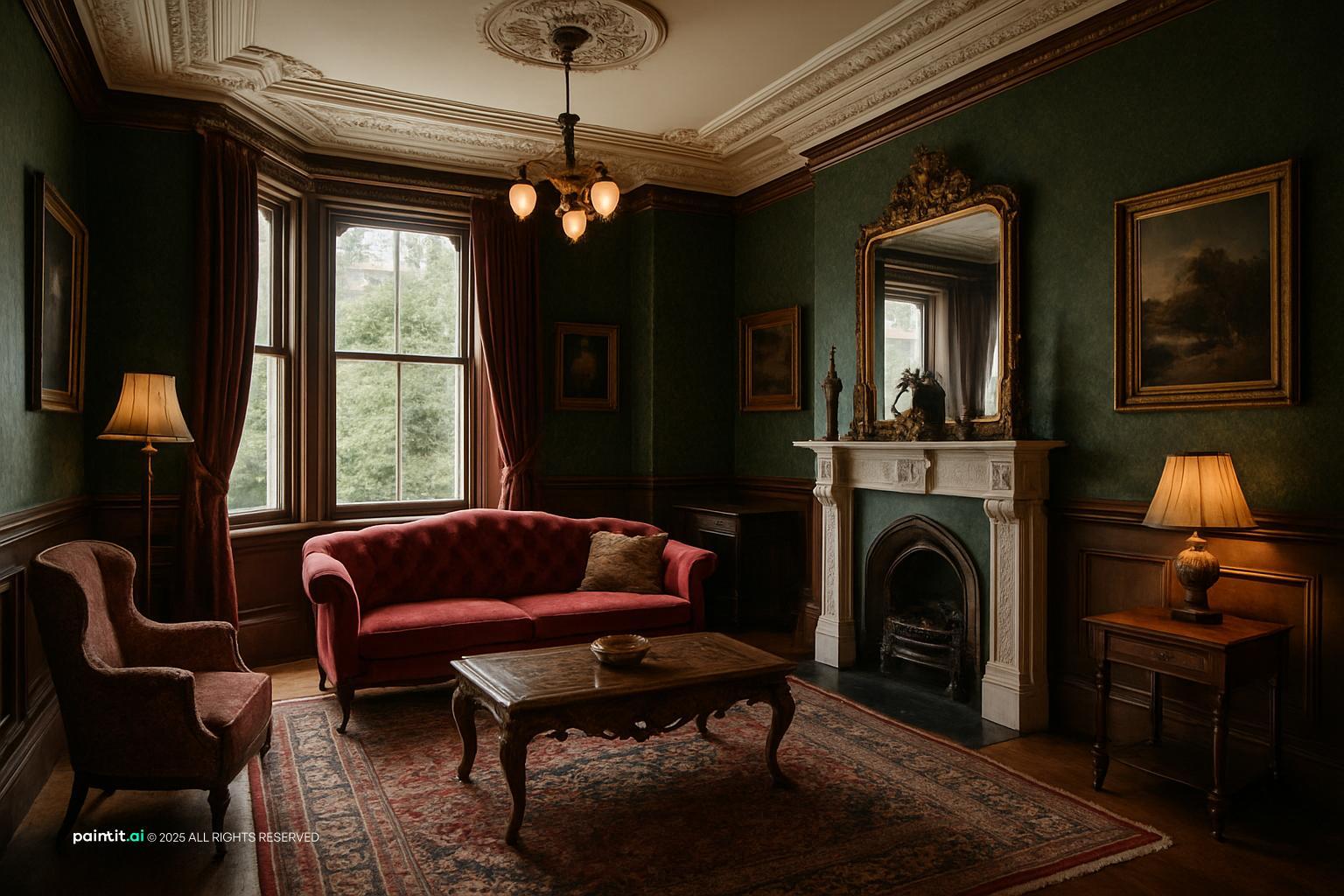
Dark green walls behind a red velvet sofa and a marble fireplace is the classic London townhouse look.
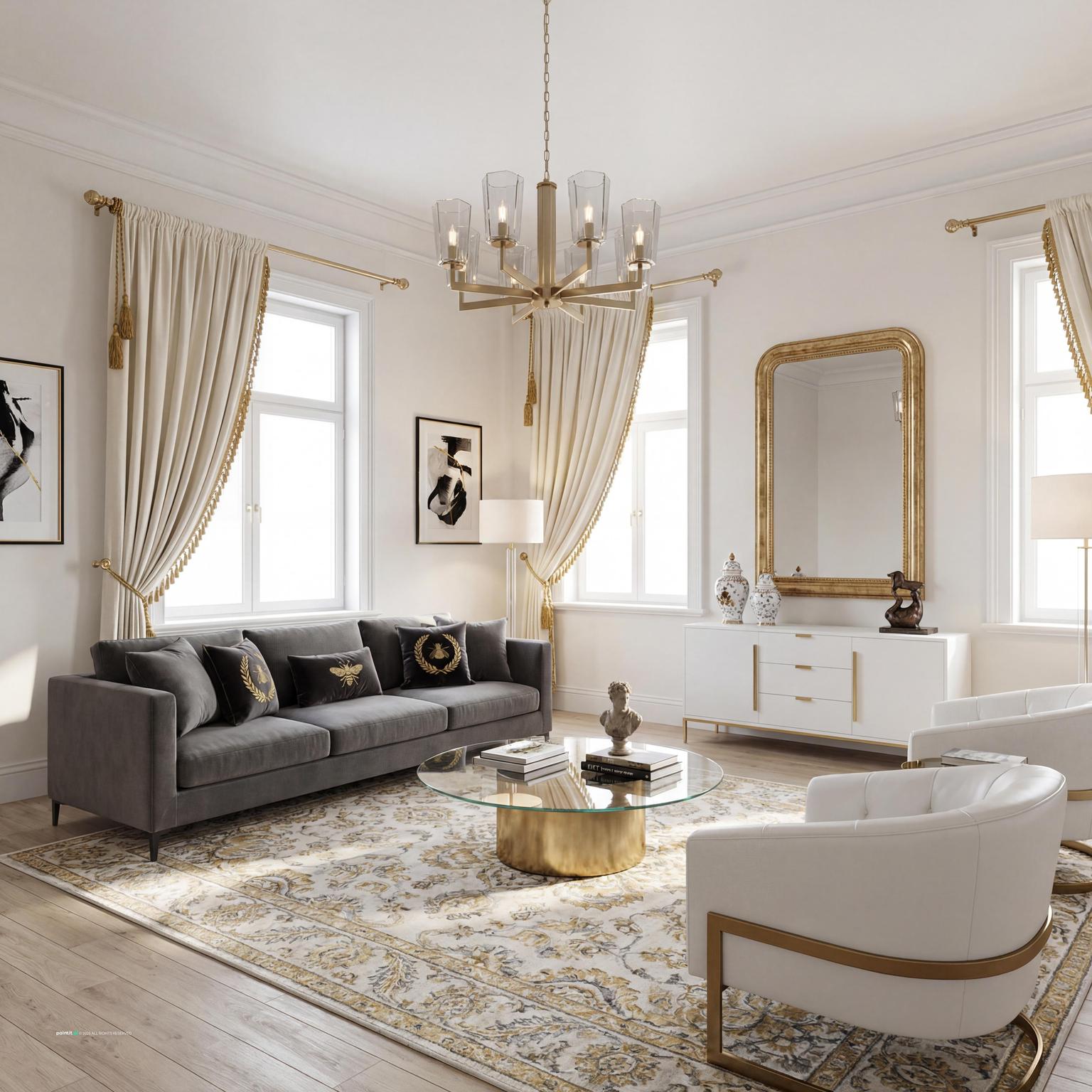
A contemporary living room thoughtfully infused with Empire elements, beautifully transforms into a chic vintage Victorian dark green sanctuary.
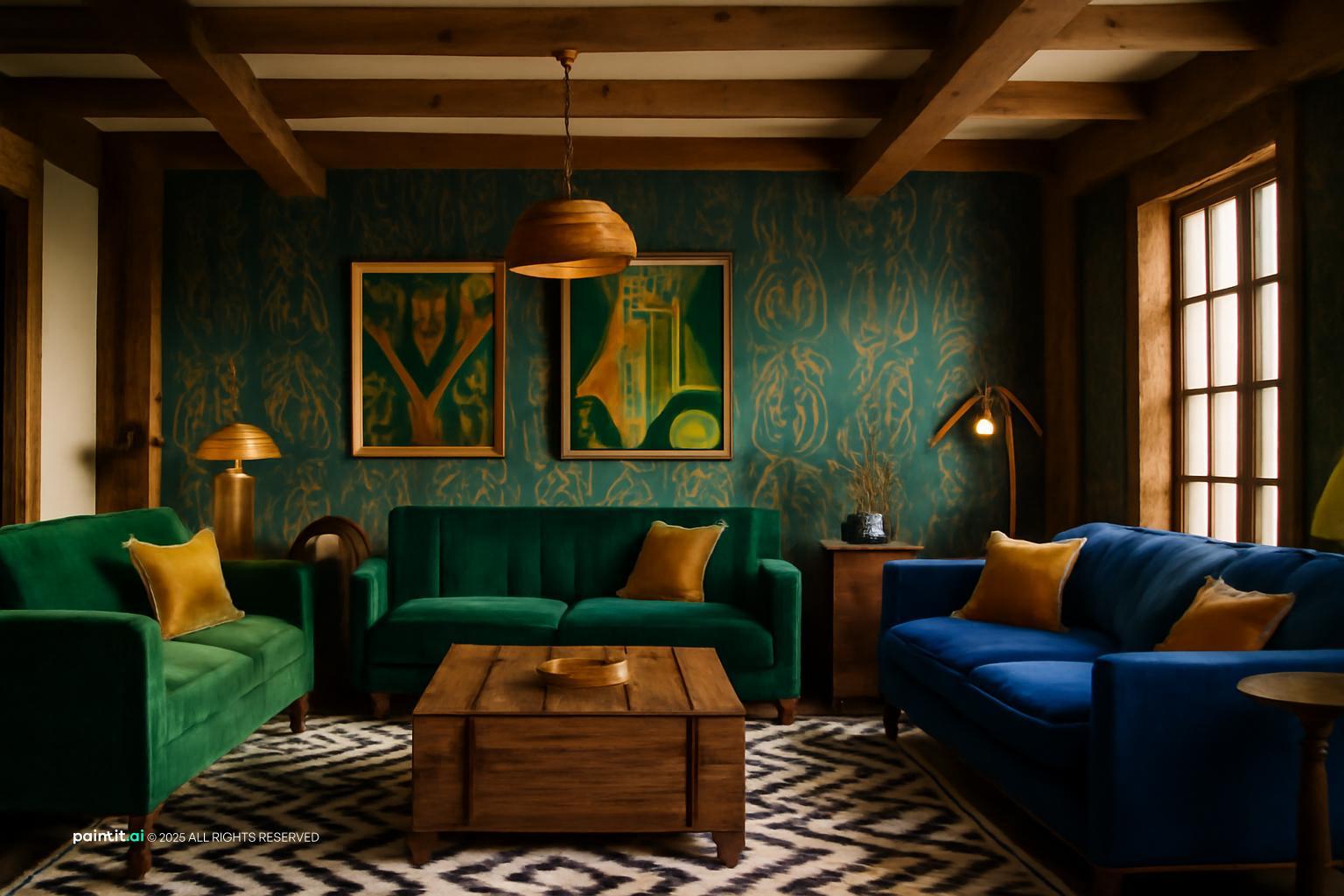
Deep green walls and velvet feel less formal under rustic timber beams.
nothing quite says Victorian luxury like a plush velvet sofa. This material, especially in a deep emerald or forest green, immediately anchors the room with a sense of historical grandeur. It's a tactile experience, inviting you to sink in, and the way light plays across its nap creates an ever-changing visual depth. This works best in rooms that need a strong focal point, a piece that commands attention without overwhelming the space.
To implement this, choose a Chesterfield or a classic tufted sofa. Pair it with dark, polished wood tables – perhaps mahogany or walnut. Consider adding smaller velvet accents in complementary jewel tones, like sapphire blue or ruby red, to break up the green without losing the richness. A large, ornate rug underfoot will further define this seating area.
For a related take on the same room, explore emerald green and gold living rooms.
Victorian design often celebrated intricate details, and metallic accents are key to this. Brass, with its warm, aged patina, offers a sophisticated contrast to the cool depth of a dark green interior. It introduces a subtle shimmer, catching the eye without being ostentatious. Most people forget that a little sparkle goes a long way in preventing a dark room from feeling too somber.
Incorporate brass through picture frames, ornate mirror surrounds, or the base of a side table. Consider a brass-finished chandelier or wall sconces with frosted glass shades. Even small items like decorative boxes or antique door handles can contribute to this polished aesthetic. The key is balance; you want accents, not an overwhelming display.
For a related take on the same room, explore living room wall color ideas.
A true Victorian living room often doubled as a study or library, filled with rich, dark wood. This creates an atmosphere of intellectual comfort and timeless sophistication. The deep tones of walnut, mahogany, or even stained oak provide a grounding element against the verdant walls. It sounds simple, but the quality of the wood makes all the difference.
Install floor-to-ceiling bookshelves, ideally with glass doors, to display treasured books and curiosities. Choose a large, sturdy desk or a grand display cabinet. Look for pieces with intricate carvings or turned legs. Leather-bound books and globe accents will further enhance this scholarly vibe. This approach works beautifully with the deep green backdrop.
Victorian interiors were masters of tactile richness. Layering different fabrics adds depth and prevents a dark green room from feeling flat. Think beyond just paint; consider how textiles can contribute to the overall sensory experience. I’ve found that this layering is crucial for creating that sought-after cozy grandeur.
Start with heavy, floor-length curtains in velvet, brocade, or damask, perhaps lined in a contrasting silk. Add throw pillows in varying textures – embroidered, tasseled, or fringed. A large, patterned area rug, possibly Persian or Oriental, will anchor the seating area. Don't shy away from mixing patterns, as long as they share a similar color intensity. This creates a luxurious, enveloping feel.
Nature was a significant inspiration for Victorian designers, often translated into lush botanical patterns. A dark green living room provides the perfect canvas for such motifs, whether through wallpaper or framed artwork. These elements introduce organic shapes and a sense of vitality, softening the formality of the period style.
Consider a wallpaper with a subtle damask pattern or a more pronounced floral or bird motif on one accent wall. For artwork, choose framed botanical illustrations, pressed flower art, or landscapes depicting dense forests. These pieces can feature lighter greens, creams, and even touches of pink or blue, offering a visual break from the dominant dark green. It might seem odd at first, but these natural elements truly bring the room to life.
Lighting in a Victorian dark green living room should be atmospheric and multi-layered. Crystal fixtures scatter light beautifully, creating a magical sparkle that contrasts with the deep wall color. The soft glow of candlelight, even from electric sources, enhances the romantic, historical ambiance.
Install a grand crystal chandelier as the central overhead light. Supplement this with wall sconces featuring frosted or etched glass, and perhaps a pair of ornate table lamps with silk shades. For an authentic touch, incorporate candelabras or decorative lanterns, even if they hold LED candles. This combination ensures both general illumination and intimate pools of light, preventing any dimness. Here is what matters: thoughtful placement.
A grand fireplace was the heart of any Victorian living room, providing warmth and a natural gathering point. In a dark green space, it becomes an even more prominent feature, drawing the eye and grounding the design. Its architectural presence is undeniable.
If you have an existing fireplace, restore it to its former glory with an ornate mantelpiece, perhaps carved wood or marble. If not, consider installing a decorative mantel surround. Dress the mantel with a large, gilded mirror, antique clocks, and carefully chosen objets d'art. A roaring fire, or even a well-arranged display of logs, adds to the cozy, authentic feel. This element truly defines the room's character.
Victorians loved to collect and display their treasures, from travel souvenirs to scientific specimens. A dark green backdrop makes these collections truly stand out, offering a dramatic contrast. This personal touch is what makes a house a home, reflecting the occupant's passions.
Utilize glass-fronted display cabinets or curio shelves to showcase your collections. Think about antique porcelain, silver tea sets, framed butterflies, or interesting geological samples. Arrange items thoughtfully, varying heights and textures. A well-lit display cabinet can become a miniature museum within your living room, adding layers of personality and history. It’s about storytelling through objects.
Stained glass was a hallmark of Victorian architecture, filtering light into beautiful, colored patterns. Incorporating this element can add an unparalleled sense of authenticity and artistic flair to a dark green living room. It's a subtle nod to the past that creates a profound impact.
Consider a stained-glass panel insert for a window or a door. If permanent installation isn't an option, a freestanding stained-glass screen or a framed piece hung in front of a window can achieve a similar effect. Choose patterns that feature rich jewel tones – ruby, sapphire, amber – which will glow against the green walls. The diffused light creates a tranquil, almost sacred atmosphere. This is a detail that adds real character to the space.
The foundation of any room is its flooring, and in a Victorian dark green space, this means rich textures and intricate patterns. Hardwood floors, especially parquet, offer a classic base, while layered rugs add warmth, sound absorption, and visual interest. Most people forget that the floor is a fifth wall.
Install or restore original parquet flooring, perhaps in a herringbone or chevron pattern, using dark-stained wood. Over this, lay a large, ornate Persian, Oriental, or Axminster rug. Choose a rug with deep reds, blues, or golds that complement the dark green walls. The layering adds a sense of luxury and comfort, defining different zones within the room. It creates a soft landing for the eye and the feet.
Victorian rooms were rarely plain; they featured extensive architectural details that added grandeur and structure. Incorporating ornate molding, cornices, and wainscoting can transform a simple dark green room into a period masterpiece. These details are surprisingly effective at adding depth.
Install decorative crown molding and ceiling medallions. Consider wainscoting or paneling on the lower half of the walls, perhaps painted in a slightly lighter shade of green or a complementary cream. This breaks up the expanse of dark color and adds historical authenticity. These elements create a sense of bespoke craftsmanship, even in a modern home. It’s about building character from the ground up.
While aiming for a vintage Victorian dark green aesthetic, don't be afraid to introduce carefully chosen pieces from other eras. Victorians themselves were great collectors, and their homes often featured items from various periods and cultures. This approach adds personality and prevents the room from feeling like a museum exhibit.
Pair a Victorian velvet sofa with a sleek Art Deco side table, or place a mid-century modern lamp alongside an antique cabinet. The key is to find common threads, such as color, material, or scale, to ensure cohesion. A single, striking contemporary artwork can also provide a refreshing counterpoint to the historical elements. This creates a space that feels lived-in and evolved rather than staged as a period piece.
The second gallery explores more specific vintage victorian dark interpretations, helping compare different ways the same living room can feel at home.
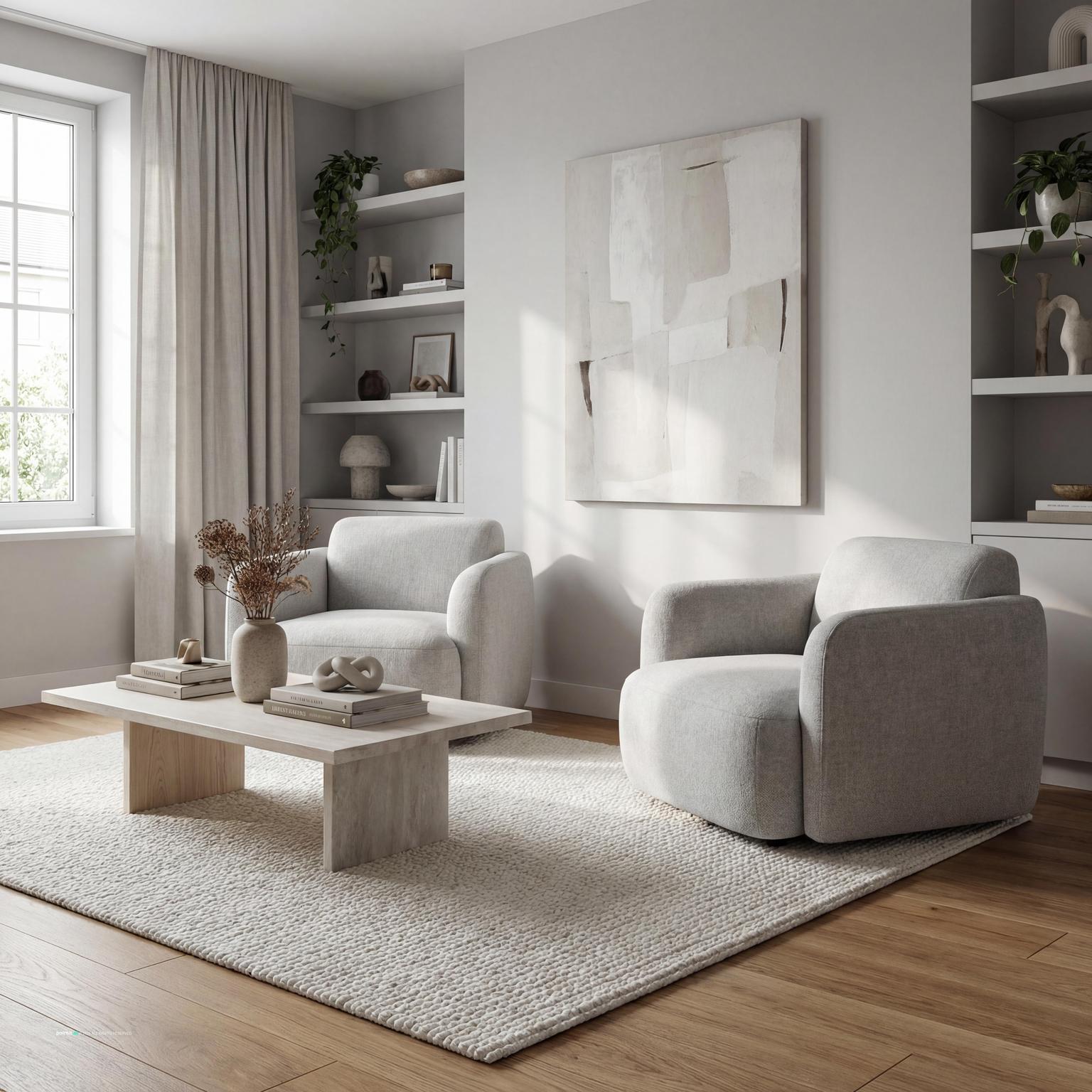
This elegant small living room design is beautifully reimagined as a cozy vintage Victorian dark green sanctuary, perfect for intimate gatherings.
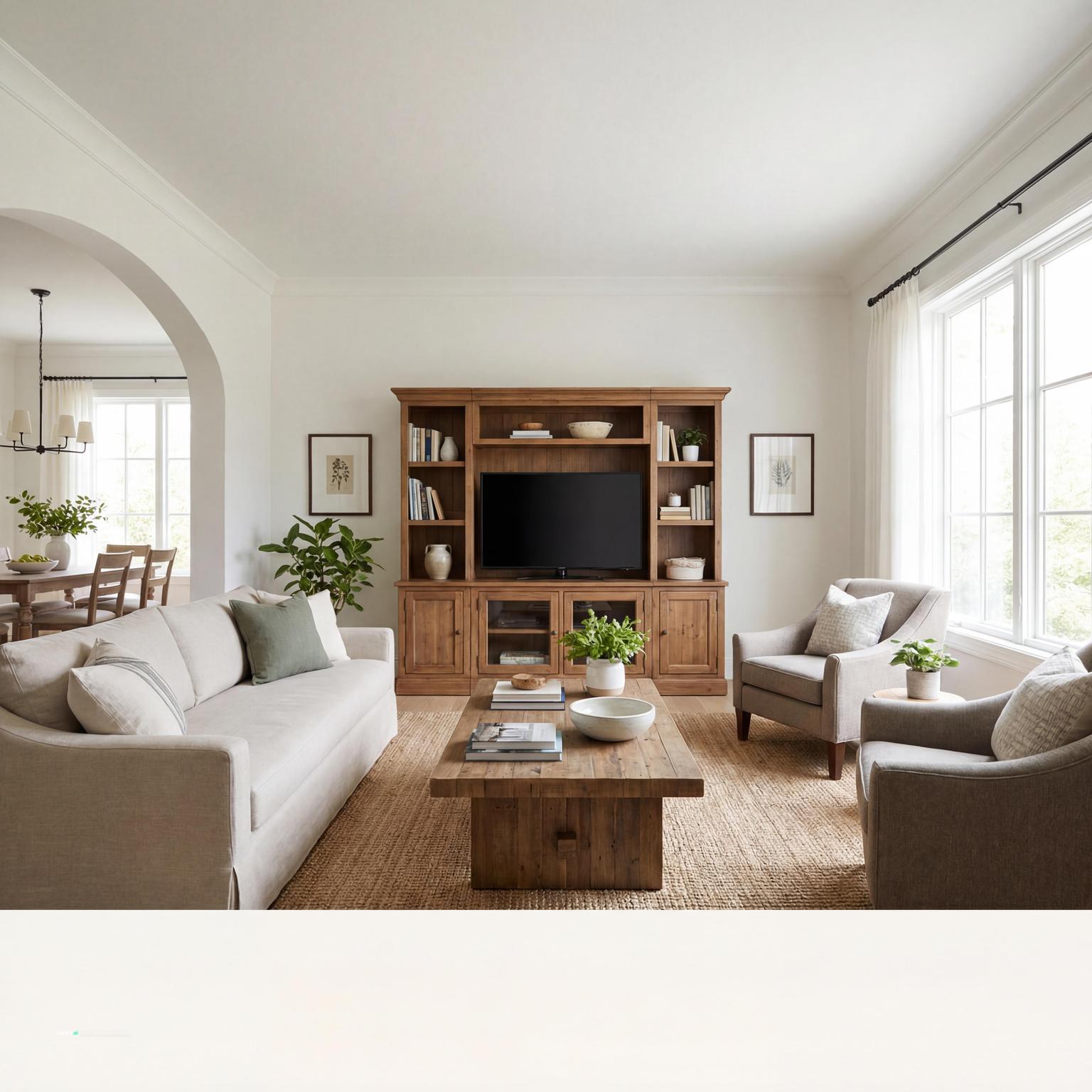
Explore elegant living room layout ideas, transformed into a lavish vintage Victorian dark green parlor with timeless charm and depth.
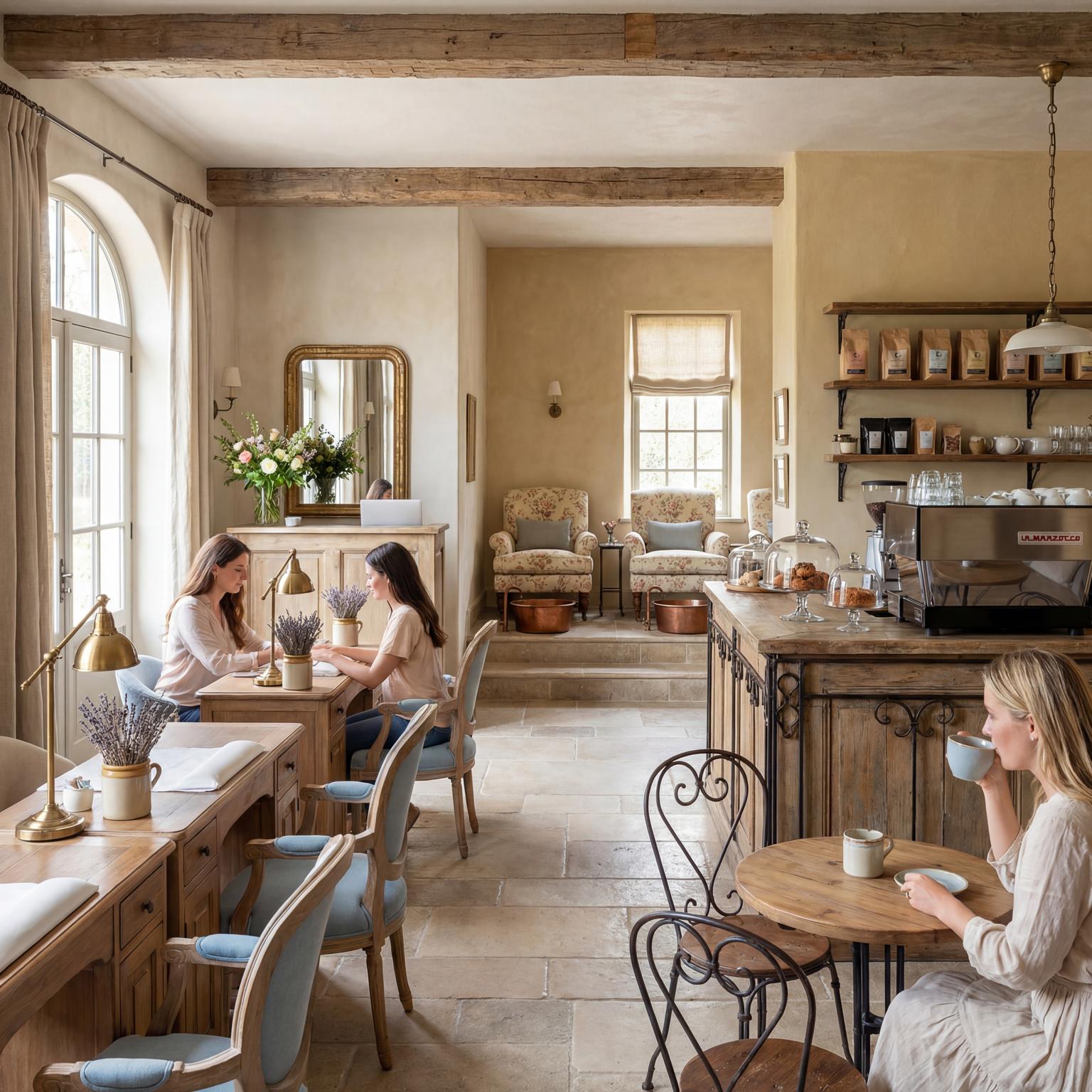
Discover a charming French Country aesthetic, infused with the rich tones of a vintage Victorian dark green living room, offering serene elegance.
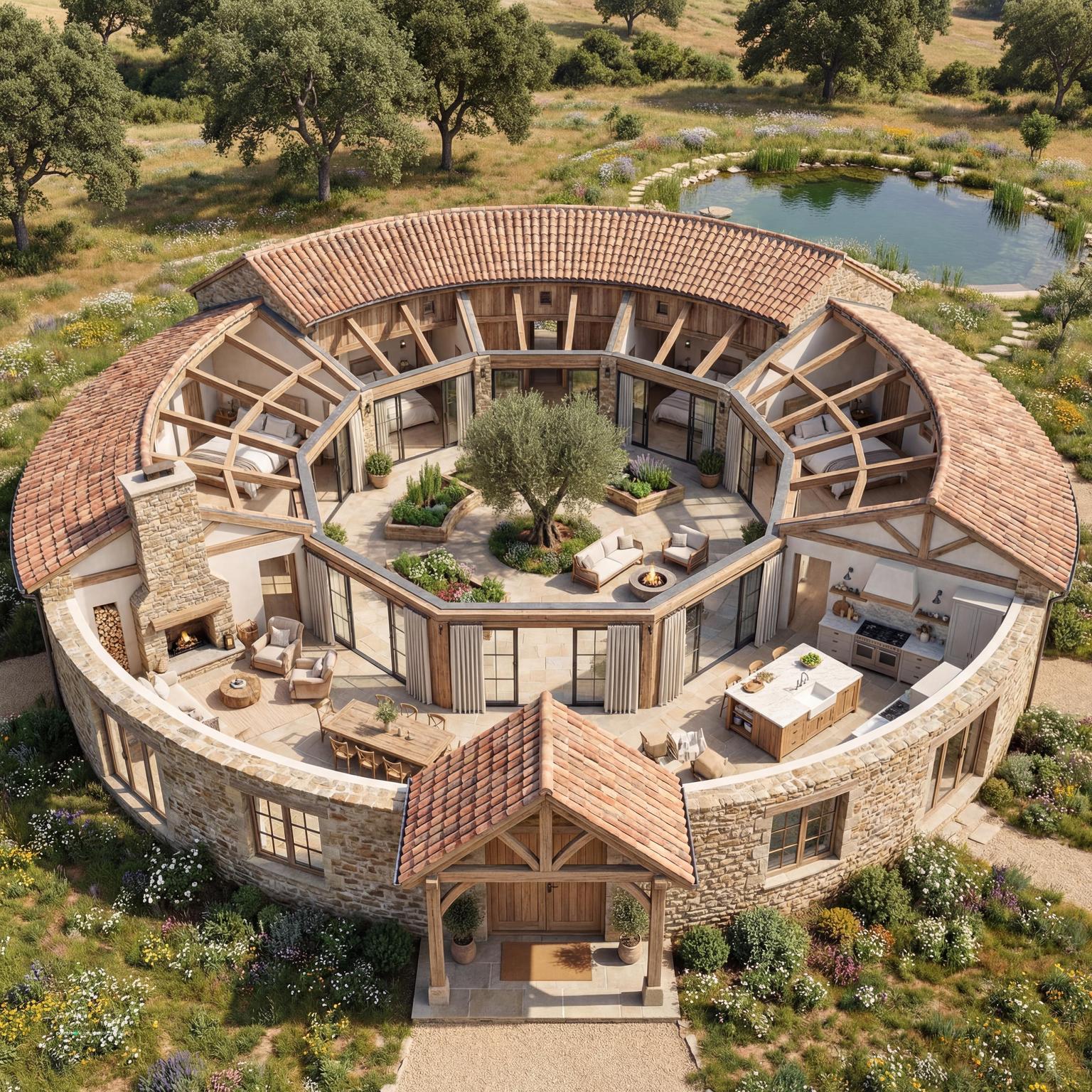
Embrace the unique charm of a circular country home design, adorned as a captivating vintage Victorian dark green living room.
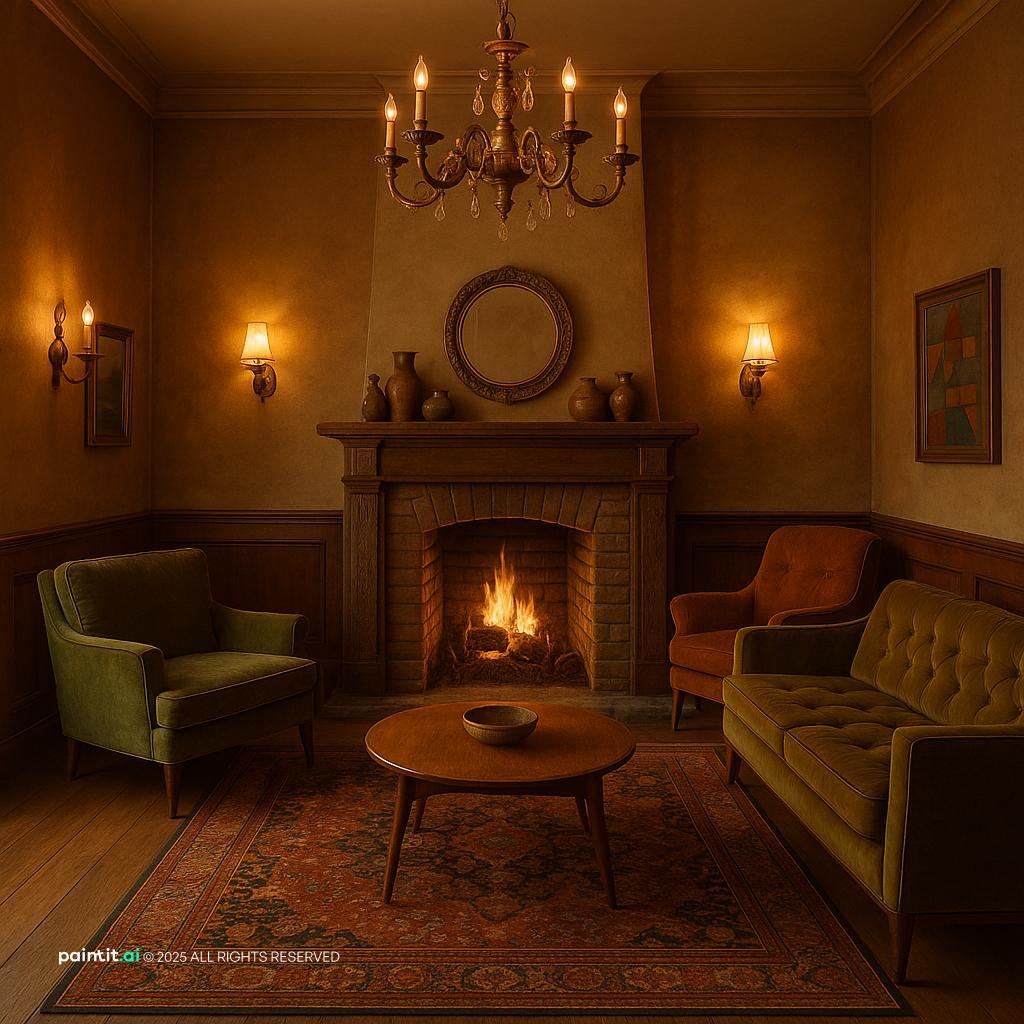
A green armchair by an old fireplace brings the palette into a small, warm corner.
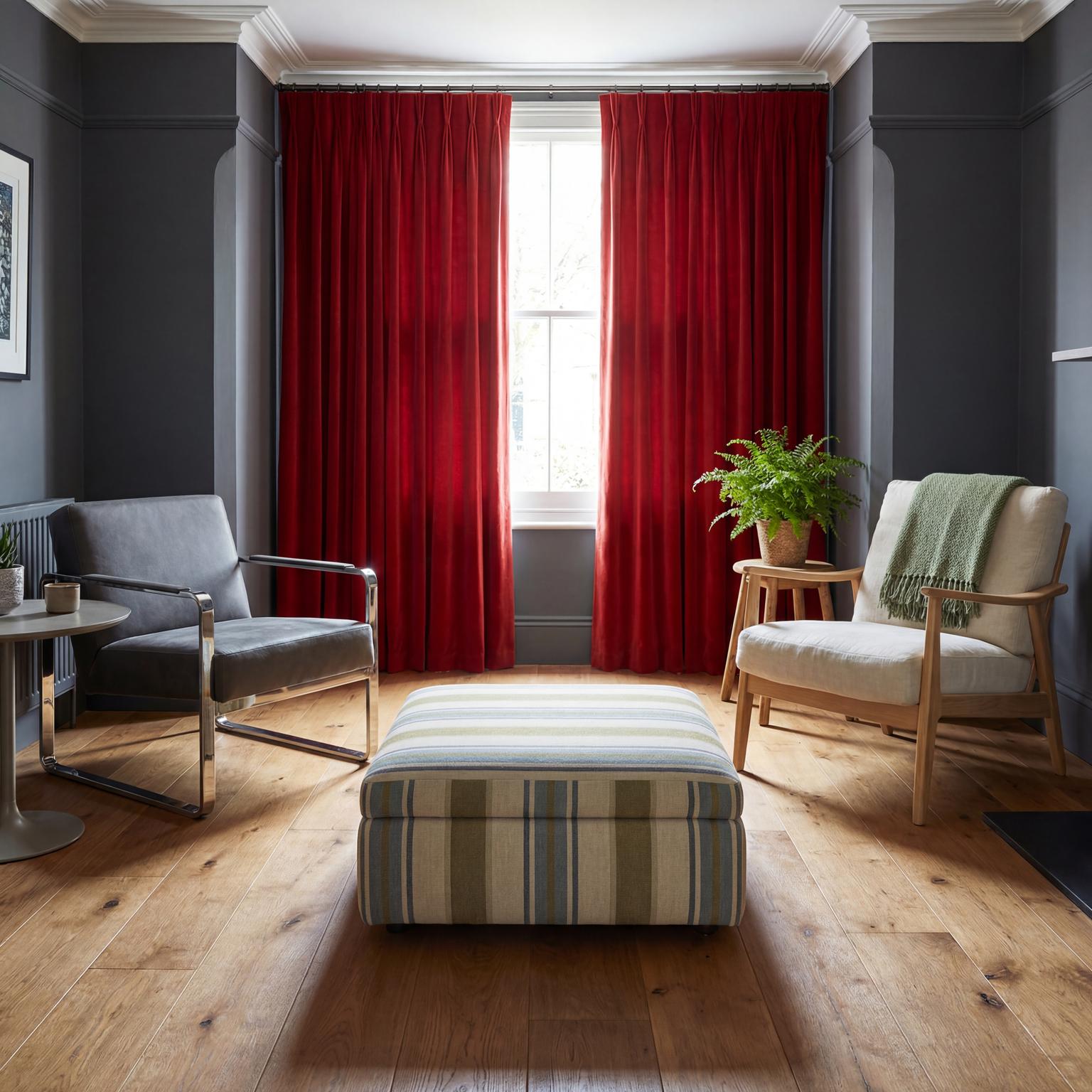
Witness a stylish vision of a vintage Victorian dark green living room, where every opulent detail comes to life.
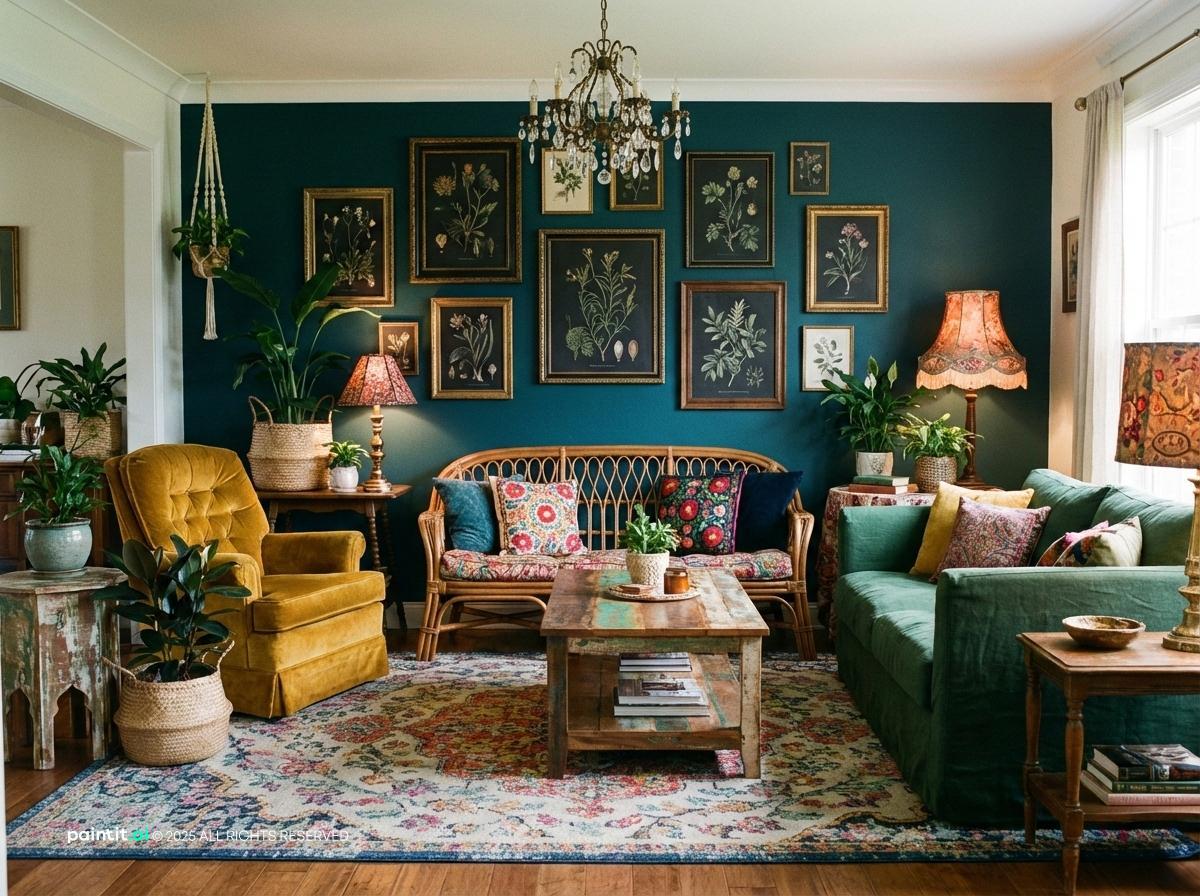
A dark wall covered in botanical prints is a modern way to use Victorian collecting habits.
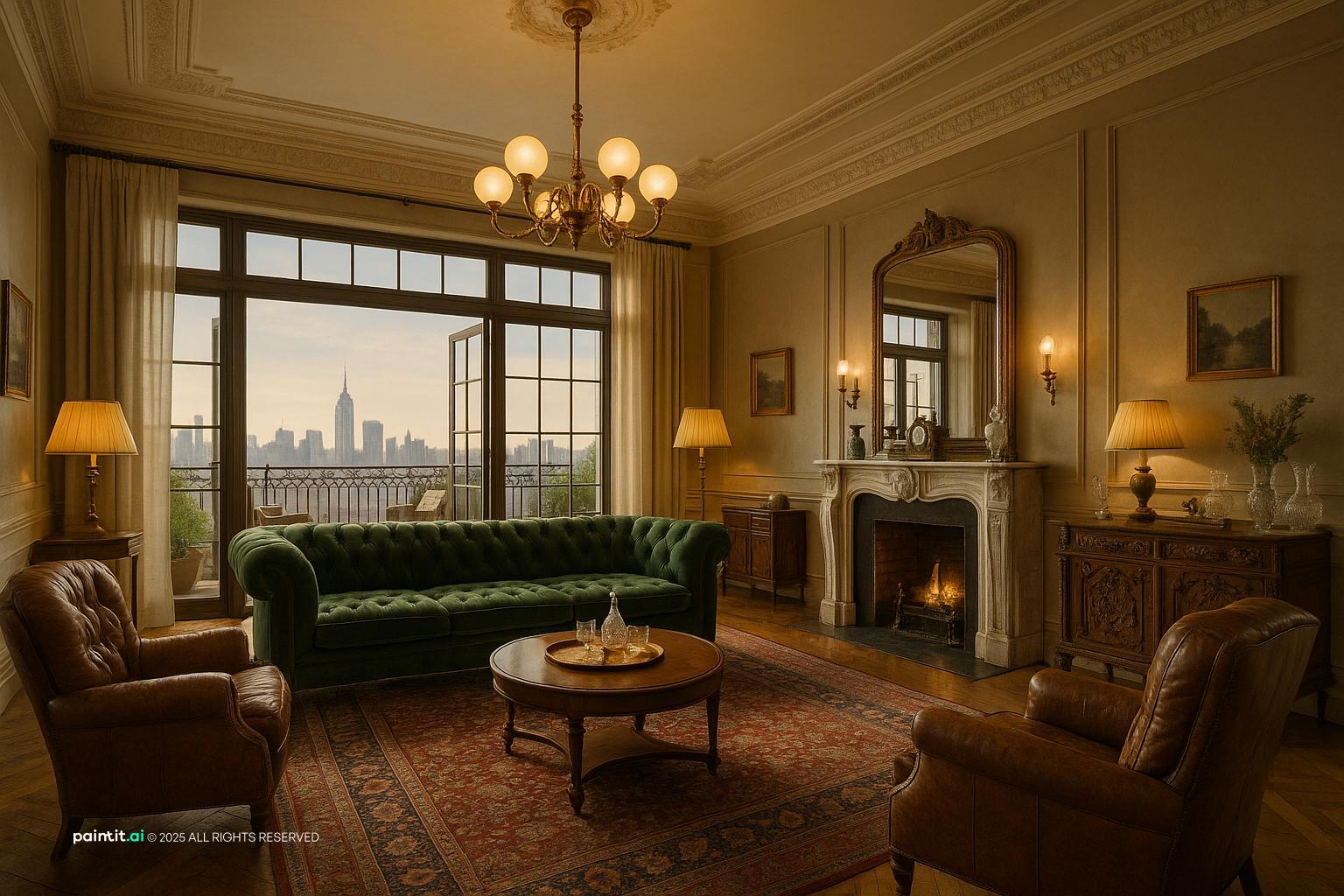
A green Chesterfield and leather armchairs bring vintage warmth to a modern penthouse.
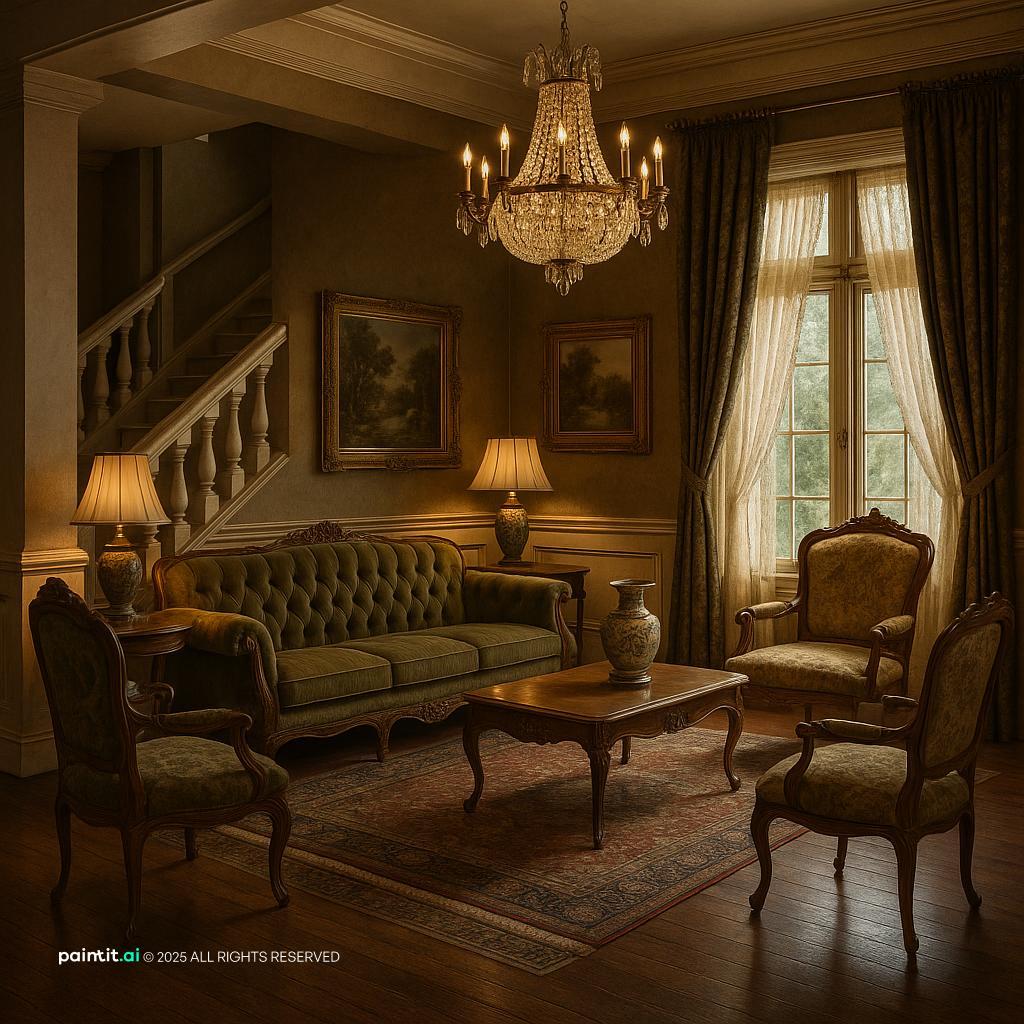
Warm lamp light and antique chairs around a green tufted sofa make a cozy parlor.
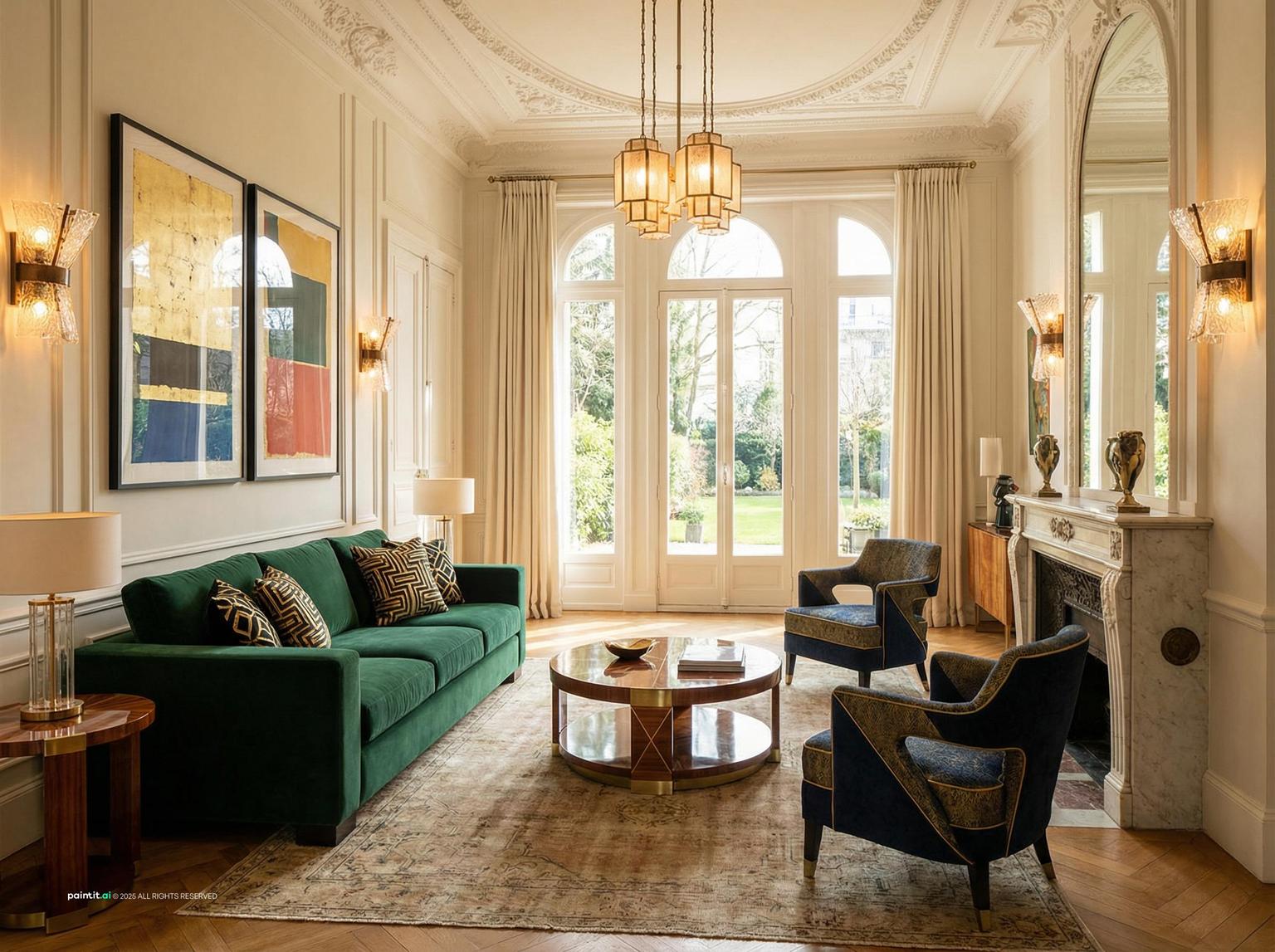
Dark green sofas in a light room show the color works even when the walls stay pale.
designing a vintage victorian dark green living room presents a unique challenge: how do you embrace its opulent depth without making the space feel heavy or dim? It’s a common pitfall. Most people forget that the interplay of light, texture, and period details is crucial. Paintit.ai instantly renders countless iterations of your vision. See how a deep emerald velvet sofa interacts with antique brass fixtures. Visualize different wall finishes, from matte to subtle sheen, under varying light conditions. This allows you to perfect the balance, ensuring your dark green sanctuary feels both grand and inviting, not overwhelming. Avoid costly missteps. Try paintit.ai and refine your vintage victorian dream, effortlessly.
Before changing furniture or finishes, you can preview the direction with an interior design visualizer.
Over-cluttering is a frequent misstep. Resist the urge to fill every surface. Poor lighting also dims the mood; layer sources. Most people forget that ignoring texture makes a room feel flat. Mix velvet, silk, and polished wood for depth.
Introduce reflective surfaces like mirrors or polished brass. Lighter ceiling colors and trim work wonders. This works best in rooms with natural light, but even without it, strategic use of creamy whites or dusty rose accents lifts the mood.
A Chesterfield sofa in a rich leather or deep velvet is non-negotiable. Carved mahogany side tables add gravitas. Consider a grand armchair with ornate detailing. A substantial bookcase filled with leather-bound volumes completes the look.
Choose contemporary art with a muted palette; it provides contrast. Sleek, minimalist floor lamps can offer task lighting without competing. It might seem odd at first, but a clean-lined coffee table in dark wood or glass can bridge eras beautifully.
Layered lighting is absolutely crucial. Start with an opulent central chandelier. Add wall sconces for ambient glow. Task lighting from table lamps or floor lamps illuminates reading nooks. Dimmer switches are your best friend here.