
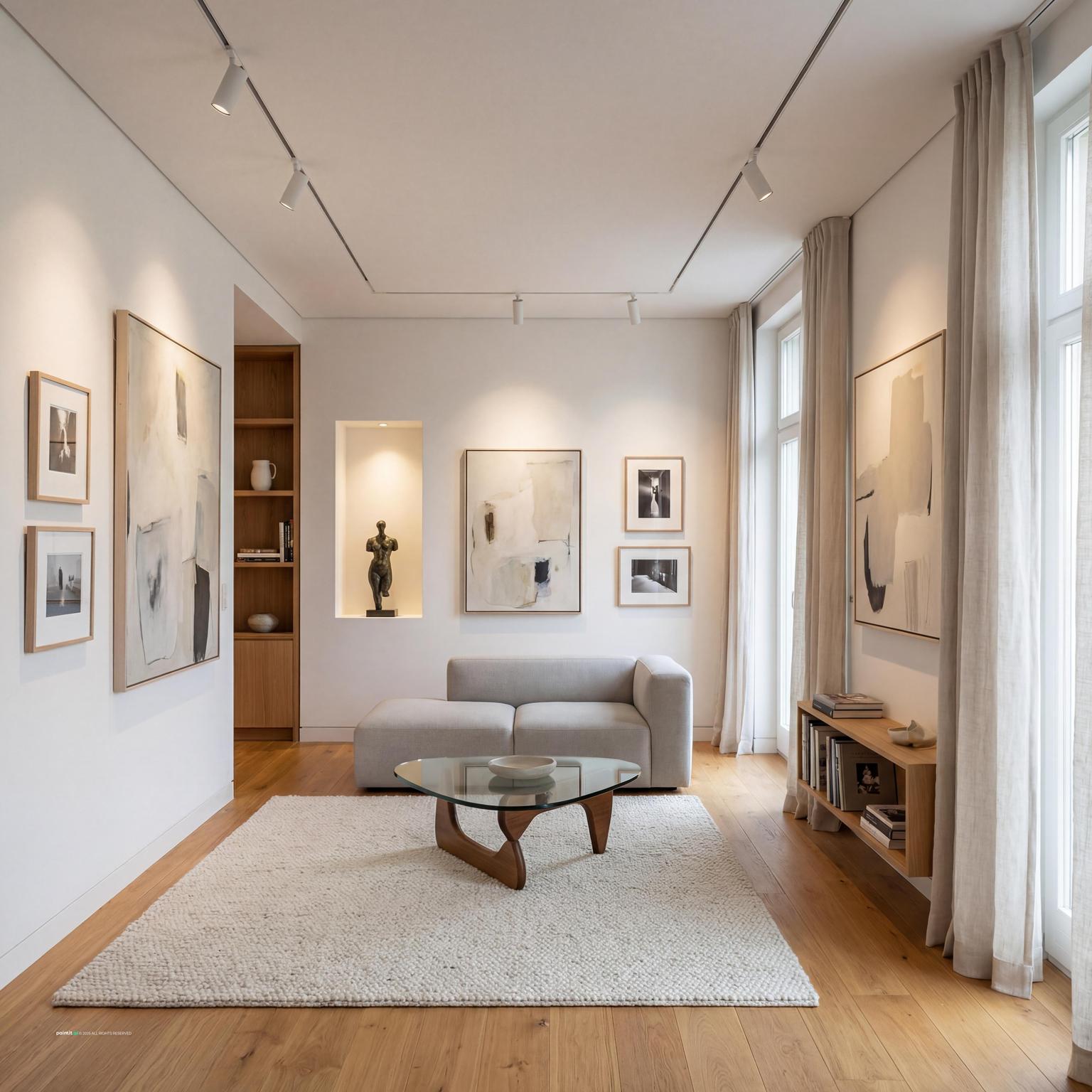
Elegant Art-Focused Living Room Design
This elegant, art-focused victorian style living room masterfully displays curated collections, blending historical charm with timeless sophistication.
Imagine stepping into a room where every detail whispers stories of grandeur and comfort. A victorian style living room isn't just about antique furniture; it's about creating a rich, layered atmosphere that feels both opulent and inviting. How do you blend historical charm with modern living without feeling overwhelmed?
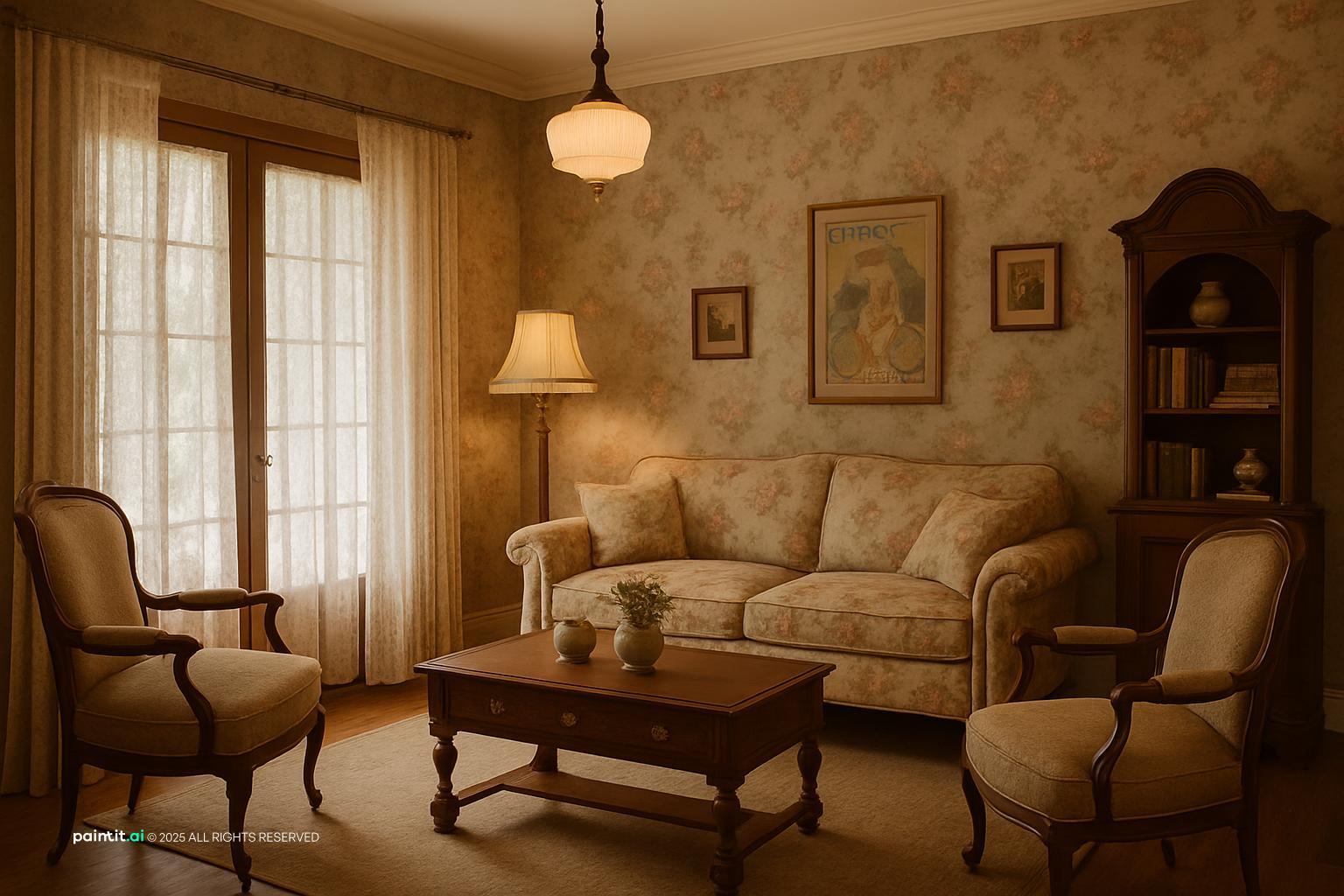
Ever wonder how to bring that rich, layered grandeur of a period interior into your home without it feeling like a dusty museum? It’s a common puzzle, really. We often see people wanting the deep character of ornate furnishings and plush velvet upholstery, yet they worry about overwhelming a modern space.
designing a grand salon doesn't have to be daunting. We’ll show you how to blend those iconic elements—think dark polished wood and elaborate brass fixtures—with contemporary comfort. Visualizing these intricate details before committing is crucial, which is where Paintit.ai’s AI tools really shine.
Before changing furniture or finishes, you can preview the direction with an AI living room design tool.
This gallery turns the main idea into visible living room scenes with a stronger focus on material balance, furniture silhouettes, and overall mood.
This elegant, art-focused victorian style living room masterfully displays curated collections, blending historical charm with timeless sophistication.
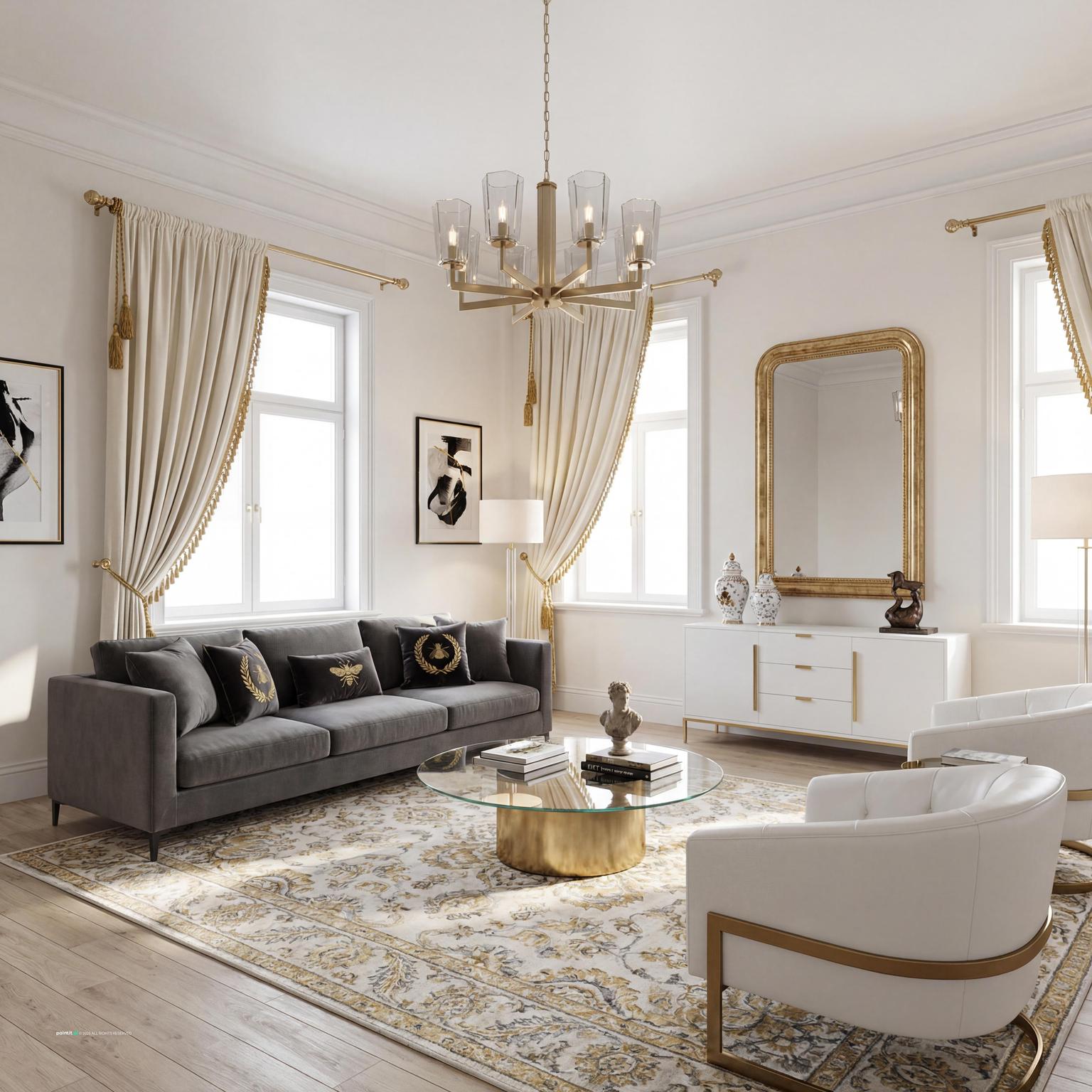
A contemporary victorian style living room, beautifully adorned with grand Empire elements, creates an atmosphere of regal elegance and historical depth.
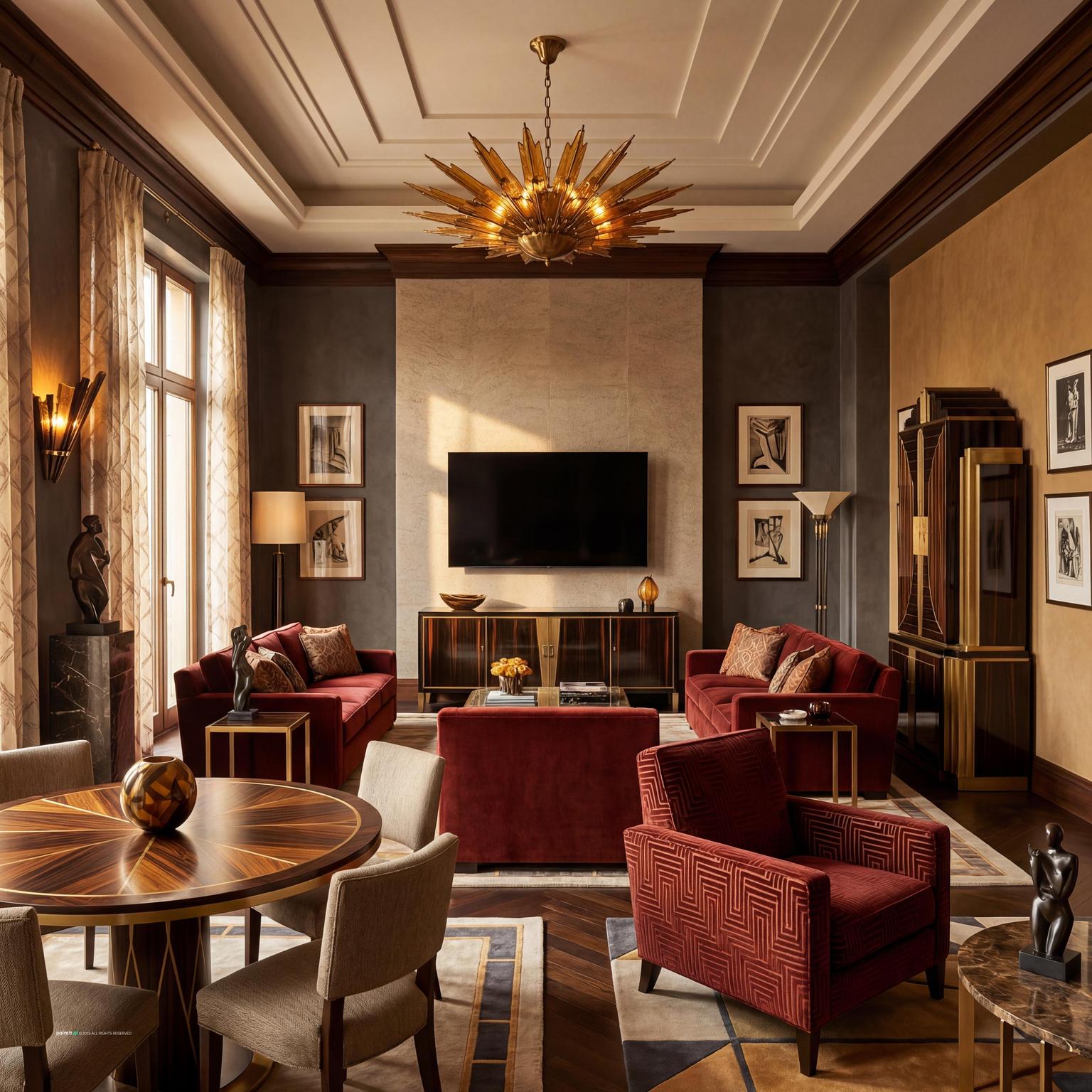
This stunning Art Deco victorian style living room design captivates with opulent finishes and rich furnishings, reflecting a grand, luxurious aesthetic.
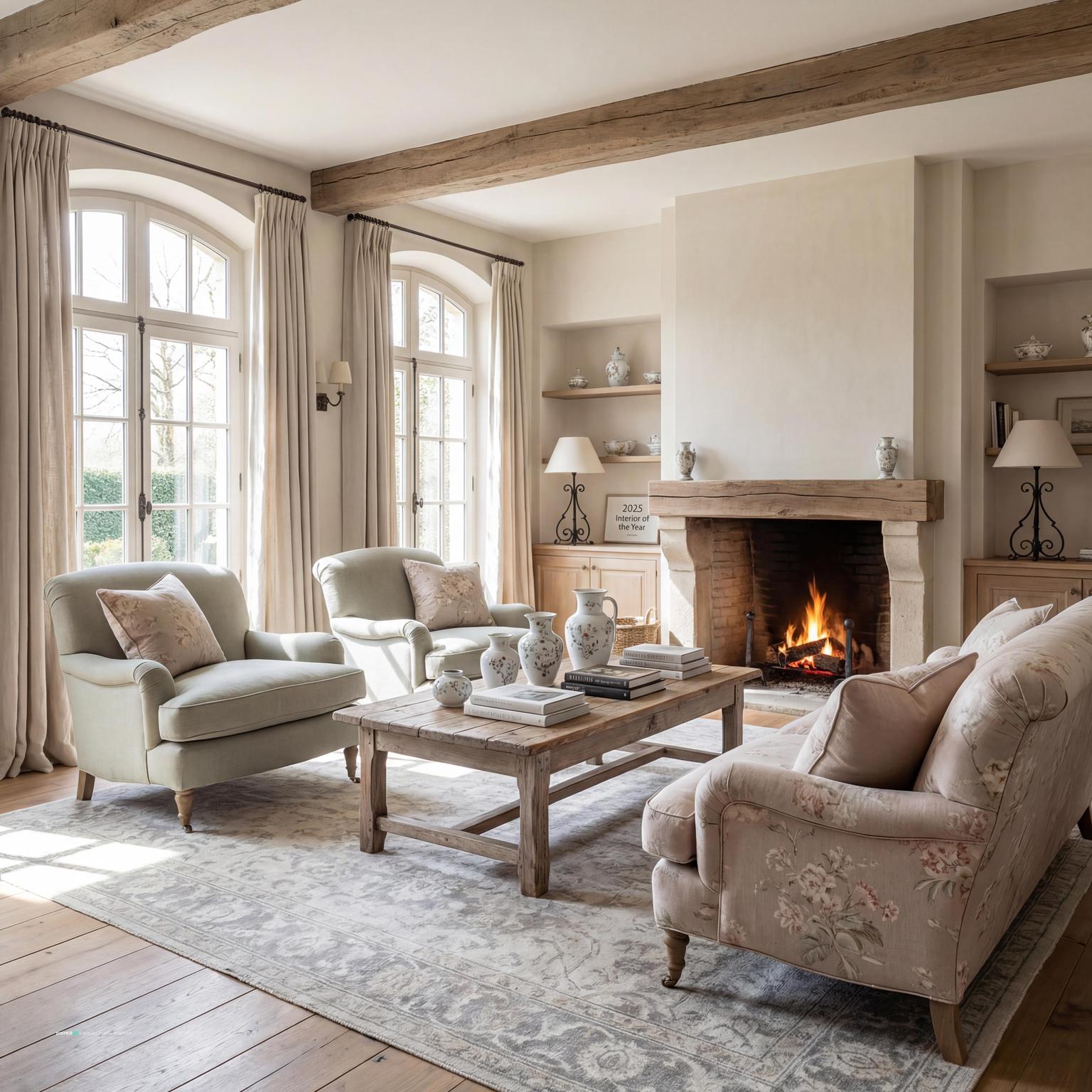
This elegant French Country victorian style living room design beautifully combines rustic charm with refined details, offering a wonderfully inviting ambiance.
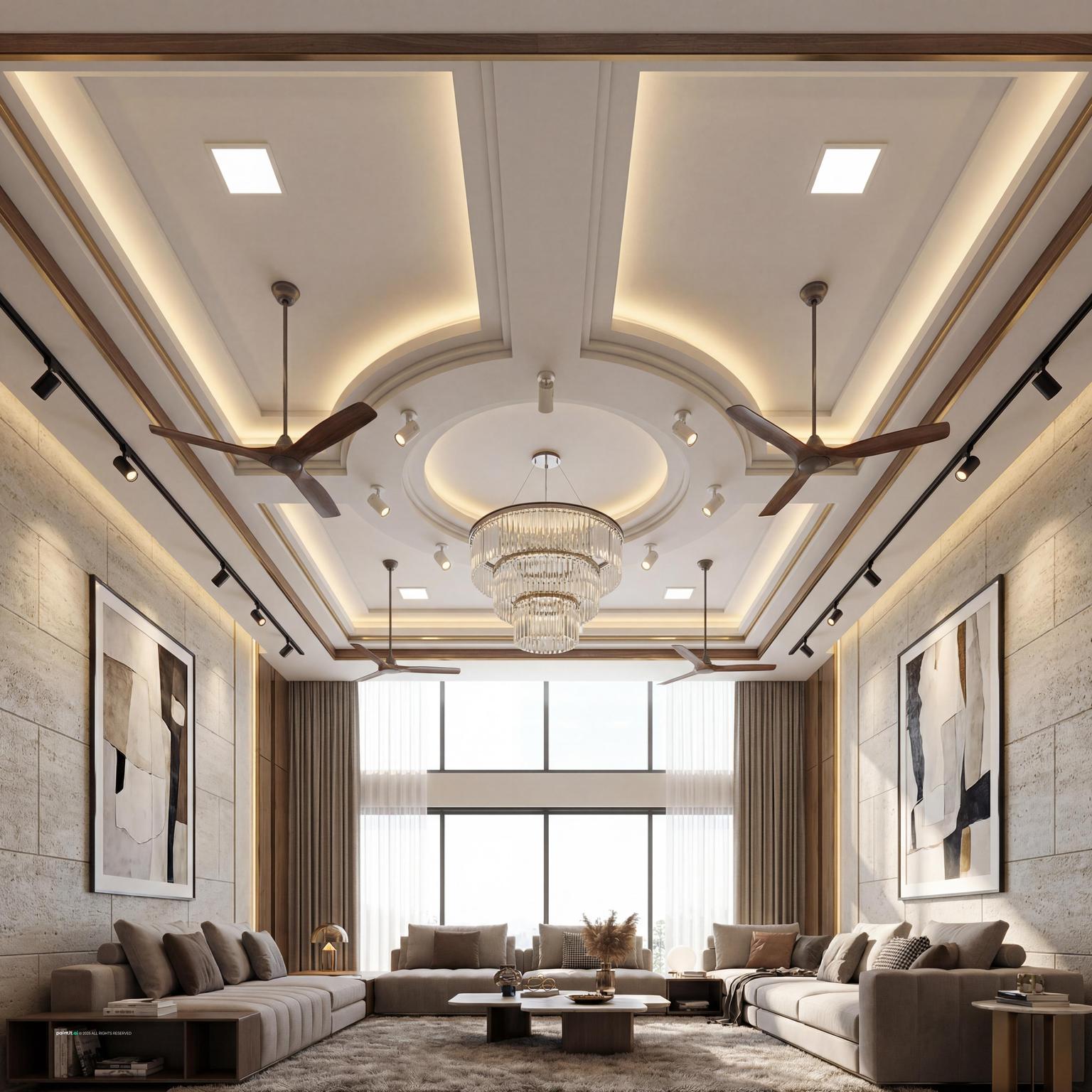
An elegant double-height victorian style living room design commands attention with its soaring ceilings and grand architectural details, embodying true splendor.
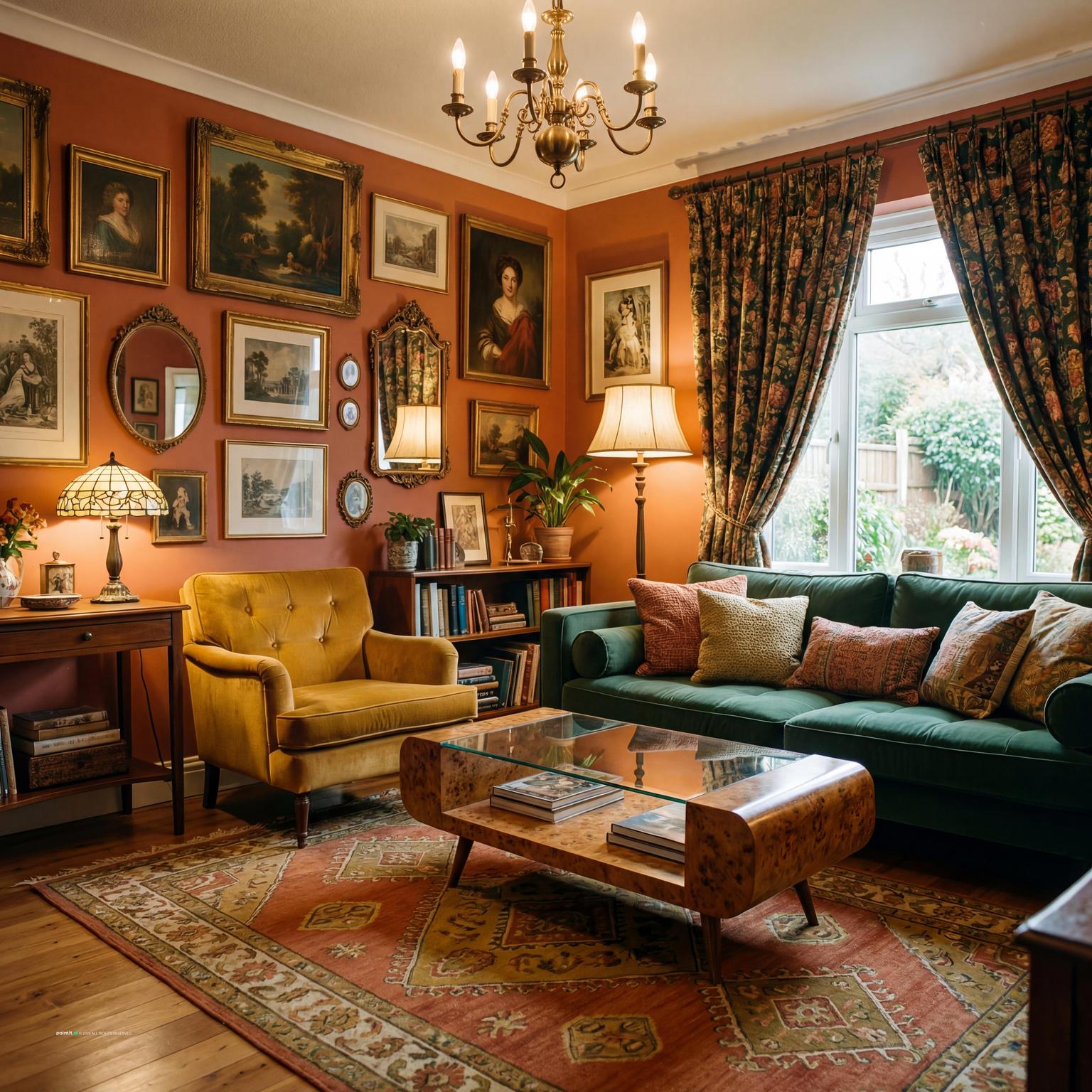
Embrace a vintage eclectic victorian style living room, where collected treasures and antique furniture create a richly layered and uniquely personal space.
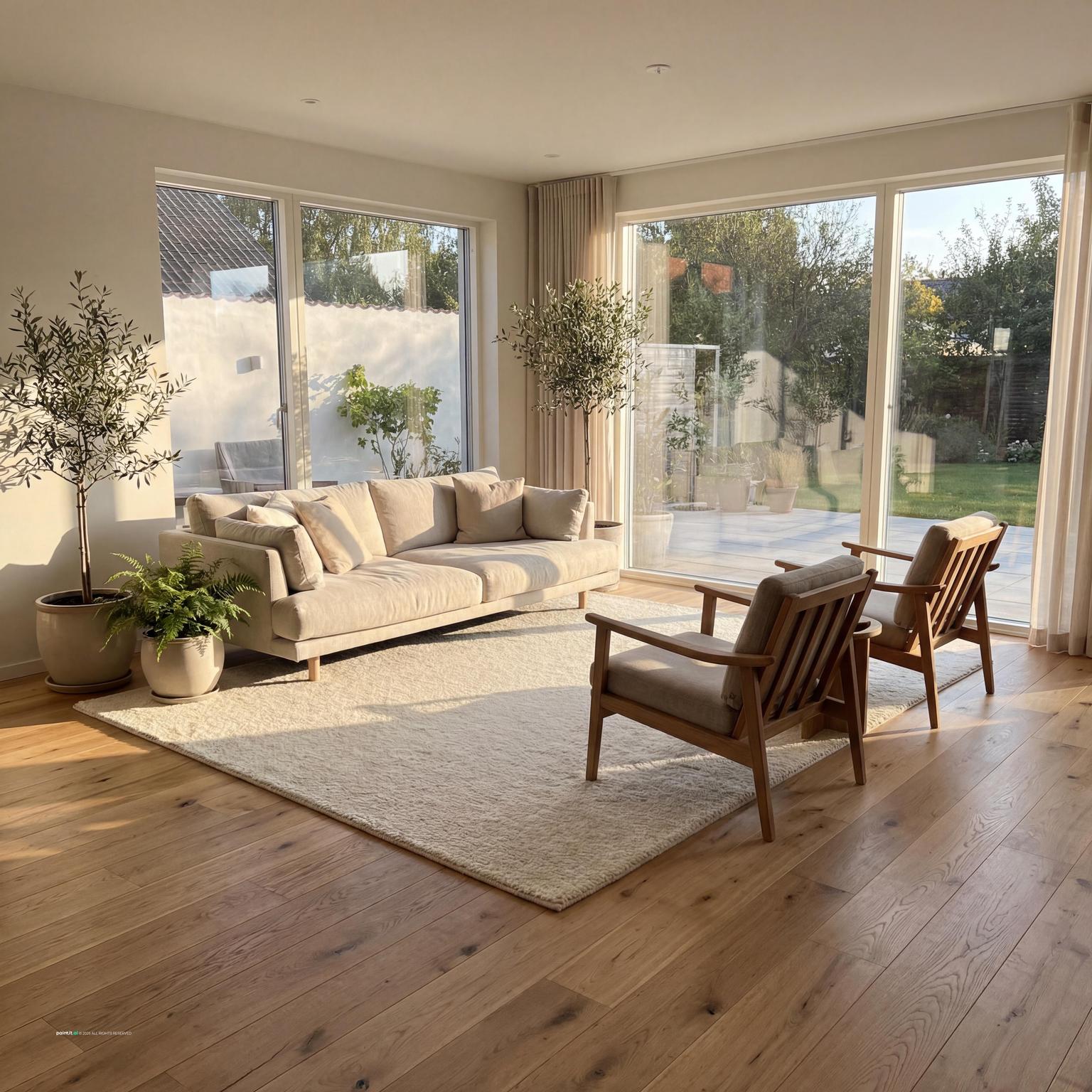
This elegant victorian style living room, beautifully illuminated by natural light, offers a serene and inviting atmosphere with refined classic decor.
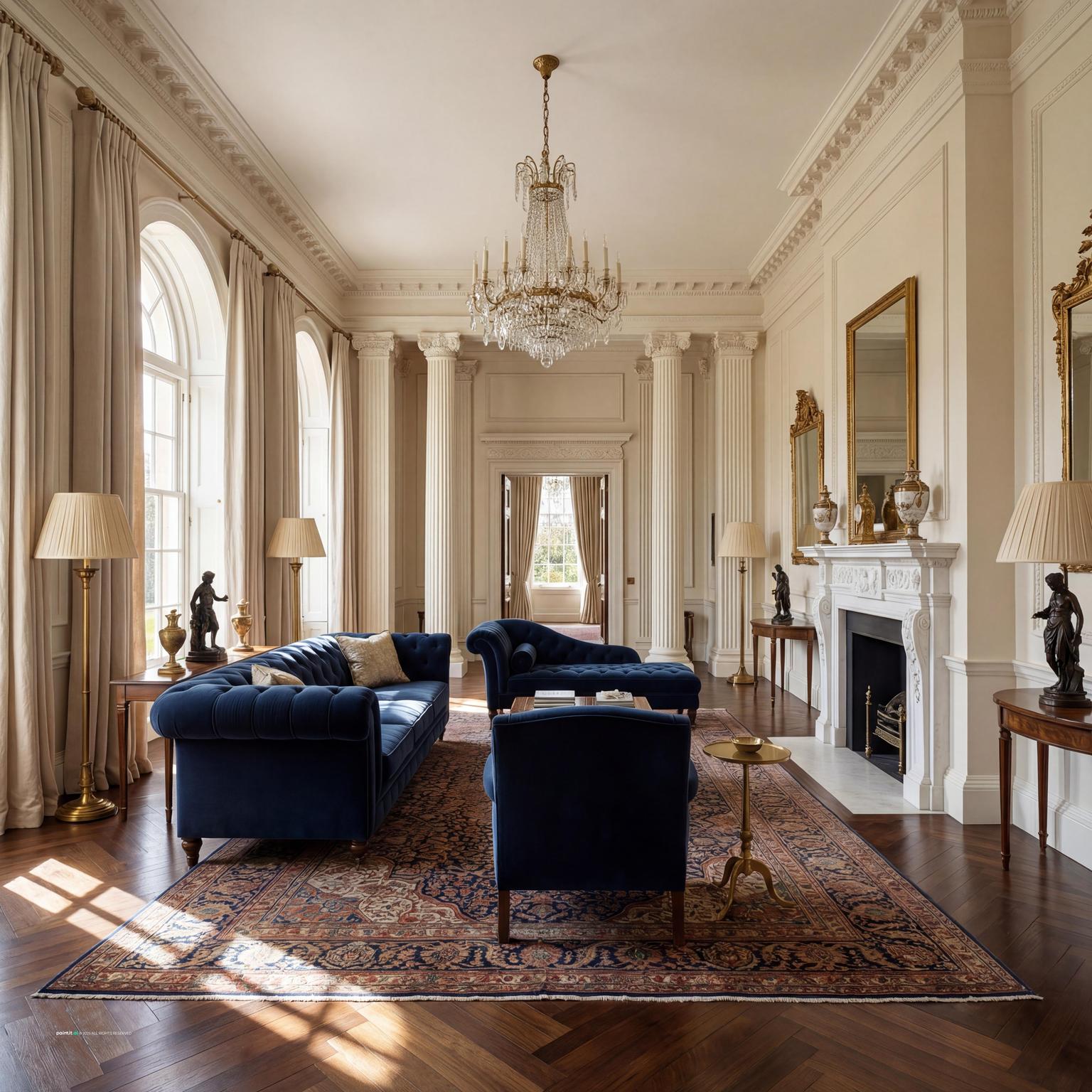
Discover an elegant Neoclassical victorian style living room, defined by classical architectural elements and sophisticated antique furnishings, exuding timeless grace.
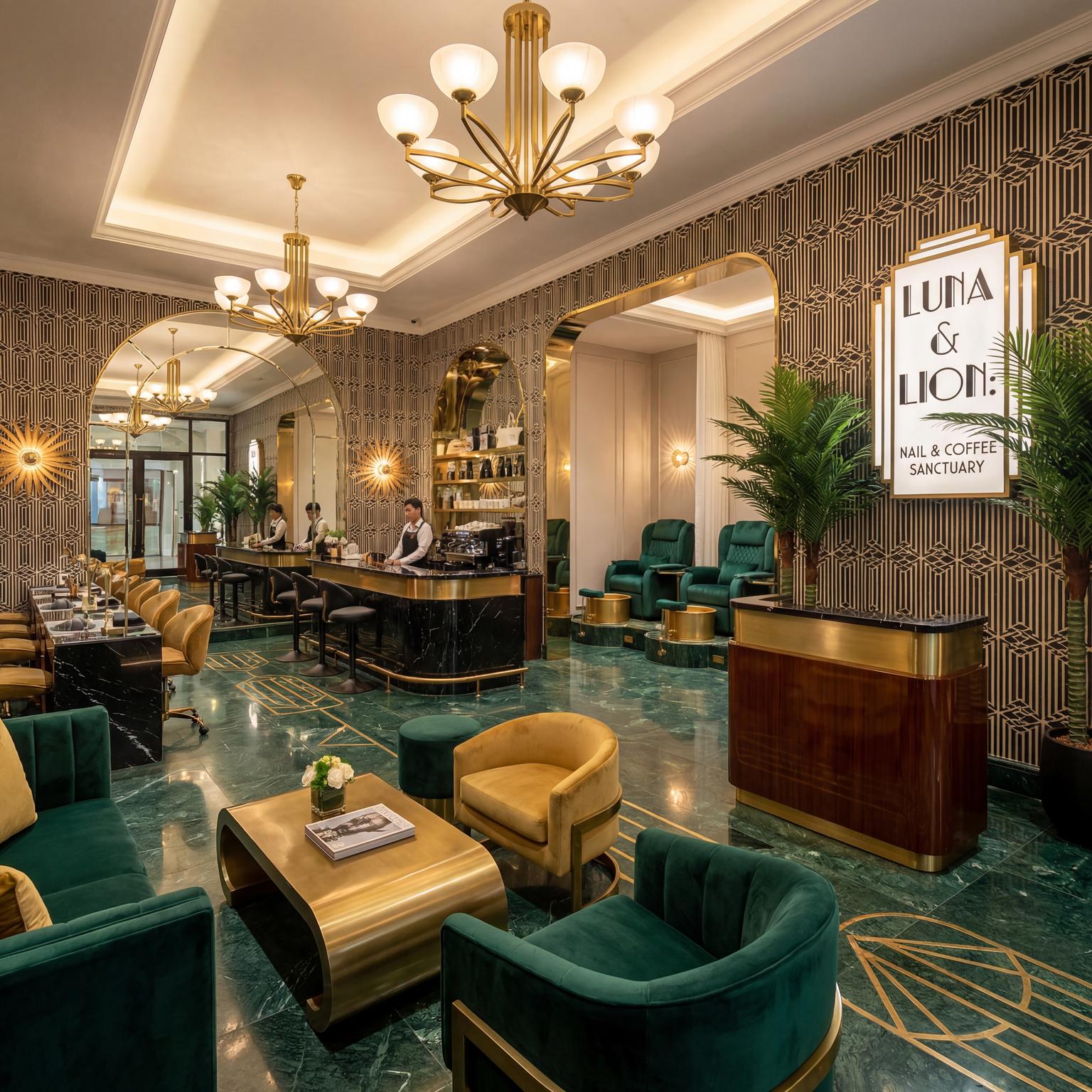
This opulent Art Deco victorian style living room design features luxurious materials and intricate detailing, creating a grand and sophisticated ambiance.
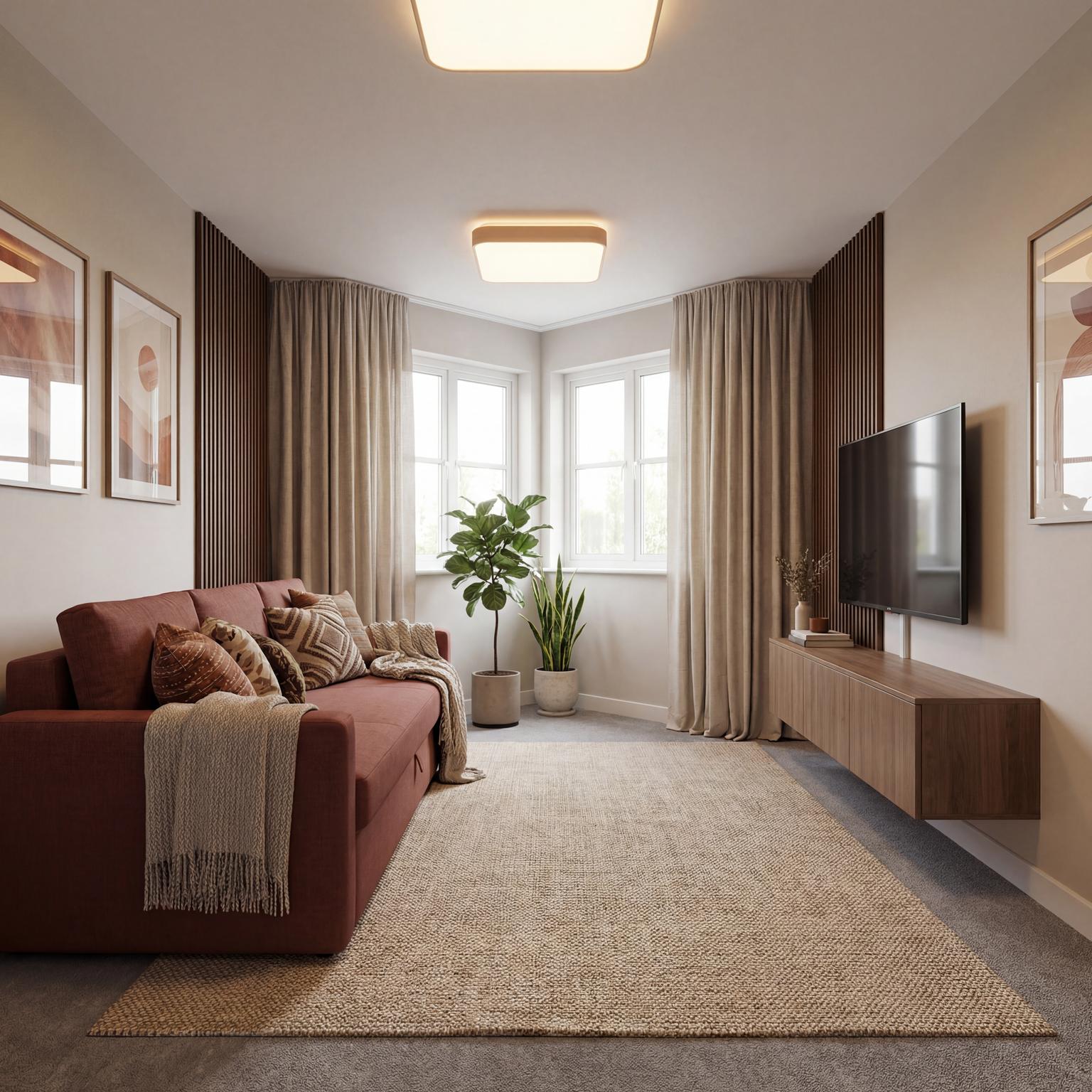
An elegant redesign transforms this cozy victorian style second living room into an intimate retreat, perfect for relaxation and refined conversation.
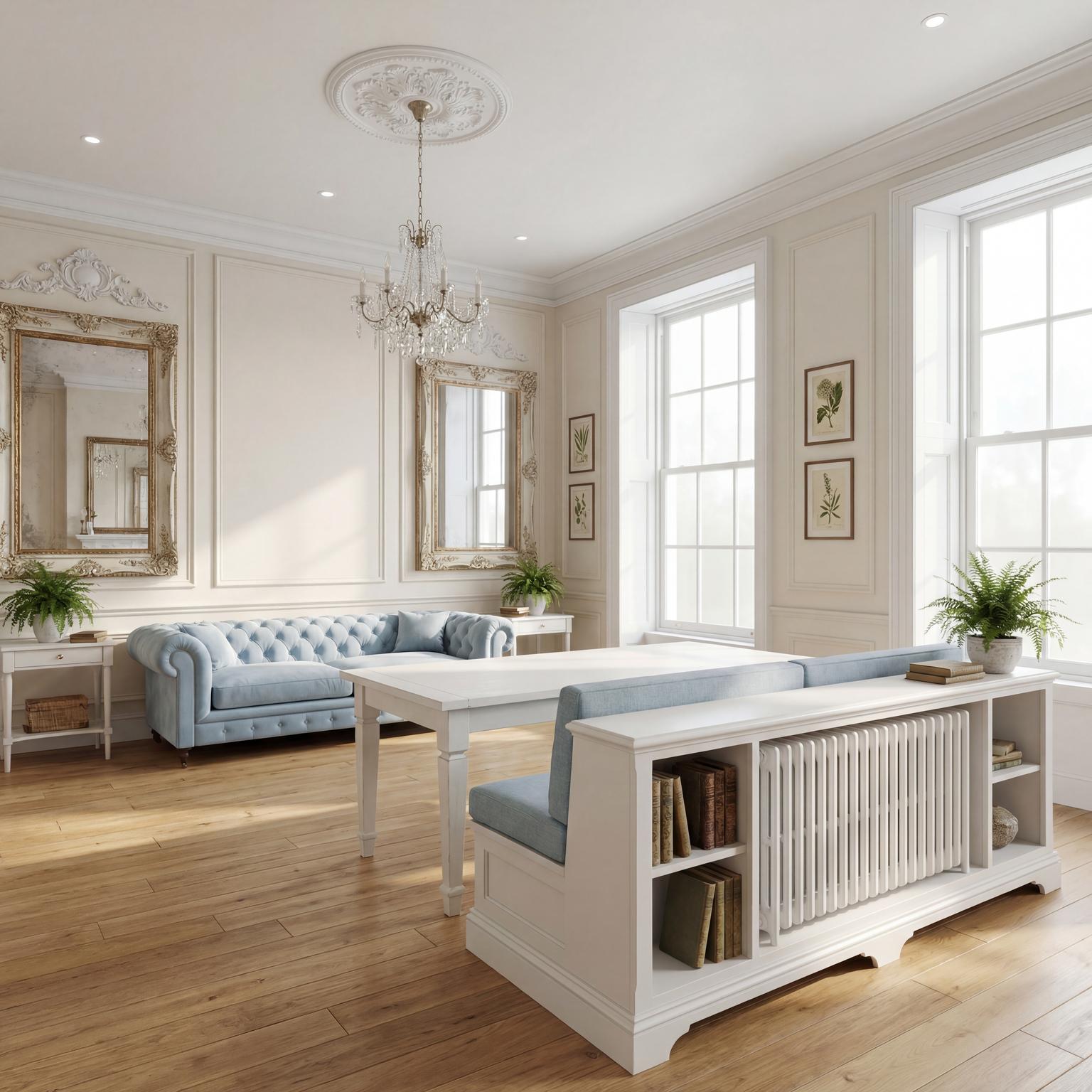
Elegant Victorian Living Room Design brings together daylight, linen, and wood for a more composed living room direction.
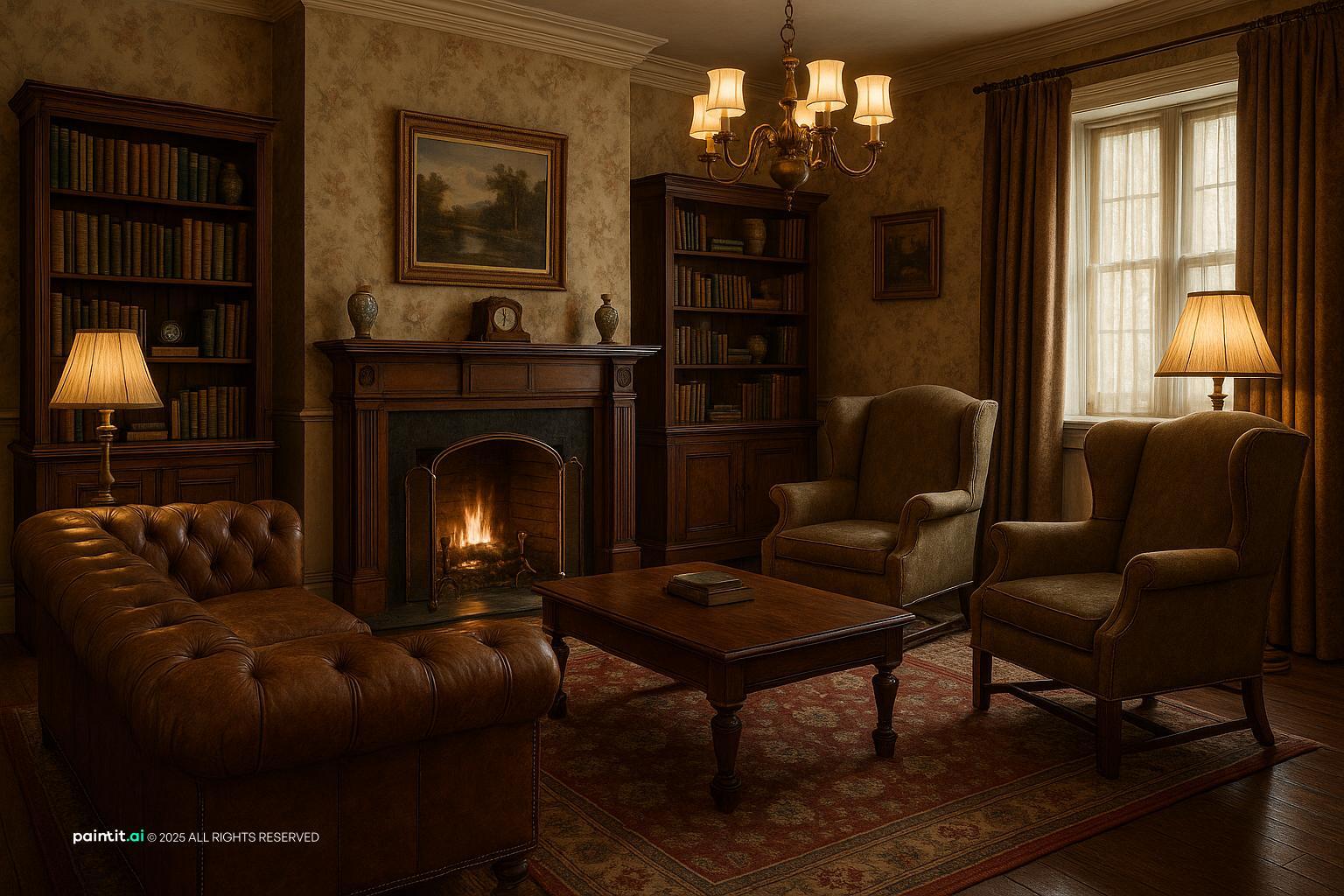
Elegant Vintage Living Room Design brings together daylight, wood, and rug for a more composed living room direction.
There's something undeniably luxurious about a deep, tufted velvet sofa. It’s often the anchor of any truly elegant Victorian living room, demanding attention and promising comfort. when it's the first piece you choose, letting its color and scale dictate the rest of the room's mood.
For implementation, consider a Chesterfield or a classic scroll-arm design in a rich jewel tone—emerald green, sapphire blue, or a deep burgundy. Pair it with smaller, less imposing chairs to maintain balance. a single, well-chosen sofa can do most of the heavy lifting here.
For a related take on the same room, explore Living Room Bali Style.
Victorian interiors were masters of detail, especially when it came to ceilings and walls. Ornate cornices, ceiling roses, and decorative plasterwork aren't just pretty; they add an incredible layer of historical authenticity. It’s about celebrating the bones of the house, or adding them in if your space is a bit more modern.
If you're lucky enough to have original features, highlight them with a contrasting paint color or subtle gilding. For new builds, consider installing period-appropriate moldings or a faux ceiling rose. This isn't just decor; it's an homage to craftsmanship.
For a related take on the same room, explore Living Room Kerala Style.
A Victorian living room interior often felt like a personal museum, filled with treasures. A gallery wall, done right, captures this spirit without feeling cluttered. It’s a chance to tell your own story, mixing art with personal mementos.
Start with a large, ornate mirror as your central piece, then build around it with framed botanical prints, dark landscape paintings, and even small, framed antique maps. Vary the frame styles—gilded, dark wood, even some with intricate carvings. The key is a slightly haphazard, collected-over-time feel.
One of the secrets to a truly cozy Victorian living room is the layering of textures. It’s what makes a space feel inviting, lived-in, and deeply comfortable. Think beyond just the sofa; every surface is an opportunity.
Combine plush velvet upholstery with silk cushions, a fringed throw, and a heavy damask curtain. On the floor, a large Persian or Oriental rug anchors the space, adding another dimension of pattern and softness. The more varied the textures, the richer the sensory experience.
Mahogany, walnut, rosewood—these dark, polished woods are synonymous with the Victorian era. Incorporating them generously is fundamental to a living room Victorian style. They bring a sense of gravitas and enduring quality.
Look for substantial pieces: a grand display cabinet, a heavy coffee table with turned legs, or a pair of side tables with intricate carvings. Don't shy away from mixing different dark wood tones; it adds to the collected feel. The thing is, these pieces aren't just furniture; they're heirlooms.
In a victorian style living room, the fireplace wasn't just for warmth; it was a statement. An ornate mantelpiece, often marble or carved wood, served as the room's natural center. It’s where eyes naturally land.
If you have an existing fireplace, enhance it with a period-appropriate mantel. Adorn it with a large, gilded mirror, candelabras, and perhaps a collection of antique porcelain figures. For a truly authentic touch, consider adding decorative tiles around the firebox opening. the power of a well-dressed hearth.
The Victorians loved color, and deep, saturated jewel tones were a hallmark of their interiors. Think rich emeralds, sapphire blues, ruby reds, and amethyst purples. This palette instantly evokes that sense of luxury and drama.
Don't be afraid to use these colors on walls, upholstery, and even in your drapery. A deep forest green on the walls can feel incredibly enveloping and cozy. Balance these intense hues with touches of gold, cream, or dark wood to prevent the room from feeling overwhelming. these colors actually make a room feel more intimate.
A single overhead light just won't cut it for a truly authentic victorian living room design. The Victorians understood the power of varied light sources to create atmosphere and highlight different areas of a room. It’s about crafting pools of light.
Start with a grand chandelier as your primary light source. Supplement this with wall sconces, perhaps gaslight-inspired, and several table lamps with fringed or fabric shades. A floor lamp by an armchair creates a perfect reading spot. This layering adds warmth and depth, making the space feel incredibly inviting after dusk.
The Victorian era had a fascination with the natural world, and this often translated into their interiors. Think lush houseplants, botanical prints, and floral patterns. It brings a touch of life to the often-heavy decor.
Place large potted ferns or palms in ornate planters in corners of the room. Incorporate botanical illustrations into your gallery wall or choose upholstery with subtle floral motifs. A vase of fresh flowers, even simple ones, can soften the grandeur. It reminds me of old-world conservatories.
A victorian living room wasn't just for show; it was for living, and that often meant reading. Carving out a dedicated, cozy spot for quiet contemplation is a wonderful way to embrace this aspect of the era.
Find a comfortable, tufted armchair—perhaps a wingback—and pair it with a small, ornate side table and a good reading lamp. A footstool or ottoman adds extra comfort. Place it near a window if possible, or by the fireplace. This little corner becomes a sanctuary, a place to truly unwind.
The Victorians were not shy about pattern. In fact, they embraced it with gusto, often layering different designs. This maximalist approach is key to creating that rich, layered victorian living room decor ideas often feature.
Consider a damask or floral patterned wallpaper for your walls, or even just an accent wall. On the floor, a large, intricately patterned Persian or Oriental rug pulls the room together, adding warmth and visual interest. Don't be afraid to mix patterns, as long as they share a similar color family or intensity. The result? Impeccable.
Gold and brass were everywhere in Victorian homes, adding sparkle and reflecting light. These gilded accents are essential for capturing the era's opulence without feeling ostentatious. It’s about strategic gleam.
Look for large, ornate mirrors with heavy gilded frames. Incorporate brass or bronze candelabras, picture frames, and decorative objects. Even the legs of a coffee table or the trim on an armchair can feature a touch of gold. These small details collectively elevate the entire space.
The second gallery leans into more specific directions through open, helping compare different ways the same living room can feel at home.
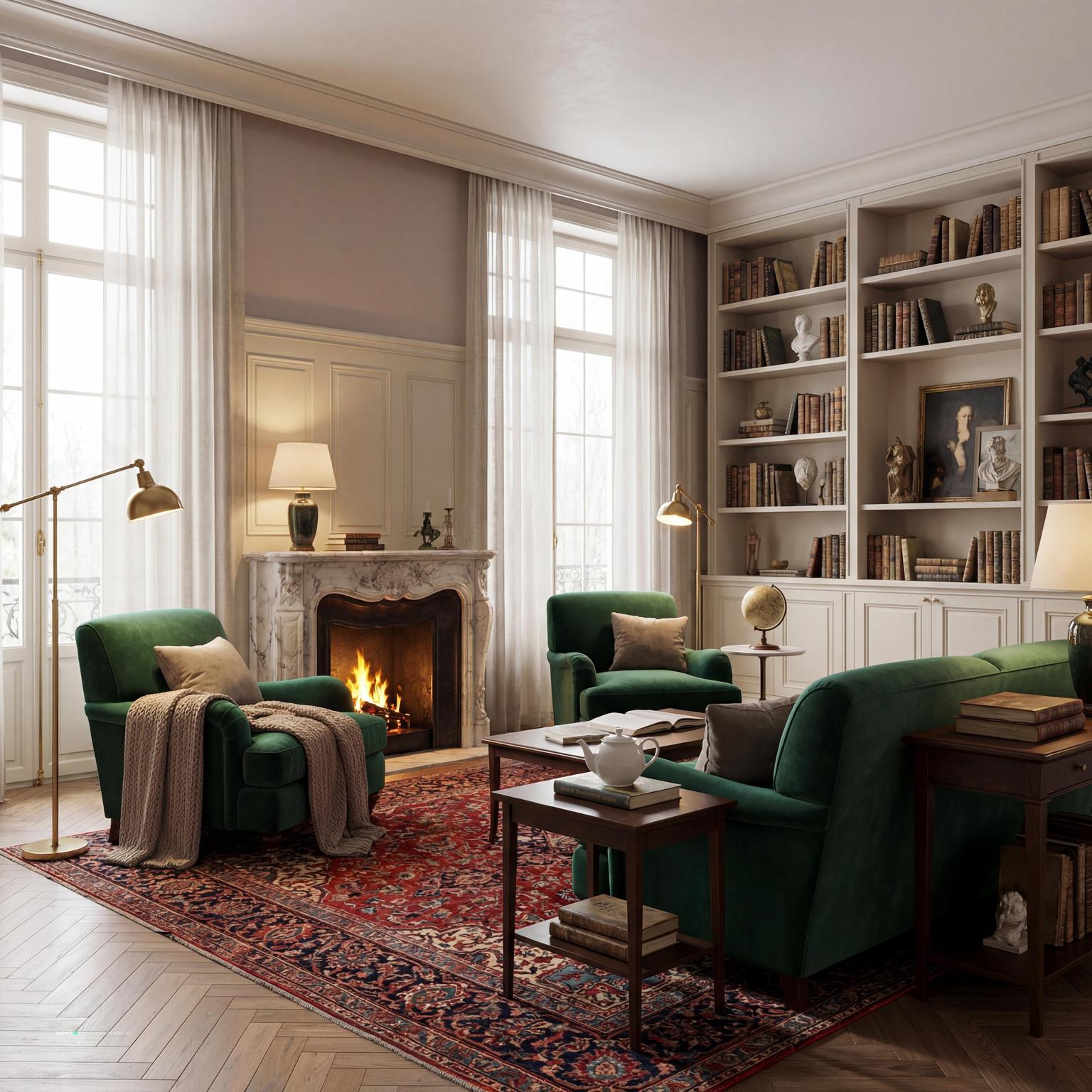
This cozy Neoclassical living room design beautifully captures the essence of a Victorian style sanctuary, blending historical grandeur with inviting comfort.
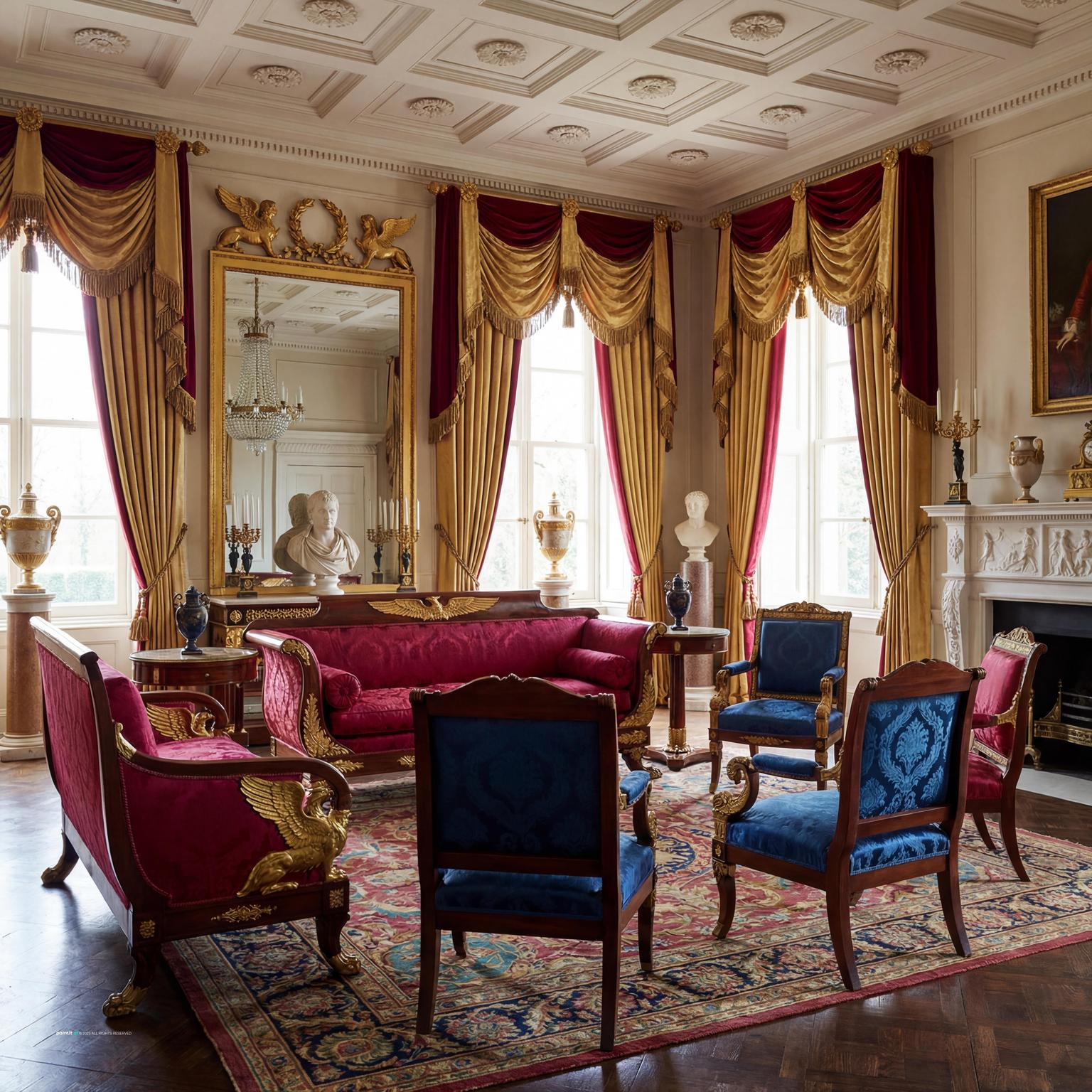
Discover the regal splendor of an elegant Empire-style living room, perfectly echoing the opulent and sophisticated charm of Victorian design.
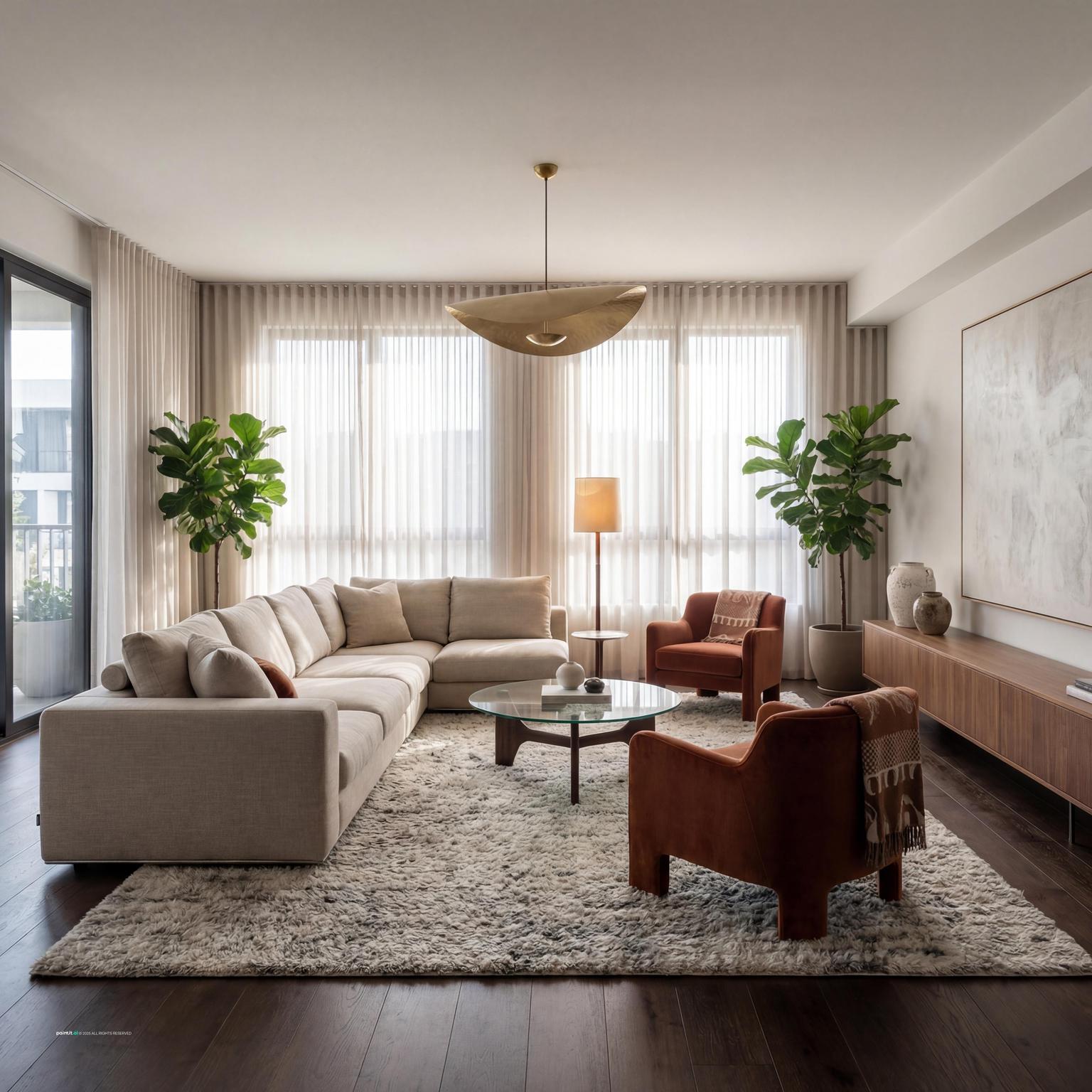
This luxurious and spacious living room design exudes Victorian grandeur, offering a magnificent setting filled with opulent details and historical charm.
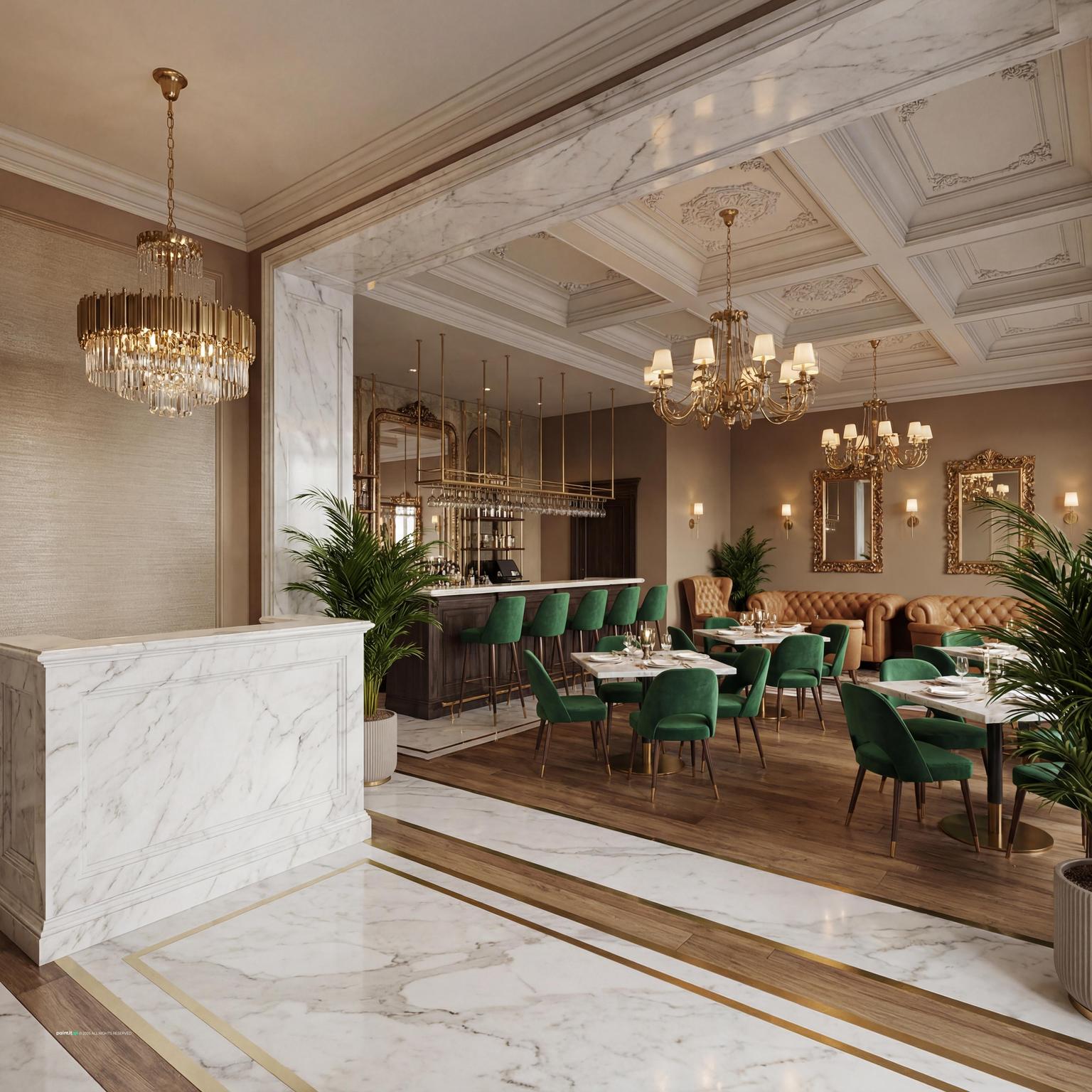
An elegant Neoclassical design, reminiscent of a grand Victorian style living room, inspires with its intricate details and sophisticated, timeless allure.
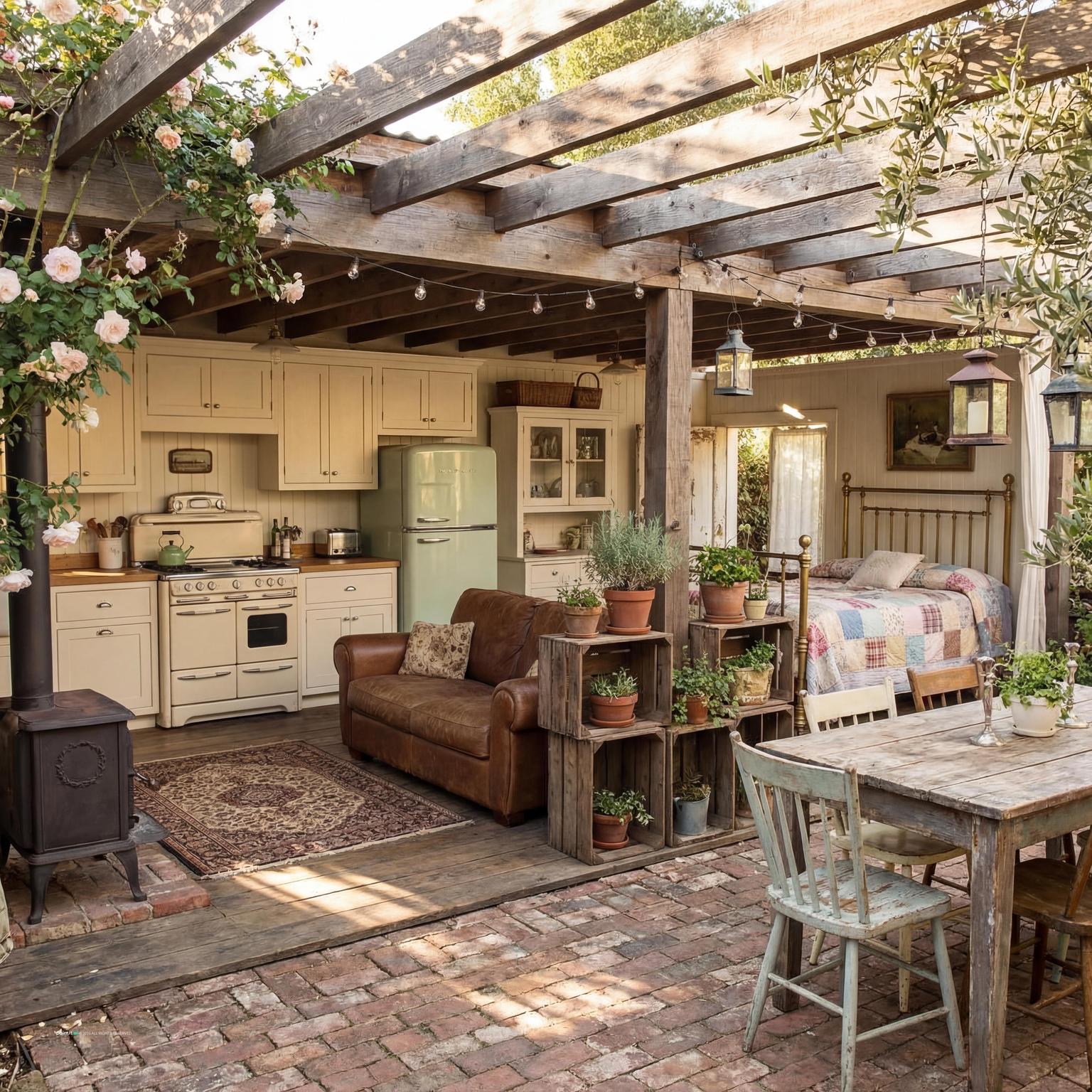
A charming vintage open-plan living room and kitchen beautifully integrates historical elements, evoking the warmth and character of a Victorian style home.
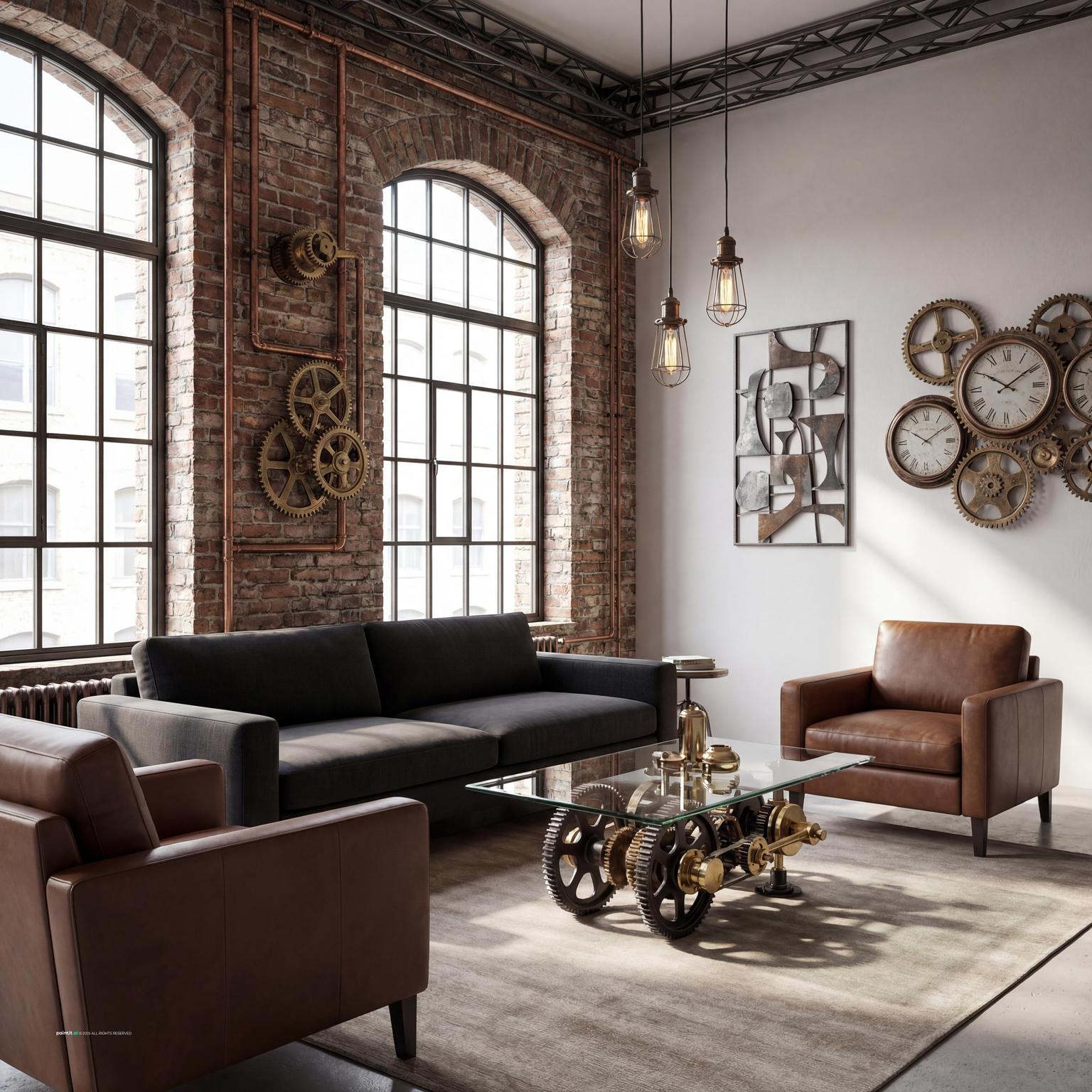
This steampunk-inspired living room design offers a contemporary twist on Victorian style, showcasing intricate details and a wonderfully imaginative, historical ambiance.
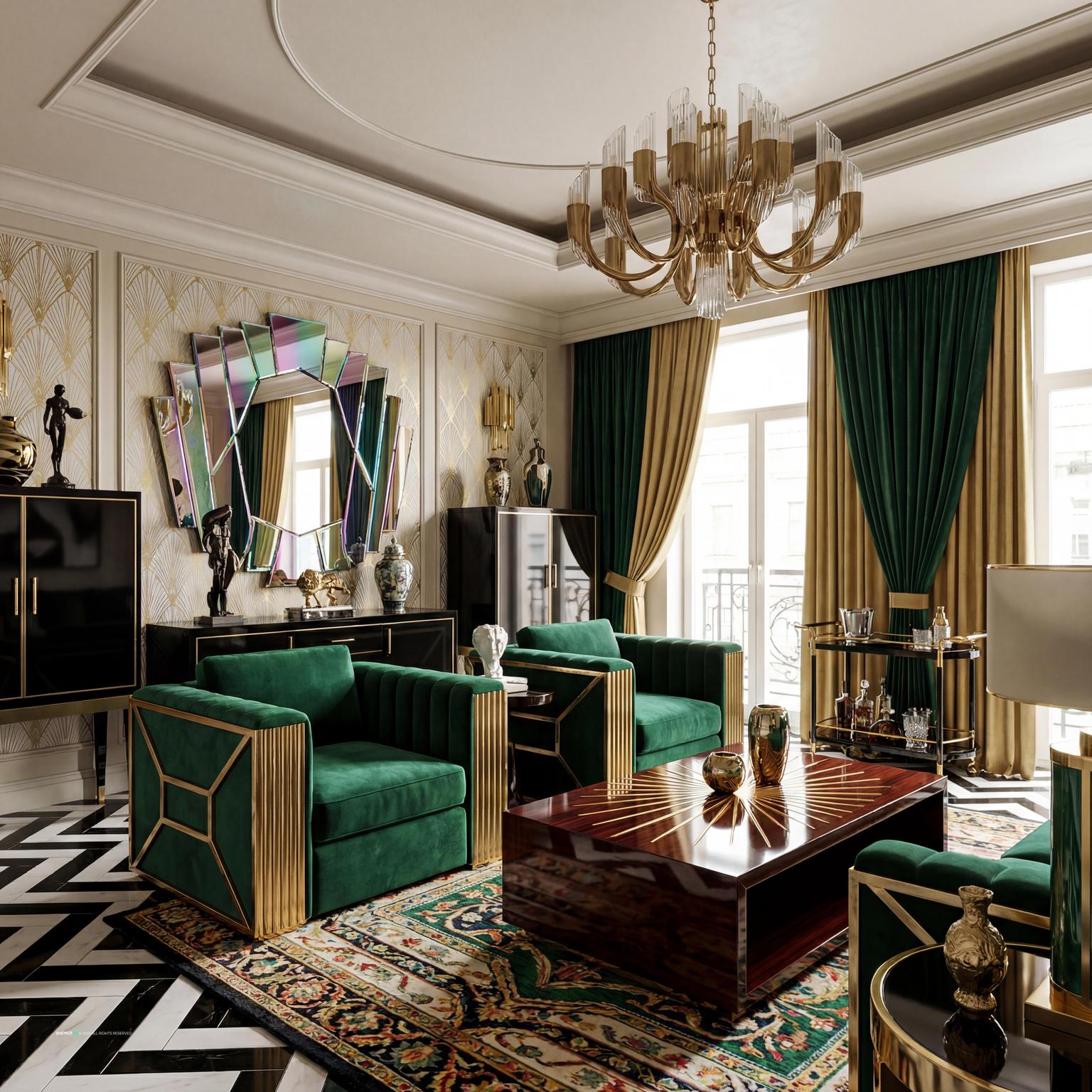
An elegant Art Deco living room design, with its rich textures and sophisticated patterns, echoes the luxurious and ornate spirit of a Victorian style space.
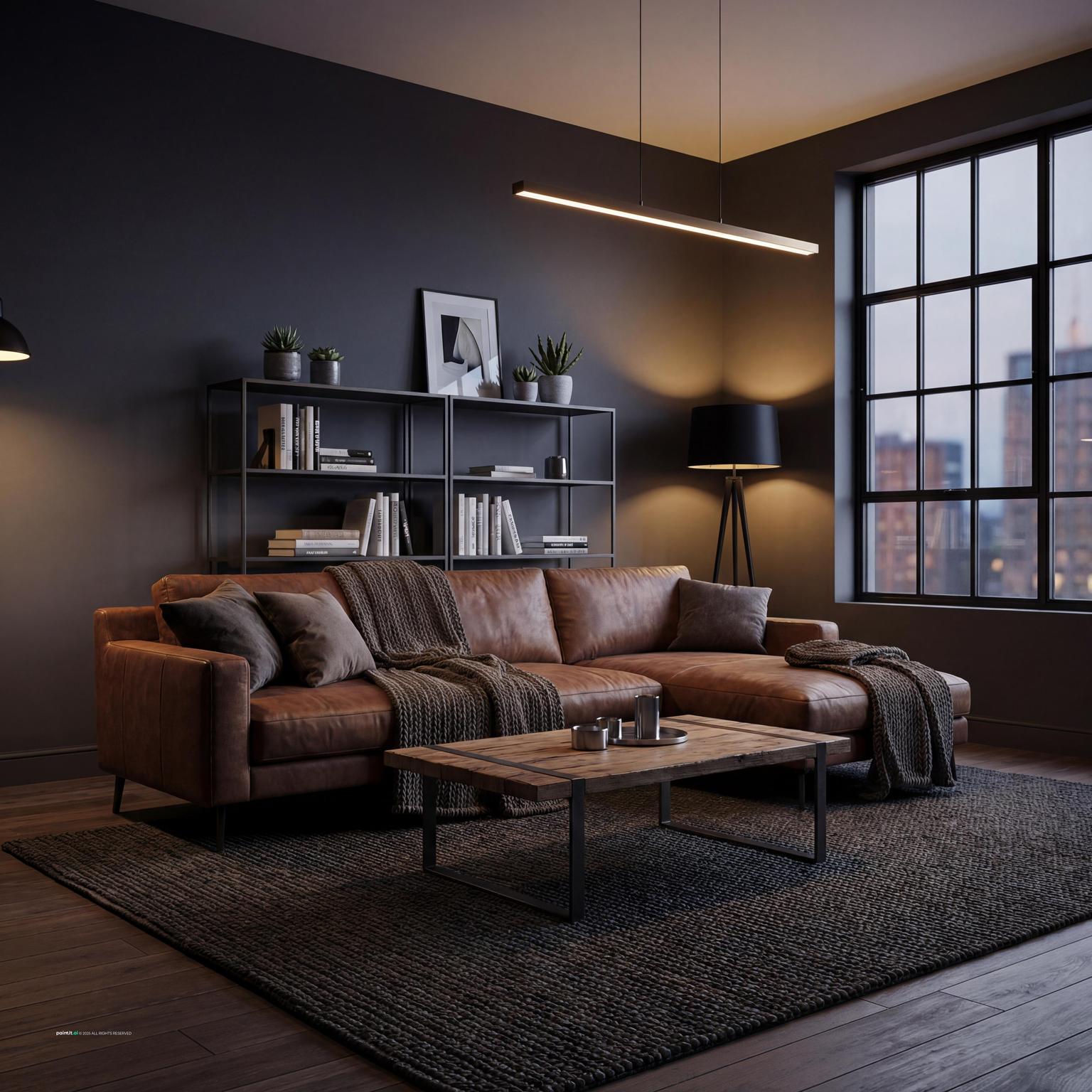
Embrace a stylish masculine living room design, reminiscent of a refined Victorian study, with its deep hues, classic furnishings, and sophisticated ambiance.
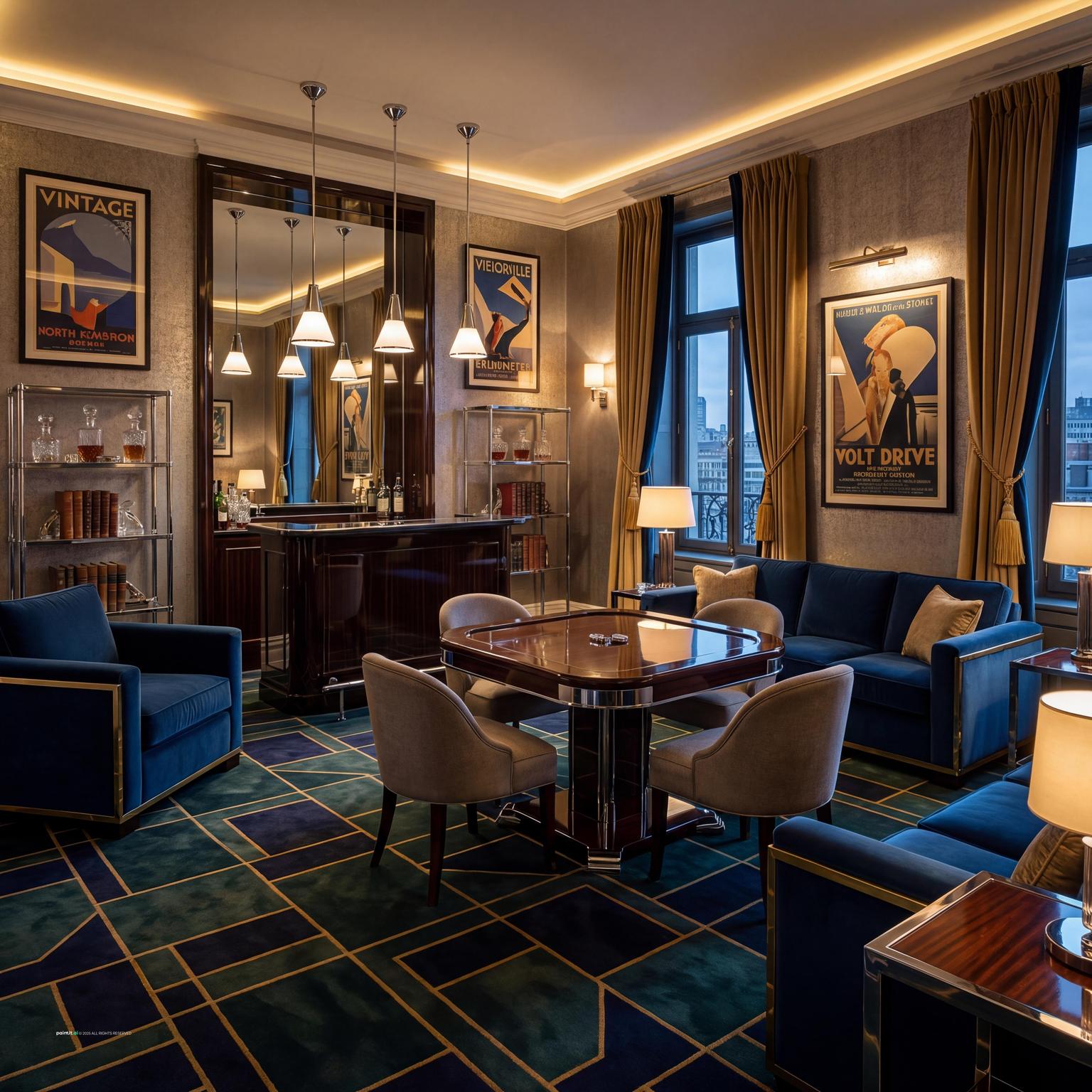
This Art Deco living room, infused with 'man cave' vibes, captures the opulent comfort and distinctive character often found in a grand Victorian style retreat.
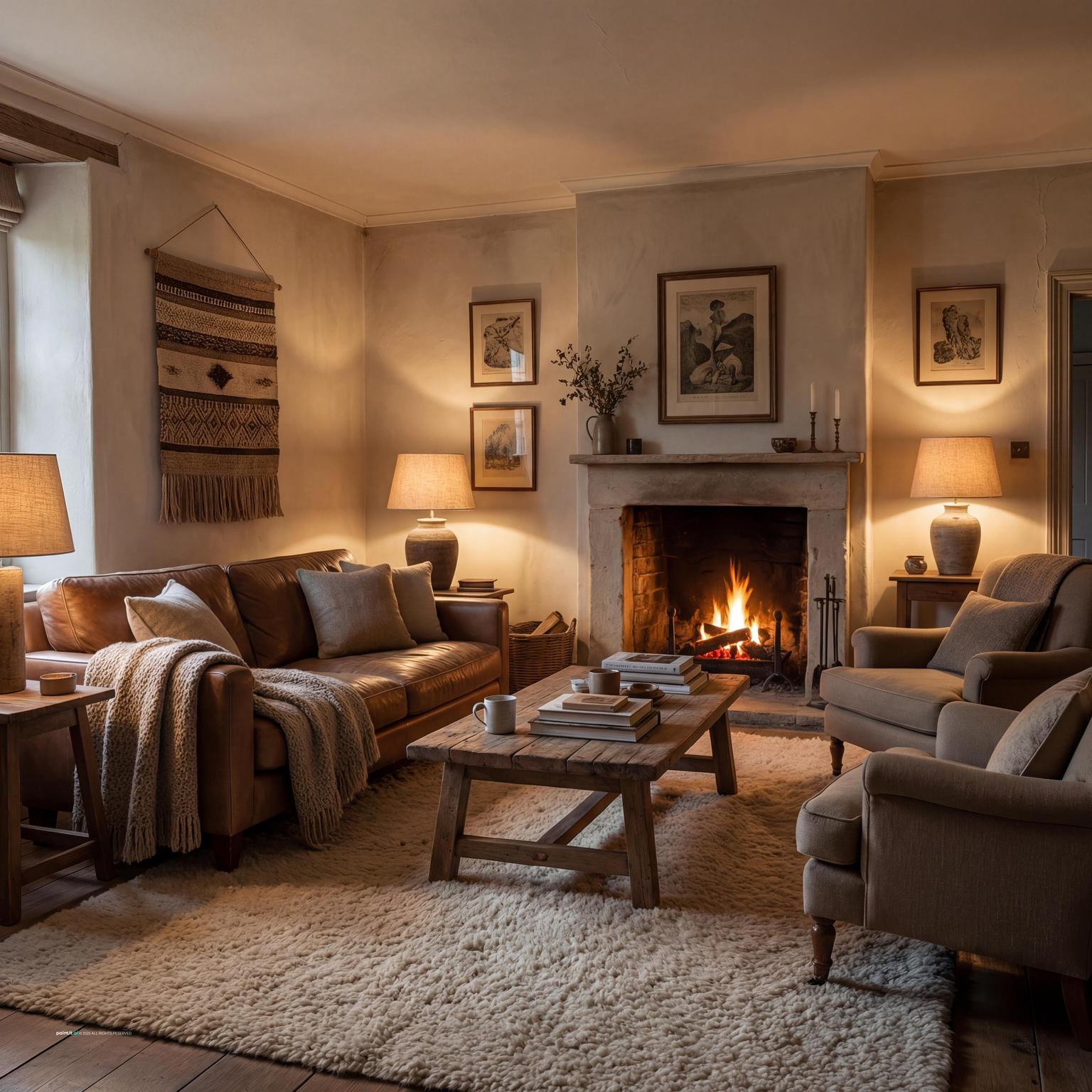
Find inspiration in this cozy living room interior design, where plush furnishings and rich textures create the inviting and intimate feel of a Victorian style parlor.
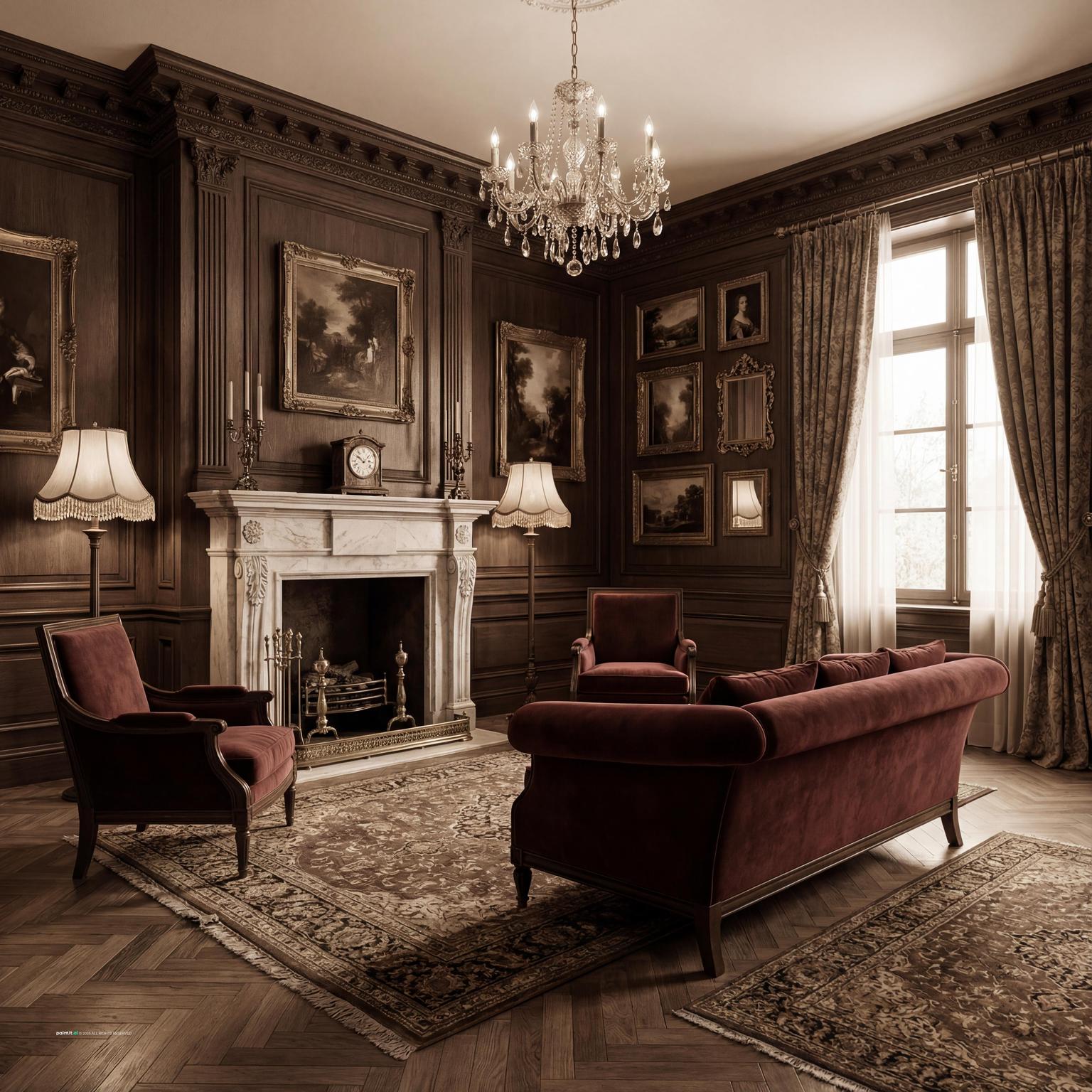
Elegant Vintage Living Room Design brings together daylight, oak, and wood for a more composed living room direction.
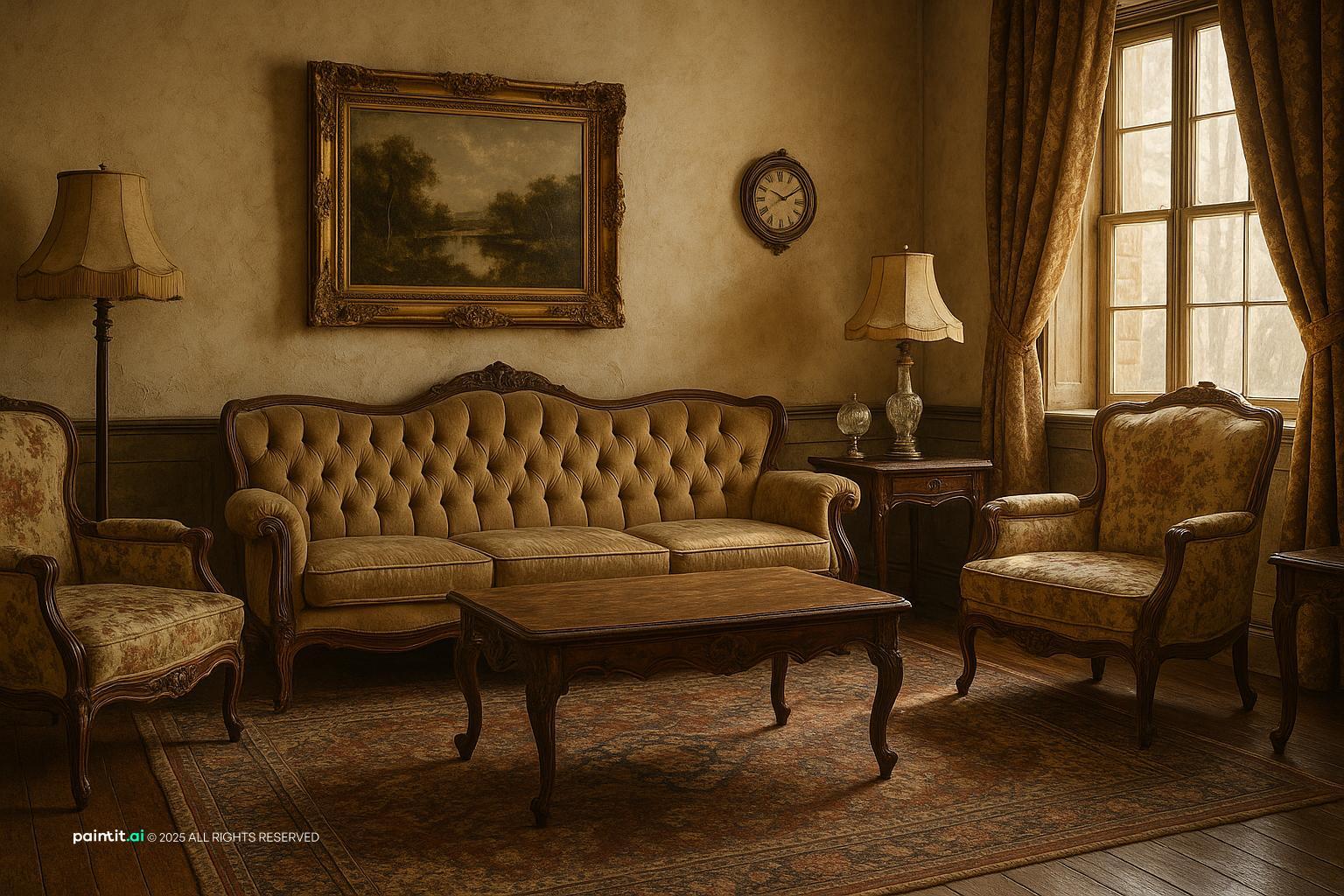
Victorian Style Living Room design brings together daylight, cream, and wood for a more composed living room direction.
Crafting a victorian style living room often means balancing opulent details without overwhelming the space; it's a common puzzle, really. Paintit.ai lets you instantly visualize how a grand velvet sofa or a curated gallery wall fits your victorian living room design, allowing you to perfect every layered texture and dark wood piece. Try it to bring your living room ideas victorian to life, avoiding costly mistakes.
Before changing furniture or finishes, you can preview the direction with an interior design visualizer.
At its core, a victorian style living room is about embracing opulence, intricate detail, and a sense of curated history. We're talking rich, deep colors—think emerald greens, ruby reds, or sapphire blues—often paired with dark, polished woods like mahogany or walnut. You'll see a lot of ornate furniture, often upholstered in velvet or brocade, with carved legs and detailed trim. It’s not just about individual pieces; it’s the layering of textures, patterns, and decorative elements that creates that distinct, luxurious feel. it’s a maximalist aesthetic, a deliberate move away from stark minimalism.
The trick to a cozy victorian living room that doesn't feel like a museum is balance. We often suggest blending a few key Victorian pieces—maybe a Chesterfield sofa or a grand fireplace mantel—with more contemporary elements. Think about lighter wall colors to open up the space, perhaps a soft gray or a muted cream, which allows the rich textures of your Victorian furniture to truly pop. Layering textiles, like a chunky knit throw over a velvet armchair, adds instant warmth. And lighting? Absolutely crucial. Ditch harsh overheads for multiple lamps with warm, ambient light. I’ve seen this work best when people focus on comfort and a lived-in feel, rather than strict historical accuracy. It’s about creating an inviting sanctuary.
When we talk about victorian living room decor ideas, we're thinking about those specific touches that really bring the era to life. High on the list are heavy, floor-length draperies, often in a rich fabric like damask or velvet, perhaps with a fringe. A gallery wall, brimming with framed art, botanical prints, or even family portraits, is a must. Don't forget the fireplace; it's often the heart of a victorian living room interior, adorned with a decorative mantelpiece and perhaps a large, ornate mirror above it. We also love the inclusion of antique curios, porcelain figurines, and brass accents. the power of a well-placed, fringed lampshade or a collection of leather-bound books. These details, small as they seem, make all the difference.
Designing a living room victorian style in a compact area requires a thoughtful approach. The biggest mistake we see? Over-cluttering. Instead of trying to cram in every Victorian element, focus on a few impactful pieces. Choose one statement furniture item, like a beautifully carved settee, rather than a full suite. Use mirrors strategically to expand the visual space and bounce light around. Opt for slightly lighter versions of traditional Victorian colors—a dusty rose instead of a deep burgundy, for instance. And verticality is your friend; tall, narrow bookcases or floor-to-ceiling drapery can draw the eye upward, creating an illusion of height. It’s about editing, really; curating a powerful impression without overwhelming the room.
Traditionally, a living room victorian style embraced deep, saturated jewel tones: think dark forest greens, rich burgundies, deep blues, and even purples. These were often paired with dark wood paneling and intricate wallpaper patterns. For a more contemporary take on a victorian living room interior, we often suggest a slightly softer palette. You can still use those deep tones, but perhaps as accents—a velvet armchair in emerald, or throw pillows in a rich sapphire—against a backdrop of more muted colors like warm grays, creams, or even a sophisticated, inky blue. The key is to maintain that sense of depth and richness, even if you're not going full maximalist. It’s about creating a moody, enveloping atmosphere, not just painting walls.