
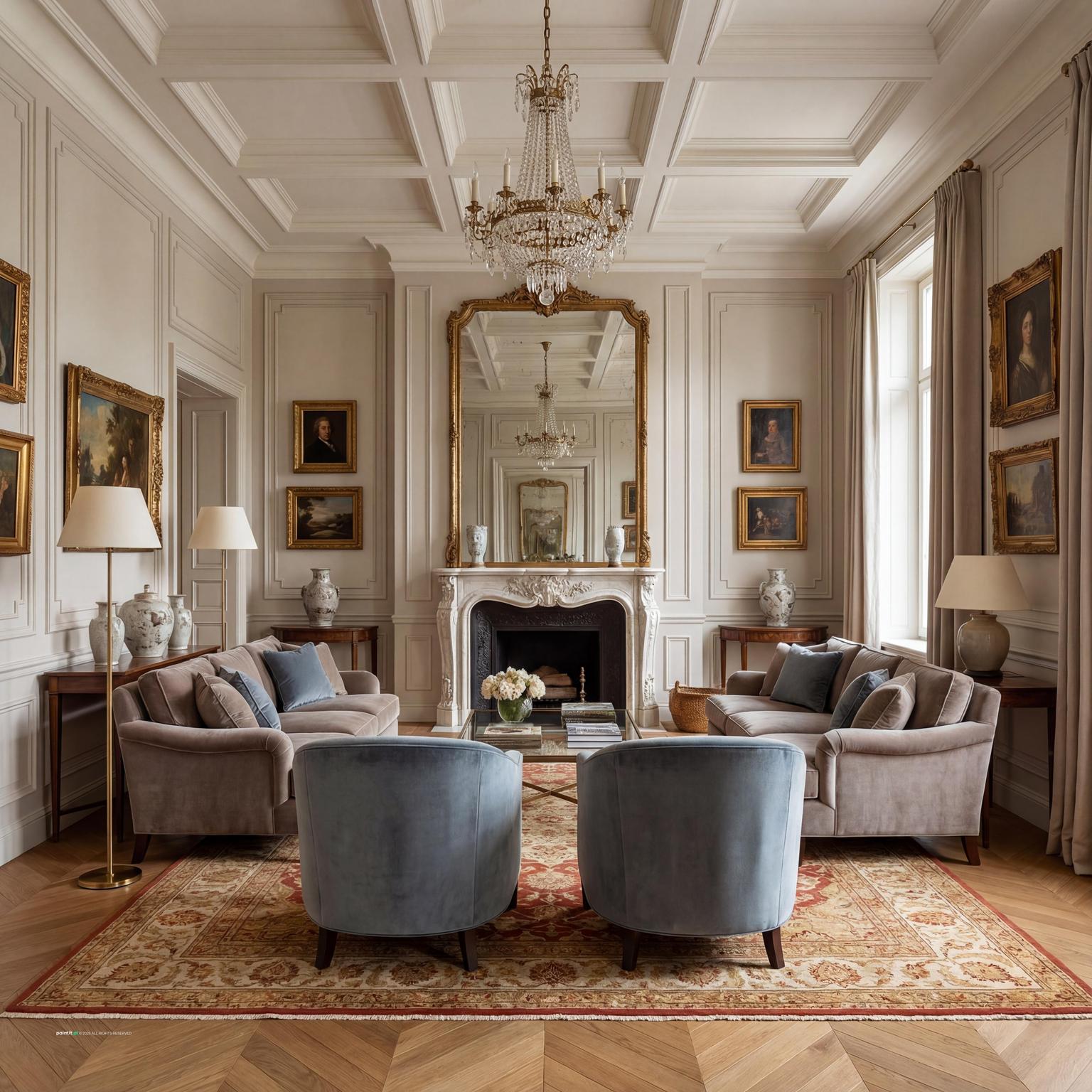
Elegant Neoclassical Living Room Design
This elegant neoclassical traditional classic living room captivates with its refined details, symmetrical design, and luxurious materials, offering a timeless and inviting ambiance.
Imagine sinking into a plush velvet sofa, surrounded by rich wood and elegant patterns. The traditional classic living room offers a sense of enduring comfort and refined beauty, a space where every piece feels thoughtfully chosen. But how do you bring that layered, inviting atmosphere to life in your own home without it feeling dated or overly formal?
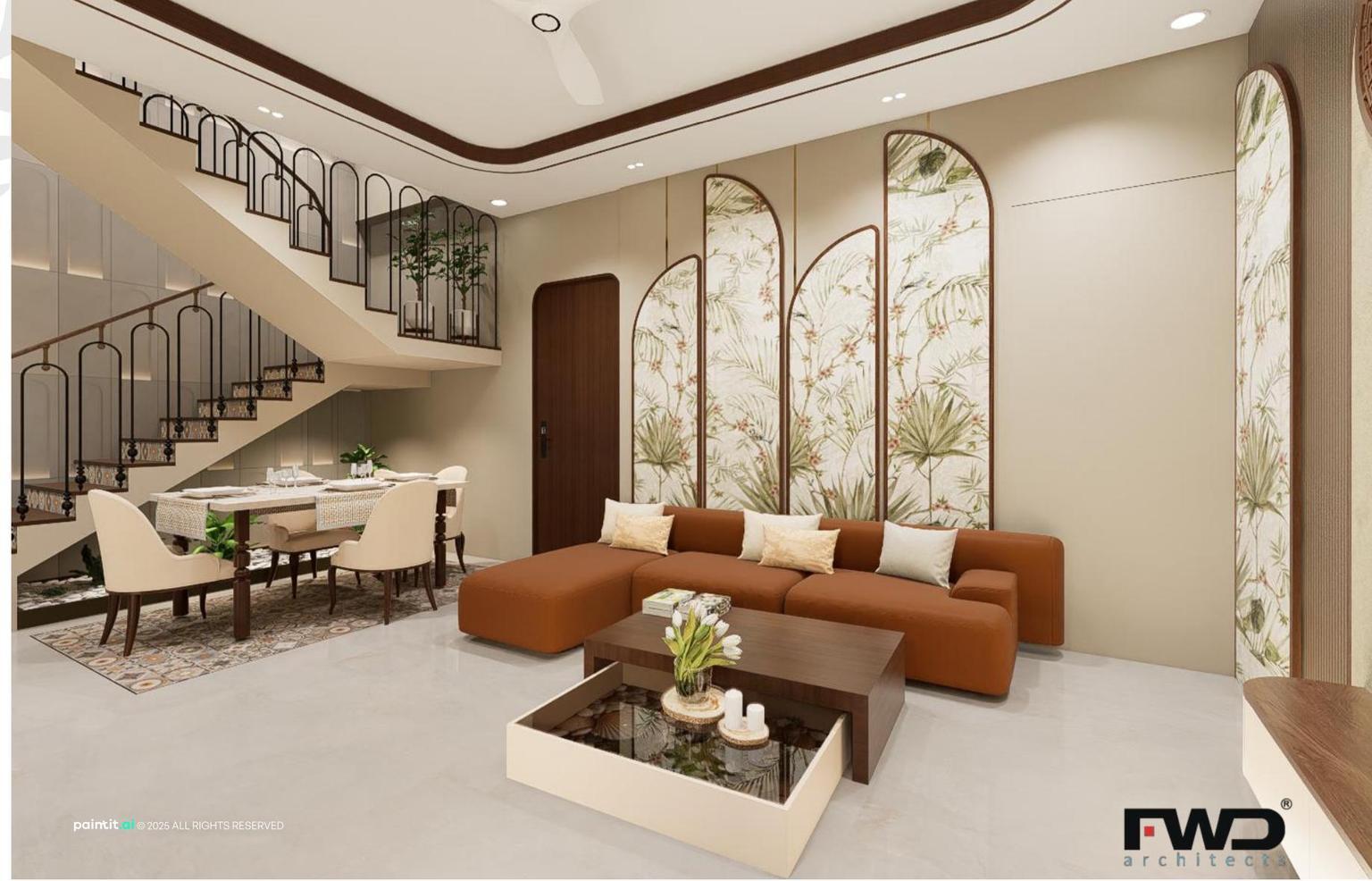
We often see clients struggling to balance grandeur with genuine warmth. the traditional classic living room, at its core, is about creating a sanctuary of enduring style and sophisticated comfort. It’s a space where rich wood finishes, plush velvet upholstery, and carefully curated antique furniture converge to tell a story of heritage and refined taste. Achieving this timeless elegance requires a nuanced understanding of proportion, texture, and light. Think ornate mouldings, layered textiles, and the soft glow of a crystal chandelier. Most people forget that true classic interior design isn't just about replicating historical styles; it's about adapting them for modern living. In this guide, we will explore the foundational principles, key design elements, and common pitfalls to avoid when crafting your own formal living space. It might seem odd at first, but visualizing these intricate details is crucial. This is precisely where Paintit.ai becomes an invaluable partner, allowing you to instantly see how a new colour palette or a different furniture arrangement transforms your vision into reality.
Before changing furniture or finishes, you can preview the direction with an AI living room design tool.
This gallery brings the abstract idea of traditional classic into something visible: wood, daylight, matte.
This elegant neoclassical traditional classic living room captivates with its refined details, symmetrical design, and luxurious materials, offering a timeless and inviting ambiance.
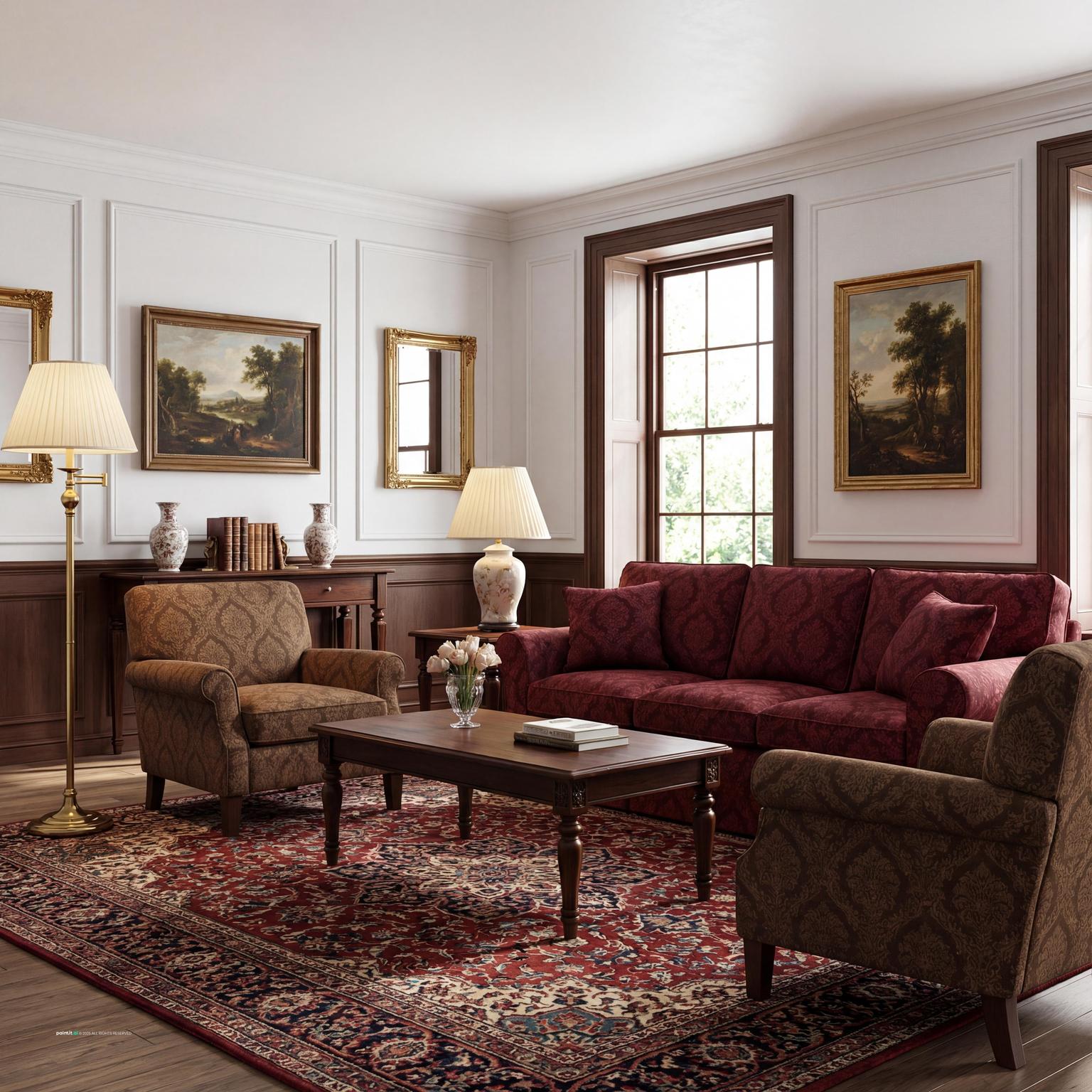
Discover how IKEA furniture creates a warm, inviting traditional classic living room, featuring rich colors, intricate patterns, and authentic, budget-friendly elegance.
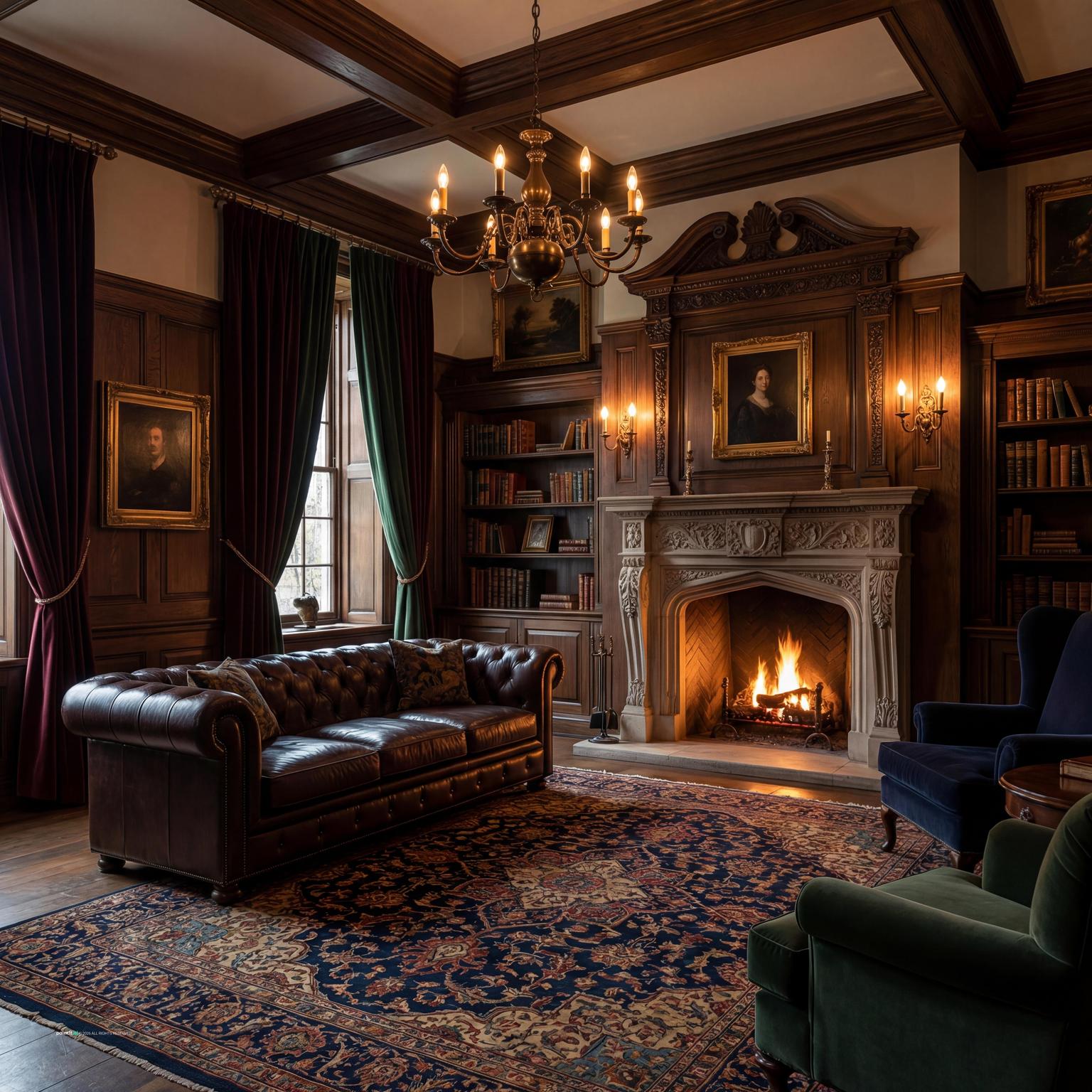
Immerse yourself in this luxurious traditional classic living room, where dark wood, deep colors, and antique furnishings create a cozy, sophisticated, and moody atmosphere.
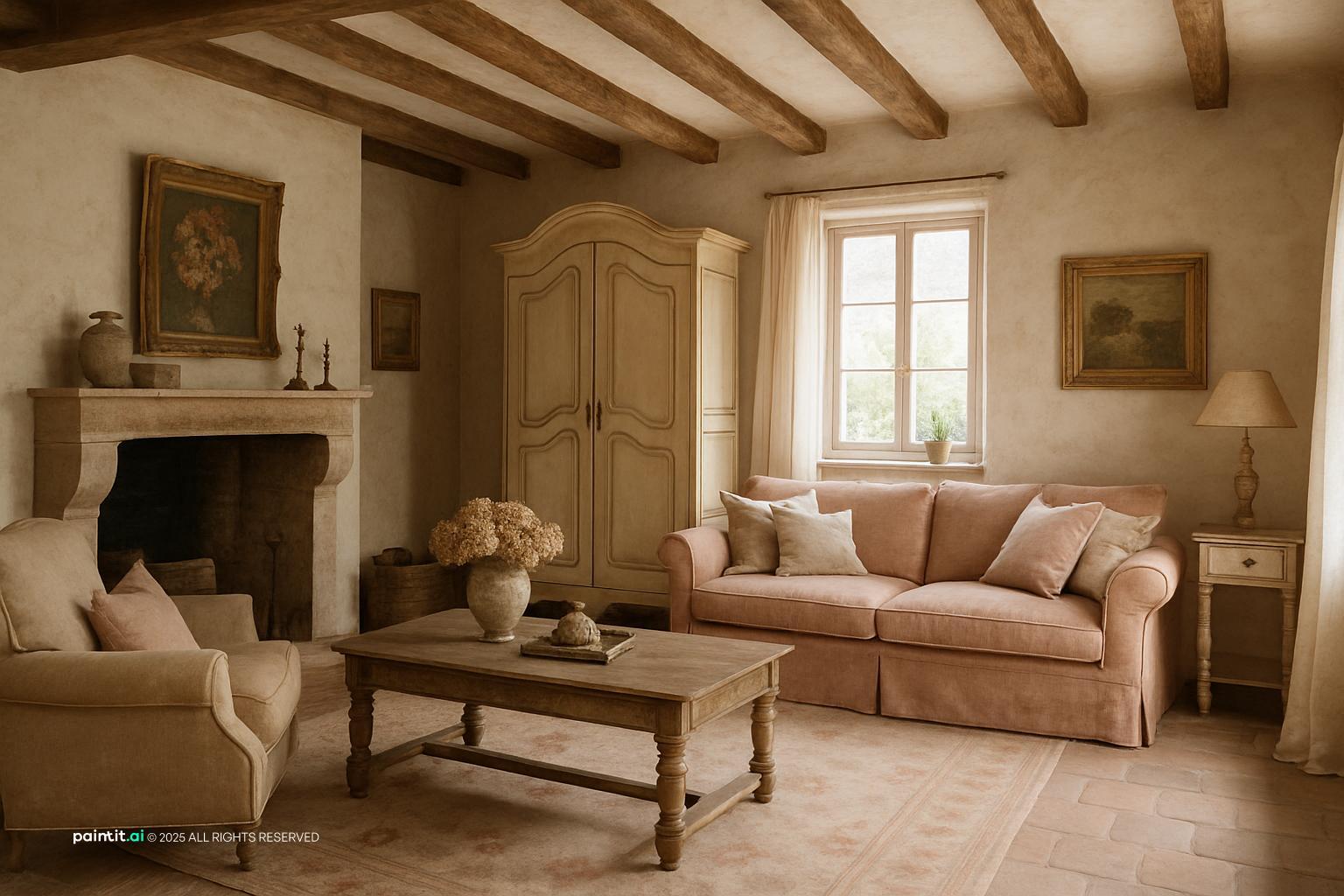
This French Country traditional classic living room exudes rustic elegance, with vintage decor, warm pastels, and natural light creating a cozy, inviting ambiance.
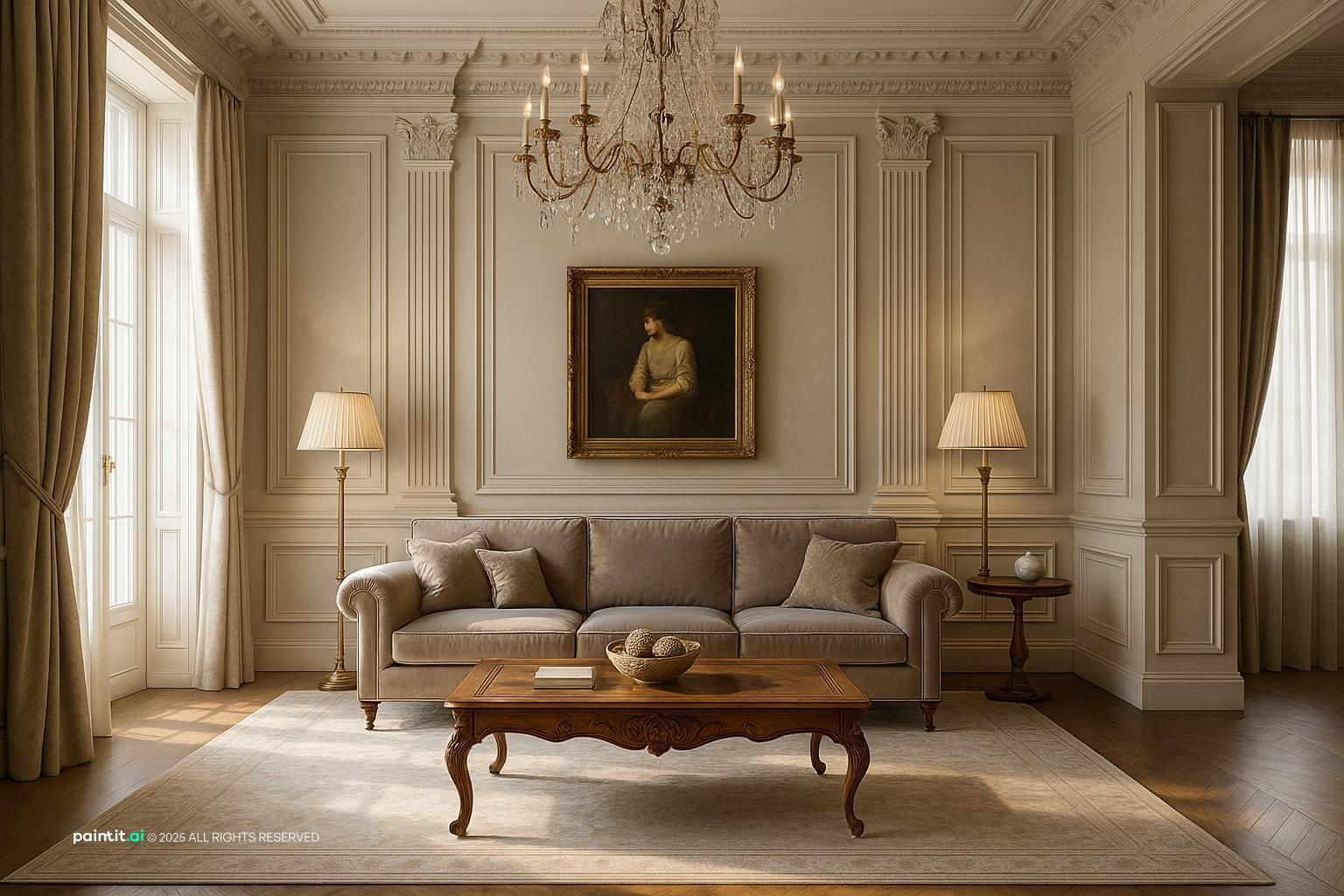
A neoclassic traditional classic living room showcases symmetrical balance, intricate mouldings, and elegant furnishings, bathed in bright natural daylight for visual harmony.
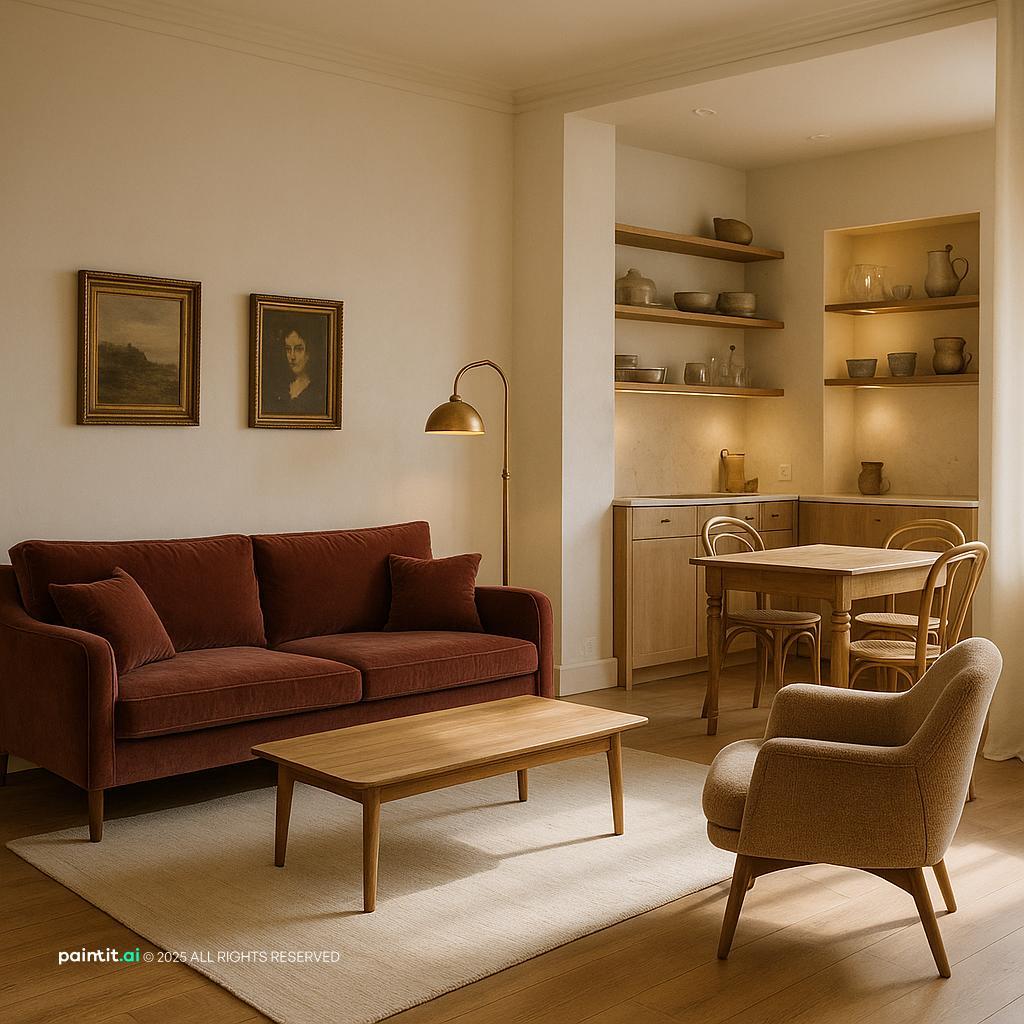
This modern vintage traditional classic living room and kitchen nook blends European charm with warm minimalism, creating a cozy, inviting space bathed in natural light.
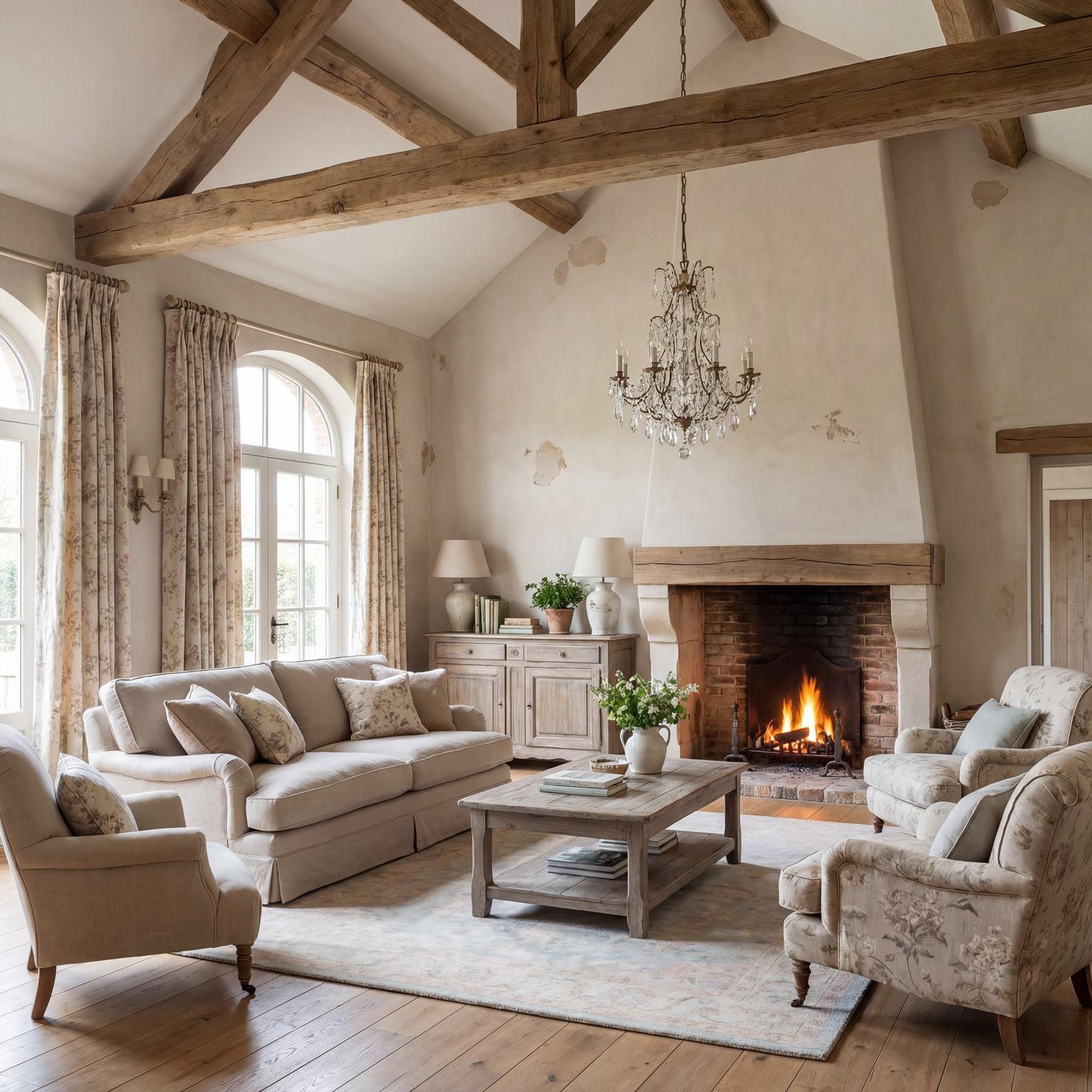
Experience the charm of this elegant French Country traditional classic living room, where rustic elements meet refined decor for a truly cozy and inviting interior.
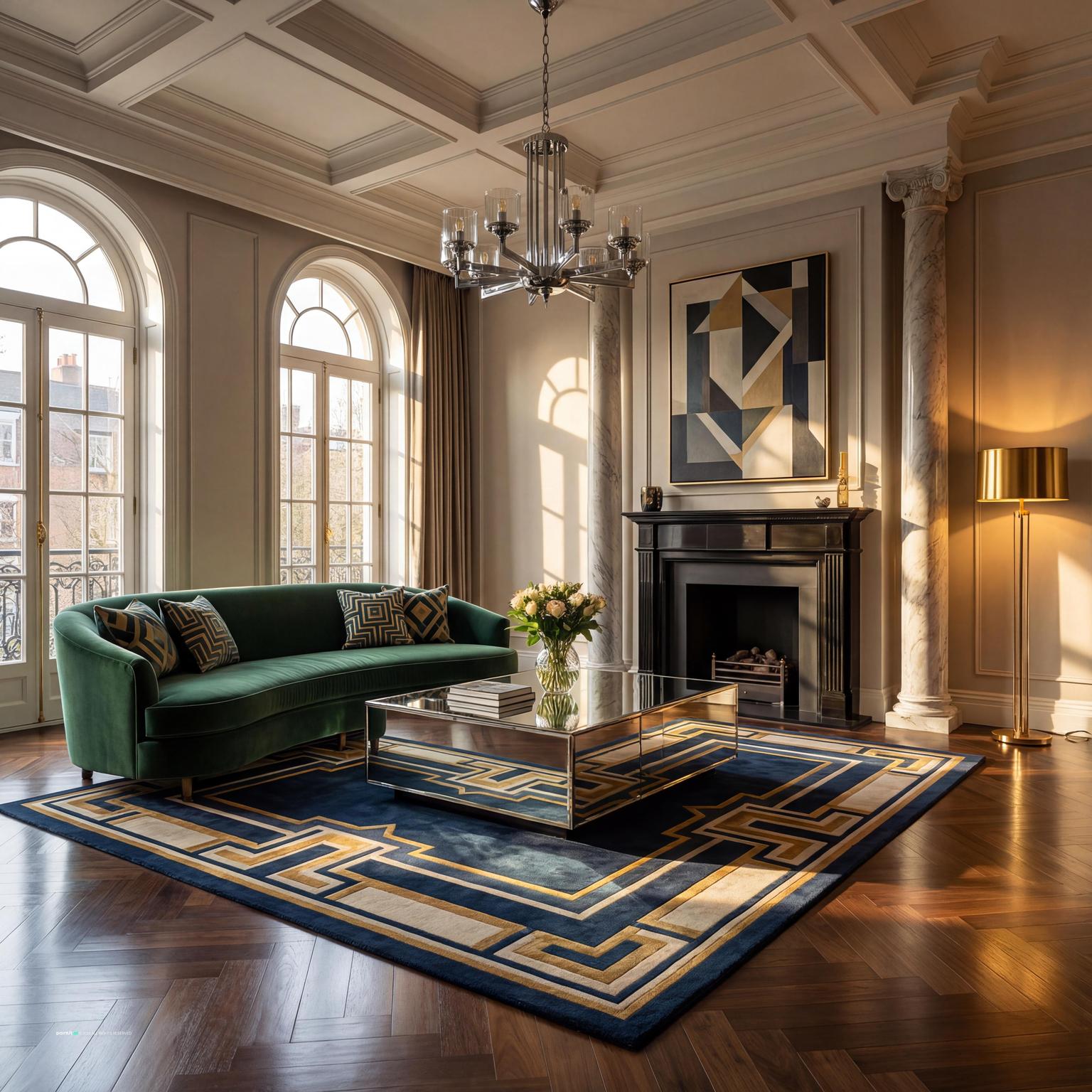
Step into a luxurious Art Deco traditional classic living room, where geometric patterns, deep jewel tones, and polished surfaces evoke the golden era's grandeur.
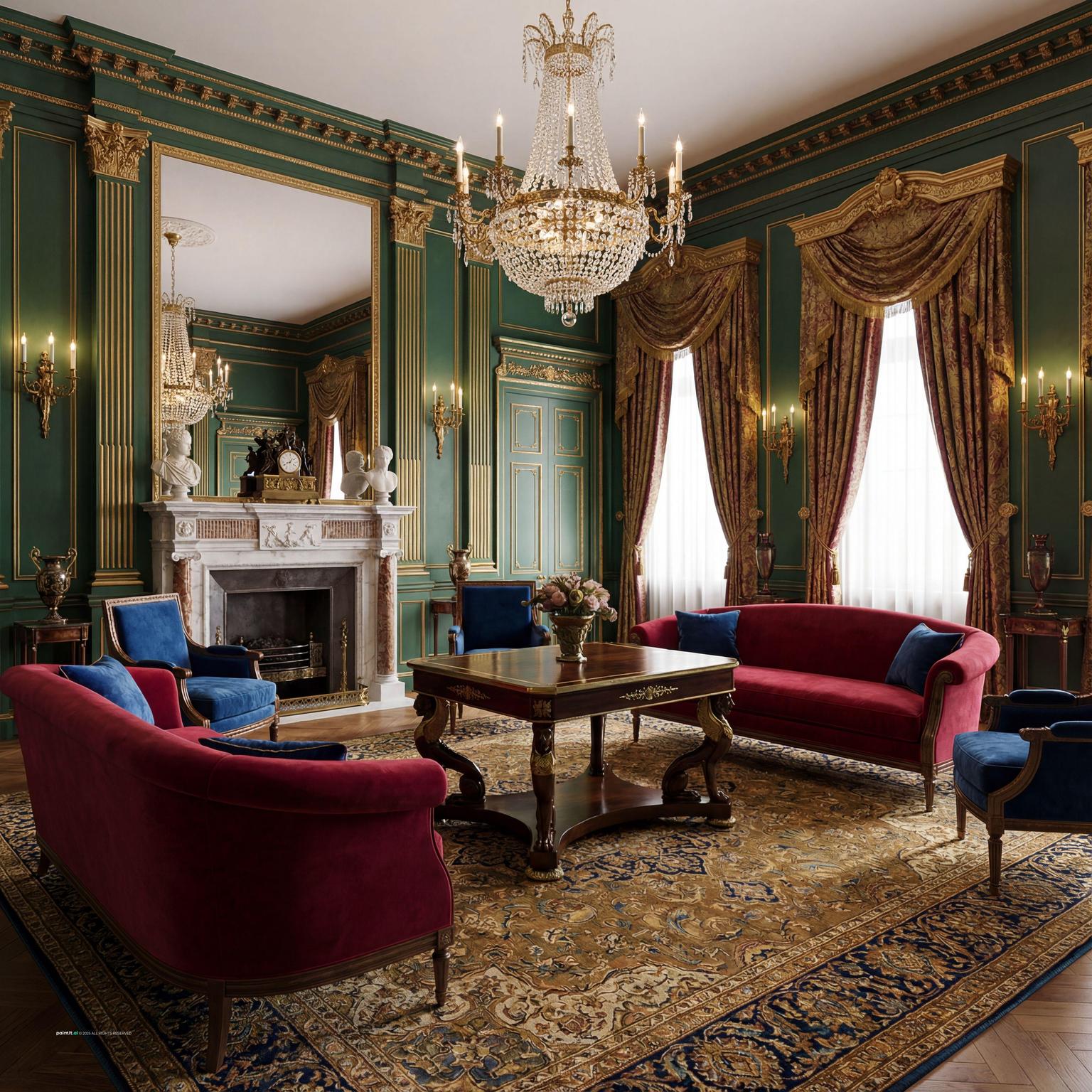
This luxurious Empire-style traditional classic living room embodies Neoclassical grandeur with gilded accents, opulent velvets, and a rich, jewel-tone color palette.
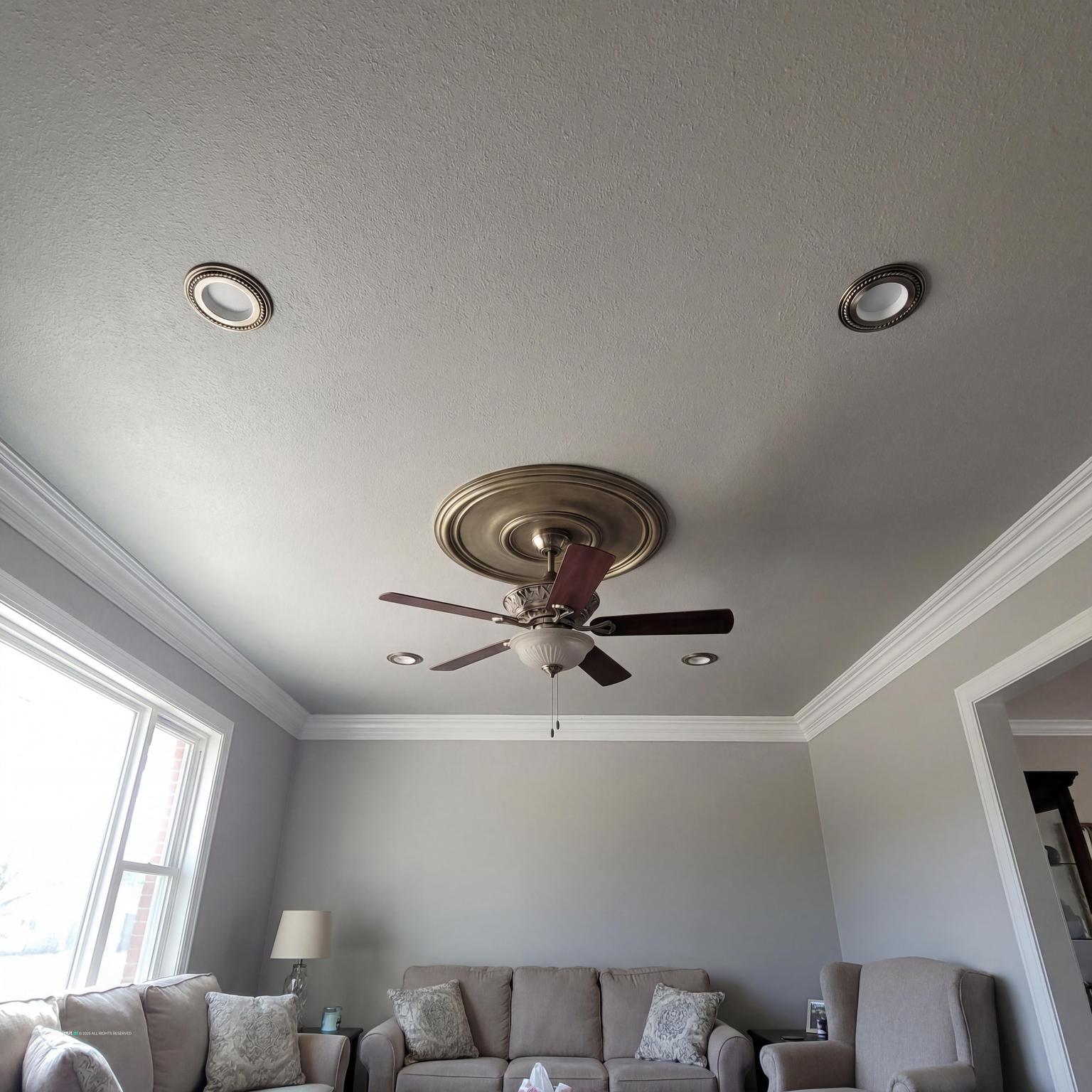
An elegant ceiling design enhances this traditional classic living room, featuring matte light gray paint, metallic trims, and a central medallion for refined sophistication.
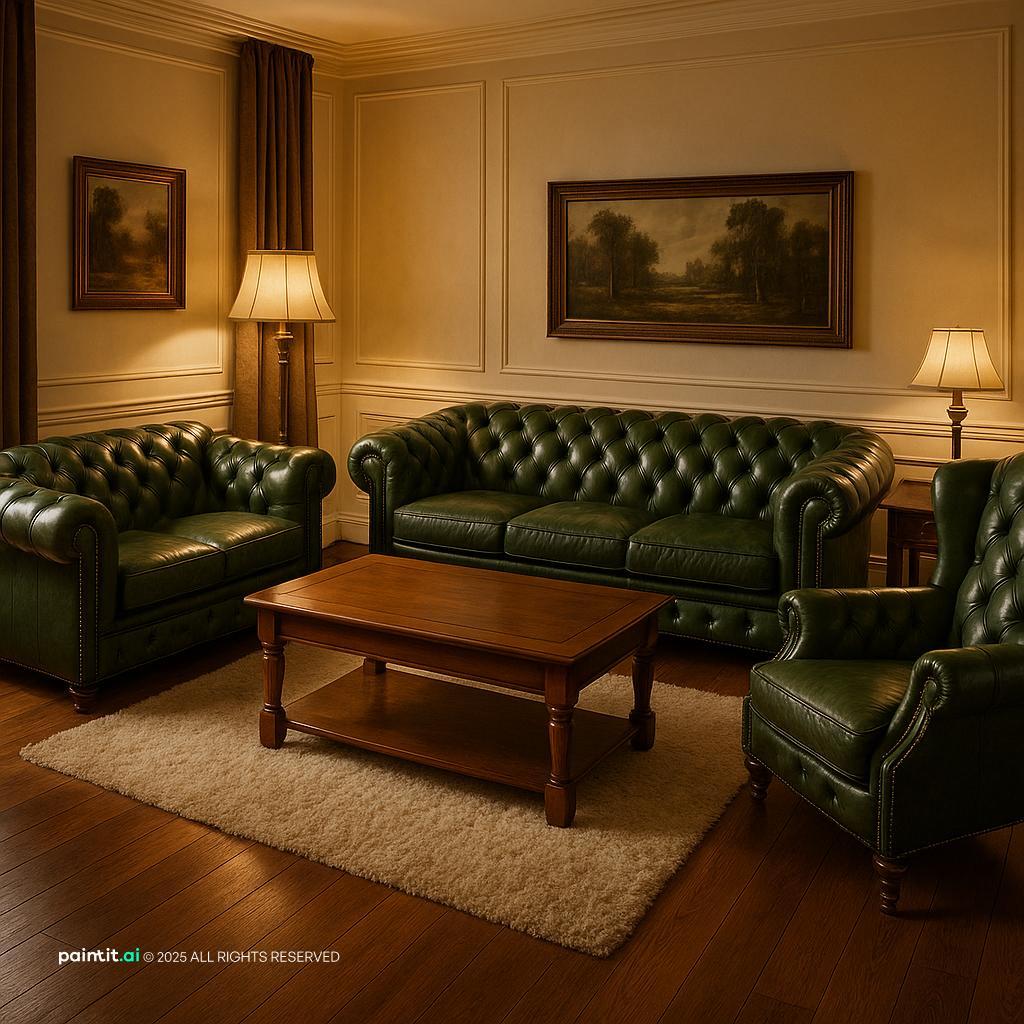
Elegant Traditional Living Room Design brings together cream, wood, and rug for a more composed living room direction.
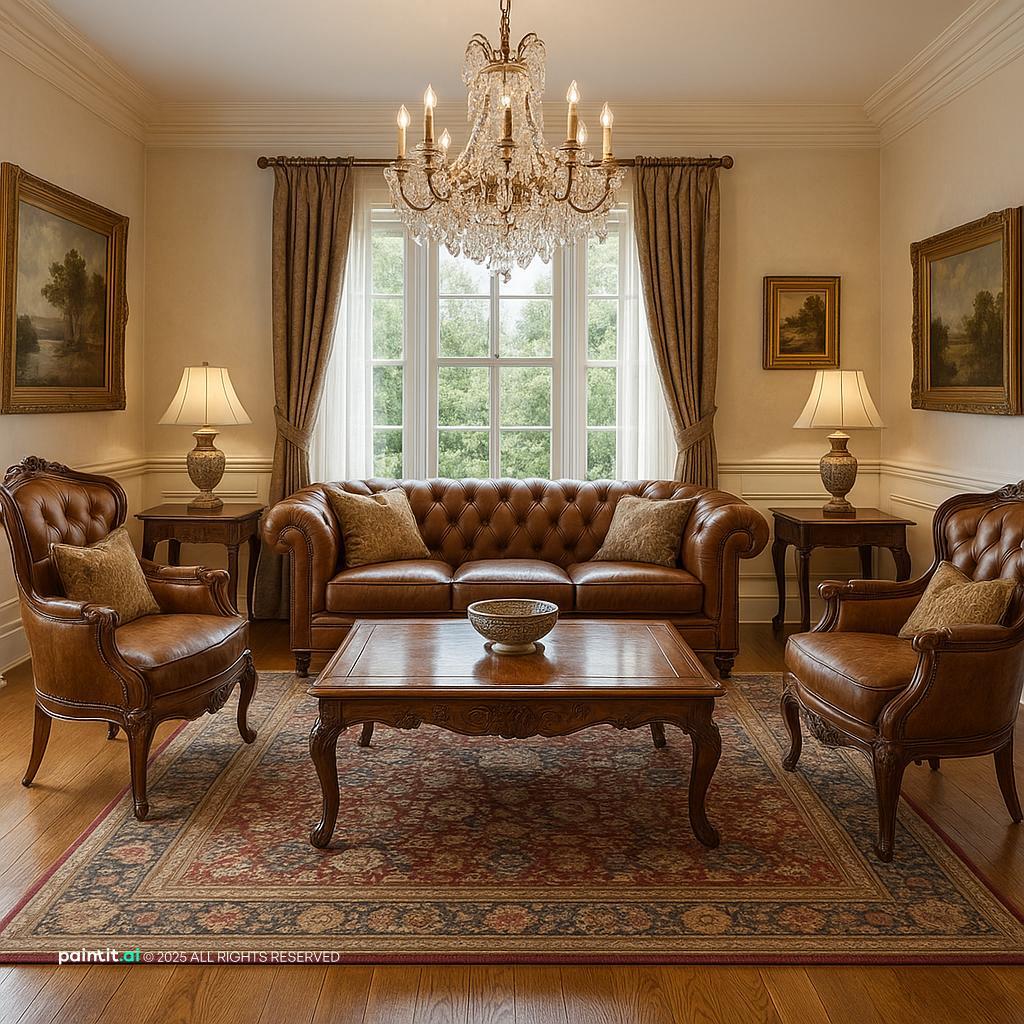
Elegant Classic Living Room Design brings together daylight, wood, and rug for a more composed living room direction.
A substantial fireplace, often carved stone or dark wood, anchors the room. It draws the eye, creating an immediate sense of warmth and historical gravitas. Most people forget that a well-designed mantelpiece can dictate the entire room's aesthetic.
Surround it with symmetrical seating, perhaps two armchairs flanking the hearth. Adorn the mantel with a large mirror or a classic painting, balanced by decorative objects like candelabras or antique clocks.
For a related take on the same room, explore emerald green sofa living room ideas.
Velvet adds an unparalleled depth of color and tactile richness. It catches the light beautifully, instantly elevating the perceived luxury of any piece. I’ve seen this work best in spaces aiming for a truly opulent feel.
Choose a deep jewel tone like emerald green, sapphire blue, or ruby red for a sofa or a pair of armchairs. Pair it with more subdued textures like linen or silk to prevent overwhelming the space.
For a related take on the same room, explore living room wall color ideas.
Integrating genuine antique pieces brings history and character that new furniture simply cannot replicate. Each item tells a story, contributing to a layered and sophisticated ambiance. It might seem odd at first, but mixing periods can be incredibly effective.
Look for a beautiful antique chest, a side table with intricate carvings, or a vintage display cabinet. Balance these with newer, comfortable pieces to ensure the room remains livable.
A hallmark of classic design is symmetry. This creates a sense of order, calm, and formality, making the room feel balanced and intentional. our brains naturally find symmetrical arrangements pleasing.
Place identical sofas facing each other, or flank a fireplace with two matching armchairs and side tables. Use pairs of lamps, mirrors, or decorative objects to reinforce the visual equilibrium.
Dark wood paneling or elegant wainscoting adds architectural interest and a feeling of established grandeur. It grounds the space, providing a sophisticated backdrop for artwork and furnishings. Here is what matters: the quality of the wood finish.
Consider full wall paneling in a library or study-like living room, or wainscoting in a lighter shade to add texture without overwhelming. Pair with classic wallpaper above the wainscoting.
Lighting is not just functional; it's a decorative element. A crystal chandelier or elegant wall sconces provide ambient light and act as sparkling jewels in the room. They command attention.
Choose a chandelier that is proportionate to the room's size and ceiling height. Complement it with matching sconces or table lamps with silk shades for layered illumination.
A hand-knotted rug introduces intricate patterns, rich colors, and a sense of history to the floor. It defines the seating area and adds warmth and acoustic softness. Most people forget that a good rug is an investment.
Select a rug with a classic medallion pattern or an all-over floral design. Ensure it's large enough for at least the front legs of all main seating pieces to rest on it.
Moving beyond neutrals, deep jewel tones or rich earthy hues on the walls create an enveloping, luxurious atmosphere. They provide a dramatic backdrop that makes lighter furnishings pop. It sounds simple, but color choice is paramount.
Consider shades like deep teal, charcoal grey, or a rich plum. Balance these intense colors with lighter ceilings, trim, and upholstery to prevent the room from feeling too dark.
Button tufting adds a sculptural quality and a touch of old-world elegance to sofas, armchairs, and ottomans. It speaks of craftsmanship and attention to detail. This texture is instantly recognizable.
Incorporate a tufted Chesterfield sofa, a pair of tufted club chairs, or a tufted ottoman as a coffee table. Leather or velvet are excellent choices for this detail.
Floor-length, lined drapery in luxurious fabrics like silk, velvet, or damask frames windows beautifully. It adds insulation, privacy, and a significant layer of sophistication. I’ve seen this transform a room from ordinary to extraordinary.
Choose fabrics with a subtle sheen or classic pattern. Hang curtains high and wide to make windows appear larger. Add tie-backs or valances for an extra touch of formality.
Custom built-ins provide both storage and display space, creating a sense of permanence and intellectual charm. They allow for a curated display of books, art, and personal collections. Here is what matters: thoughtful organization.
Design bookshelves to flank a fireplace or fill an entire wall. Incorporate closed cabinetry at the bottom for hidden storage. Paint them a contrasting color or match them to the wall for a seamless look.
Touches of gold, brass, or bronze add sparkle and a sense of timeless luxury. These metallic elements reflect light and introduce a subtle opulence without being overly flashy. A little goes a long way.
Incorporate gilded mirrors, brass light fixtures, gold-framed artwork, or decorative objects like trays and sculptures. Mix metals carefully to maintain harmony.
The second gallery explores more specific traditional classic interpretations, helping compare different ways the same living room can feel at home.
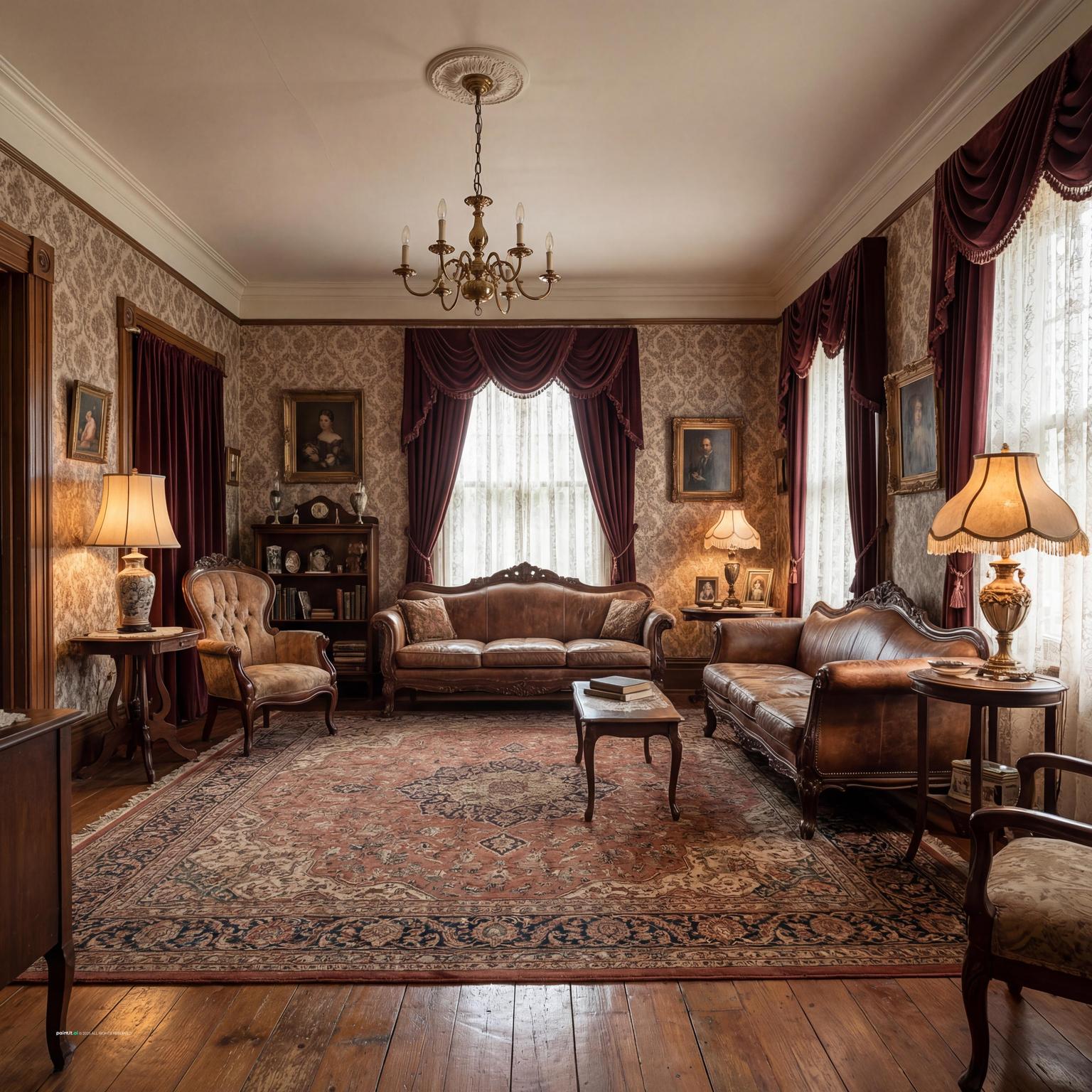
This vintage-style living room design embodies the essence of traditional classic elegance, creating a space filled with timeless charm and sophistication.
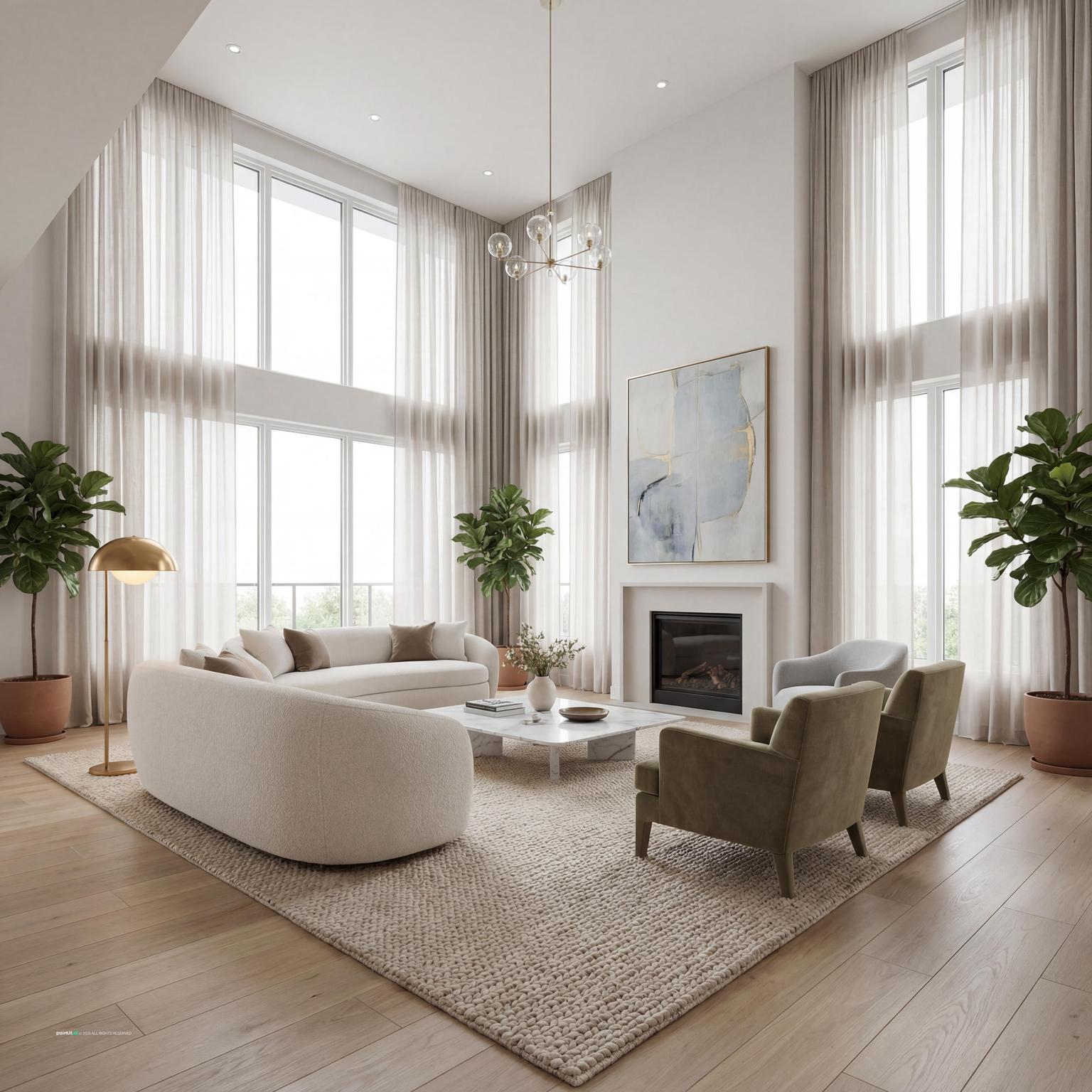
Discover elegant and classy traditional classic living room design ideas that blend luxurious textures with sophisticated architectural details for a refined ambiance.
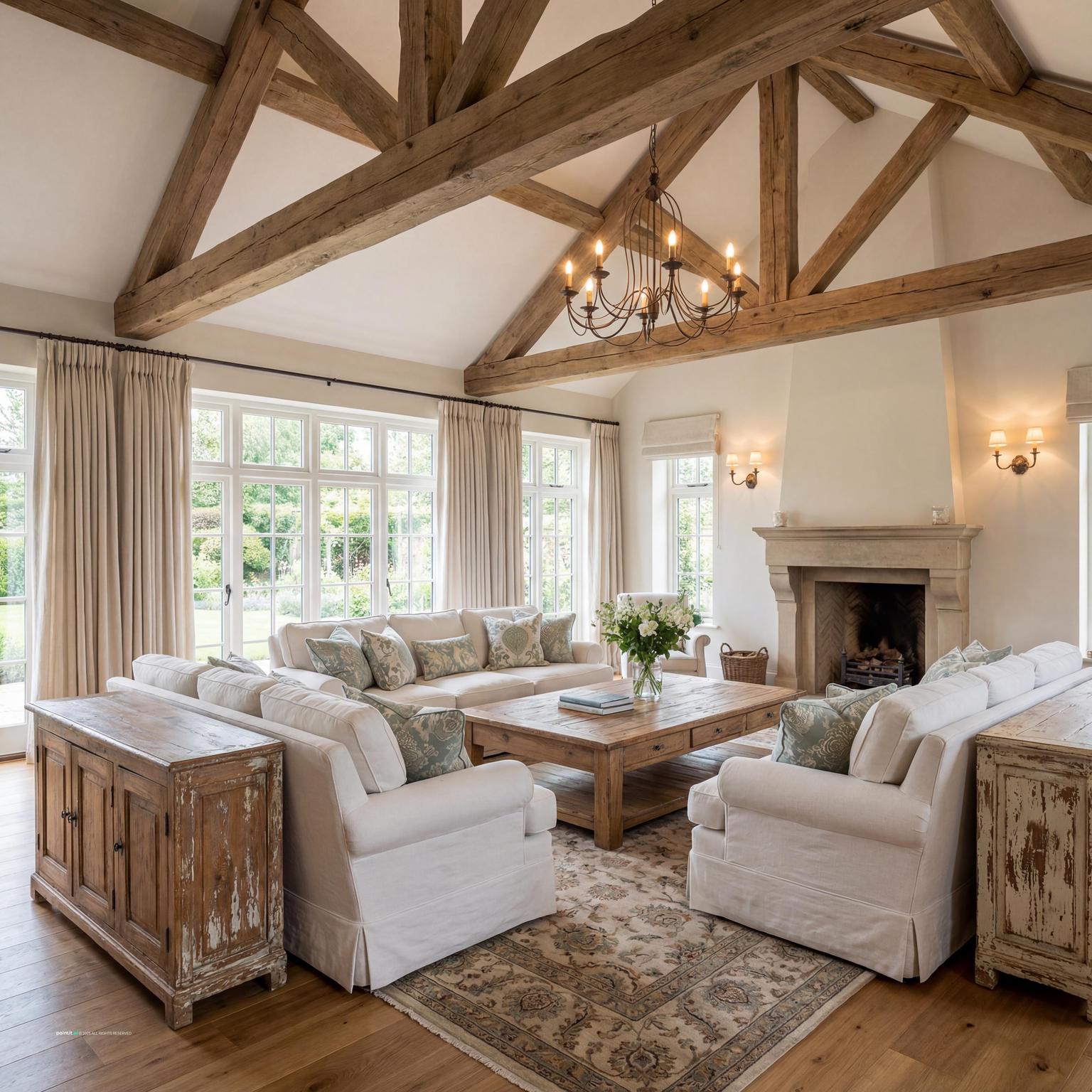
This elegant French Country living room design beautifully captures the traditional classic aesthetic, offering a harmonious blend of rustic charm and refined comfort.
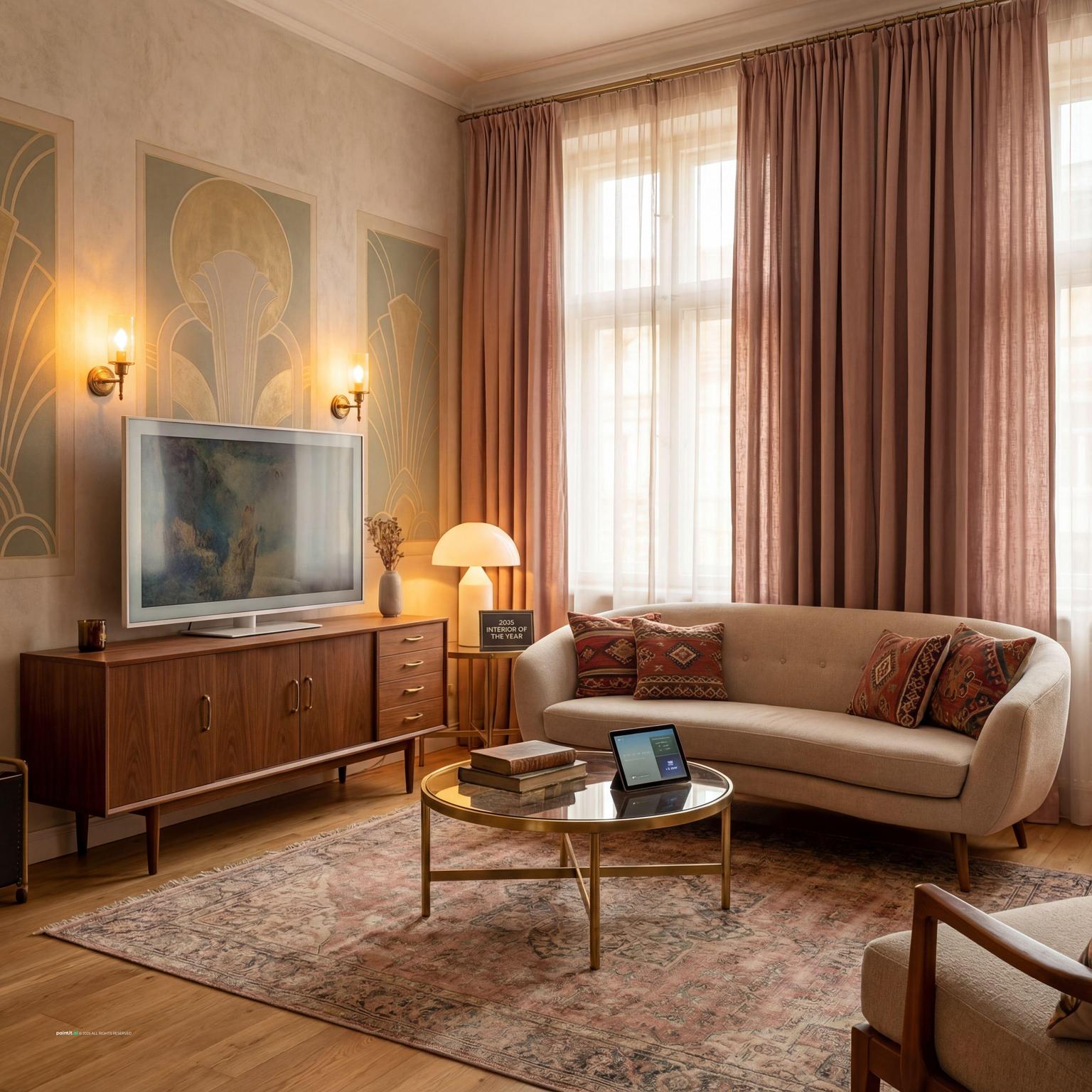
Envision a vintage-style traditional classic living room design for 2025, where timeless elegance meets contemporary sensibilities for a truly sophisticated space.
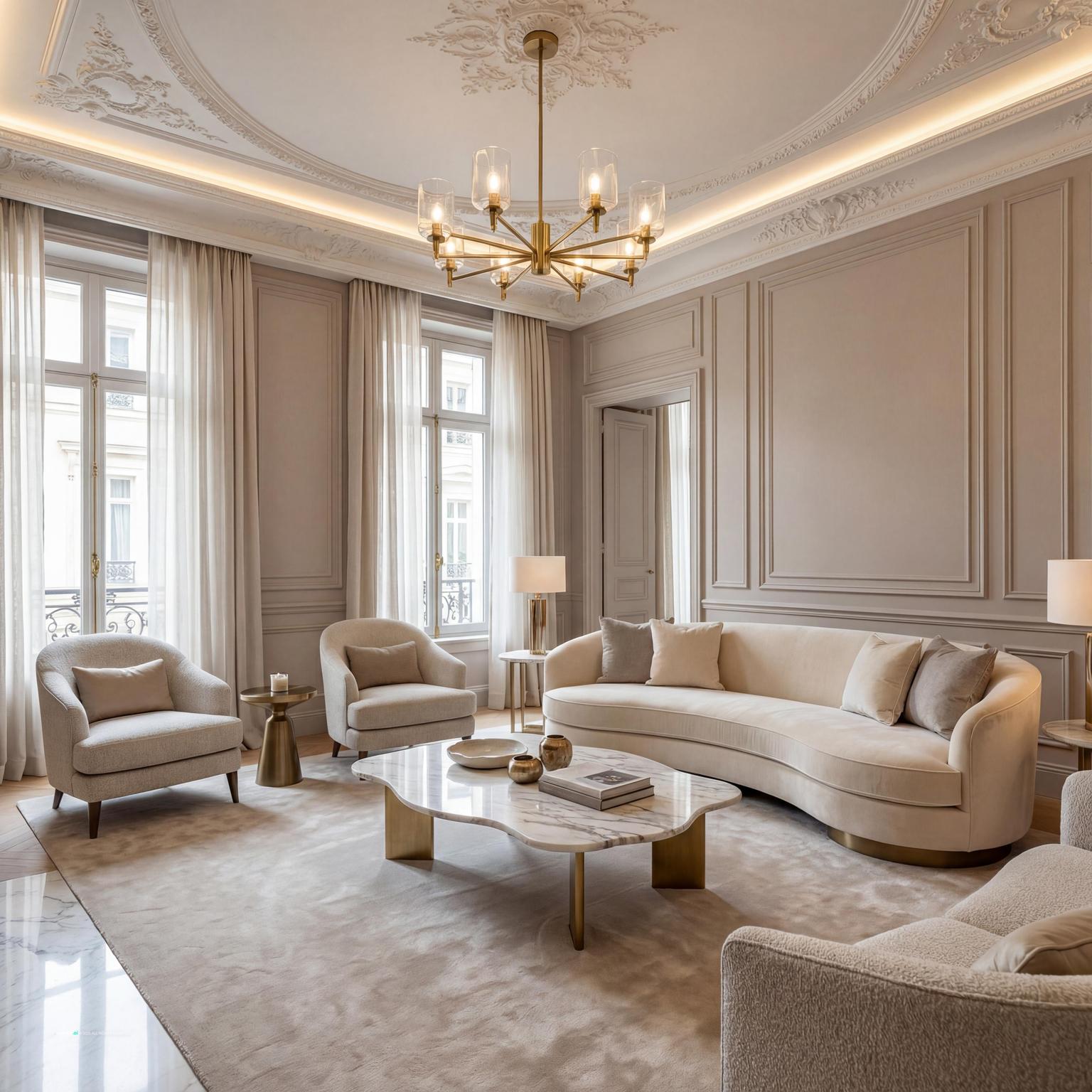
Embrace the grandeur of an elegant Neoclassic living room design, perfectly embodying the traditional classic style with its symmetrical beauty and refined details.
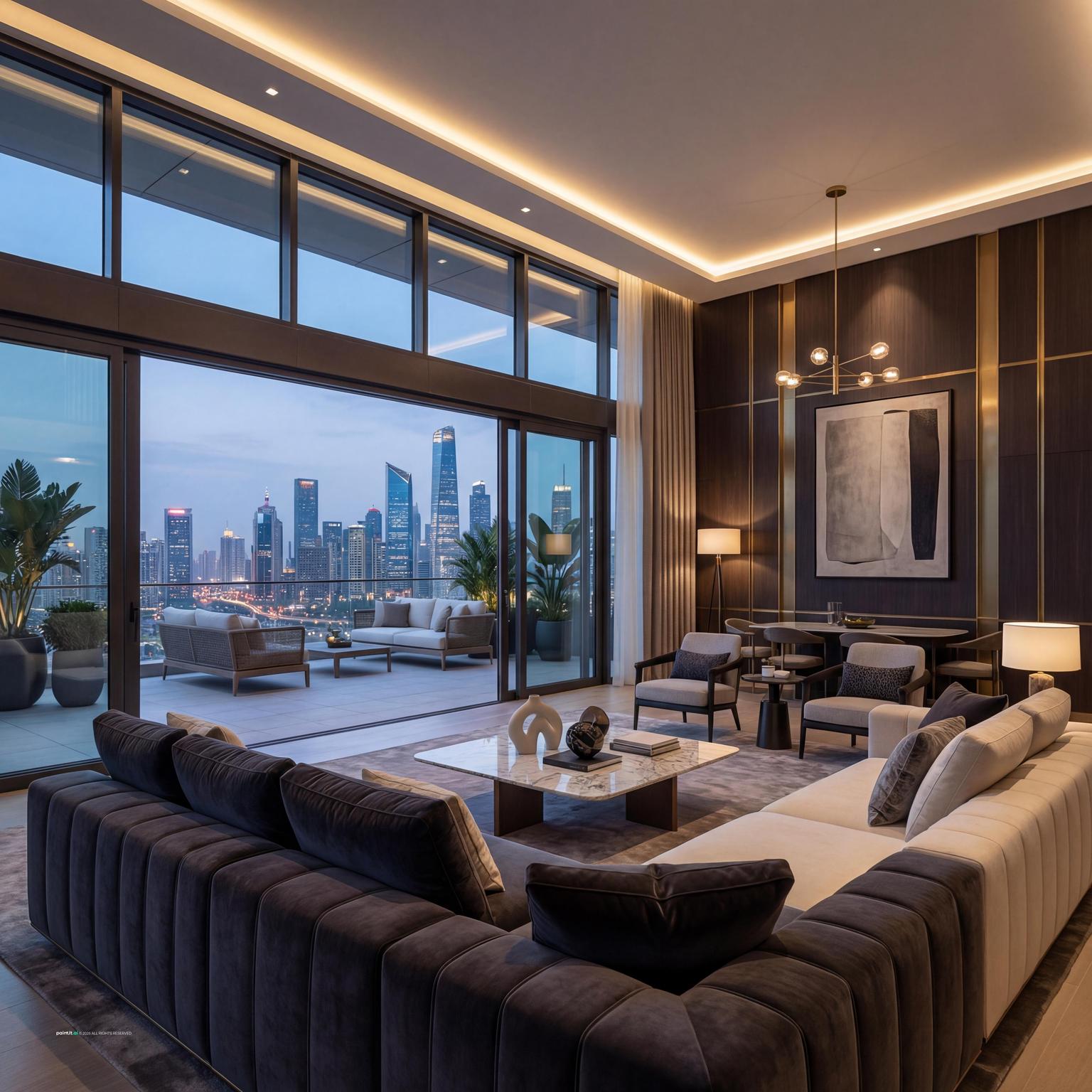
Experience the grandeur of a luxury penthouse living room design, where traditional classic elements create an opulent and sophisticated sanctuary.
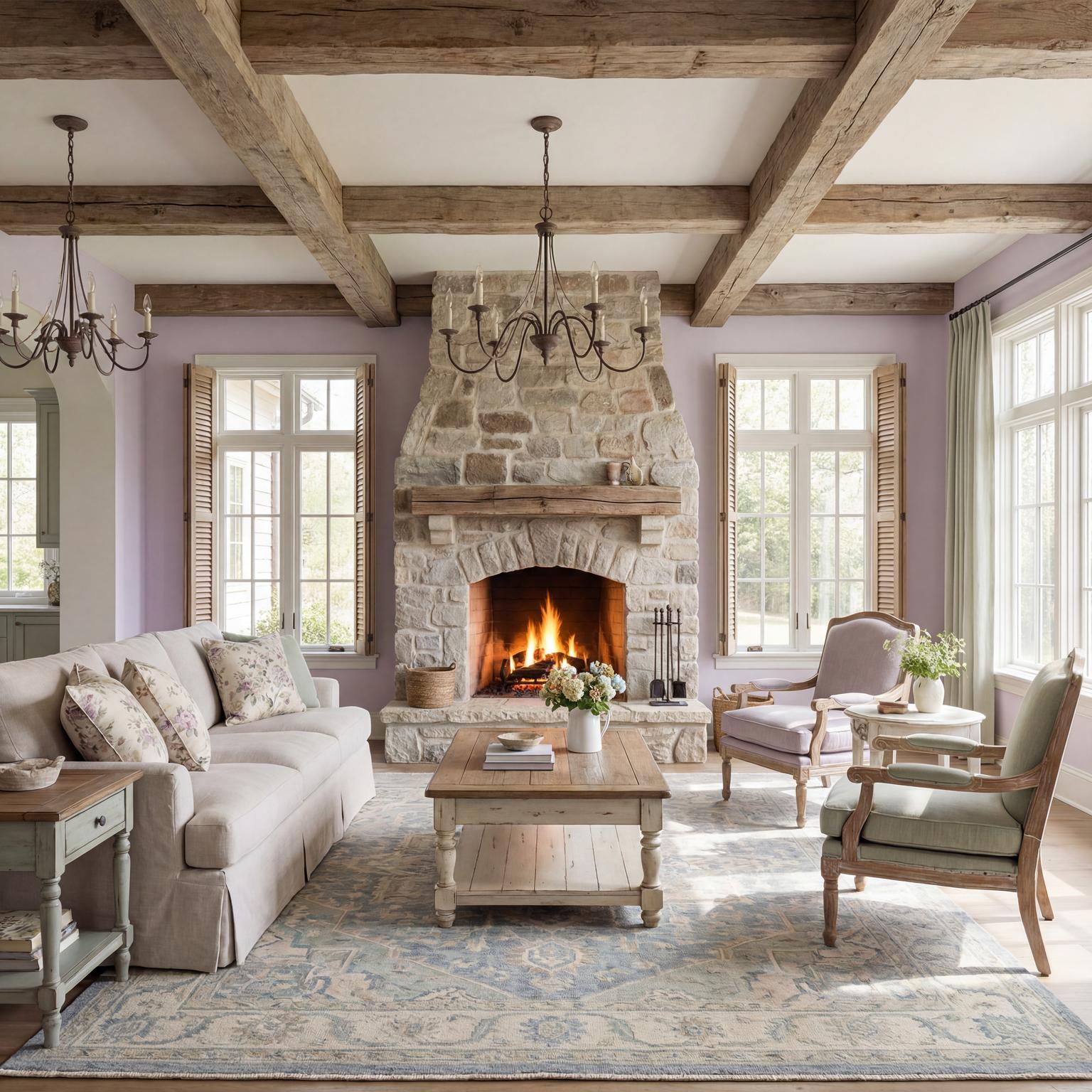
This elegant French Country living room design exudes traditional classic warmth, blending rustic charm with refined touches for a truly inviting and timeless space.
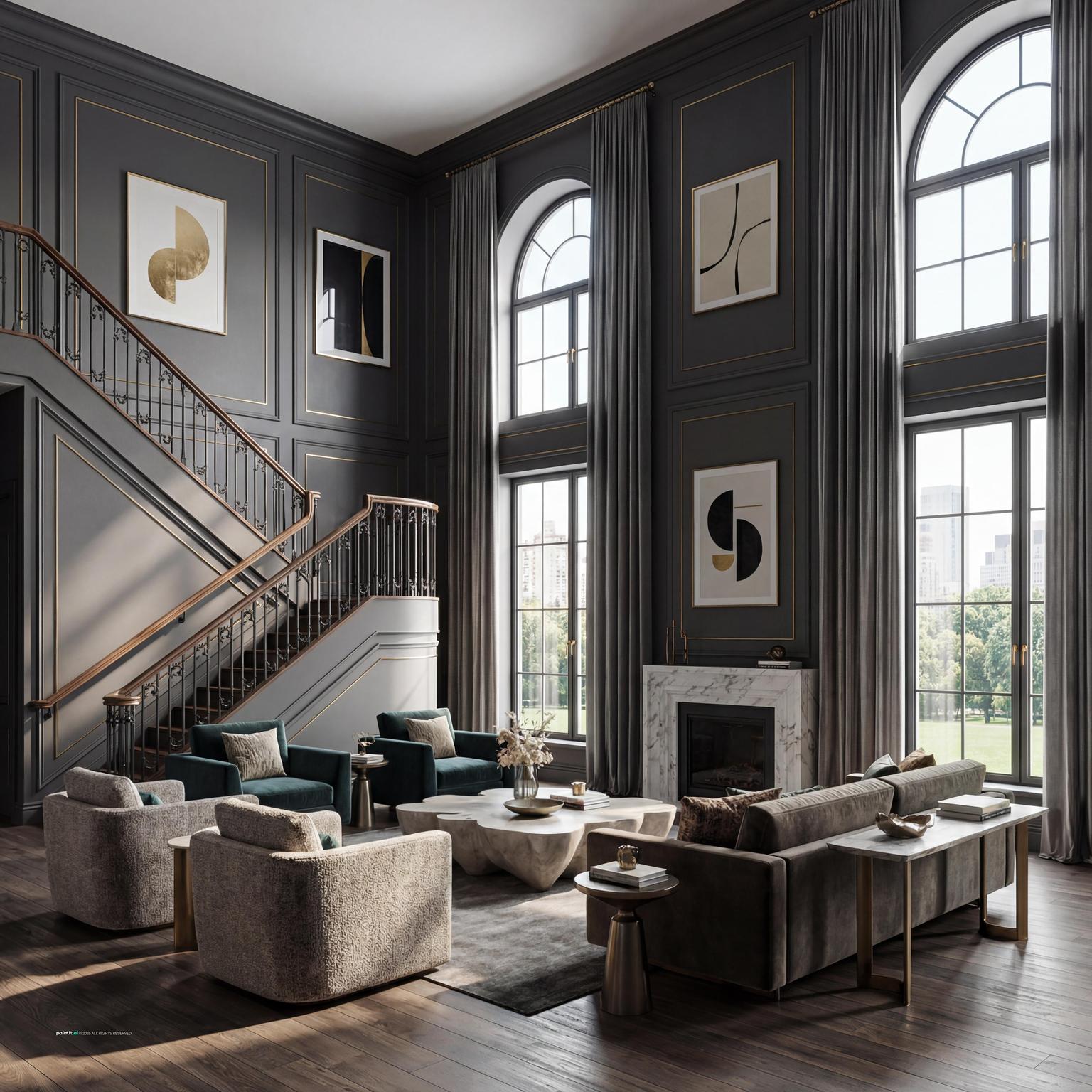
A luxurious high-ceiling living room design epitomizes the traditional classic aesthetic, offering grand proportions and an expansive, elegant atmosphere for discerning tastes.
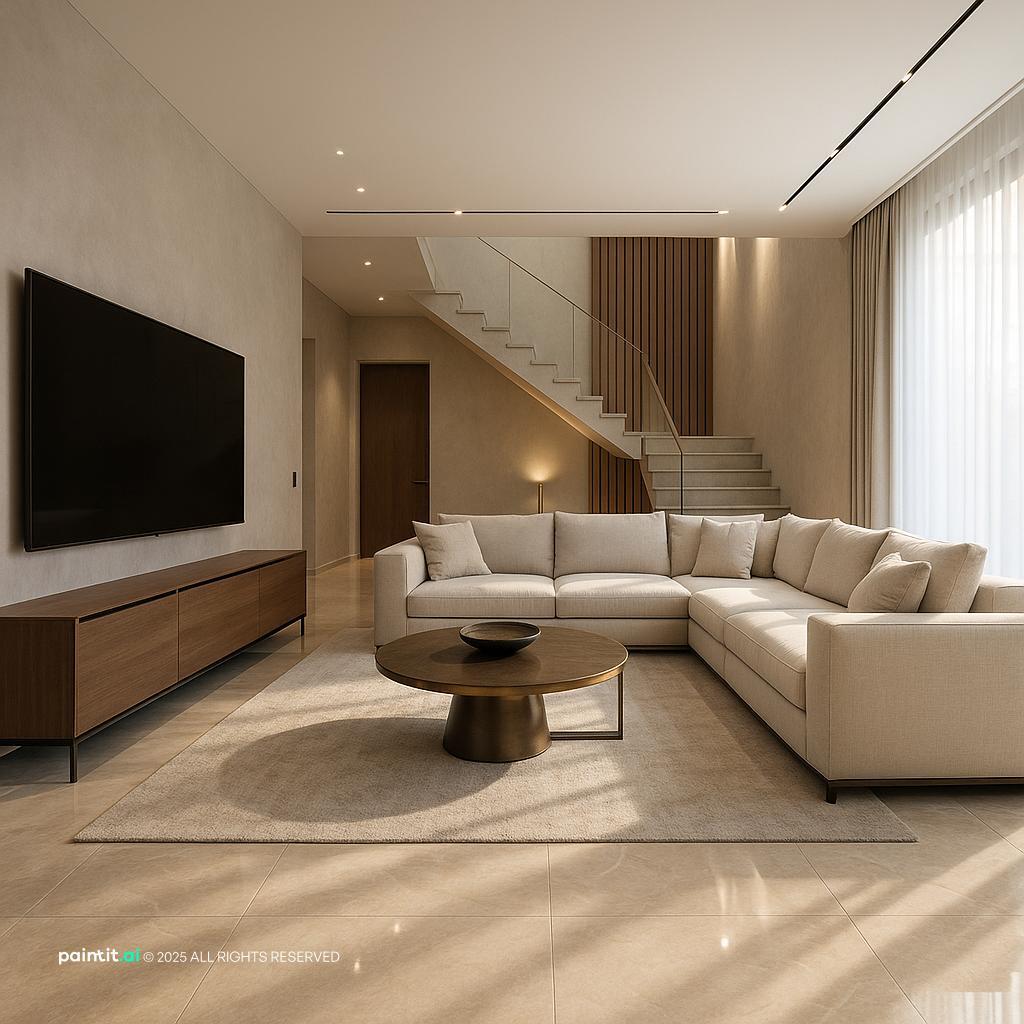
Explore luxurious traditional classic living room design ideas, where plush furnishings and elegant details combine to create a sophisticated and inviting retreat.
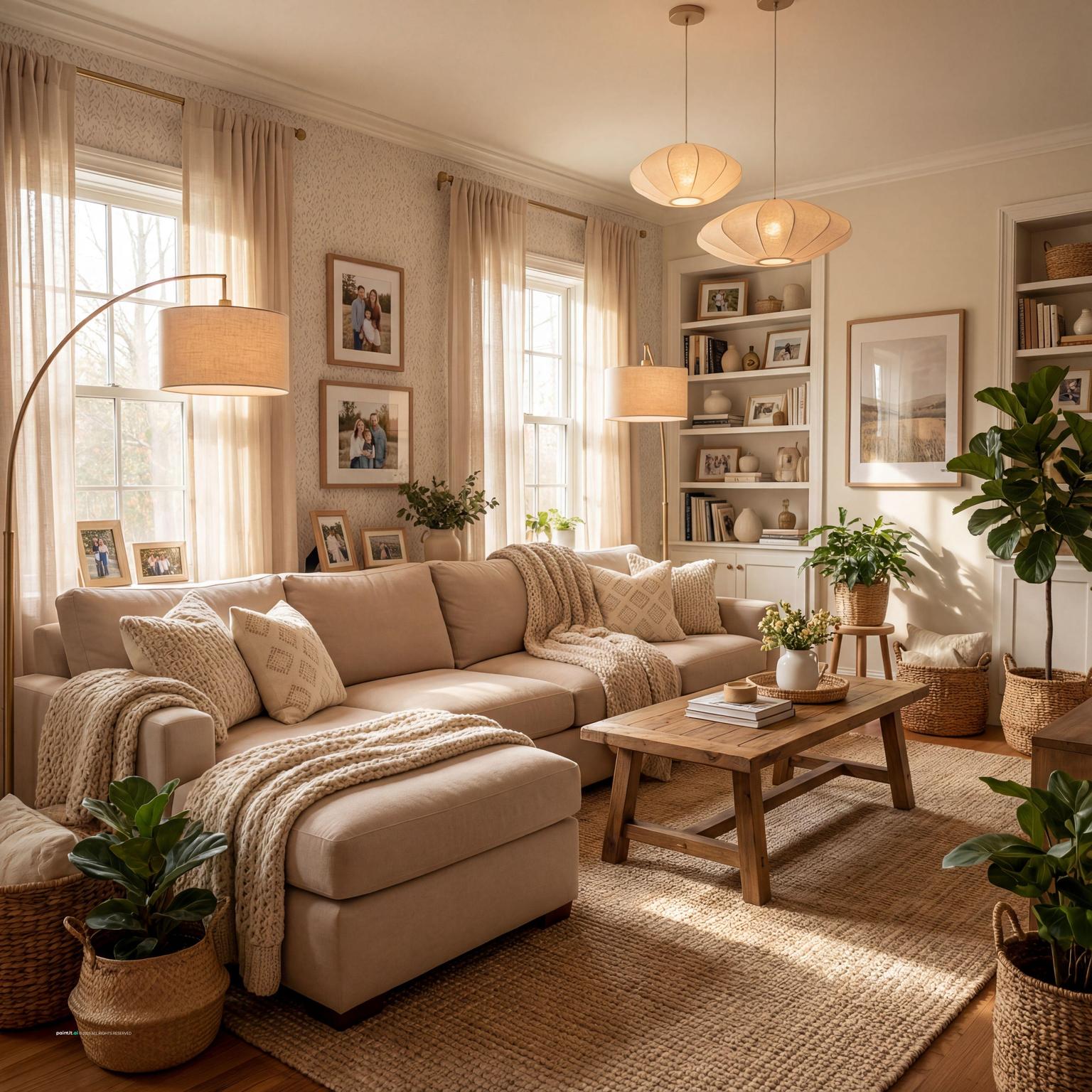
This cozy family living room design embraces traditional classic comfort, offering an inviting space perfect for relaxation and cherished moments with loved ones.
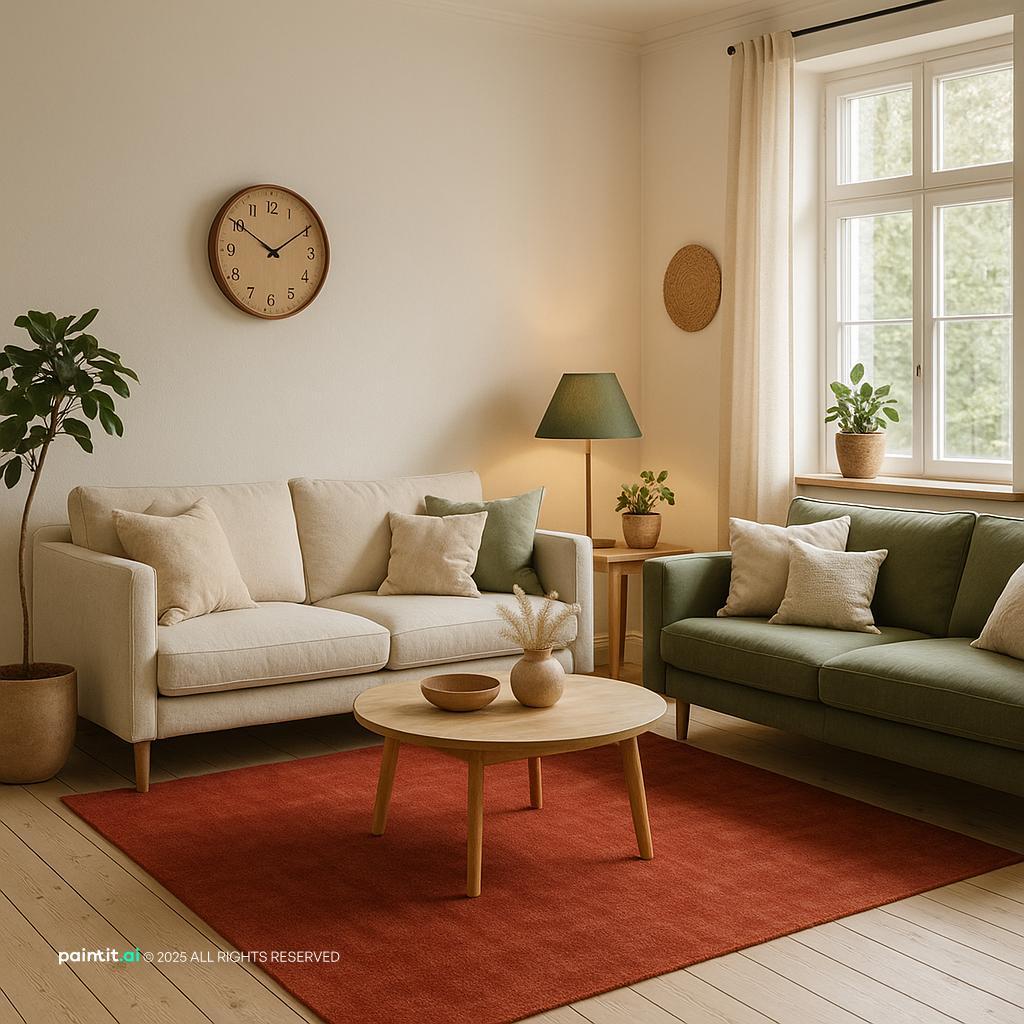
Scandinavian Style Living Room Design brings together daylight, cream, and wood for a more composed living room direction.
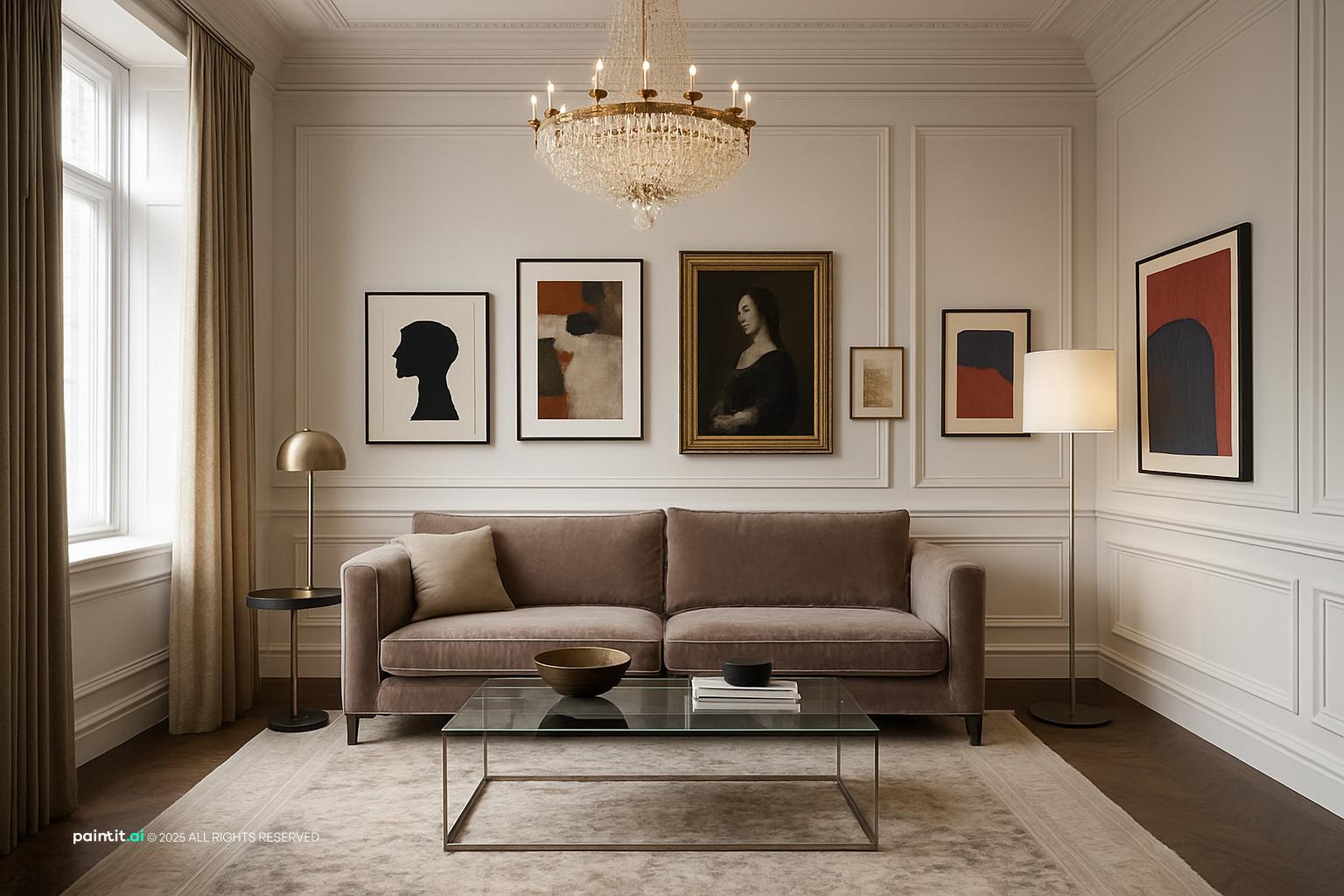
Traditional Classic Living Room design brings together clean lines for a more composed living room direction.
The palette for a traditional classic living room is inherently rich and layered. Start with a sophisticated base of creamy ivory or a warm, muted taupe on walls, creating a serene backdrop. Introduce depth with secondary tones like a deep forest green or a regal navy blue, perhaps on a substantial sofa or drapery. For accents, consider the luxurious shimmer of antique gold in textiles or a vibrant splash of burgundy or sapphire blue in throw pillows and decorative objects. Balancing these deep hues with lighter neutrals prevents heaviness, ensuring inviting warmth.
For a related take on the same room, explore living room ideas with indoor plants.
Materiality defines the traditional classic aesthetic. Think first of dark, polished woods—mahogany, cherry, or walnut—gracing substantial furniture pieces, intricate wall paneling, or even wide-plank flooring, lending immediate gravitas. Incorporate the subtle gleam of aged brass or bronze in lamp bases, picture frames, and decorative hardware; it adds a quiet, understated luxury. For textiles, plush velvet upholstery on a grand sofa or the soft drape of silk curtains creates enveloping comfort and visual opulence. Most people forget that the interplay of these textures, from smooth wood to soft fabric, truly builds the room’s inviting depth.
For a related take on the same room, explore small living room ideas with TV.
Defining the traditional classic living room starts with its foundational furniture. A Chesterfield sofa, with its iconic rolled arms and deep button tufting, immediately anchors the space, offering both grandeur and unparalleled comfort. Pair this with a stately wingback chair, perhaps upholstered in a complementary pattern or a rich leather, providing an intimate spot for reading. Here is what matters: choose pieces with generous proportions; they command attention and convey a sense of established elegance. An ornate coffee table, often crafted from dark wood with intricate carvings or a marble top, serves as a central gathering point, its classic silhouette reinforcing the room’s timeless character.
Achieving the perfect atmosphere in a traditional classic living room relies heavily on layered lighting. Begin with ambient light from a magnificent crystal chandelier or elegant brass sconces, casting a soft, overall glow. For task lighting, position substantial table lamps with fabric shades on side tables and a classic floor lamp beside a reading chair; these provide focused illumination where needed. It might seem odd at first, but accent lighting truly elevates the space. Think small picture lights highlighting cherished artwork or discreet lights within display cabinets to showcase collections. This multi-layered approach ensures every corner feels warm, inviting, and thoughtfully illuminated, preventing any harshness.
Decorative accents are the soul of a traditional classic living room, adding personality. Adorn walls with framed oil paintings—perhaps a landscape or a classical portrait—or a collection of antique prints. Introduce lush greenery with a stately fern in a ceramic pot or a delicate orchid on a console. The 3-5-7 rule is your secret weapon here: group items in odd numbers to create dynamic, visually pleasing arrangements. For instance, on a mantelpiece, arrange three varying height candlesticks, five antique books, and seven small decorative boxes. This approach, whether with vases, small sculptures, or framed photos, prevents a static display and adds an organic, curated feel, making the room feel genuinely lived-in and cherished.
Crafting a truly cohesive traditional classic living room often feels like a high-stakes puzzle. Combining rich brocades, deep mahogany, and ornate gold accents without creating visual chaos is a common pitfall. Most people forget that scale and texture interaction are paramount. This is where paintit.ai becomes indispensable. You can instantly swap out that velvet chesterfield for a tufted leather sofa, or test a damask wallpaper against a Persian rug, all within your actual room's dimensions. See how different patterns and furniture pieces interact before committing to expensive purchases. It might seem odd at first, but visualizing these intricate layers prevents costly design missteps. Try paintit.ai today and build your perfect, timeless space with confidence.
Before changing furniture or finishes, you can preview the direction with an interior design visualizer.
Over-accessorizing is a frequent pitfall. Resist the urge to fill every surface. Focus on curated pieces. Also, ignoring scale can make a grand room feel cramped. Proportion is everything here, trust me.
A Chesterfield sofa or a rolled-arm settee anchors the space. Pair it with an ornate coffee table, perhaps a dark wood console. Wingback chairs offer both comfort and visual weight. These are non-negotiable foundations.
Think rich, muted tones. Deep jewel tones like emerald green or sapphire blue work beautifully as accents. For walls, consider warm creams, soft taupes, or even a dusty rose. Neutral foundations allow bolder statements.
Velvet, silk, and brocade are your allies for upholstery and drapery. Rich damasks or tapestries add texture. Dark, polished woods like mahogany or walnut are crucial for furniture. Marble or brass accents elevate the finish.
Ornate mirrors, gilded picture frames, and classical artwork are essential. Candlesticks, porcelain vases, and perhaps a globe add character. Layered Persian rugs define zones. I’ve seen this create incredible depth and warmth.