
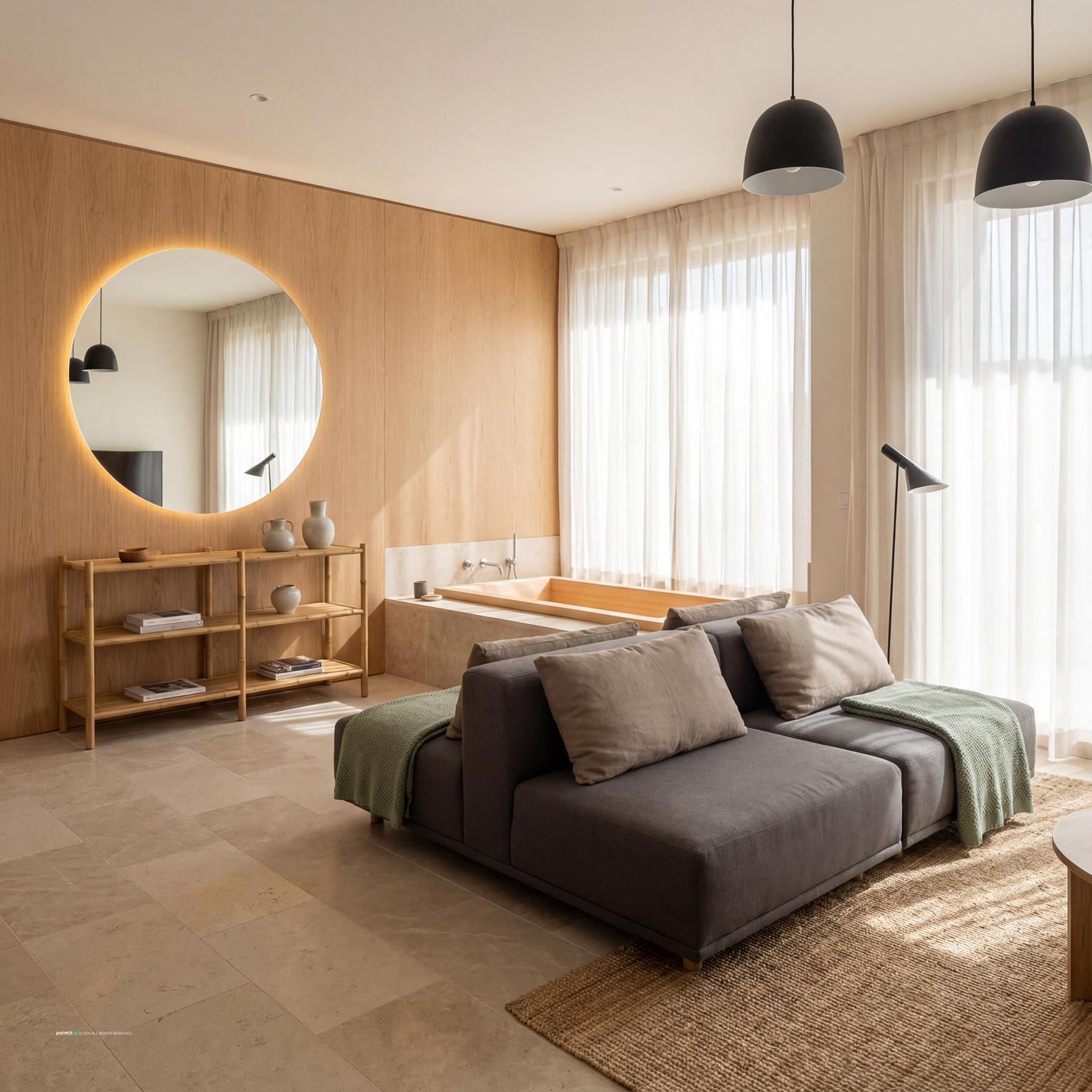
Japanese-Scandinavian Living Room Design
This Japanese-Scandinavian living room design beautifully embodies the organic modern aesthetic with its clean lines, natural materials, and tranquil atmosphere.
Do you dream of a living room that feels both sophisticated and utterly serene? An organic modern living room blends clean aesthetics with the comforting embrace of natural elements, creating a space that breathes. How do you achieve this harmonious balance without losing either warmth or contemporary edge?
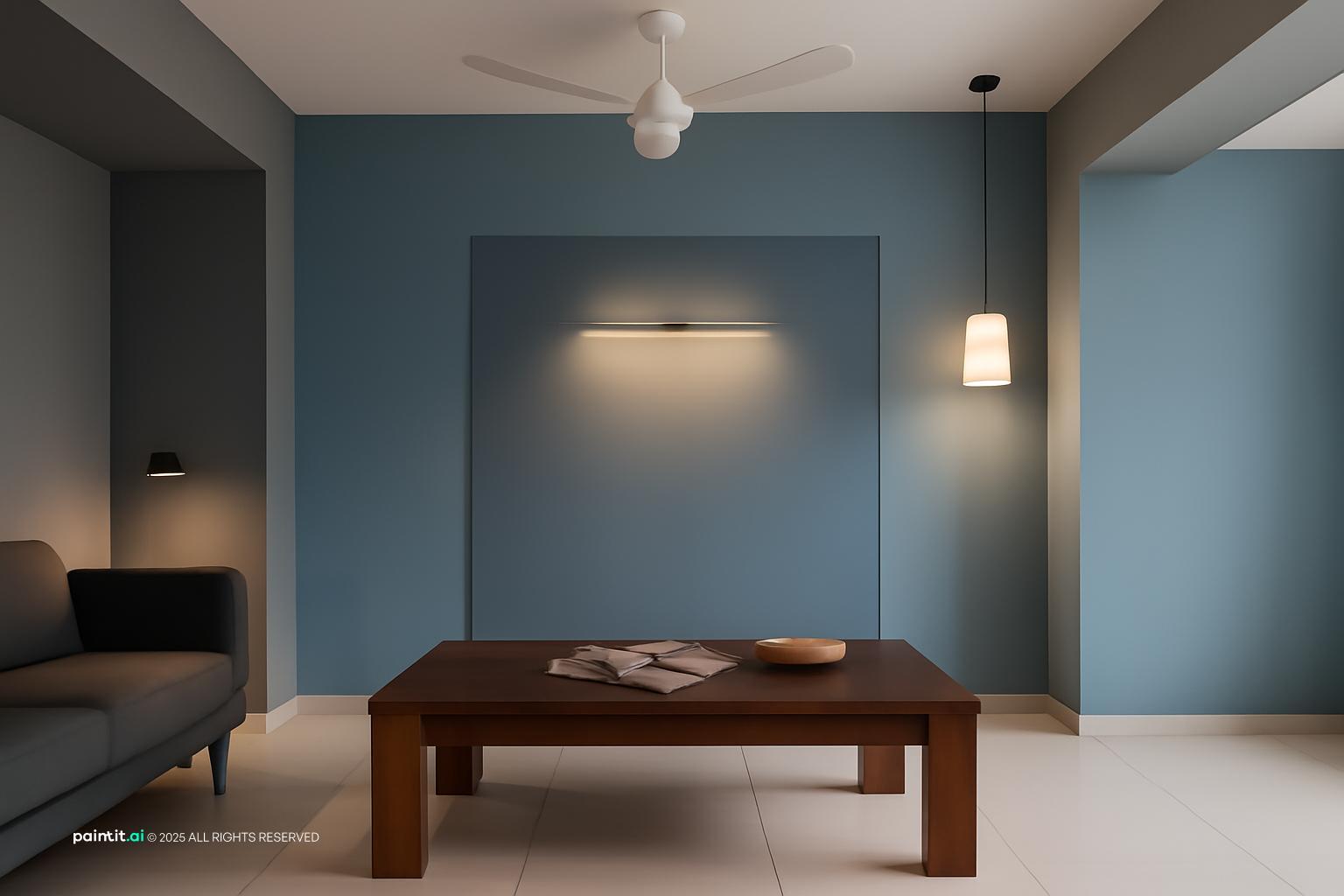
Finding that sweet spot between sleek, contemporary lines and genuine, lived-in comfort? It looks simple enough on Pinterest, doesn't it? Yet, we often chase "modern" only to end up with something a bit sterile, a space that, frankly, lacks soul. people crave grounding now more than ever. They want a sanctuary where natural textures and an earthy palette invite true relaxation. We'll show you how to blend minimalist forms with the warmth of reclaimed wood and soft linen, creating an impeccably edited, calm aesthetic. Visualizing those perfect biophilic elements before you commit? Paintit.ai makes it effortlessly composed.
Before changing furniture or finishes, you can preview the direction with an AI living room design tool.
This gallery brings the abstract idea of organic modern into something visible: clean lines, natural textures.
This Japanese-Scandinavian living room design beautifully embodies the organic modern aesthetic with its clean lines, natural materials, and tranquil atmosphere.
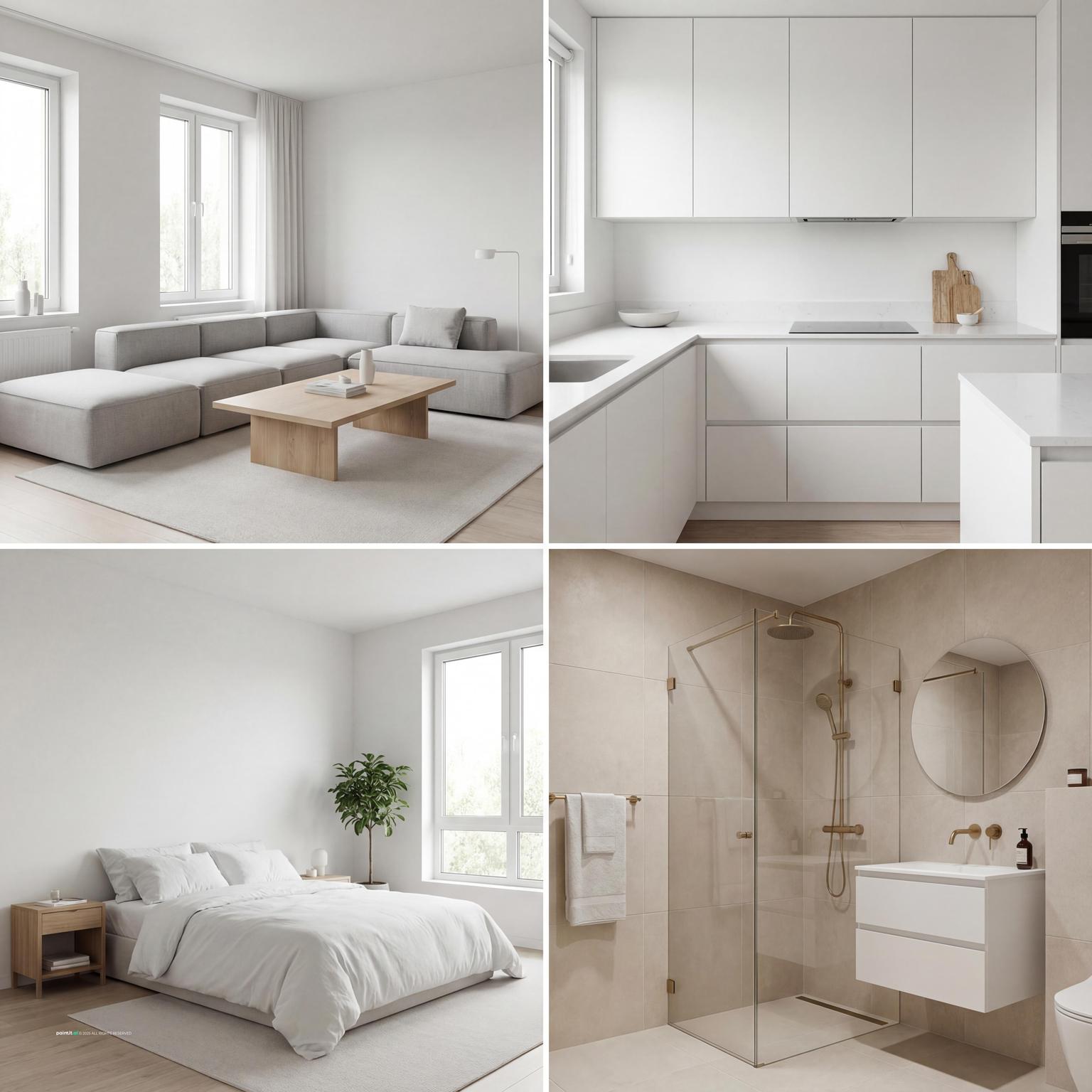
Discover a serene organic modern living room within this minimalist Scandinavian-Japanese apartment design, emphasizing peacefulness and natural simplicity.
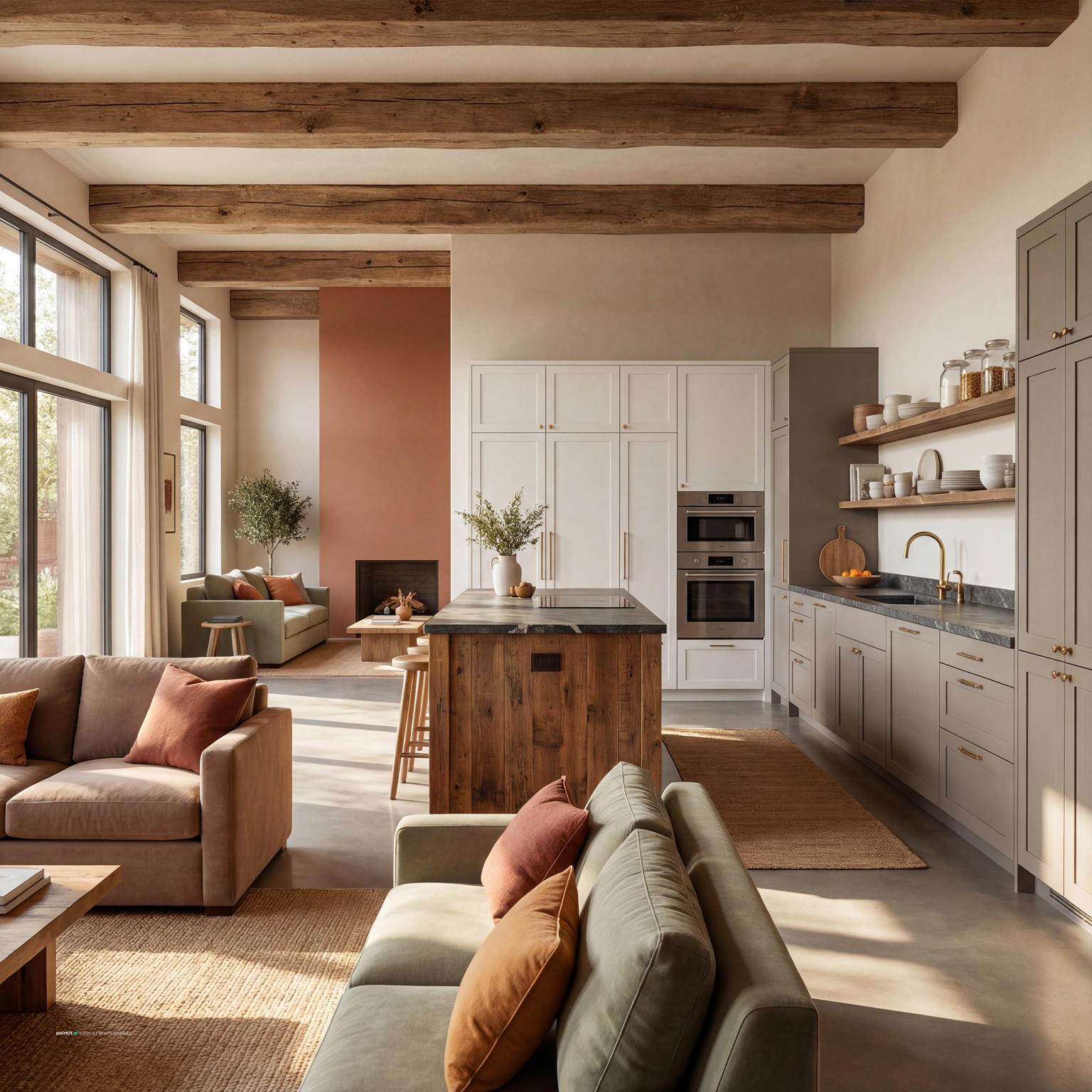
This modern rustic living room, seamlessly integrated with the kitchen, perfectly captures the inviting essence of an organic modern design.
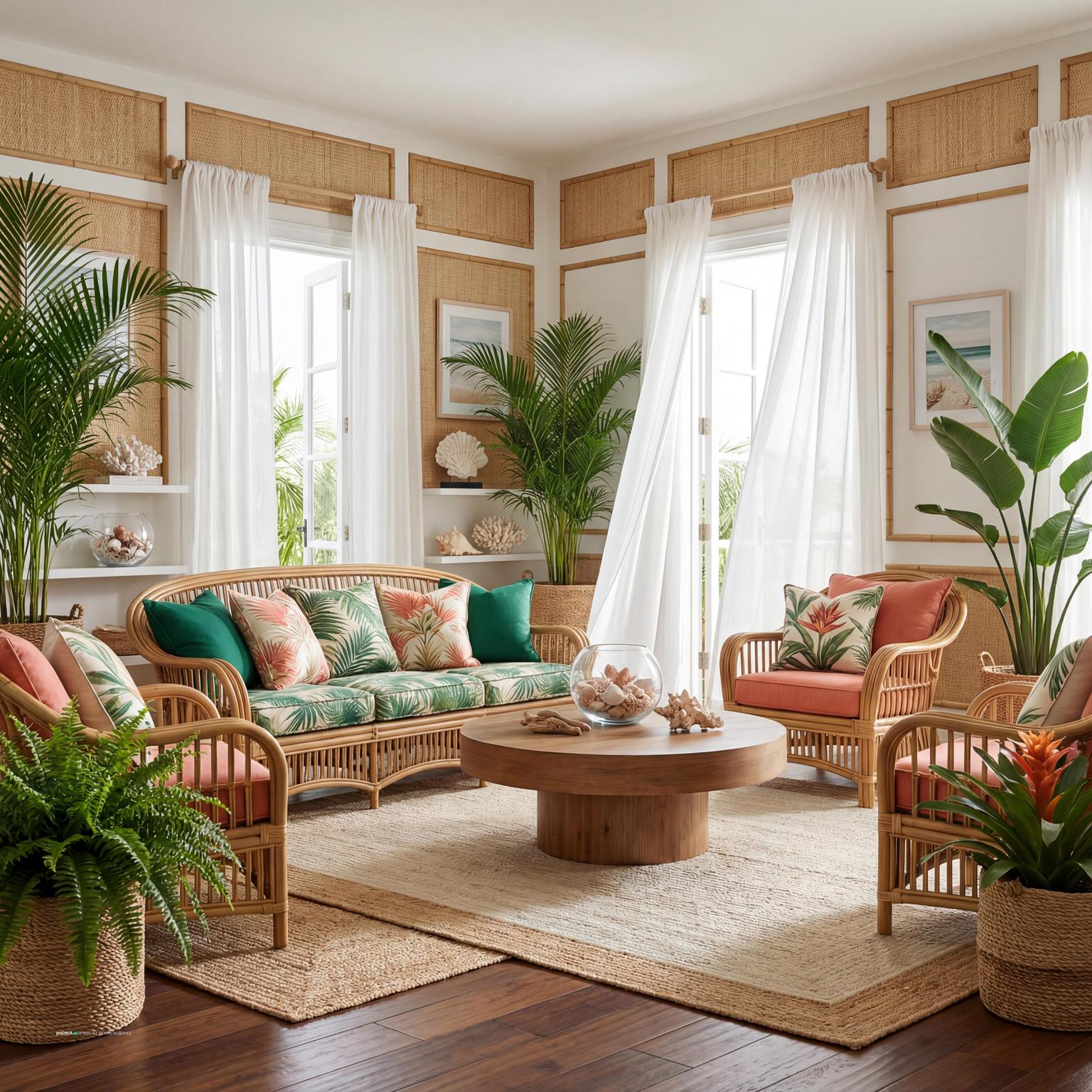
Immerse yourself in the calming embrace of this tropical oasis living room, a perfect example of organic modern design's natural serenity.
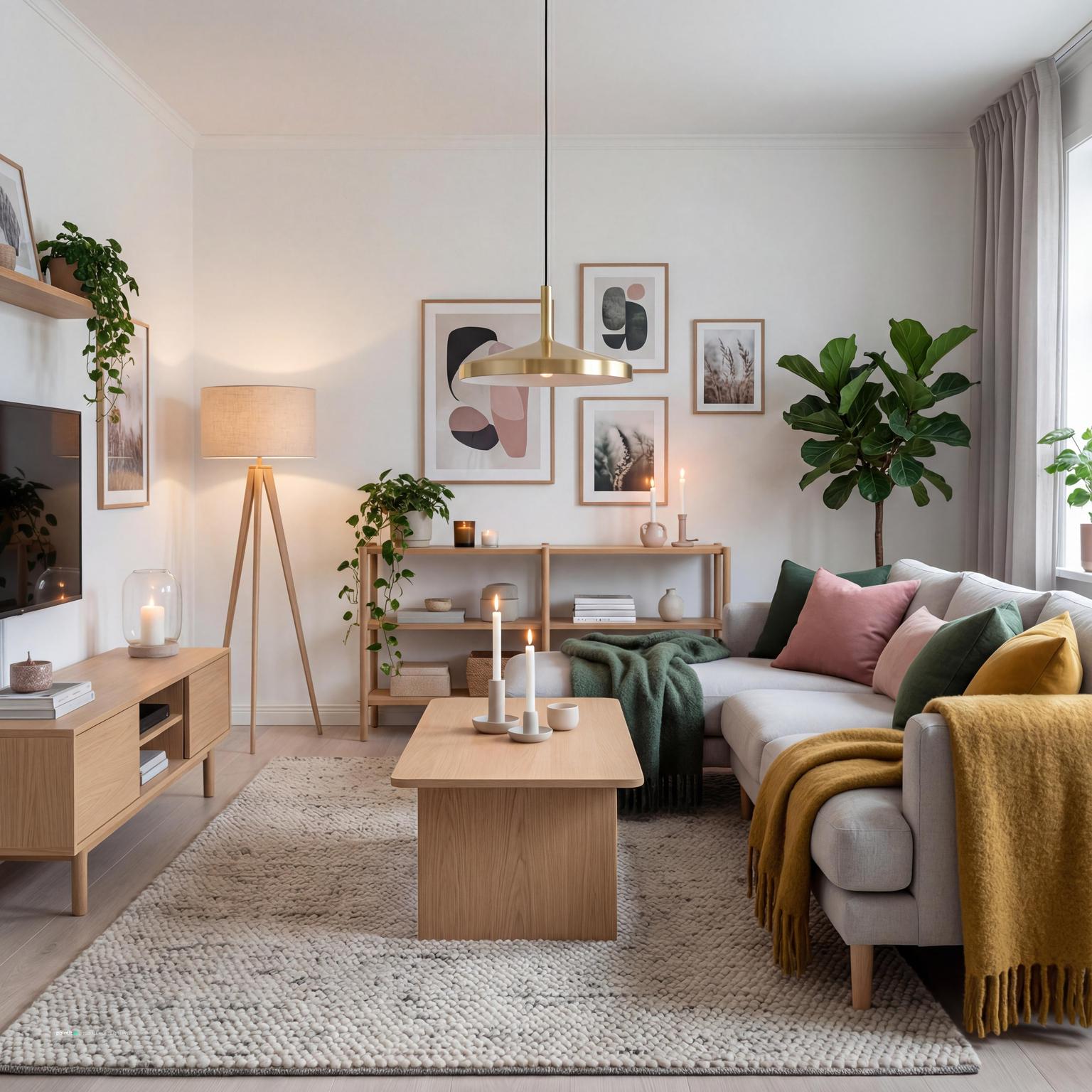
Experience comfort in this cozy Scandinavian living room, where subtle color accents enhance its inviting organic modern atmosphere.
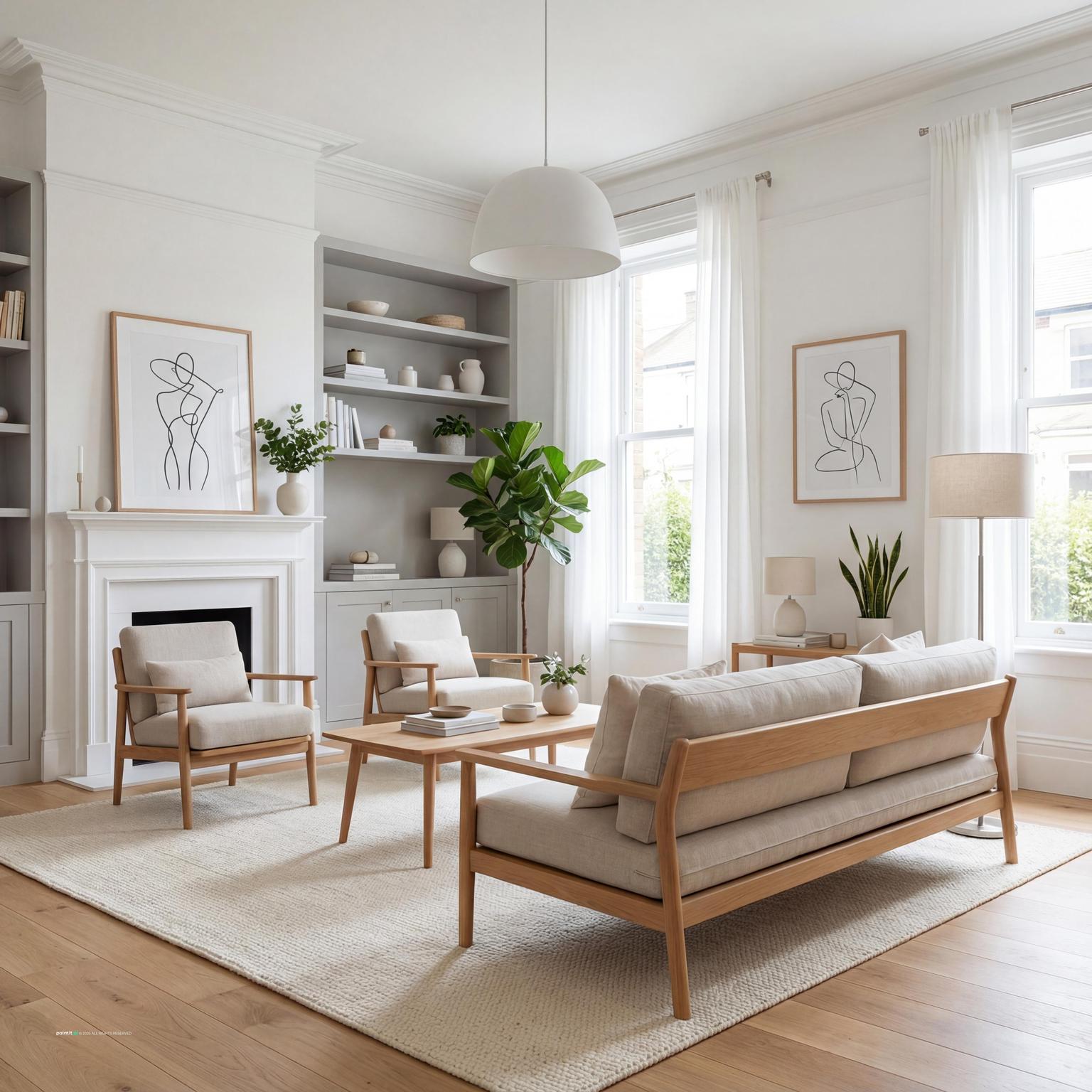
Explore Scandinavian living room redesign ideas that effortlessly blend minimalist style with the natural warmth of organic modern aesthetics.
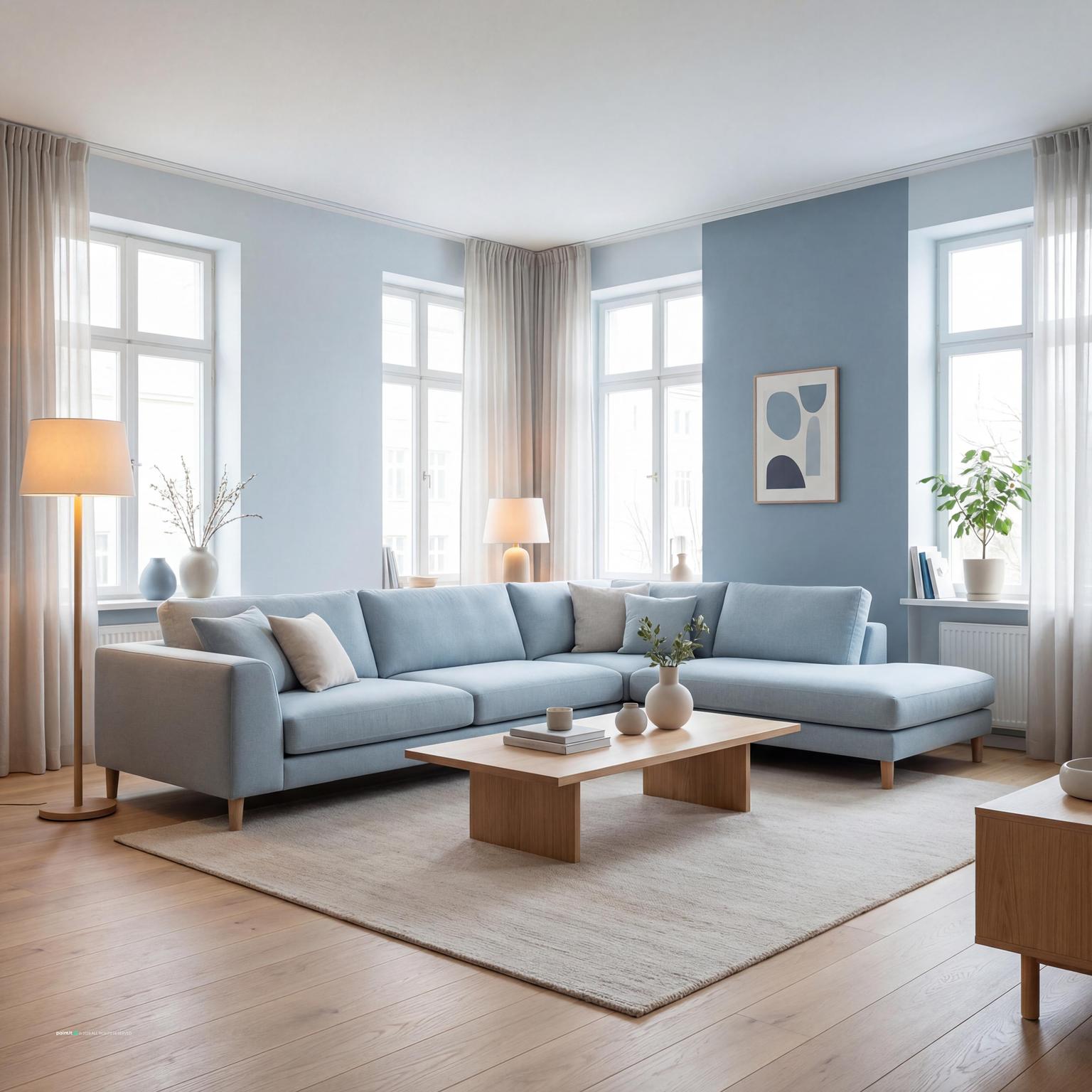
This tranquil modern living room design exemplifies organic modern principles, creating a serene sanctuary with its calming palette and soft textures.
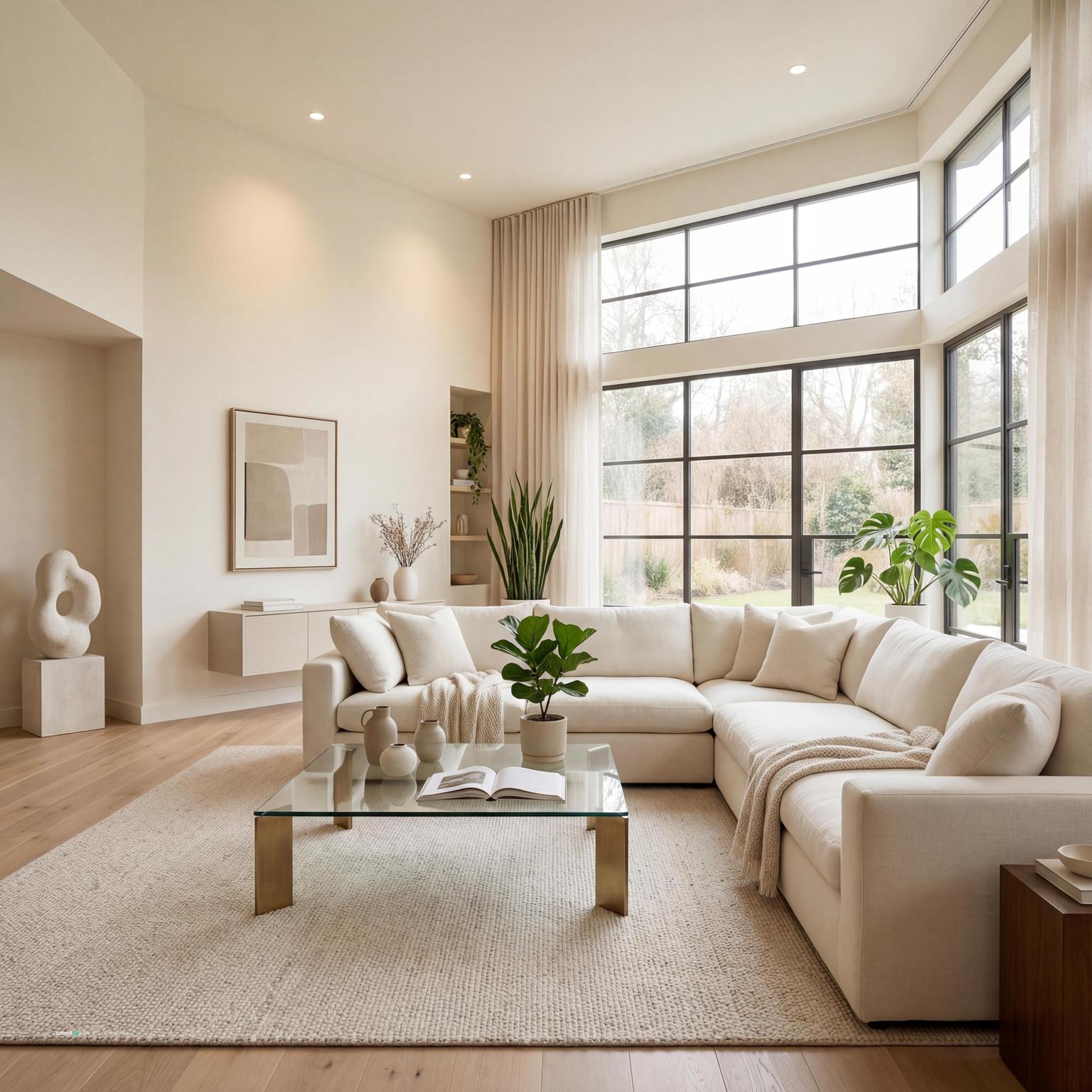
A serene minimalist living room design beautifully combines clean aesthetics with natural elements, defining the essence of organic modern style.
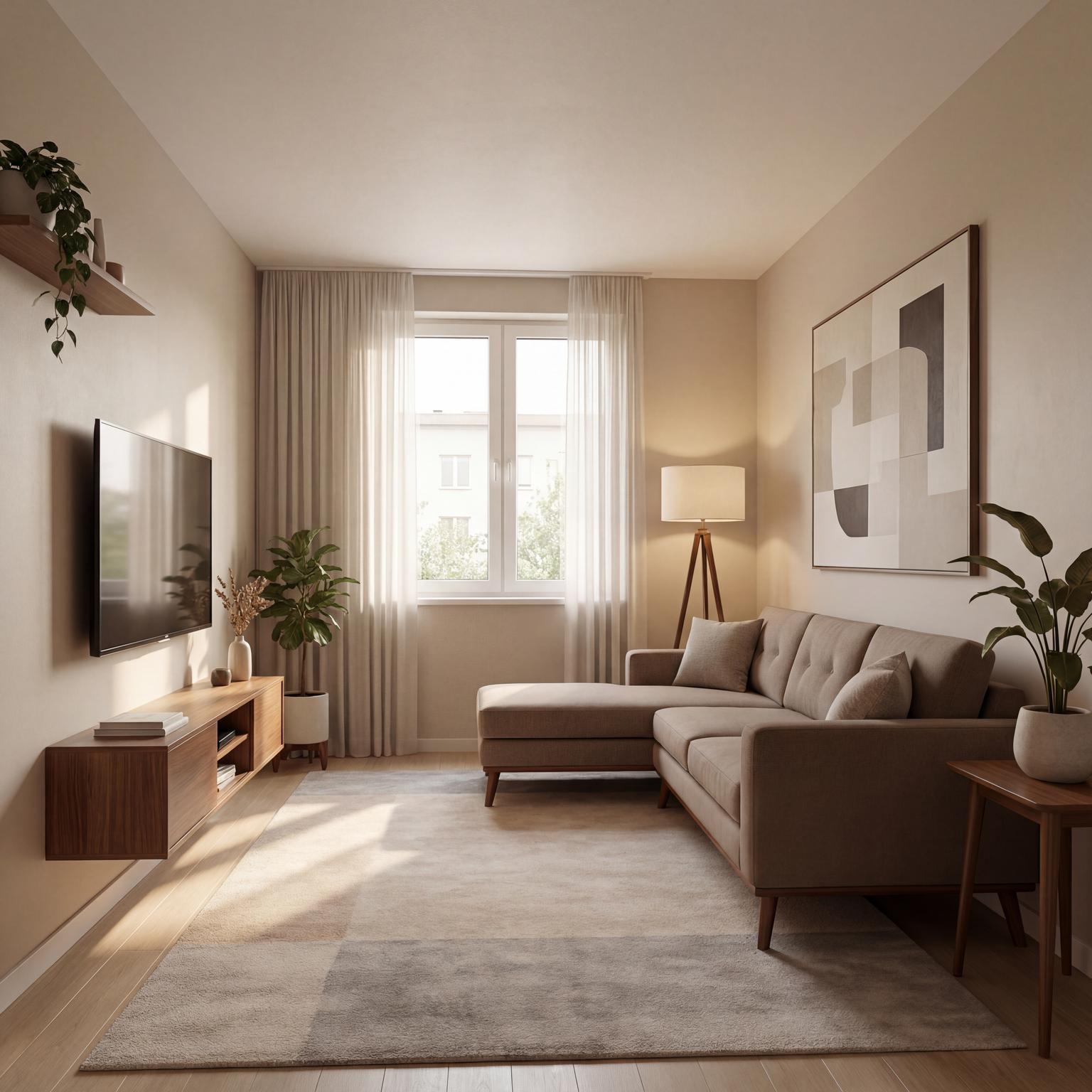
This Mid-Century Modern minimalist living room design skillfully integrates organic shapes and natural textures, creating a timeless organic modern appeal.
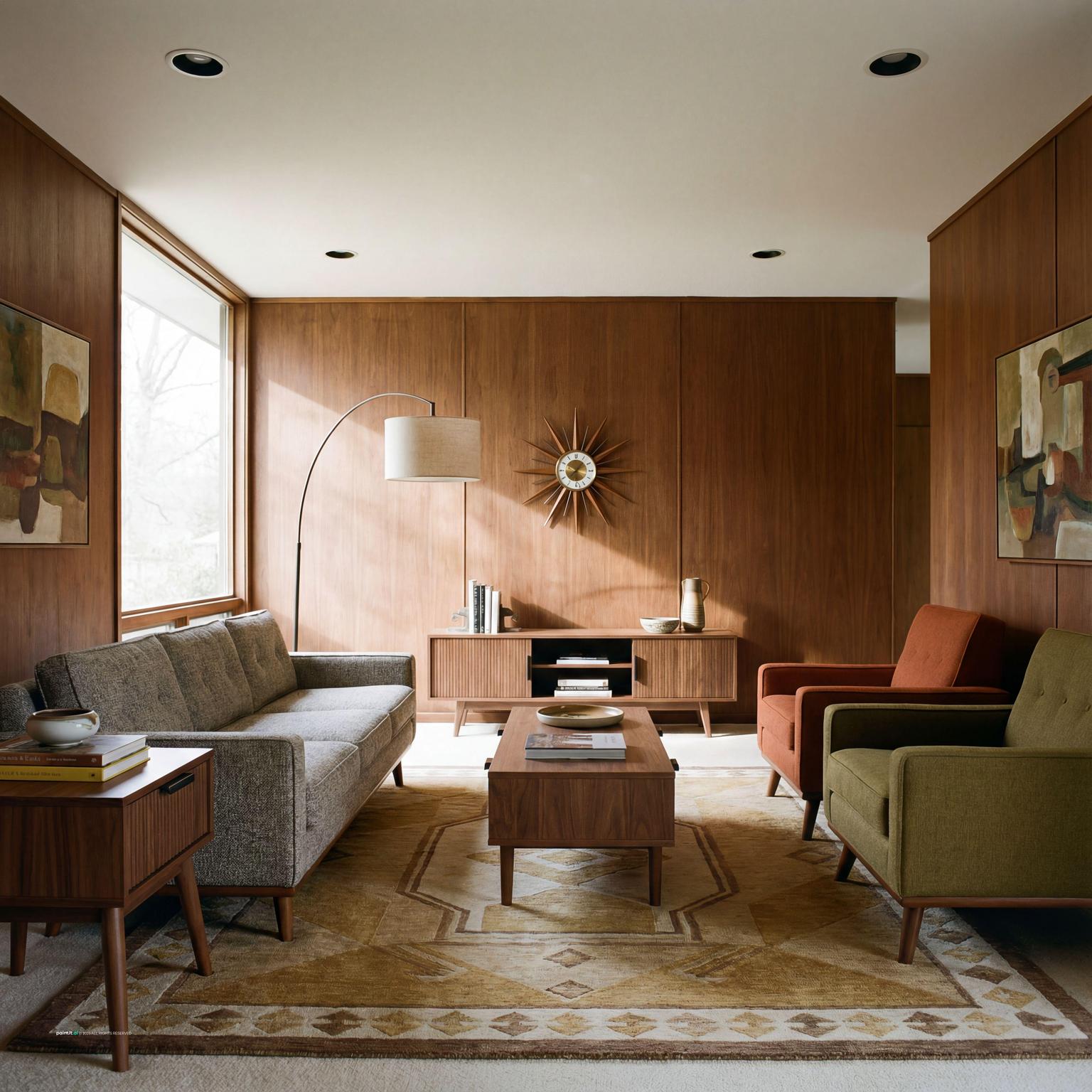
Embrace the timeless charm of this Mid-Century Modern living room design, perfectly embodying the sophisticated yet natural feel of organic modern.
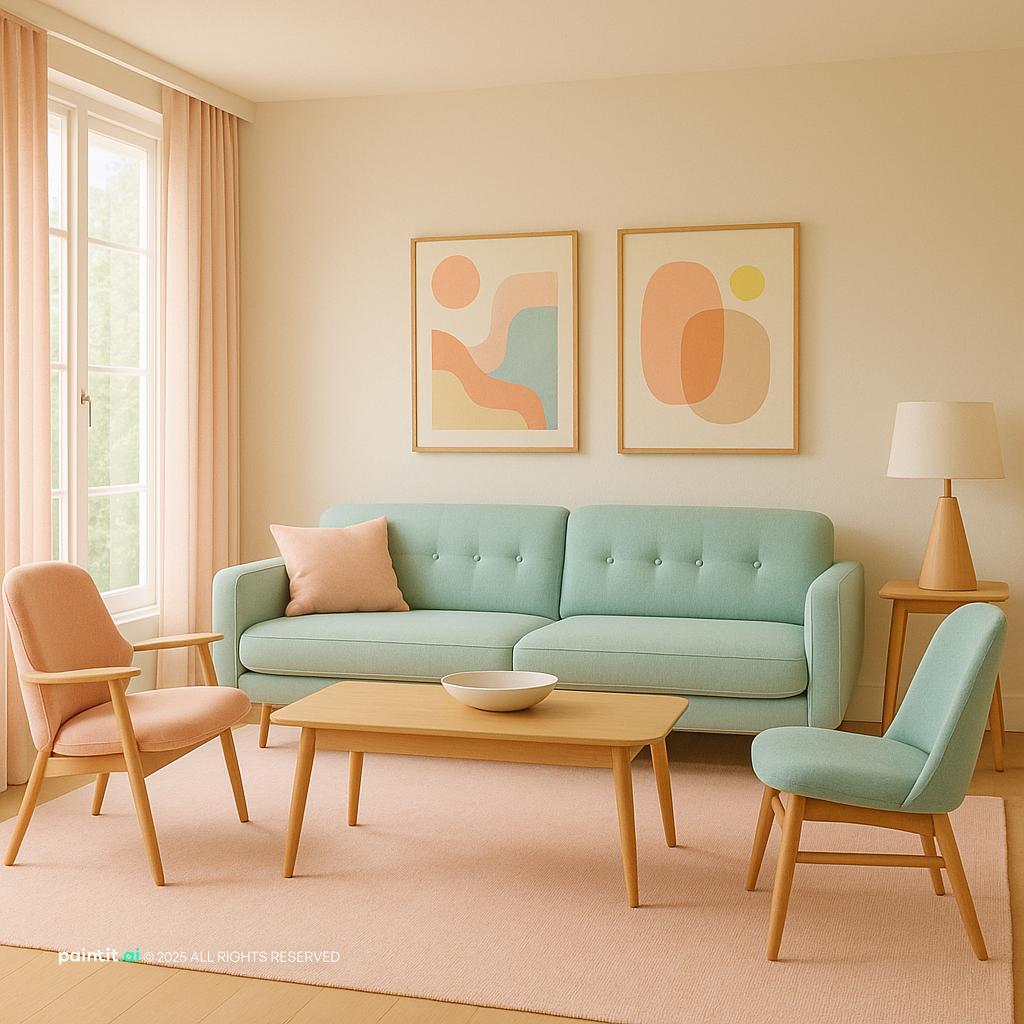
Chic Mid-Century Modern Living Room Design brings together clean lines for a more composed living room direction.
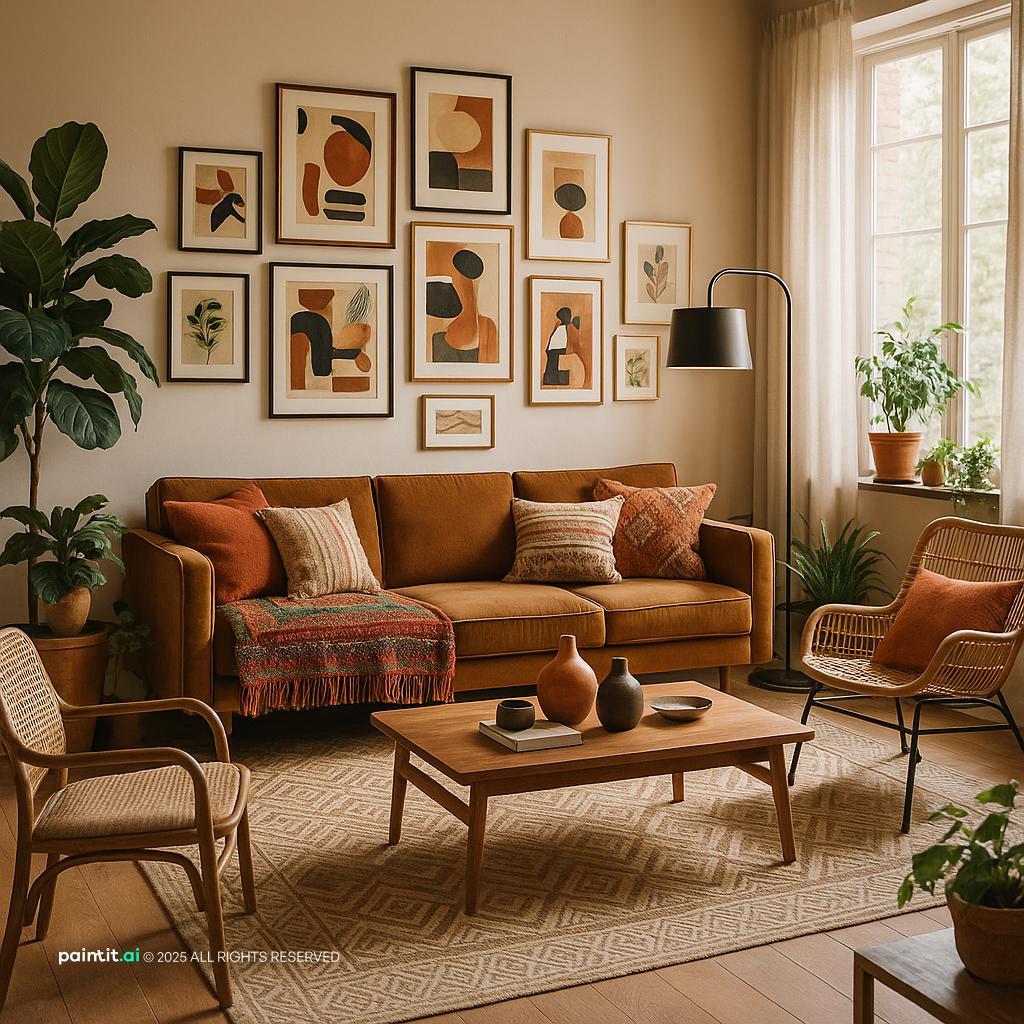
Bohemian-Style Living Room Design brings together earthy tones for a more composed living room direction.
an organic modern living room thrives on touch. It’s not just what you see, but what you feel. Think about how different natural textures interact; the subtle friction of raw linen against a smooth, matte ceramic, or the softness of a bouclé throw draped over a sleek, low-slung sofa. This interplay adds depth without needing a riot of color.
Layering is key here. Start with a foundational element like a hand-knotted wool rug, then introduce a linen-slipcovered sofa. Add cushions in different weaves—perhaps a chunky knit, a fine raw silk, and a textured cotton. Don't forget a woven jute pouf for extra seating or a footrest. It’s about building a sensory experience.
For a related take on the same room, explore emerald green sofa living room ideas.
Sharp angles can feel a bit jarring, can't they? The organic modern aesthetic leans into fluidity. We're talking about furniture that feels carved from nature itself, with gentle curves and rounded edges that invite you to settle in. It’s a subtle rebellion against rigid geometry.
Look for a sofa with a generous, curved silhouette, perhaps upholstered in a soft, natural fabric like linen or a fine wool. Coffee tables with rounded tops or even a live-edge design work beautifully. Consider an armchair with an embracing form, like a classic mid-century piece with a modern update. The goal is visual softness, a quiet grace.
For a related take on the same room, explore living room wall color ideas.
Forget anything too bright or saturated; this style whispers, it doesn't shout. We've seen vibrant hues come and go, but a grounded palette has staying power. It connects us to the natural world, creating a backdrop that feels inherently calming and timeless. It’s about preservation over imposition.
Build your palette around colors found in nature: warm whites, creamy beiges, soft greys, deep charcoals, muted greens like olive or sage, and dusty terracotta. Introduce these through wall colors, large furniture pieces, and textiles. Keep patterns minimal and abstract, letting texture do most of the talking. The result? Impeccable.
Bringing the outside in isn't just a trend; it's a fundamental human need. There's something undeniably restorative about living amongst greenery. to consider scale and placement, ending up with a few sad potted plants rather than a lush, integrated feel.
Incorporate large, architectural plants like a Fiddle Leaf Fig, an Olive Tree, or a Bird of Paradise. Place them in sculptural ceramic or concrete planters. Consider a living wall if space allows, or even just a collection of smaller plants on a low shelf. Ensure they receive adequate natural light, which is another cornerstone of this aesthetic.
There's a story in every knot and grain of reclaimed wood. It adds soul, a sense of history, and an undeniable warmth that new, perfectly finished pieces often lack. This isn't about rustic; it's about authenticity and a connection to craft.
Seek out a coffee table made from reclaimed oak or a console table with a live edge. Incorporate handcrafted ceramics—vases, bowls, or even sculptural pieces—from local artisans. A hand-woven basket for throws or magazines adds another layer of warmth. These elements ground the space, making it feel truly lived-in and unique.
Harsh overhead lights can kill any sense of serenity. An organic modern living room needs lighting that mimics natural light—soft, ambient, and layered. It's about creating mood and highlighting textures, not just illuminating a space.
Utilize dimmers on all light sources. Incorporate floor lamps with fabric shades that diffuse light, or sculptural table lamps that cast interesting shadows. Consider wall sconces for ambient glow. Rice paper lanterns or linen pendant lights can add a beautiful, soft overhead light without being overwhelming. The goal is a gentle, inviting radiance.
This isn't about stark emptiness; it's about intentionality. Every object in an organic modern living room should have a purpose or bring joy. Clutter, frankly, is the enemy of calm. We've seen too many spaces where people try for minimalism but end up with just... less stuff, not more intention.
Choose a few key decorative items: a unique ceramic vase, a stack of beautiful art books, or a single piece of abstract art. Ensure surfaces remain largely clear. Integrated storage solutions, like built-in shelving or closed cabinets, are your best friend for hiding everyday necessities. It’s about quality over quantity, always.
If you're lucky enough to have large windows or sliding doors, maximize that connection. The boundary between inside and out should feel blurred. It’s about inviting nature in, not just looking at it through a pane of glass. This is where biophilic design truly shines.
Keep window treatments minimal—think sheer linen curtains that allow light to filter through, or no curtains at all if privacy isn't an issue. Arrange furniture to face outward, drawing the eye to the view. If you have a patio or balcony, ensure it's styled as an extension of your living room, perhaps with similar materials or a consistent color palette.
The cool, tactile quality of natural stone adds an element of grounded luxury without feeling ostentatious. Honed finishes, rather than polished, are key here; they absorb light, offering a softer, more organic feel. polished marble can feel a bit too formal for this aesthetic.
Consider a coffee table with a honed travertine or limestone top. A fireplace hearth in a muted slate or concrete can be incredibly impactful. Even small decorative bowls or trays made from stone can introduce this element. It’s about bringing the raw beauty of the earth into your home in a sophisticated way.
An organic modern living room is, above all, a place for relaxation. Seating should be inviting, deep, and utterly comfortable. This isn't about stiff, showpiece furniture; it's about sinking in and unwinding. We crave grounding now more than ever.
Look for deep-seated sofas with plush cushions, perhaps upholstered in a soft, durable fabric like a heavy linen or a textured cotton blend. Oversized armchairs that you can curl up in are perfect. Don't shy away from floor cushions or large poufs for informal seating, adding to that relaxed, unpretentious vibe. Comfort is paramount.
Mass-produced textiles can feel a bit soulless. Handcrafted pieces, however, carry a unique energy and story. They add an irreplaceable layer of authenticity and warmth to an organic modern living room, making it feel truly personal and curated.
Invest in a hand-knotted wool or jute rug with a subtle, abstract pattern or a solid, textured weave. Look for throw blankets made from natural fibers like alpaca, cashmere, or hand-spun cotton. Cushions with block prints, natural dyes, or intricate weaving patterns from brands like Dedar can elevate the space. These details make all the difference.
Maintaining those clean lines and that sense of calm requires a smart approach to clutter. Visible storage can quickly disrupt the serene aesthetic. The goal is an impeccably edited space, and that means things have a place, even if you can't see it.
Consider built-in shelving units that blend seamlessly with the walls, perhaps with closed cabinets at the bottom. Ottoman coffee tables with hidden storage are incredibly practical. Sideboards or consoles with solid doors, rather than open shelving, keep things tidy. It’s about creating visual breathing room, allowing the beautiful elements to shine.
The second gallery leans into more specific directions through natural textures, clean lines, helping compare different ways the same living room can feel at home.
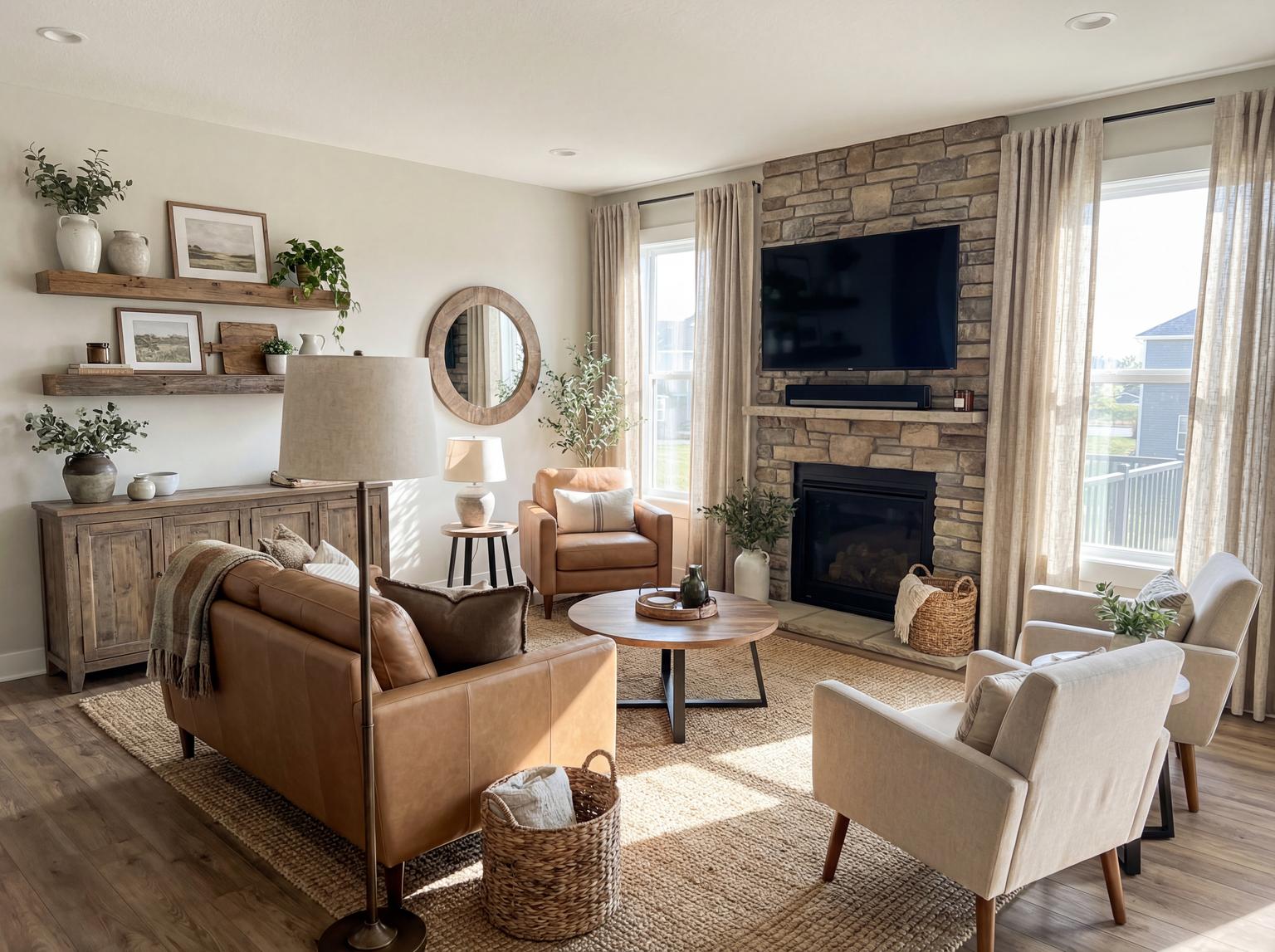
This stunning organic modern living room seamlessly blends rustic textures with contemporary lines, creating an inviting and naturally sophisticated atmosphere.
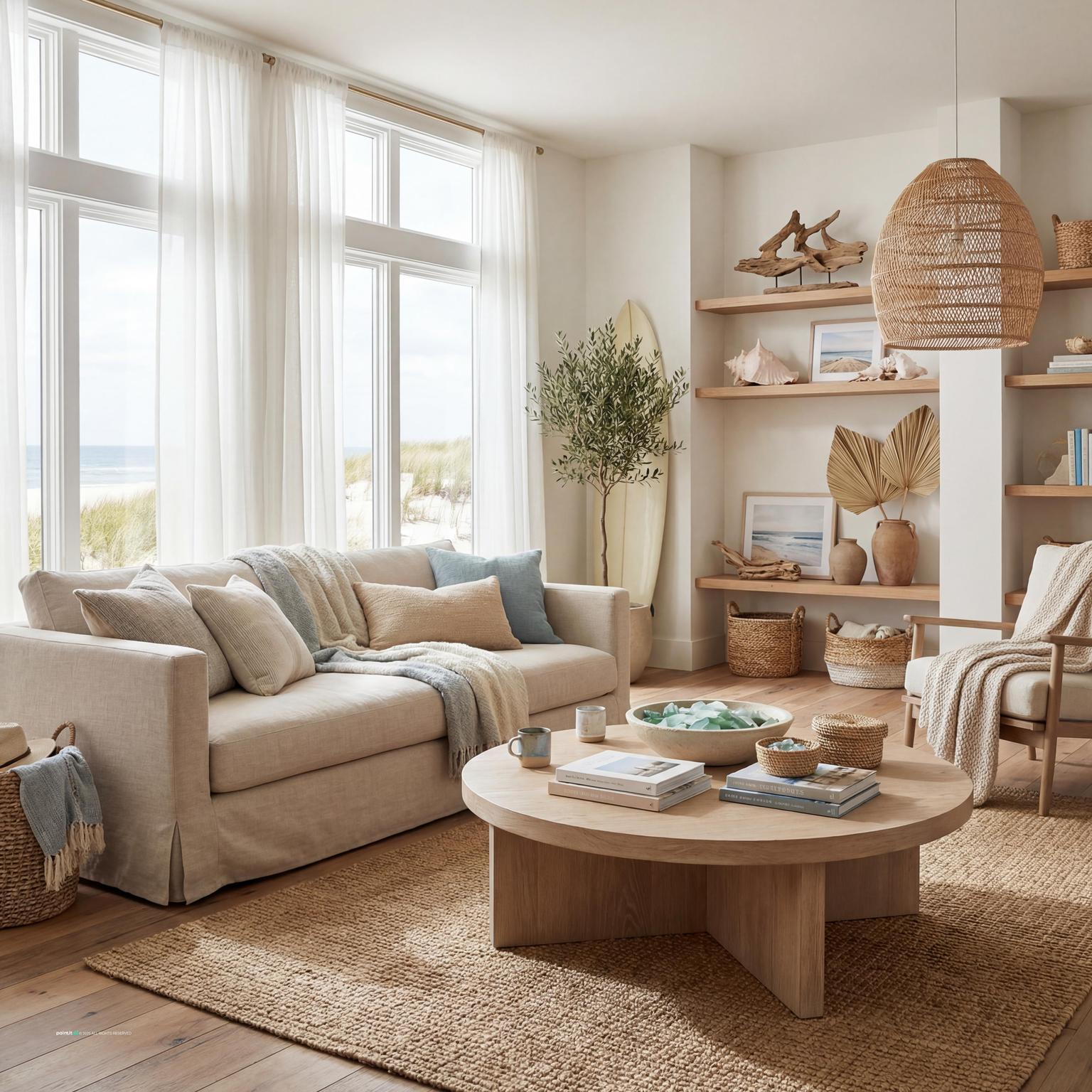
Embrace tranquility in this coastal modern living room, where light-filled spaces and natural textures define an organic modern aesthetic.
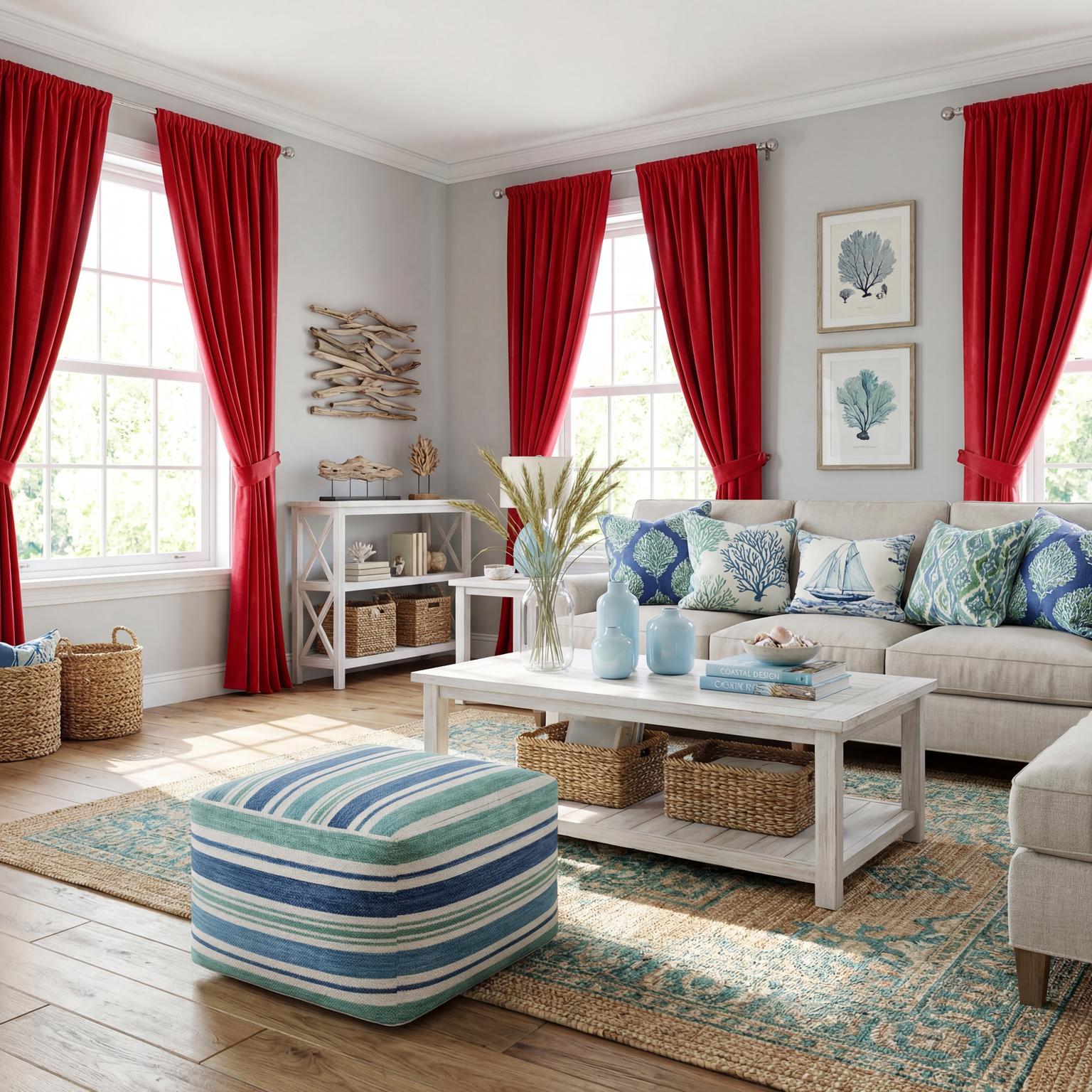
A coastal-inspired design transforms this organic modern living room into a serene escape, utilizing natural elements and a soothing palette.
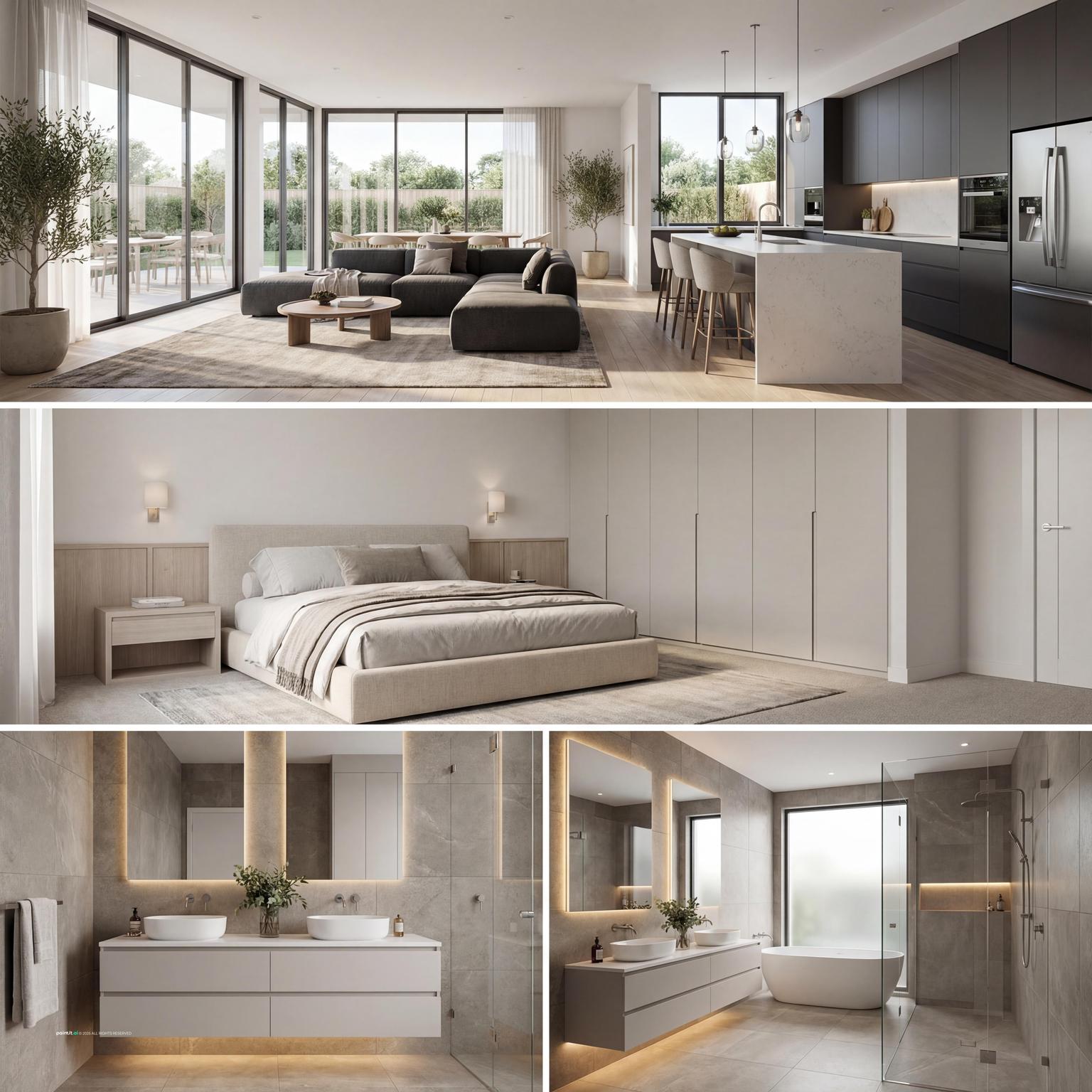
This ultra-modern living room is beautifully softened by natural accents, embodying the sleek yet warm essence of organic modern design.
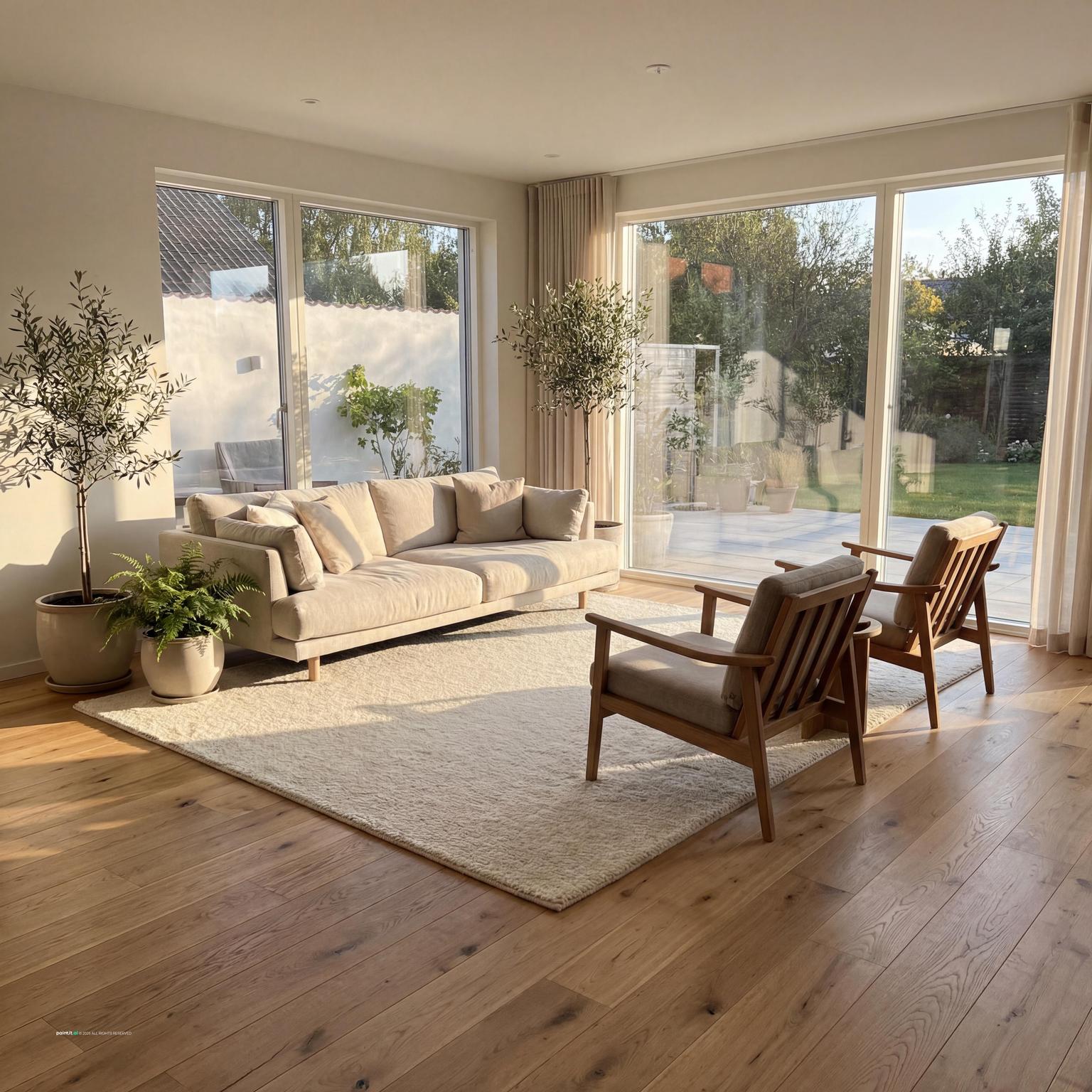
Flooded with natural light, this elegant organic modern living room design creates a serene and inviting ambiance with its minimalist approach.
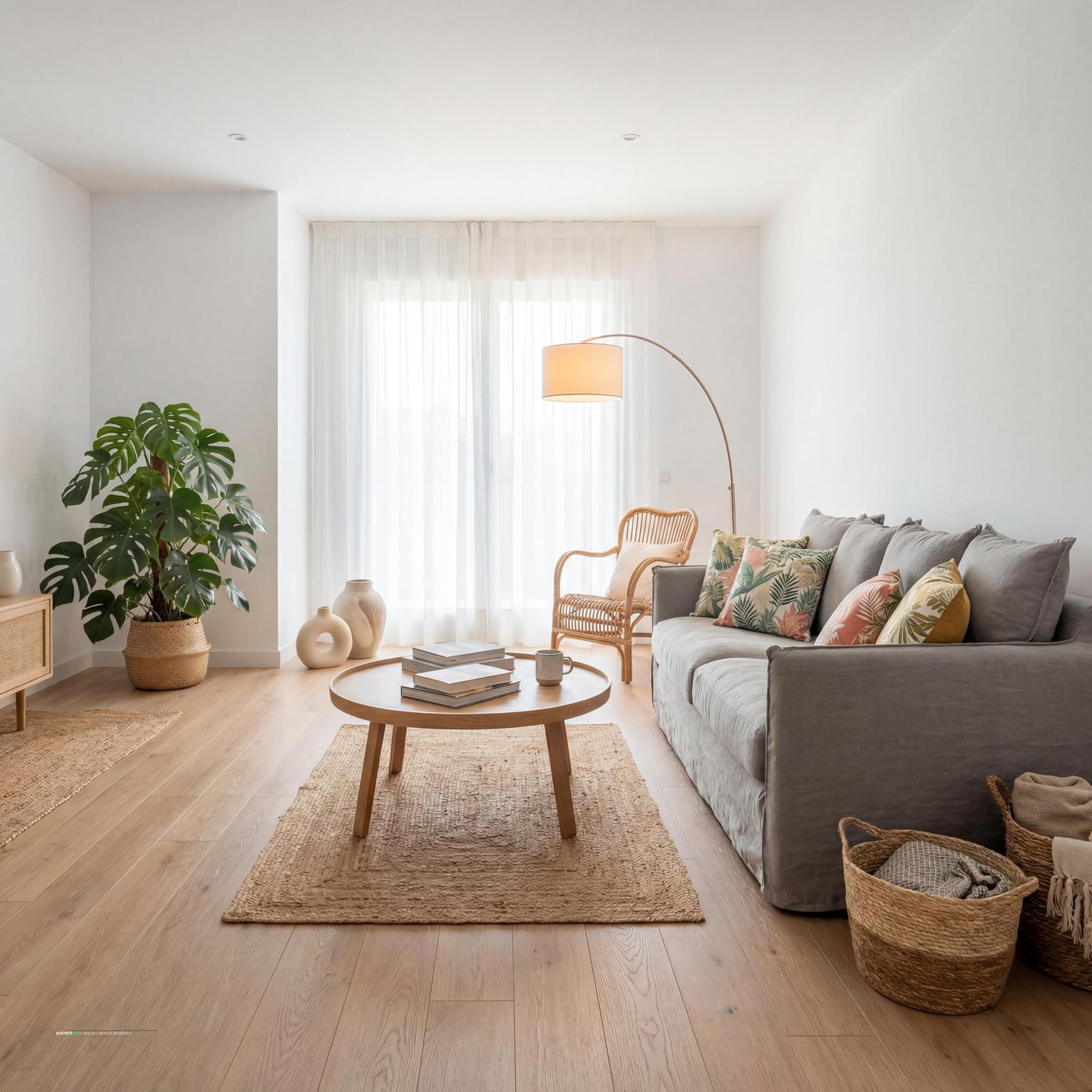
A Scandinavian living room is elevated with tropical accents, perfectly marrying minimalist design with an organic modern, vibrant feel.
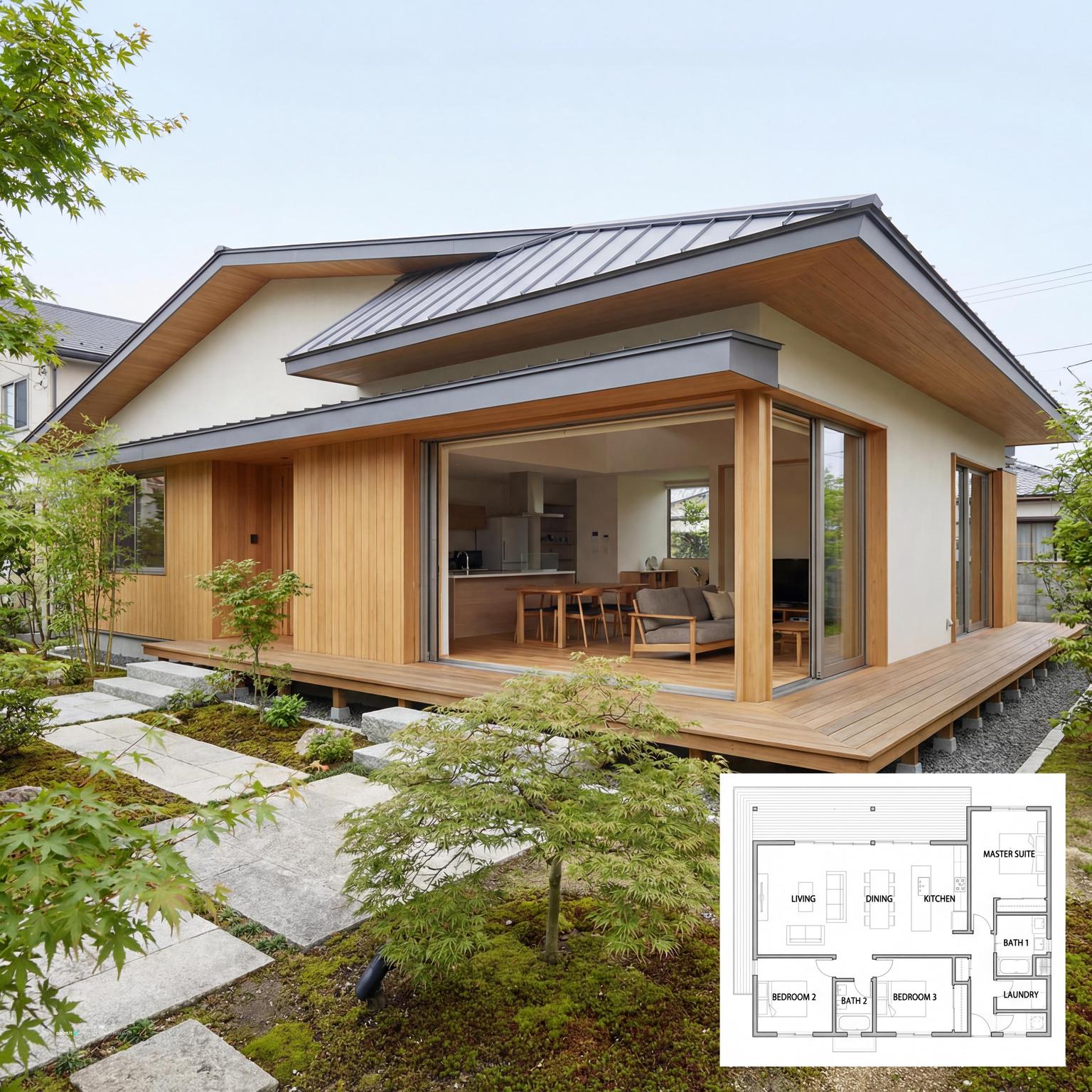
Experience calm in this modern minimalist Japanese living room, where clean lines and natural materials define an organic modern sanctuary.
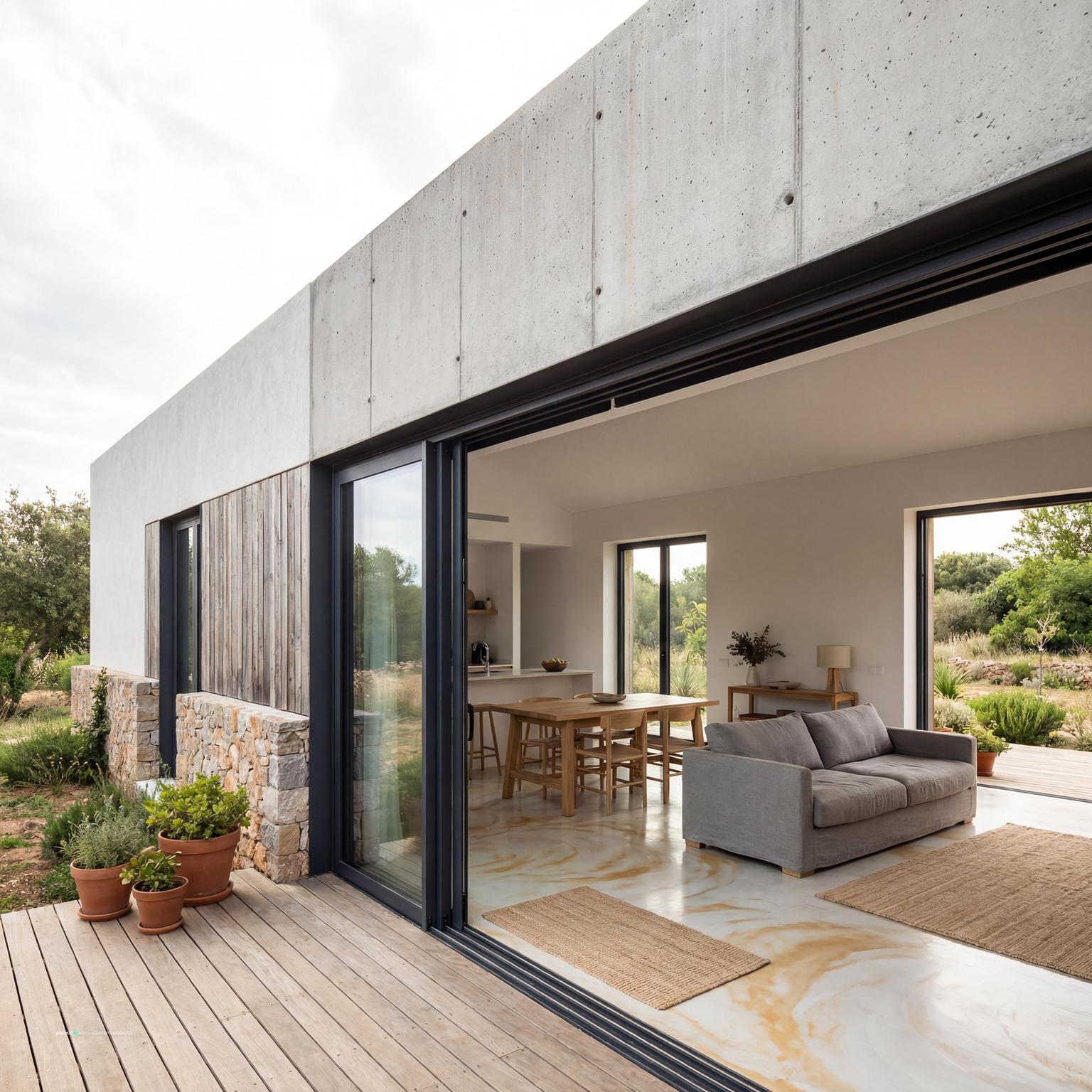
This rustic contemporary living room brings the charm of a country house to life with an organic modern design, featuring rich textures and comfort.
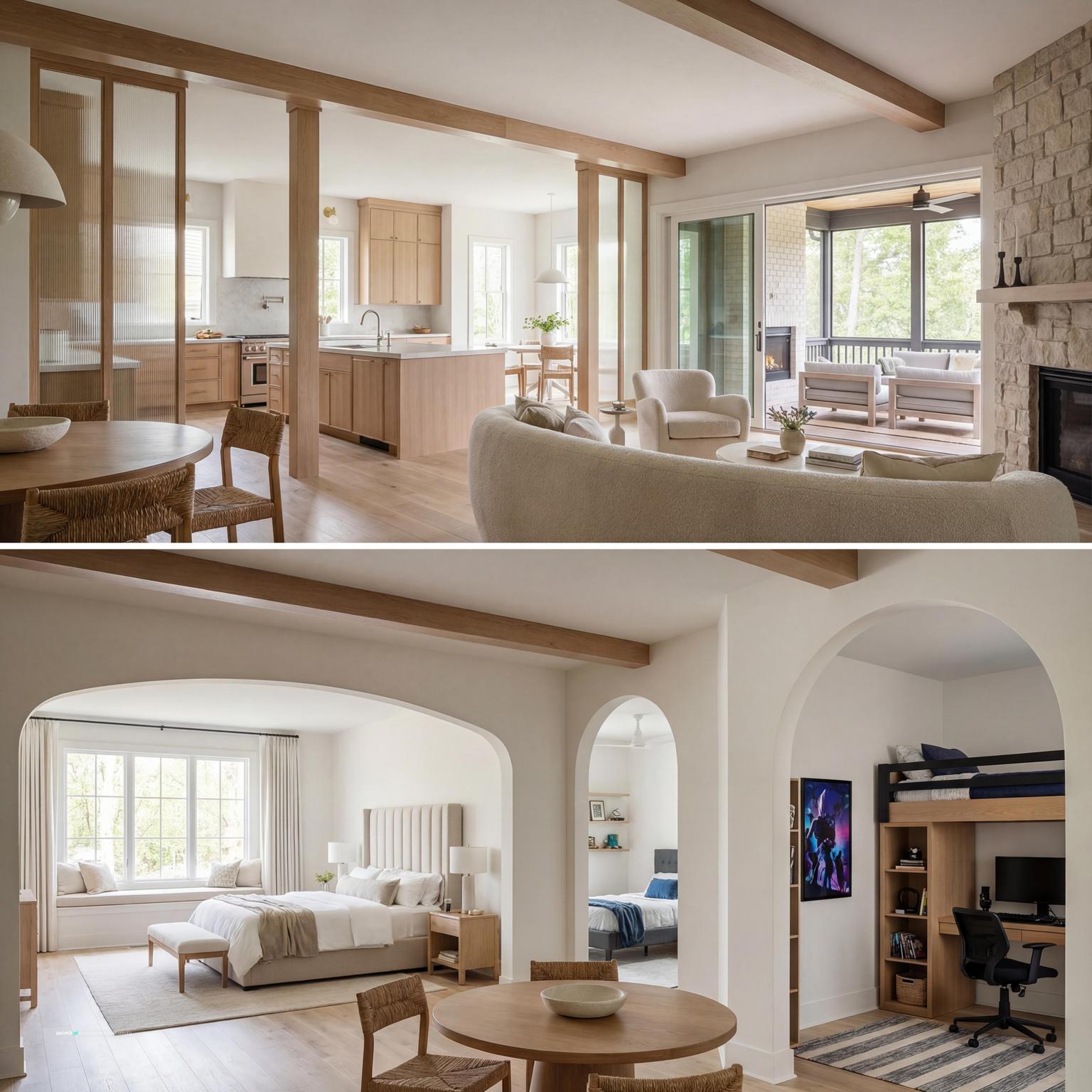
Discover stylish soft modern living room design, where gentle aesthetics and natural elements combine for an inviting organic modern space.
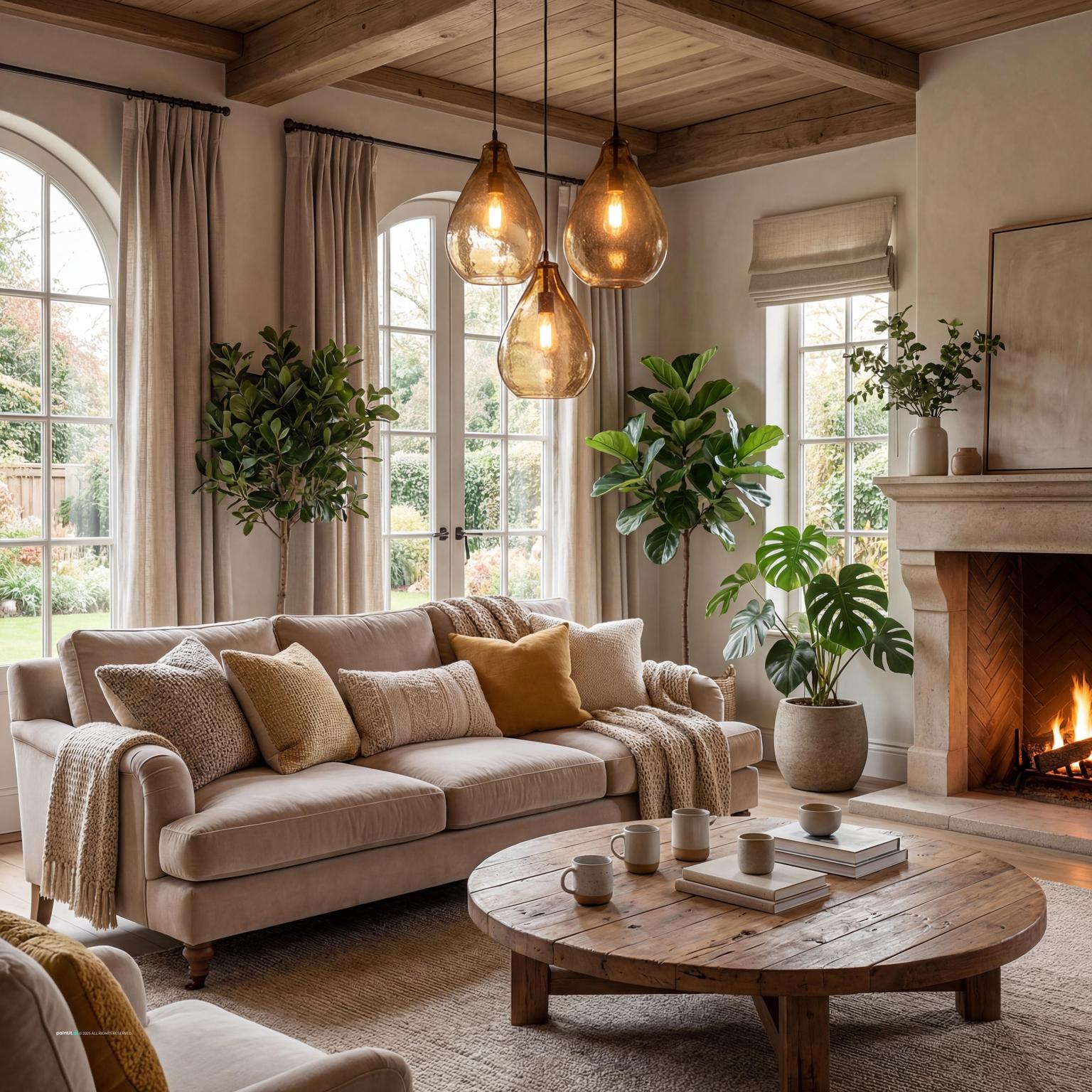
This cozy, earth-toned living room perfectly embodies organic modern design, creating a warm and inviting space for ultimate relaxation.
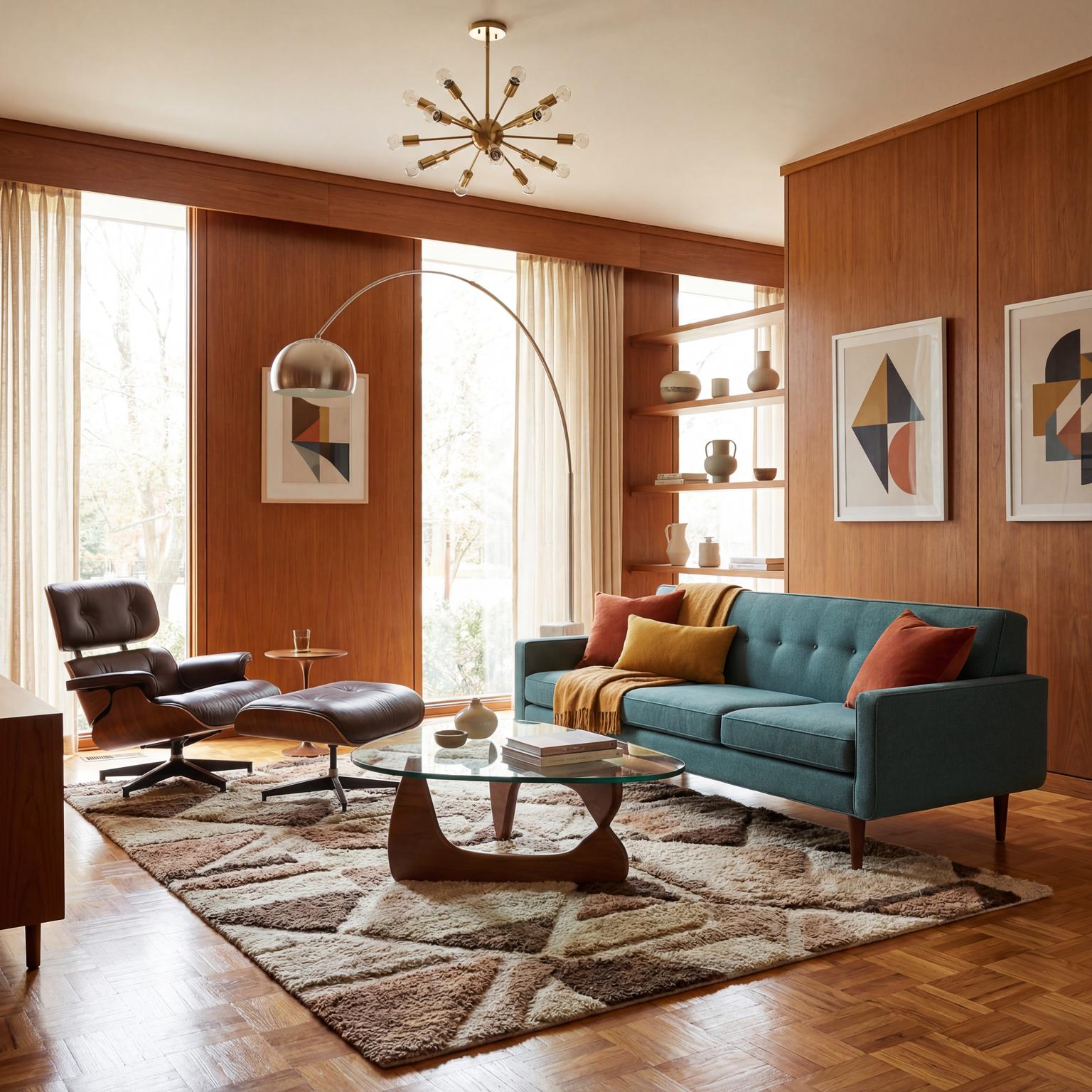
Midcentury Modern Living Room Design brings together clean lines for a more composed living room direction.
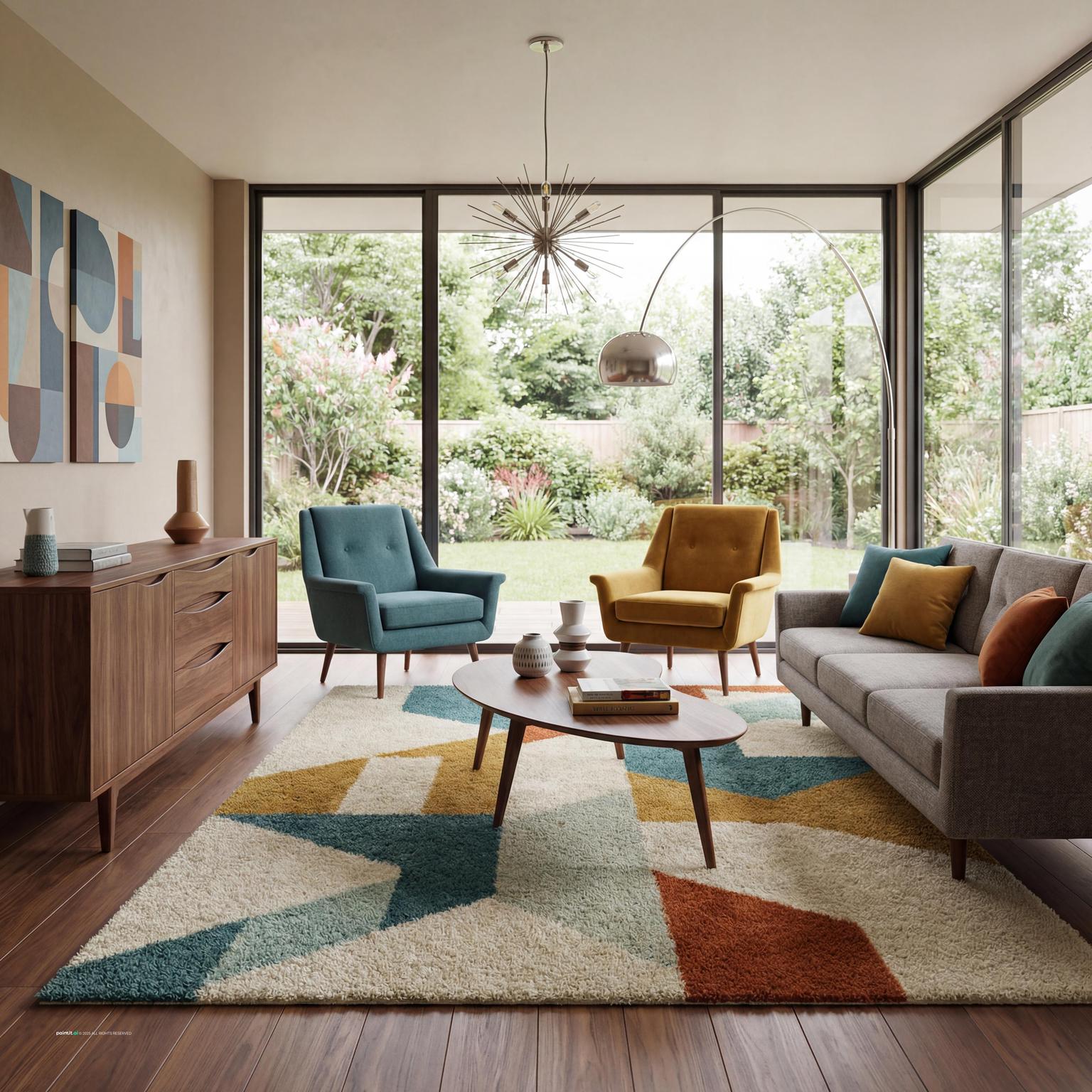
Elegant Mid-Century Modern Living Room Design brings together neutral palette and floor to ceiling windows for a more composed living room direction.
We lean into nature's quiet whispers for an organic modern living room. Think warm whites like bone or creamy ivory as your base, providing a soft, airy canvas. Introduce muted sage green, dusty terracotta, or a grounding mushroom grey. A deep charcoal or soft black can serve as a subtle accent, anchoring the space. It’s about creating a harmonious, desaturated backdrop.
For a related take on the same room, explore living room ideas with indoor plants.
The tactile experience defines an organic modern living room. We find reclaimed oak or walnut for furniture, adding warmth new wood can't replicate. Soft, raw linen or chunky bouclé upholstery invites touch, creating immediate comfort. Honed travertine or limestone surfaces on a coffee table bring a cool, earthy groundedness. These materials work together, creating depth.
For a related take on the same room, explore small living room ideas with TV.
achieving that seamless blend of natural textures and earthy tones in an organic modern living room can be surprisingly complex; one wrong shade of beige, and the whole vibe shifts. Paintit.ai lets you instantly visualize countless combinations of reclaimed wood, raw linen, and honed stone in your actual space, ensuring every element whispers harmony before you commit. Try it.
Before changing furniture or finishes, you can preview the direction with an interior design visualizer.
At Paintit.ai, we see the organic modern living room as a beautiful conversation between nature's raw textures and contemporary design's clean lines. It’s about creating a space that feels both effortlessly composed and deeply comforting. Think tactile materials, a muted palette, and forms that are simple yet inviting. It's less about strict rules, more about a feeling—a calm, grounded sanctuary.
materials are the soul of this aesthetic. We always lean into natural, unprocessed textures. Imagine reclaimed oak for a coffee table, a substantial linen sofa, or perhaps a hand-knotted wool rug. Travertine, limestone, and unglazed ceramic bring an earthy weight. For accents, consider brushed brass in an aged finish or woven rattan. The key? Authenticity. We steer clear of anything that feels synthetic or overly polished.
This is where the magic happens, and frankly, it's where many stumble. The trick lies in contrast. We often pair a sleek, low-slung sectional with a chunky, hand-knit throw. Or, imagine smooth, polished concrete floors softened by an irregularly shaped jute rug. It’s about creating a gentle tension. A sculptural ceramic vase on a simple, floating shelf. The modern provides the structure; the organic injects the soul. to let these elements truly play off each other.
For an organic modern living room, we gravitate towards a palette that mirrors the natural world. Think warm whites, soft greys, and muted greens like sage or olive. Terracotta and sandy beiges add a sun-drenched warmth. Sometimes, a deep charcoal or an inky blue can ground the space, providing a sophisticated anchor without feeling heavy. We find a monochromatic base, layered with subtle textural variations, creates an incredibly serene atmosphere.
Absolutely. One big one we’ve seen? Overdoing either the "organic" or the "modern" aspect. Too much rustic can feel dated; too much modern can feel cold. Another mistake is neglecting the human element. A space needs to feel lived-in, not just staged for a magazine. We always encourage clients to incorporate personal touches—a beloved vintage find, a stack of well-read books. And here’s the kicker: poor lighting can ruin even the most impeccably edited room. It’s crucial for setting the mood, making those beautiful textures truly sing.