
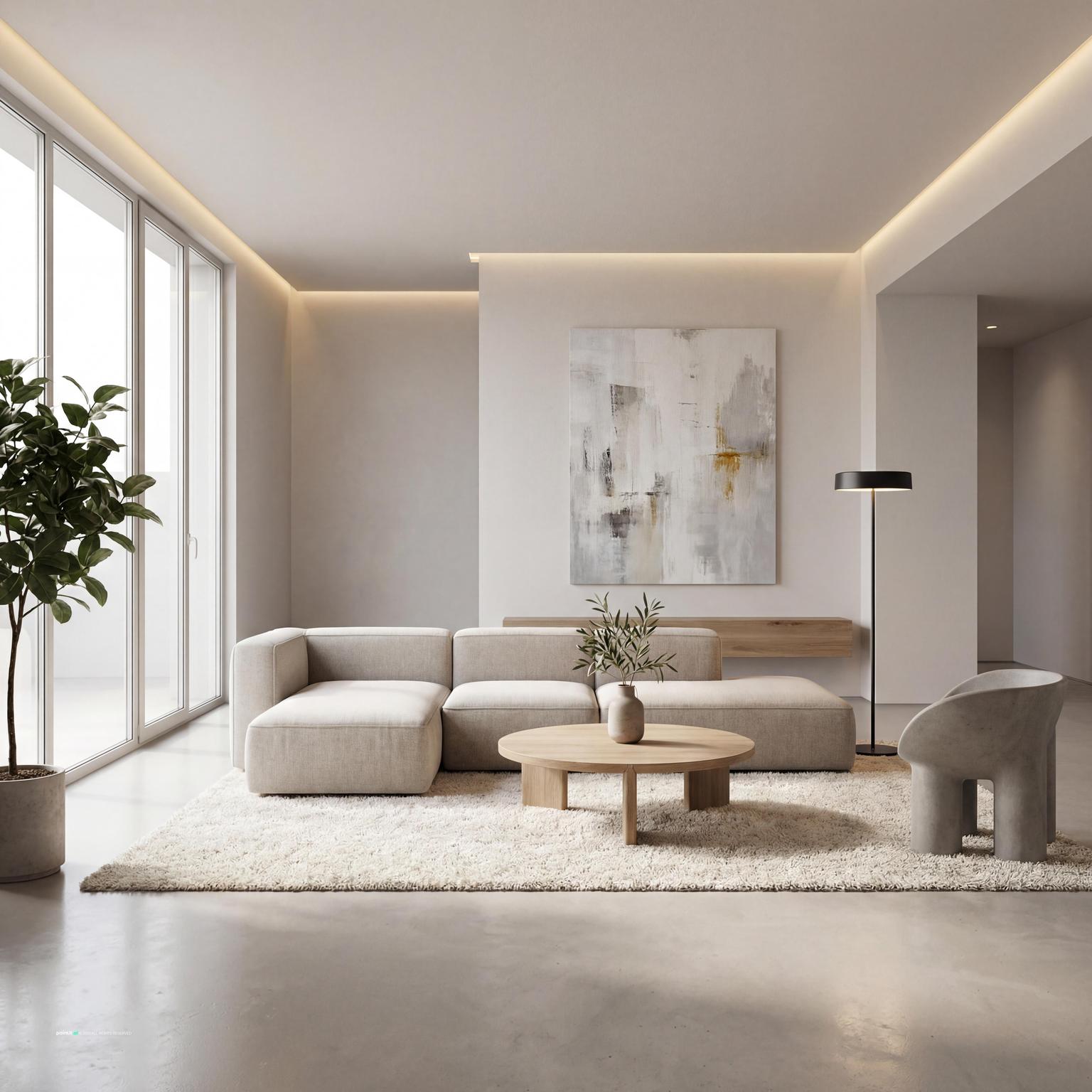
Minimalist Living Room Design for 2025
Discover a minimalist living room mood board, showcasing a serene aesthetic with clean lines and a functional design for 2025.
Ever feel like your living room is a collection of pieces you like, but not a space that truly feels like *you*? Building a thoughtful living room mood board helps bridge that gap, turning scattered inspirations into a clear, unified vision. What's the secret to making all those beautiful ideas truly sing together?
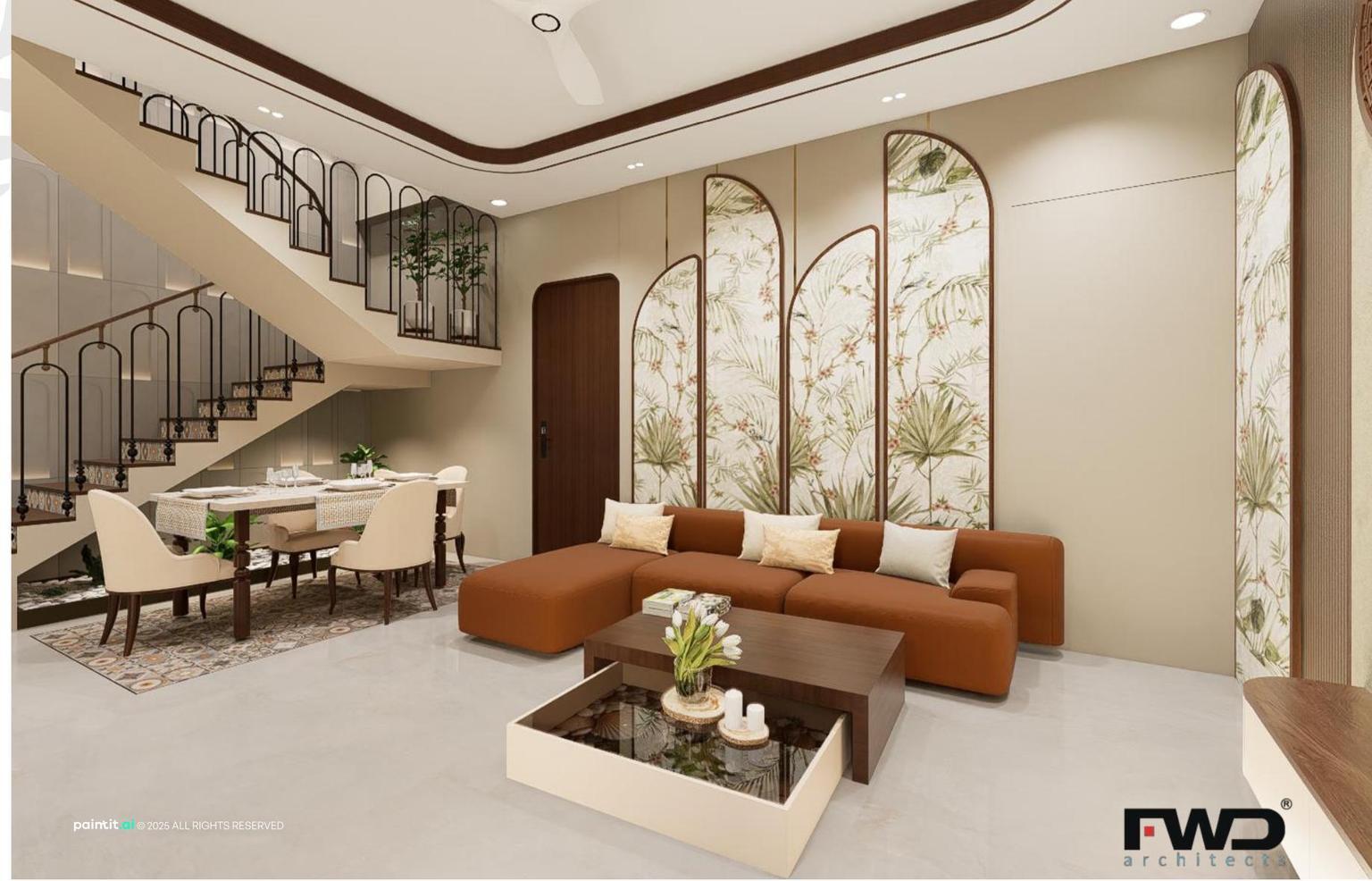
It's frustrating, isn't it, when you have a stack of beautiful fabric swatches and furniture pins, but the vision for your main gathering space just won't click? creating a truly harmonious living space, one that feels both inviting and uniquely yours, often feels like a puzzle. A tough one. We'll walk through how to build a cohesive design narrative, from selecting the perfect color palette to integrating textural elements and considering spatial flow. This process, once daunting, is now beautifully streamlined with AI visualization tools like Paintit.ai, helping you see those reclaimed wood coffee tables and velvet upholstery choices come alive.
Before changing furniture or finishes, you can preview the direction with an AI living room design tool.
This gallery brings the abstract idea of mood board into something visible: clean lines, earthy tones, natural textures.
Discover a minimalist living room mood board, showcasing a serene aesthetic with clean lines and a functional design for 2025.
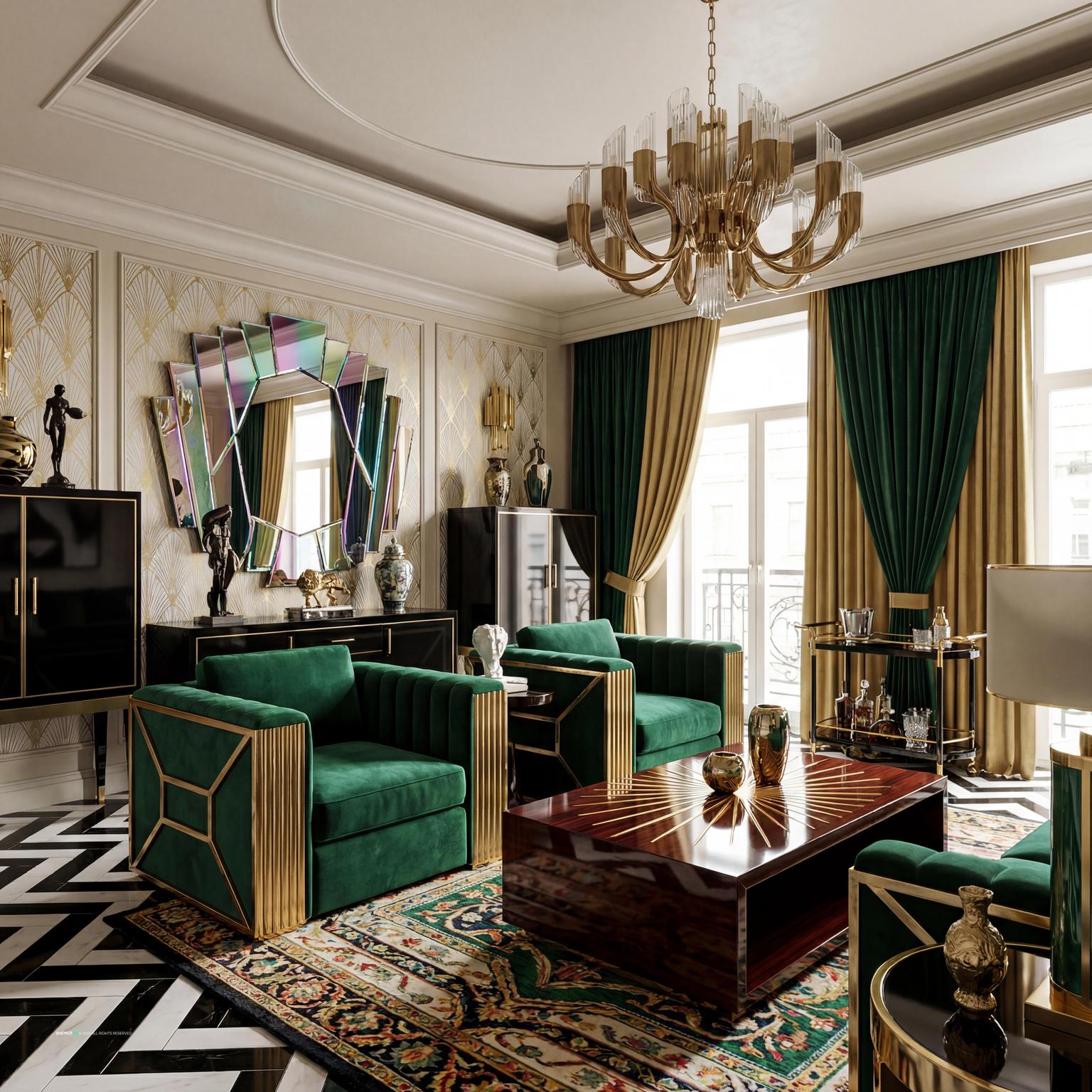
Explore an elegant Art Deco living room mood board, defined by luxurious materials, geometric patterns, and a sophisticated, timeless ambiance.
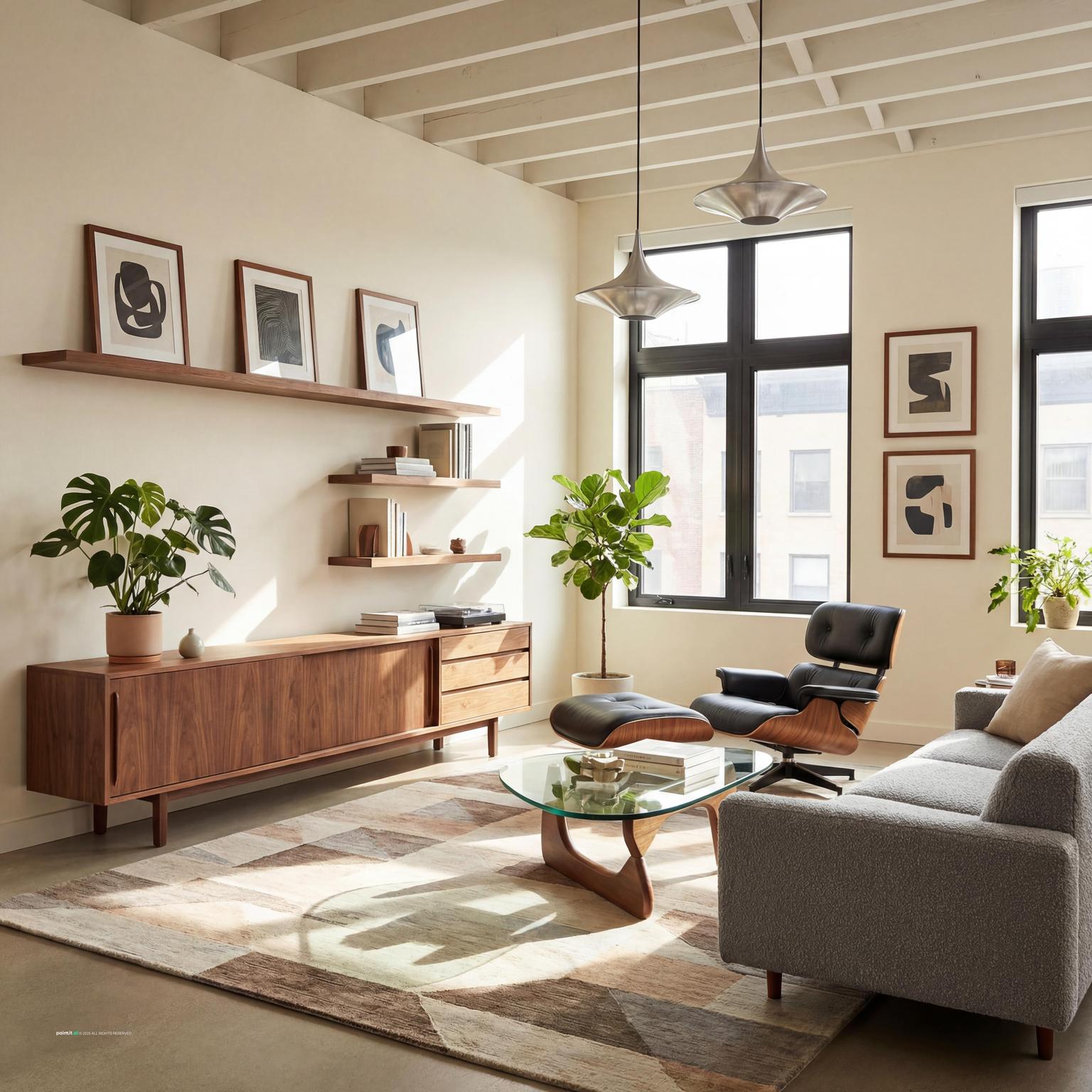
Create a stunning Mid-Century Modern living room mood board, featuring iconic furniture, organic forms, and a wonderfully warm, inviting color palette.
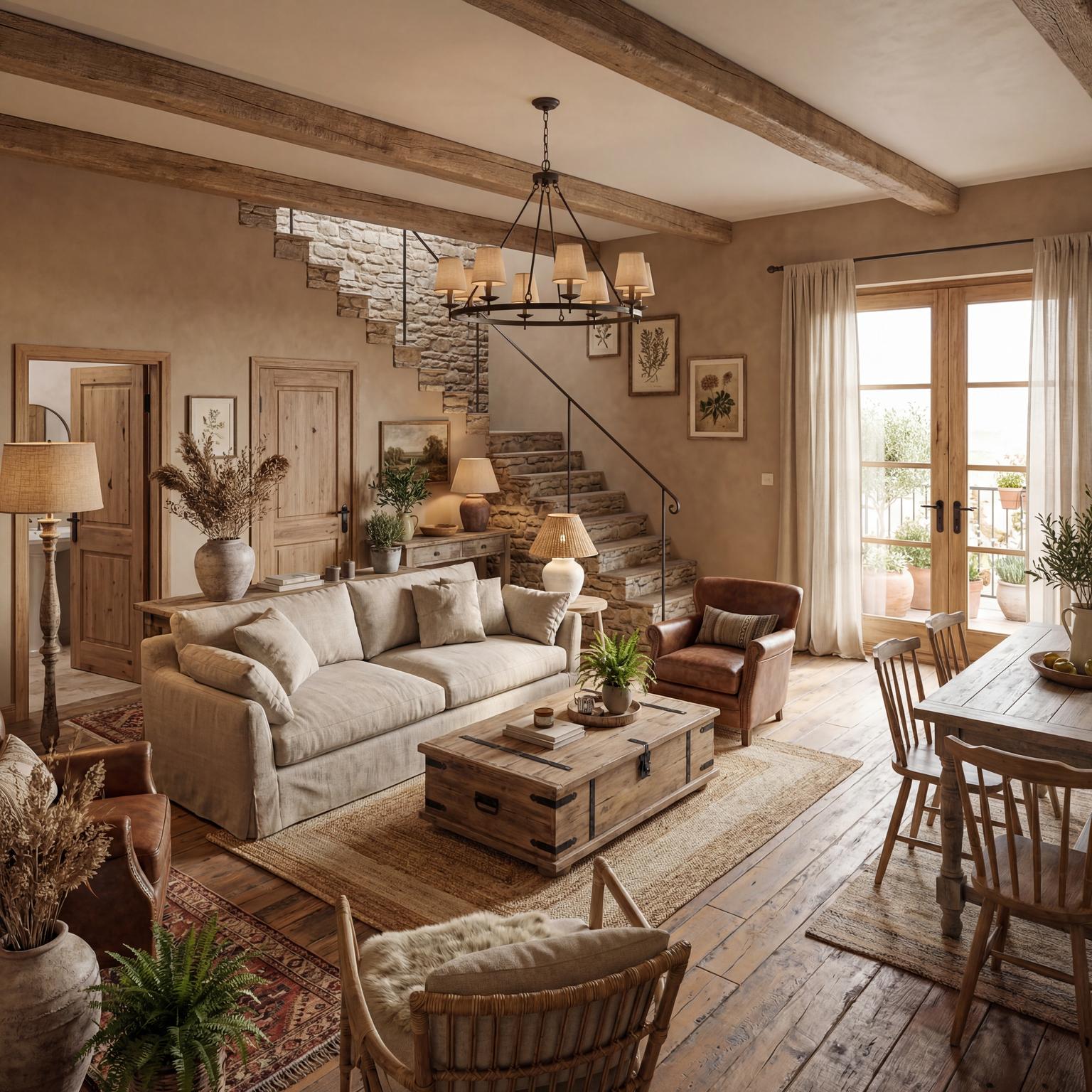
Embrace a charming rustic living room mood board, bringing together natural textures, cozy furnishings, and earthy tones for an inviting retreat.
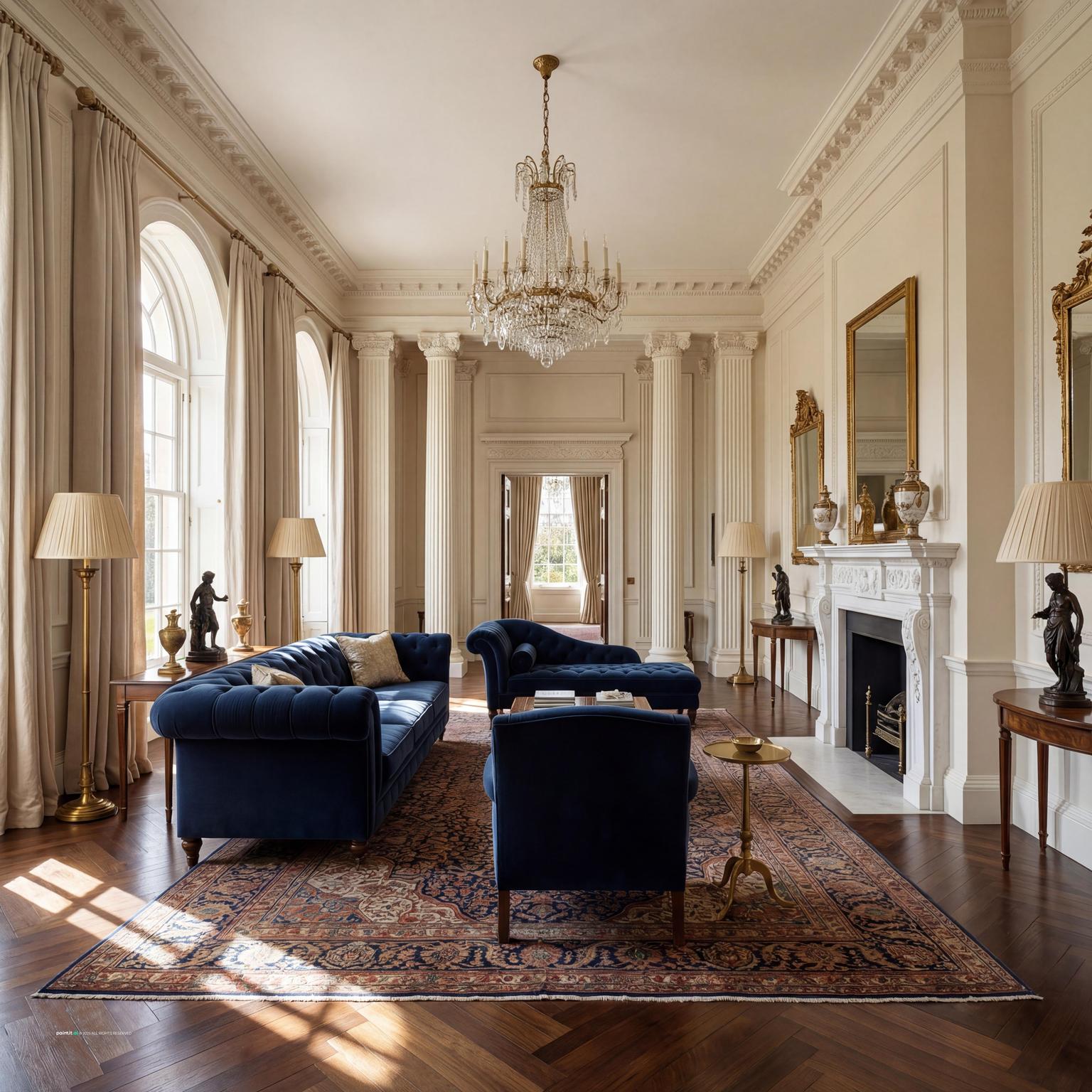
Design an elegant Neoclassical living room mood board, characterized by timeless symmetry, refined architectural details, and a sophisticated, classic aesthetic.
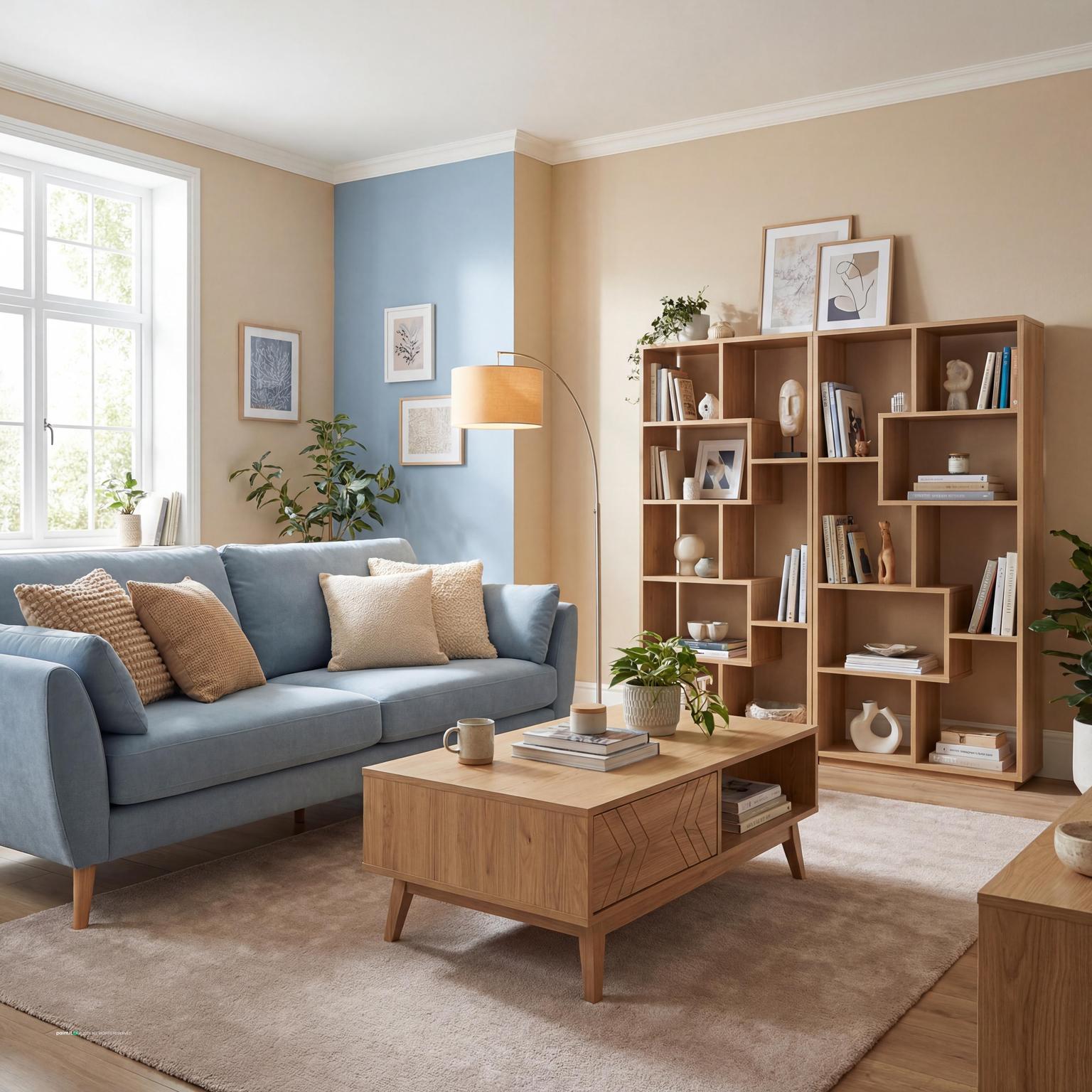
Craft a cozy blue and beige living room mood board, blending soft textures and serene hues for a wonderfully calm and inviting atmosphere.
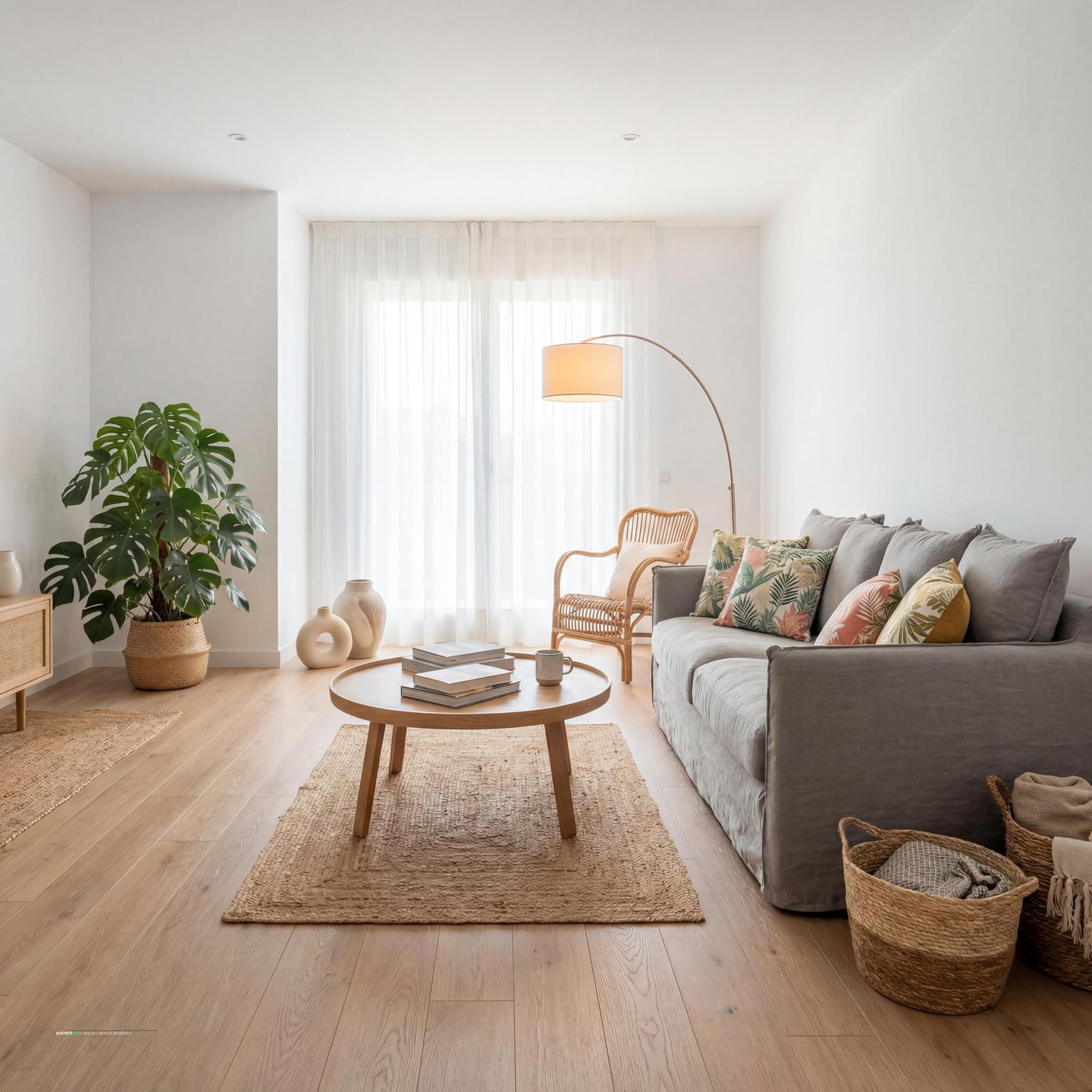
Visualize a Scandinavian living room mood board, elegantly blending minimalist design with vibrant tropical accents and natural materials for a fresh, airy feel.
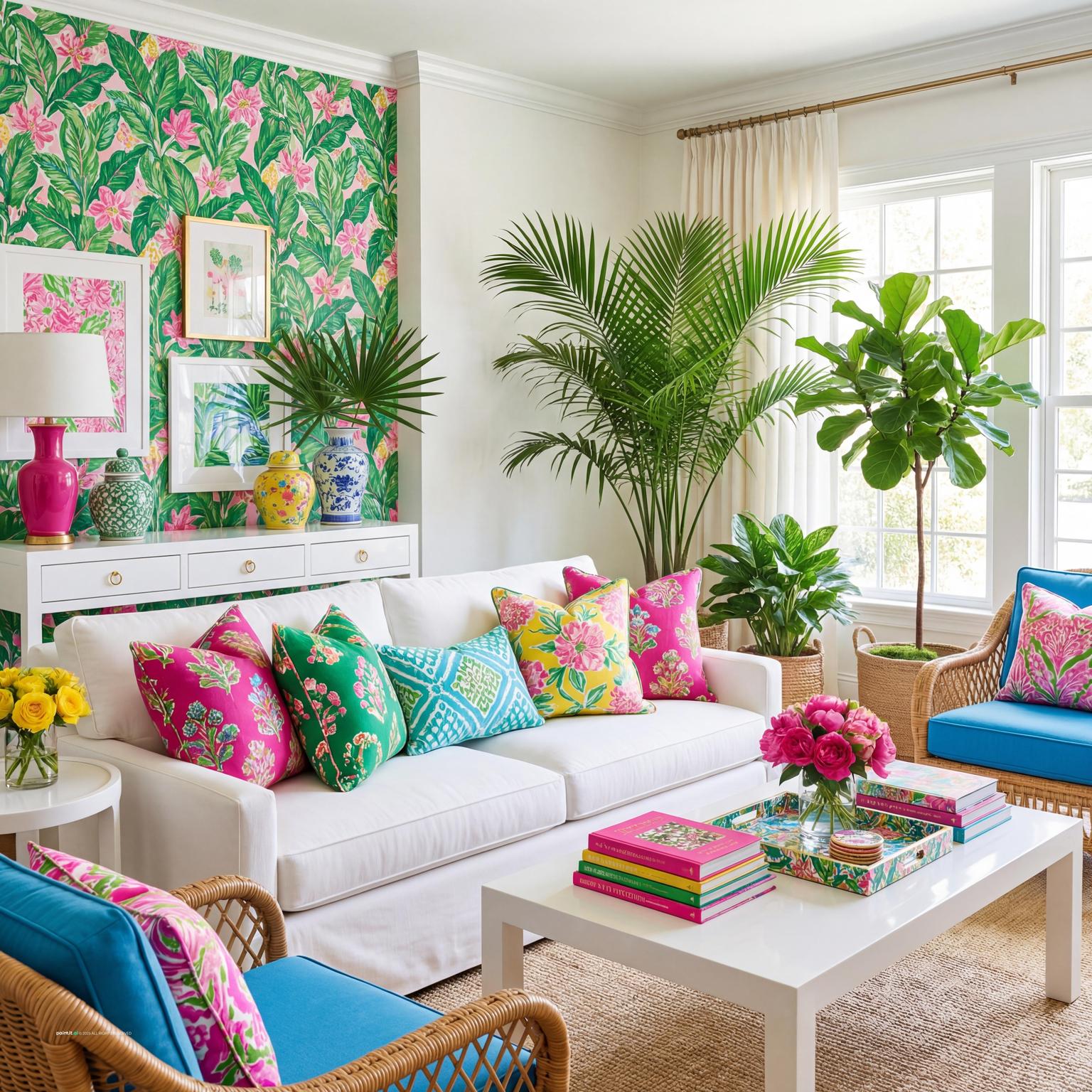
Create a vibrant Lilly Pulitzer inspired living room mood board, bursting with bold colors, playful patterns, and a wonderfully cheerful, preppy aesthetic.
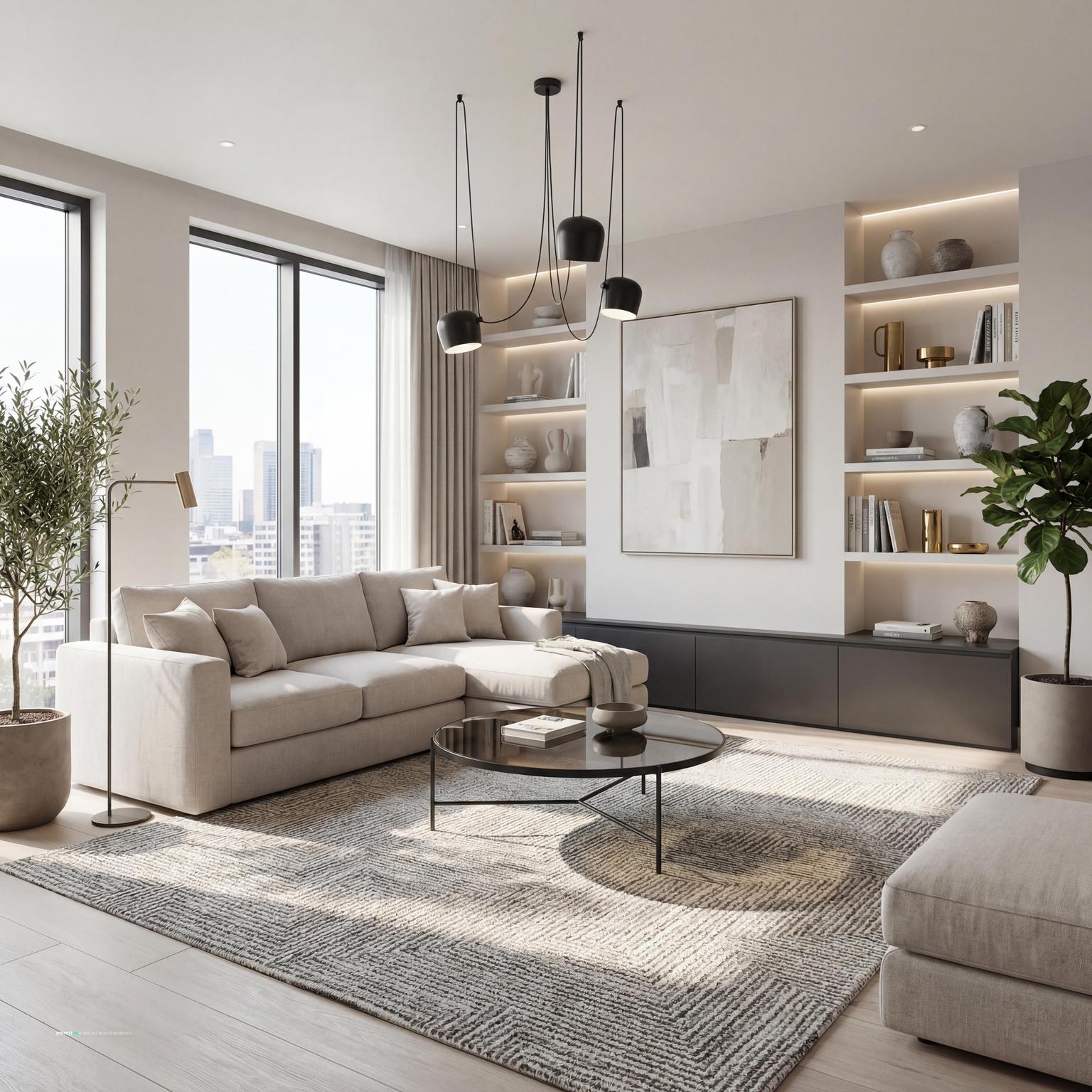
Find ultra-modern living room mood board inspiration, highlighting sleek lines, innovative materials, and a cutting-edge, futuristic design approach.
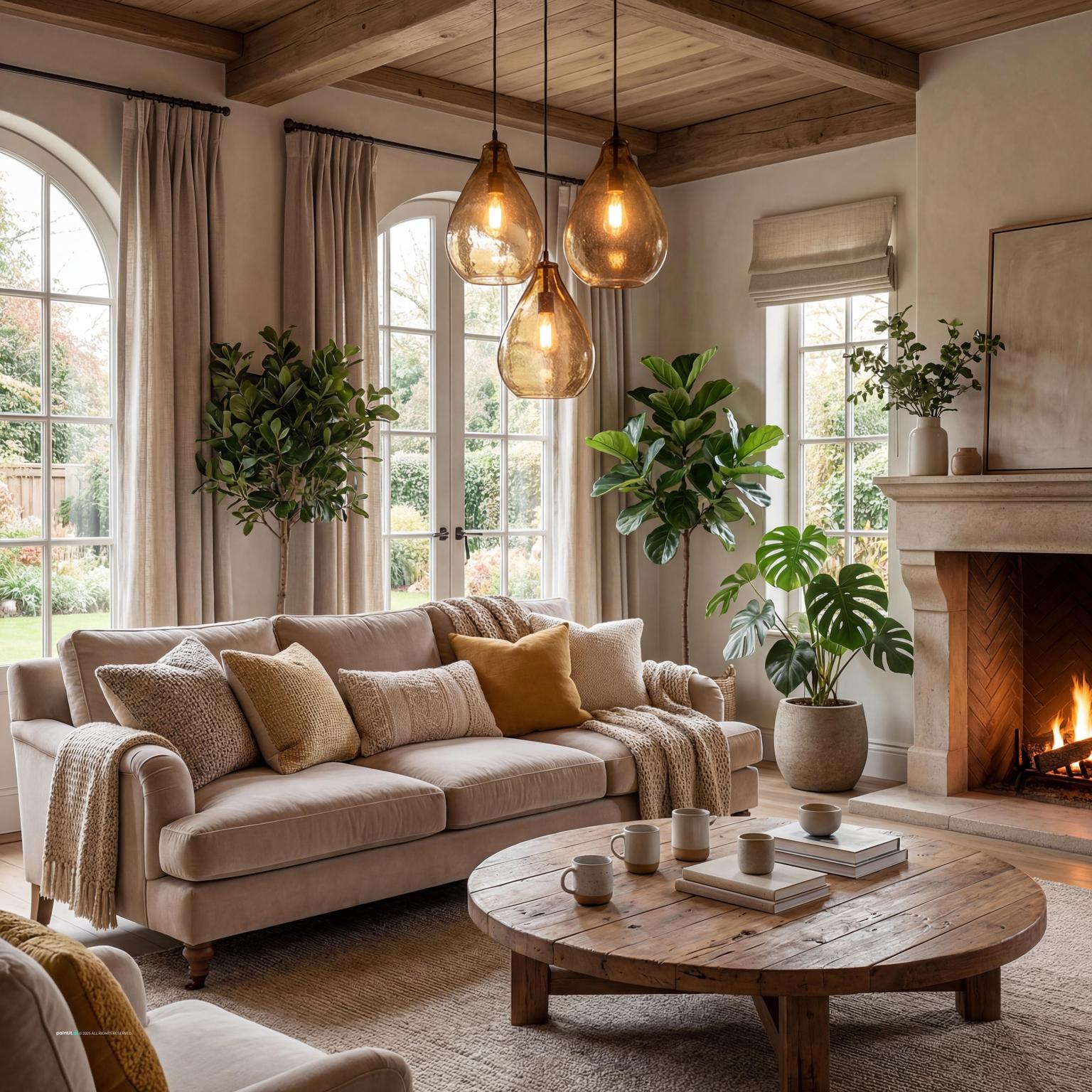
Develop a cozy earth-toned living room mood board, incorporating warm neutrals, natural textures, and a harmonious palette for a comforting, grounded space.
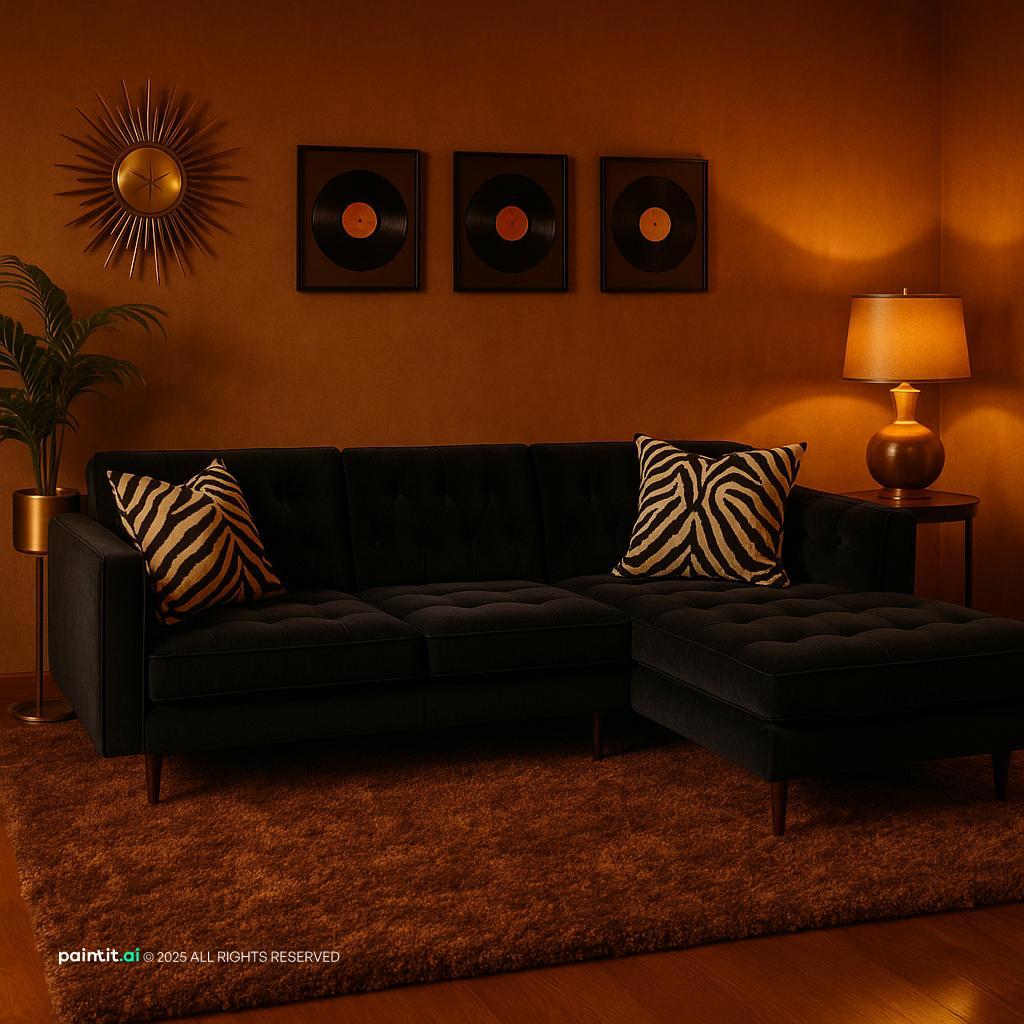
Glam Blaxploitation Living Room Design brings together sectional, lighting, and sofa for a more composed living room direction.
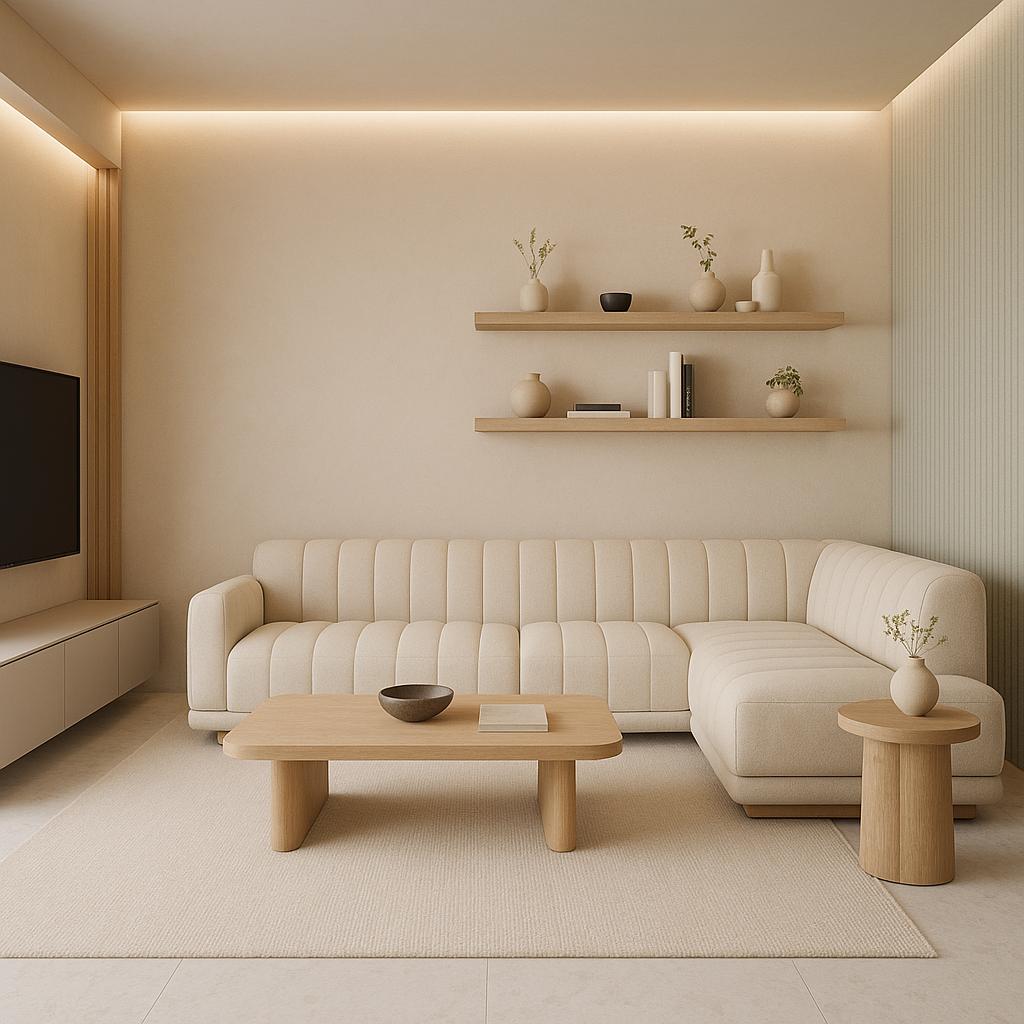
Modern Minimalist Living Room with Japandi Flair brings together neutral palette and light oak for a more composed living room direction.
This concept embraces the "hygge" philosophy, focusing on warmth, comfort, and minimalist design. It's about creating a calm, uncluttered environment where natural light and simple forms take center stage. The beauty lies in its understated elegance, making even a small living room feel expansive and inviting.
Think light-toned woods like birch or ash for furniture, paired with soft, textured fabrics such as brushed cotton or chunky knit wool. Keep the palette airy, allowing subtle variations in white and grey to create depth. A few carefully chosen ceramic pieces or a single, sculptural plant can complete the look.
For a related take on the same room, explore emerald green sofa living room ideas.
Here, the vibe is all about collected treasures, global influences, and a relaxed, free-spirited atmosphere. It’s a celebration of texture, pattern, and the stories behind each piece. This isn't about perfection; it's about personality and comfort.
Layering is key: think a vintage kilim rug over a jute base, with an array of patterned throw pillows in rich, earthy tones. Incorporate natural materials like rattan chairs, macrame wall hangings, and plenty of thriving indoor plants. Don’t shy away from mixing metals—aged brass with hammered copper works beautifully.
For a related take on the same room, explore living room wall color ideas.
This design narrative speaks to timeless sophistication, characterized by clean lines, organic curves, and a blend of natural and man-made materials. It’s a nod to the iconic designs of the 1950s and 60s, which still feel incredibly fresh today. We love how it balances form and function so effortlessly.
Focus on rich woods like walnut or teak for credenzas and coffee tables. Upholstery often features wool, tweed, or velvet in jewel tones—think mustard yellow, deep teal, or burnt orange. Look for tapered legs on furniture and sculptural lighting fixtures. A classic Eames lounge chair or a Saarinen side table would be perfect additions.
For those who appreciate raw beauty and a touch of urban grit, this mood board living room concept celebrates exposed structural elements and utilitarian aesthetics. It’s about embracing the unfinished, the strong, and the honest materials that tell a story of their own.
Materials like exposed brick, polished concrete floors, and blackened steel are fundamental. Furniture often features leather upholstery, reclaimed wood, and metal frames. Lighting with Edison bulbs or cage designs adds to the factory-chic appeal. Keep the color palette muted, relying on the textures to provide visual interest.
Imagine the gentle breeze and soft light of a seaside escape, translated into your living space. This concept is all about creating an airy, relaxed atmosphere with natural textures and a soothing color palette. It’s less about literal beach motifs and more about the feeling of being by the ocean.
Think linen slipcovered sofas, bleached oak coffee tables, and woven seagrass rugs. The color palette leans heavily on soft blues, sandy beiges, and crisp whites. Incorporate elements like driftwood accents, ribbed glass vases, and perhaps a few pieces of coral or shells, but sparingly. overdoing it can make it feel kitschy.
Step into an era of opulence and sophistication with this mood board for living room design. It’s characterized by luxurious materials, geometric patterns, and a bold, confident aesthetic. This style is about making a statement, embracing the dramatic without losing elegance.
Velvet upholstery in jewel tones like emerald green or sapphire blue is a must. Polished brass or chrome accents, mirrored surfaces, and fluted details on furniture add to the luxurious feel. Geometric patterns can appear on wallpaper, rugs, or decorative objects. A lacquered bar cart or a statement chandelier would fit right in.
This concept brings the warmth and comfort of country living into your home, blending natural materials with vintage touches. It’s about creating an inviting, cozy space that feels lived-in and authentic, reminiscent of simpler times.
Shiplap walls, distressed wood furniture, and exposed beams are common elements. Upholstery often features natural fabrics like linen or cotton in neutral tones, perhaps with a subtle buffalo check or stripe. Cast iron accents, antique finds, and a large, comfortable sofa are essential. The choice was risky for some, but I’ve seen this work best when it feels genuinely curated.
This living room mood board celebrates a life well-traveled, blending diverse cultural influences and collected treasures into a cohesive, personal narrative. It’s about creating a space that tells your story, where every piece has a memory or a special meaning.
Layering textiles from different cultures—think a Moroccan pouf next to an Indian block-print throw—is key. Incorporate hand-carved wooden furniture, antique maps, and a mix of metallic accents. The color palette can be vibrant, drawing inspiration from global markets and landscapes. the importance of a unifying element, like a consistent wood tone or a dominant neutral base.
Sleek, sophisticated, and effortlessly composed, this concept focuses on clean lines, a neutral palette, and sculptural elements. It’s about creating a refined, modern space that feels calm and uncluttered, perfect for urban living.
Materials often include polished concrete, glass, chrome, and subtle textures like ribbed fabric or honed travertine. Furniture is typically low-slung and minimalist, with a focus on comfort and functionality. Abstract art and sculptural lighting fixtures add visual interest without overwhelming the space. The result? Impeccable.
A beautiful fusion of Japanese minimalism and Scandinavian warmth, this living room mood board emphasizes simplicity, natural materials, and a deep appreciation for craftsmanship. It’s about creating a tranquil, harmonious space that promotes well-being.
Light woods like white oak, natural fibers such as linen and cotton, and ceramic accents are central. Furniture often features clean lines and low profiles, with an emphasis on functionality and comfort. The color palette is muted, drawing from earth tones and soft indigos. Think wabi-sabi principles, embracing imperfections and the beauty of natural aging.
This concept evokes the intellectual charm of an old university library or a cozy study, rich with history and a moody atmosphere. It’s about creating a sophisticated, contemplative space that feels both grand and intimately personal.
Think deep, saturated colors like forest green, burgundy, or navy on walls or upholstery. Rich, dark woods such as walnut or mahogany are essential for bookcases and desks. Leather-bound books, antique globes, brass lamps, and a classic Chesterfield sofa complete the look. this style thrives on layers of texture and curated objects.
Inspired by the sun-drenched villas of the Mediterranean, this living room mood board brings warmth, natural textures, and a relaxed elegance to your home. It’s about creating a space that feels inviting, earthy, and connected to nature.
Terracotta tiles, plaster walls, and wrought iron accents are key. Furniture often features natural wood, perhaps with a distressed finish, and comfortable, linen-covered seating. The color palette draws from the landscape: olive greens, deep blues, warm whites, and sun-baked oranges. I’ve seen this work best with large, arching windows that let in plenty of light.
The second gallery explores more specific mood board interpretations, helping compare different ways the same living room can feel at home.
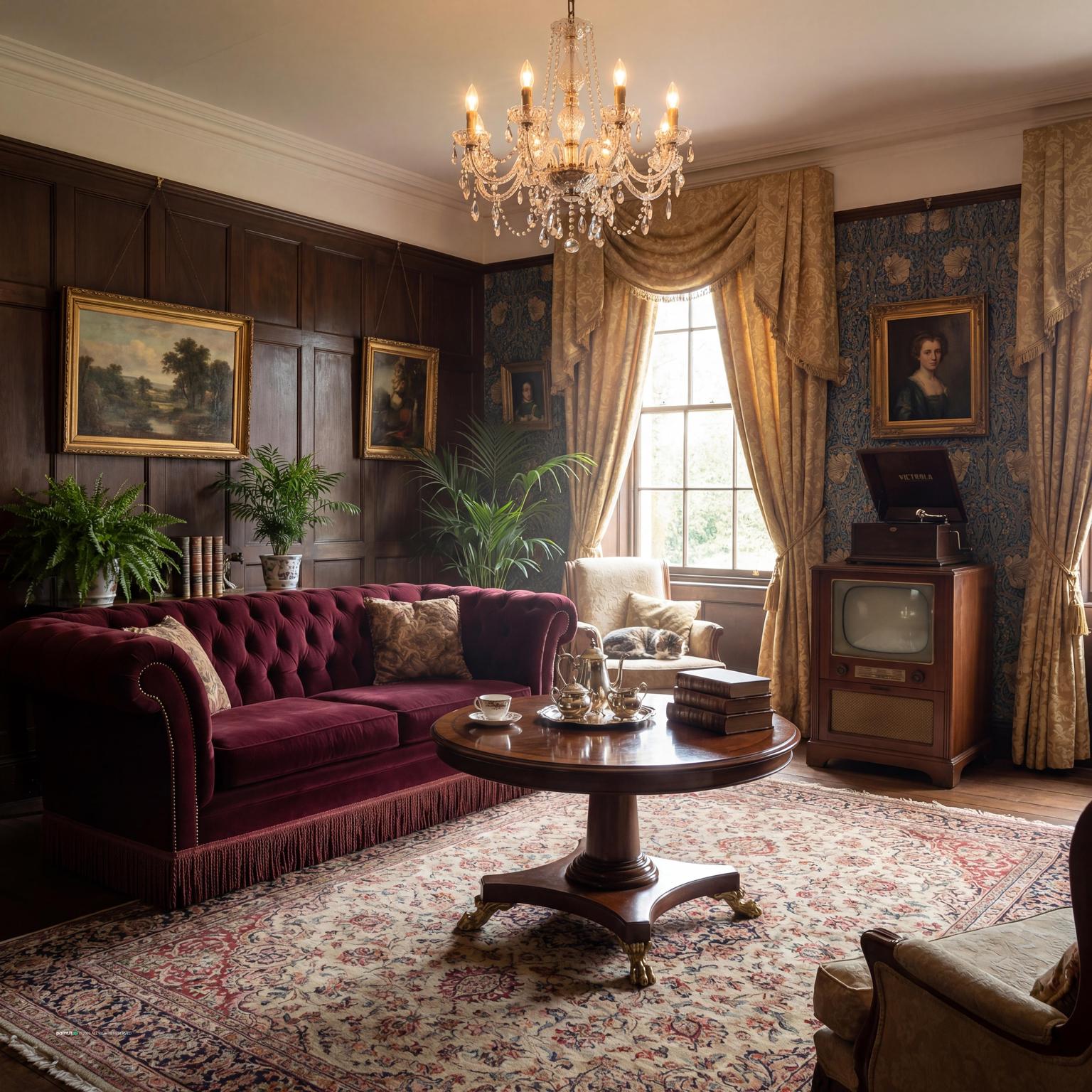
Discover the charm of a timeless vintage living room design, perfectly captured for your inspiring mood board with its classic appeal.
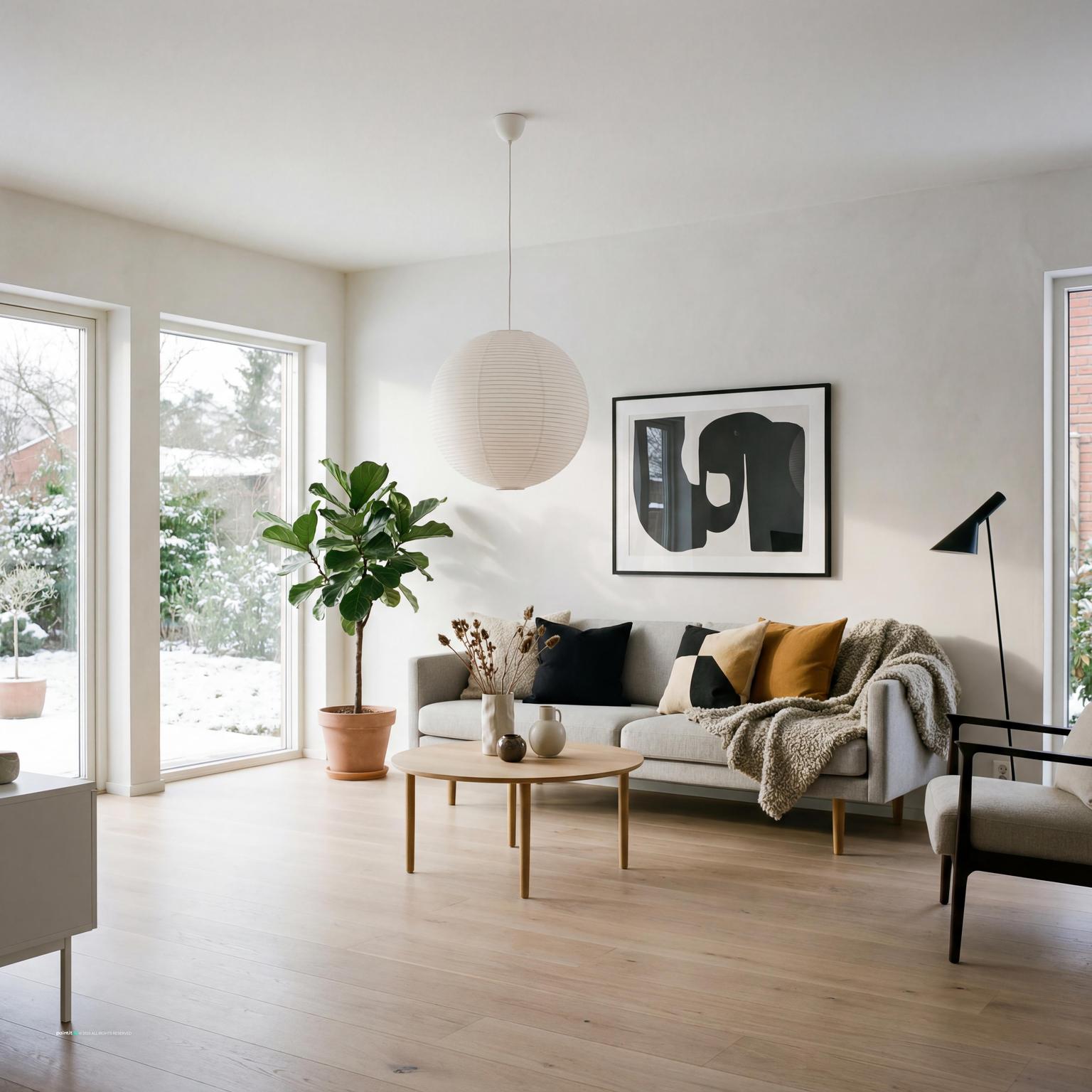
This stunning Scandinavian living room design offers a fresh, minimalist foundation for a serene and inviting living room mood board.
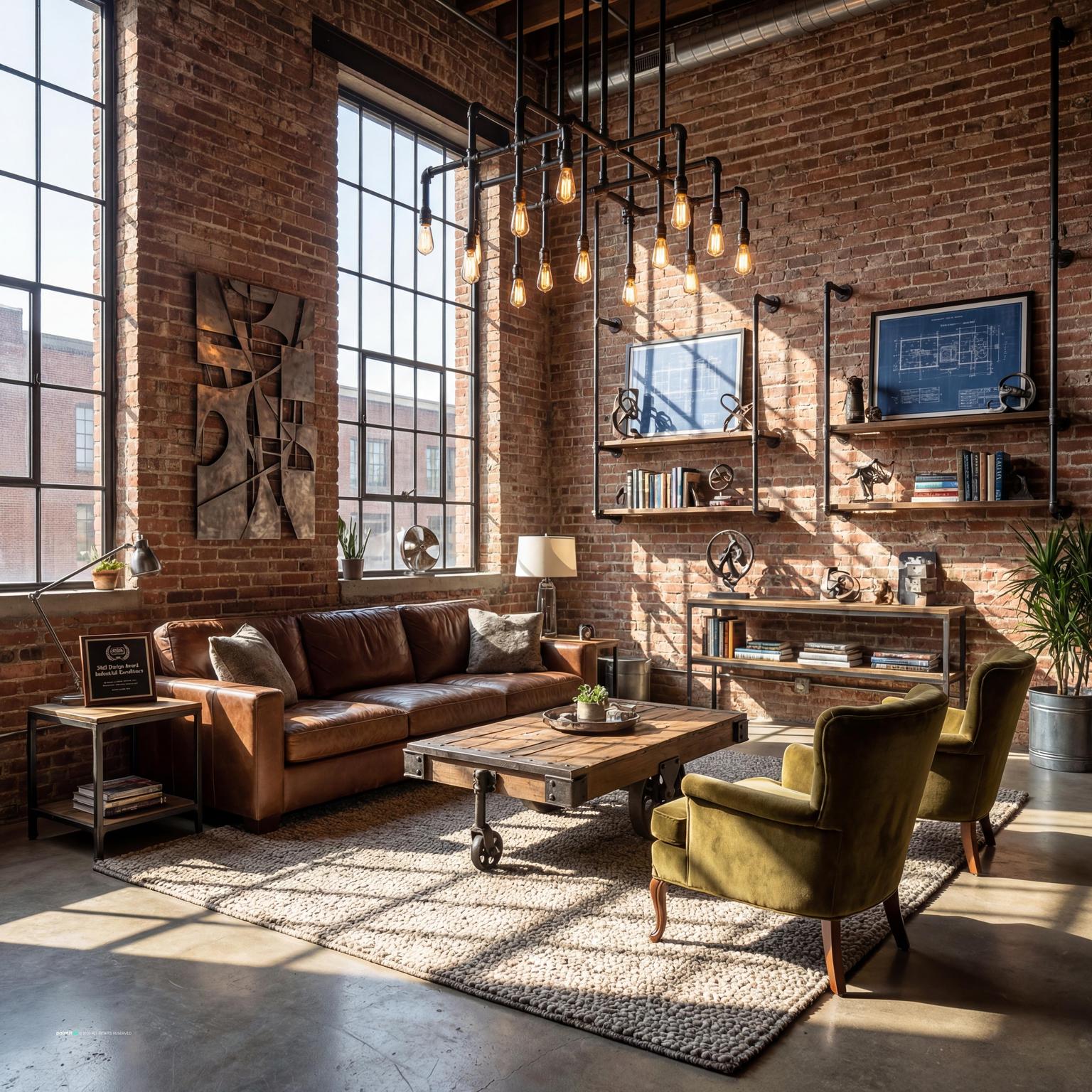
Explore the raw beauty of an award-winning industrial living room design, an edgy and urban addition to your contemporary mood board.
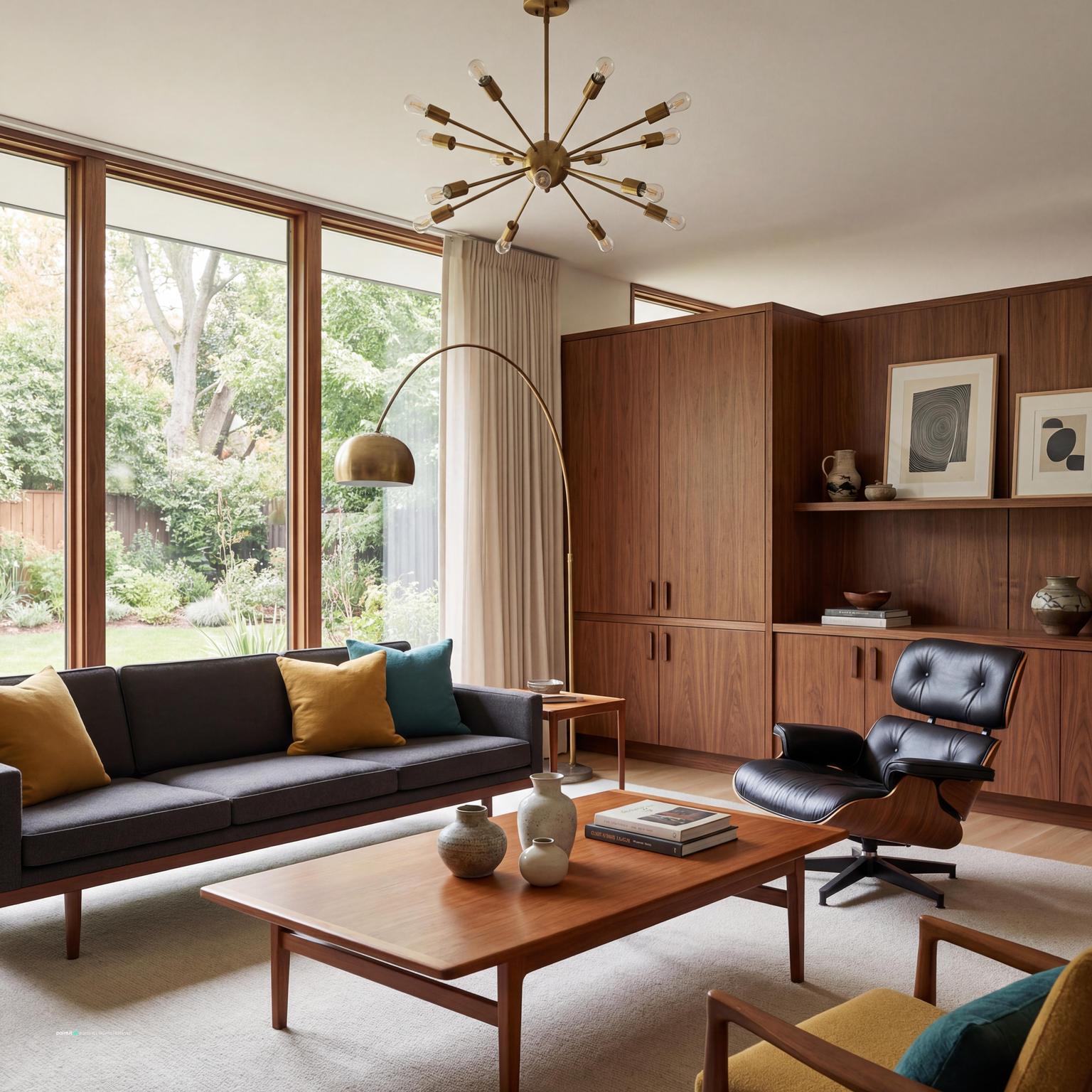
Craft a chic living room mood board inspired by this iconic Mid-Century Modern design, boasting timeless forms and sophisticated allure.
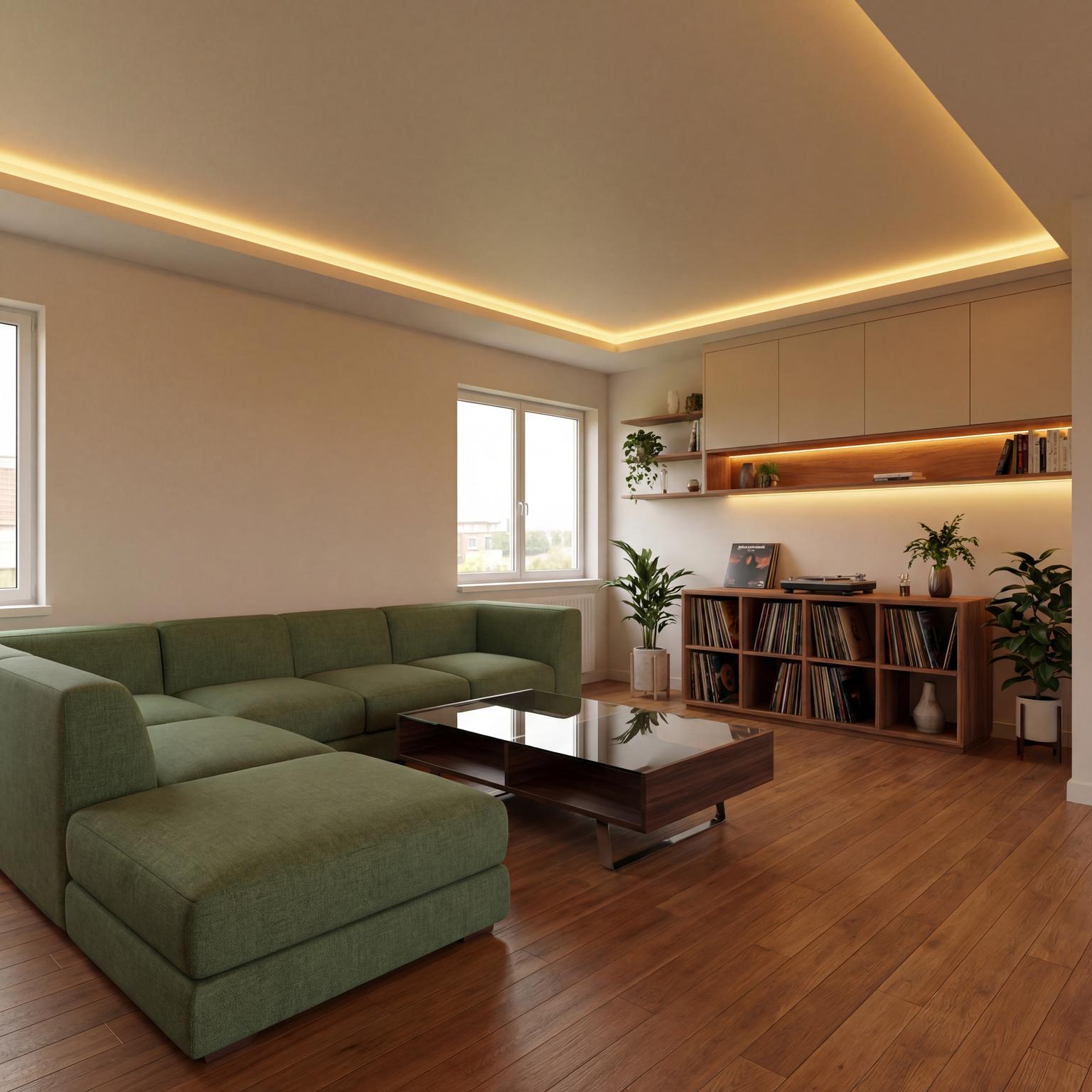
Embrace tranquility with this minimalist green living room design, offering a fresh and calming palette for your next mood board.
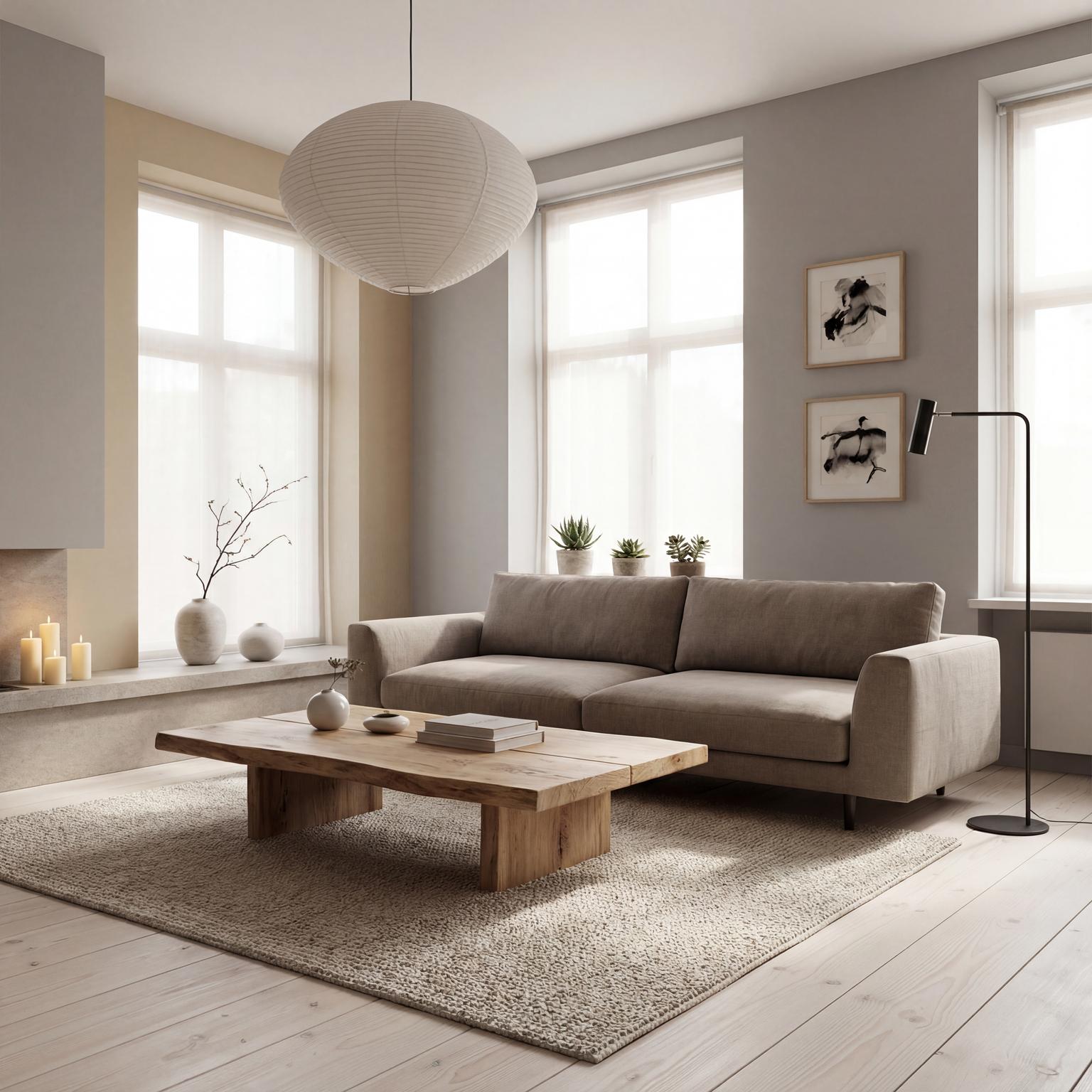
Achieve harmonious balance with a serene Japandi living room design, a perfect blend of minimalist elegance for your mood board.
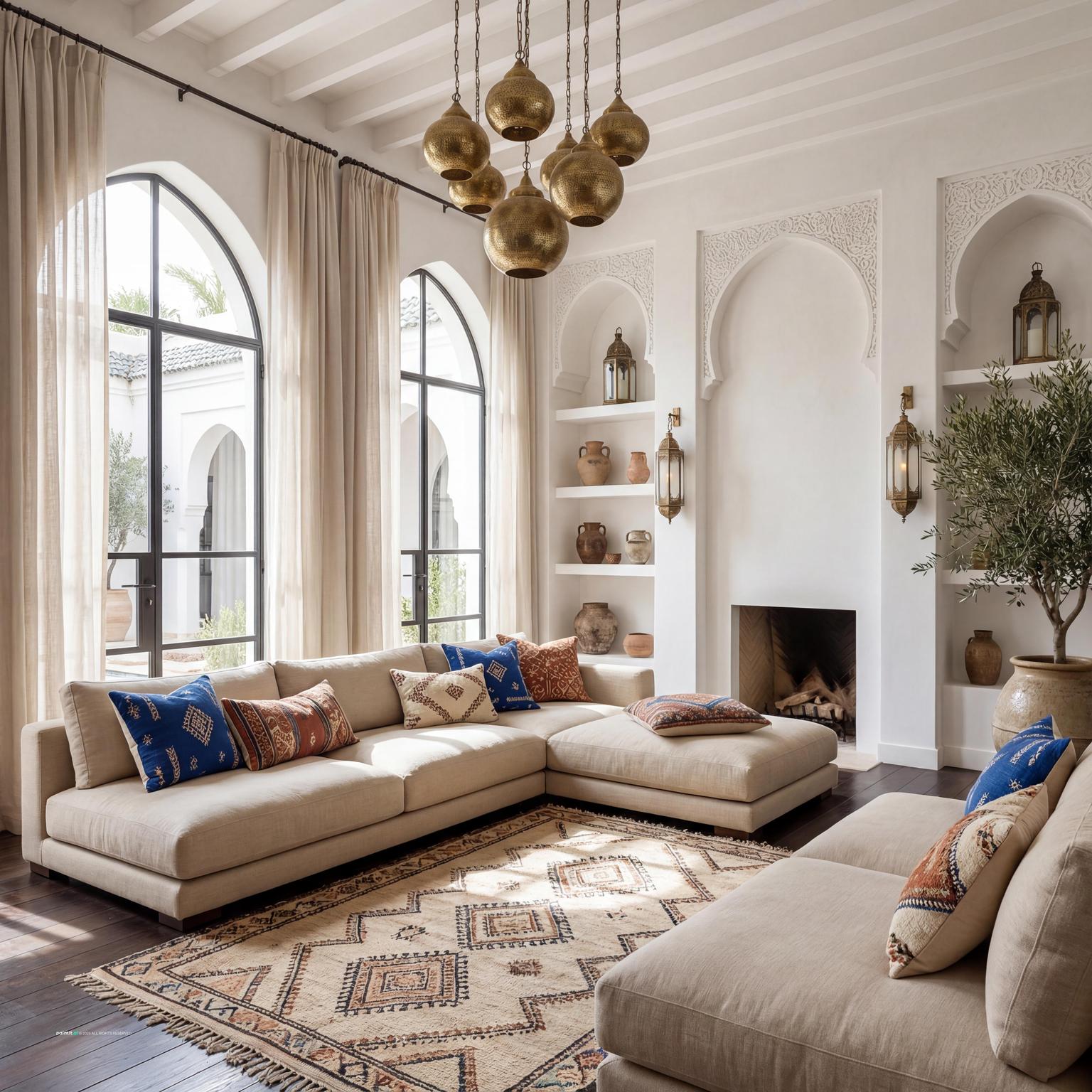
Infuse your living room mood board with global charm, drawing inspiration from these vibrant Modern Moroccan living room design ideas.
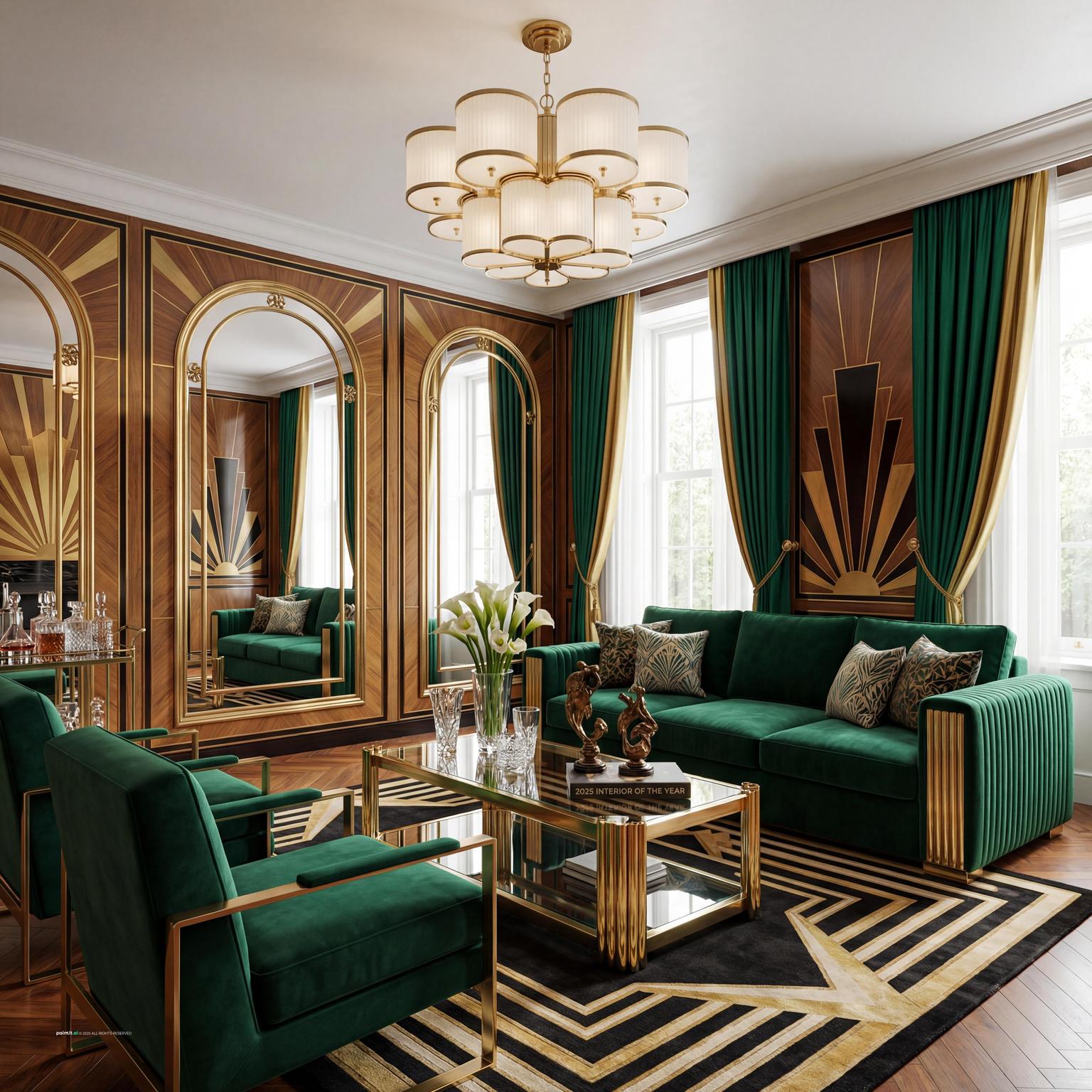
Create a lavish living room mood board with this stunning Art Deco design, exuding opulence and geometric sophistication.
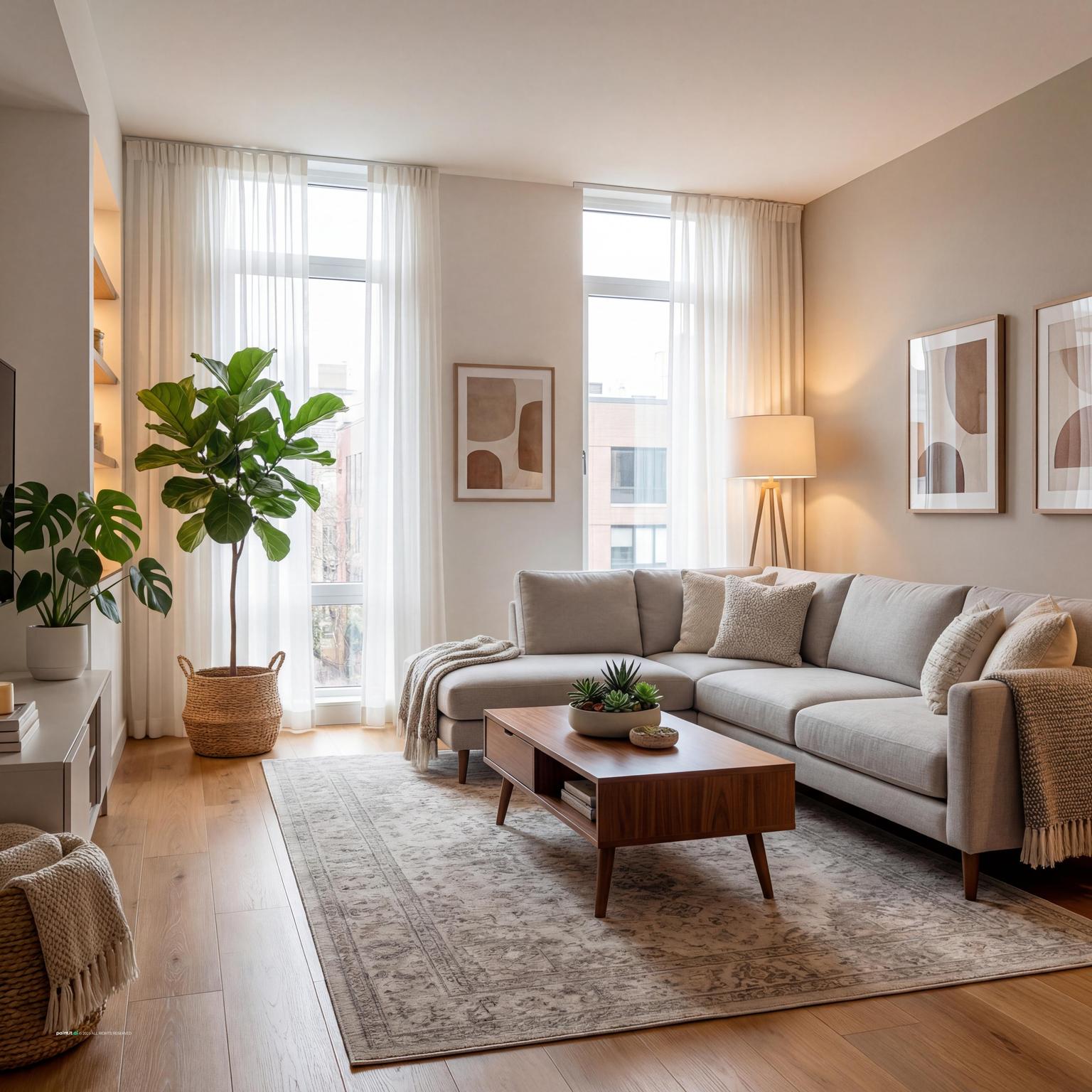
Envision comfort and style with this warm contemporary living room design, providing a cozy yet modern foundation for your mood board.
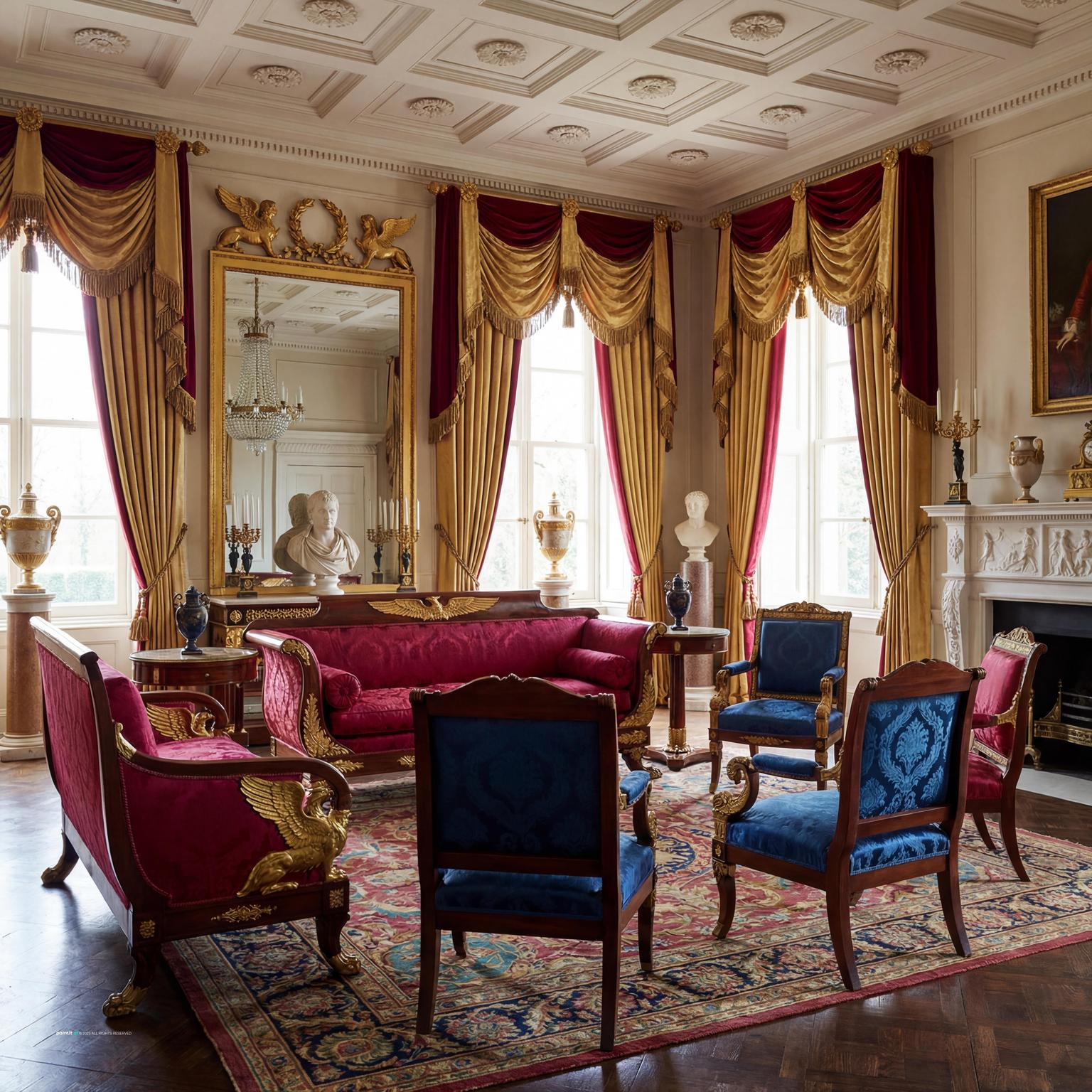
Inspire grandeur with an elegant Empire-style living room design, bringing classical majesty and refined luxury to your mood board.
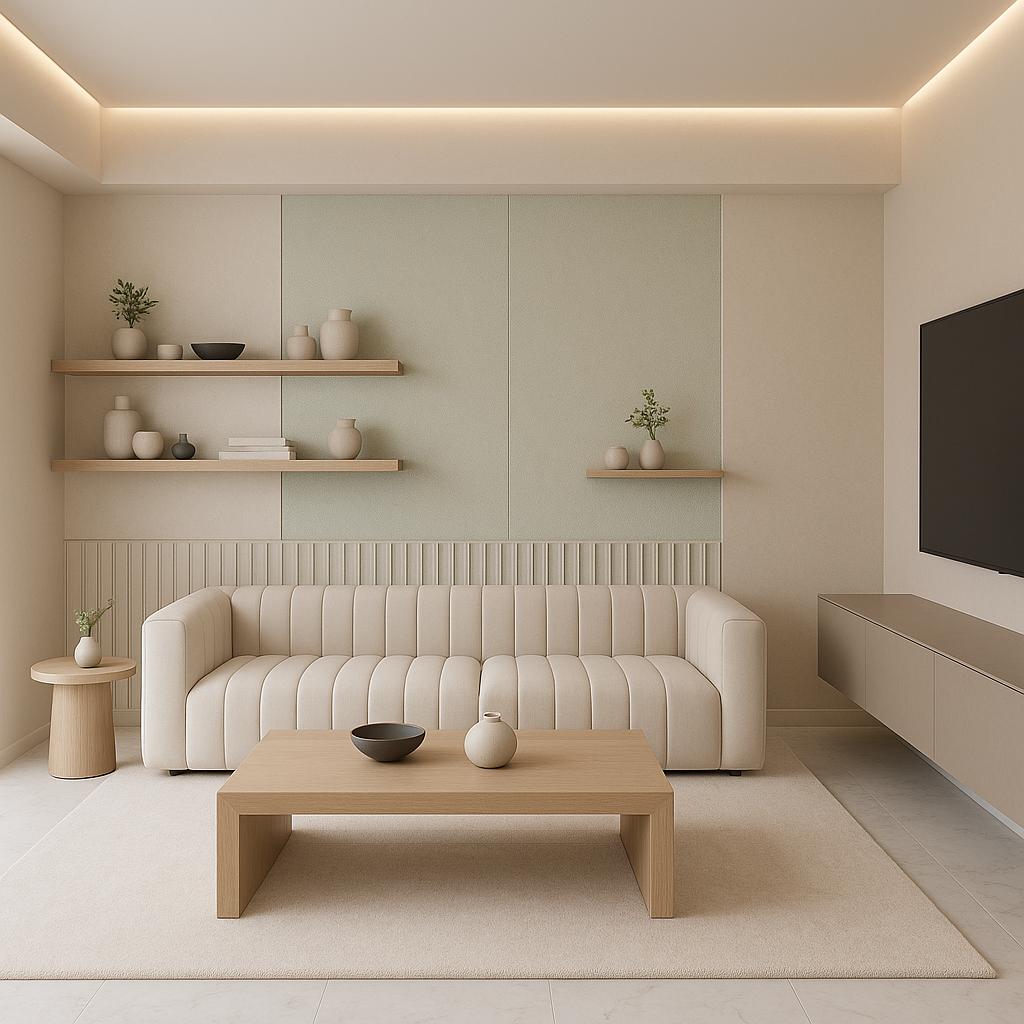
Modern Minimalist Living Room Design brings together neutral palette and light oak for a more composed living room direction.
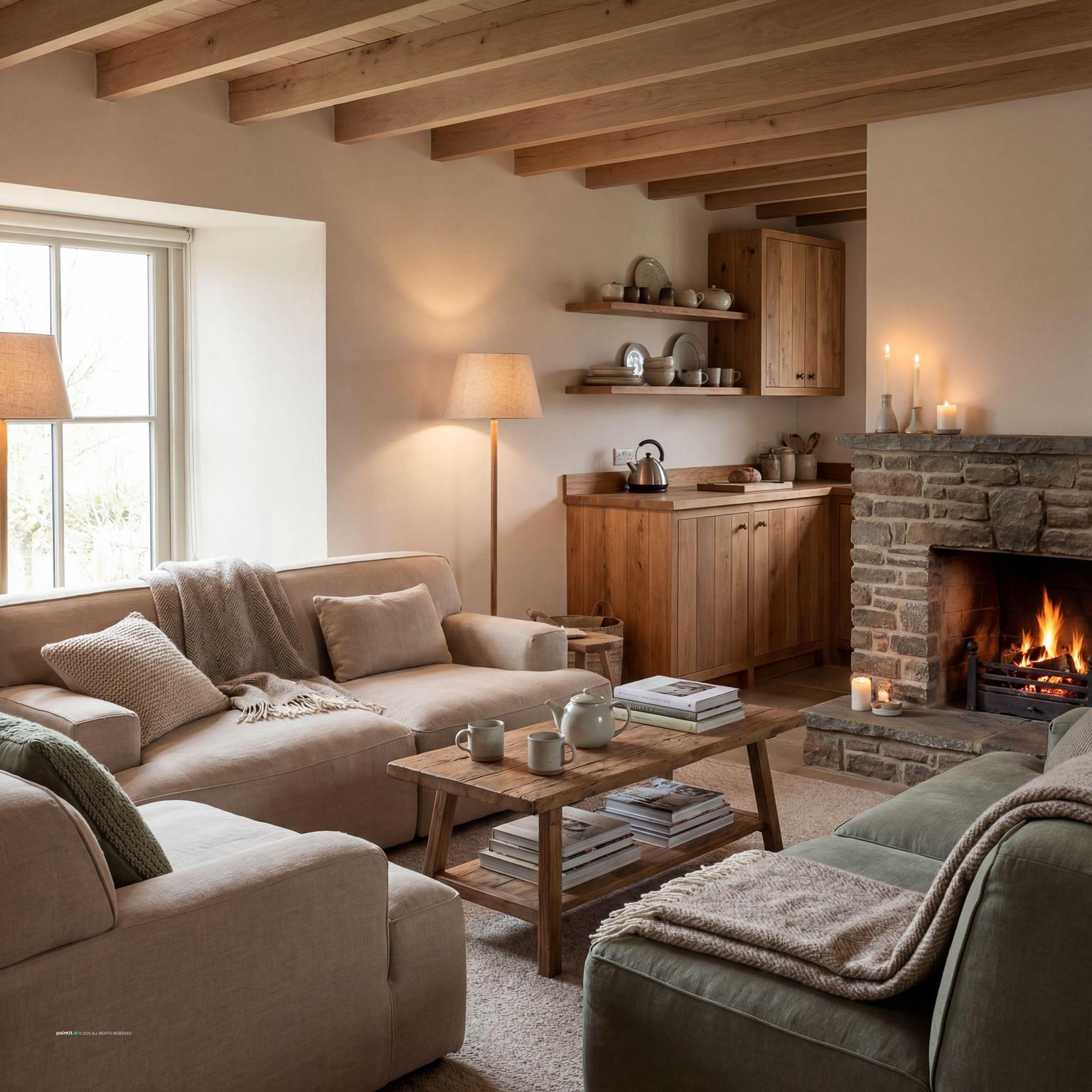
Modern Cottage Living Room Design for Relaxation brings together earthy tones for a more composed living room direction.
When you're laying the groundwork for your living room mood board, begin with a calming base—think a soft, breathable off-white or a muted stone grey. Introduce a secondary, grounding tone, perhaps a warm olive green or a deep, earthy terracotta. Then, for that essential spark, add an accent: a vibrant sapphire blue or a sun-drenched mustard yellow. these three layers create depth and visual interest, guiding the eye through the space.
For a related take on the same room, explore living room ideas with indoor plants.
A truly compelling mood board living room thrives on tactile richness. Imagine the cool, smooth surface of a polished concrete floor, beautifully contrasted by the inviting warmth of a chunky wool throw. We often find that incorporating a natural wood, like a light-toned ash or a rich walnut, provides an organic anchor. A touch of blackened steel or aged brass for hardware adds a sophisticated, industrial edge, creating a layered sensory experience that feels both robust and refined.
For a related take on the same room, explore small living room ideas with TV.
For any living room mood board, selecting the anchor pieces is paramount. Start with a sofa that promises comfort and defines the room's scale, whether it’s a sprawling sectional or a more tailored two-seater. Next, consider a coffee table—perhaps a sculptural piece in travertine or a classic oak design—that complements the sofa without overwhelming it. Finally, an accent chair, maybe a plush velvet armchair or a sleek leather recliner, adds a crucial layer of personality and an extra invitation to linger. Proportions matter immensely here; a too-small piece can throw the entire balance off.
Illuminating your living room mood board vision means thinking in deliberate layers. Ambient light, often from a soft ceiling fixture or strategically placed floor lamps, provides the general glow. Task lighting, like a focused reading lamp next to your favorite armchair, offers practical brilliance. Then, the magic happens with accent lighting—think a dramatic picture light highlighting a cherished artwork, or small table lamps casting intimate pools of light. It's about crafting a mood, not just banishing shadows, making the space feel both functional and utterly inviting.
Finally, the decorative accents are where your living room moodboard truly comes alive, telling your unique story. We love to see a thoughtful mix of art—perhaps a large, impactful canvas balanced by a smaller, more personal framed photograph. Incorporate living elements; a tall, arching plant or a cluster of succulents adds vital freshness and a touch of nature. When arranging these treasures, the 3-5-7 rule is your secret weapon: group items in odd numbers. Three varying height candles on a coffee table, five curated books on a shelf, or seven mixed-material throw pillows on a sofa. This creates visual interest and a sense of effortless balance, making the space feel intentionally curated, not just filled. the power of these subtle groupings to elevate a space from merely decorated to truly designed.
It’s tough to truly see how a living room mood board’s elements—colors, textures, furniture—will harmonize in your actual space before committing. that gap between inspiration and reality often leads to expensive re-dos. Paintit.ai lets you instantly visualize endless living room mood board variations, seeing how every fabric swatch and furniture piece comes alive in your room. Try it, and craft your perfect living room mood board without the guesswork.
Before changing furniture or finishes, you can preview the direction with an interior design visualizer.
living room mood board usually comes together through clear layout choices, calm color restraint, and a more intentional use of materials and light in the living room.
Start with the mood, then test palette, furniture scale, and circulation before adding decorative layers.
Natural wood, linen, stone, matte finishes, and soft layered textiles usually create the most grounded result.
Avoid visual clutter, oversized furniture, harsh lighting, and too many competing focal points.