
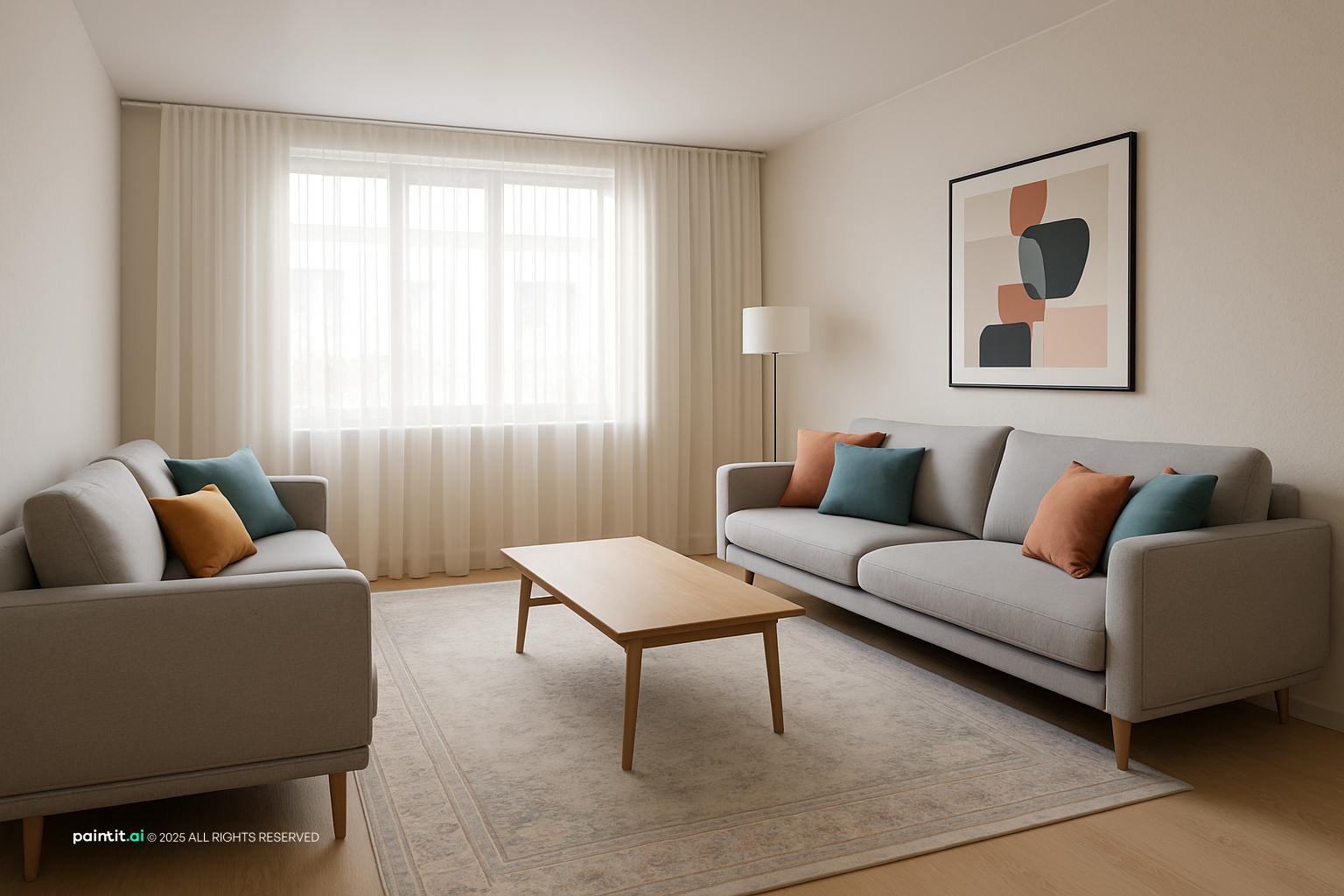
Soft gray pair of sofas
A matched pair of sofas gives a traditional room symmetry and plenty of seats.
Ever feel like your large living area lacks purpose, or that one big space just isn't quite enough for all your family's activities? Exploring double living room ideas can help you define distinct zones for relaxation, entertainment, or quiet work, making a vast room feel both expansive and intimate. How can you truly maximize your home's potential without sacrificing comfort or flow?
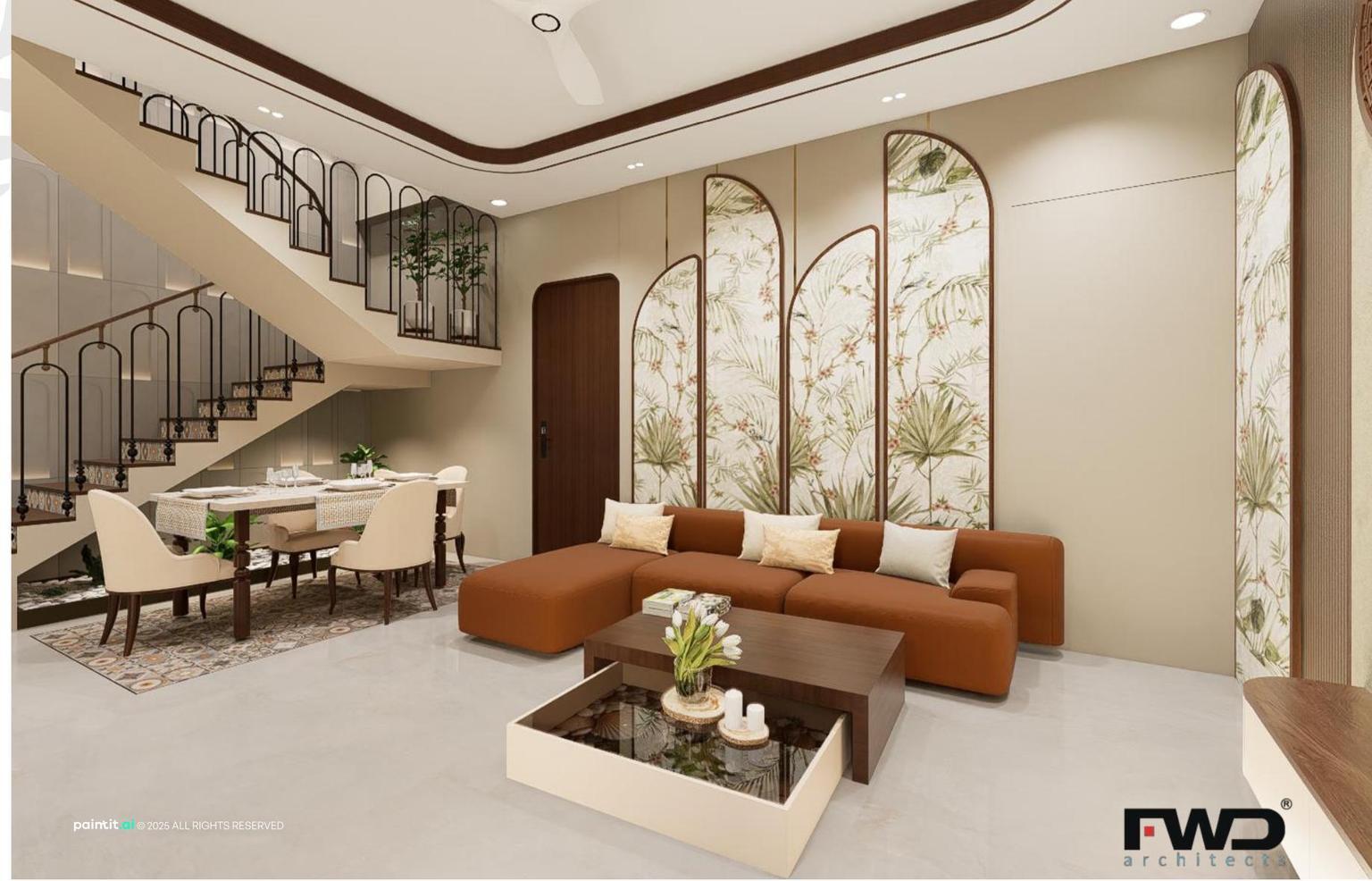
That familiar feeling—the one where your space just doesn't quite hit that sweet spot of lived-in comfort—it’s real, isn't it? We’ve noticed a quiet yearning for those authentic, unpretentious family rooms. bringing back the spirit of those vibrant, pattern-rich interiors, perhaps with a classic entertainment center or some casual seating, doesn't mean recreating a museum. It’s about thoughtful integration. We'll walk you through how to capture that distinct era's warmth, making it feel fresh and relevant today. Paintit.ai can help you visualize these retro touches in your own home, making the whole process surprisingly intuitive.
Before changing furniture or finishes, you can preview the direction with an AI living room design tool.
This gallery brings the abstract idea of double into something visible: stone.
A matched pair of sofas gives a traditional room symmetry and plenty of seats.
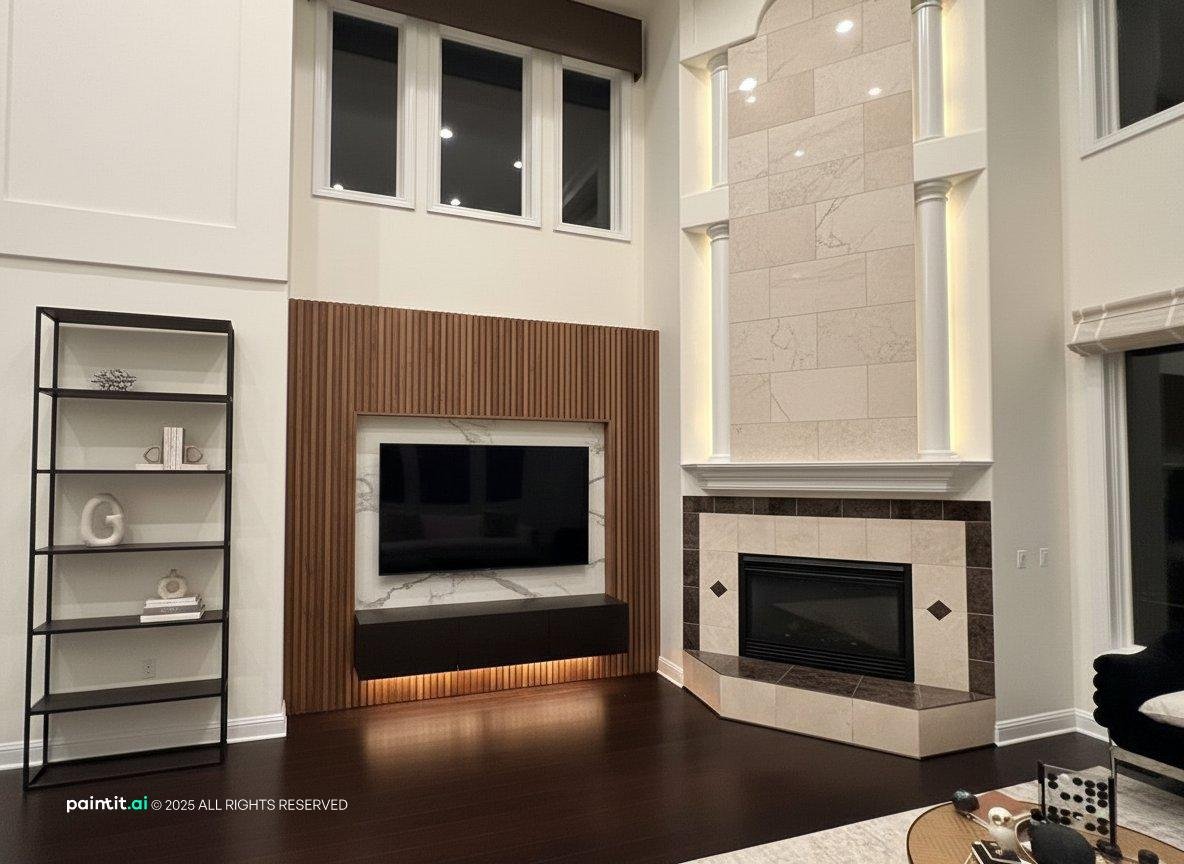
A double-height ceiling needs one tall feature, here the fireplace wall, to keep furniture from looking lost.
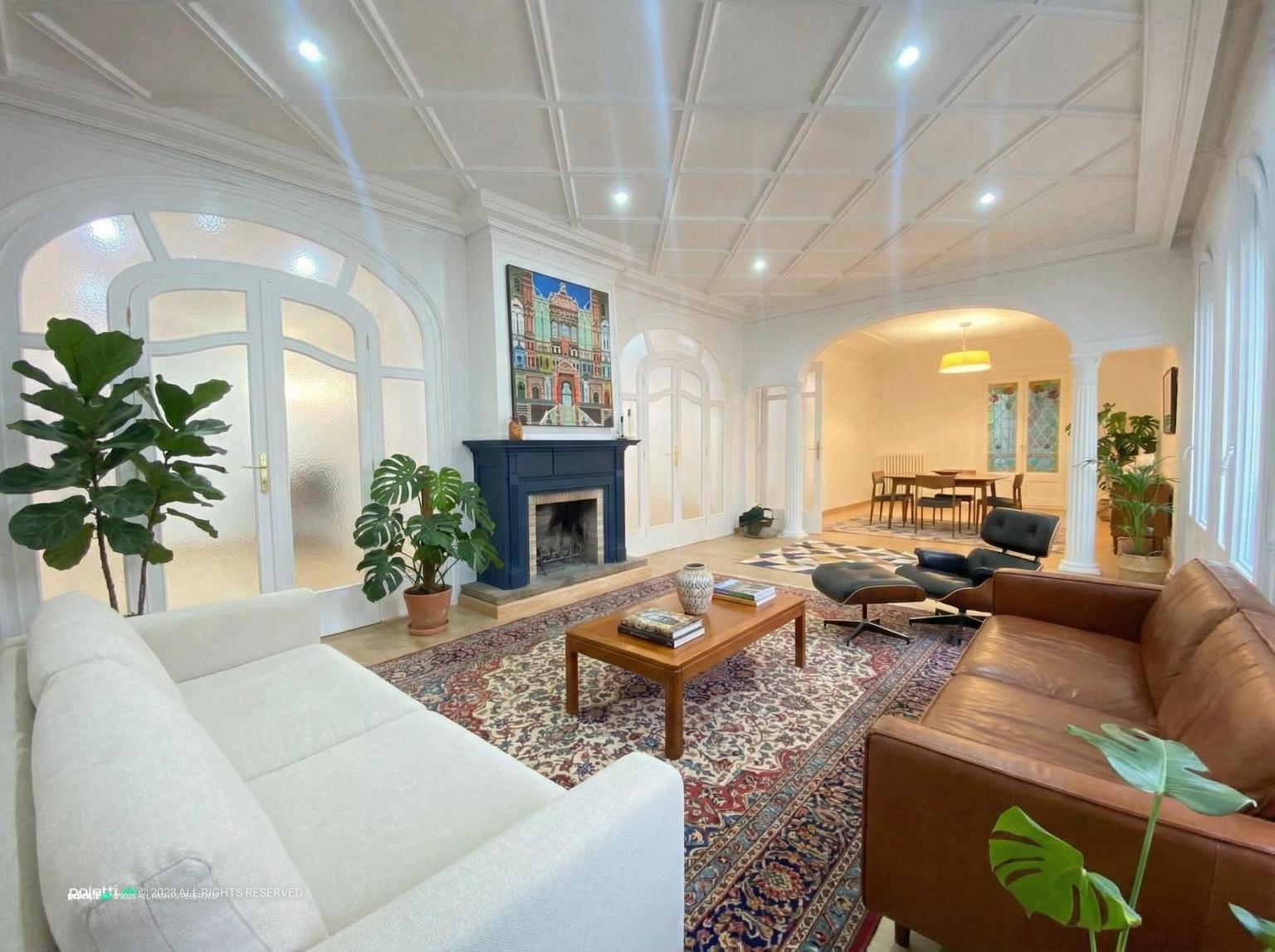
Two sofas facing each other across the fireplace is the classic way to seat a large group.
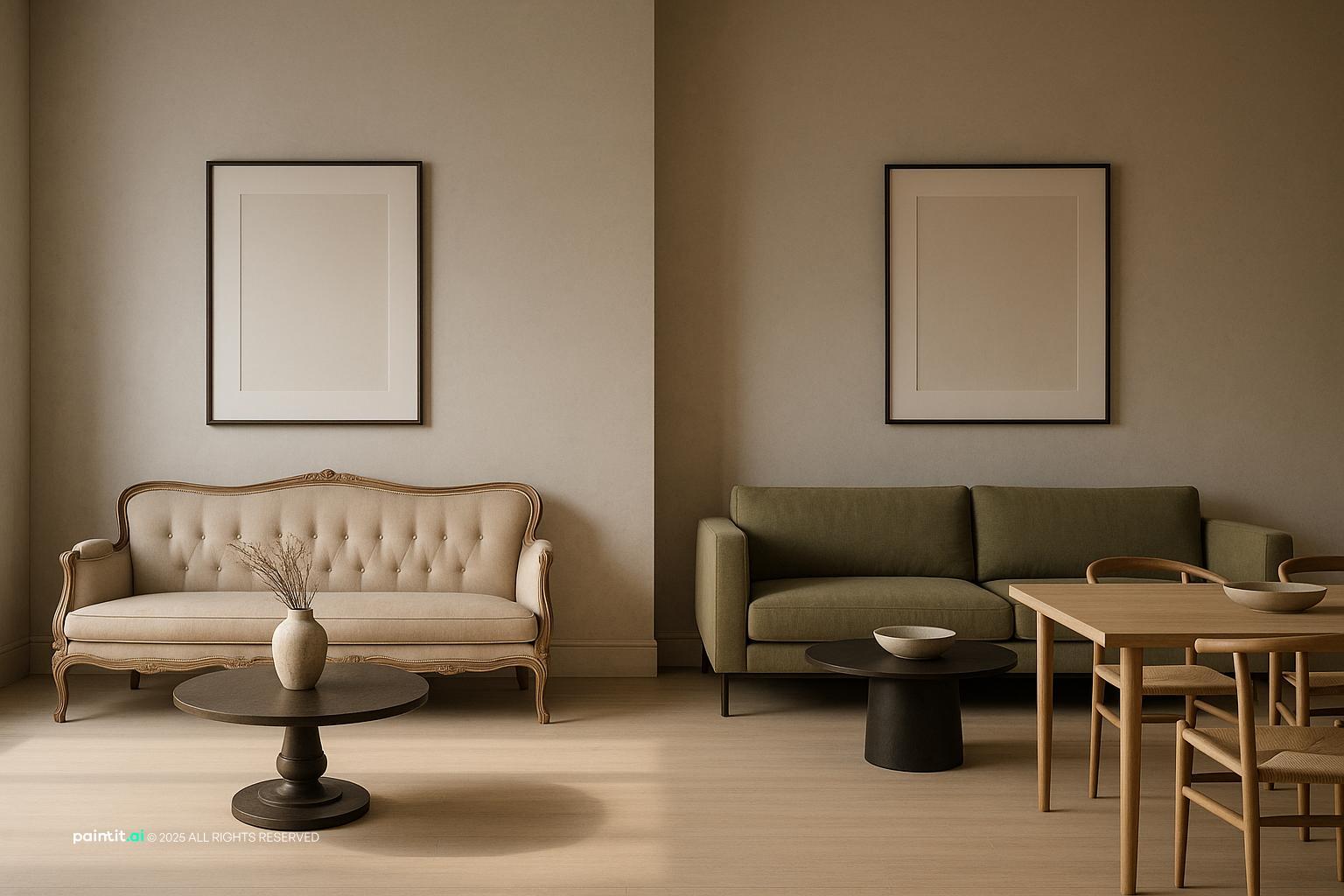
A sofa zone and a small dining zone in one gray room, each with its own wall art.
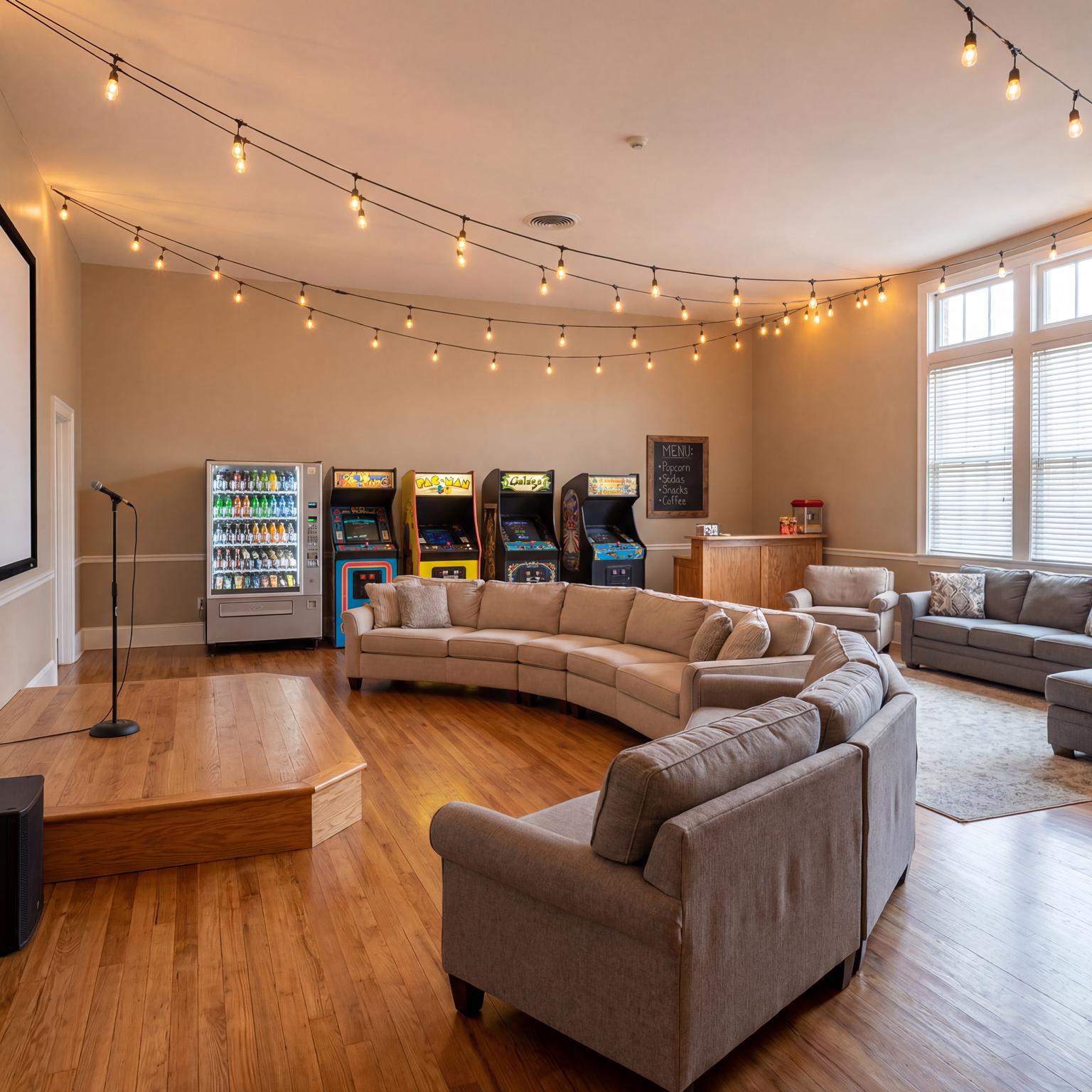
Embrace flexibility with these multipurpose lounge room design ideas, perfect for dynamic double living room concepts catering to diverse activities.
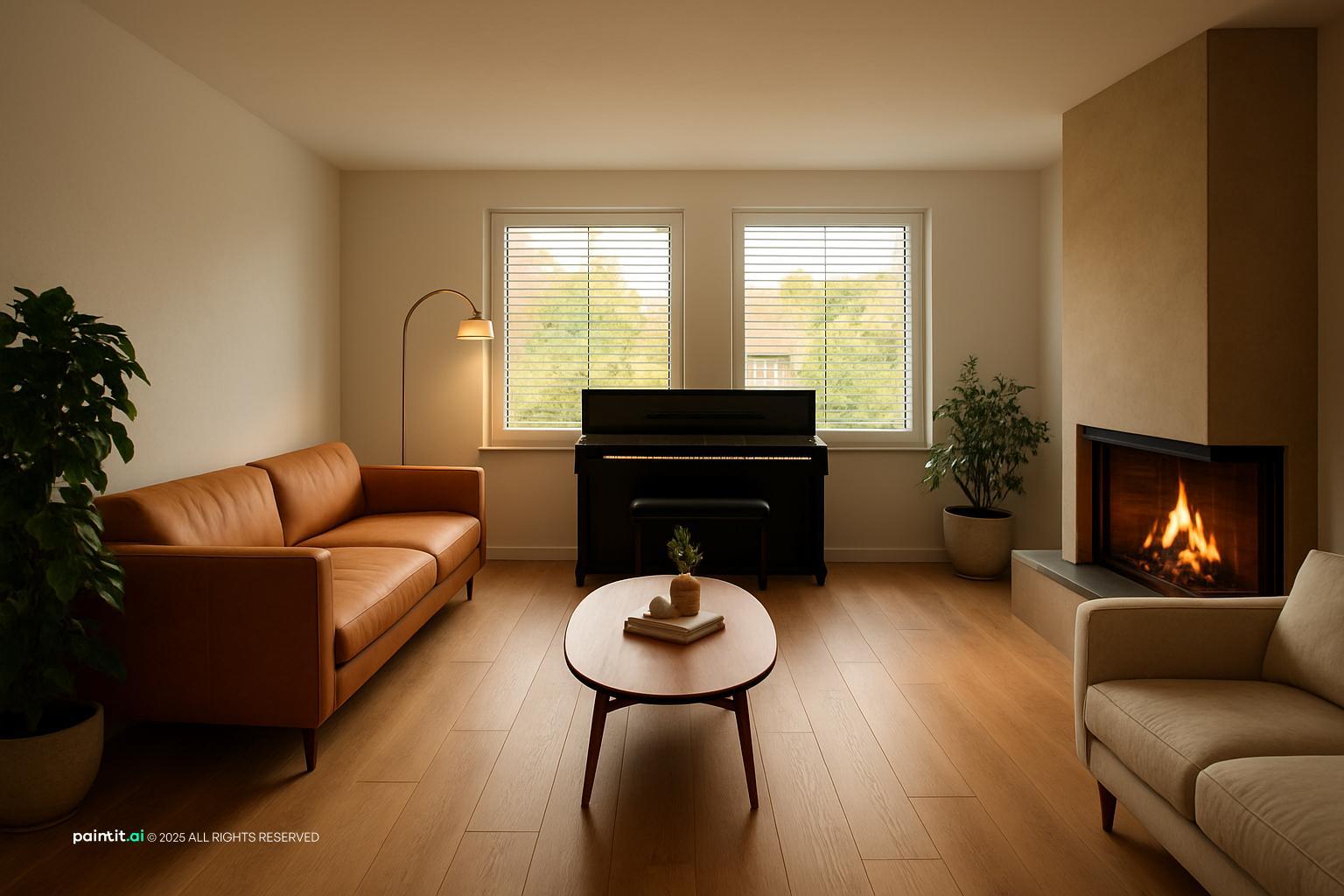
Placing the piano between two windows keeps the fireplace and seating area free.
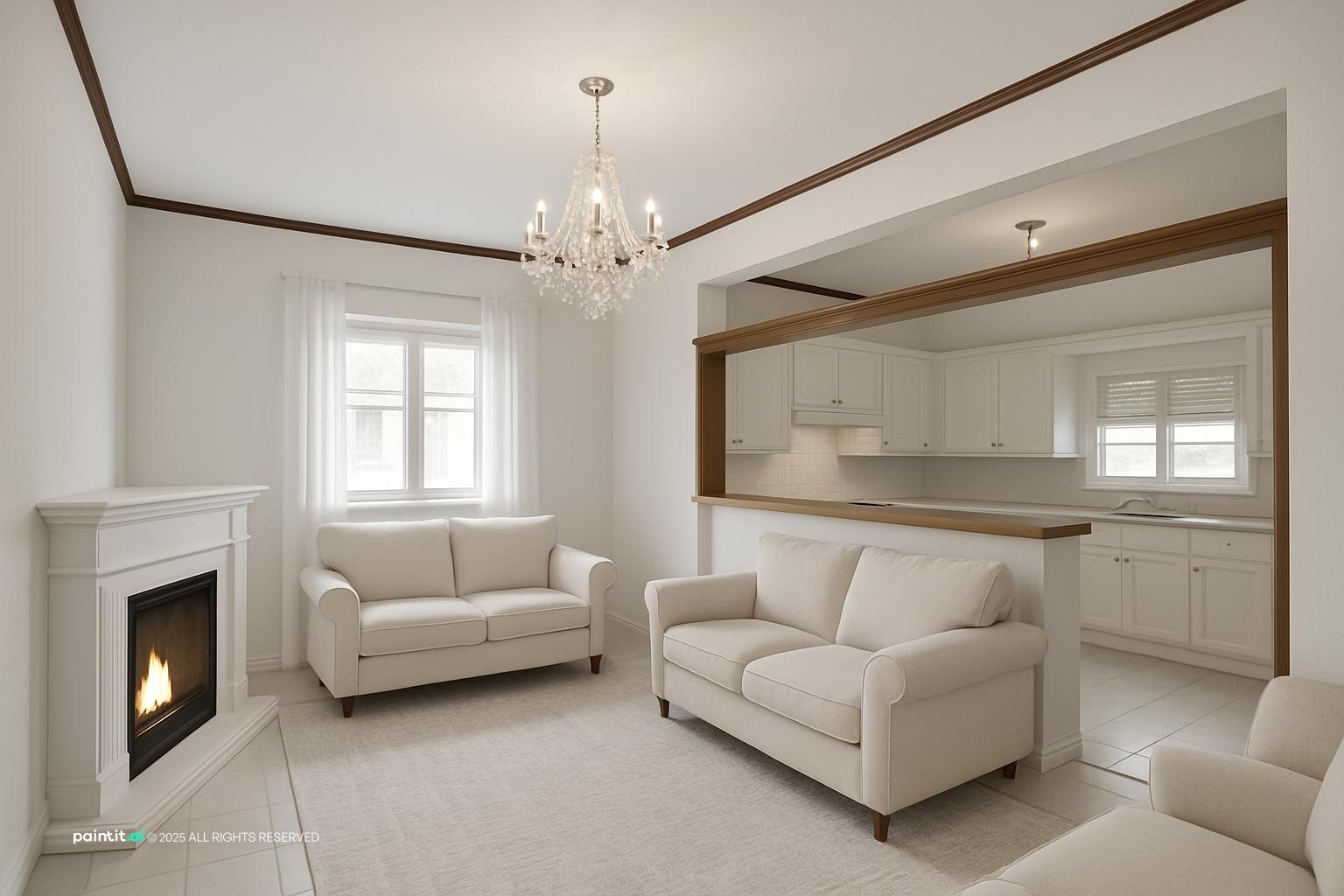
Two sofas in the same white as the kitchen keep an open-plan living area calm.
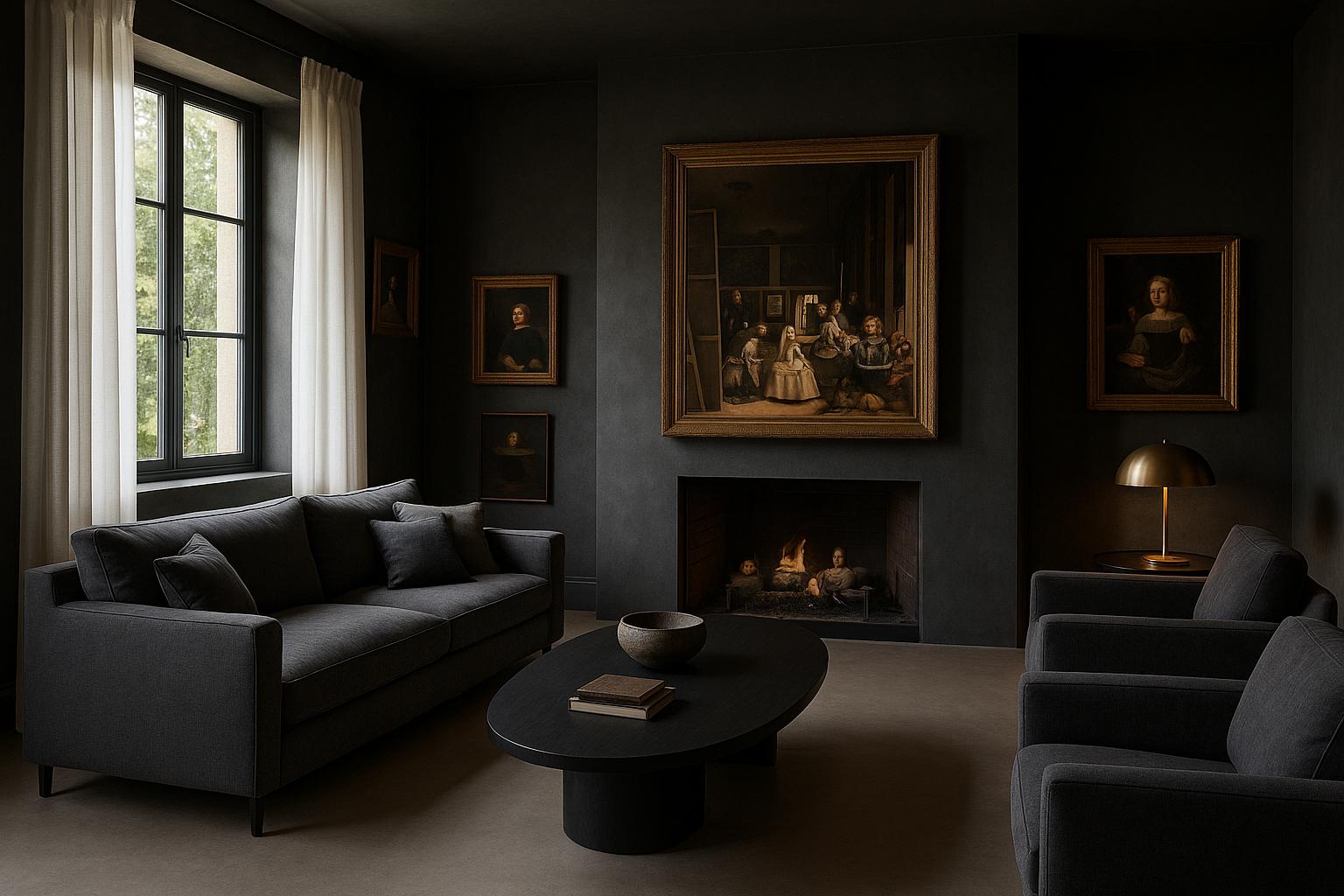
A conversational layout with dark grey fabric furniture beautifully illustrates double living room ideas, crafting an intimate and inviting zone.
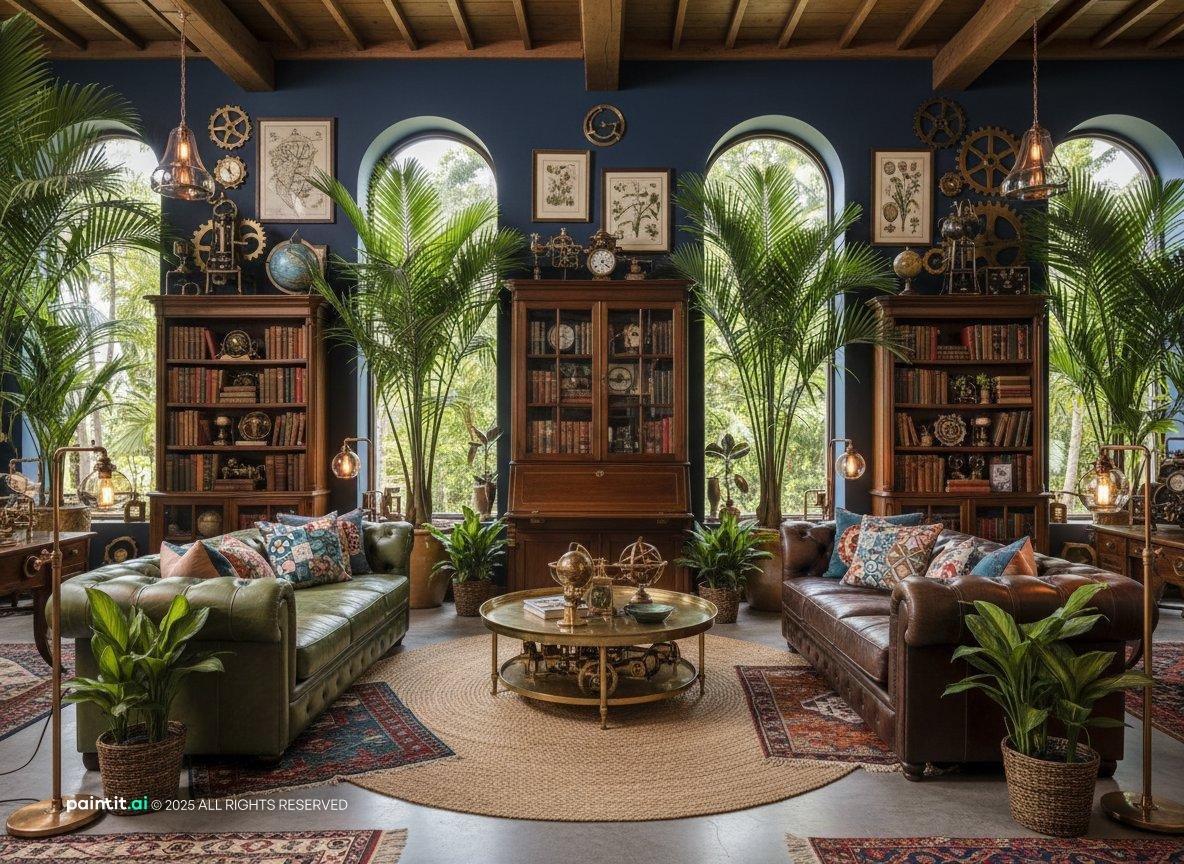
Two sitting areas under tall arched windows use a large room without leaving an empty middle.
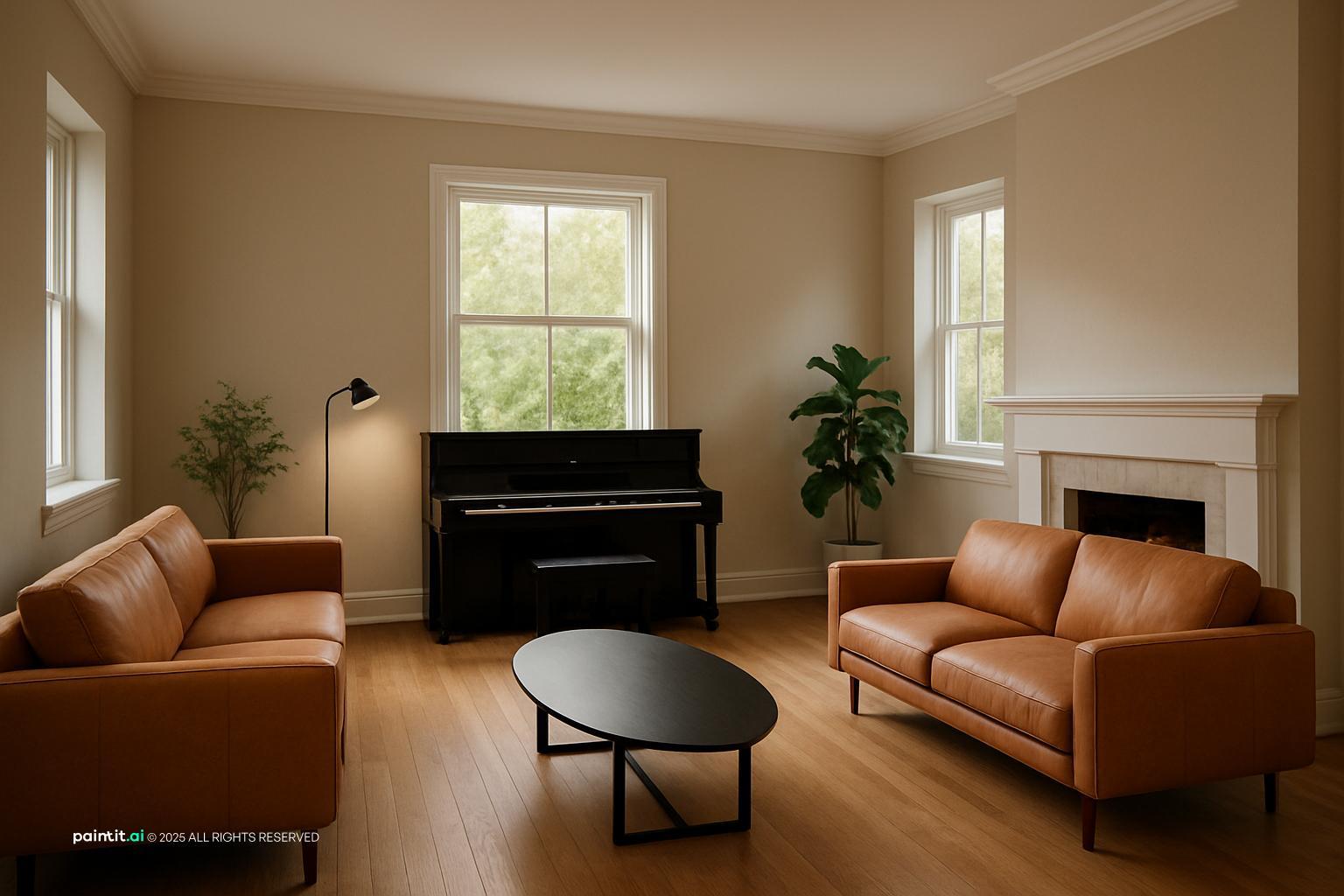
Two sofas on one side and a piano on the other split a large room into a lounge and a music corner.
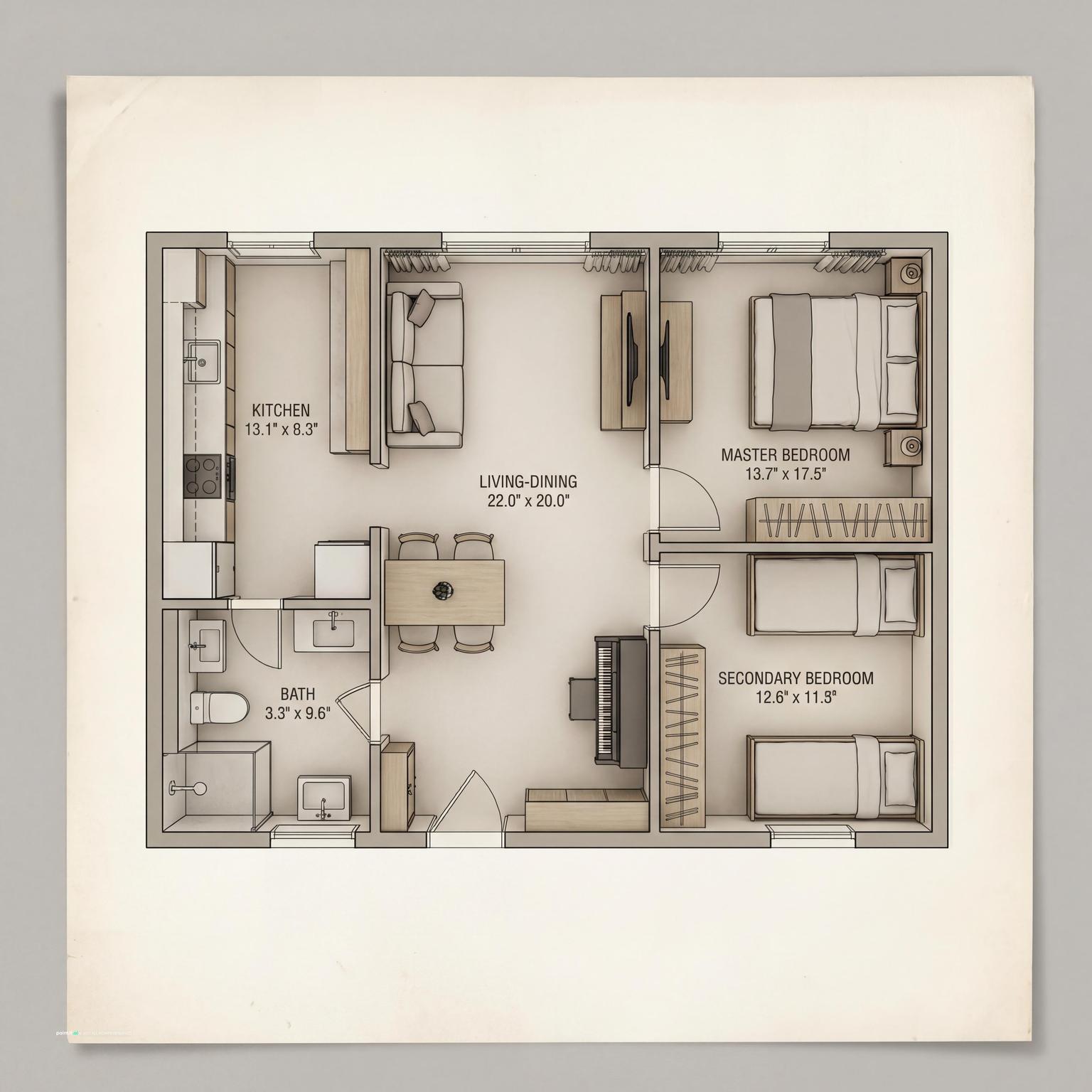
Cozy Modern Apartment Floor Plan Design creates a calmer living room mood through restrained materials, balanced proportions, and softer visual rhythm.
This approach centers on creating two distinct seating arrangements. One area acts as the main gathering spot, perhaps around a fireplace or a large media console, while the other offers a more intimate setting for reading or quiet conversation. It’s about understanding the ebb and flow of daily life; sometimes you need a crowd, sometimes just a quiet moment with a cup of tea.
For the main zone, think a deep sectional in a durable linen blend. The quieter spot might feature a pair of mid-century modern armchairs upholstered in a rich velvet, perhaps with a small, round side table in honed marble. Lighting is key here: a statement chandelier for the main area, and a delicate floor lamp with a linen shade for the retreat.
For a related take on the same room, explore emerald green and gold living rooms.
Many homes, especially older ones, lend themselves beautifully to this classic division. The front of the house, often visible from the entry, becomes a more polished, formal living space – a place for guests or quiet contemplation. The rear, closer to the kitchen or garden, transforms into a relaxed 2nd living room, perfect for family movie nights or casual hangouts.
Consider a pair of classic chesterfield sofas in a deep leather for the formal zone, paired with an antique Persian rug. The casual space could embrace a large, plush modular sofa in a performance fabric, perhaps in a muted denim blue, with a chunky knit throw. Keep the formal area's palette sophisticated, while the casual zone can introduce more playful textures and patterns.
Here, one of your double living room ideas focuses on entertainment, the other on quiet intellectual pursuits. Imagine a dedicated spot for movie marathons or gaming, balanced by a serene corner for diving into a good book. It’s about catering to different moods without needing separate rooms entirely.
The media zone demands a comfortable, deep-seated sofa and perhaps some beanbags or floor cushions. Integrate a sleek media console in dark wood or a lacquered finish. The reading nook needs a comfortable chaise lounge or a wingback chair, an ottoman, and a task lamp with a warm glow. A small, built-in bookshelf filled with beloved titles completes the picture.
With more of us working from home, integrating a functional office space into a larger living area has become essential. This isn't about a desk crammed into a corner; it's about a thoughtfully designed workspace that feels connected yet distinct from the main living activities. It's a smart way to get a 2 living room setup that includes productivity.
Choose a sleek, minimalist desk in a light wood or glass, paired with an ergonomic yet stylish chair. Consider a custom built-in unit that combines shelving for books and files with a hidden pull-out desk. Use a subtle room divider, like a fluted glass screen or a low credenza, to create a visual break. Keep the office zone's palette calm and focused.
Sometimes, a little bit of structure goes a long way. Half-walls, or pony walls, offer a permanent yet open solution for defining two distinct zones within a larger space. They provide a sense of separation without completely closing off light or flow, making them excellent double living room ideas.
These walls can be topped with a narrow shelf for displaying art or books, or even serve as a backrest for a sofa. Consider cladding them in a different material, like vertical shiplap or a textured plaster, to add visual interest. The key is to ensure the wall height allows for conversation and visual connection over the top.
Not ready for permanent changes? Portable screens, large shelving units, or even tall plants can create adaptable divisions. This is perfect for those who like to reconfigure their space or need temporary privacy for their 2nd living room.
A beautiful Japanese shoji screen can add an ethereal touch, while a substantial open-back bookshelf in dark walnut can house books and decorative objects, acting as a functional divider. Large fiddle-leaf figs or olive trees in substantial planters can also create a natural, organic screen. The beauty is in their impermanence.
One of the simplest yet most effective double living room ideas involves furniture placement. Two sofas placed back-to-back, perhaps with a long console table or a low bench between them, instantly create two distinct zones. It's a classic trick that works wonders in large, open rooms.
Choose sofas with similar profiles but perhaps different upholstery for a subtle contrast – a neutral linen on one, a subtly patterned fabric on the other. The console table between them can hold lamps, books, or decorative items, serving both zones. Ensure enough space for comfortable movement around both seating areas.
Imagine one side of your expansive living room as a gallery-like space, perhaps featuring a large art collection or a grand piano, while the other is a cozy, intimate lounge. This creates a journey through the room, offering different experiences as you move through it. It's a sophisticated take on a 2 living room setup.
The gallery area might have minimalist furniture, allowing the art to be the star, with gallery lighting to highlight pieces. The lounge, on the other hand, could feature a deep, inviting sofa, a plush rug, and mood lighting from floor lamps. Think rich textures and darker tones for the lounge to enhance its coziness.
For a truly distinctive division, consider raising one of your living zones on a subtle platform. This architectural feature immediately creates a sense of separation and importance for the elevated space, making it feel like a room within a room. It’s a bold statement among double living room ideas.
The elevated area could be a formal sitting room or a dedicated music corner, complete with a grand piano or a high-fidelity sound system. The lower area would then serve as the more casual, everyday living space. Ensure the steps are well-lit and clearly defined for safety. Materials for the platform could be polished concrete, rich hardwood, or even a plush, wall-to-wall carpet.
Sometimes, the simplest visual cues are the most effective. Using distinct color palettes or large, contrasting area rugs can effortlessly define two separate living zones without any physical barriers. This is a fantastic way to implement double living room ideas with minimal structural changes.
In one zone, you might use a rug with a vibrant geometric pattern and introduce accent pillows in complementary bold hues. The second zone could feature a neutral, textured rug – perhaps a natural jute or a thick wool – with a calmer, monochromatic color scheme for furniture and accessories. The visual shift tells your brain, "new zone ahead."
If you're lucky enough to have a double-sided fireplace or the opportunity to install one, it becomes a natural divider for two distinct living areas, with each side offering its own cozy ambiance and focal point.
Design each side of the fireplace with its own seating arrangement, perhaps a more formal grouping on one side and a relaxed, deeper sofa on the other. The fireplace itself can be clad in different materials on each side to further enhance the distinction – say, polished concrete on one and reclaimed brick on the other. It's about creating two distinct hearths for two distinct moods.
For ultimate flexibility, sliding panel systems or large pocket doors offer the best of both worlds: open-plan living when you want it, and private, distinct rooms when you need them. These are perfect for creating a truly adaptable double living room.
Consider panels made of fluted glass for diffused light, solid wood for complete privacy, or even fabric-covered panels for a softer look. When open, they disappear, leaving a vast space. When closed, they create a quiet retreat or a dedicated media room. It's a smart solution for a 2 living room concept that can transform on demand.
The second gallery leans into more specific directions through open, helping compare different ways the same living room can feel at home.
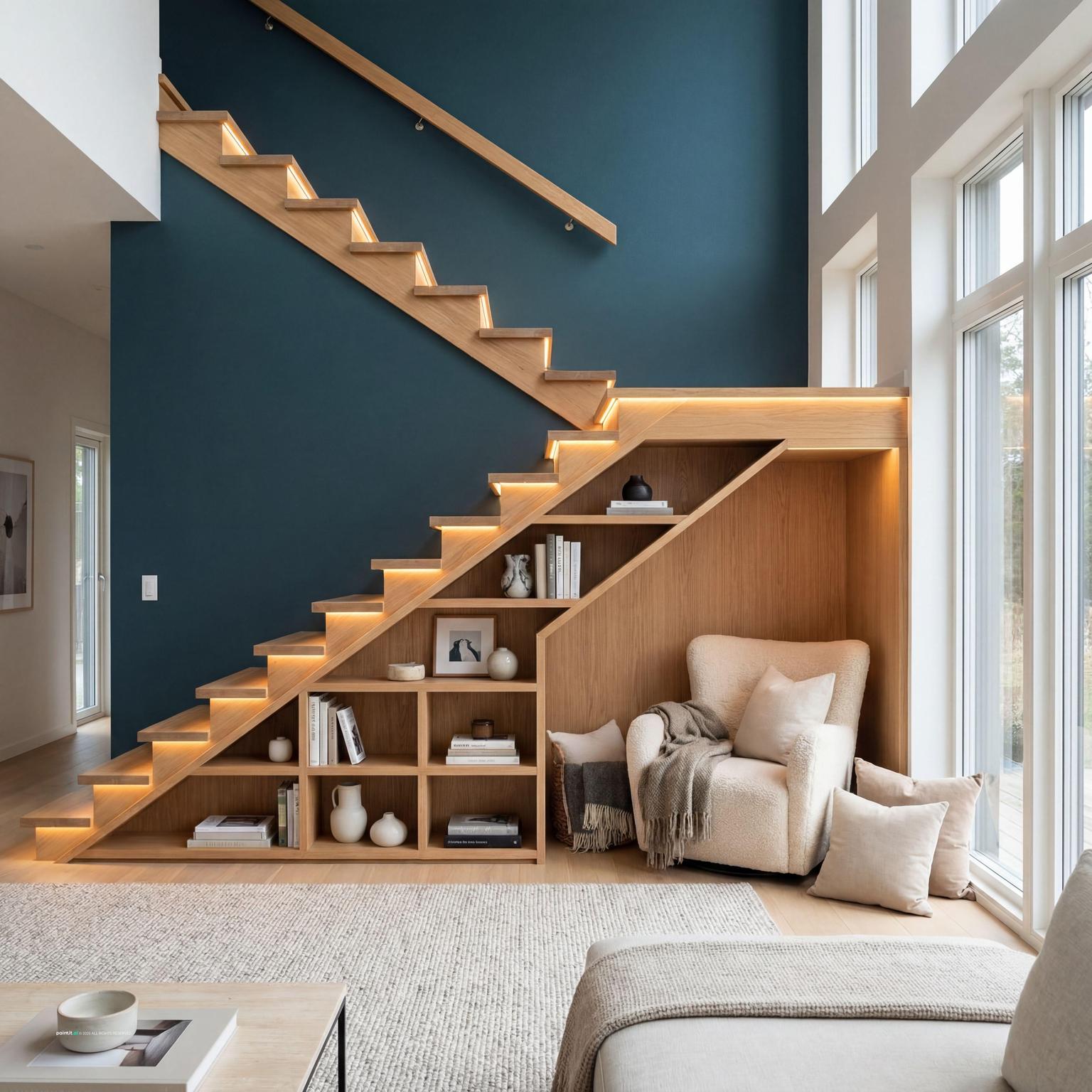
Discover how a modern living room can embrace double living room ideas by incorporating a distinct cozy nook for intimate moments.
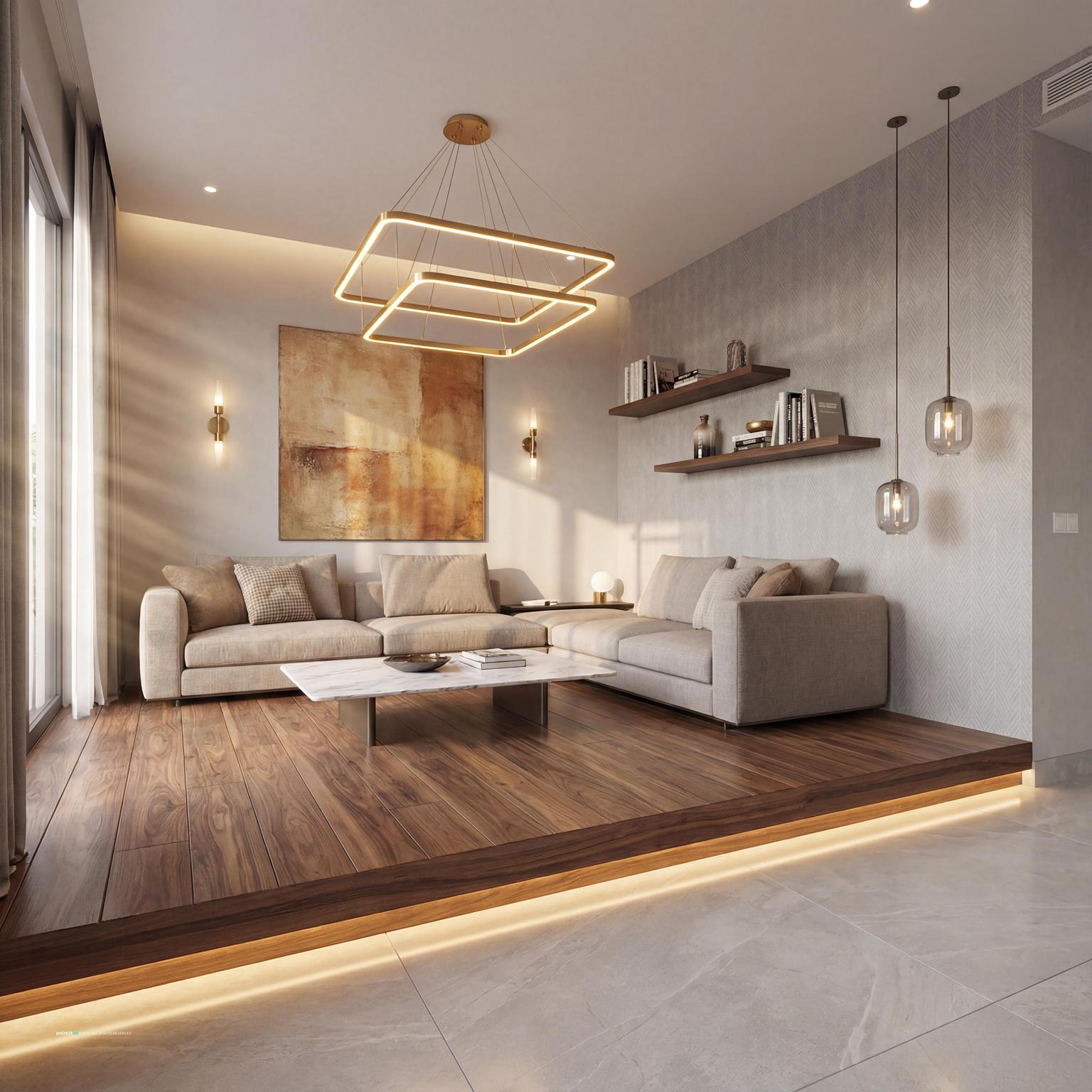
An elevated living area within a spacious 40m² hall beautifully defines zones, offering sophisticated double living room ideas.
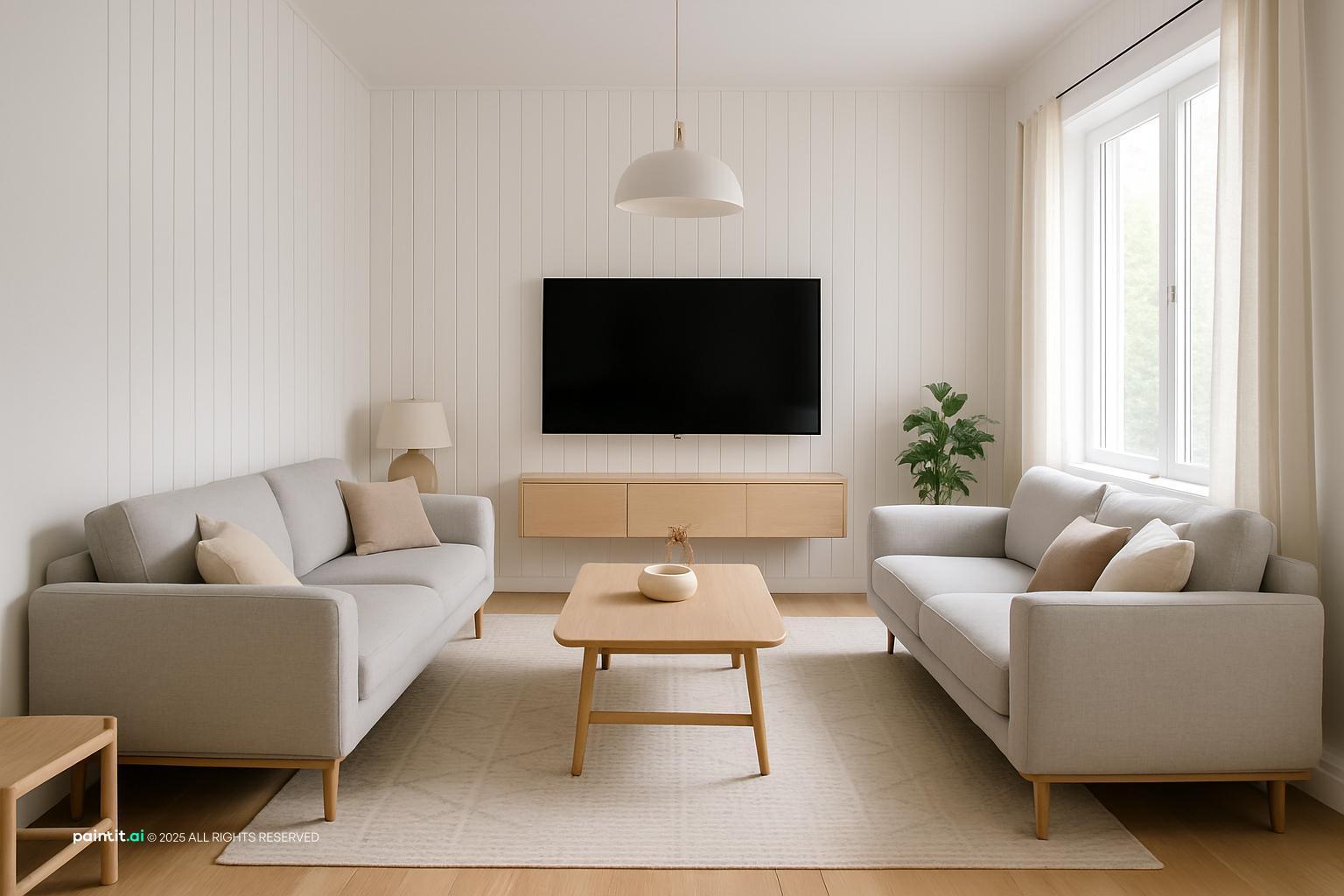
Face-to-face sofas keep conversation in the middle while the TV stays on the side wall.
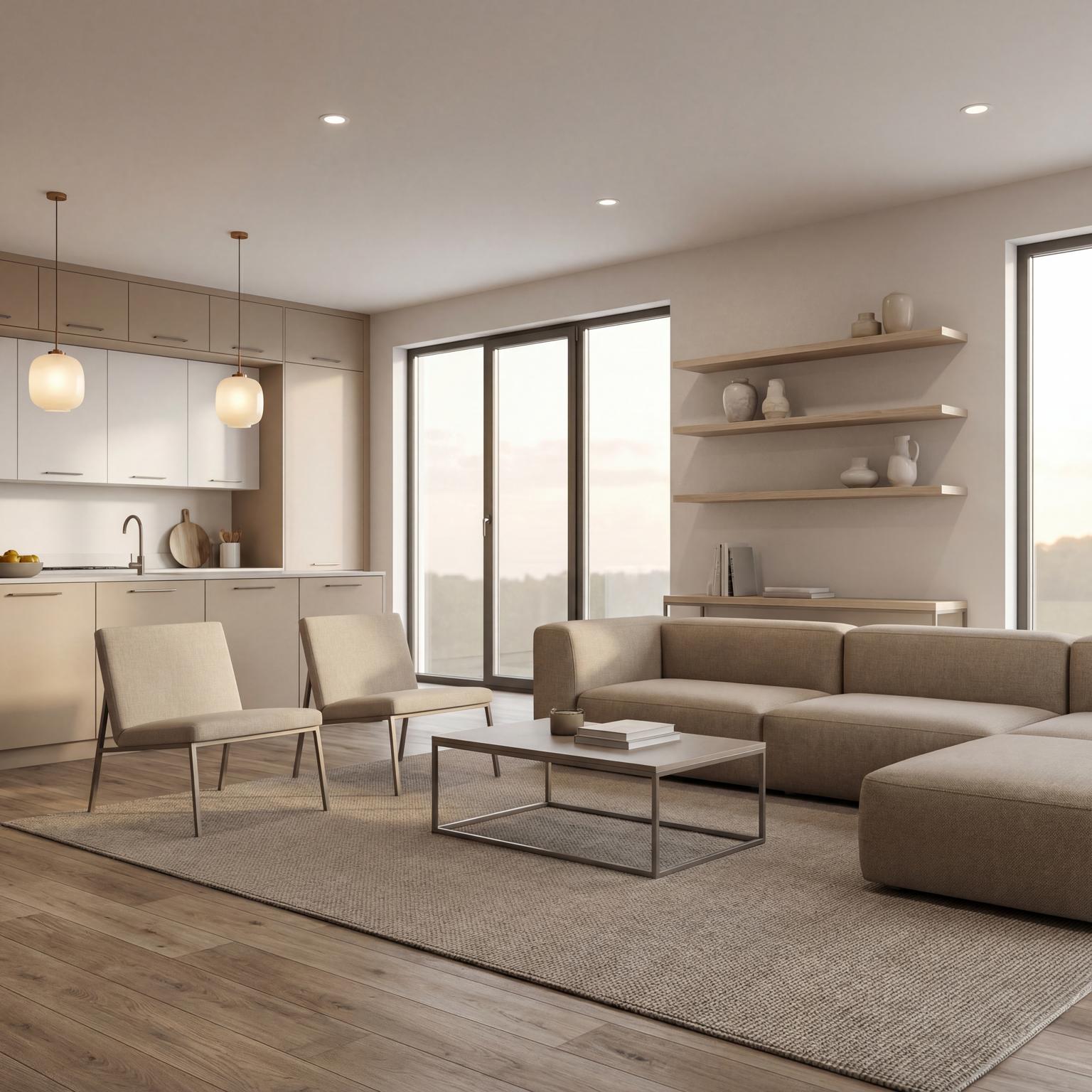
This stylish open-concept living room redesign is a perfect canvas for creative double living room ideas, enhancing function and flow.
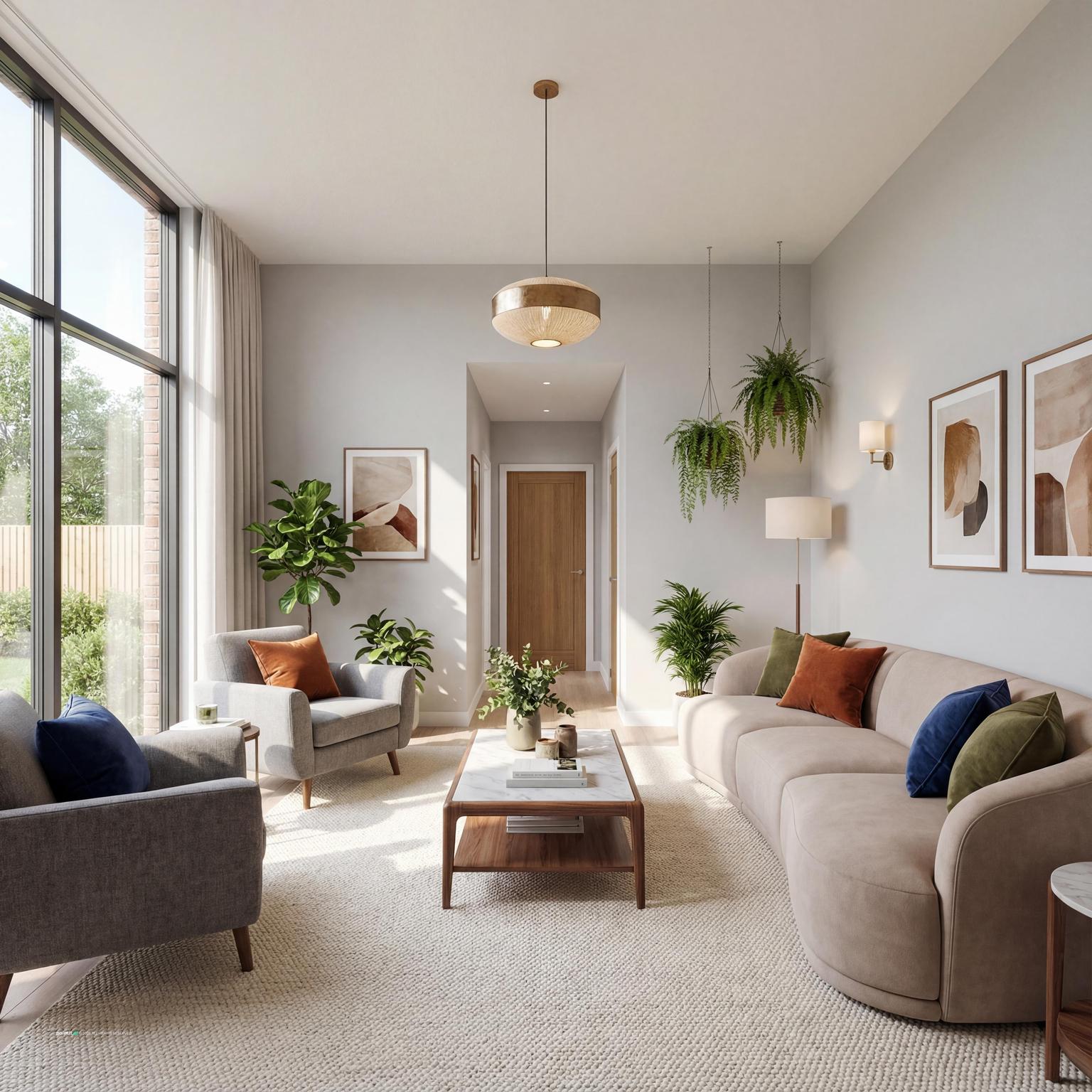
This modern open-plan house design incorporates double living room ideas by defining distinct functional zones.
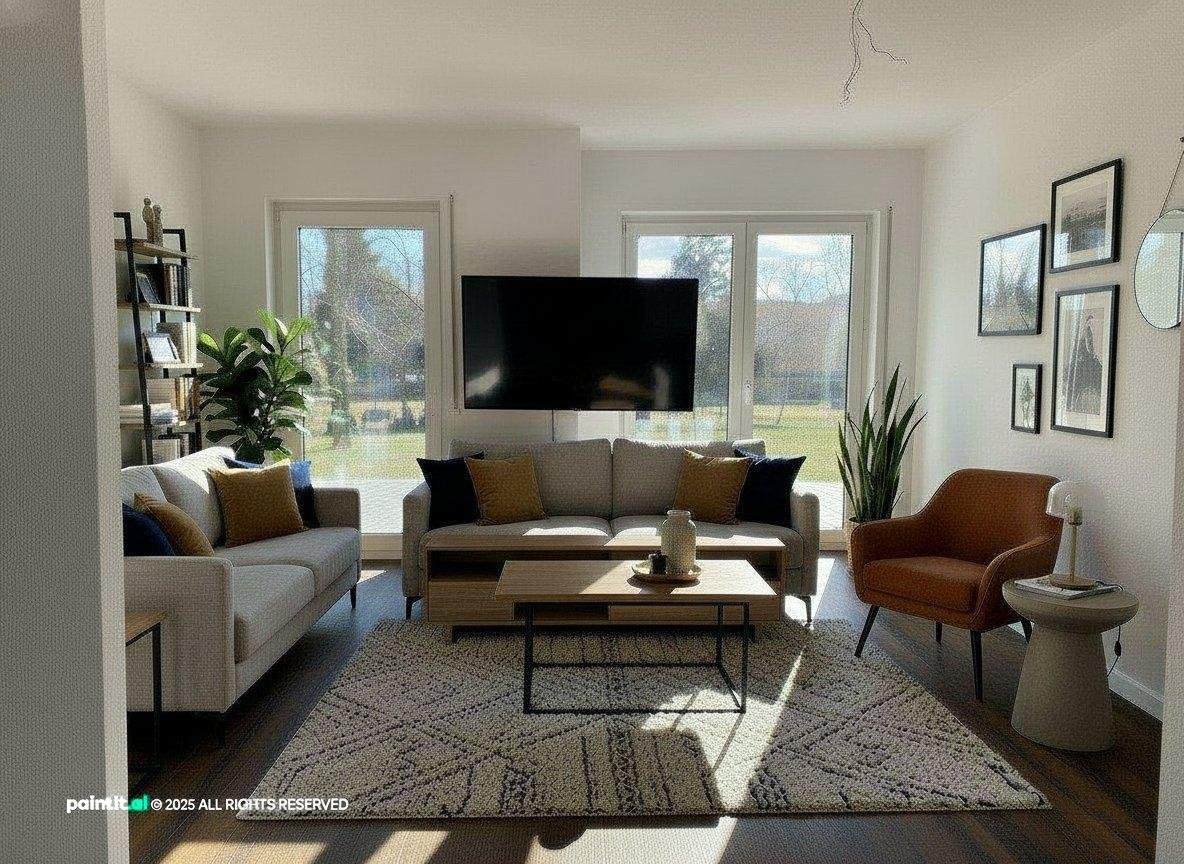
Moving one sofa to the side creates a second, quieter seating zone in the same room.
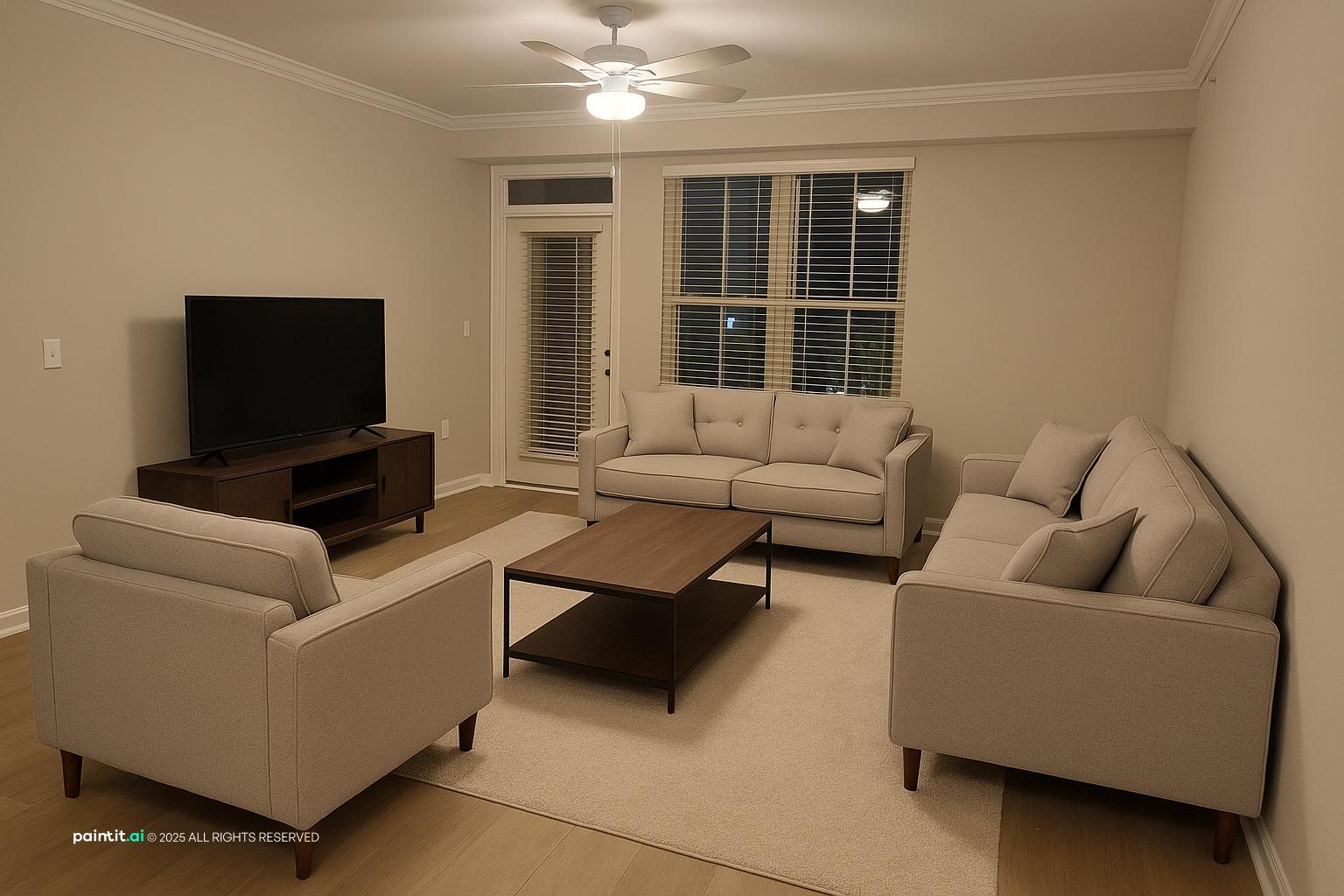
An L of two sofas facing the TV fits a family room better than one long sectional.
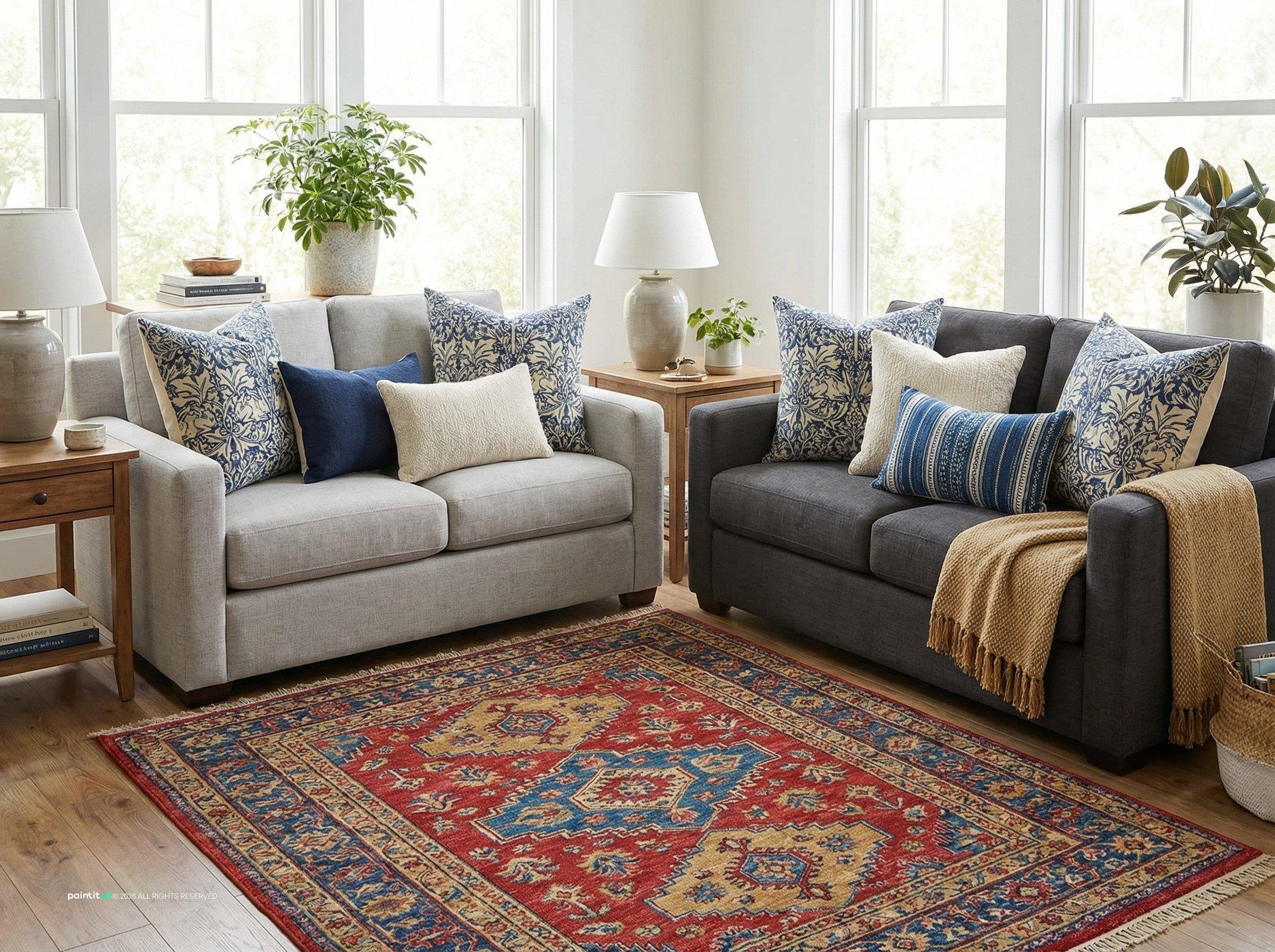
One large rug under both sofas ties two seating pieces into one zone.
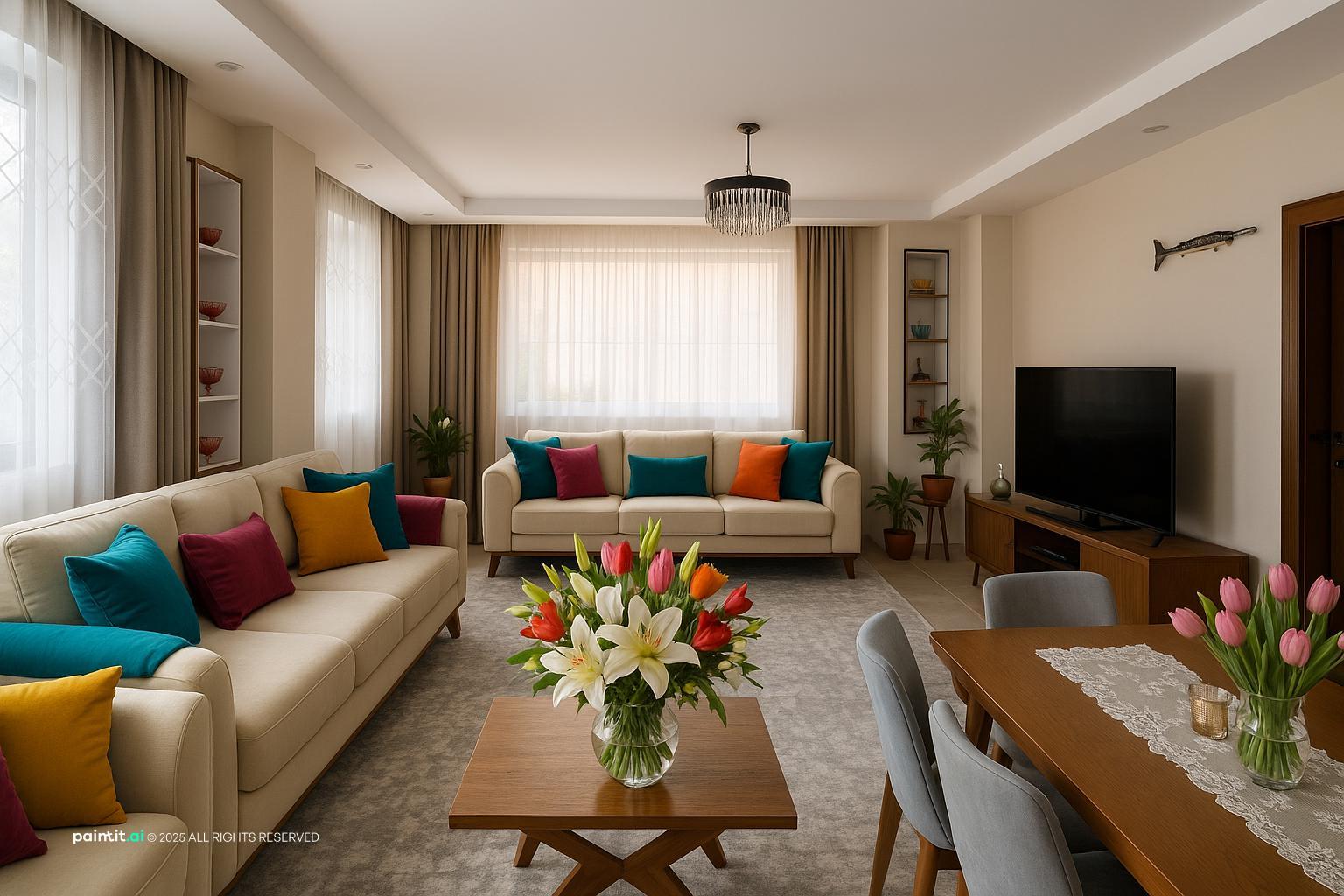
Repeating the same cushion colors on both sofas makes two pieces read as one set.
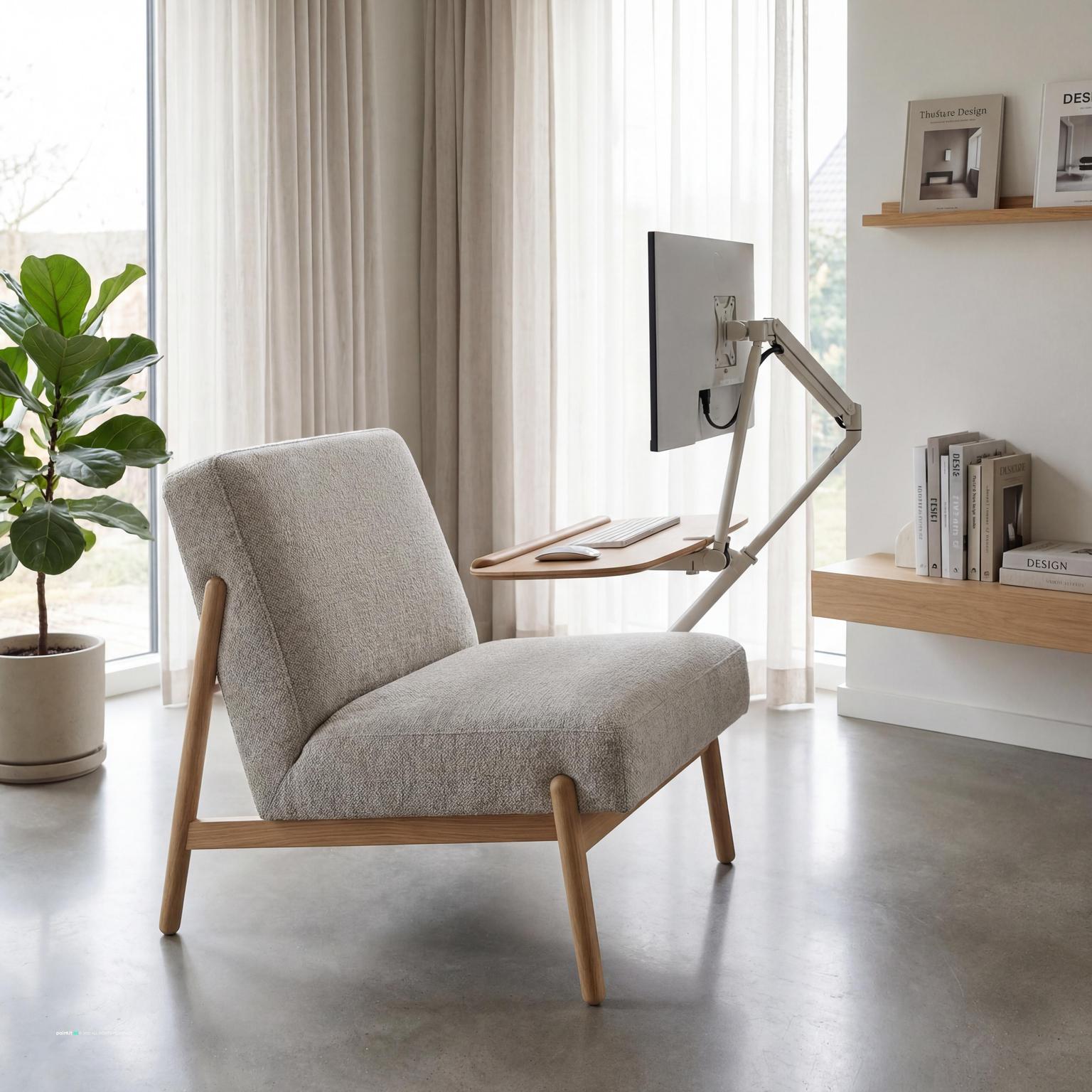
A stylish open-concept living space design provides boundless opportunities for implementing creative double living room ideas with ease.
Start with a unifying base, perhaps a warm greige or a soft off-white, to maintain visual continuity across the entire space. Introduce a muted sage green for the primary gathering zone, lending a calming, grounded feel. For the 2nd living room, a soft terracotta or a dusty blue can create a distinct, inviting atmosphere. Subtle accents like brushed brass or deep charcoal in smaller elements will tie these palettes together effortlessly.
For a related take on the same room, explore Living Room Double Wide Mobile Home Living Room Ideas.
Natural oak, perhaps in a lighter finish, grounds the main seating area, offering warmth and durability. For the quieter 2 living room, consider a darker walnut in a side table or shelving, adding a touch of sophisticated intimacy. Plush wool rugs define each zone, providing distinct tactile experiences underfoot. Linen upholstery keeps things airy and inviting, while a touch of matte black metal in a lamp or a decorative screen provides subtle, modern definition.
For a related take on the same room, explore living room wall color ideas.
A substantial, deep-seated sectional anchors the primary zone, inviting communal relaxation. For the more intimate 2nd living room, a pair of elegant, upholstered armchairs or a comfortable chaise lounge creates a perfect reading nook. A long, low console table placed behind a back-to-back sofa arrangement can act as a brilliant, soft divider, offering surface space for both zones. Remember, choosing the right proportions is paramount; nothing should feel cramped, nor should it get lost in the expanse.
For a related take on the same room, explore calm living rooms with plants and natural materials.
Ambient light from a central, diffused chandelier or strategically placed recessed fixtures sets the overall mood, ensuring the entire double living room feels bright and welcoming. Task lighting, such as a floor lamp with an adjustable arm next to a reading chair or a focused desk lamp in a work corner, is non-negotiable for functionality. Accent lighting—think small table lamps on side tables or picture lights highlighting artwork—adds warmth and highlights specific features, creating distinct atmospheres in each zone.
Curated art, vibrant plants, and sculptural objects bring personality to each distinct zone. In the main gathering area, a large, impactful piece of abstract art or a grouping of three framed prints works beautifully above a sofa. For the quieter 2nd living room, a collection of five ceramic vases on a console, alongside a tall, leafy plant, creates visual interest without clutter. The 3-5-7 rule isn't about strict adherence; it’s a gentle guide for creating balance and avoiding a cluttered look, making each zone feel thoughtfully composed. A well-placed stack of seven vintage books or a singular, striking sculpture can define a corner, ensuring every detail contributes to your double living room ideas.
nailing the balance between two distinct zones in a double living room often feels like a high-stakes gamble; will that new sofa in the 2nd living room truly complement the main area? Paintit.ai eliminates that risk. We let you instantly visualize endless double living room ideas, experimenting with furniture, rugs, and colors, seeing precisely how each element interacts. It’s about confidence. Try it, and craft your perfect space.
Before changing furniture or finishes, you can preview the direction with an interior design visualizer.
Think of double living room ideas as creating two distinct, yet harmonious, functional zones within one larger space, or even having two separate living areas that serve different purposes. It’s about maximizing utility and comfort. We often see this in open-plan homes where a single expansive room needs to cater to varied activities—maybe a quiet reading nook and a more social gathering spot. it offers incredible flexibility, allowing a home to breathe and adapt to different moods or family needs throughout the day. It’s not just about having more square footage; it’s about smarter living.
The trick here lies in a thoughtful design narrative. We always advise clients to establish a foundational material palette that flows through both areas—perhaps a consistent flooring like wide-plank oak or polished concrete. Then, introduce subtle variations. For instance, in your main living area, you might have a deep, charcoal velvet sofa, while the 2nd living room could feature a lighter linen sectional in a complementary tone. Use accent colors to tie them together, like a shared shade of sage green in throw pillows or artwork. that continuity in texture or a shared metallic finish, say brushed brass in an aged finish, can work wonders. It’s about creating a conversation between the spaces, not a shouting match.
Oh, the possibilities are endless! A 2 living room arrangement truly shines when you consider how families actually live. One space might be your primary media hub, complete with a large screen and comfortable, deep-seated sofas perfect for movie nights. The other could transform into a serene library or a quiet conversation area, perhaps with a pair of 1950s Italian lounge chairs and a small, impeccably edited collection of books. This works best in homes with teenagers, where one space becomes their hangout, leaving the other free for adult entertaining. Or, imagine one area as a formal reception space for guests, while the other is a relaxed family zone. It’s about carving out distinct experiences within your home.
Absolutely, and we’ve learned from a few along the way! The biggest mistake we often see is a lack of clear purpose for each zone. Without it, you end up with two half-baked spaces that feel neither here nor there. Another common misstep is scale; people tend to over-furnish, making both areas feel cramped instead of expansive. Don't forget about lighting. Each zone needs its own lighting strategy—a statement chandelier over the main seating, perhaps a task lamp for the reading nook, and ambient floor lamps to soften the edges. And traffic flow? Crucial. You don't want people constantly cutting through one activity zone to get to another. It’s about preservation over imposition, ensuring each space serves its function without hindering the other.
Versatility and comfort are key. For double living room ideas, we lean towards modular pieces that can be reconfigured if needed, though not necessarily moved daily. Think a substantial, low-profile sectional for your primary gathering space, paired with a couple of armchairs that can be pulled into either zone. For the 2nd living room, consider a smaller sofa or a pair of elegant chaises, perhaps upholstered in a rich, moody velvet. Rugs are your best friend here; they define zones without needing physical walls. A large, hand-knotted wool rug for the main area, and a softer, perhaps shaggy, natural fiber rug for the more intimate space. Artwork, too, should be curated to reflect the mood of each zone, but with an underlying thread that connects them all. It’s about creating distinct personalities that still feel like part of the same family.