
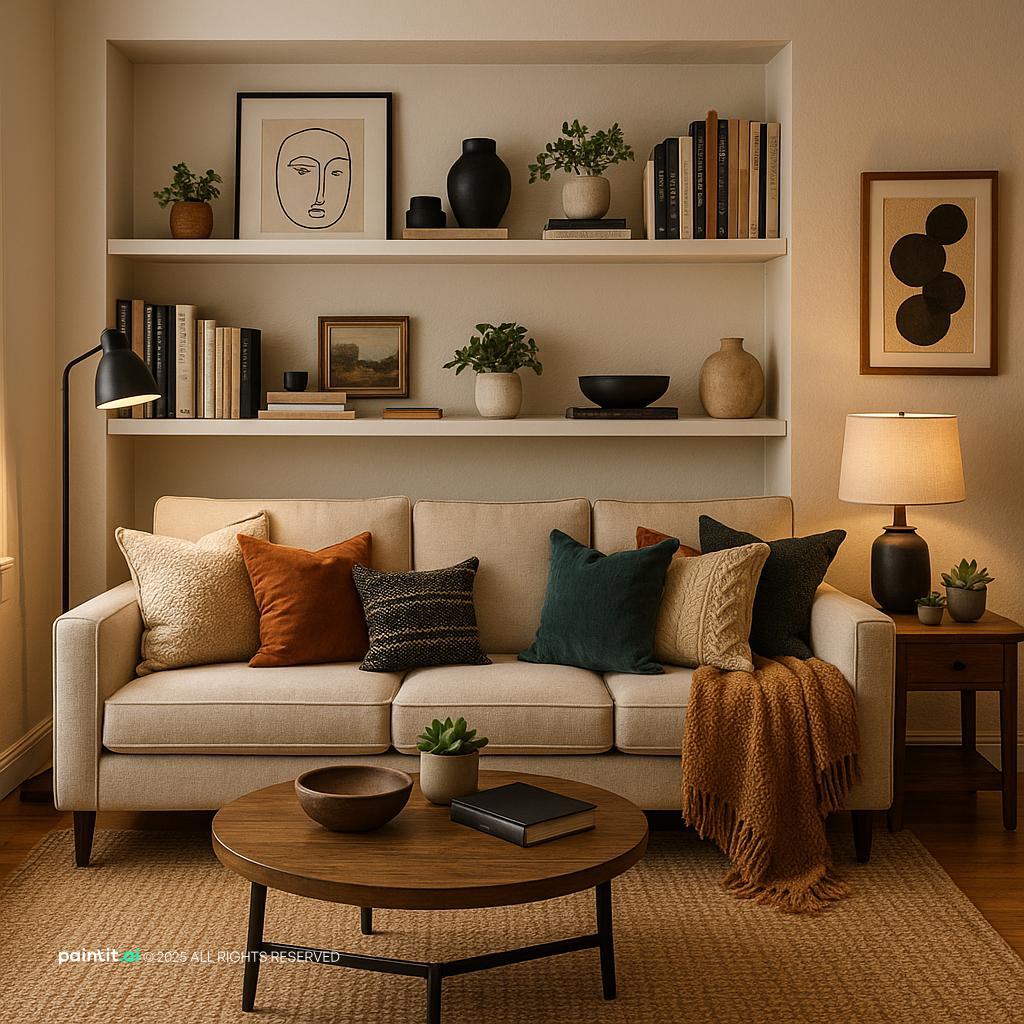
Cozy Living Room Transformation Ideas
Explore inspiring ideas for a cozy cottage living room transformation, crafting an inviting space brimming with warmth and comfort.
Imagine stepping into a space where every detail whispers comfort - a worn armchair by a sunlit window, the scent of fresh linen, a stack of well-loved books. Crafting a truly inviting cottage living room means finding that perfect balance between rustic charm and everyday ease. How do you weave together warmth and practicality to create a haven that feels uniquely yours?
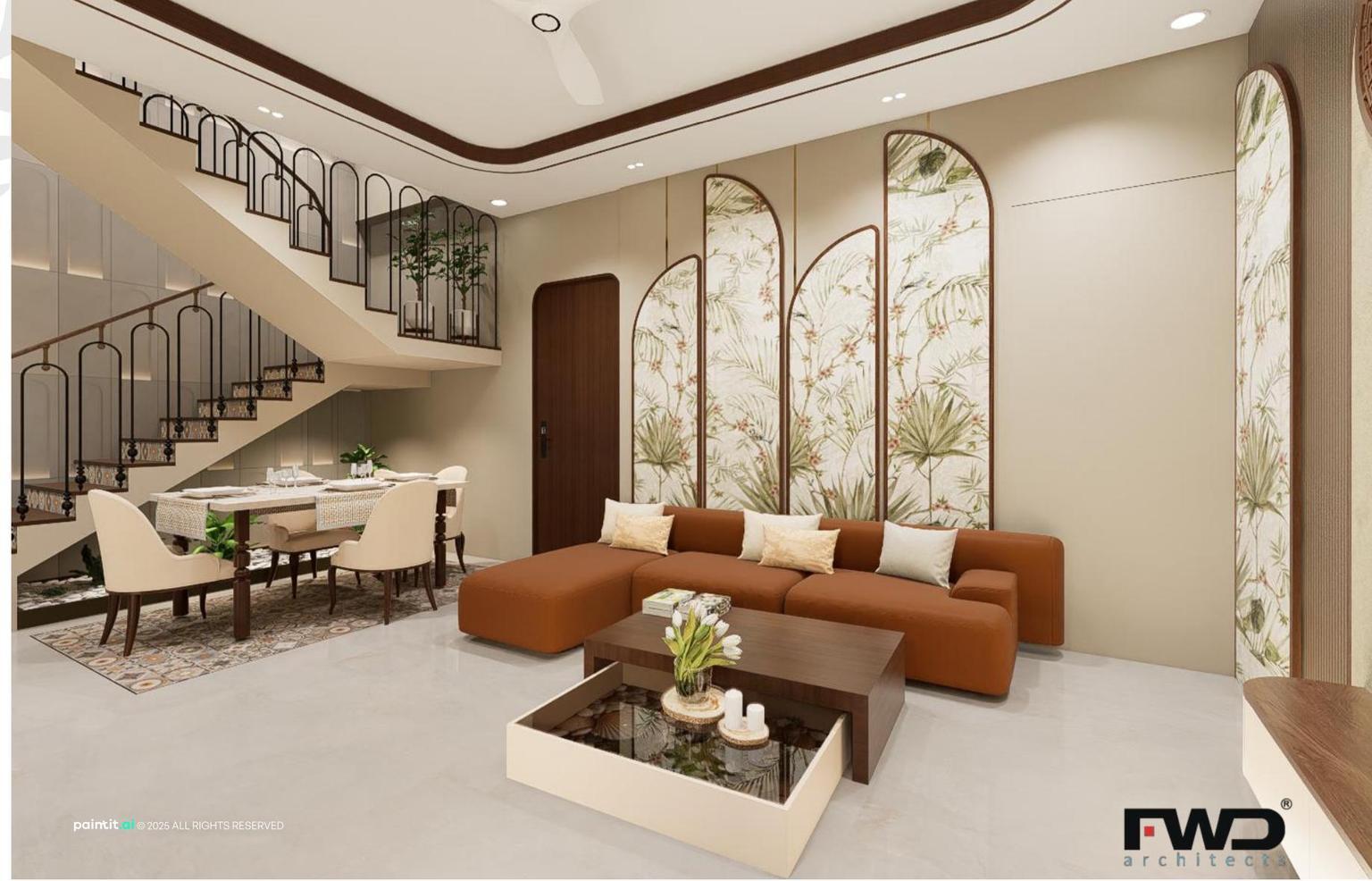
Ever feel like creating that truly inviting, lived-in space is harder than it looks? We get it. It’s not just about throwing a few rustic pieces together; it's about weaving in genuine warmth, that feeling of a well-loved home. This yearning for cozy interiors, for rooms that breathe with natural textures and vintage finds, feels more urgent now.
We’ll share how to achieve that authentic charm, from selecting the perfect slipcovered sofa to mastering soft, diffused lighting. Wondering how those worn wood beams will look? Paintit.ai helps you visualize every detail before you commit.
Before changing furniture or finishes, you can preview the direction with an AI living room design tool.
This gallery brings the abstract idea of cottage into something visible: natural textures.
Explore inspiring ideas for a cozy cottage living room transformation, crafting an inviting space brimming with warmth and comfort.
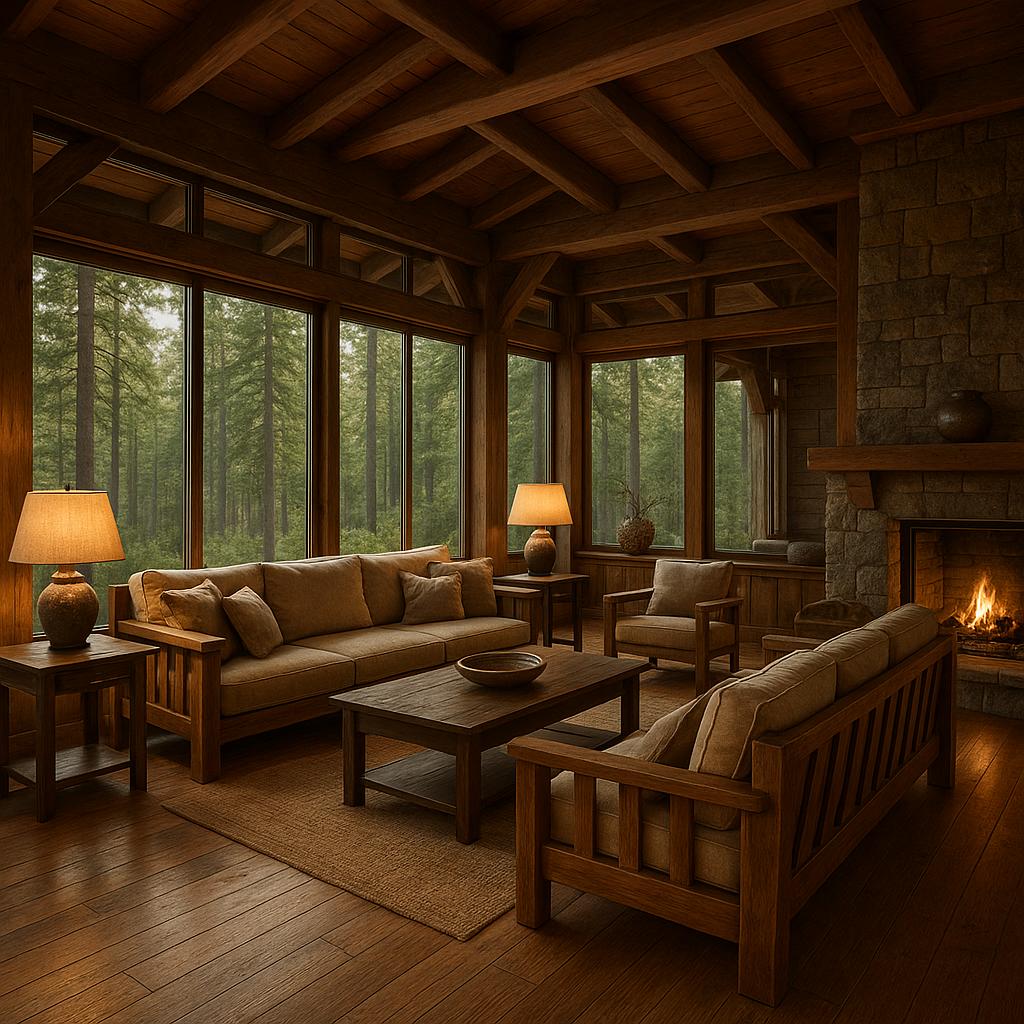
Embrace the rustic charm of a lodge-inspired cottage living room design, featuring natural materials and inviting textures for a serene escape.
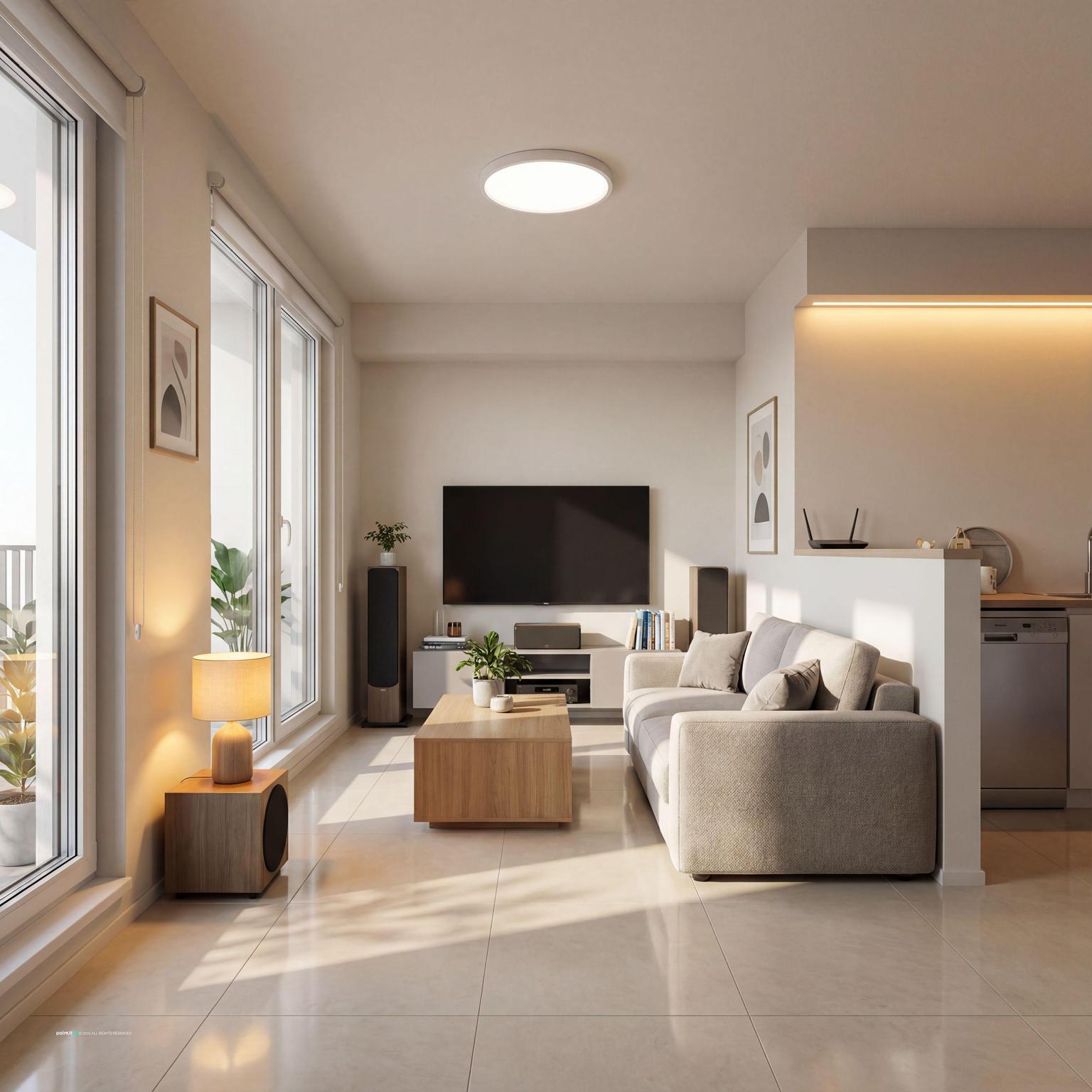
Experience the inviting charm of a cozy, small cottage living room, meticulously designed with photorealistic details to maximize comfort and style.
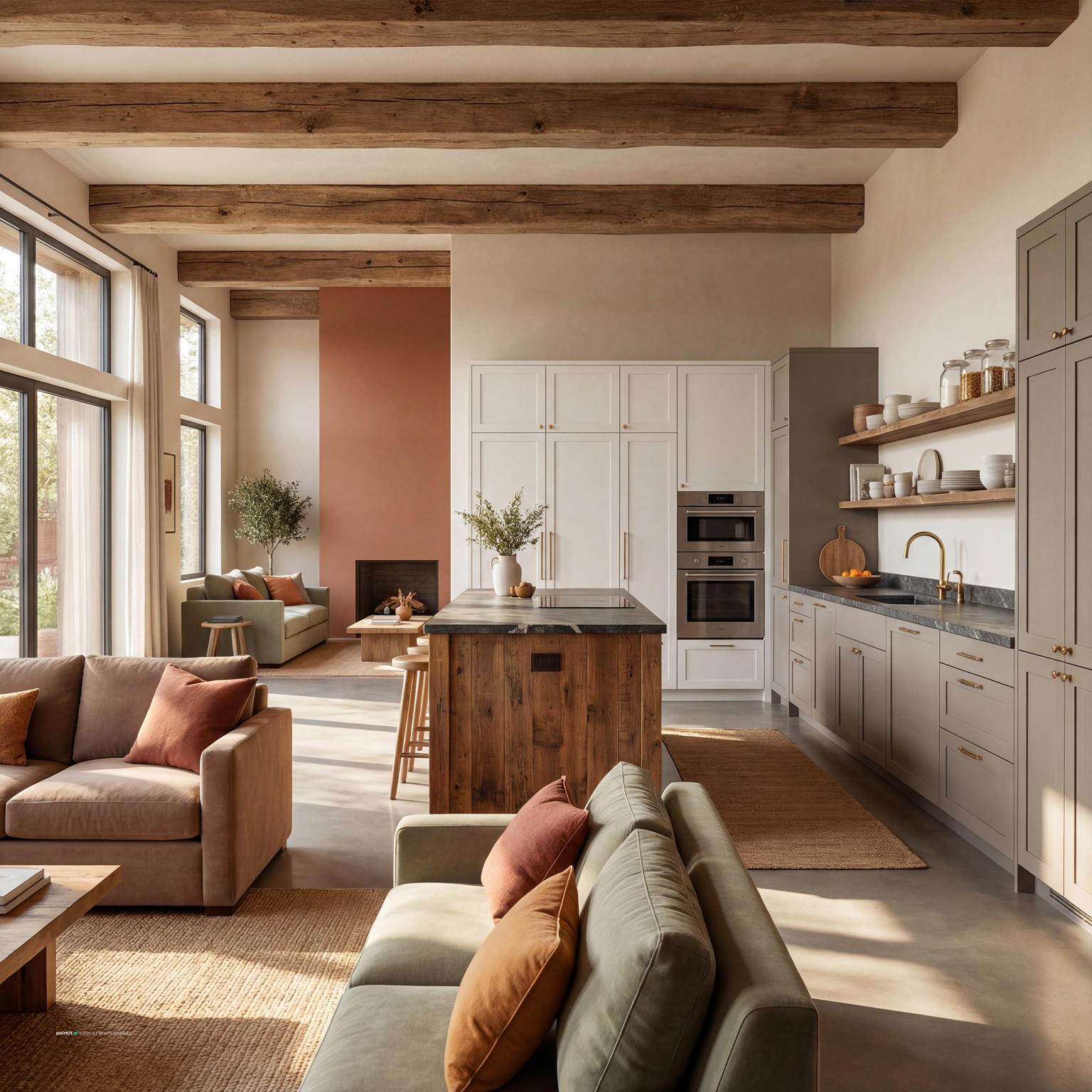
A modern rustic cottage living room and kitchen design beautifully blends contemporary comforts with natural textures, creating a harmonious, inviting space.
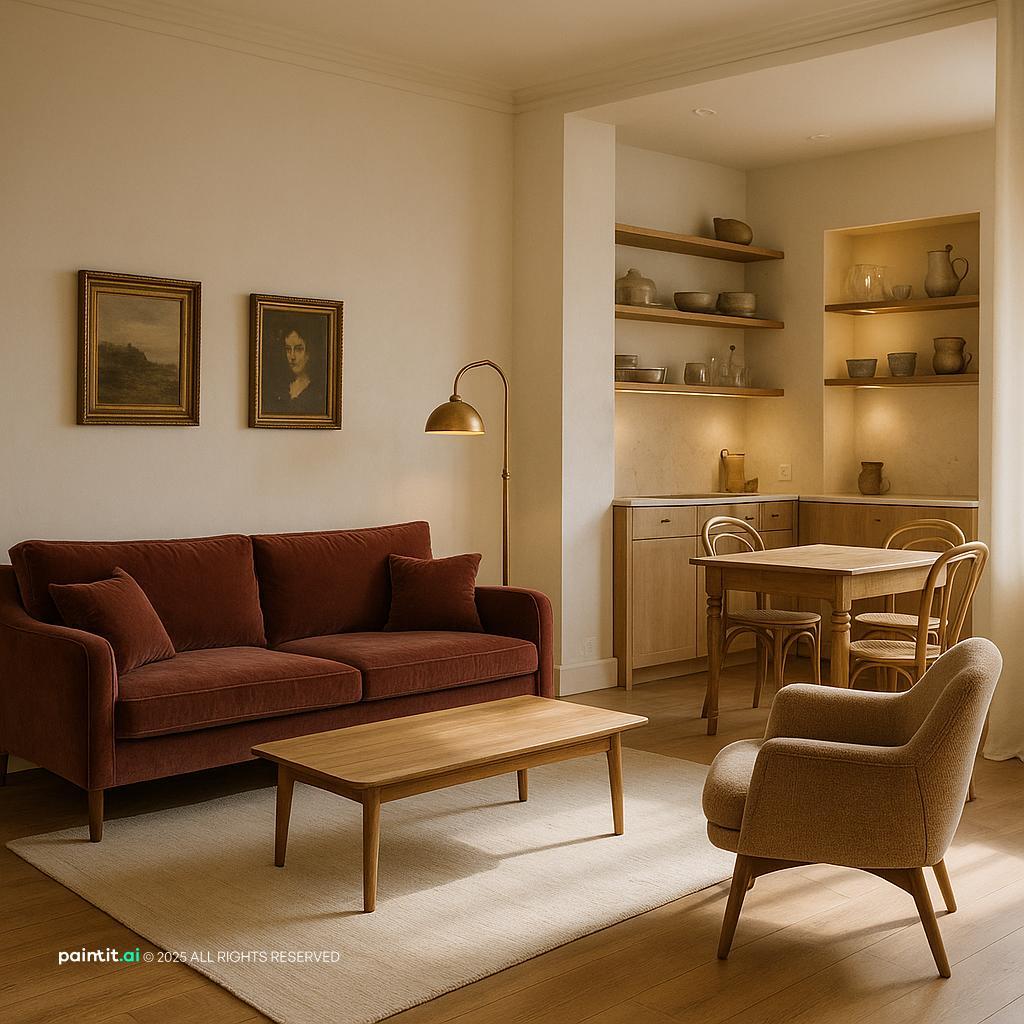
This modern vintage cottage living room and kitchen nook perfectly blends timeless charm with contemporary comfort, creating a uniquely inviting space.
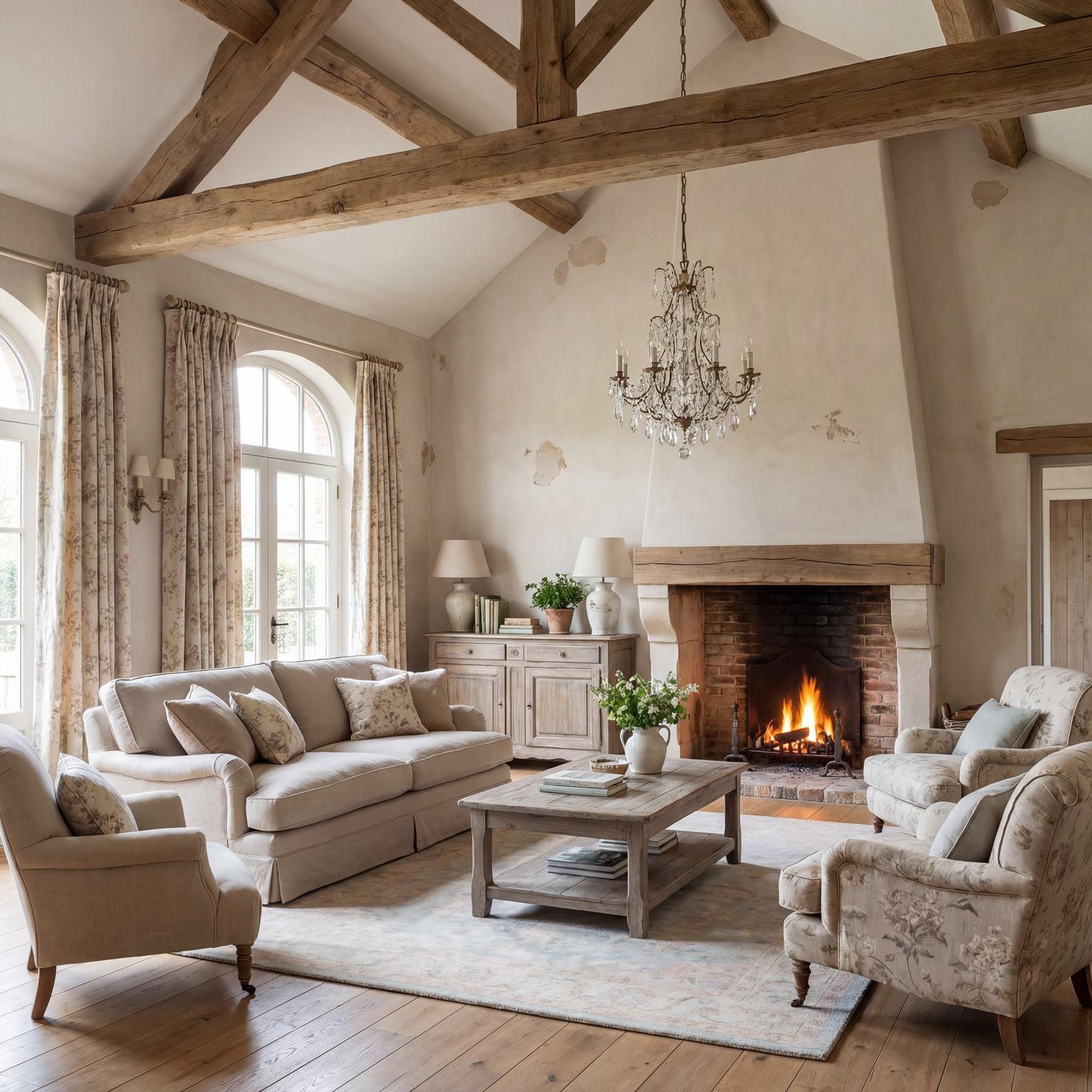
Discover an elegant French Country cottage living room design, where soft hues and classic furnishings create a refined yet welcoming ambiance.
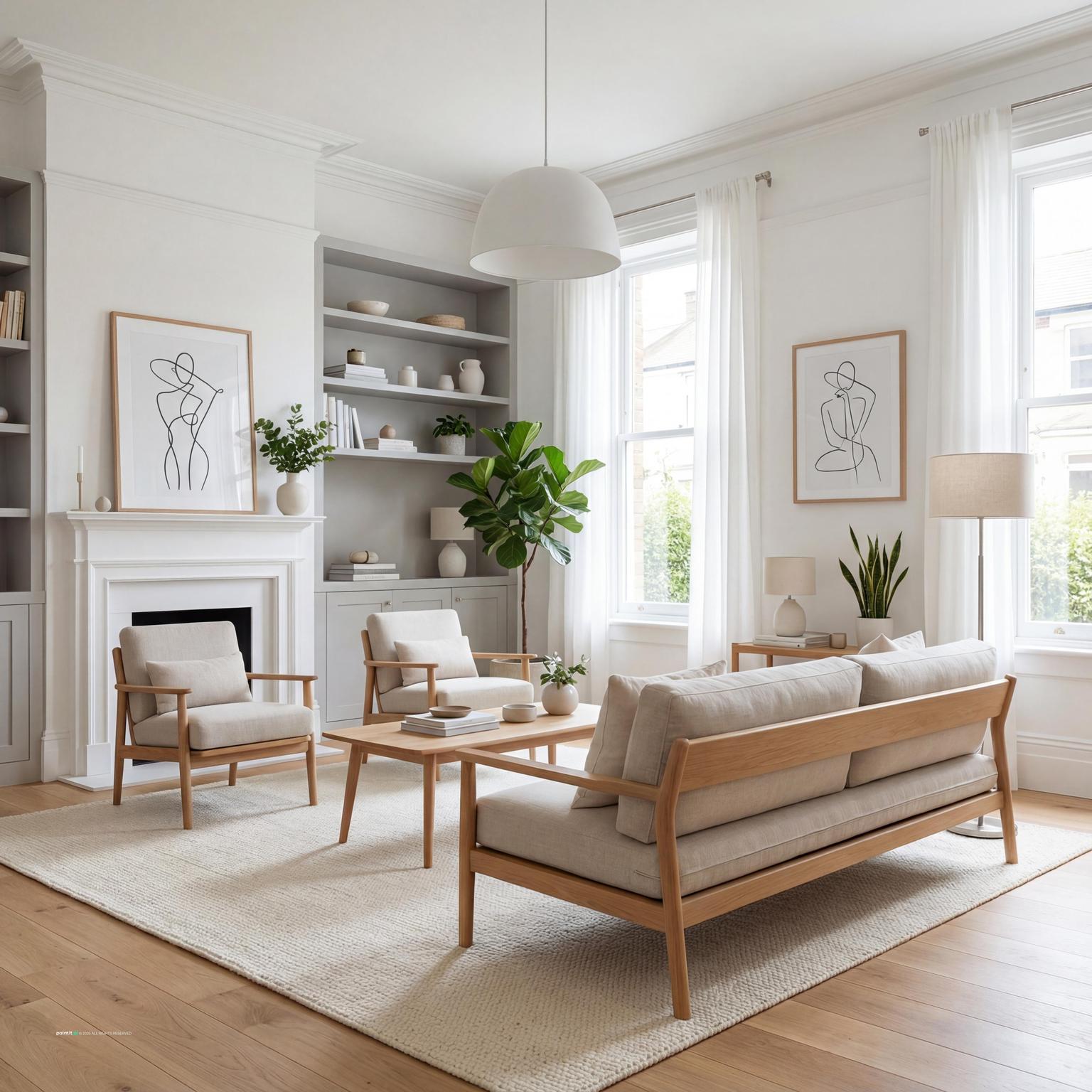
Explore Scandinavian cottage living room redesign ideas, focusing on bright spaces, natural materials, and cozy elements for a tranquil, inviting feel.
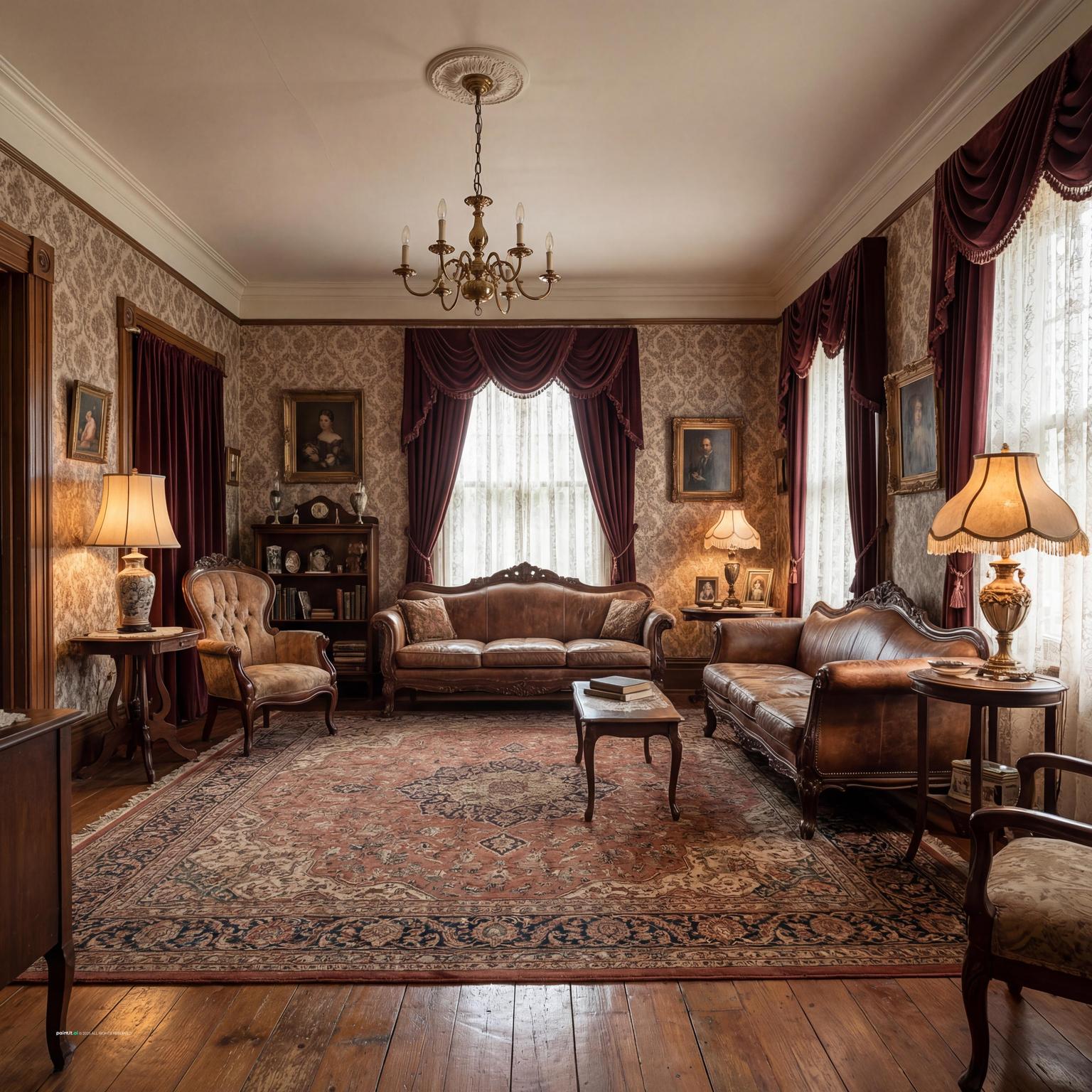
Embrace the timeless appeal of a vintage-style cottage living room, filled with characterful furnishings and decor that tell a unique, cozy story.
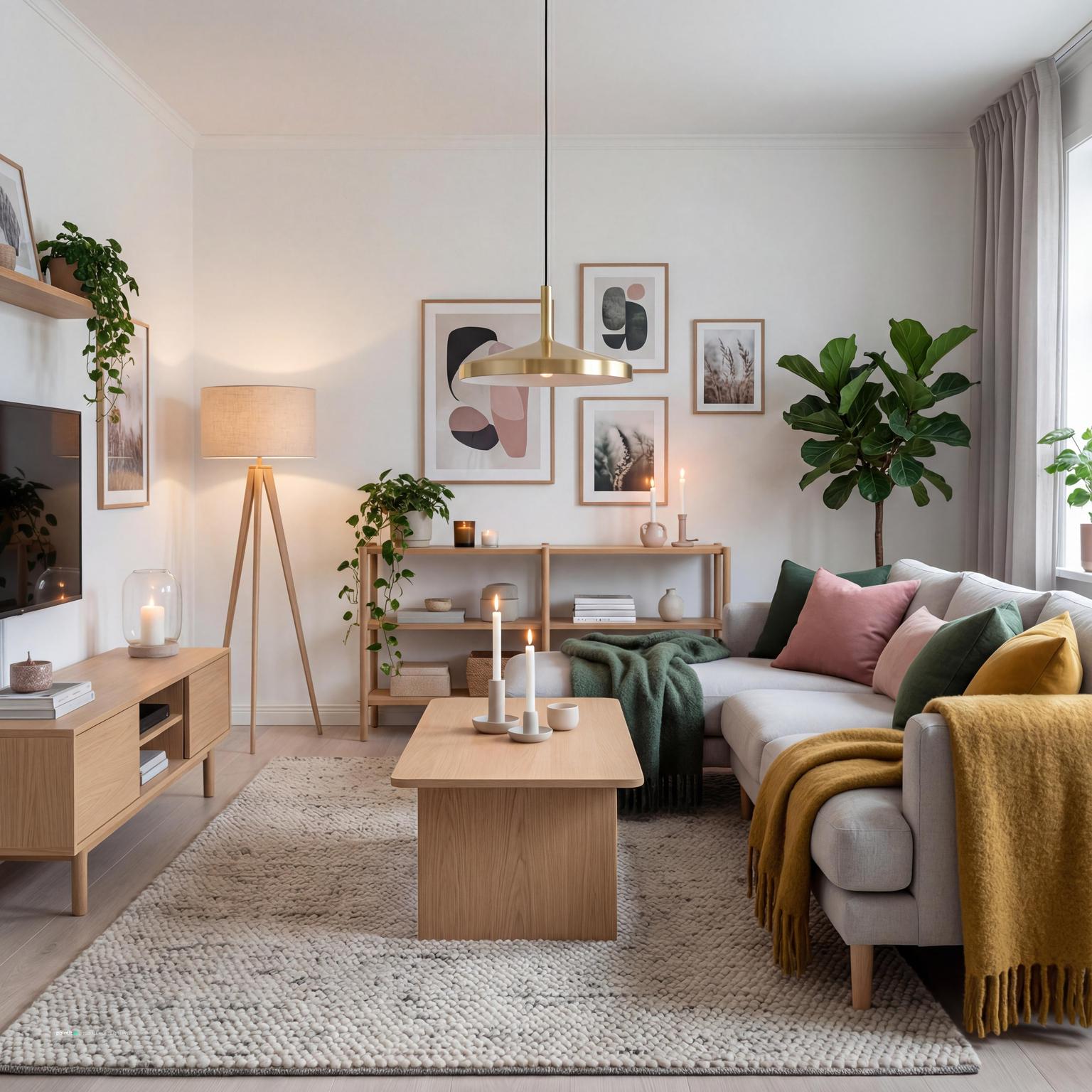
This cozy Scandinavian cottage living room, enhanced with subtle color accents, offers a serene and comfortable retreat, perfect for unwinding.
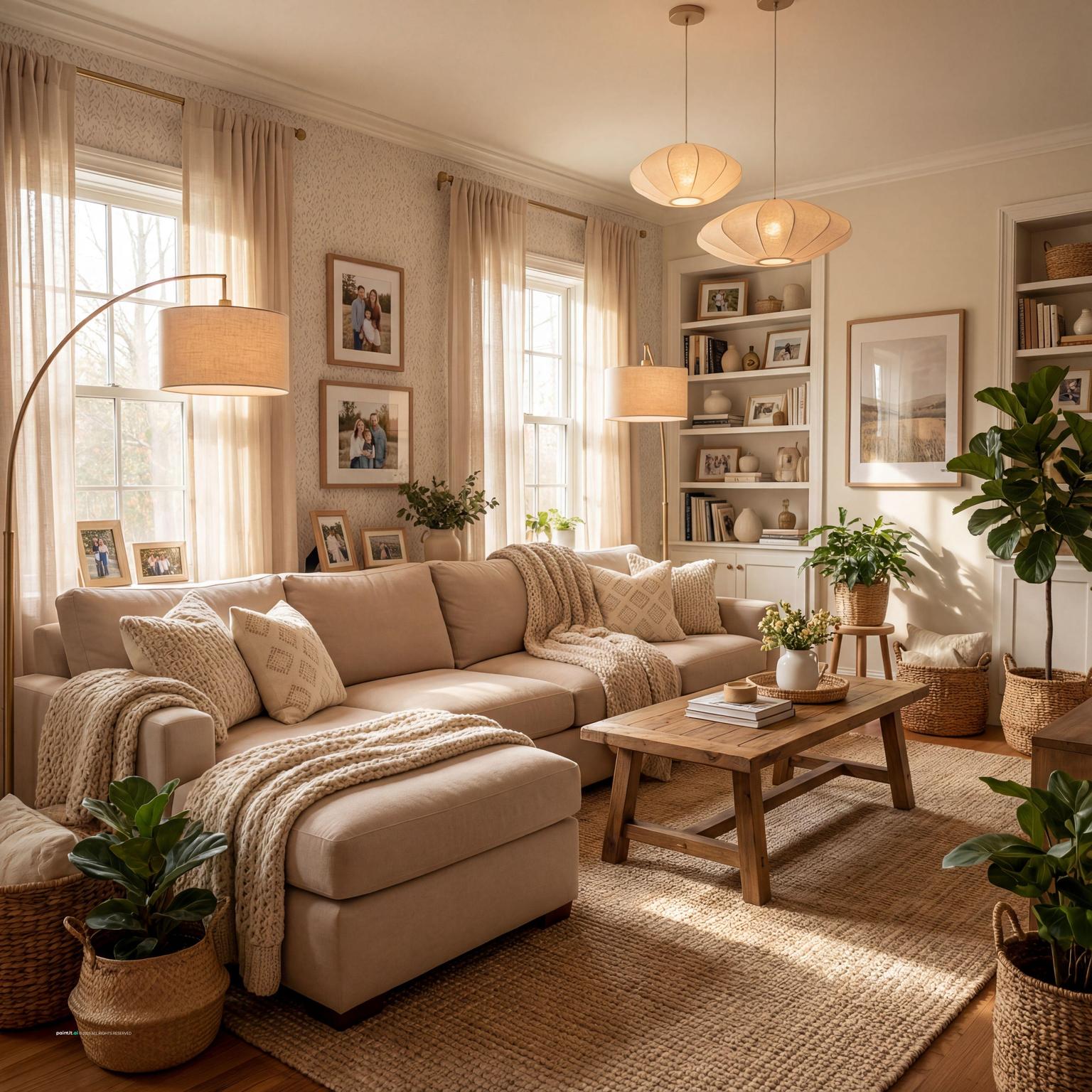
Create a beloved cozy family cottage living room design, perfect for cherished moments and comfortable relaxation in a truly welcoming home.
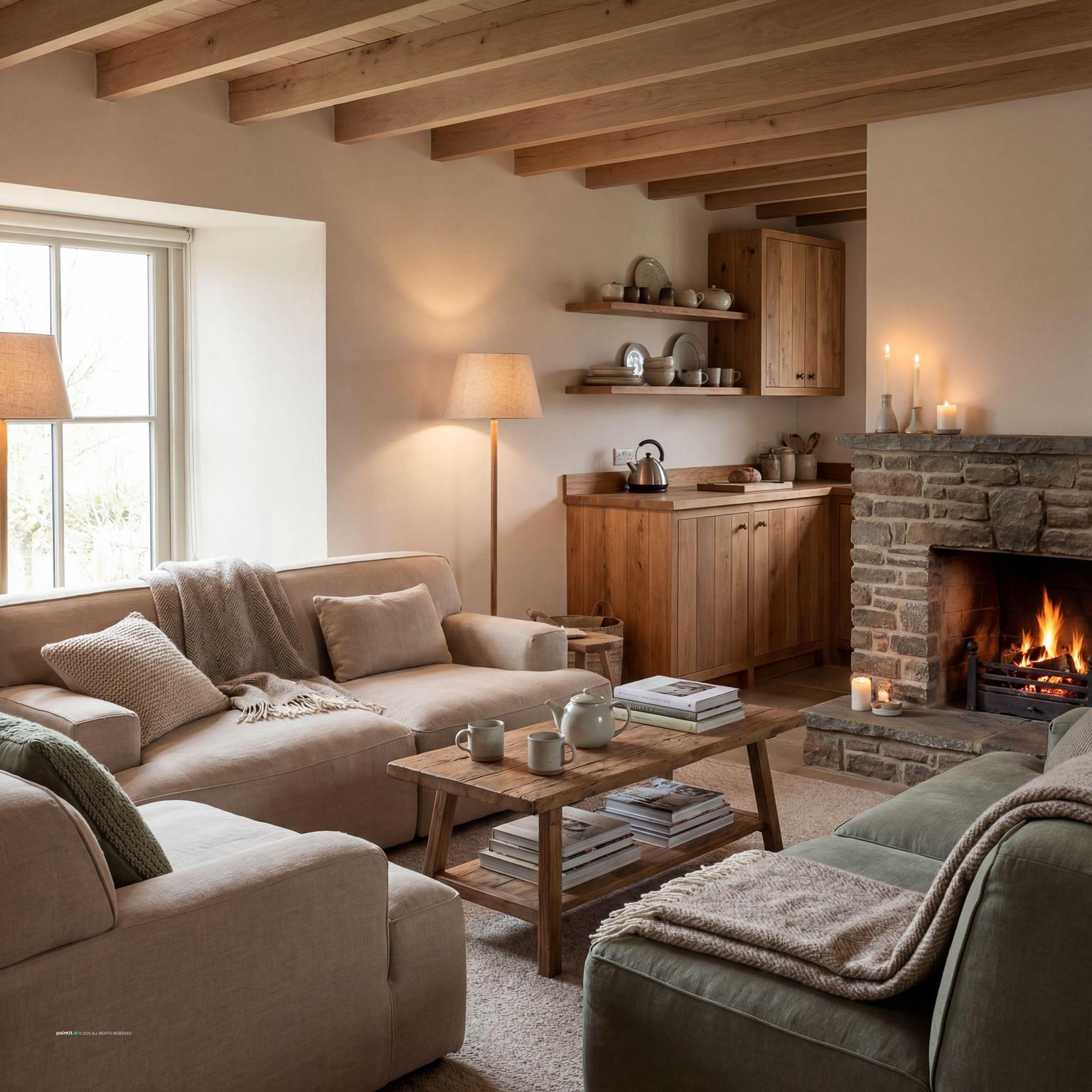
Modern Cottage Living Room Design for Relaxation brings together earthy tones for a more composed living room direction.
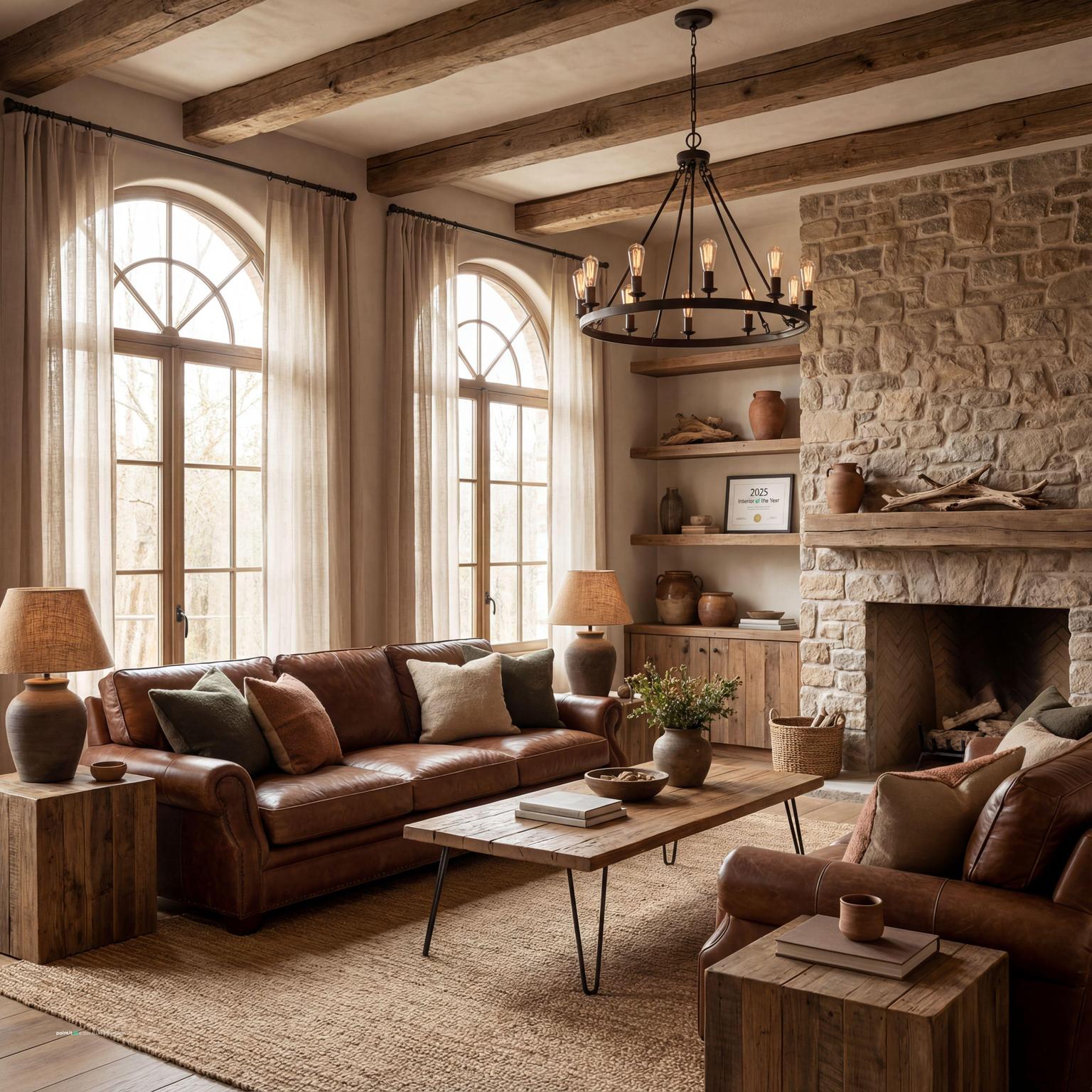
Stunning Rustic-Style Living Room Design brings together oak, linen, and stone for a more composed living room direction.
There’s something inherently relaxed about a slipcovered sofa or armchair. It whispers "come sit, stay a while," without demanding perfection. life happens – coffee spills, pets shed – and a good slipcover makes maintenance a breeze, allowing for that lived-in, effortless elegance we all crave.
We often recommend washed linen or a robust cotton twill for these pieces. Think oversized, plush seating that invites sinking in. The beauty here is in the fabric's natural drape and the way it softens the room's edges. It’s about comfort, not fuss.
For a related take on the same room, explore emerald green sofa living room ideas.
A hearth, even if it’s purely decorative, grounds a room. It draws the eye, creating an immediate focal point. We’ve seen this work best in spaces where intimacy is key, turning a simple corner into a place for quiet conversation or solitary reflection.
Position two comfortable armchairs facing each other, perhaps with a small, round antique side table nestled between them. Consider a natural stone or reclaimed brick surround for the fireplace itself; it adds that essential rustic texture. And don't forget the logs – even if you don't burn them, a stack of birch logs in a vintage brass basket brings warmth.
The secret to a truly cozy space? Tactile depth. It’s about engaging more than just your sight. We believe a room should feel as good as it looks, and that means bringing in a variety of natural materials that beg to be touched.
Start with a substantial sisal or jute rug underfoot. Then, layer in chunky knit throws over a sofa, perhaps some linen curtains that softly filter the light. A reclaimed wood coffee table or a woven rattan side table adds another dimension. The contrast between rough and smooth, soft and hard, is what makes it sing.
Every piece in a charming country living room should tell a story. It’s not about buying new; it’s about finding pieces with soul, items that have lived a little. This approach instantly adds personality and a sense of history that new furniture just can’t replicate.
Hunt for a well-worn leather club chair, perhaps a small antique pine chest that can double as a side table, or a collection of framed botanical prints with a lovely patina. The thing is, these pieces don’t need to match perfectly. Their imperfections are part of their charm, creating an effortlessly composed space.
Harsh overhead lighting? No thank you. A truly inviting space relies on a gentle, ambient glow. It’s about creating pockets of light that make a room feel warm and welcoming, especially as the sun sets.
We always suggest multiple light sources at varying heights. Think a tall floor lamp by an armchair, a pair of table lamps with linen shades on side tables, and perhaps a few wall sconces. Dimmers are non-negotiable; they allow you to adjust the mood instantly. Use warm-toned LED bulbs, around 2700K, for that perfect soft light.
If you have a window with a view, make the most of it. A built-in window seat transforms an overlooked architectural feature into a beloved spot for reading, dreaming, or simply watching the world go by. It’s about carving out a quiet retreat within the main living area.
Design a sturdy built-in bench, then pile it high with custom cushions in a durable fabric and an assortment of throw pillows. A tiny side table for a cup of tea or a stack of books completes the picture. Here’s the kicker: integrate hidden storage underneath for blankets or board games. Practicality meets poetry.
For a truly serene atmosphere, look to nature for your color cues. A muted, earthy palette creates a calming backdrop, allowing textures and furniture to shine without overwhelming the senses. It’s about creating a grounded, peaceful retreat.
Consider walls in a soft greige, a dusty blue, or a subtle sage green. Then, introduce furniture in complementary muted tones – perhaps a sofa in a faded olive or armchairs in a warm terracotta. Accents in rust, cream, or deep forest green will tie everything together. these colors feel effortless because they mimic the world outside.
Why hide your treasures? Open shelving is a fantastic way to display cherished books, handmade pottery, and found objects, instantly infusing your living space with personality. It tells a story about who you are and what you love, making the room feel genuinely lived-in.
Install reclaimed wood shelves or simple painted ones. Style them with a thoughtful mix: stacks of well-loved books, a collection of white ceramics, small potted plants, and personal mementos from travels. to leave some negative space; don't overcrowd them. Let each item breathe.
A compact living area doesn't mean sacrificing comfort or style. In fact, it often means getting more creative with your choices. We believe that even the smallest room can feel expansive and incredibly cozy with the right approach.
Opt for a loveseat instead of a sprawling sofa, or choose armchairs with a smaller footprint. Nesting tables are brilliant for flexibility, and a slim console table behind a sofa can offer extra surface area without bulk. Vertical storage, like a tall, narrow bookcase, draws the eye upward, making the room feel taller. The result? Impeccable functionality.
Bringing the outdoors in is a timeless design principle, especially for a country-inspired living space. It injects freshness, vitality, and a sense of calm. Plus, plants are simply good for the soul.
Fill your room with a variety of potted plants – ferns, philodendrons, or even a small olive tree in a terracotta pot. Fresh cut flowers from your garden or local market instantly brighten a space. And for a more permanent touch, consider framed botanical prints or even a delicate floral wallpaper on one accent wall. It’s about preservation over imposition.
There’s an undeniable warmth that comes from objects crafted by hand. These pieces carry a story, a human touch that mass-produced items simply can’t replicate. Embracing artisanal details is key to that authentic, lived-in feel.
Look for hand-thrown pottery for your shelves, woven baskets for storage, or a hand-stitched quilt draped over an armchair. A custom-made wooden side table, perhaps from a local craftsman, adds a unique touch. The slight imperfections are what make them perfect; they speak of care and tradition. This is where the soul of the room truly resides.
Patterns can add incredible depth and visual interest without overwhelming a cozy living room, as long as they’re used thoughtfully. It’s about introducing subtle, repeating motifs that enhance, rather than dominate, the space.
Consider a block-print throw pillow on your sofa, or an armchair upholstered in a classic ticking stripe. A delicate floral wallpaper on a single accent wall can create a focal point without making the room feel busy. The trick is to stick to a limited color palette for your patterns, ensuring they harmonize rather than clash. It’s a gentle dance.
The second gallery leans into more specific directions through natural textures, helping compare different ways the same living room can feel at home.
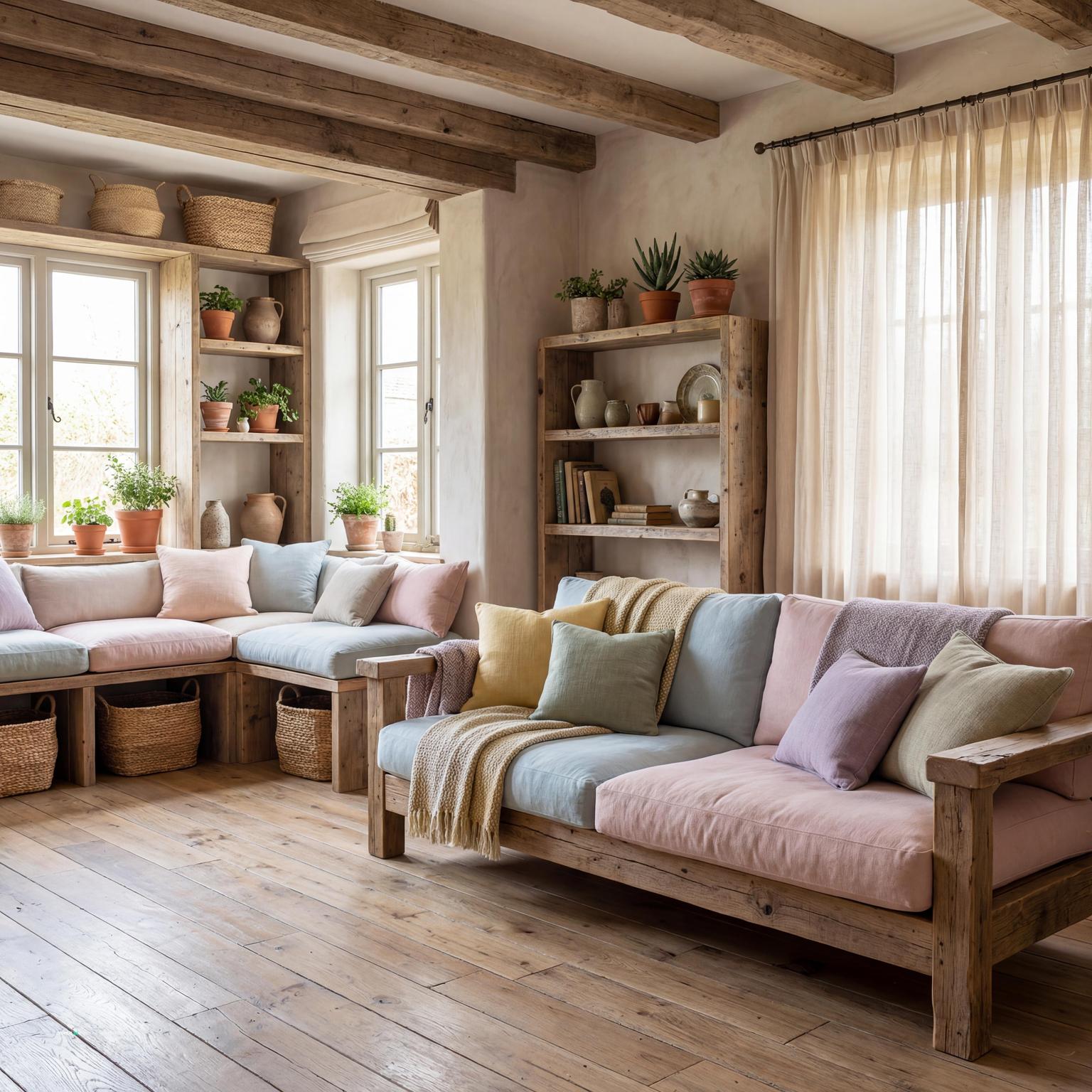
This charming rustic living room design perfectly embodies the heart of cottage living, featuring natural textures and inviting, comfortable decor.
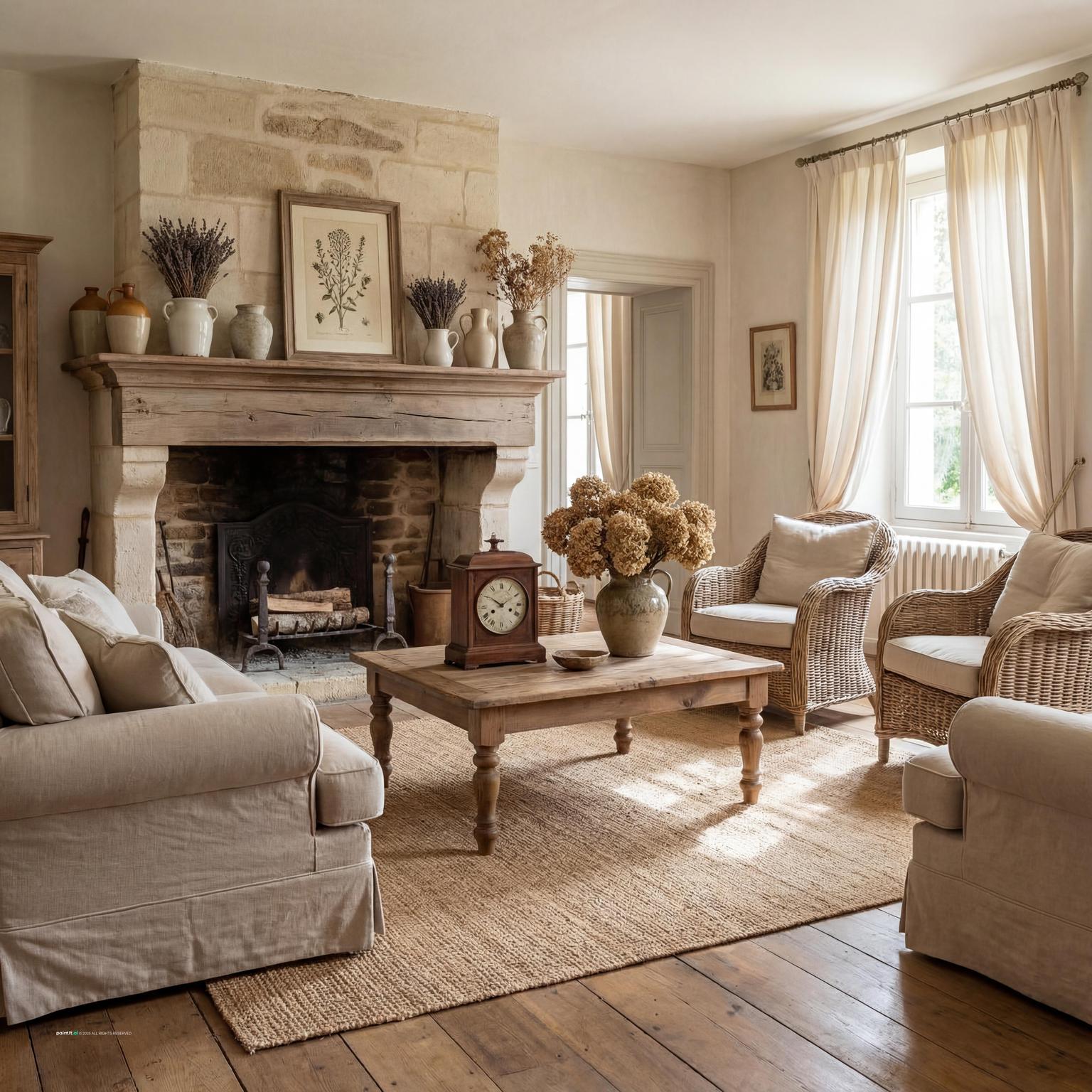
This charming French Country living room design captures the essence of a sophisticated cottage, blending rustic elements with timeless elegance.
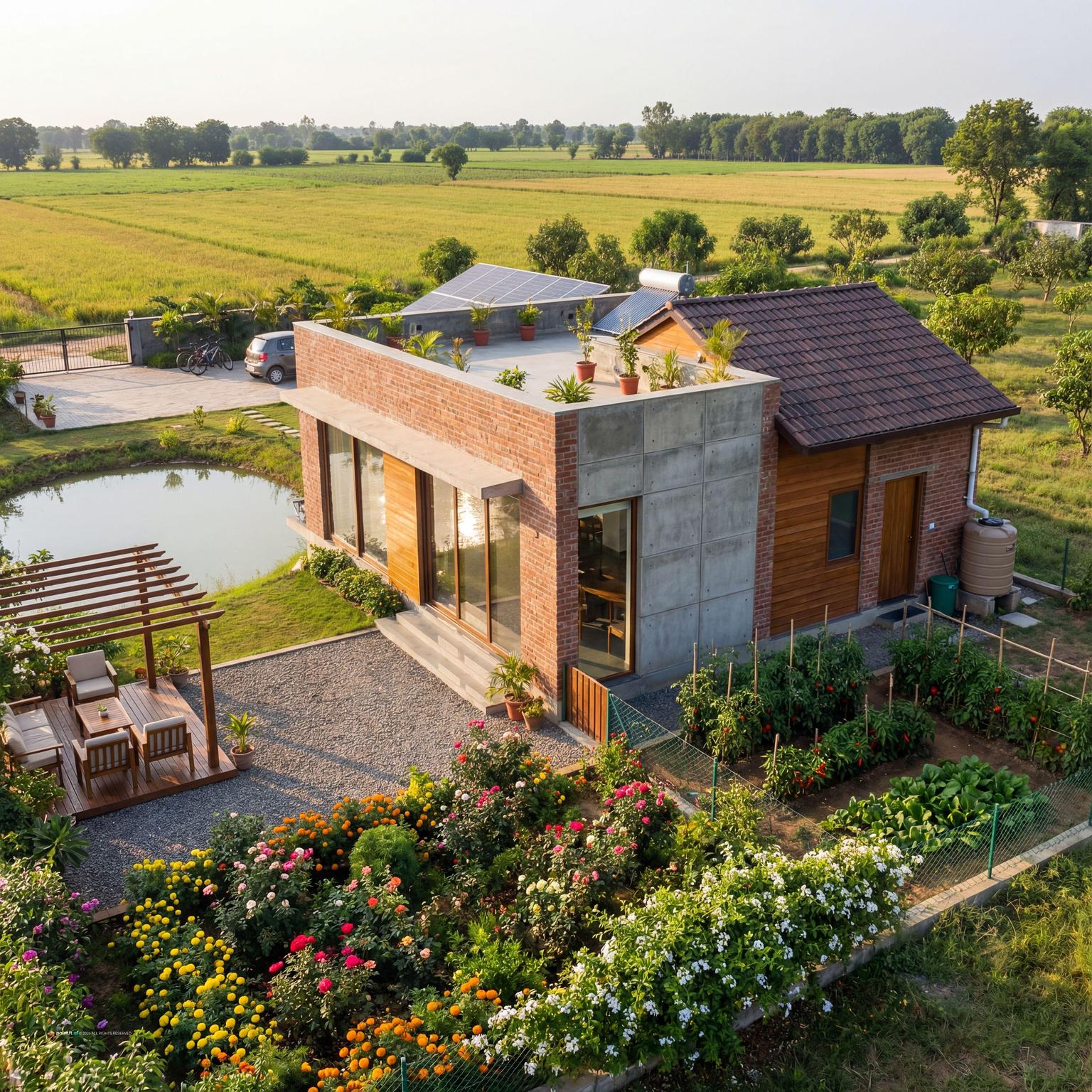
Experience a modern countryside living room that beautifully marries contemporary comfort with the serene, inviting spirit of a cottage home.
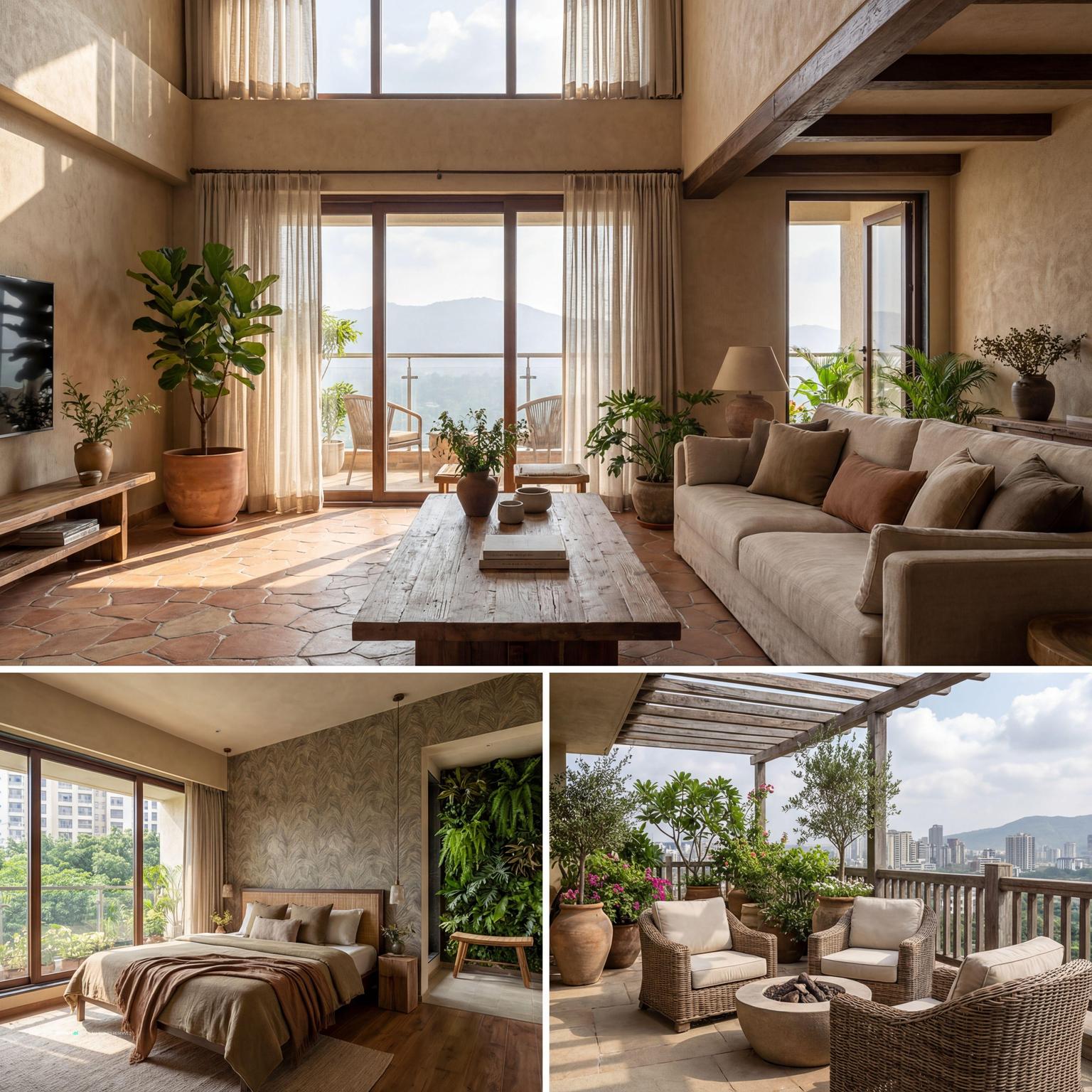
Embrace the serene beauty of this nature-inspired rustic living room, creating a tranquil cottage atmosphere using organic materials and earthy hues.
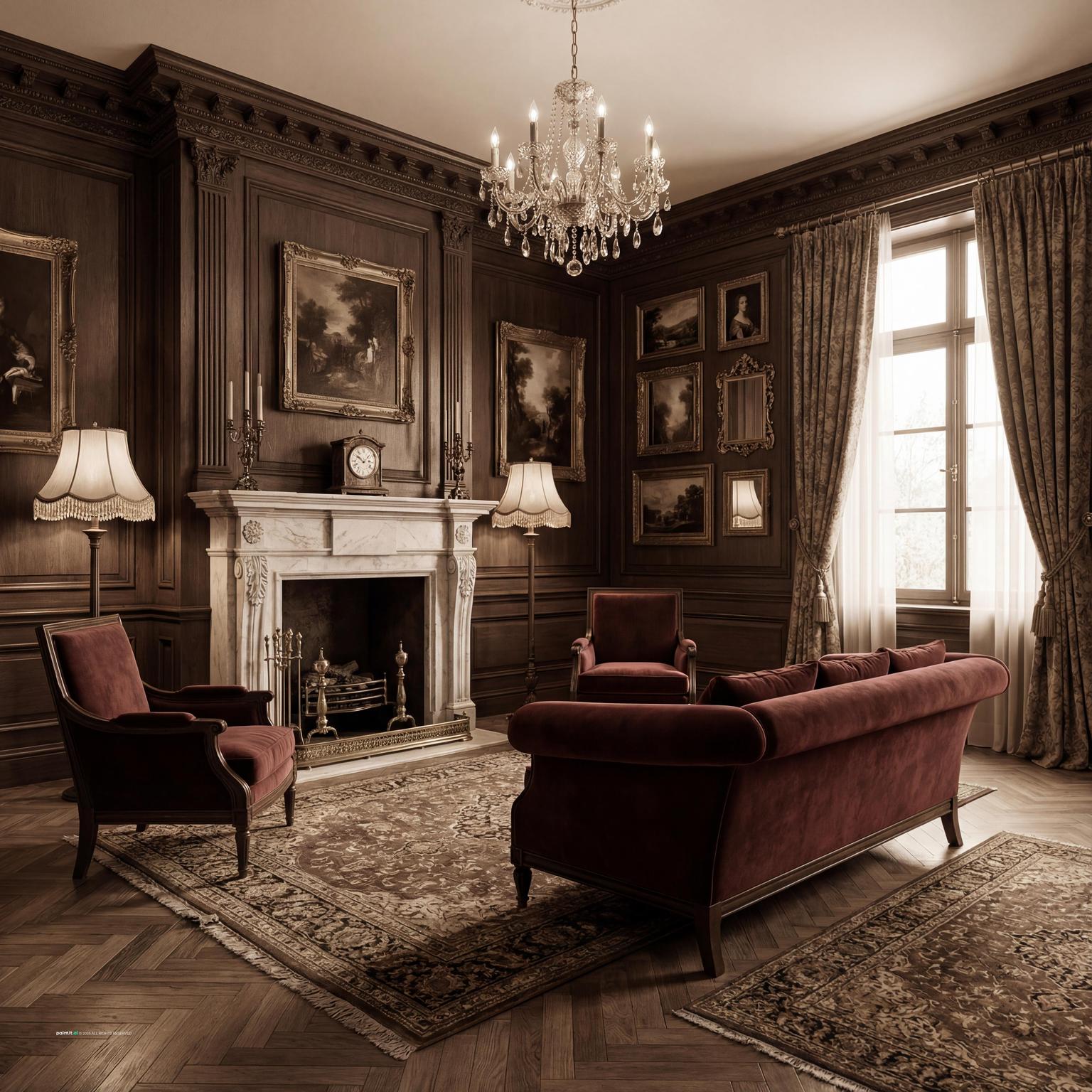
An elegant vintage living room design brings a sense of history and warmth, perfectly crafting a charming, inviting cottage ambiance.
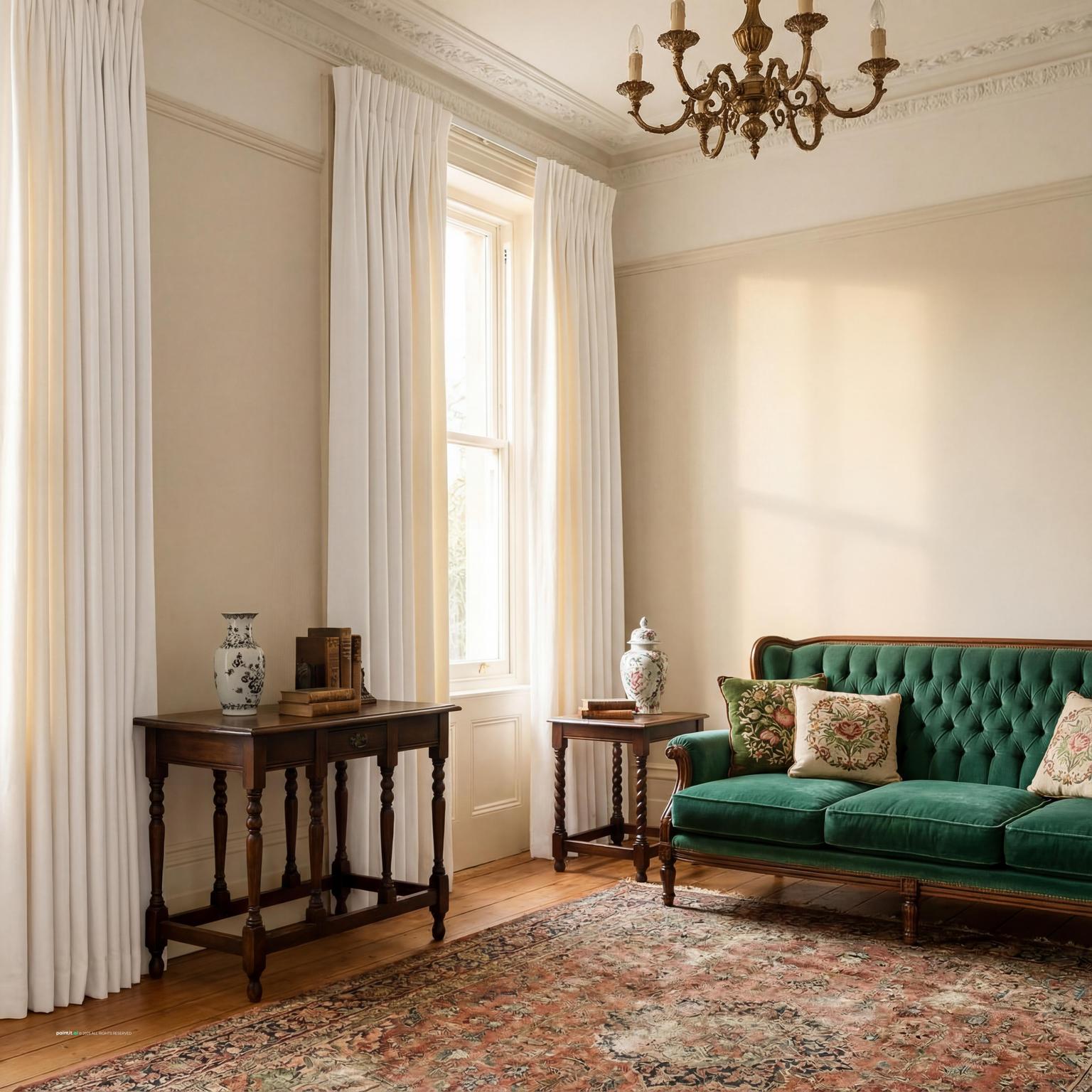
Step into this delightful vintage-style living room, where every detail contributes to a cozy and nostalgic cottage living experience.
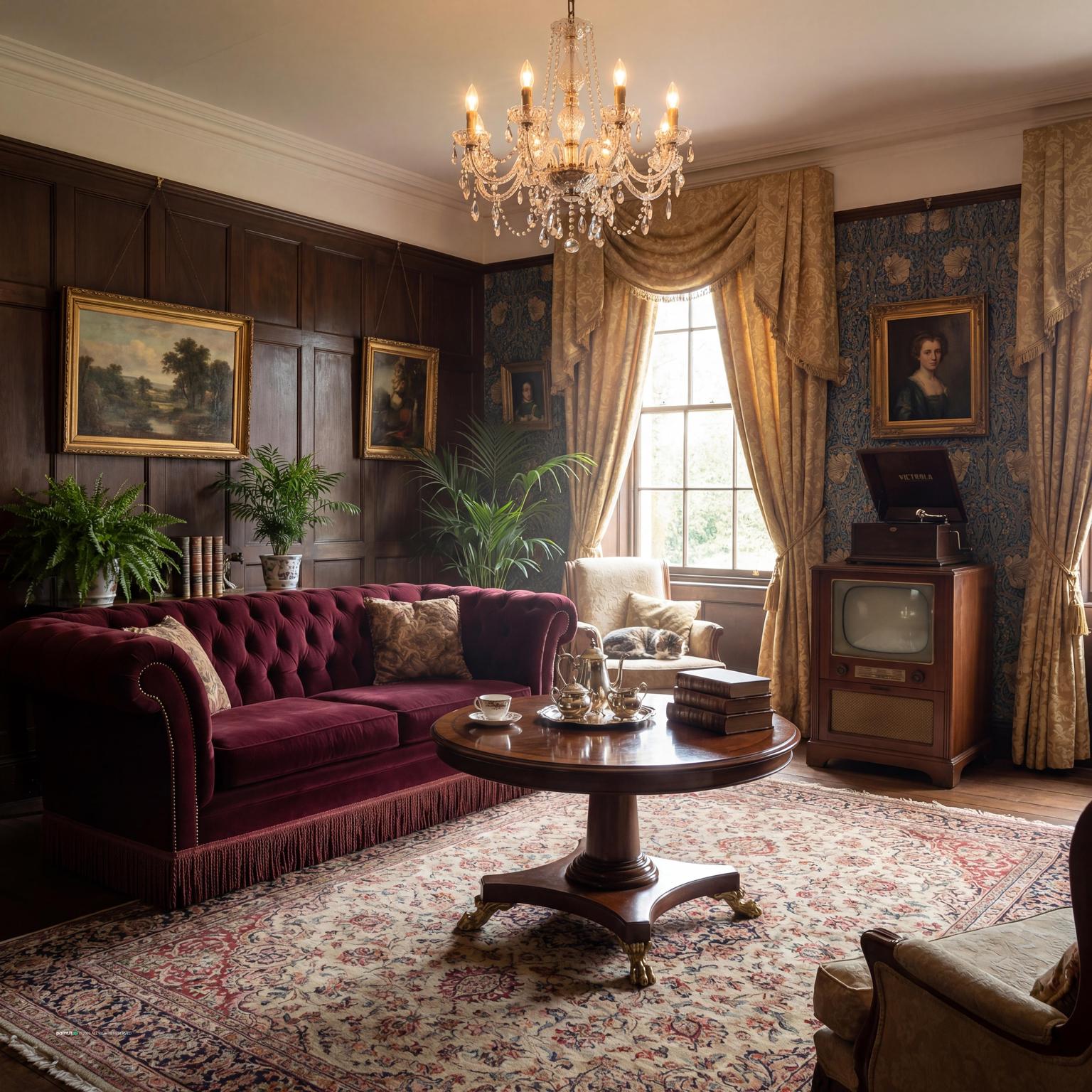
This timeless vintage living room design exudes an enduring charm, creating a warm and inviting atmosphere ideal for cottage-style comfort.
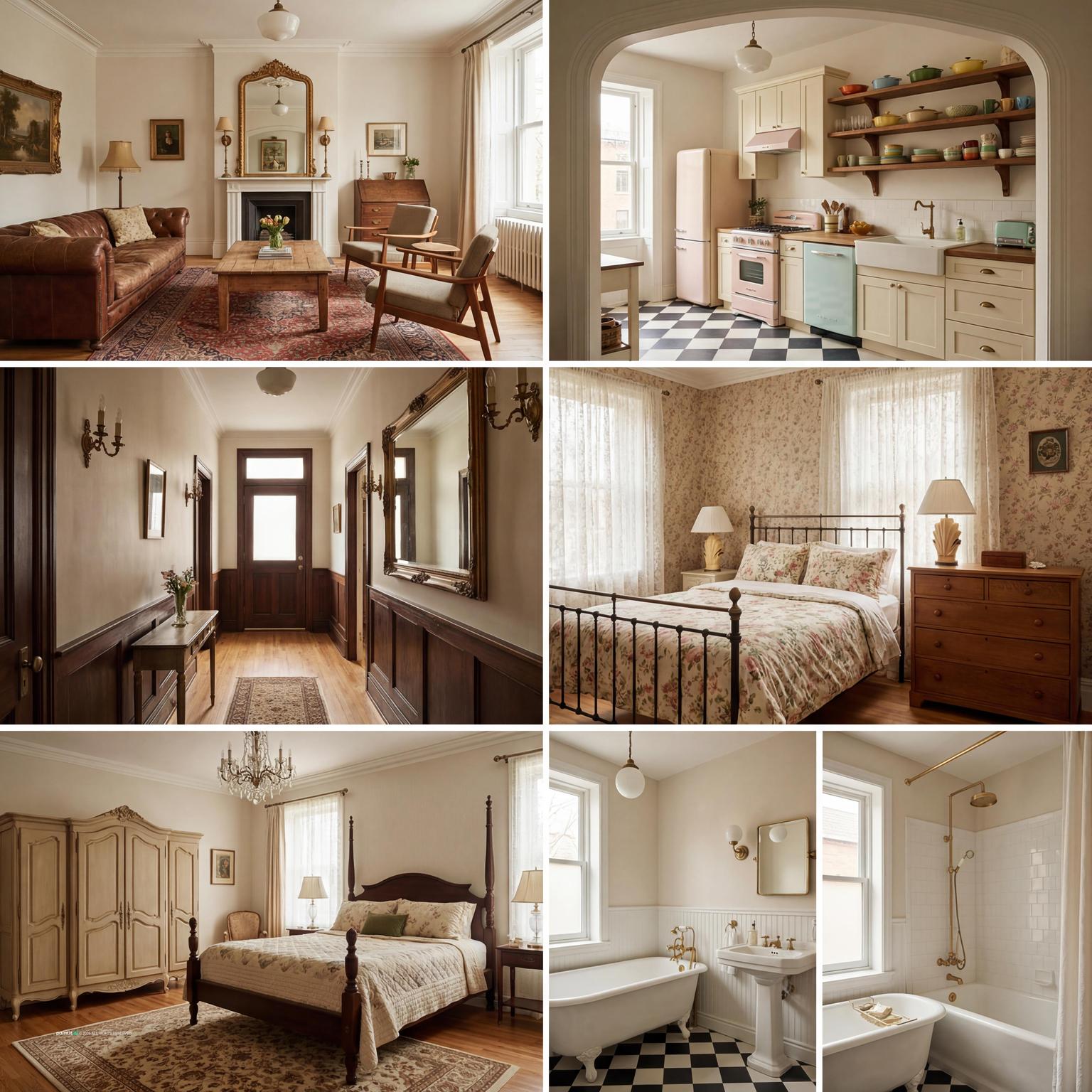
This cozy vintage interior design transforms any space into a welcoming cottage living room, brimming with comfort and classic appeal.
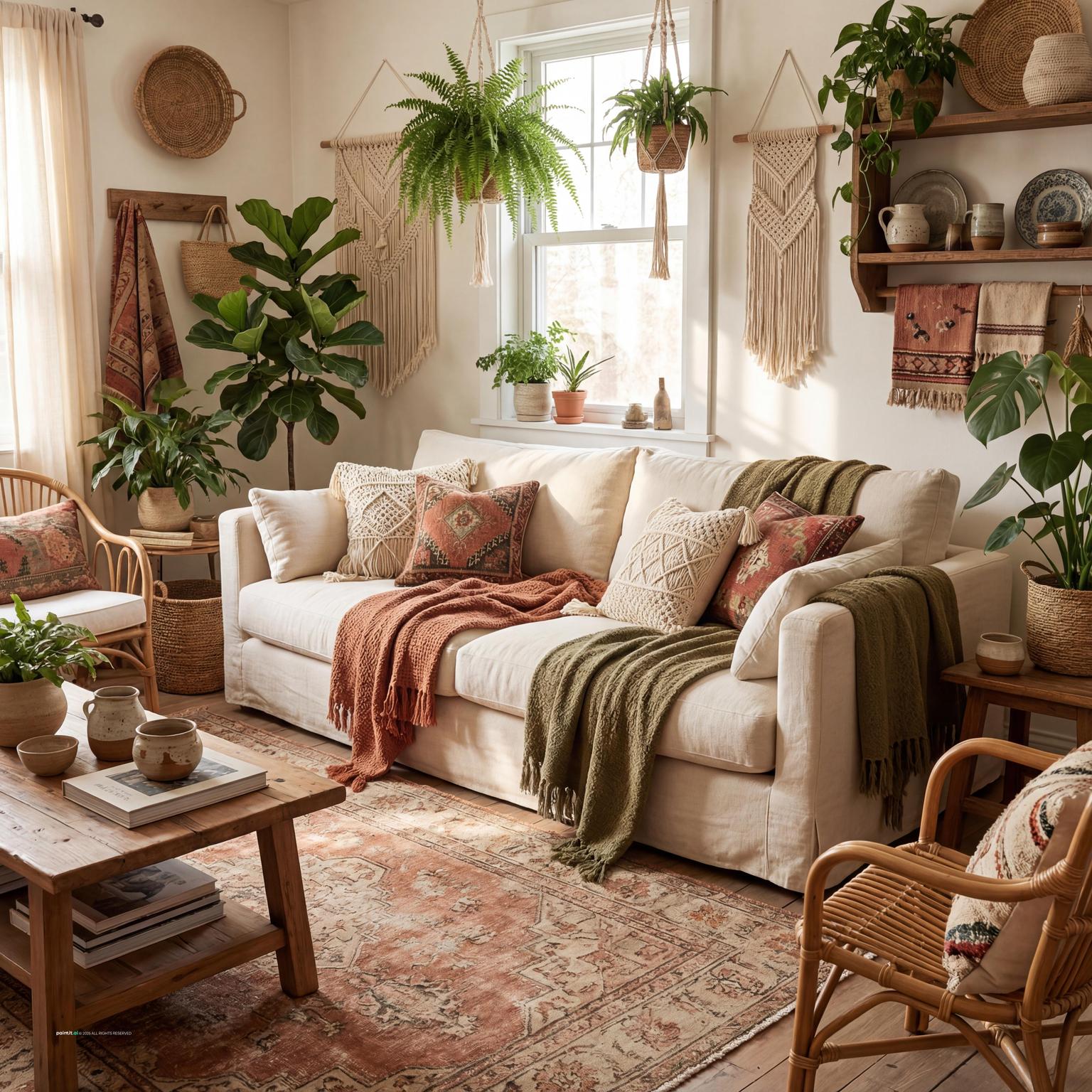
This cozy Bohemian living room design effortlessly blends relaxed charm with natural elements, creating a uniquely inviting cottage sanctuary.
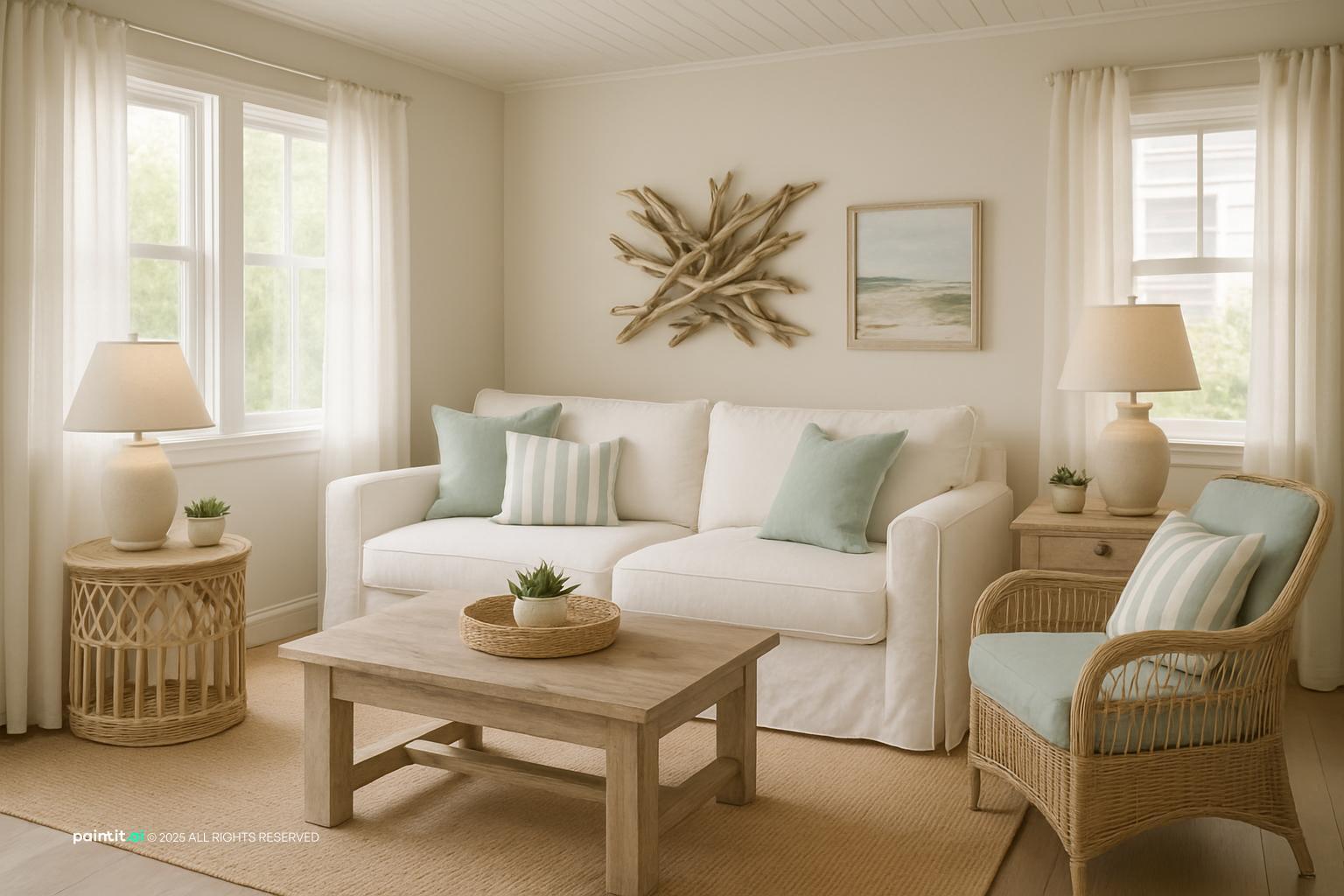
Cottage Living Room design brings together daylight, wood, and windows for a more composed living room direction.
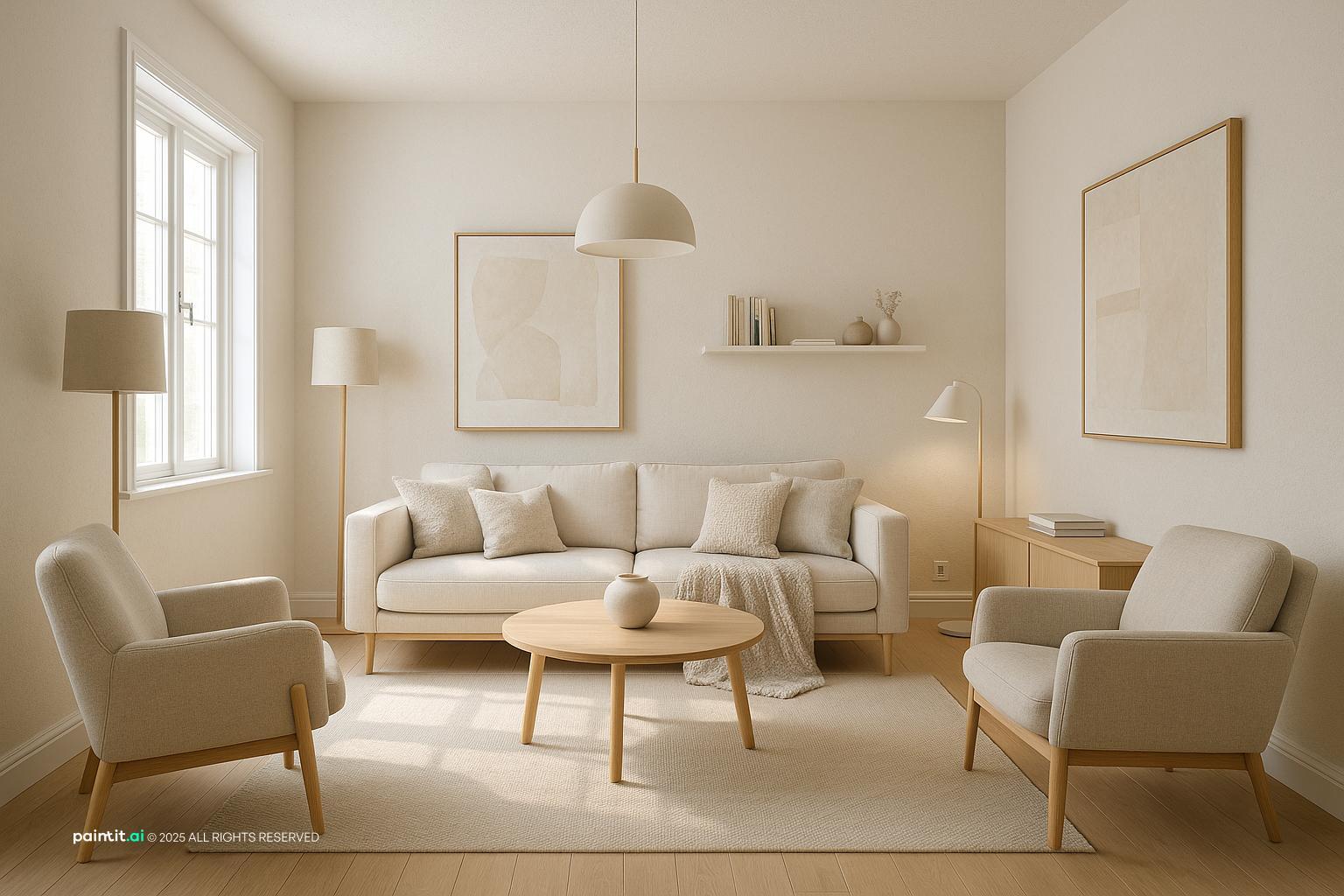
Cozy Scandinavian Living Room Design brings together clean lines for a more composed living room direction.
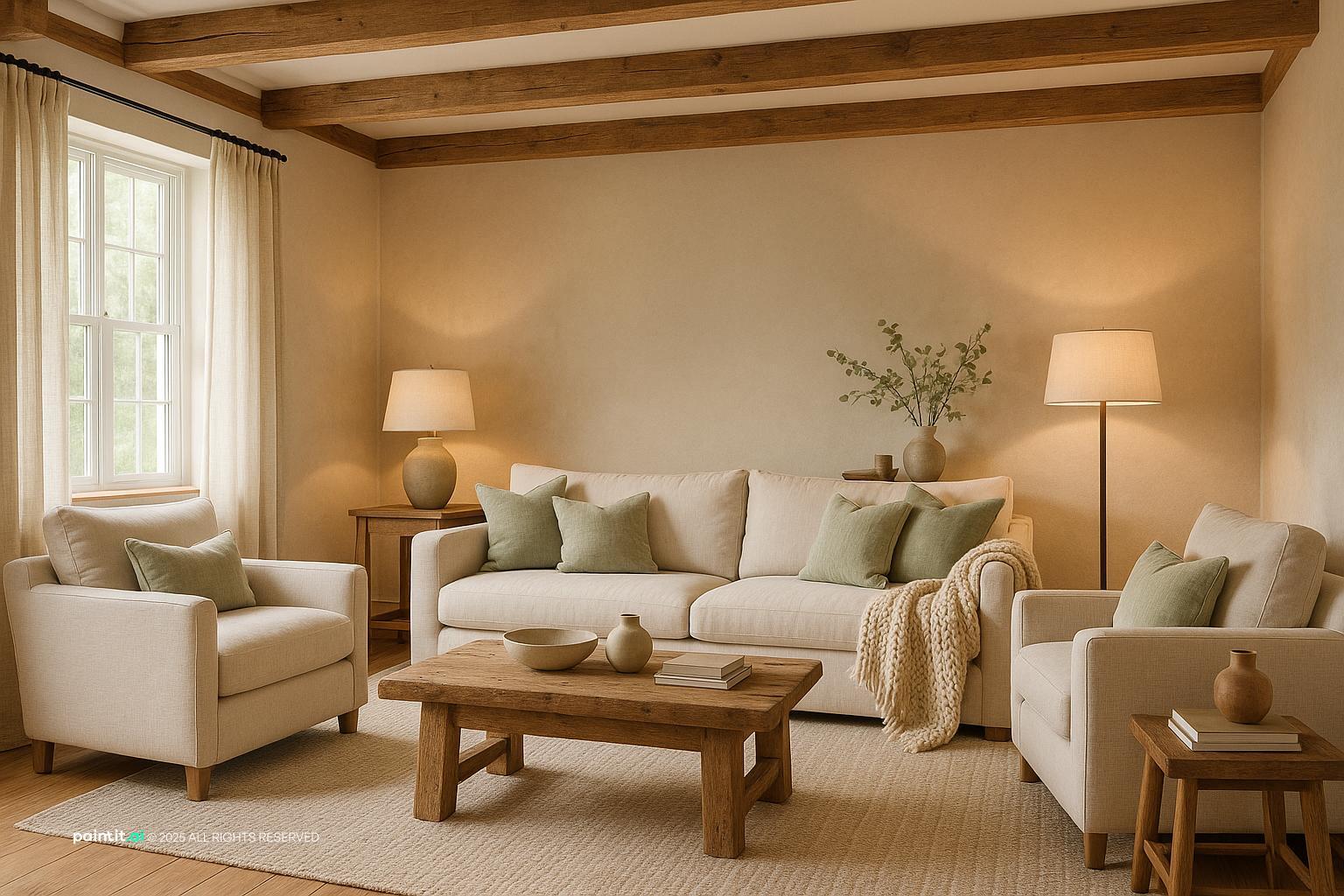
Cozy Contemporary Cottage Living Room Design brings together oak, linen, and wood for a more composed living room direction.
We find the heart of any cottage living room lies in a serene, nature-inspired palette. Think soft sage greens, faded denim blues, and creamy oyster whites as your base. Introduce warmth with muted terracotta or a dusty rose, perhaps a hint of moss green. This balance creates a tranquil, grounded feeling, allowing the textures to truly sing.
For a related take on the same room, explore Living Room Dark Cottagecore Living Room.
A cottage living room begs for tactile depth. We lean into reclaimed wood for coffee tables or shelving, bringing an immediate sense of history. Washed linen for slipcovers and chunky wool knits for throws invite touch and soften the space. Aged brass or wrought iron in lighting adds a subtle, timeless anchor.
For a related take on the same room, explore living room wall color ideas.
The challenge with any cottage living room, especially a small one, is truly seeing how new elements will feel. Paintit.ai lets you instantly visualize countless small cottage interior design ideas living room layouts, from furniture placement to color palettes. You can ensure every detail creates that ideal cozy comfort, avoiding expensive missteps. Try it; bring your cottage living room vision to life.
Before changing furniture or finishes, you can preview the direction with an interior design visualizer.
A true cottage living room, at its heart, whispers comfort and ease. It’s not about grand statements; it’s about an inviting warmth, a sense of history, and a connection to nature. We often see a blend of well-loved pieces—perhaps a slipcovered sofa, a worn wooden coffee table, or an antique armchair passed down through generations. The aesthetic leans into natural textures like linen, wool, and reclaimed timber, often paired with a soft, muted color palette. It’s a space where you can truly unwind, where every item feels like it has a story, creating an effortlessly composed atmosphere.
Start with the foundation: light and texture. Think about limewash paint on the walls for a soft, breathable finish, or perhaps exposed brick if your home allows. Then, layer in textiles—hand-knotted wool rugs, chunky knit throws, and linen curtains that filter the light beautifully. Furniture should feel approachable, not precious. We’ve seen this work best with pieces that have a relaxed silhouette, like a deep-seated sofa with feather-filled cushions. Integrating vintage finds, like a weathered pine chest or a ceramic lamp, instantly adds character and that lived-in charm so crucial to any cottage living room.
Maximizing space in a small cottage living room is all about smart choices and visual tricks. First, embrace lighter colors on walls and larger furniture pieces to make the room feel expansive. We often suggest multi-functional furniture—an ottoman with hidden storage, for example, or a console table that doubles as a desk. Vertical space is your friend here; consider tall, narrow bookshelves or wall-mounted shelving to draw the eye upwards. clutter is the enemy of small spaces, so curate your decorative items carefully. Every piece should earn its spot.
For a small cottage interior design ideas living room, it’s about infusing personality without overwhelming the space. Built-in shelving or window seats are brilliant for both storage and creating cozy nooks. Don't shy away from a statement piece, like a small, intricately carved wooden side table, but ensure it's balanced. We love using mirrors strategically to reflect light and create the illusion of depth. Another trick? A gallery wall of mismatched frames and art can add visual interest and a personal touch without taking up floor space. the power of thoughtful lighting—a mix of ambient, task, and accent lights can make even the tiniest room feel grander.
Absolutely. For materials, think natural, tactile, and enduring. Reclaimed wood for flooring or a mantelpiece, unlacquered brass hardware that will patina beautifully over time, and natural fibers like cotton, linen, and wool for upholstery and throws are non-negotiable. Ceramic pottery, perhaps handmade, adds an earthy touch. As for color palettes, we lean into soft, muted tones. Think creamy whites, gentle sage greens, dusty blues, and warm grays. These colors create a serene backdrop, allowing the textures and the occasional pop of a deeper, moody hue—like a deep forest green or a muted terracotta—to truly sing. It’s about preservation over imposition, letting the natural beauty of the materials shine through.