
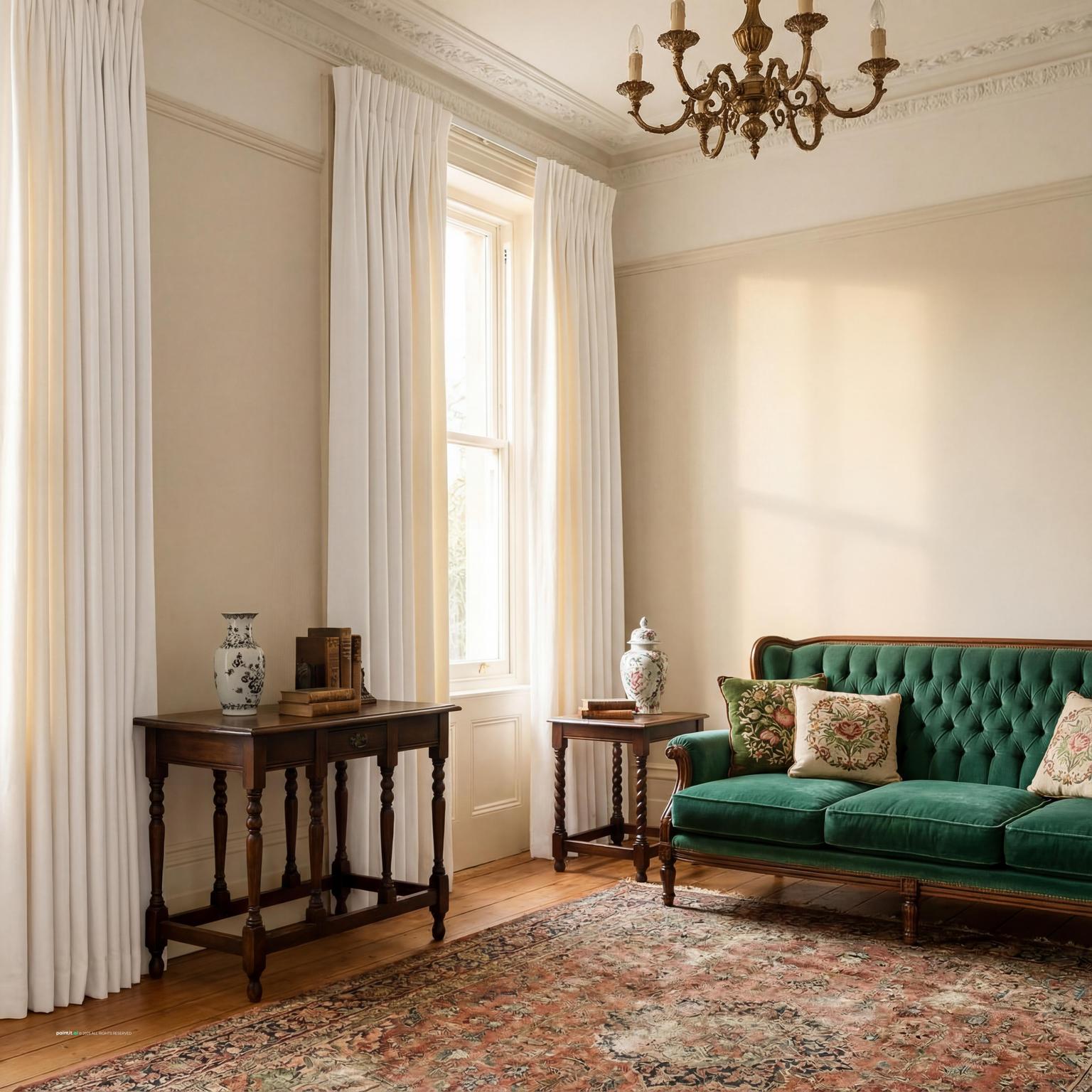
Vintage-Style Living Room Design
Embrace the authentic charm of a vintage-style 70s living room, where warm hues and inviting textures create a truly lived-in feel.
Perhaps you've been scrolling through images, drawn to the unique textures and warm palettes that define a 70s living room. It's more than just a style - it's a feeling of relaxed comfort and genuine expression that many of us crave today. How can you weave that authentic spirit into your home in a way that truly resonates with you?
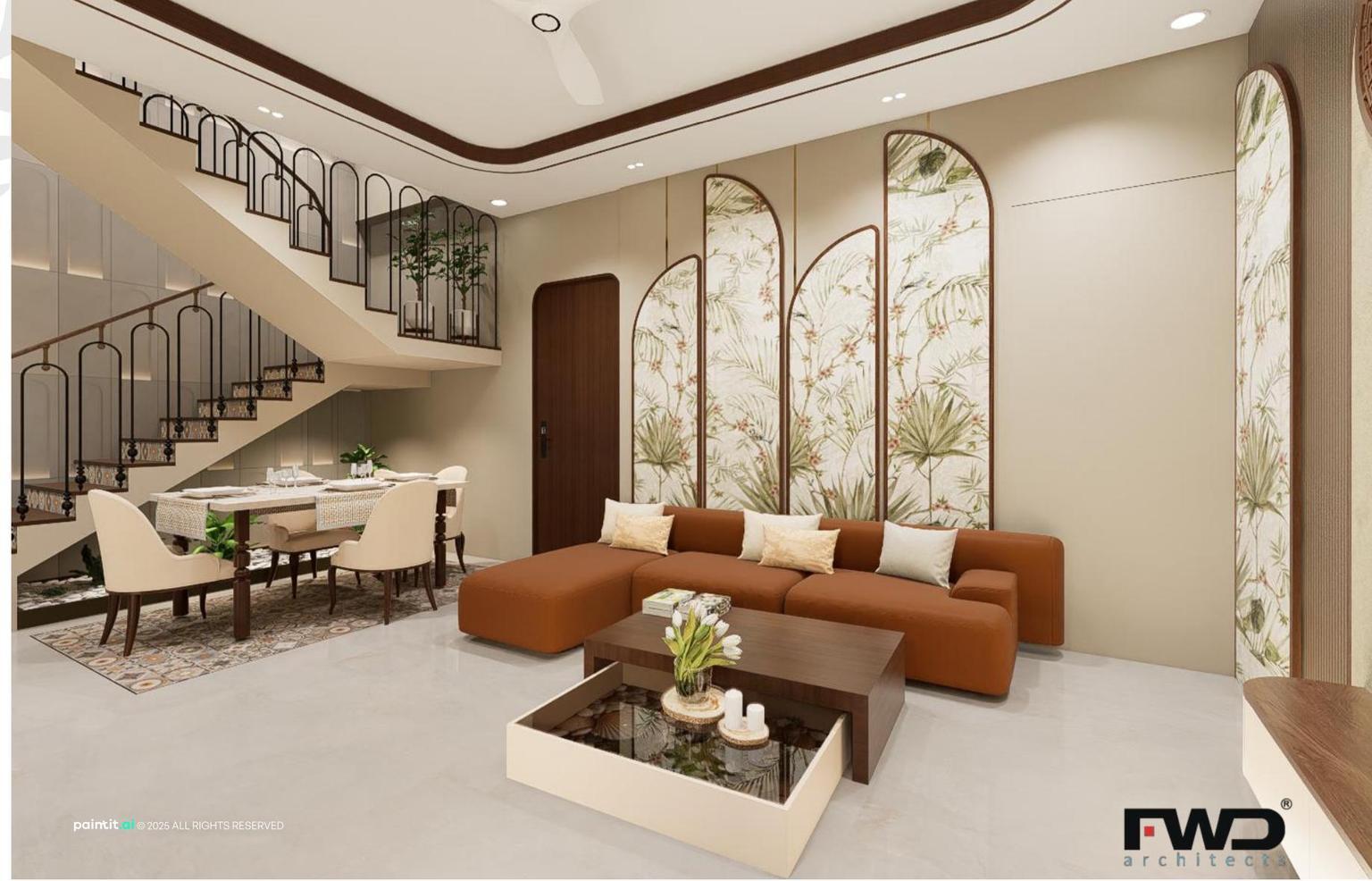
That yearning for a space that feels genuinely lived-in, full of character and warmth—it’s a common feeling, isn't it? We’ve noticed a real pull towards the relaxed, earthy palettes and tactile textures of the 1970s. It’s not about recreating a museum; it’s about capturing that effortless comfort, perhaps with a deep-pile shag rug or some iconic rattan pieces. We'll show you how to blend those elements, ensuring your space feels current, not dated. Visualizing these bold, textured concepts? Paintit.ai makes it surprisingly simple.
Before changing furniture or finishes, you can preview the direction with an AI living room design tool.
This gallery brings the abstract idea of 70s into something visible: natural textures, earthy tones.
Embrace the authentic charm of a vintage-style 70s living room, where warm hues and inviting textures create a truly lived-in feel.
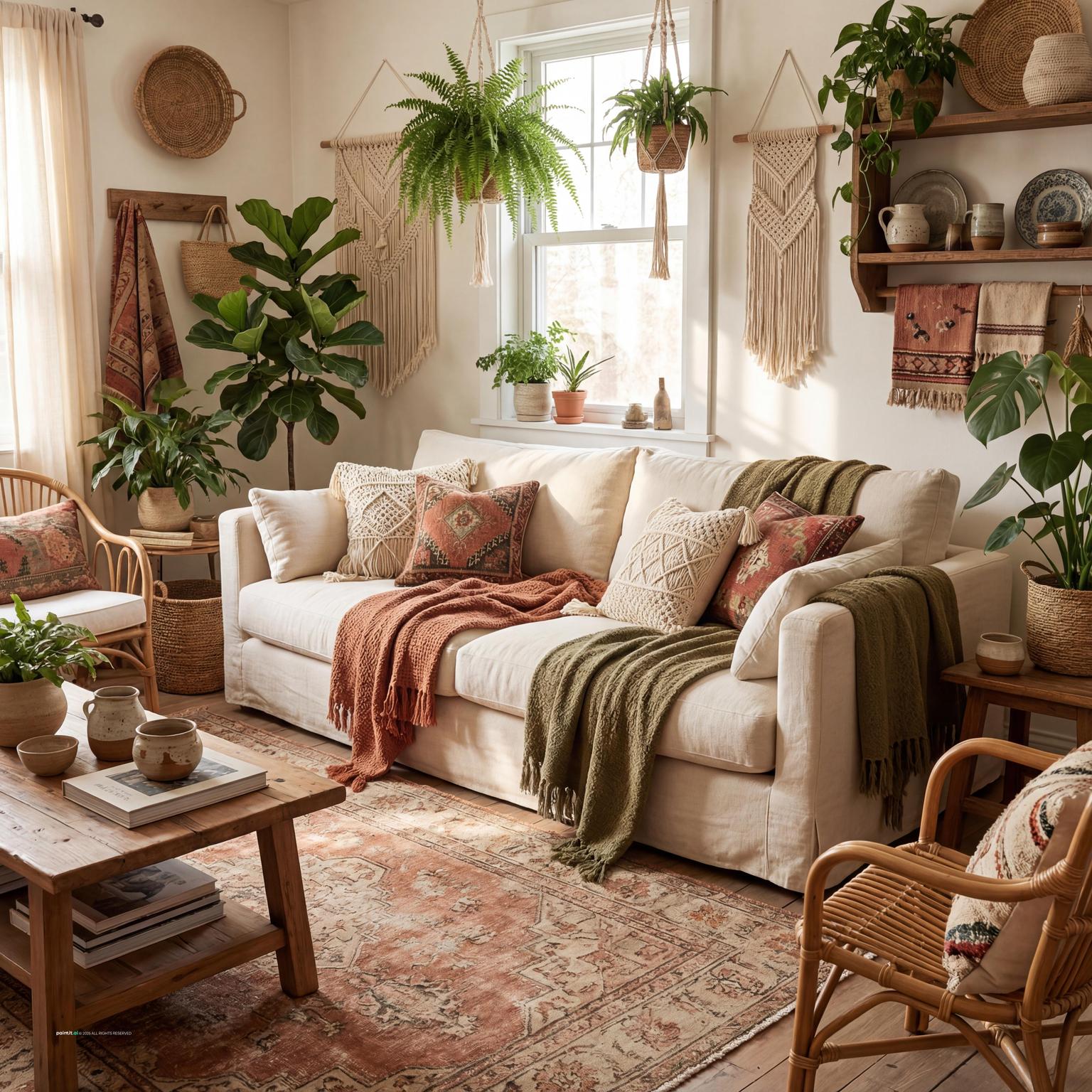
Discover the relaxed, free-spirited vibe of a cozy bohemian 70s living room, adorned with natural elements and an inviting, laid-back charm.
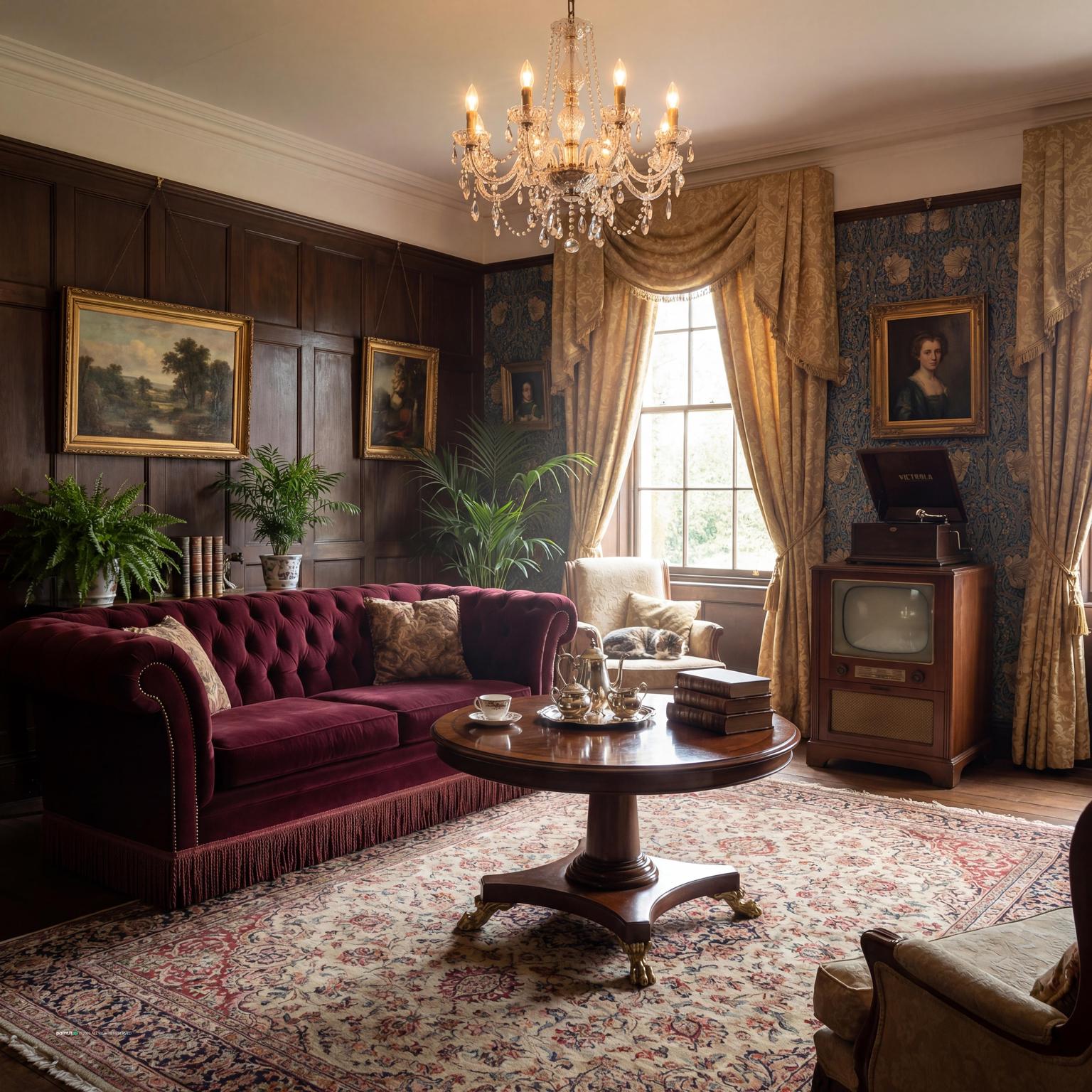
Capture the enduring appeal of a timeless vintage 70s living room, blending classic aesthetics with an effortlessly comfortable and inviting atmosphere.
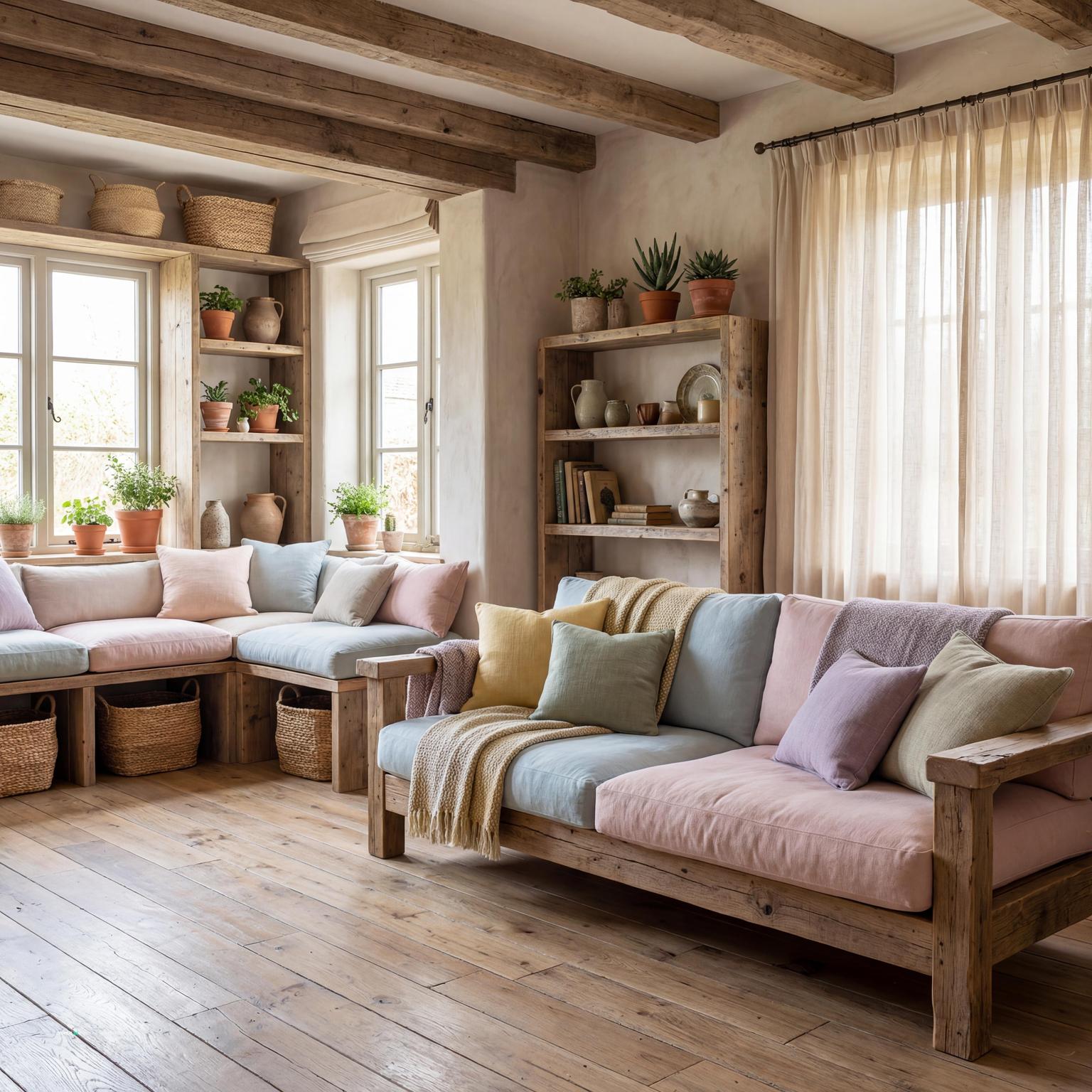
A charming rustic 70s living room design brings the outdoors in, featuring natural textures and an incredibly warm, welcoming ambiance.
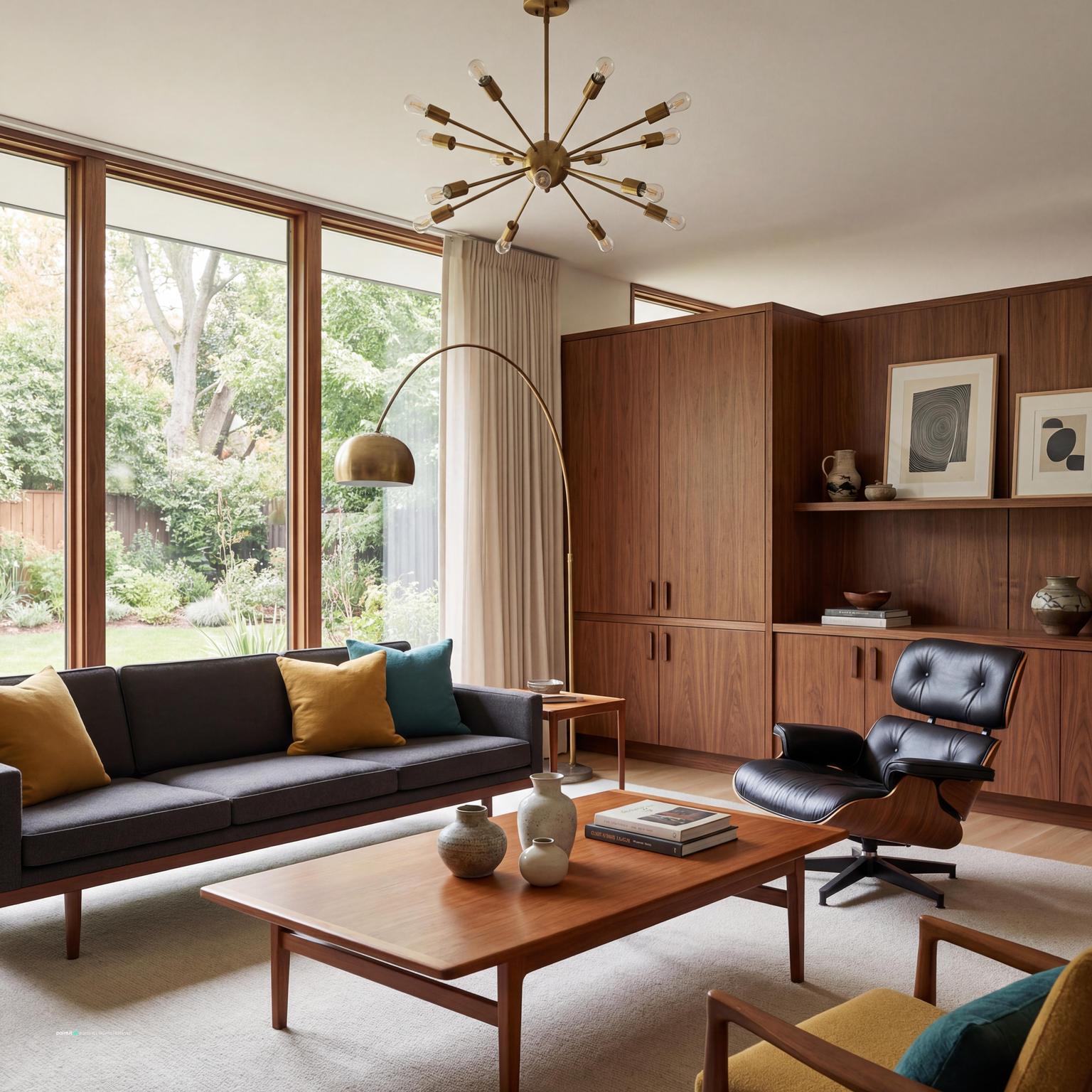
This Mid-Century Modern 70s living room design exemplifies sophisticated comfort, blending iconic pieces with a warm, inviting, and timeless aesthetic.
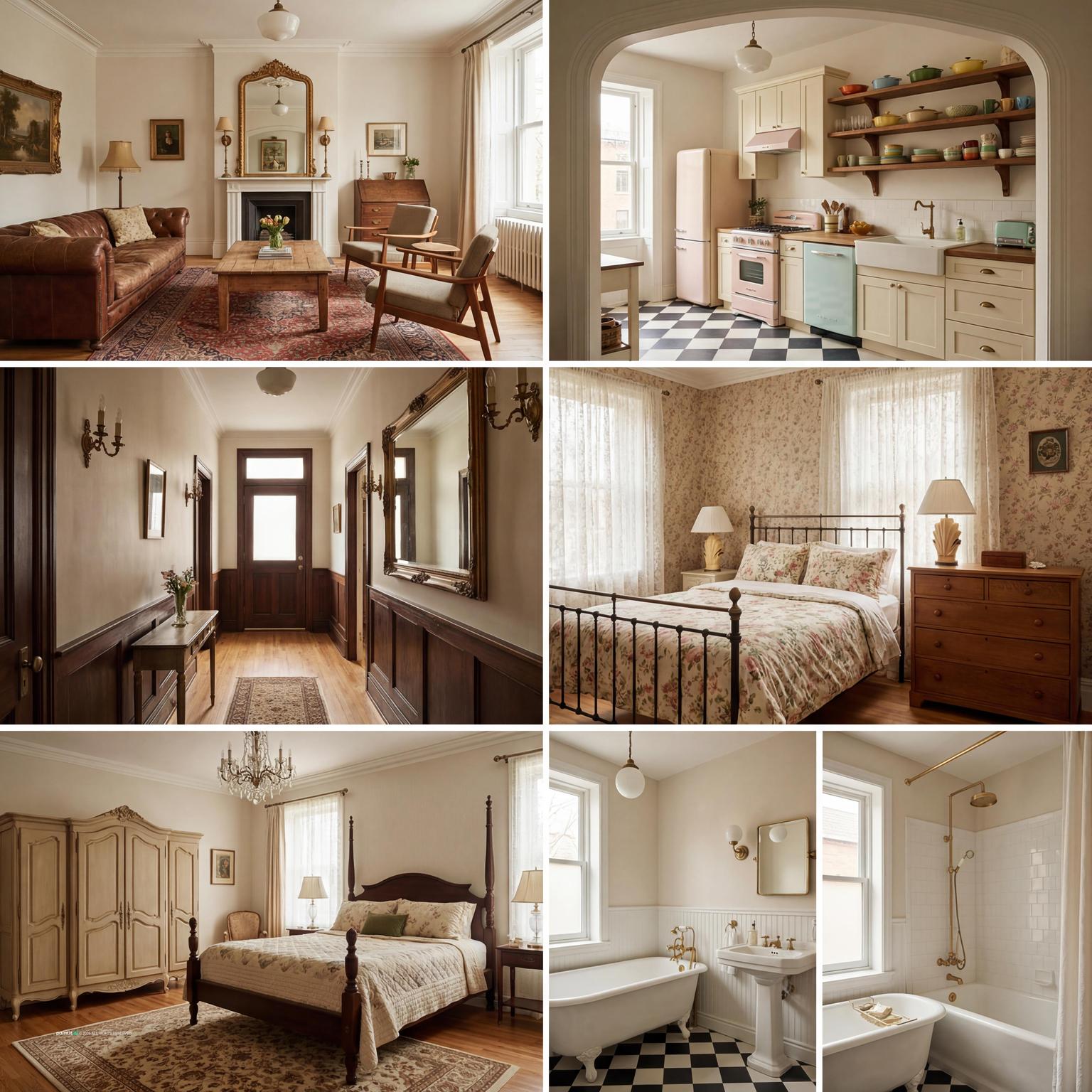
Experience the delightful warmth of a vintage 70s interior design within a cozy apartment, full of character and genuine, lived-in comfort.
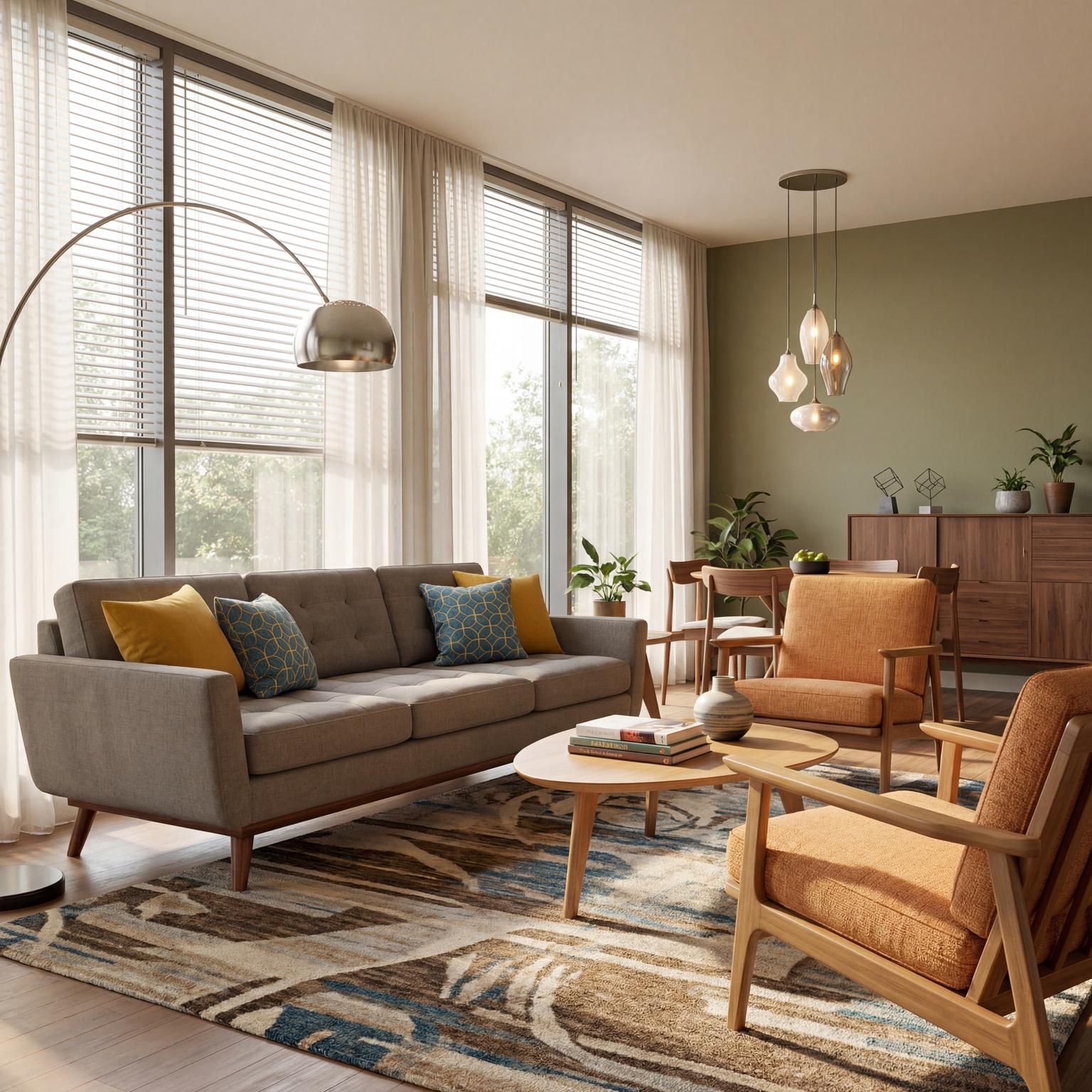
Explore captivating Mid-Century Modern 70s living room design ideas, where classic silhouettes meet earthy tones for a truly inviting space.
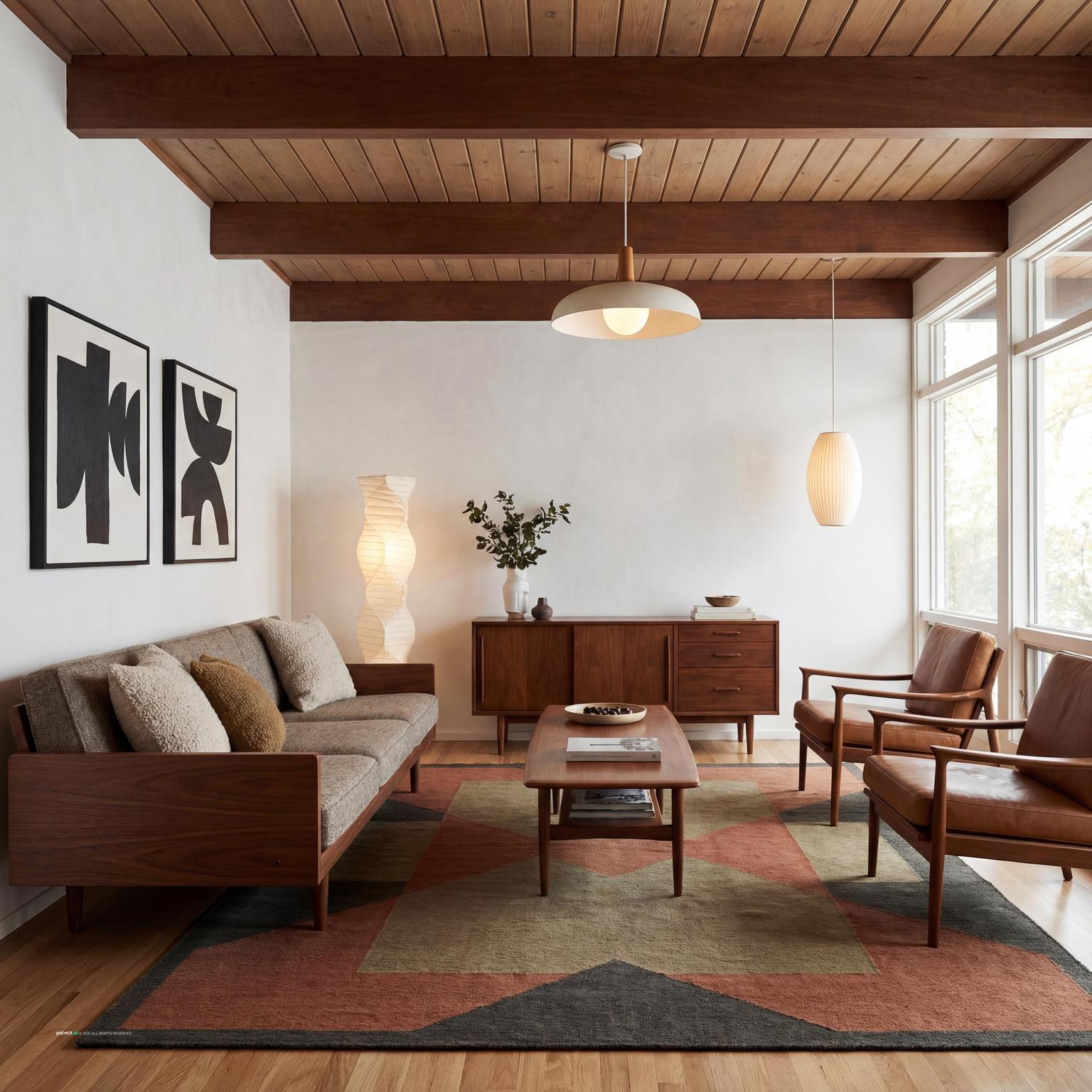
Elevate your space with a stylish Mid-Century Modern 70s living room design, perfectly blending iconic forms with rich, inviting textures.
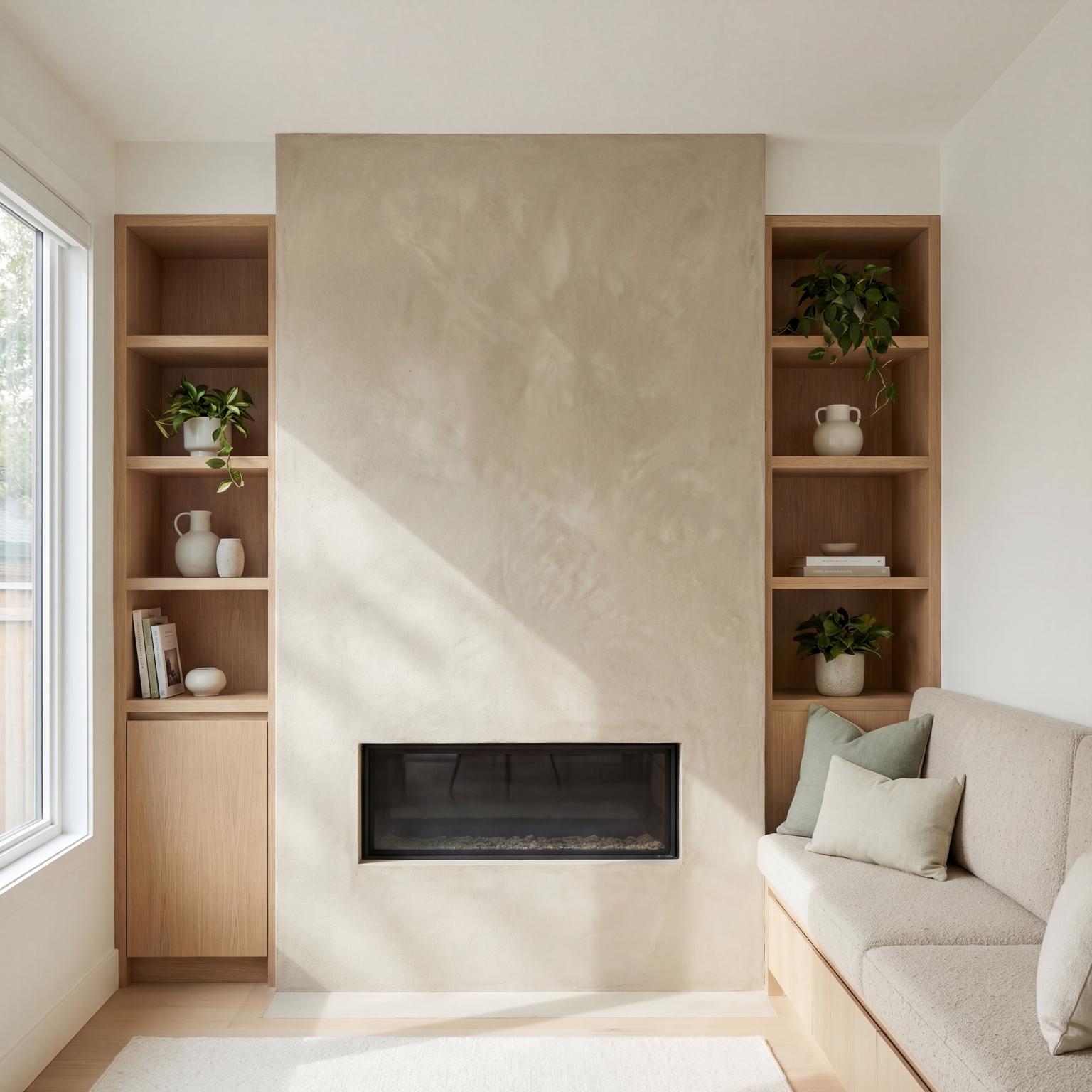
An organic style 70s living room, complete with a modern fireplace, creates a serene retreat with natural textures and an authentic, earthy palette.
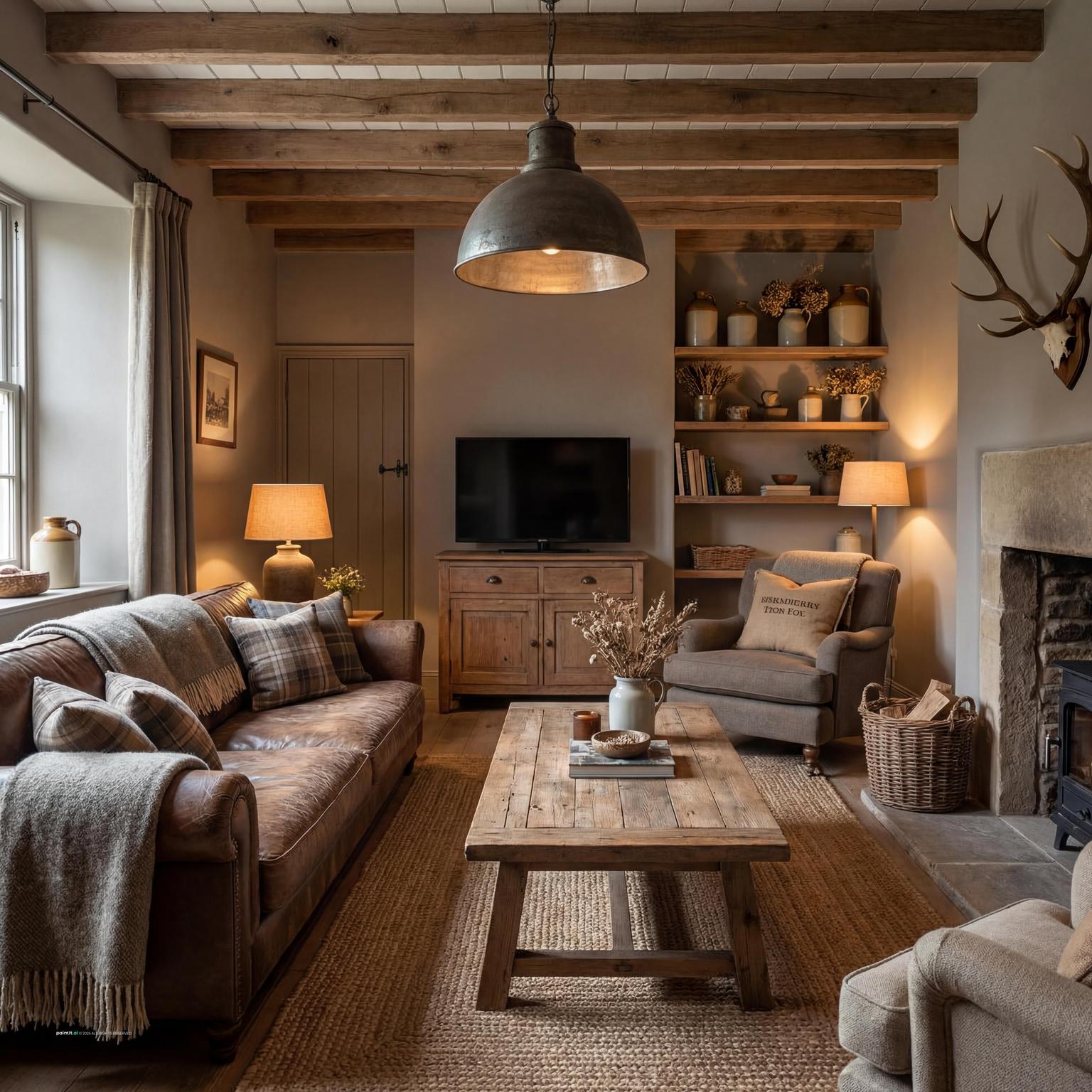
Transform narrow spaces into a cozy rustic 70s living room haven, embracing natural elements and an undeniable sense of warm, effortless comfort.
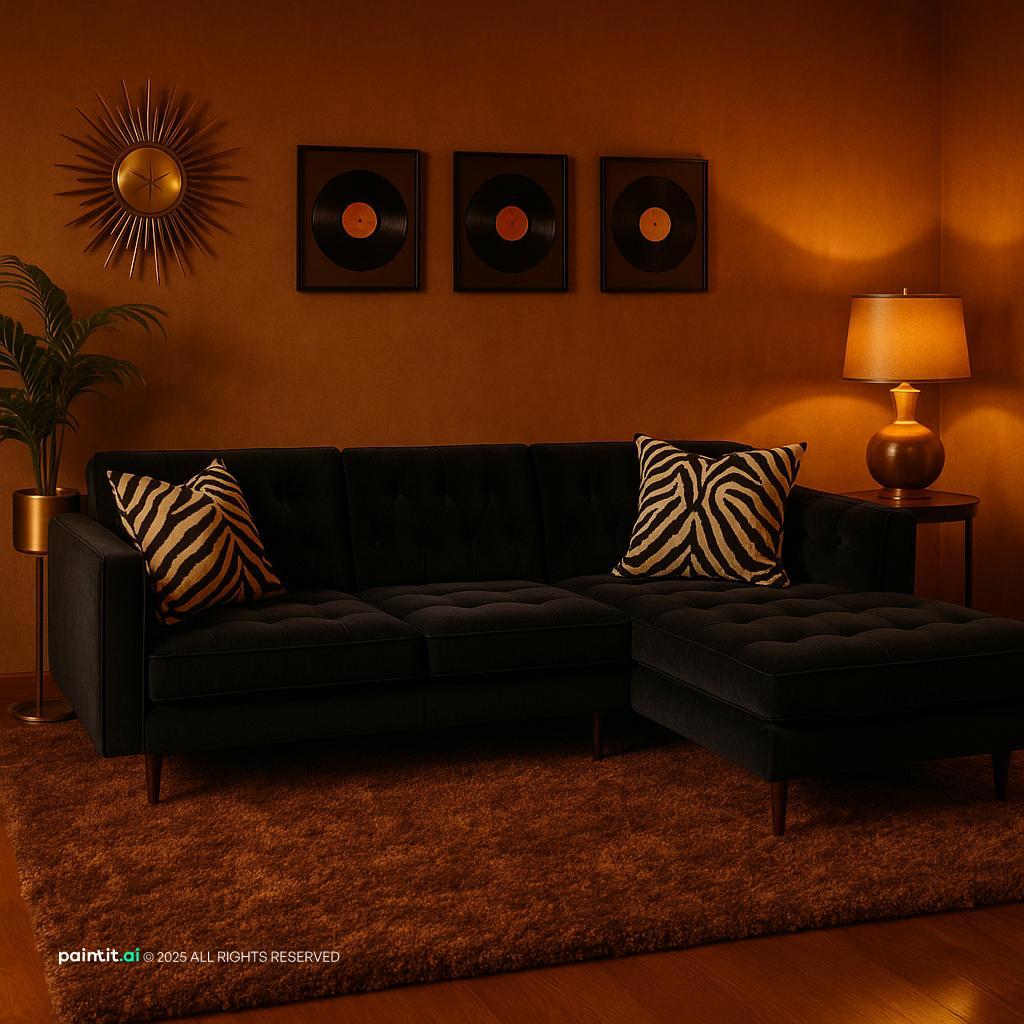
Glam Blaxploitation Living Room Design brings together sectional, lighting, and sofa for a more composed living room direction.
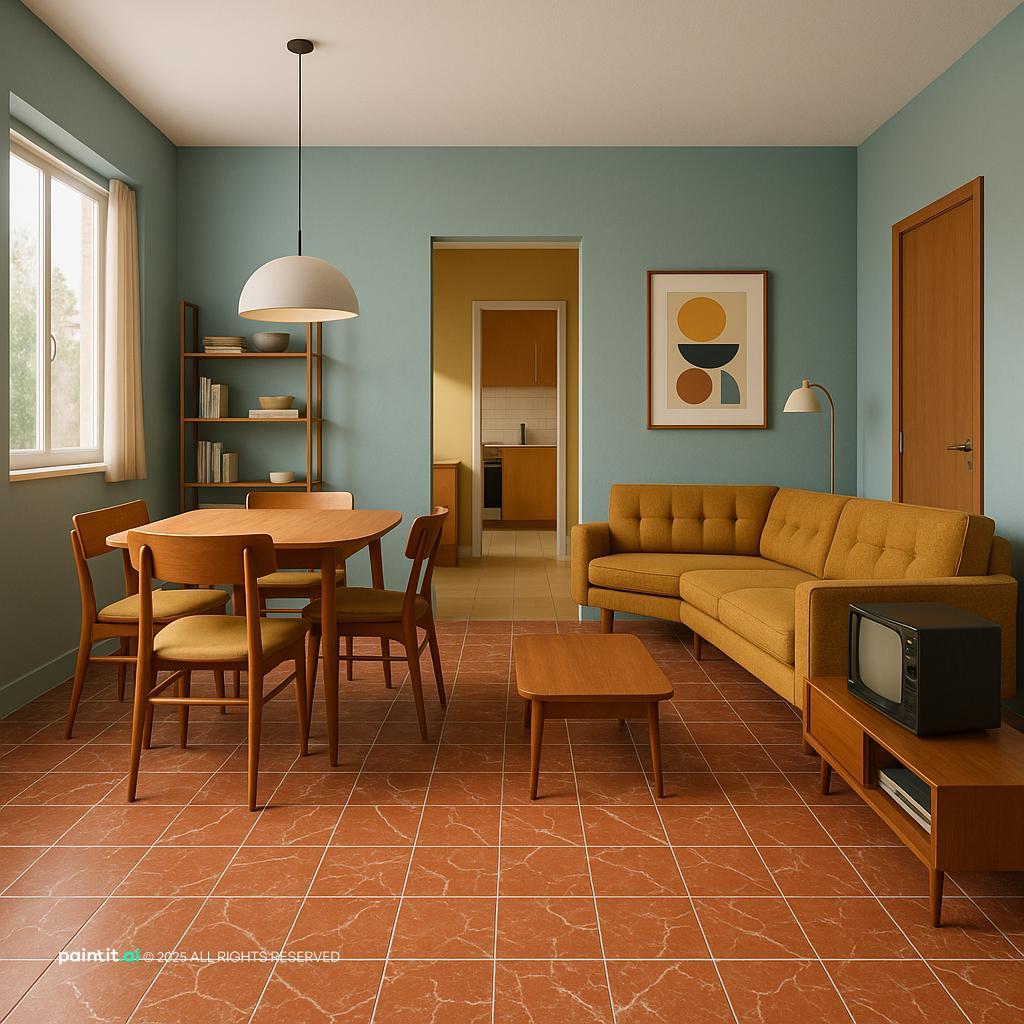
Mid-Century Modern Dining & Living Room Design brings together shelving and sofa for a more composed living room direction.
There’s something inherently inviting about a 70's conversation pit living room. It’s an architectural embrace, isn't it? This design concept fosters intimacy, pulling people together in a way that traditional sofa arrangements often miss. It’s about creating a dedicated zone for connection, a true heart of the home.
To bring this to life, think about built-in, low-slung seating upholstered in a rich, textured velvet or a sturdy corduroy. Consider a deep-pile shag rug within the pit itself, adding an extra layer of tactile comfort. the importance of ambient, recessed lighting to enhance that cozy, den-like feel.
A true 70s living room design leans heavily into nature's palette. It’s about grounding your space with colors that feel organic and textures that beg to be touched. This approach creates an effortlessly composed environment, warm and welcoming.
Layer shades of terracotta, mustard yellow, and deep olive green. Introduce materials like raw wood—think teak or walnut—alongside woven jute rugs, macrame wall hangings, and ceramic pottery. We’ve seen this work best in spaces that embrace natural light, letting those earthy hues truly sing.
The 70s style living room was all about adaptability and informal comfort. Modular sofas and low-slung furniture allowed for dynamic arrangements, perfect for impromptu gatherings or sprawling out with a book. It’s a design philosophy that champions relaxed living.
Look for sectional sofas with individual, movable pieces, perhaps upholstered in a robust boucle or a soft, brushed suede. Pair them with low coffee tables, maybe in smoked glass or a dark wood, and scatter a few oversized floor cushions. The thing is, this isn't just about aesthetics; it's about how you *live* in the space.
Lighting in a 70s themed living room wasn't just functional; it was a focal point, a piece of art. Think dramatic arc lamps that sweep over a seating area or sculptural globe pendants that cast a soft, inviting glow. It’s about creating mood and visual interest.
Seek out polished chrome arc lamps, mushroom lamps with frosted glass, or even a lava lamp for a playful touch. Consider fixtures with ribbed glass or a brass finish to add that authentic retro flair. The choice was risky for some, but the payoff in atmosphere is immense.
Bringing the outside in was a hallmark of a real 70s living room. Large, vibrant indoor plants weren't just decor; they were integral to the space, adding life, color, and a sense of tranquility. It’s about connecting with nature, even indoors.
Fill your space with Ficus lyrata, Monstera deliciosa, and spider plants. Hang them in macrame plant hangers, place them on rattan stands, or group them in ceramic planters of varying sizes. a room without a bit of green can feel a little flat.
Wood paneling often gets a bad rap, but in a 70s house living room, it was about creating an enveloping, cozy cocoon. It adds incredible warmth and a distinct character that painted walls sometimes lack. It’s about texture and depth.
Consider an accent wall in a dark teak or walnut veneer, or even a lighter pine for a more rustic feel. Pair it with mid-century modern furniture in similar wood tones. The key is to balance the wood with lighter textiles and plenty of natural light to prevent the space from feeling too heavy.
Nothing quite says 70's retro living room like a deep-pile shag carpet. It’s a tactile luxury, offering unparalleled comfort underfoot and excellent sound absorption. This isn't just a floor covering; it's a statement of comfort and style.
Opt for a wall-to-wall shag in a muted cream, avocado green, or even a bold burnt orange. If wall-to-wall feels too much, a large area rug with an abstract, organic pattern can achieve a similar effect. We’ve found that wool or high-quality synthetic fibers offer the best feel and durability.
A 70s inspired living room wasn't shy about patterns. From psychedelic swirls to clean geometric lines, prints were everywhere—on wallpaper, upholstery, and throw pillows. It’s about injecting personality and a playful energy into the space.
Look for wallpapers with large-scale, repeating geometric motifs or abstract designs in earthy tones mixed with pops of brighter color. Incorporate throw pillows in corduroy or velvet with bold, graphic prints. a little pattern goes a long way in defining the era.
The natural, bohemian side of a 70s style living room often featured rattan and wicker. These lightweight, organic materials brought an airy, relaxed feel, perfect for creating a laid-back atmosphere. They connect the space to nature, much like the plants.
Integrate a peacock chair, a rattan coffee table, or even a cane-webbing room divider. These pieces add texture without visual bulk, making them ideal for smaller spaces or for softening more structured furniture. We've found vintage pieces often have the best patina.
The 70s living room was often a hub for social gatherings, and a well-stocked bar cart was a must. It’s about creating a dedicated zone for conviviality, a place to mix drinks and share stories. It speaks to a more relaxed approach to entertaining.
Find a vintage bar cart in chrome and smoked glass, or a more rustic teak version. Stock it with retro glassware, a few good bottles, and maybe a record player nearby. It’s about setting the scene for those easy, unhurried evenings. The thing is, it's not just about the drinks; it's about the ritual.
For a touch of glam and to expand a smaller 70s living room, mirrored surfaces and reflective accents were key. They catch the light, add sparkle, and create an illusion of greater space. It’s a subtle nod to the era's more opulent side.
Consider a large, unframed mirror on one wall, or a collection of smaller, geometric mirrors. Incorporate chrome-framed furniture, a glass coffee table, or even lucite accents. The result? Impeccable. Just be mindful of reflections; you don't want too much glare.
The best 70s living room designs excelled at layering textures, creating a sensory experience that was both inviting and visually rich. It’s about depth, comfort, and a feeling of abundance. This is where the "lived-in" feeling truly comes alive.
Combine a velvet sofa with corduroy throw pillows, a chunky knit blanket, and a sheepskin rug. Think about Dedar fabrics for upholstery or curtains. The contrast between smooth and rough, soft and firm, creates a dynamic and interesting space. Here’s the kicker: it’s about making the room feel like a warm hug.
The second gallery explores more specific 70s interpretations, helping compare different ways the same living room can feel at home.
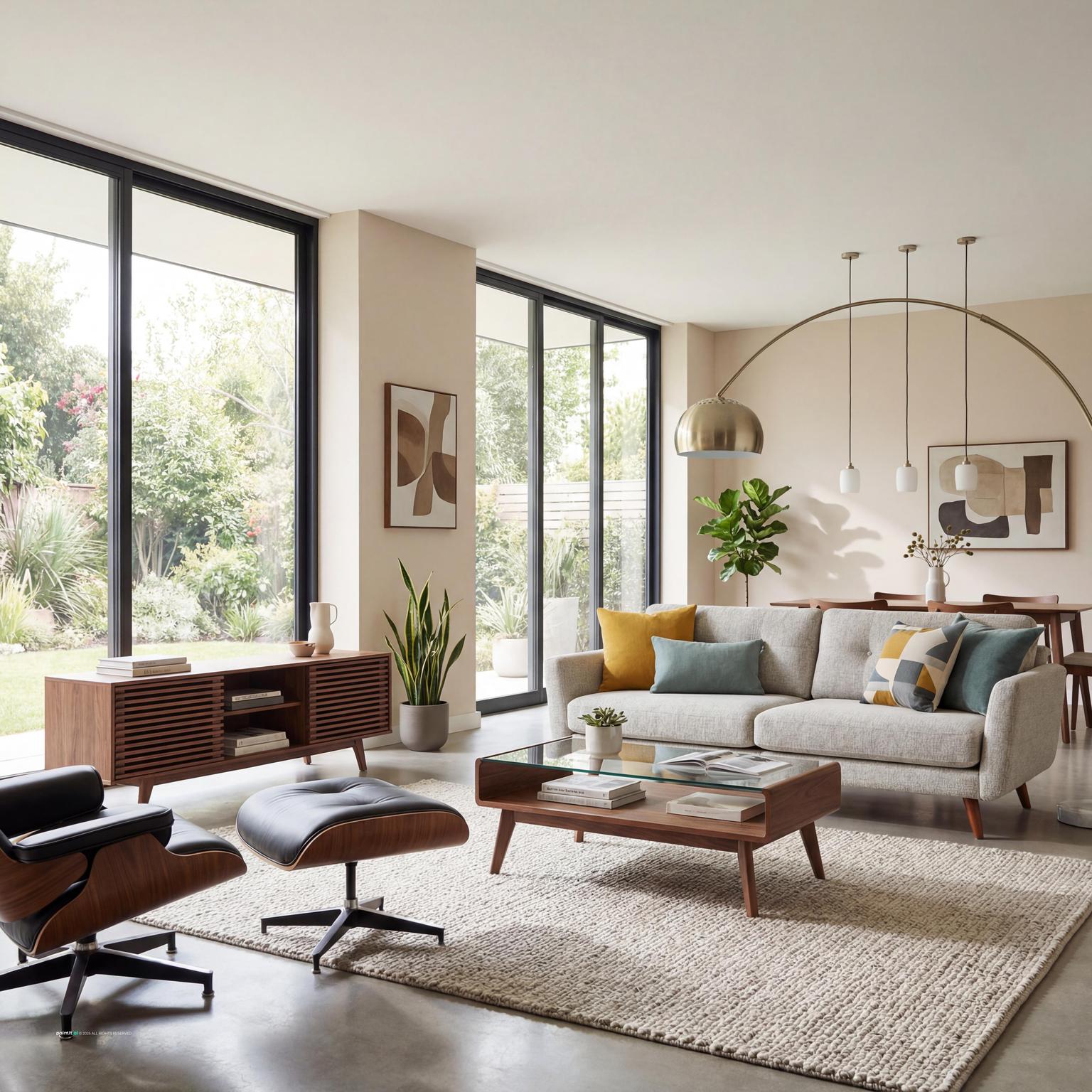
Capturing the relaxed comfort of a 70s living room, this stunning Mid-Century Modern design features inviting textures and a warm, expressive palette.
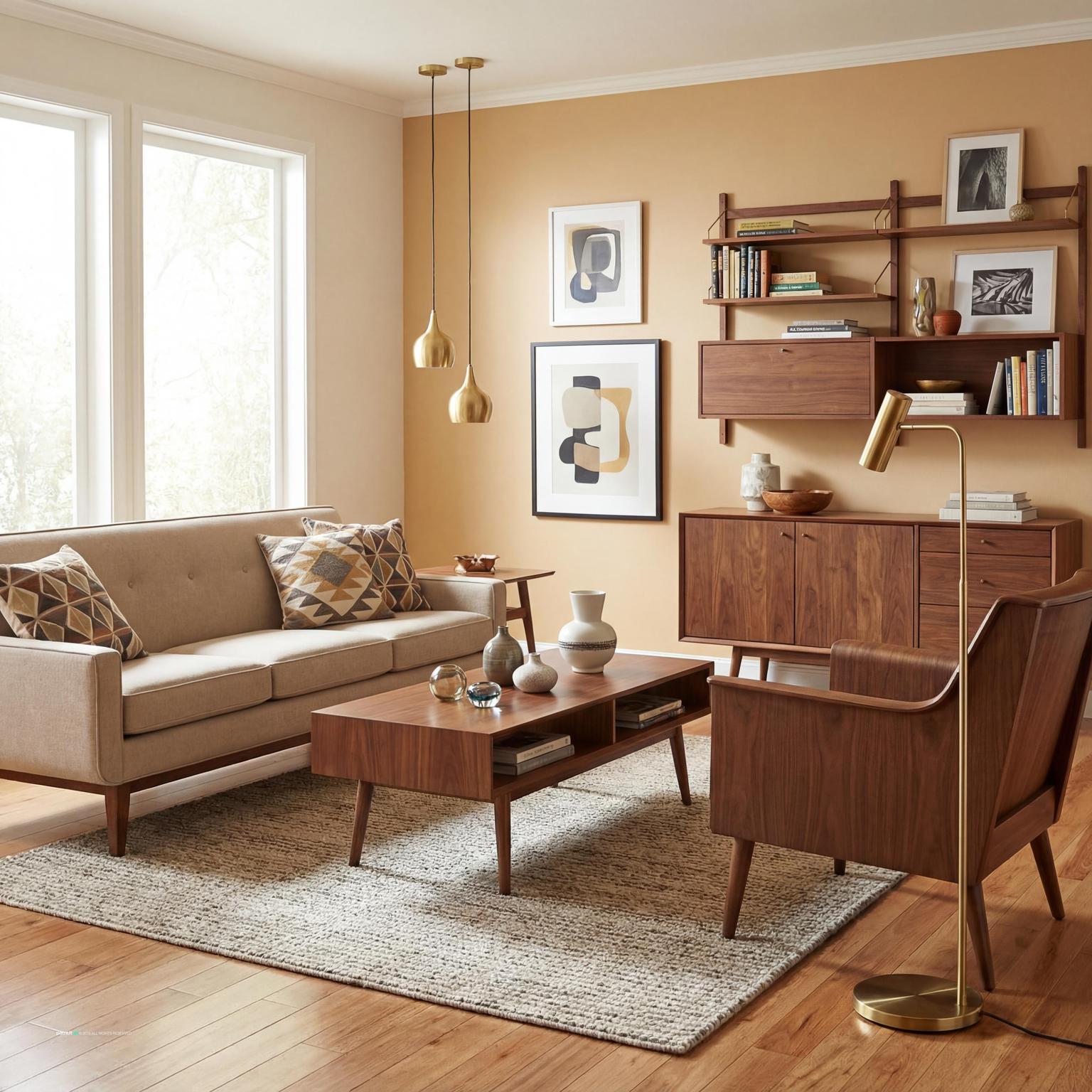
Embrace the relaxed vibe of a 70s living room through this stylish Mid-Century Modern design, featuring classic furniture and a warm, inviting atmosphere.
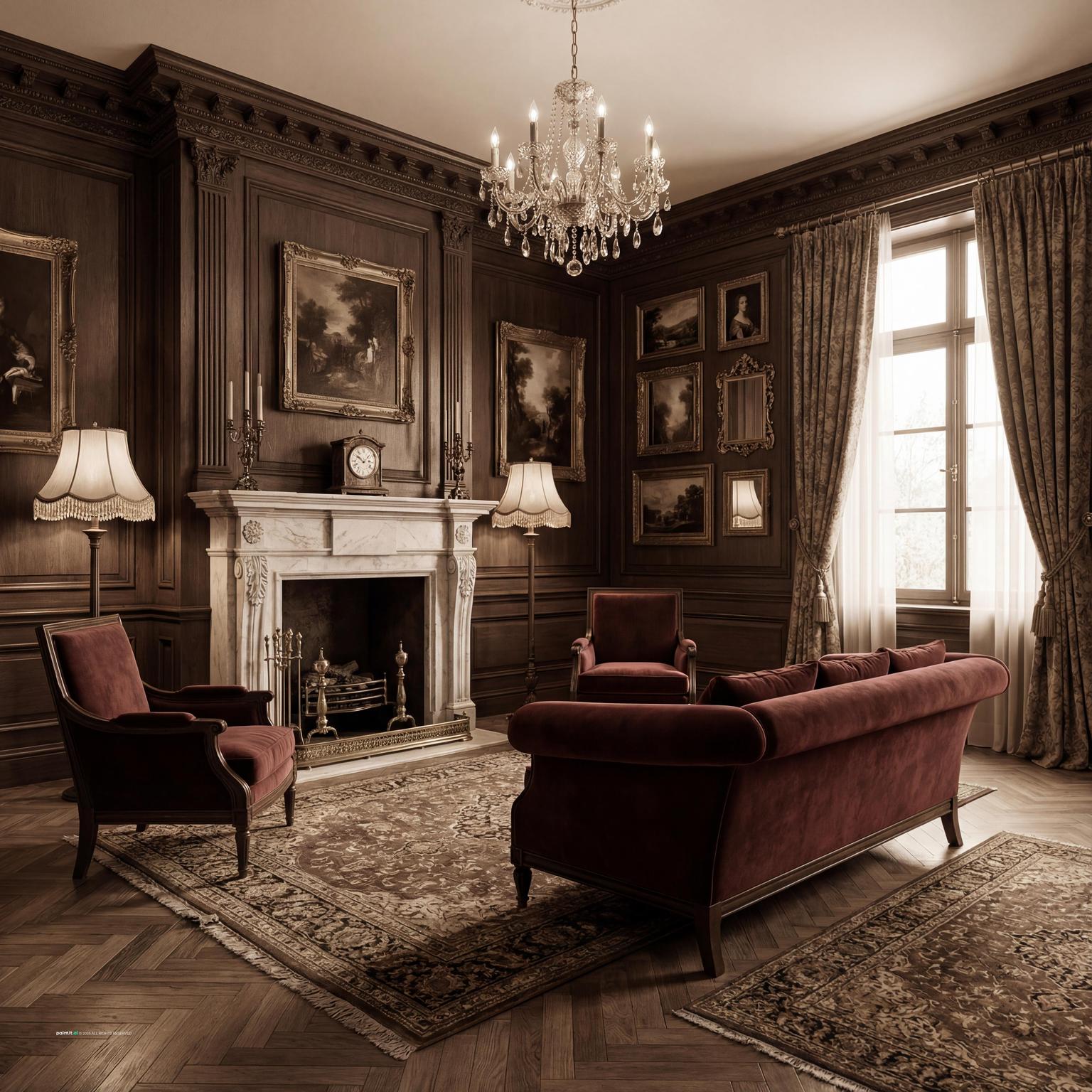
This elegant vintage living room effortlessly channels the warmth and unique character of a 70s living room, perfect for sophisticated comfort.
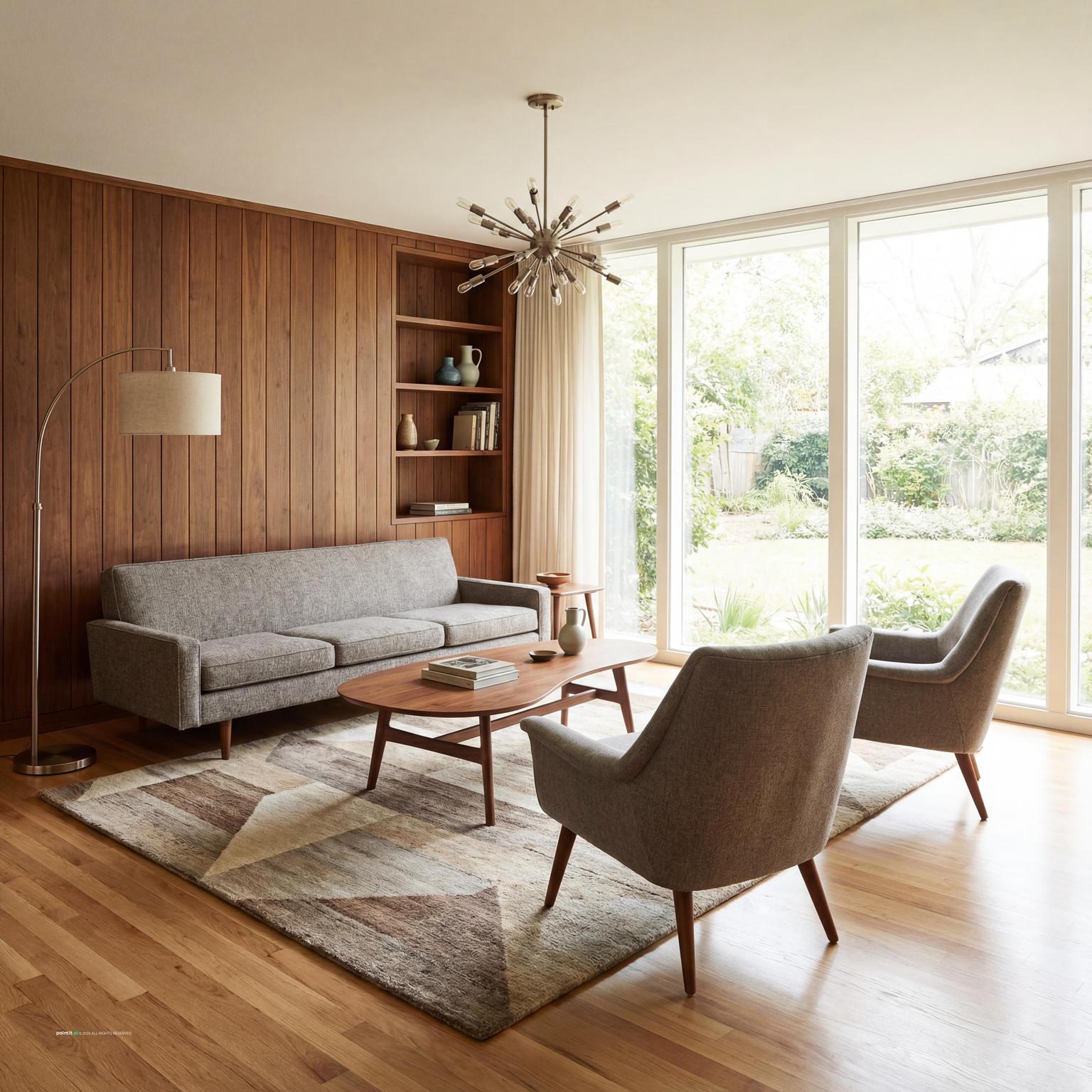
This inviting Mid-Century Modern design perfectly captures the authentic spirit of a 70s living room, blending comfort with timeless, expressive style.
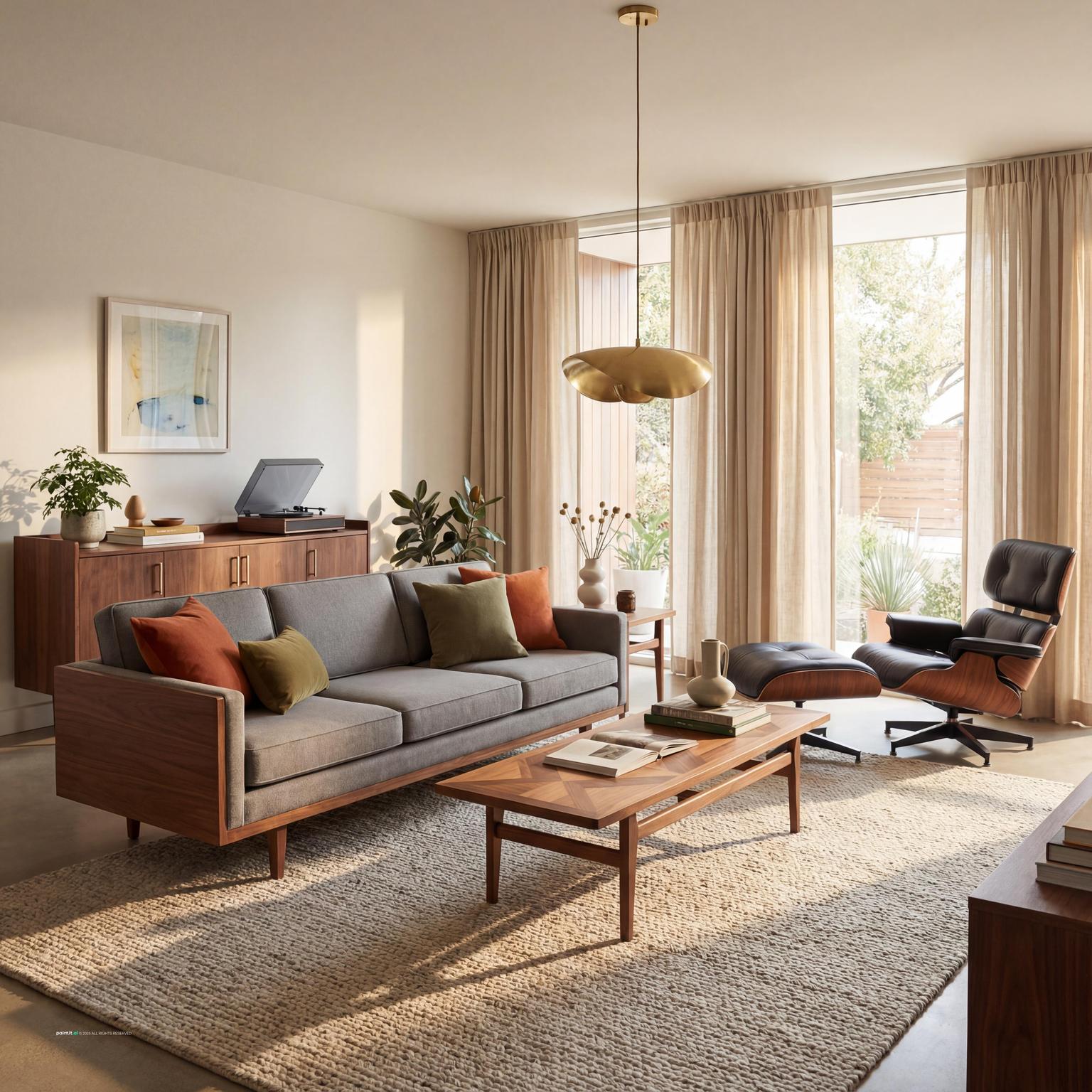
This stylish Mid-Century Modern living room beautifully weaves the whimsical and warm spirit of the 70s into a contemporary home.
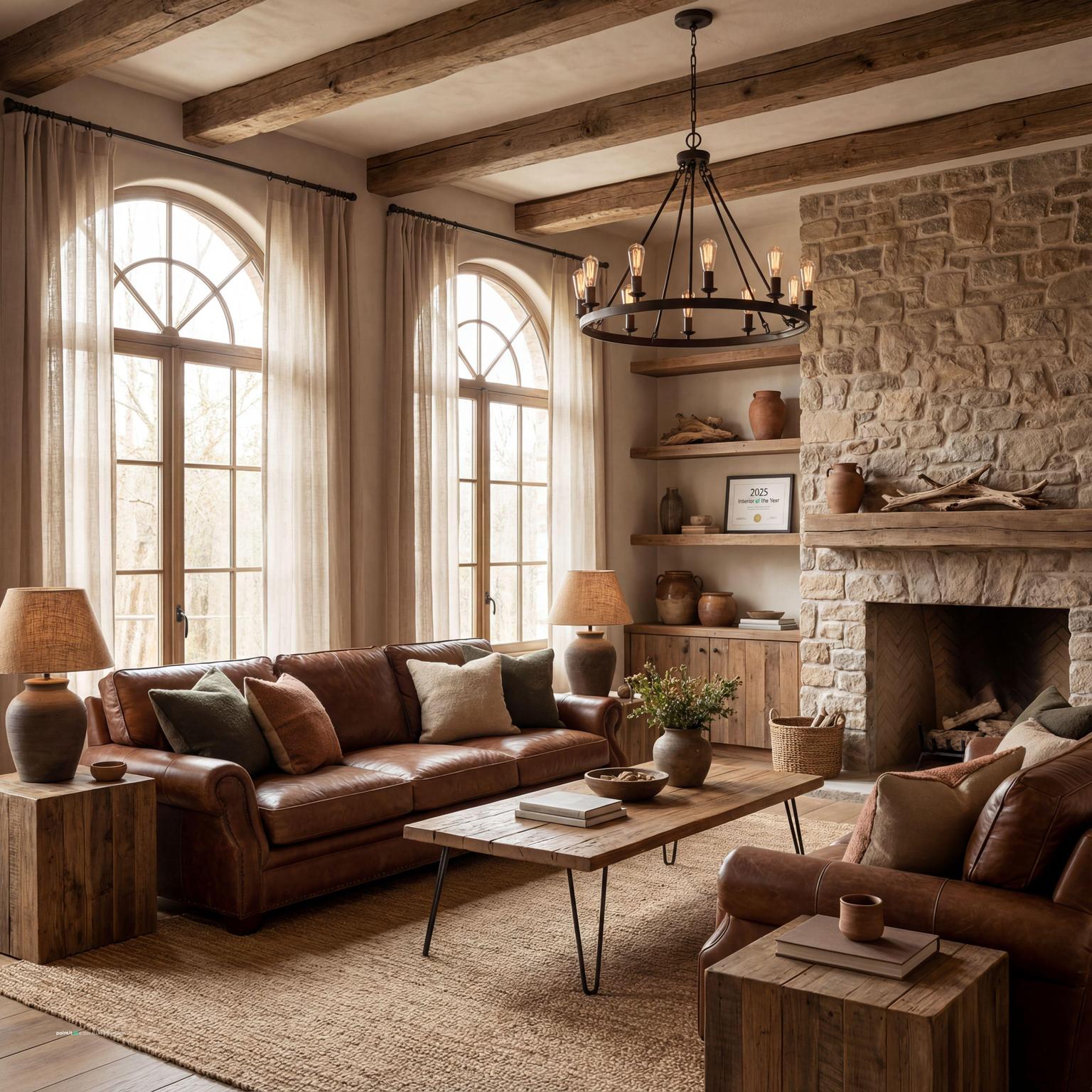
Immerse yourself in the earthy charm of a 70s living room with this stunning rustic design, highlighting natural materials and a warm, inviting ambiance.
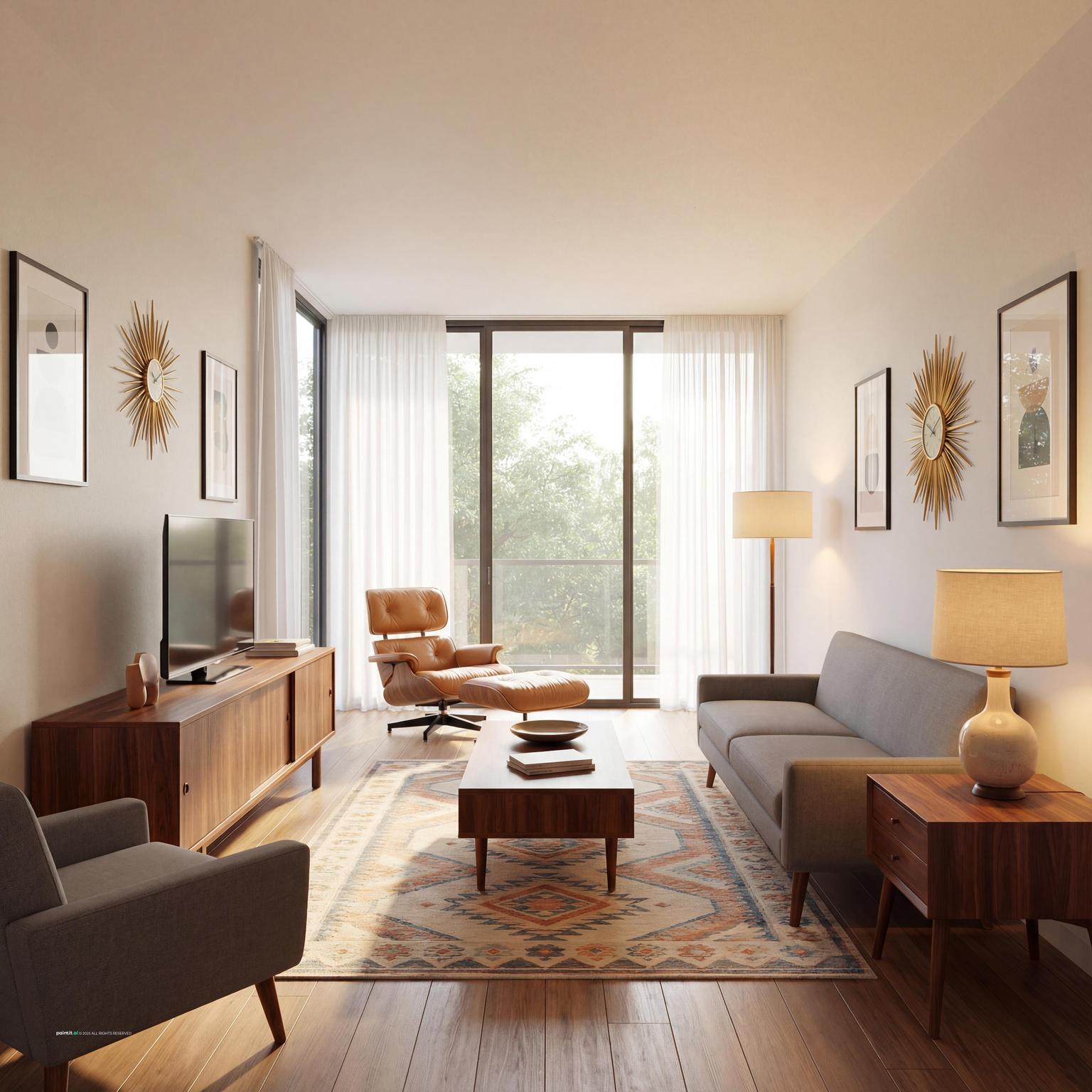
An elegant Mid-Century Modern living room that perfectly captures the relaxed comfort and genuine expression defining a beloved 70s aesthetic.
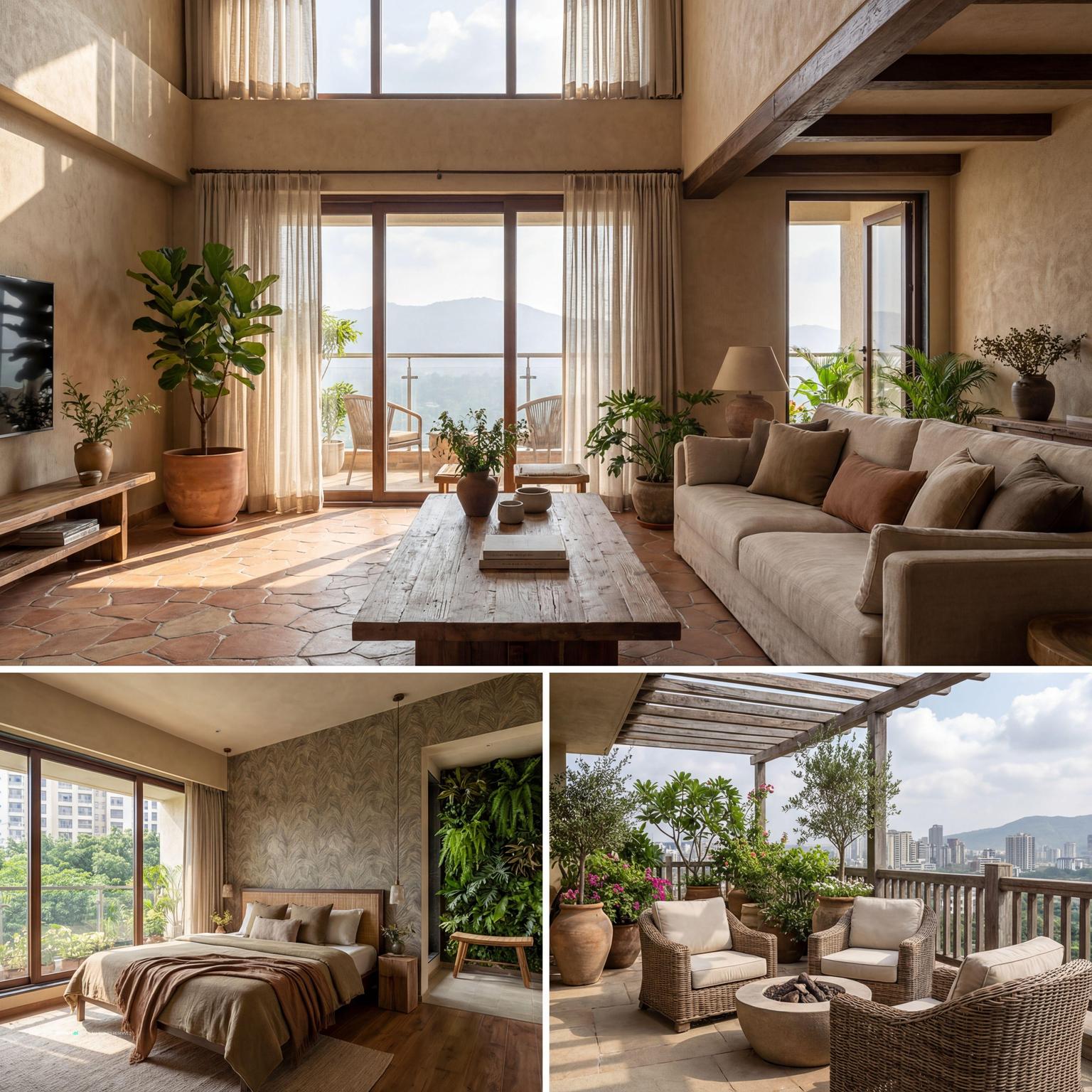
Experience the unique textures and warm palettes of a 70s living room in this nature-inspired rustic penthouse, offering genuine expression.
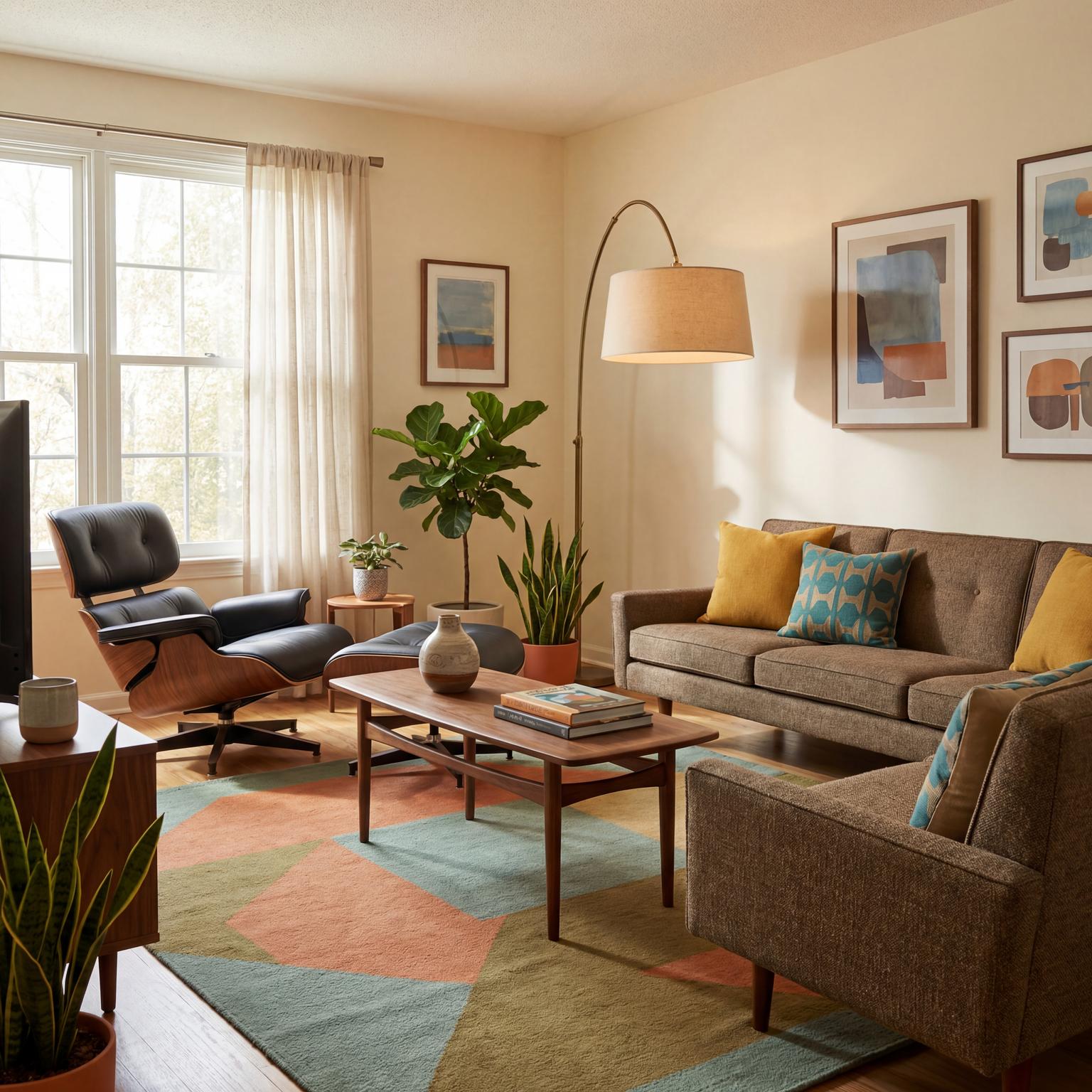
Find inspiration in this Mid-Century Modern living room, resonating with the authentic spirit and warmth of a 70s design.
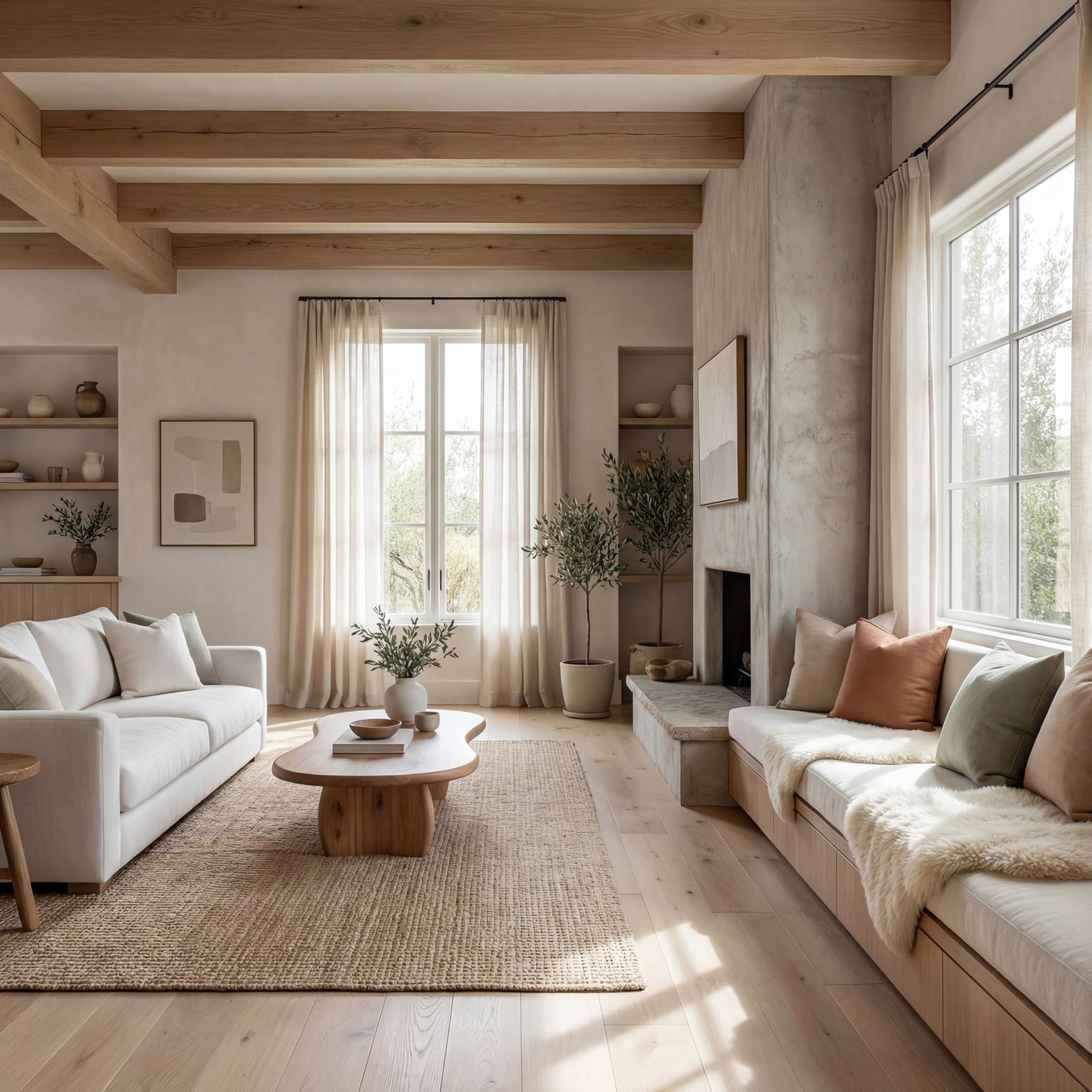
Embracing natural elements and warm tones, this serene organic living room brings the relaxed, expressive feeling of a 70s living space to life.
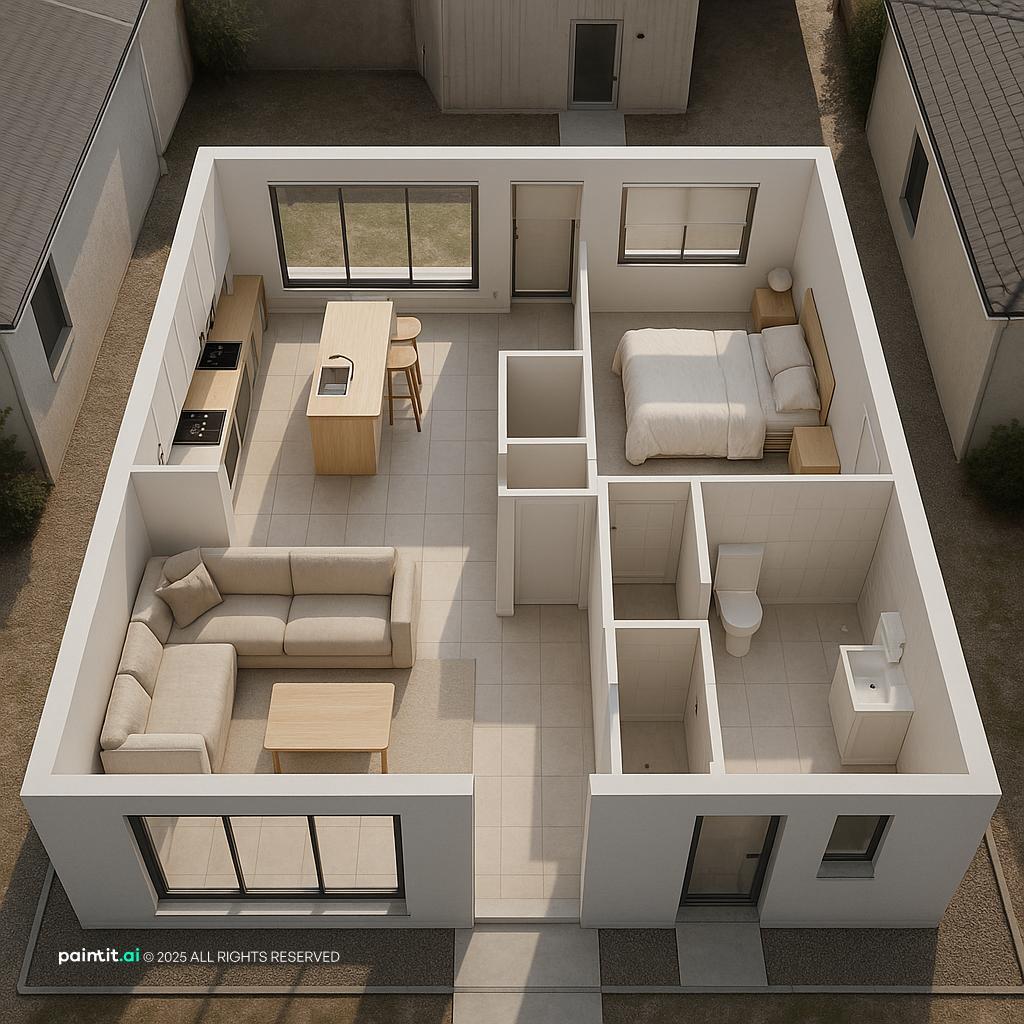
Modern Single-Floor House Design brings together windows and open for a more composed living room direction.
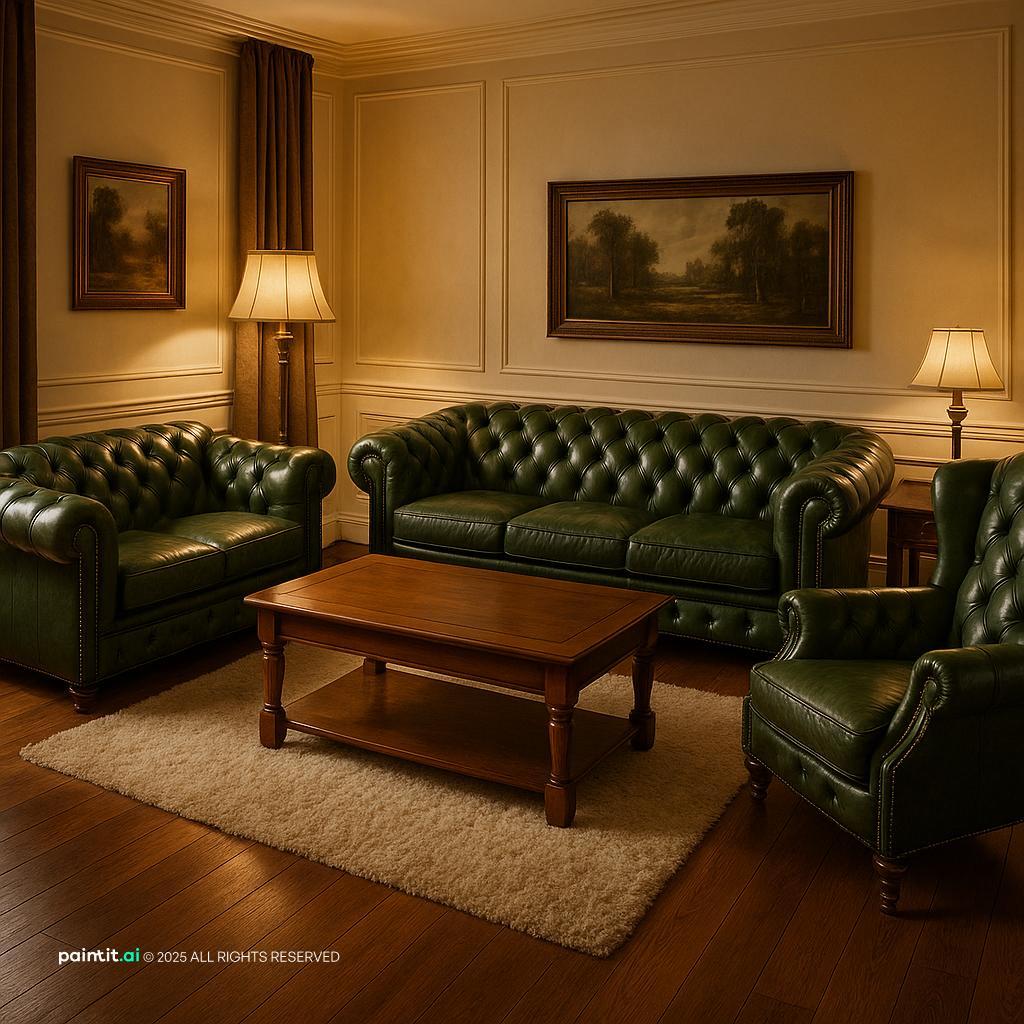
Elegant Traditional Living Room Design brings together cream, wood, and rug for a more composed living room direction.
The heart of a 70s living room design lies in its earthy, organic palette. Think deep avocado green, warm terracotta, sun-drenched mustard yellow, and rich chocolate brown, all balanced by creamy off-whites. These hues work together to create an enveloping, comforting embrace, much like stepping into a sun-dappled forest.
For a related take on the same room, explore Living Room 70s Inspired Living Room.
Tactile richness defines a 70s style living room. We lean into natural woods like dark teak or walnut, which ground the space with their inherent warmth. Plush velvet or corduroy upholstery invites touch, while rattan and wicker pieces add an airy, bohemian counterpoint, creating a dynamic interplay that feels effortlessly composed.
For a related take on the same room, explore Living Room 70s Lowered Living Room.
A true 70s living room often centers around low-slung, inviting forms. A modular sectional sofa, perhaps in a deep rust velvet, offers flexible comfort, perfect for sprawling. For a truly iconic touch, a 70's conversation pit living room setup, even a simulated one, fosters intimacy. Don't forget a statement piece like a large, sculptural arc lamp that sweeps over the seating, defining the zone.
For a related take on the same room, explore Living Room 70s Orange Living Room.
Creating the perfect ambiance in a 70s themed living room involves layered lighting. Ambient light often comes from recessed fixtures or a dramatic central pendant, casting a soft glow. Task lighting, like a mushroom lamp on a side table, provides focused illumination, while accent pieces—perhaps a lava lamp or a chrome globe—add that playful, mood-setting sparkle. It’s about creating pockets of warmth and intrigue.
For a related take on the same room, explore emerald green sofa living room ideas.
Personal expression was paramount in a 70s inspired living room. We love seeing macrame wall hangings, large, leafy indoor plants like Monstera deliciosa, and abstract art in warm tones. When styling, we often apply the 3-5-7 rule: group items in odd numbers for visual interest. For instance, arrange three ceramic vases on a console, five varied plants in a corner, or seven framed prints on a gallery wall. This approach creates a sense of curated abundance, making your 70's retro living room feel genuinely collected and deeply personal.
Bringing a real 70s living room to life, with its bold patterns and textures, can feel daunting. We know the challenge of envisioning a shag rug or a 70's conversation pit living room. Paintit.ai lets you instantly see countless versions of your 70s style living room, ensuring every design choice feels right before you commit. Try it; visualize your dream space.
Before changing furniture or finishes, you can preview the direction with an interior design visualizer.
A quintessential 70s living room is all about warmth, texture, and a certain laid-back opulence. Think earthy color palettes—avocado green, burnt orange, mustard yellow, and deep browns—often paired with unexpected pops of turquoise or fuchsia. Furniture tends to be low-slung, chunky, and inviting, often upholstered in velvet, corduroy, or even shag. We see a lot of organic shapes, too; rounded edges, beanbag chairs, and modular sofas that encourage lounging. It’s a design that prioritized comfort and social connection, making the 70s style living room feel incredibly distinct.
The trick to a successful 70s inspired living room is selective curation. We often advise clients to pick one or two strong elements rather than trying to replicate an entire period room. Maybe it’s a single, iconic piece of furniture, like a genuine vintage modular sofa or a statement rattan chair. Or perhaps it’s a commitment to a particular color scheme—say, a rich terracotta paired with cream and natural wood. Layering textures is key: a shag rug, velvet cushions, and macrame wall hangings can evoke that 70s retro living room feel without overwhelming the space. It’s about hinting at the era, not shouting it.
The 70's conversation pit living room was, and still is, a masterclass in intimate social design. It’s essentially a sunken seating area, often built into the floor, creating a cozy, enclosed space that naturally draws people together. it’s incredibly relevant. In an age where we’re constantly looking at screens, a conversation pit forces genuine interaction. We’ve seen modern interpretations—less about the shag carpet and more about clean lines, integrated lighting, and luxurious upholstery—that prove this 70s living room pit concept has enduring appeal. It’s about creating a designated zone for connection, which is something every home could use.
For a truly authentic real 70s living room, you absolutely need to embrace texture. Shag carpet, for one, is almost synonymous with the era—think deep pile, often in those signature earthy tones. Velvet, especially crushed velvet, was huge for upholstery, adding a touch of glamour. Wood, particularly dark stained oak or teak, played a significant role in furniture and wall paneling. Rattan and wicker brought in a natural, bohemian edge. And let’s not forget macrame, ceramic pottery, and even some early uses of plastic in bold, sculptural forms. These elements together create that unmistakable 70s living room design.
Oh, absolutely. The biggest mistake we often see is going too literal, too fast. People sometimes fall into the trap of buying every single 70s-era item they find, resulting in a space that feels more like a museum exhibit than a livable 70s house living room. Another common misstep is neglecting lighting; the 70s were big on warm, ambient light, often from lava lamps or globe pendants, not harsh overhead fluorescents. And here’s the kicker: don't forget the plants! Large, leafy houseplants like monsteras or ferns were integral to the natural, earthy vibe. Without them, even the most perfectly curated furniture can feel a bit sterile.