
Small Shoe Shop Interior Design Ideas for Low Budget Footwear Stores
Small shoe shop interior design needs to make footwear easy to see, compare, try on, and buy in a compact space. The best low-budget footwear store layouts use vertical shoe displays, clear aisles, mirrors, seating, focused shelf lighting, and modular storage so the shop feels organized without expensive custom fixtures.
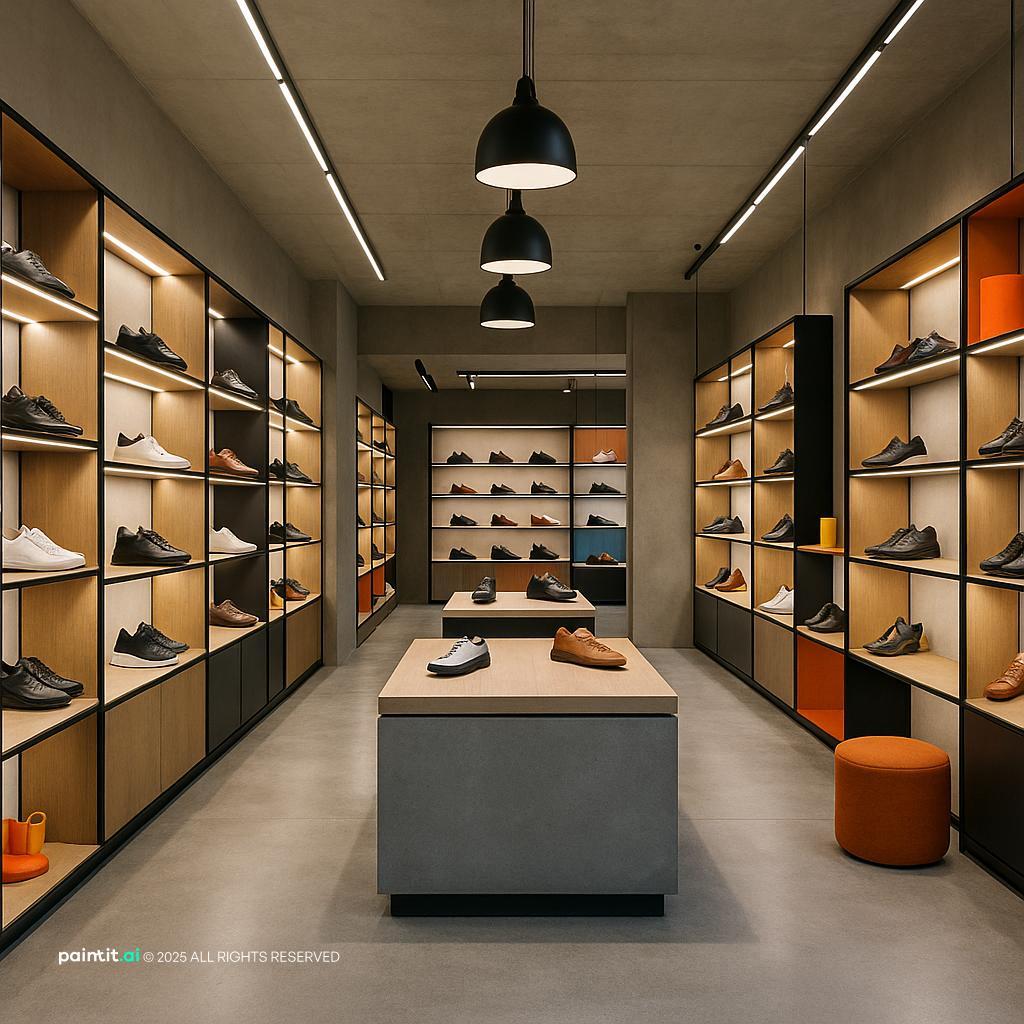
Essential Tips for Low Budget Small Shoe Shop Interior Design Success
A strong shoe store layout starts with wall-mounted shoe display, a simple customer path, a try-on seat, and a mirror placed where shoppers can evaluate fit comfortably. Every design choice should help the customer notice more products without making the shop feel crowded.
-
1. Define Your Brand Identity
Shoe display ideas for shop interiors work best when products are grouped by type, color, or price. Use vertical shelves, angled display ledges, and small feature zones for new arrivals or premium footwear.
-
2. Use Color Psychology
For a narrow shoe store layout, keep the center path open and move most storage to the walls. Low benches, slim mirrors, and modular shelving help customers try shoes without blocking circulation.
-
3. Optimize Layout and Space
Lighting should highlight shelf edges, hero products, and the try-on area. LED strips, track lights, and simple pendant lights can make a low-budget footwear shop design feel cleaner and more premium.
-
4. Creative Display Solutions
Footwear shop design is more specific than general retail design because sizing, pairs, try-on comfort, and stock access matter. Plan hidden storage near displays so staff can find sizes quickly.
-
5. Lighting Matters
Effective lighting techniques have the potential to alter your shoe shop's atmosphere radically:
- Natural light: keep windows clear to maximize it.
- Task lighting: directional lights on featured merchandise.
- Accent lighting: soft fill light for a welcoming atmosphere.
-
6. Budget-Friendly Materials for footwear store design and renovation
Selecting the right materials is key to balancing aesthetics with cost:
- Paint: a fresh coat is the highest-impact, lowest-cost refresh.
- Vinyl flooring: durable, easy to maintain, mimics more expensive materials.
- Signage: DIY or print-your-own for promotional materials saves cost.
-
7. Incorporate Greenery
Plants add life to a shoe shop without significant cost:
- Potted plants in corners or on shelving add freshness.
- Vertical gardens use wall space that can't hold shoe displays.
- Choose low-maintenance species to reduce upkeep.
-
8. Customer Engagement Areas
Design intimate seating zones where patrons can relax while trying on footwear. Consider:
- Seating: simple benches or stools for the try-on area.
- Mirrors: full-length mirrors are essential — customers need to see the full shoe from their standing position.
- Charging stations: an option that attracts customers who linger while making a decision.
-
9. Regular Updates and Seasonal Decor
Maintain a fresh interior atmosphere through frequent display updates. The implementation of seasonal decor maintains the shop's relevance while sustaining customer interest. Consider:
- Theme changes: seasonal window and entry display updates maintain freshness for returning customers.
- Local artisans: partnerships for distinctive installations add character within budget.
-
10. Gather Feedback and Adapt
Ask customers what feels easy or confusing about the store layout and displays. Use that feedback to adjust shelf placement, try-on seating, mirrors, and product grouping over time.
Stunning Examples of Small Shoe Shop Interior Design in Action
-
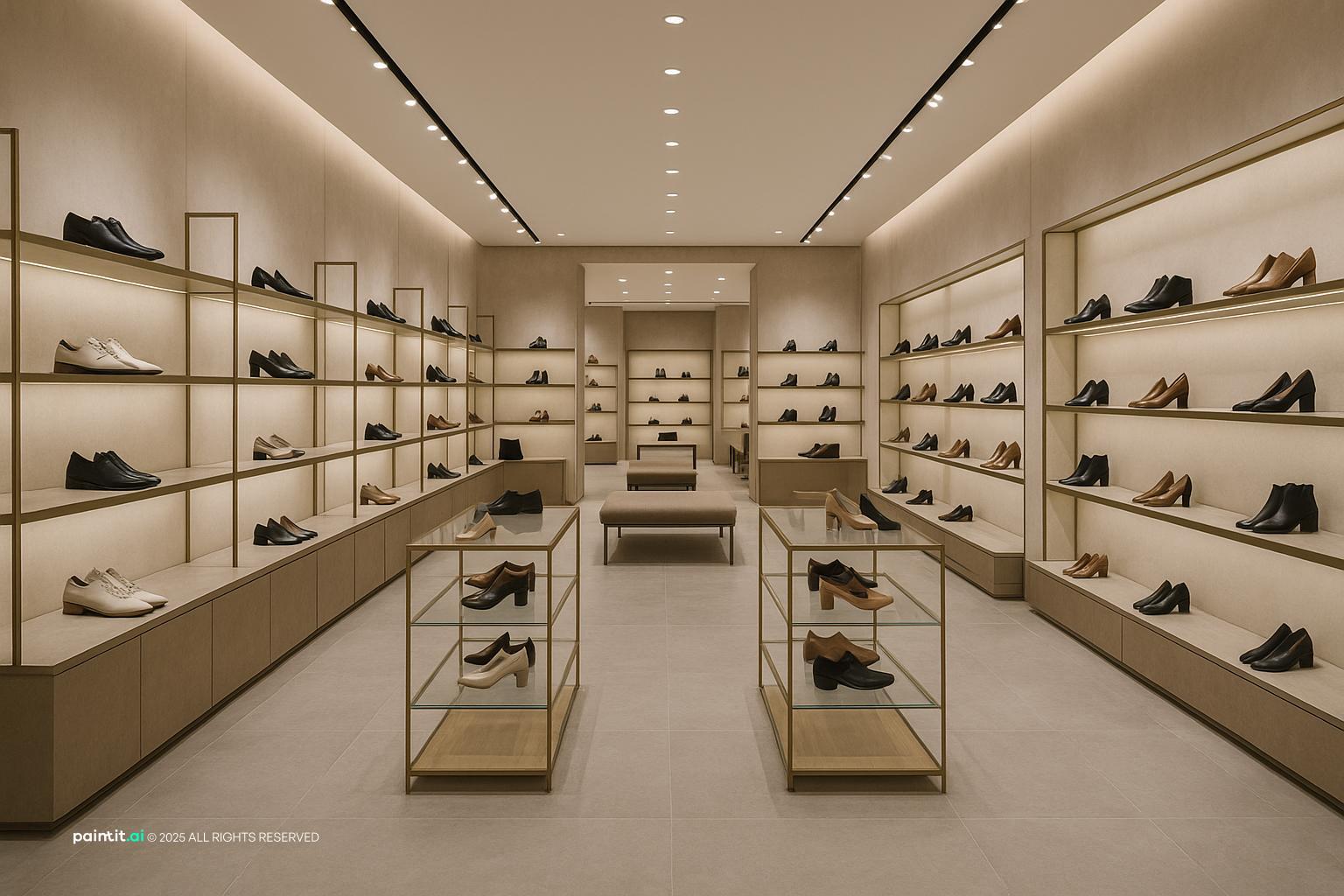
A small shoe shop can look clear, memorable, and easy to browse without a large renovation budget. These examples show how low-cost display, lighting, storage, and seating choices can make the space feel more intentional.
-
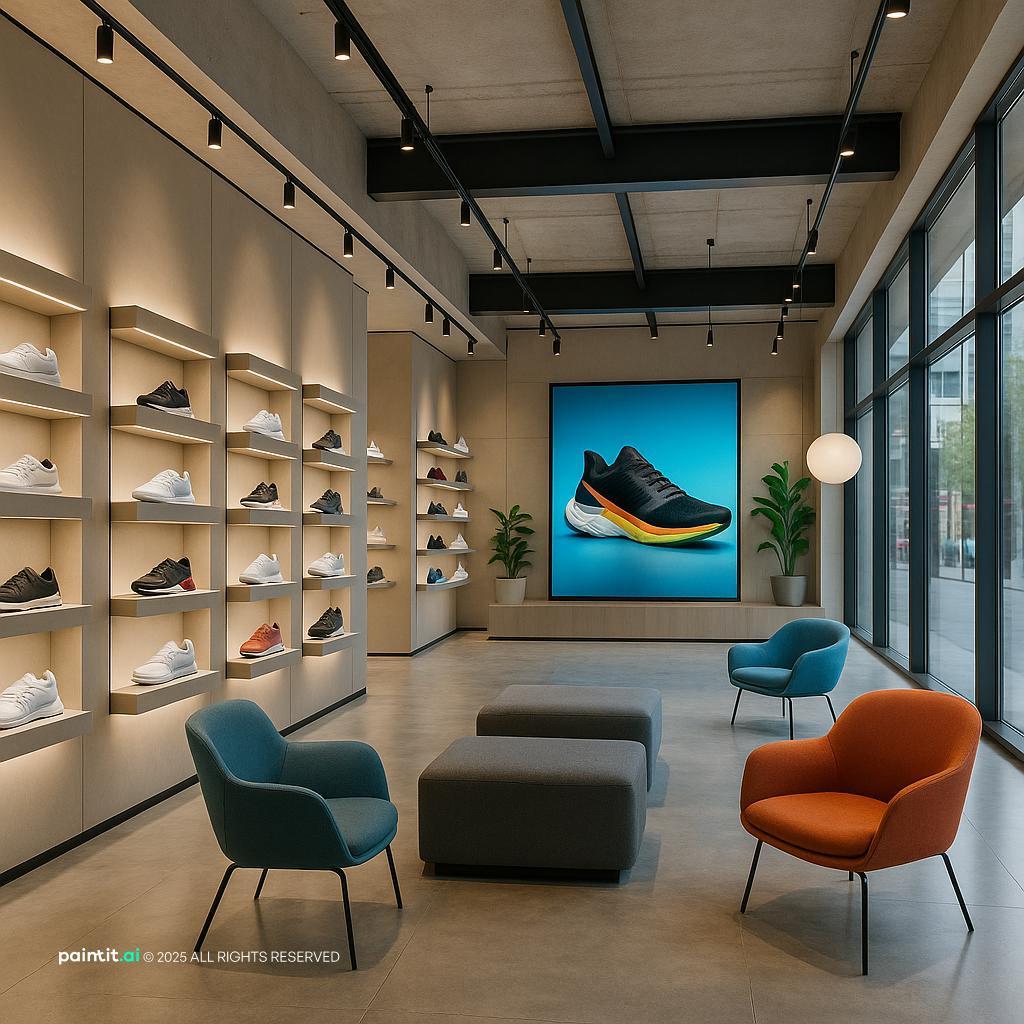
An effective method uses repurposed furniture. Ancient timber boxes transform into distinctive shelving by undergoing painting processes and vertical arrangement. Your shoe collection gets displayed while a rustic charm emerges that draws customer attention. The integration of DIY shelving crafted from reclaimed wood generates a cozy ambiance while avoiding major financial outlay.
-
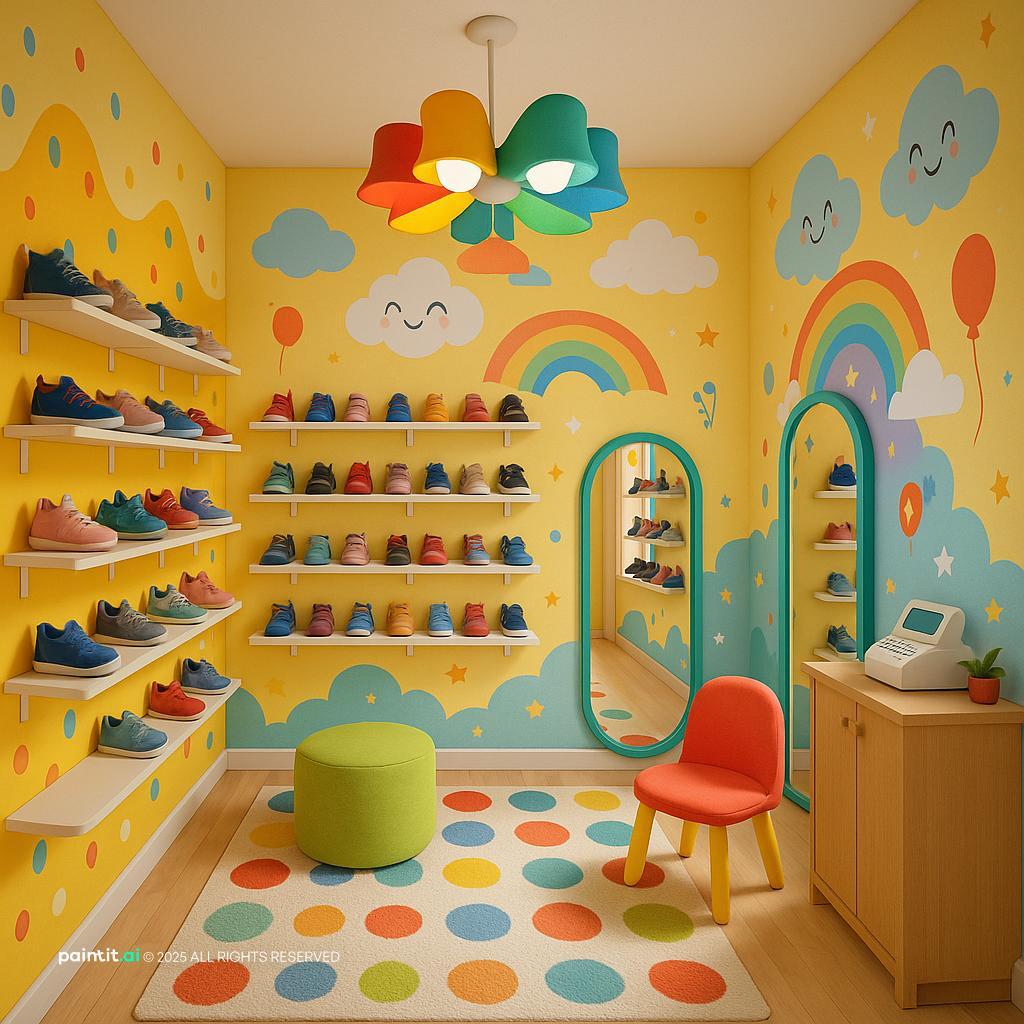
The strategic application of bold colours and patterns stands as an effective design component. Vibrant accent walls combined with eclectic wallpaper designs capture attention while energizing the space. The combination of these items with simplistic display stands achieves an equilibrium that welcomes viewers.
-
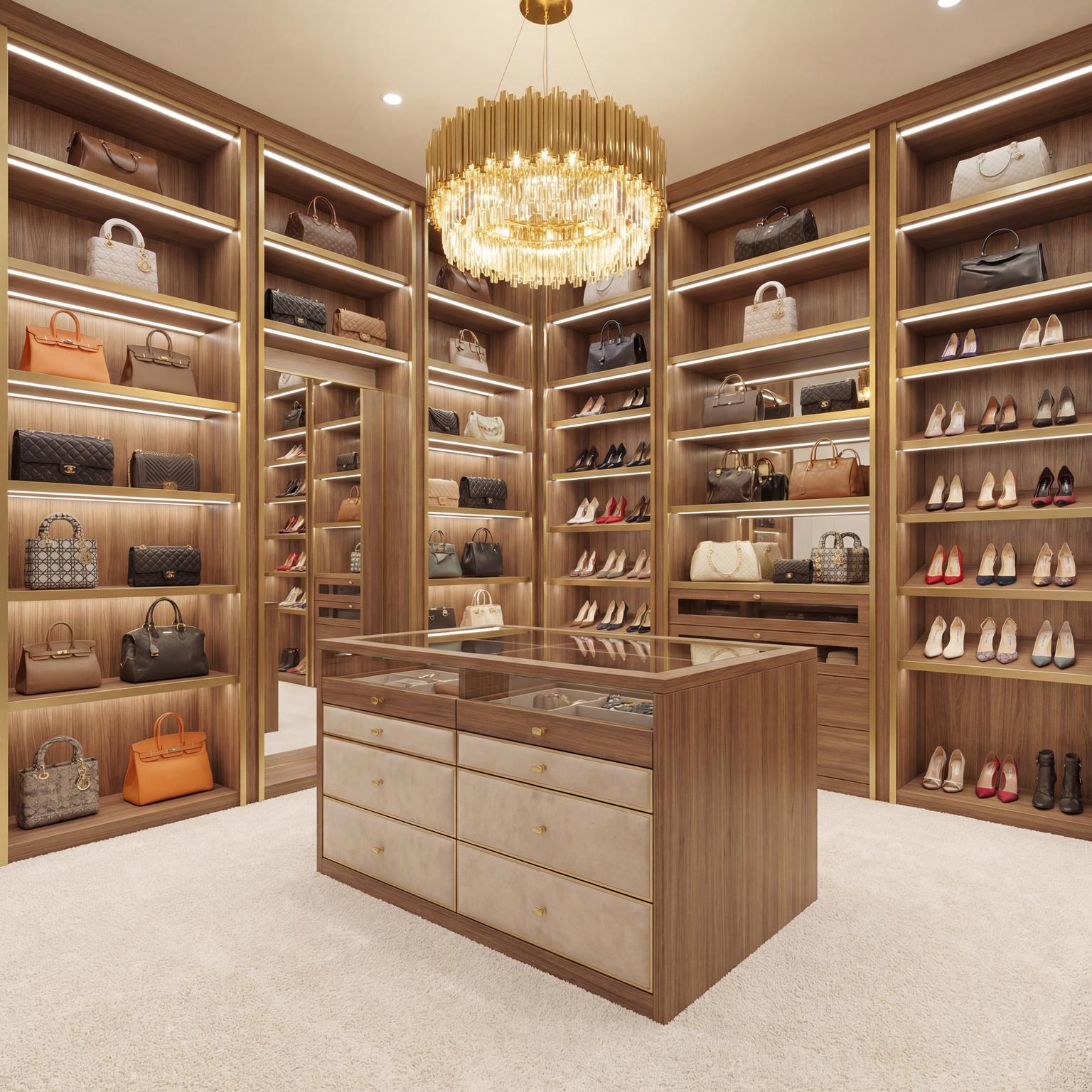
The importance of lighting cannot be overstated; examine the potential of installing LED strip lights along shelves or opting for vintage pendant lights to infuse character into your space. The overall aesthetic experiences enhancement while showcased products gain attention through cost-effective means.
-
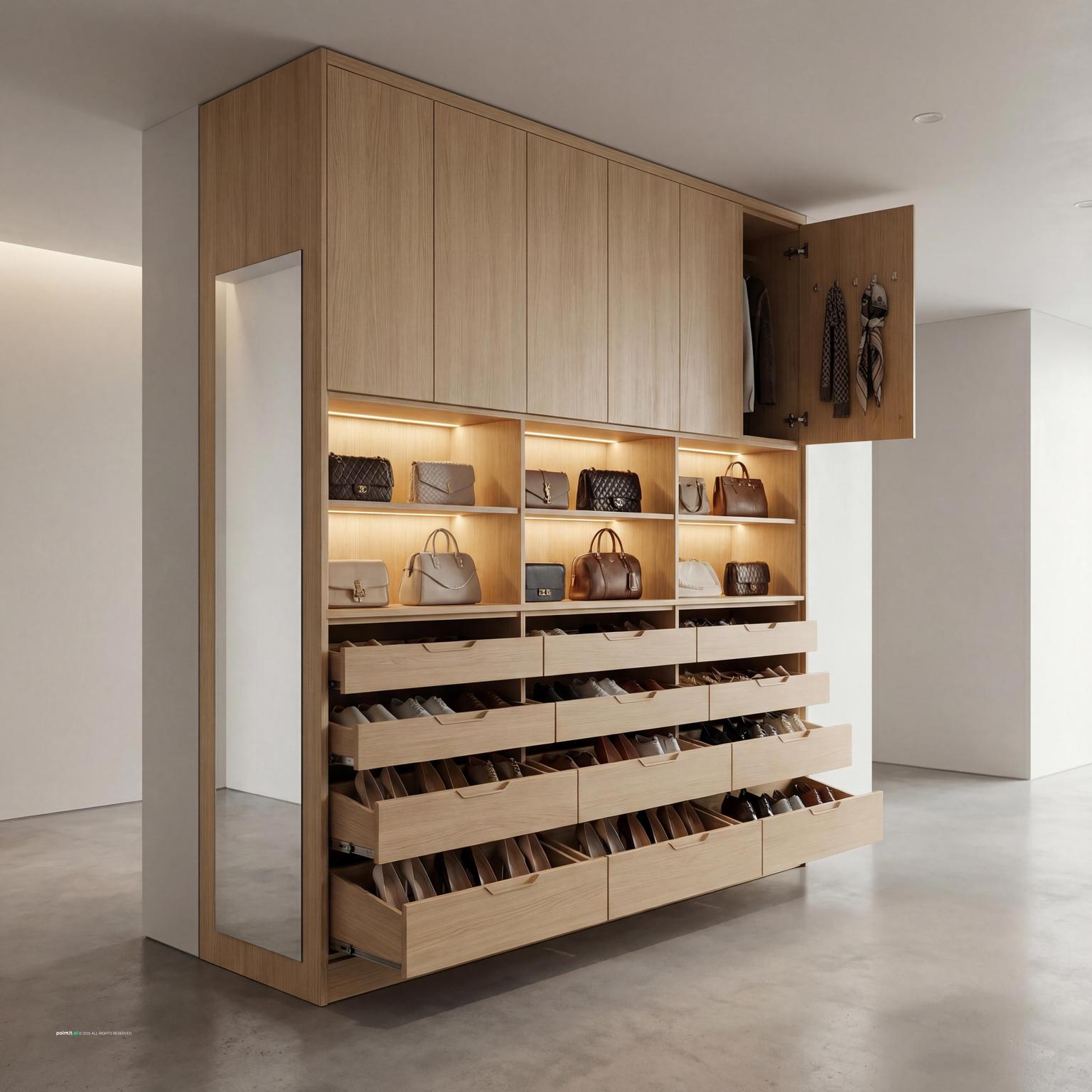
Integrate greenery by using small potted plants or hanging planters. The combination of enhanced air quality with a refreshing atmosphere creates an enjoyable shopping experience.
-
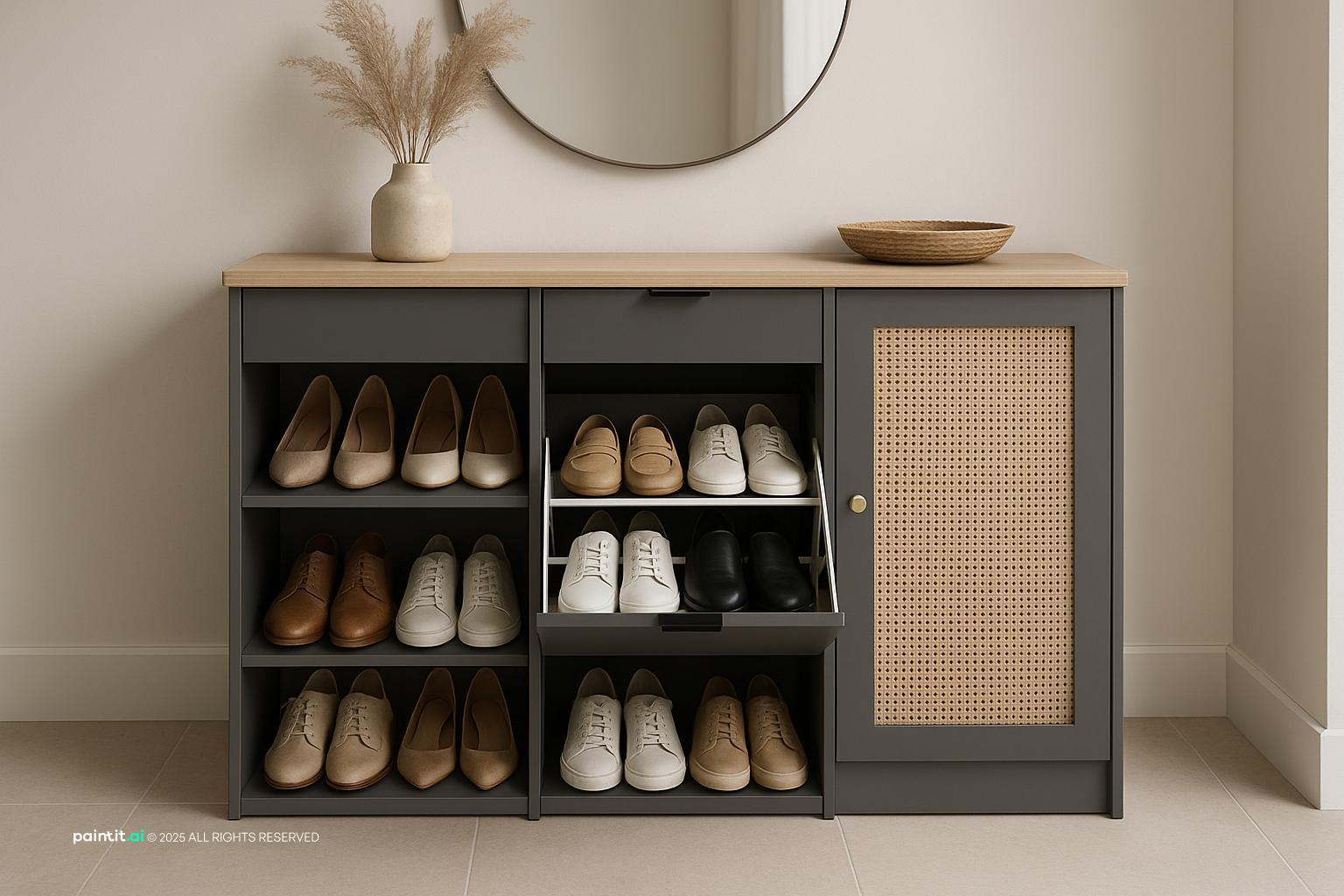
Creative thinking and budget-conscious material choices consistently produce shops that feel more intentional than their price point suggests.
Small shoe shop layout: the decisions that drive sales
Shoe retail has specific requirements that differ from general retail. The try-on experience is the critical conversion point — everything in the layout should support it.
Wall display is the primary sales surface
Most shoes in a small shoe shop should be displayed on wall-mounted shelves. This keeps the floor open for customer movement and the try-on area. Display one shoe per style (not pairs) at eye level (120–160 cm from floor); pair stock is held in the back or in built-in storage beneath the display shelf.
The try-on zone
Needs: a bench or low seat at a height that makes it easy to put shoes on (40–45 cm seat height), a full-length mirror at 90–120 cm from the seating position, a shoe horn and mat within reach, and enough floor space for the customer to stand up and take a few steps to assess fit. 150 × 150 cm minimum footprint for one customer; 200 × 150 cm for two simultaneously.
Aisle width for shoe retail
Minimum 90 cm. 120 cm preferred because customers often sit on floor-level storage benches and their feet extend into the aisle. Narrow layouts (under 4 m wide) should keep one wall entirely for display shelving and the opposite wall for the try-on area, with clear central circulation.
The size-finding system
The most common customer complaint in shoe shops is difficulty finding the right size quickly. Two approaches work: display by style with a size indicator tag, stock held in back; or display by size range (women's 36–38, 39–41) with styles within each section. The second approach works better in small shops because it reduces staff involvement and lets customers browse independently.
How Paintit.ai helps with shoe shop design
Upload a photo of your shop to app.paintit.ai. Test different shelving configurations, colour schemes, and lighting directions in 1–2 minutes. Useful for comparing how a minimal white background reads versus a warmer, more branded colour direction. Free to start.
Related design tools and ideas
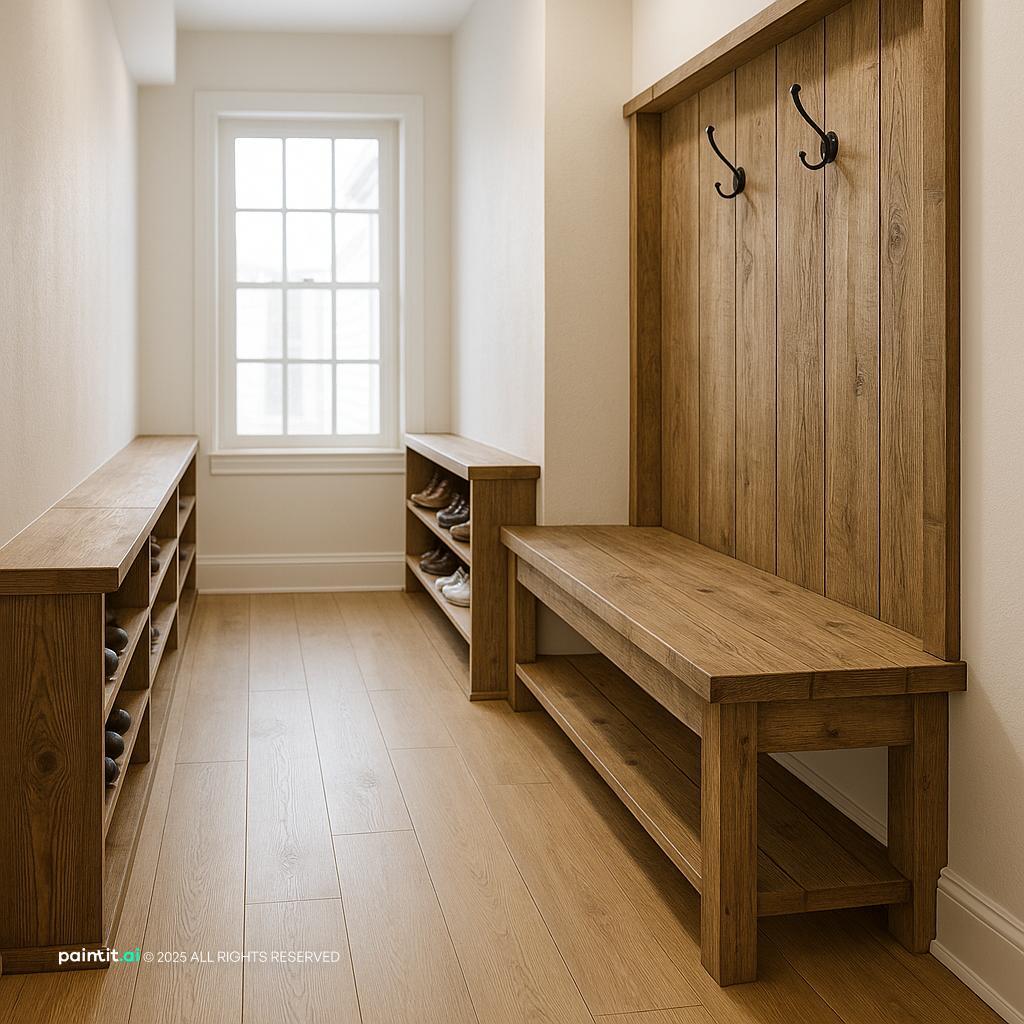
FAQ
-
Use wall-mounted shelves, angled ledges, vertical racks, and one or two feature displays. Keep the floor clear so customers can move easily and see the full footwear range at a glance.
-
The best layout keeps a clear central path, places displays along the walls, and includes a compact seating area with a mirror. Storage should be close to the display zone but not visible everywhere.
-
Use modular shelving, painted wall panels, LED strip lighting, simple benches, and repurposed display furniture. Spend first on lighting, organization, and clean sightlines before decorative extras.
-
Use a mix of ambient ceiling light and focused shelf lighting. LED strips, track lights, and small spotlights help shoes look sharper and make premium display zones stand out.
-
The trend of using recycled materials for sustainability merges with the popularity of industrial decor styles. The popularity of minimalism persists as design trends showcase stark geometries alongside expansive voids. The momentum for incorporating interactive displays and technological elements in retail design continues to build.